Vocabulary Building Matching Worksheets for 3-Year-Olds
6 filtered results
-
From - To
Unlock your toddler's potential with our engaging Vocabulary Building Matching Worksheets for 3-Year-Olds! Specifically designed to foster early literacy, these colorful and interactive worksheets help young learners develop essential language skills. Through fun matching exercises, kids connect pictures with corresponding words, enhancing their vocabulary and comprehension. Ideal for parents and educators, these worksheets provide a playful and educational experience, making learning enjoyable and effective. Whether at home or in preschool, our expertly crafted resources ensure your child builds a strong foundation for future reading success. Explore our collection and watch your child's language skills soar!
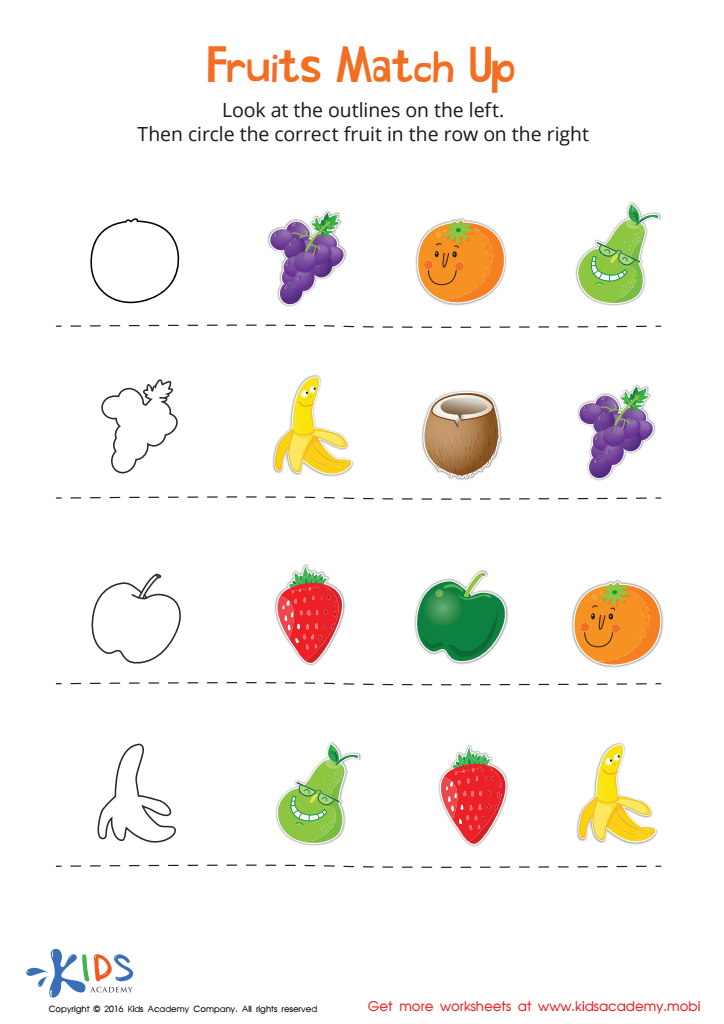
Fruits Match Up Worksheet
 Assign to My Students
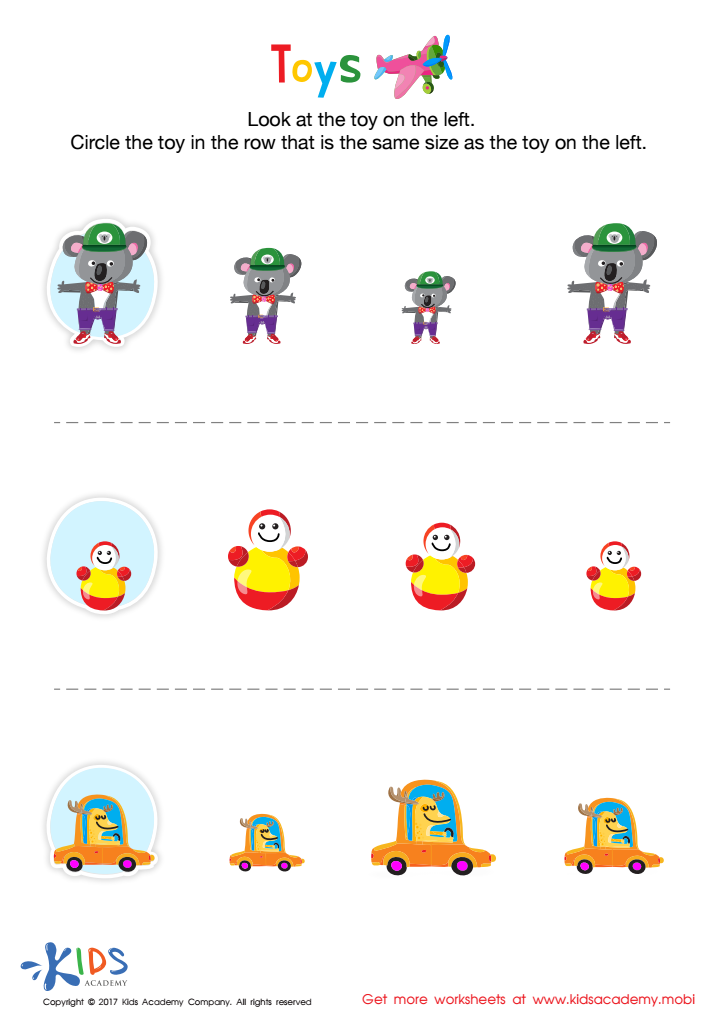
Matching: Classifying Toys by Size Worksheet
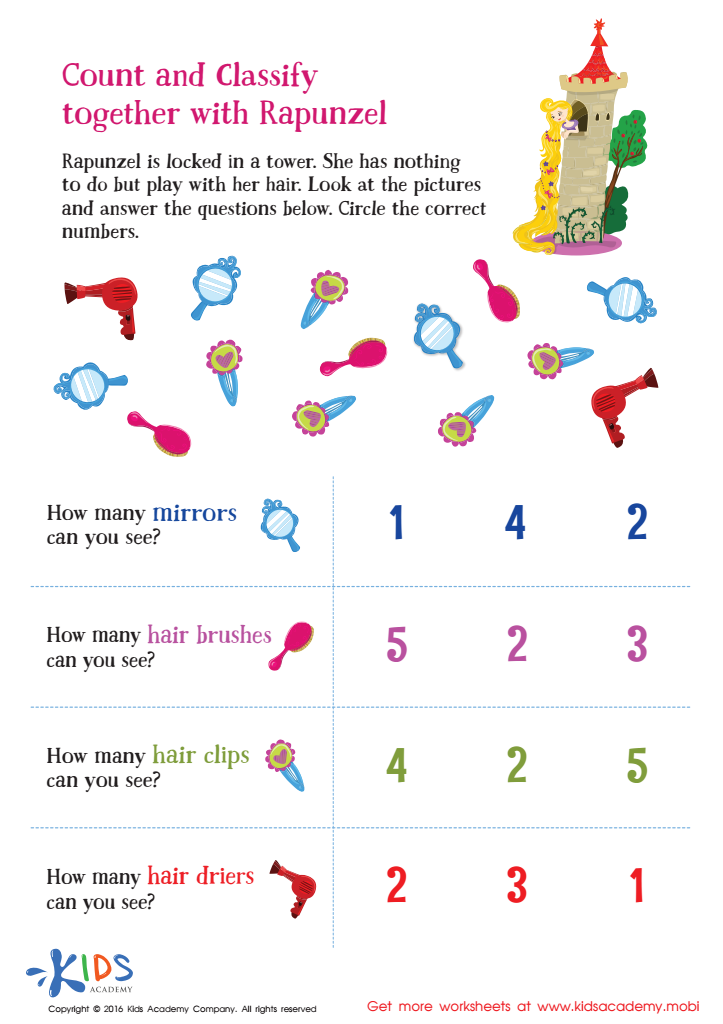
Fairy Tale Worksheet: Count and Classify with Rapunzel
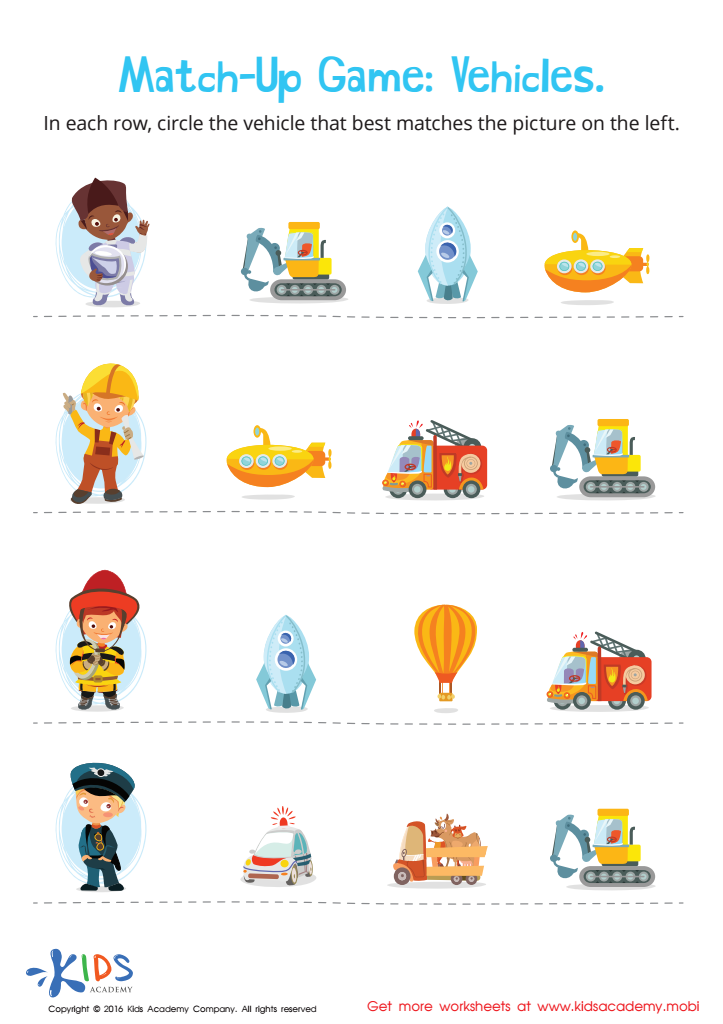
Vehicles Worksheet
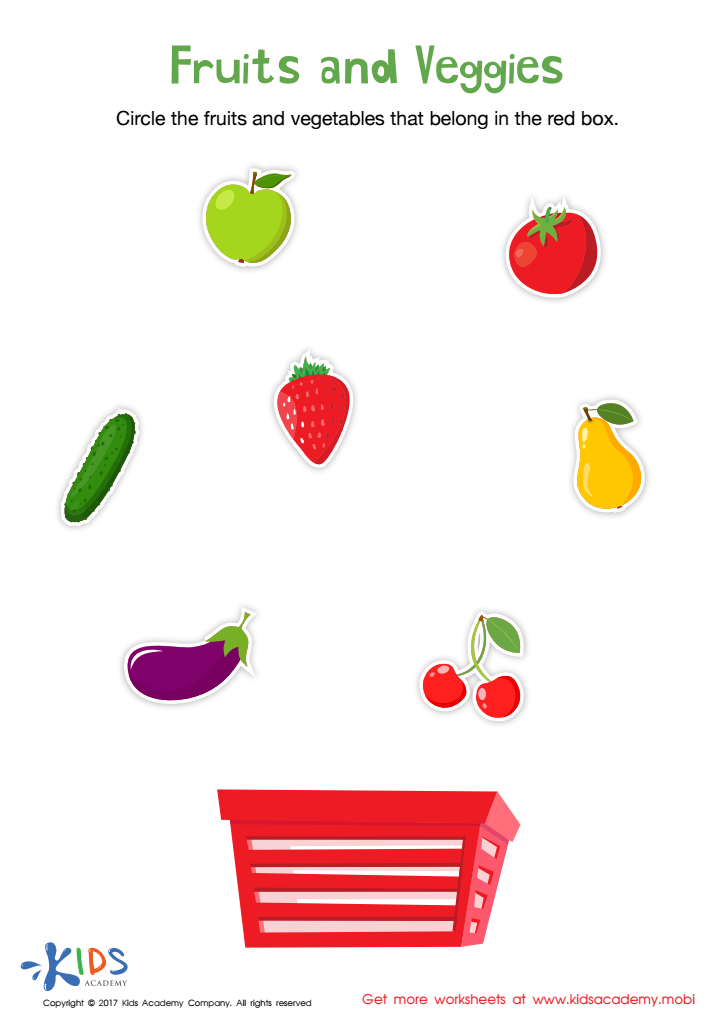
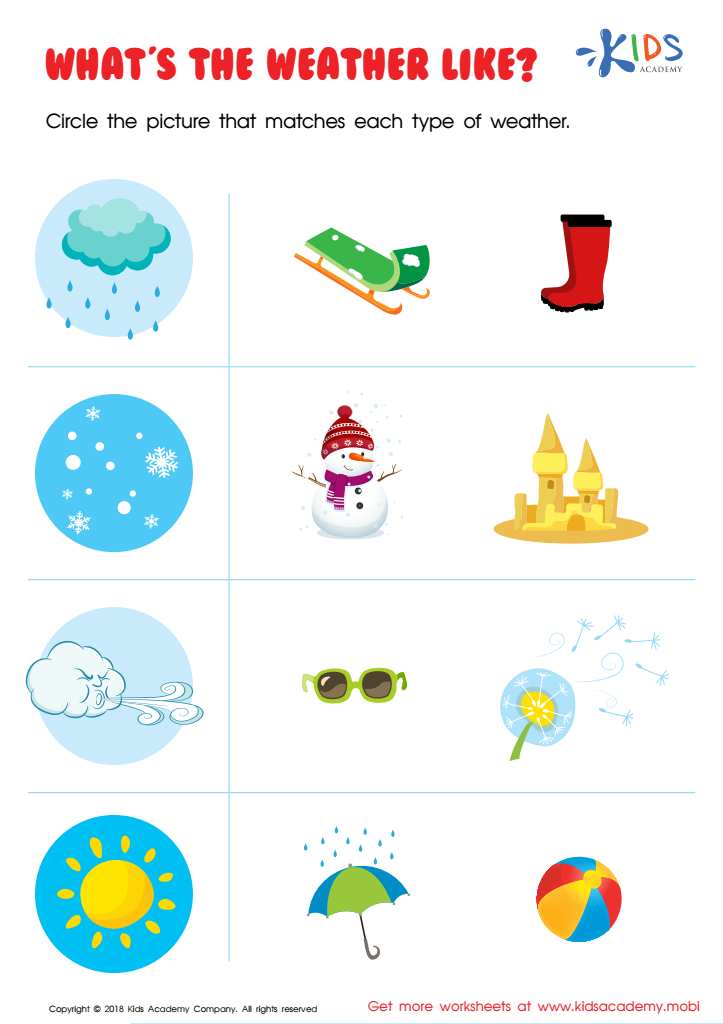
What's the Weather Like? Worksheet








Parents and teachers should prioritize vocabulary-building matching activities for three-year-olds as it lays the foundation for language development, a critical component of early childhood education. At this age, children's brains are incredibly receptive to new information, and a rich vocabulary fosters enhanced communication skills. Engaging children in vocabulary-building activities through matching games is not just about expanding their word bank but also improves their cognitive abilities, such as memory, attention, and problem-solving skills.
Vocabulary-building matching acts like a game, thus making learning both effective and enjoyable. It encourages active participation which promotes better retention of information. These activities also offer opportunities for social interaction, allowing children to practice using new words in context, thereby enhancing their ability to express thoughts and emotions clearly.
Furthermore, mastering vocabulary skills early helps in reading comprehension. A strong vocabulary is one of the strongest predictors of future reading and academic success. When children recognize and understand words, they find it easier to learn to read and understand what they are reading. For bilingual or multilingual children, this kind of activity is extremely beneficial in building their language competence more swiftly across different languages.
Hence, focused vocabulary-building strategies are essential and transformational tools that push the envelope for a child's long-term intellectual advancements and communication competencies.








