Number Recognition Numbers up to 100 Worksheets for 3-Year-Olds
4 filtered results
-
From - To
Welcome to our engaging worksheets designed for toddlers to develop number recognition skills up to 100! Tailored for 3-year-olds, these colorful and interactive activities introduce children to numbers through fun exercises that capture their attention. Our worksheets provide a variety of engaging problems, from counting exercises to matching numbers, fostering both learning and play. These activities are perfect for home or classroom use, promoting early math literacy and confidence in young learners. Give your child a head start in their numerical journey today with our thoughtfully designed resources, ensuring they build a solid foundation for their future education!
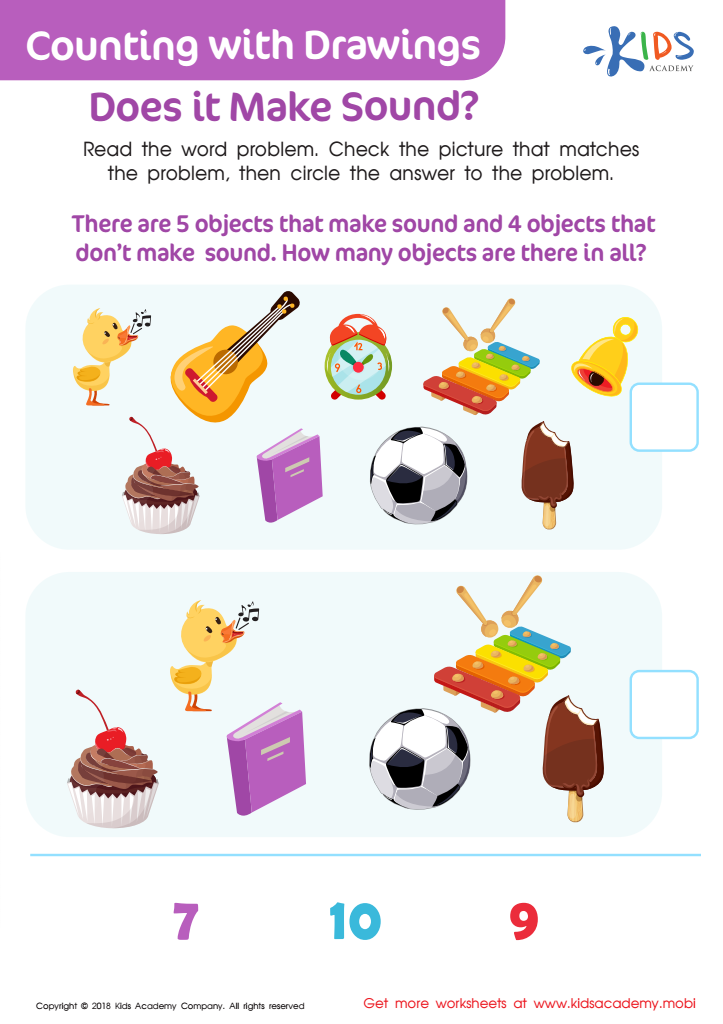
Counting With Drawings. Does It Make Sound? Worksheet
 Assign to My Students
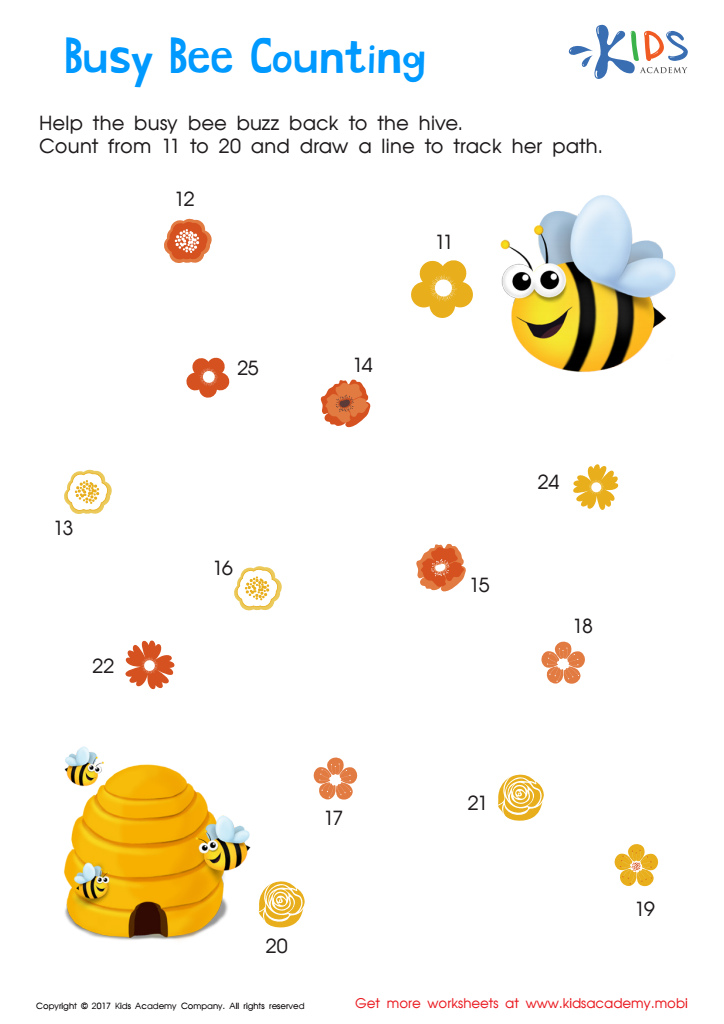
Ordering 11–20: Busy Bee Counting Worksheet
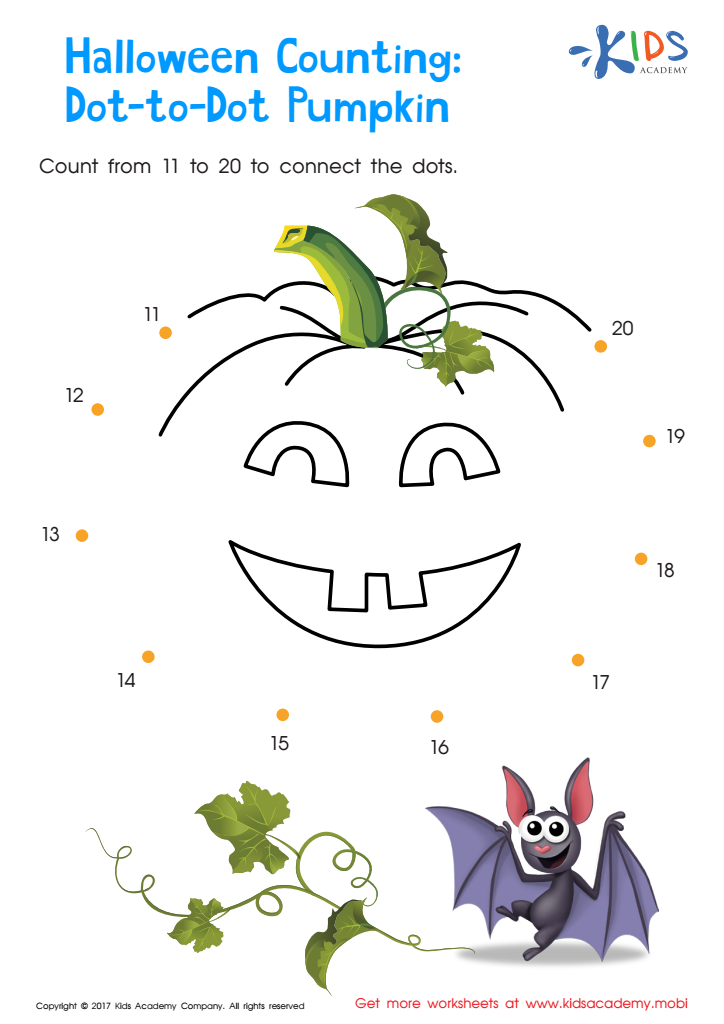
Ordering 11–20: Halloween Counting Worksheet
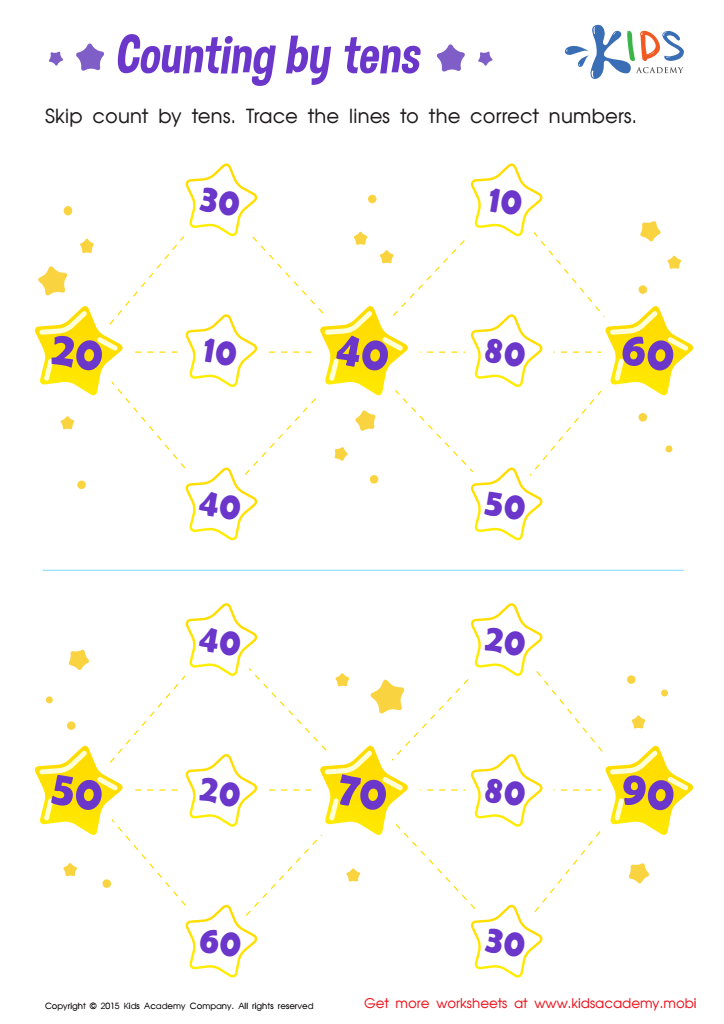
Learn Dozens: Counting by Tens Printable








Number recognition is a foundational skill for early childhood development, and focusing on numbers up to 100 for 3-year-olds can have a significant impact on their cognitive growth. First and foremost, recognizing numbers helps children understand the concept of quantity and quantity comparison, establishing essential mathematical groundwork for later learning. This foundational skill supports critical thinking and problem-solving abilities, which are vital in everyday life.
Additionally, engaging with number recognition fosters language development. As children learn to recognize and read numbers, they enhance both their vocabulary and verbal skills, making connections between symbols and their meanings. Parents and teachers who prioritize number recognition help cultivate children's confidence in their abilities, making them more willing to engage in learning activities.
Moreover, these early experiences with numbers set the stage for successful participation in future formal education. Research shows that early exposure to math skills can lead to improved academic performance later on. In our technology-driven world, numeracy skills are crucial for not just academic success but daily decision-making as well. By prioritizing number recognition, parents and teachers equip children with the tools they need to thrive in school and beyond, making early intervention essential for lifelong learning.








