Basic Addition Reading Worksheets for 3-Year-Olds
4 filtered results
-
From - To
Welcome to our Basic Addition Reading Worksheets designed specifically for 3-year-olds! These engaging worksheets introduce young learners to fundamental addition concepts through fun illustrations and interactive activities. Our resources help children develop essential math skills while enhancing their reading abilities. They’ll enjoy identifying numbers and counting objects as they complete simple addition problems. With colorful visuals and easy-to-understand directions, these worksheets foster a playful learning environment that encourages exploration and creativity. Perfect for parents and educators alike, our worksheets provide a solid foundation for early mathematicians, making learning a delightful experience. Download now and watch your child thrive in early math!
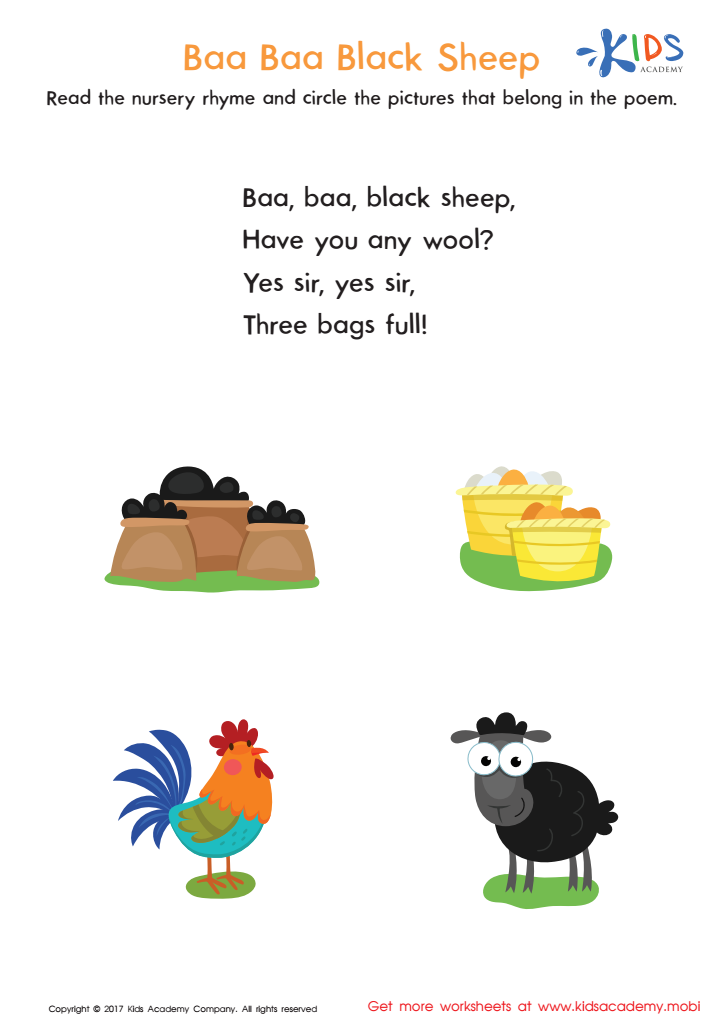
Baa Baa Black Sheep Printable
 Assign to My Students
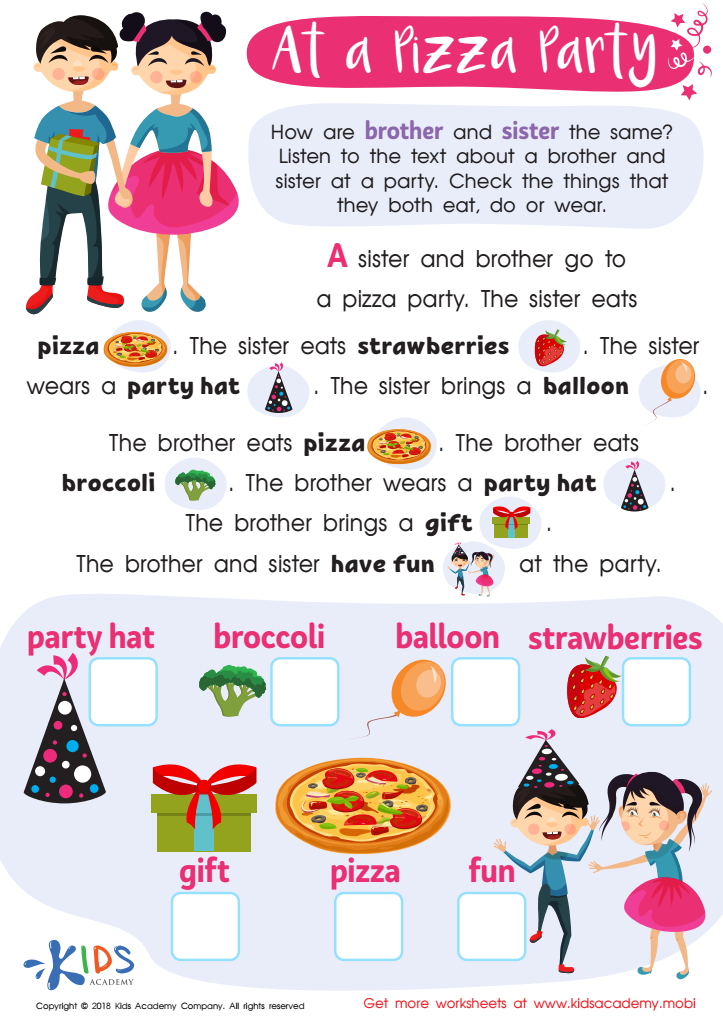
At a Pizza Party Worksheet
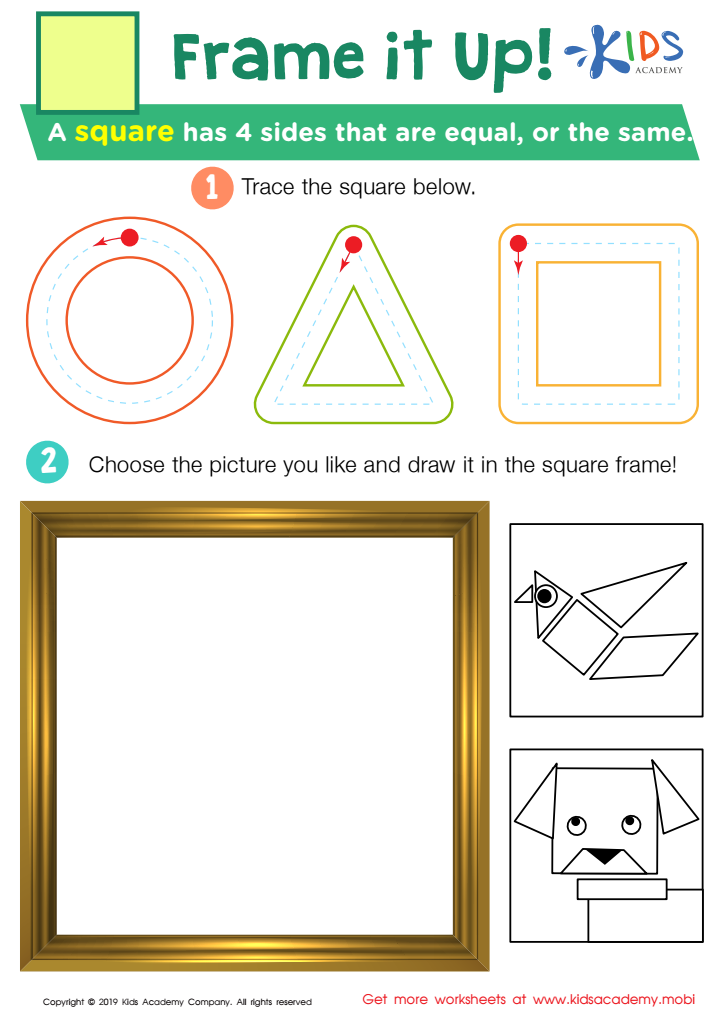
Frame it Up Worksheet
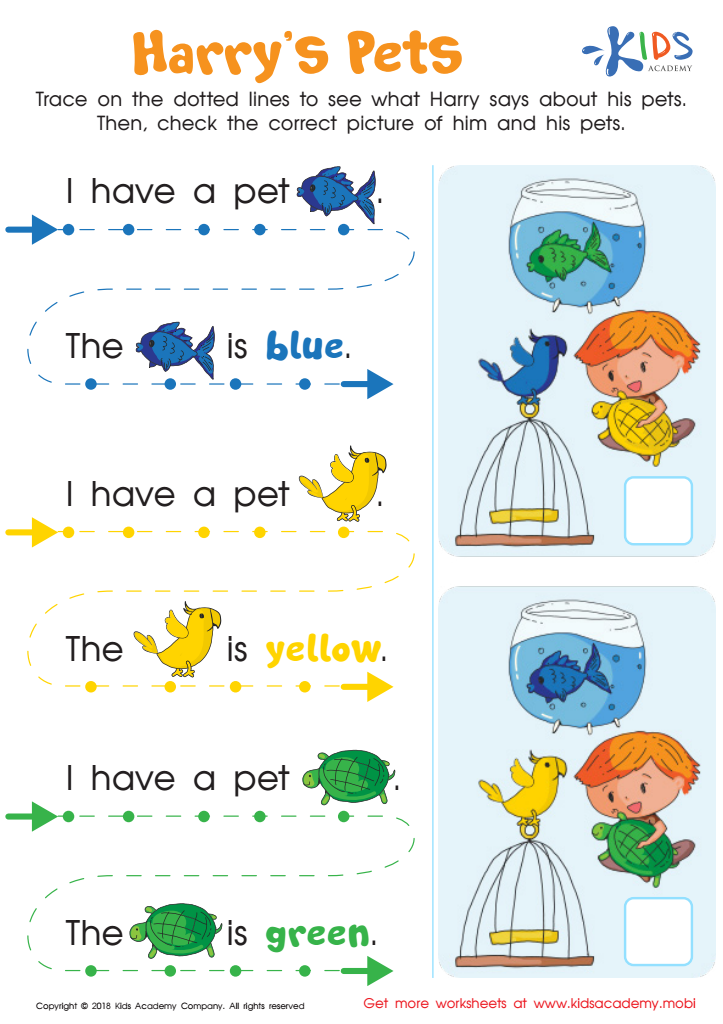
Read from Left to Right: Harry's Pets Worksheet








Basic addition reading for 3-year-olds is critical as it lays the foundation for fundamental math skills and early literacy development. At this developmental stage, children are exceptionally curious, and engaging them in educational activities can ignite a lifelong love for learning. Introducing simple math concepts, like addition, in a fun and interactive manner helps children develop logical thinking, problem-solving skills, and a sense of number awareness. This early exposure not only enhances cognitive abilities but also boosts confidence as children experience success in these areas.
Furthermore, incorporating basic addition into reading sessions cultivates literacy skills, as children learn to associate numbers with visual representations and stories. This integration fosters language development, as children acquire vocabulary related to counting, quantity, and basic math operations, improving their overall communication skills.
Parents and teachers play an essential role in nurturing these competencies. When caregivers show enthusiasm and provide supportive environments, children thrive. It’s essential for parents and teachers to understand that introducing basic addition at an early age can significantly influence children's academic trajectories, making it easier for them to grasp more complex concepts as they progress through school. Ultimately, early math skills contribute to future success in both math and literacy domains.








