Critical Thinking Reading Worksheets for 3-Year-Olds
17 filtered results
-
From - To
Introduce your 3-year-old to the world of critical thinking with our engaging and educational reading worksheets. Specifically crafted for young minds, these worksheets combine fun activities with foundational skills to boost reading comprehension and logical reasoning. Kids will enjoy vibrant illustrations and interactive tasks that encourage curiosity and independent thought. Perfect for at-home learning or supplemental classroom use, our worksheets provide an exciting way to enhance early literacy and critical thinking abilities. Set the stage for a lifetime of learning success with Kids Academy's expertly designed materials tailored for young learners.
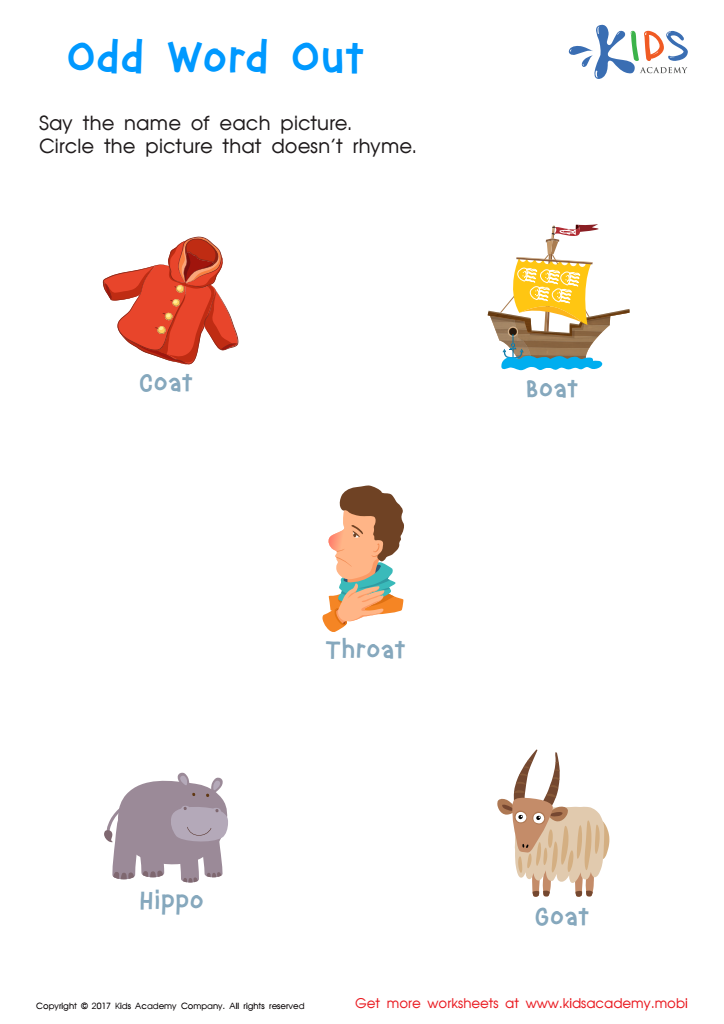
Odd Word Out Rhyming Worksheet
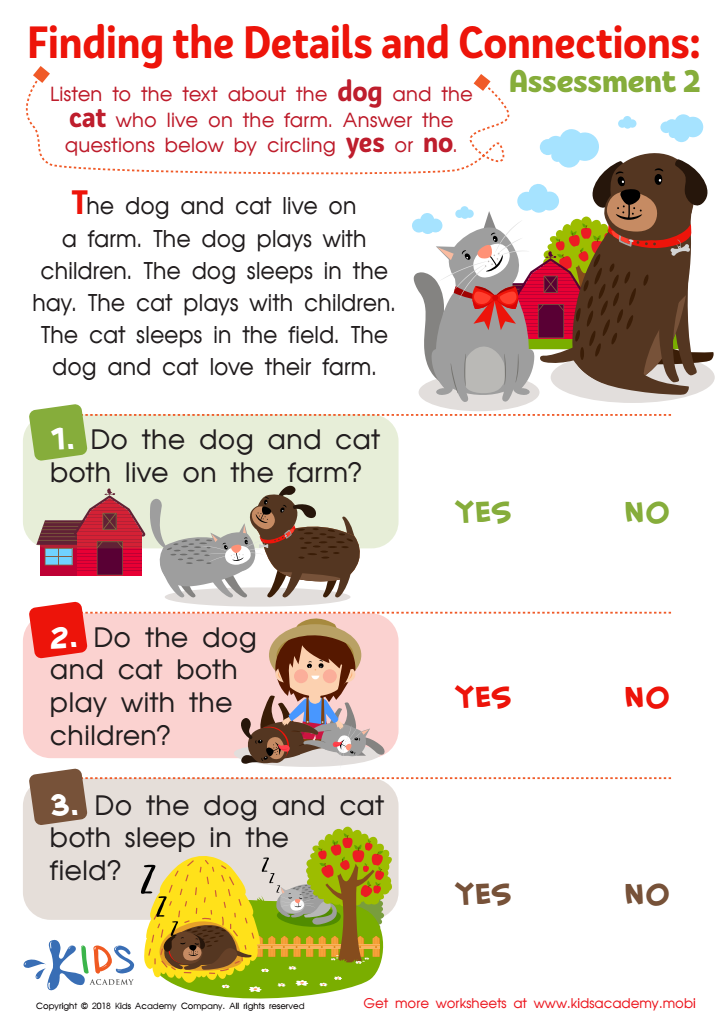
Finding the Details and Connections: Assessment 2 Worksheet
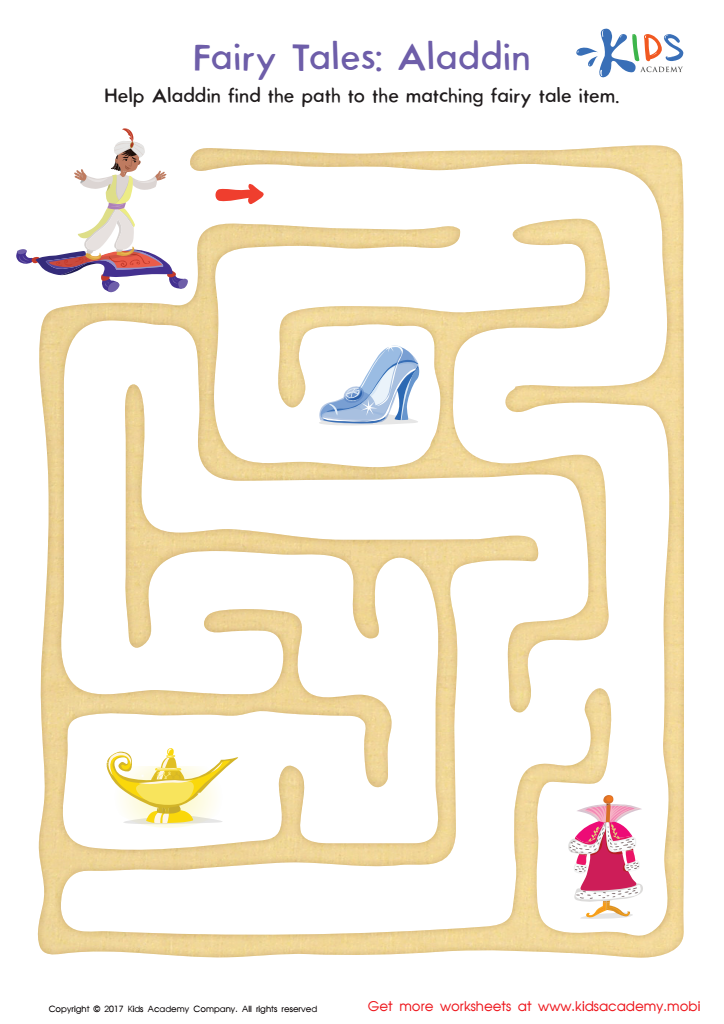
Fairy Tales Aladdin Printable
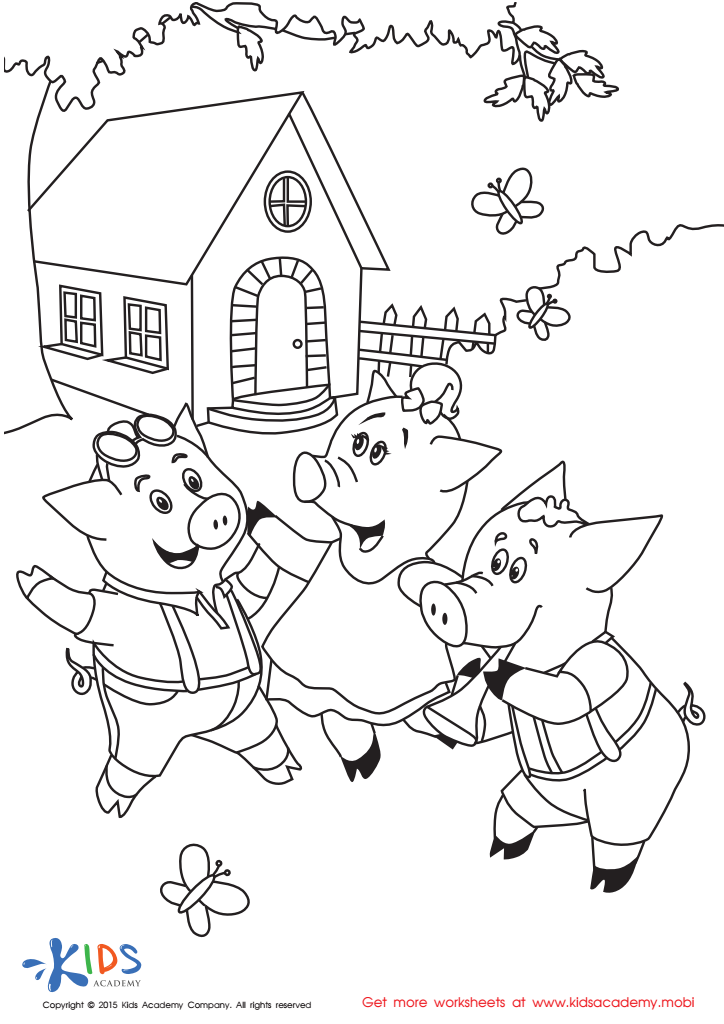
Folktales Printable PDF Worksheet: The 3 Little Pigs
 Assign to My Students
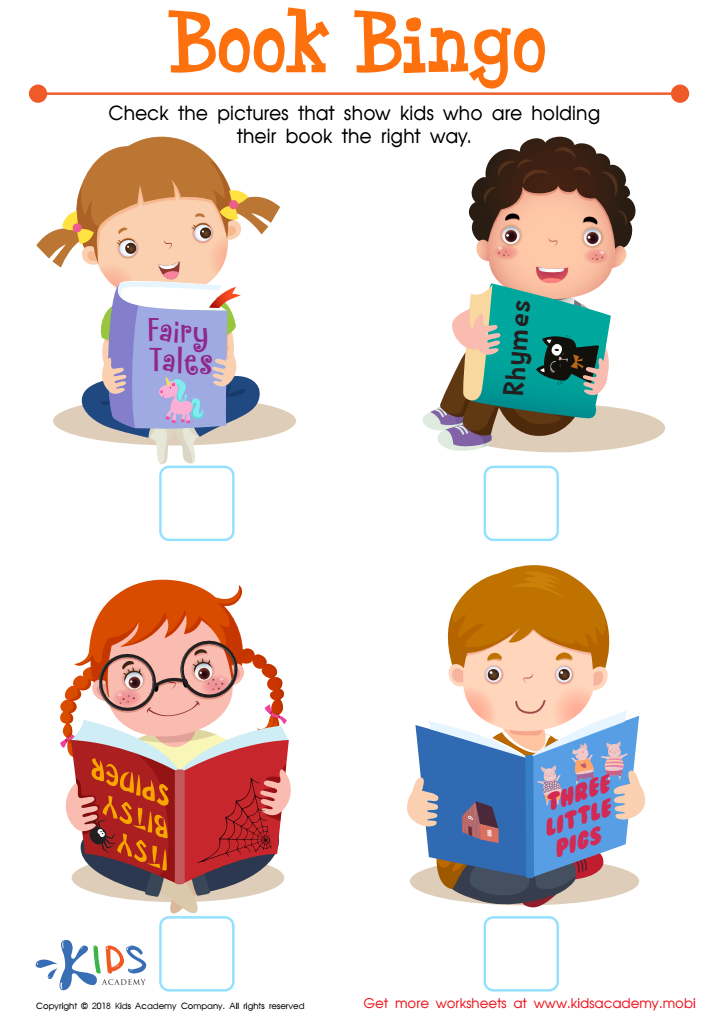
Book Bingo Worksheet
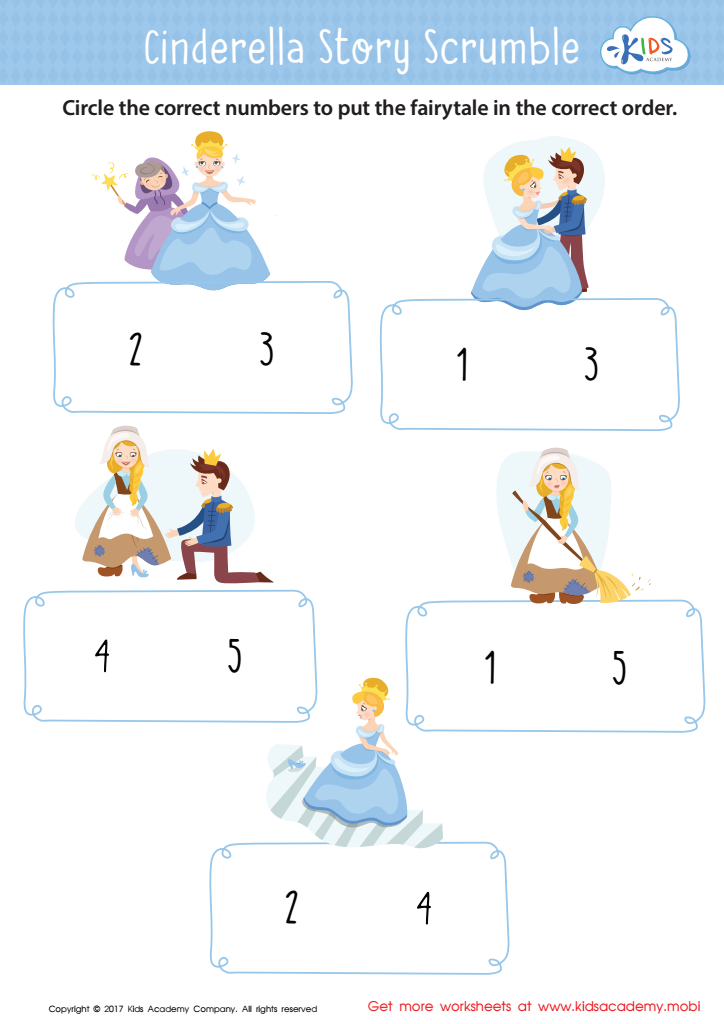
Cinderella Story Sequencing Worksheet
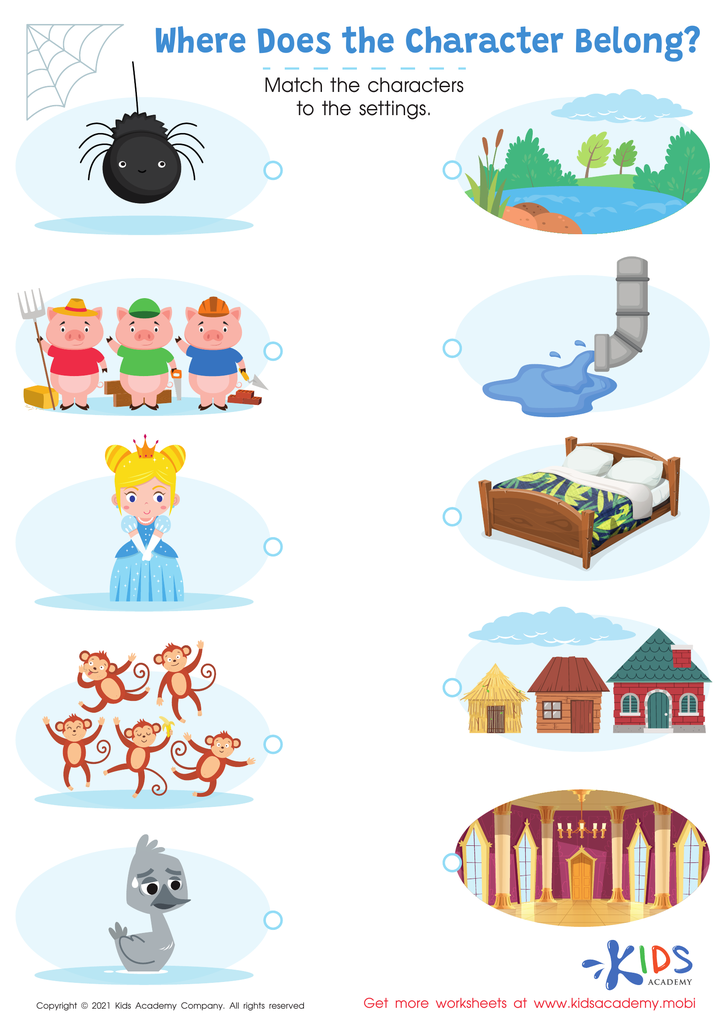
Where Does the Character Belong? Worksheet
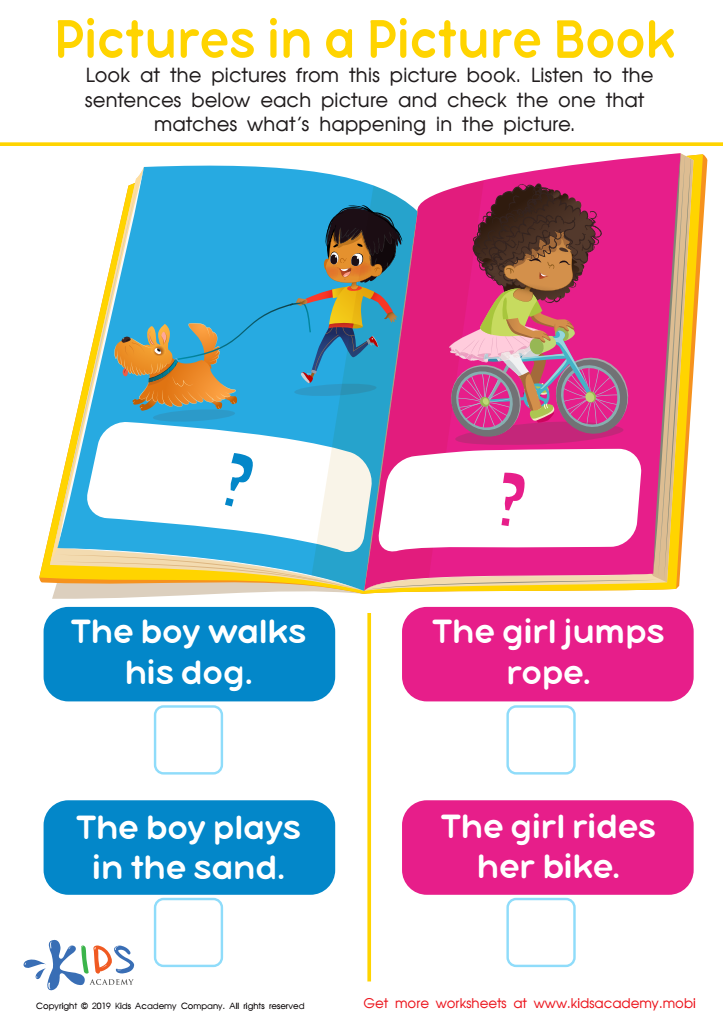
Picture in Books Worksheet
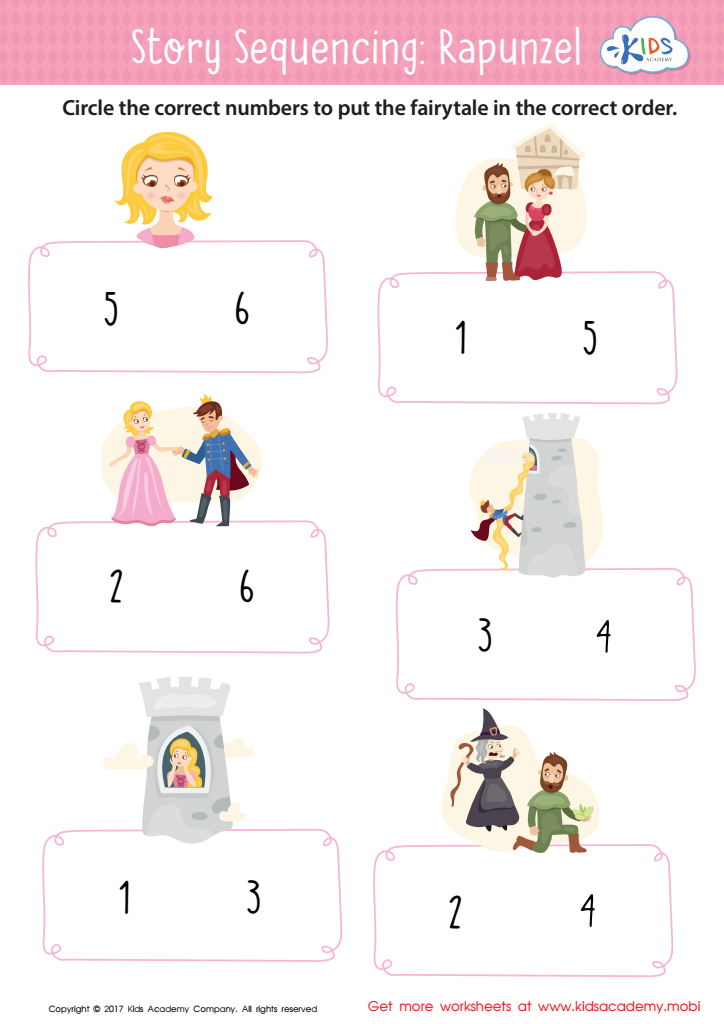
Rapunzel Story Sequencing Worksheet
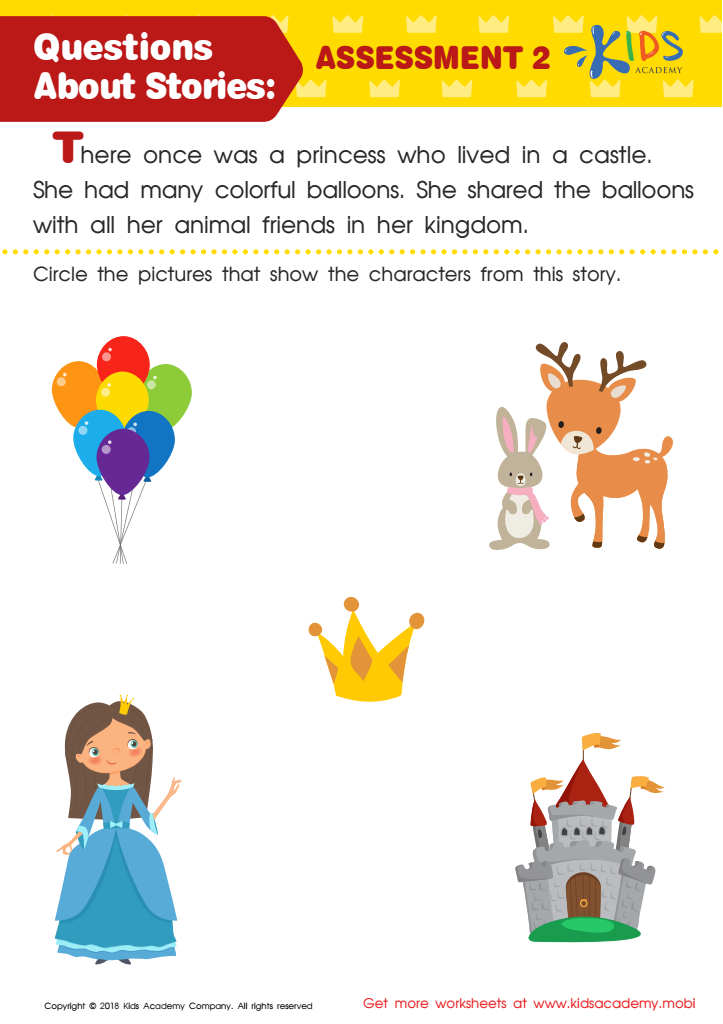
Questions About Stories: Assessment 2 Worksheet
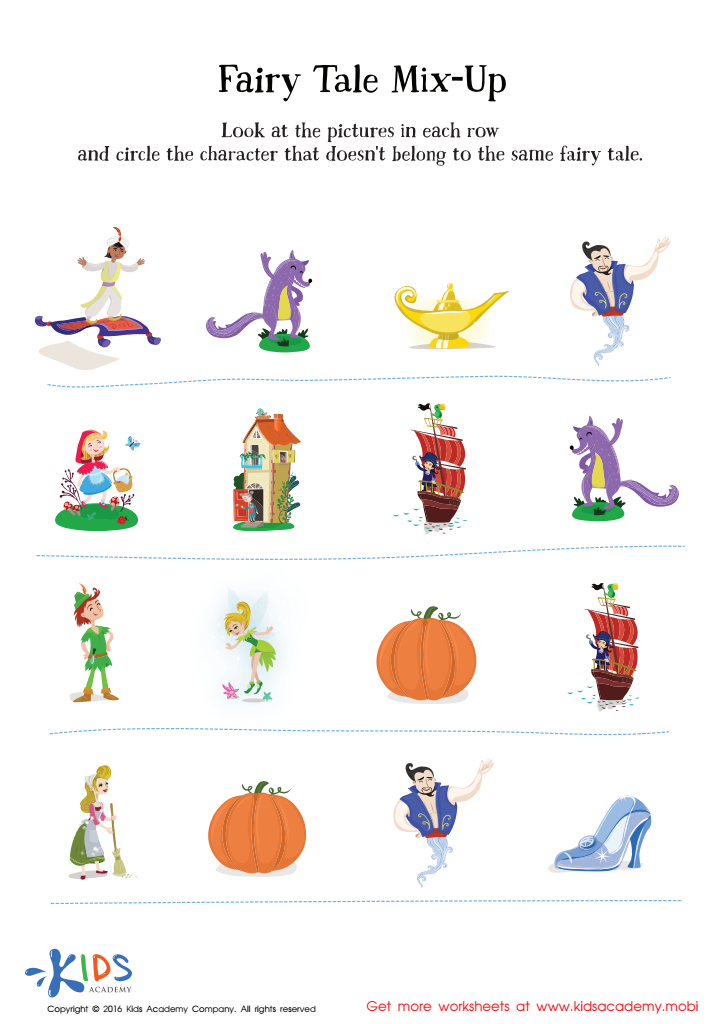
Fairy Tale Worksheet: Story Mix Up
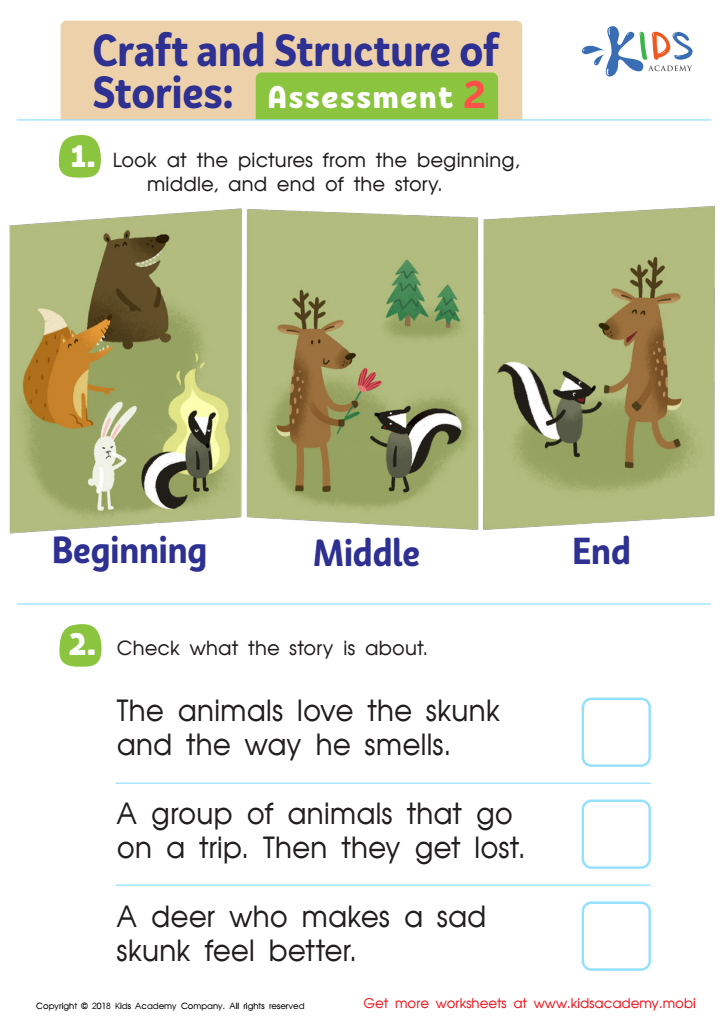
Craft and Structure of Stories: Assessment 2 Worksheet
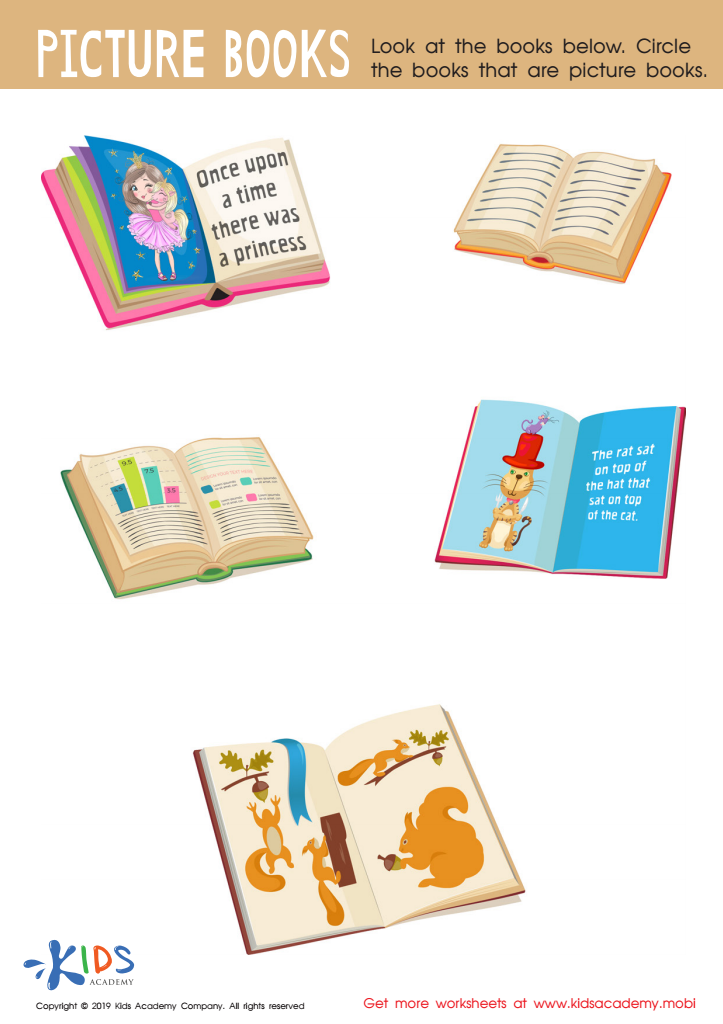
Picture Books Worksheet
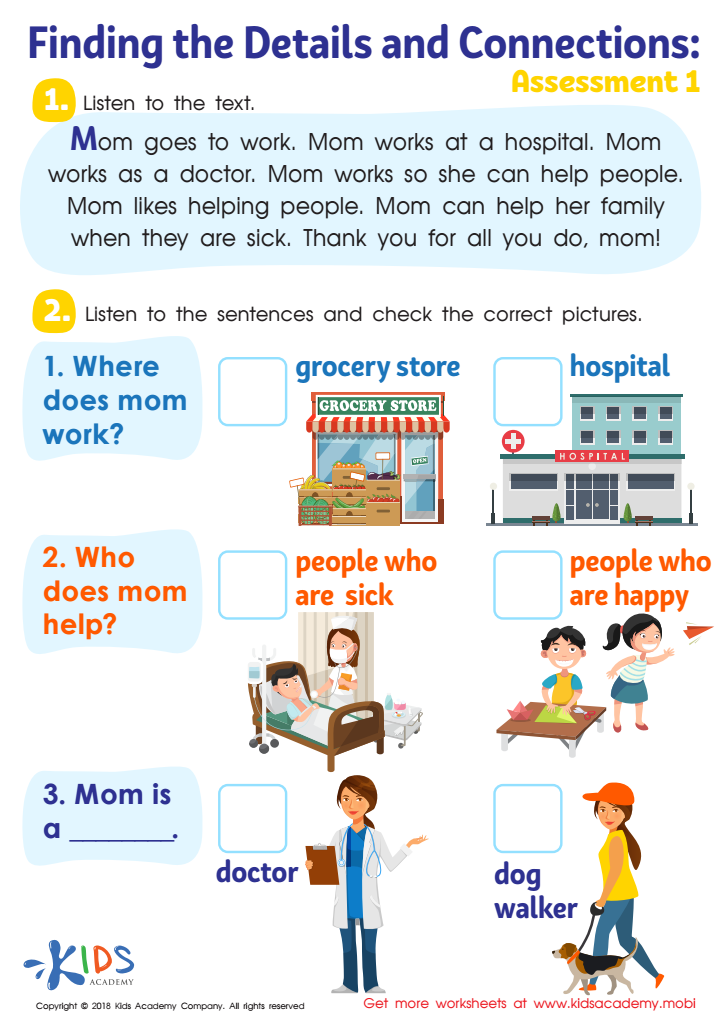
Finding the Details and Connections: Assessment 1 Worksheet
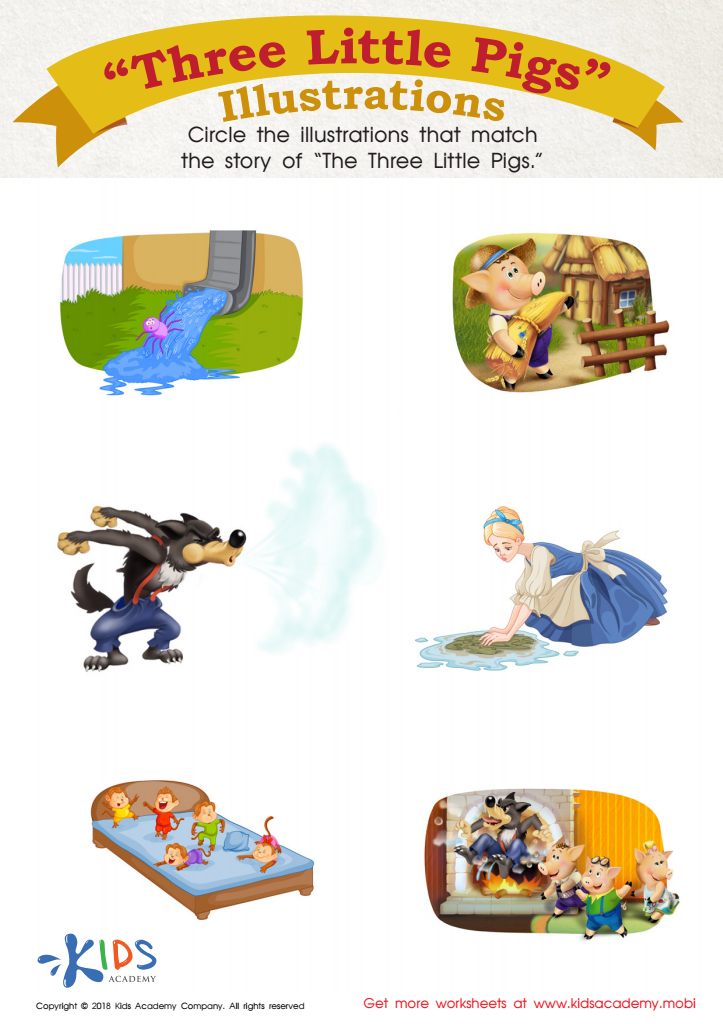
Three Little Pigs: Illustrations Worksheet
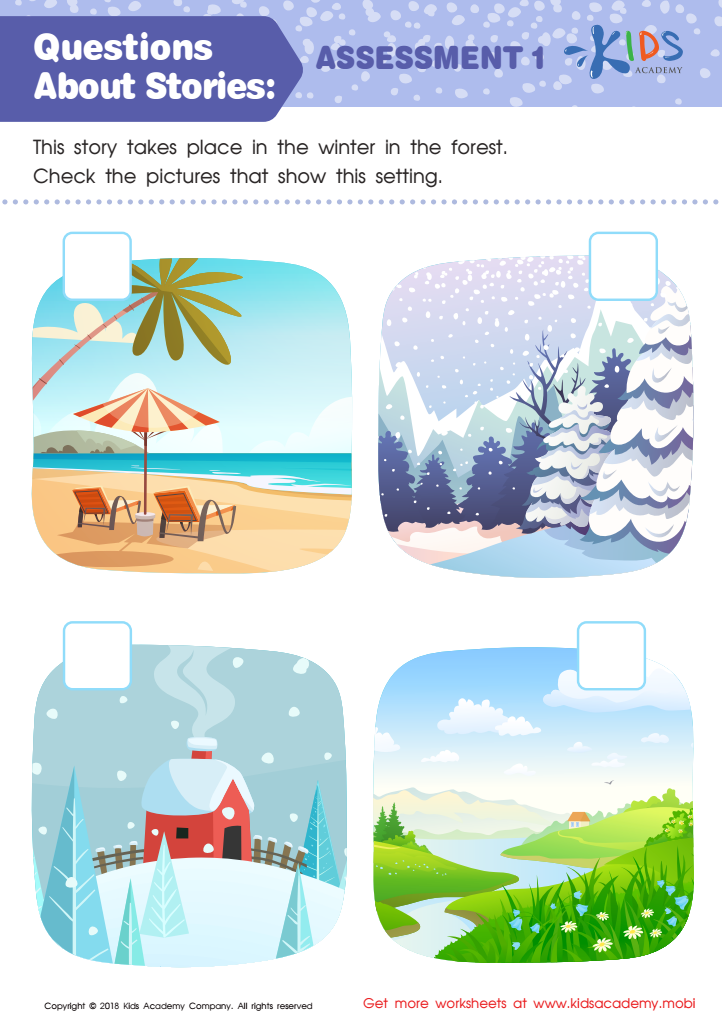
Questions About Stories: Assessment 1 Worksheet
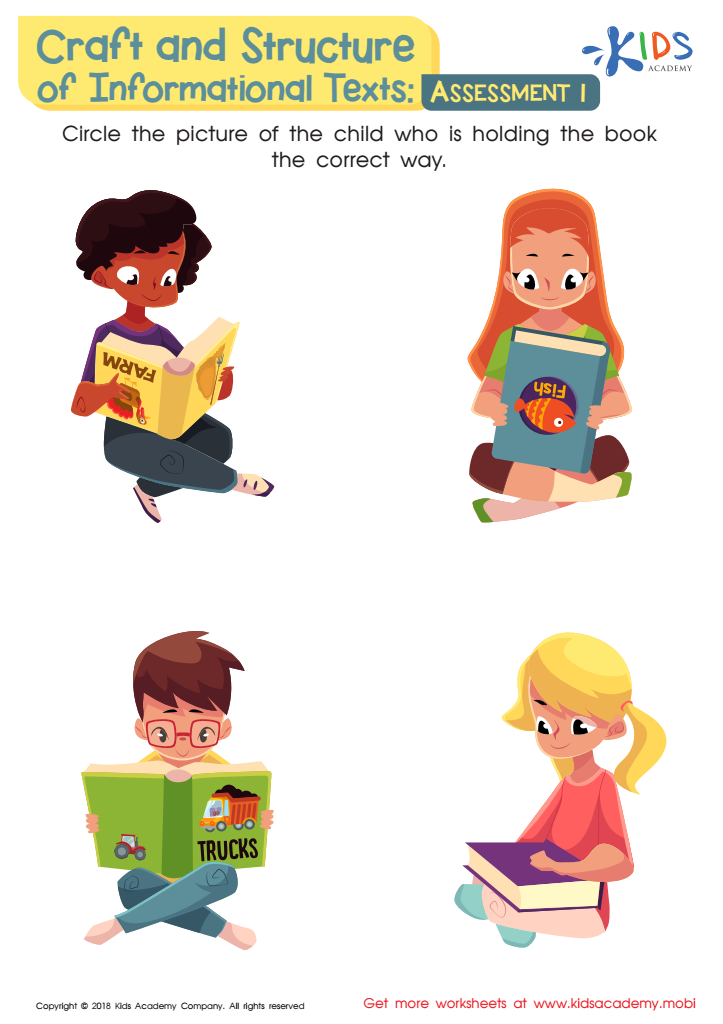
Craft and Structure of Informational Texts: Assessment 1 Worksheet







Engaging 3-year-olds in activities that promote critical thinking and reading lays a solid foundation for their cognitive and language development. At this age, children's brains are highly receptive, and introducing them to books encourages curiosity and inquisitiveness. When parents and teachers read aloud and ask thought-provoking questions about the story, they help children enhance their comprehension and analytical skills. This kind of interaction goes beyond basic literacy; it teaches kids to think deeply, ask questions, and understand the world around them.
Critical thinking reading activities also foster rich vocabulary development. By hearing new words in different contexts, children can expand their language skills, which are crucial for effective communication. Moreover, these early experiences with reading can spark a lifelong love for books, opening up endless learning opportunities.
In addition, incorporating critical thinking reading into a child's daily routine strengthens their ability to concentrate and retain information. It also helps them develop social and emotional skills, such as empathy, as they identify with characters and their experiences.
Ultimately, parents and educators should invest in critical thinking reading from an early age to nurture well-rounded, curious individuals who are prepared for complex problem-solving in the future. This early emphasis on cognitive skills can result in improved academic performance and better life outcomes.








