Color recognition Writing Worksheets for 3-Year-Olds
11 filtered results
-
From - To
Discover our engaging Color Recognition Writing Worksheets designed specifically for 3-year-olds! These fun and interactive activities help young learners identify and name different colors while developing essential writing skills. Each worksheet combines colorful visuals and simple prompts to make learning enjoyable and effective. As children trace, color, and complete each exercise, they enhance their fine motor skills and boost their confidence in writing. Perfect for parents and educators, these printable worksheets encourage creativity and reinforce color recognition in a playful way. Download now and cultivate your child's love for learning through vibrant, hands-on experiences!
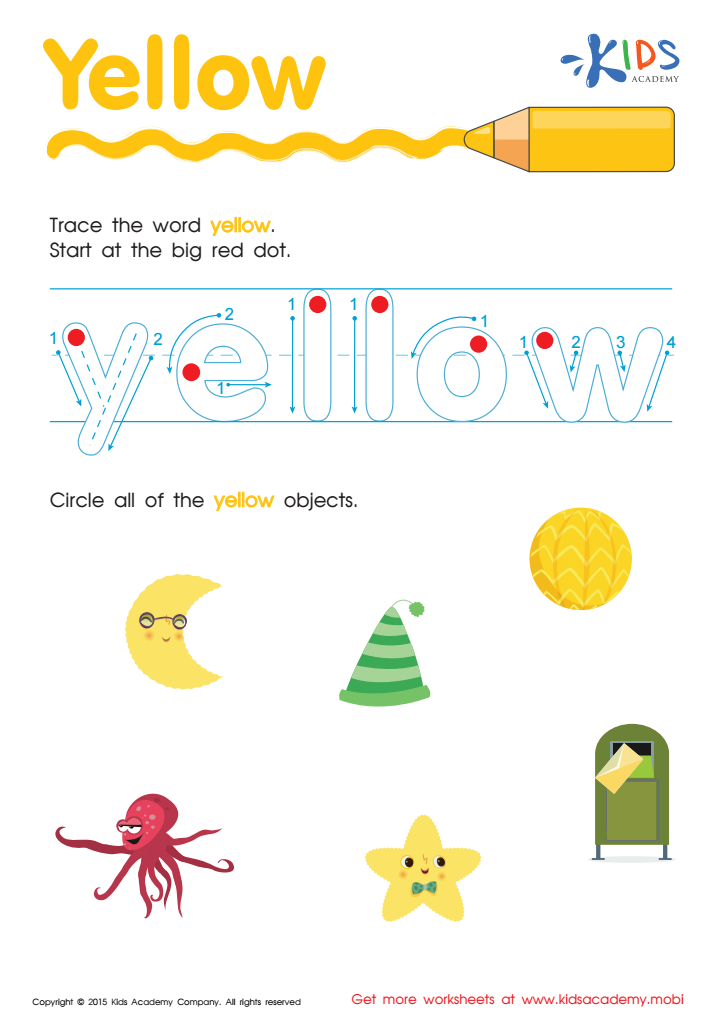
Yellow Tracing Color Words Worksheet
 Assign to My Students
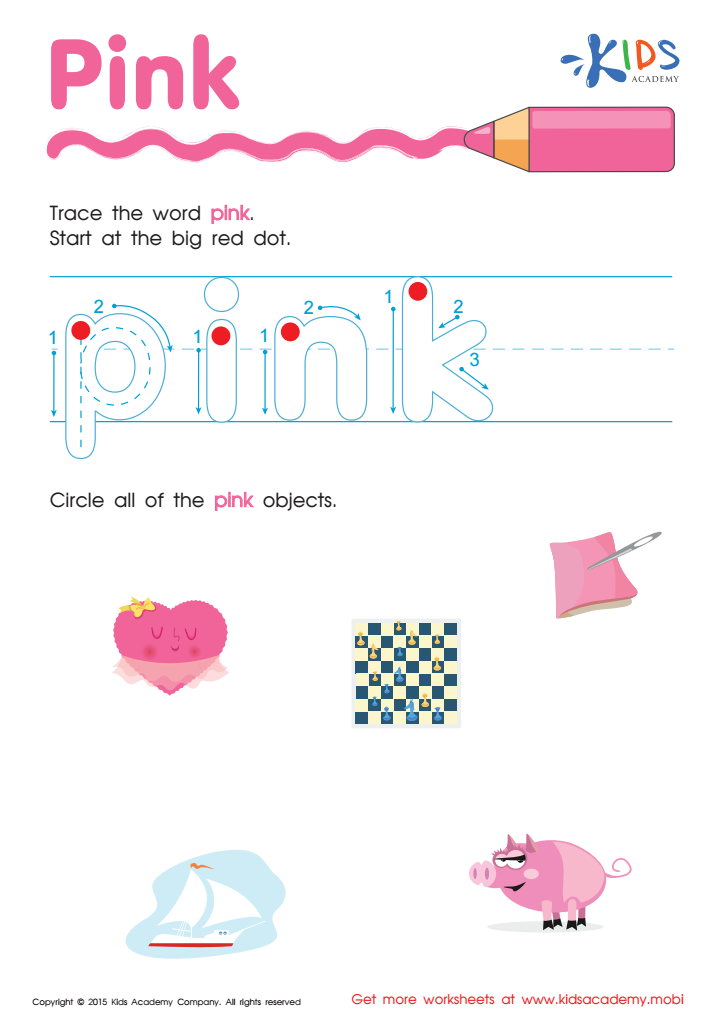
Pink Tracing Color Words Worksheet
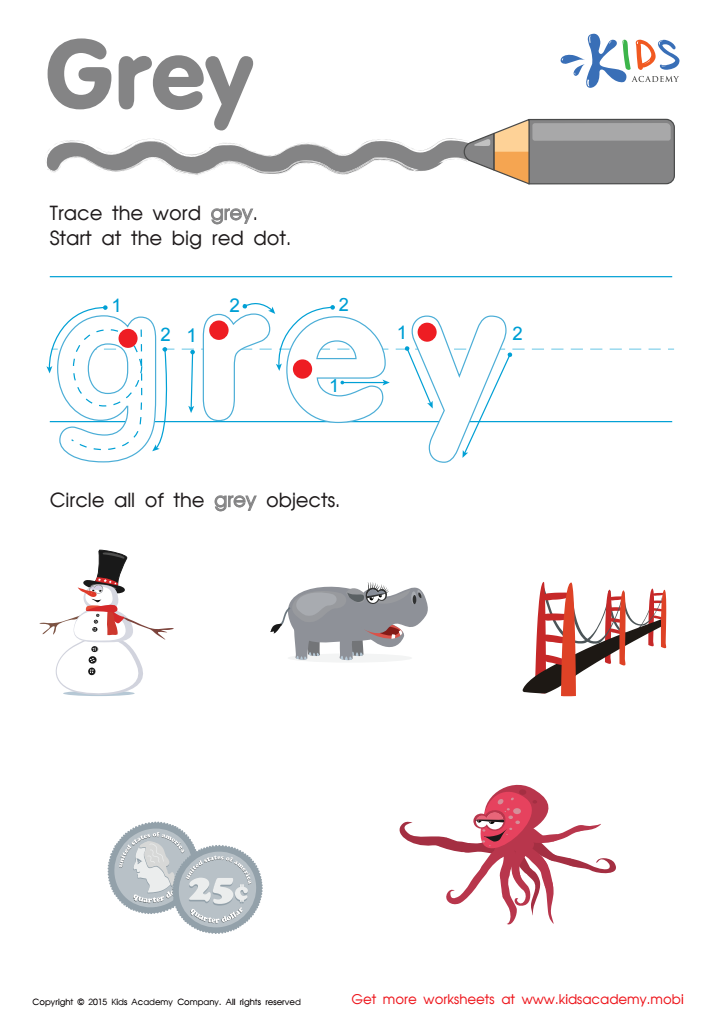
Grey Tracing Color Words Worksheet
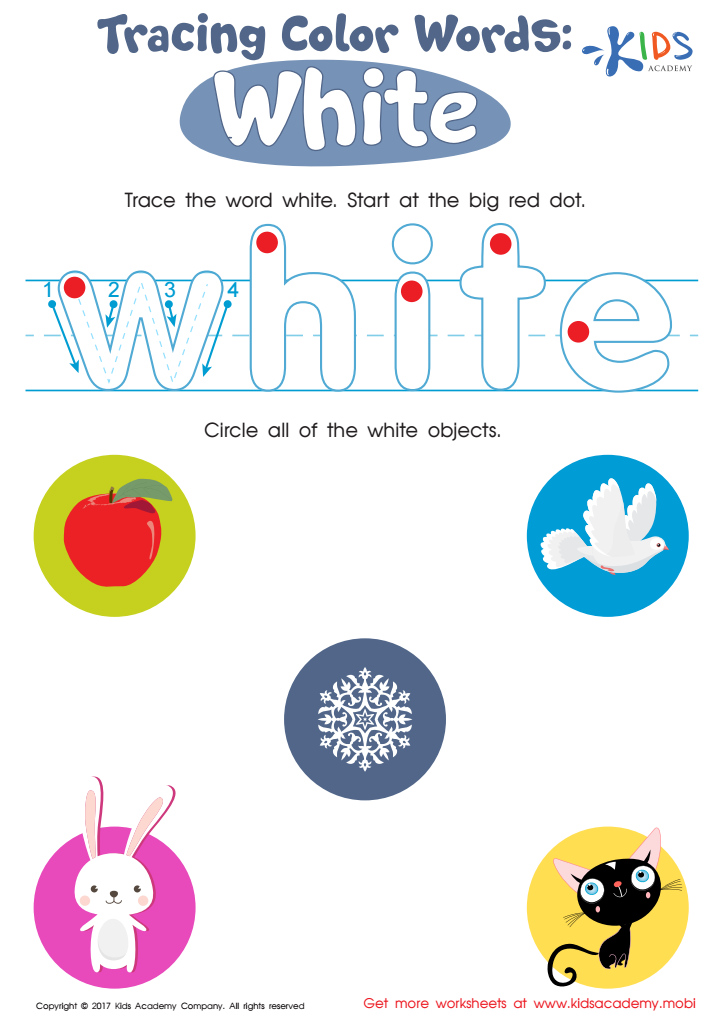
White Tracing Color Words Worksheet
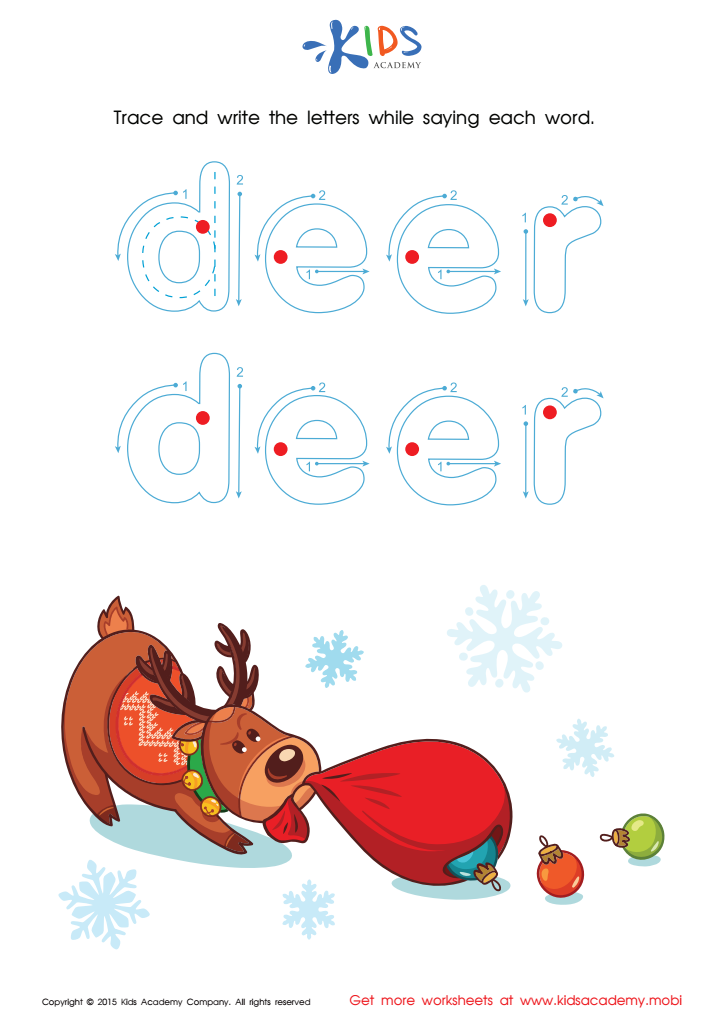
Deer Tracing Winter Words Worksheet
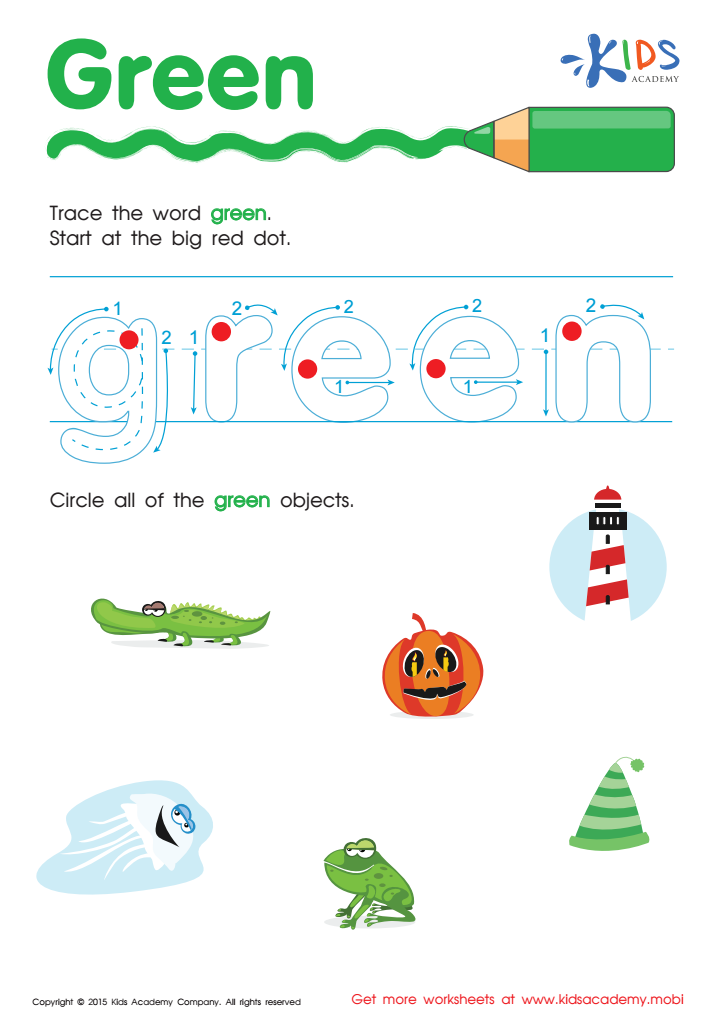
Green Tracing Color Words Worksheet
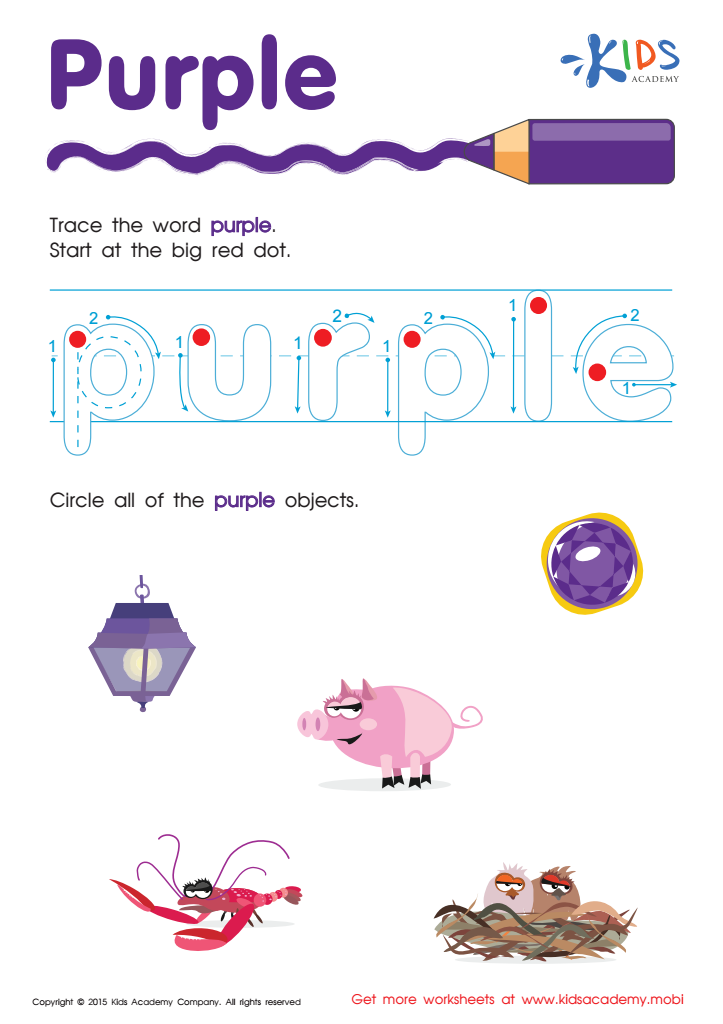
Purple Tracing Color Words Worksheet
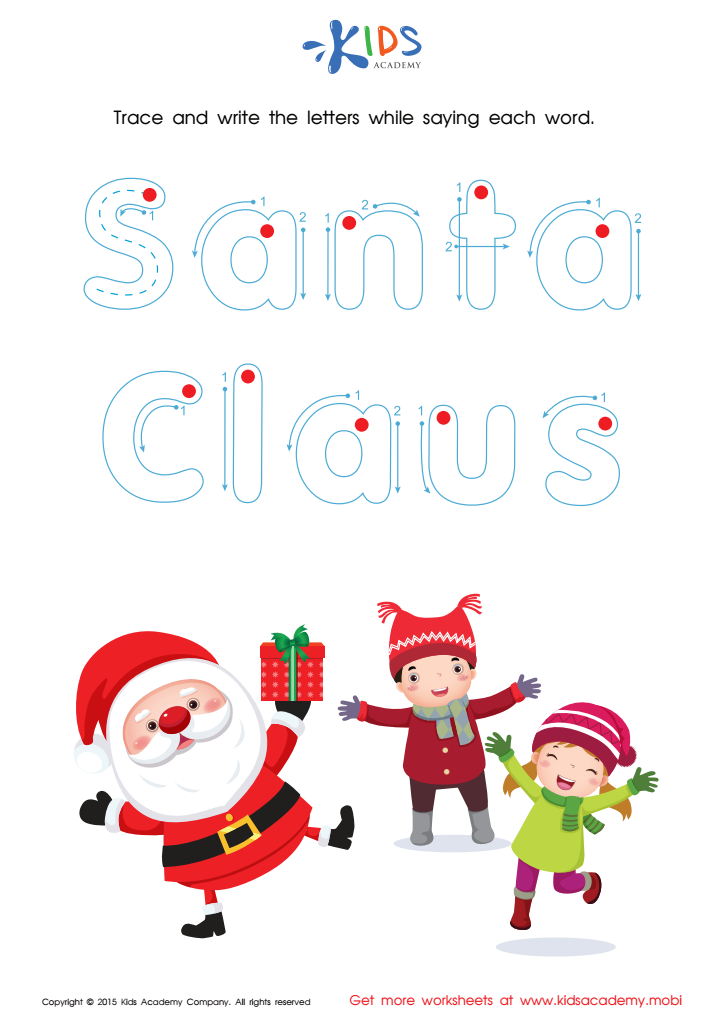
Santa Claus Tracing Winter Words Worksheet
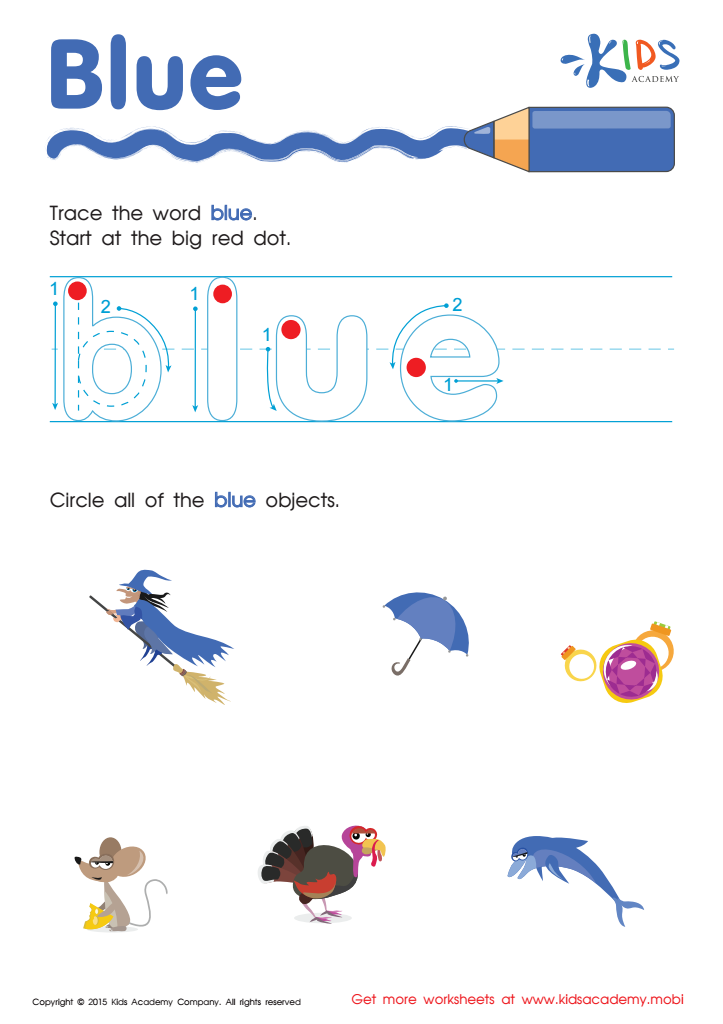
Blue Tracing Color Words Printable
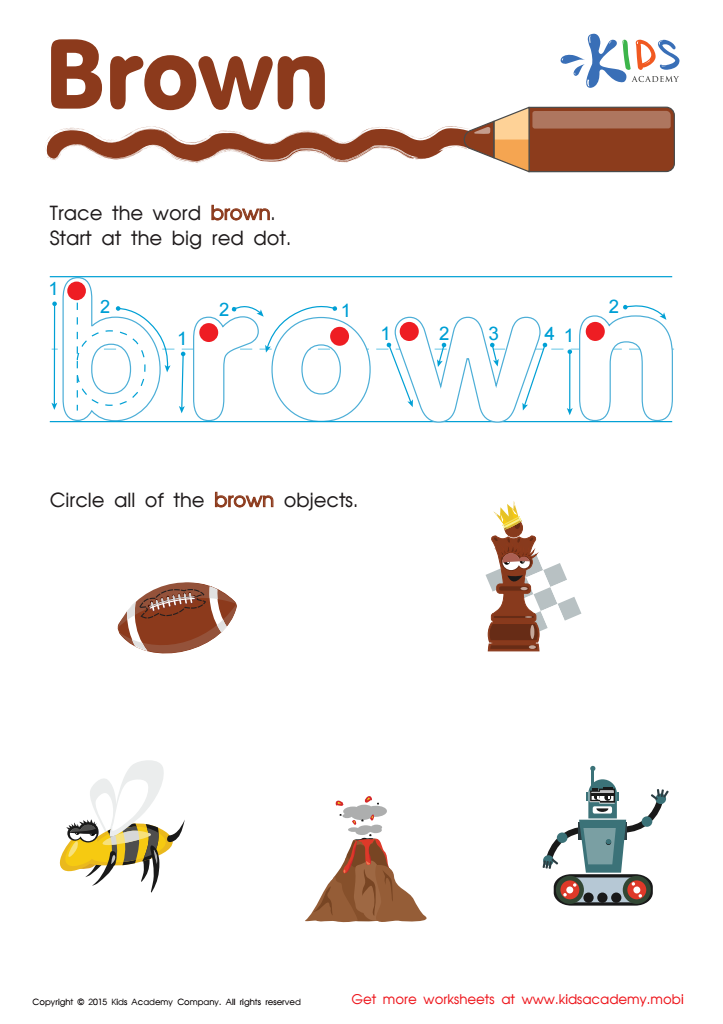
Brown Tracing Color Words Worksheet
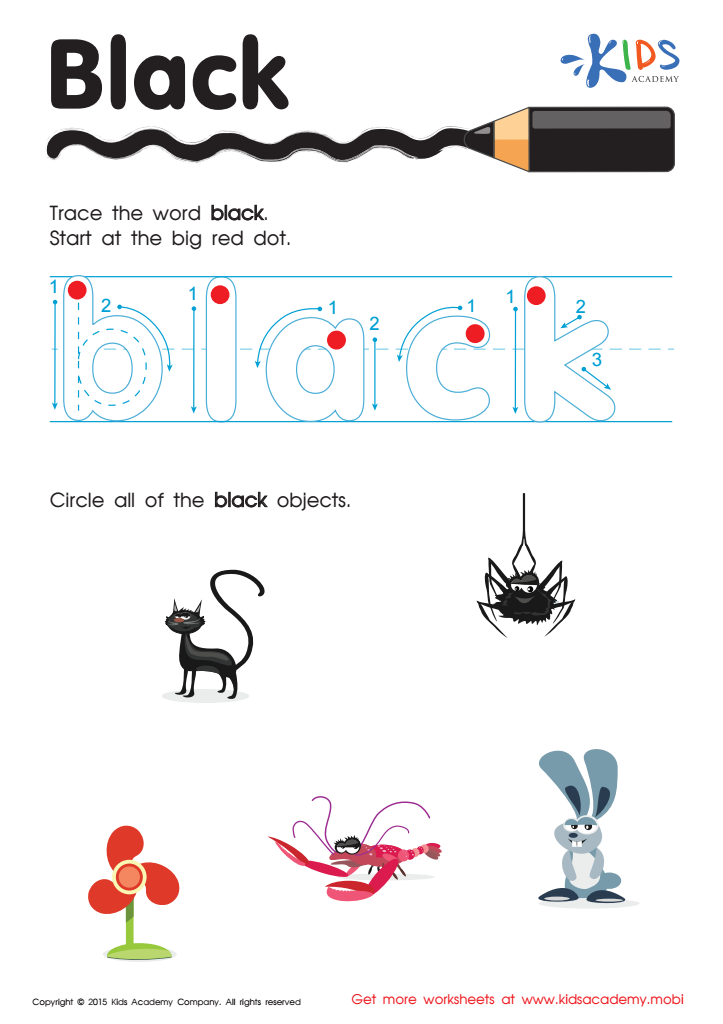
Black Tracing Color Words Printable






Color recognition is a fundamental skill that significantly impacts a child's cognitive development, particularly for 3-year-olds. At this age, children are curious explorers, and recognizing colors serves as an essential building block for their learning journey. Understanding colors enhances their ability to categorize and identify objects, fostering critical thinking and observation skills.
When parents or teachers introduce color recognition through engaging activities and writing exercises, they stimulate creativity and fine motor skills. Writing activities, such as coloring and labeling, allow children to practice their handwriting while reinforcing their color knowledge. These tasks also enhance vocabulary, as children learn to associate color words with various objects in their environment.
Moreover, color recognition plays a vital role in early literacy development. Associating colors with letters, numbers, and shapes aids in memory retention and lays the groundwork for reading and math skills. Engaging children in color-related learning experiences promotes a love for education and encourages them to explore the world around them.
Encouraging color recognition not only cultivates essential skills but also strengthens the parent-child or teacher-student bond through interactive and fun learning activities. This foundational knowledge supports broader learning and growth, making it crucial for both parents and educators to prioritize.








