Fine Motor Skills ABC Letters Worksheets for Ages 4-5
38 filtered results
-
From - To
Unlock the potential of your child's fine motor skills with our engaging "Fine Motor Skills ABC Letters Worksheets" designed specifically for ages 4-5. These worksheets serve as an effective tool for helping young learners enhance their hand-eye coordination, grip strength, and pencil control while learning the alphabet. Packed with fun activities like tracing letters, connecting dots, and coloring, each worksheet turns learning into a delightful experience. The creative formats foster concentration and creativity, making it easy for children to thrive while preparing for future academic success. Equip your little ones with the essential skills they need for writing and beyond!
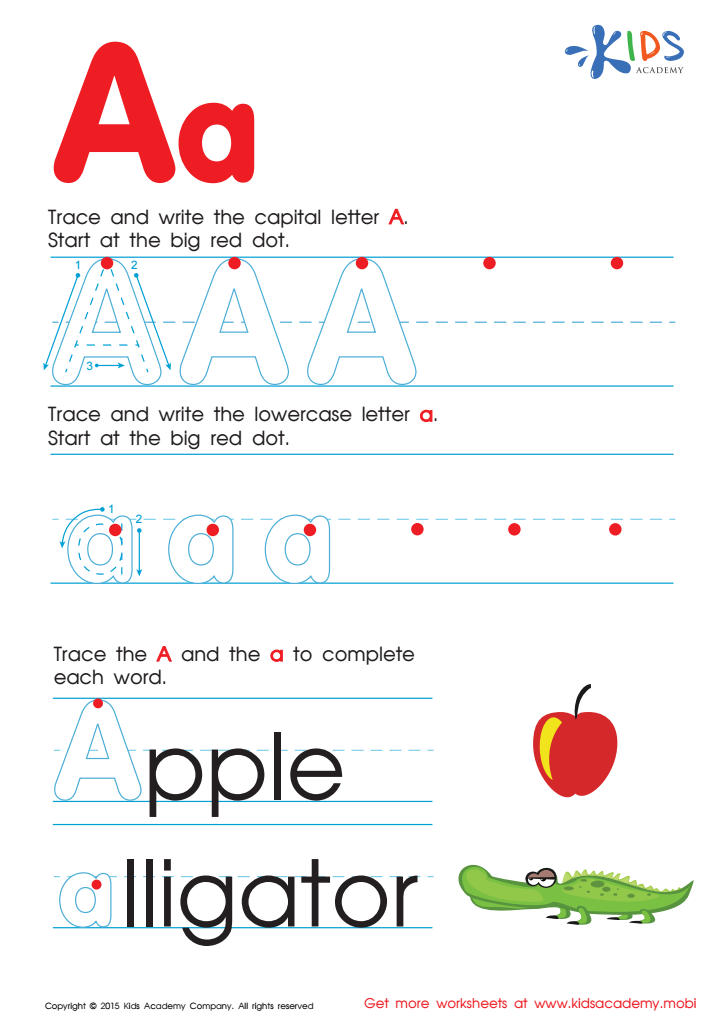
Letter A Tracing Page










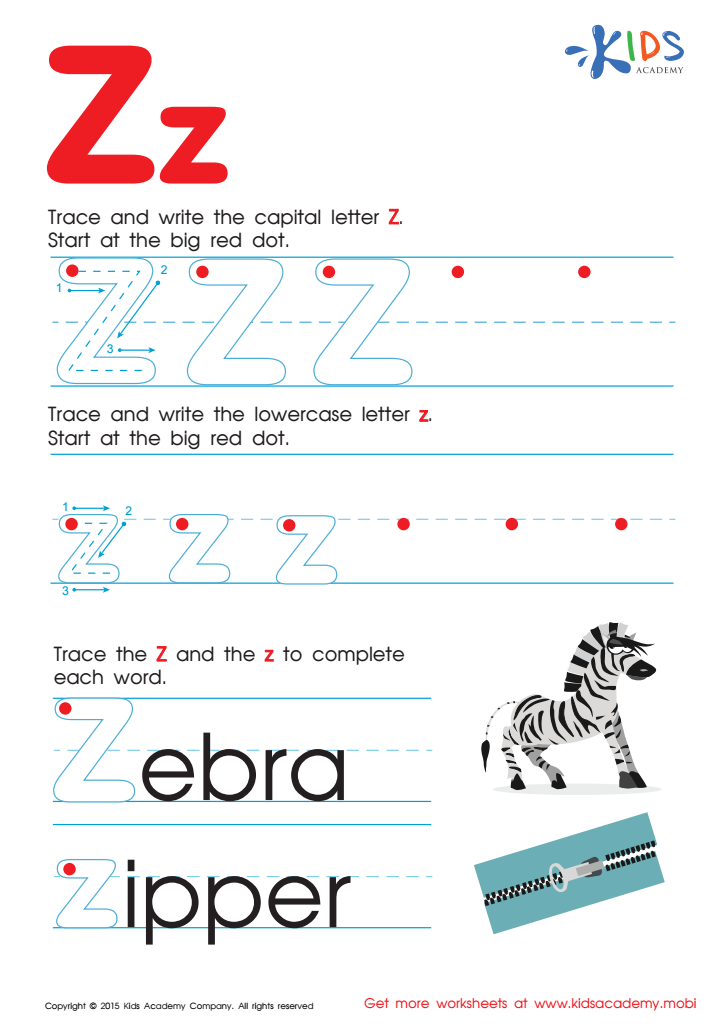
Letter Z Tracing Page
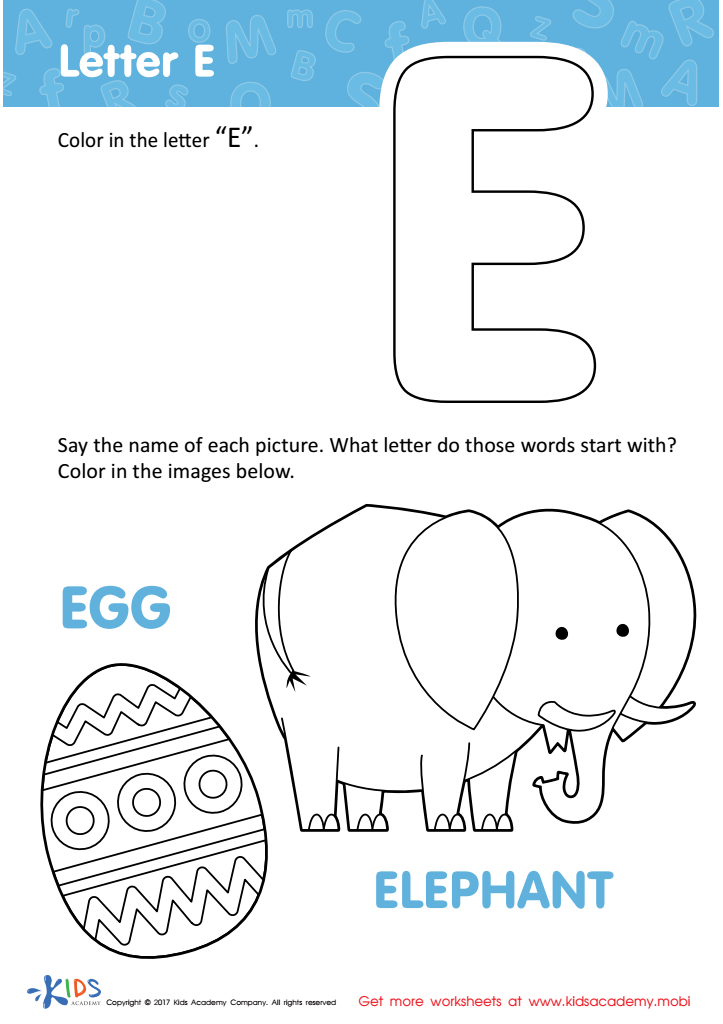
Letter E Coloring Sheet
 Assign to My Students
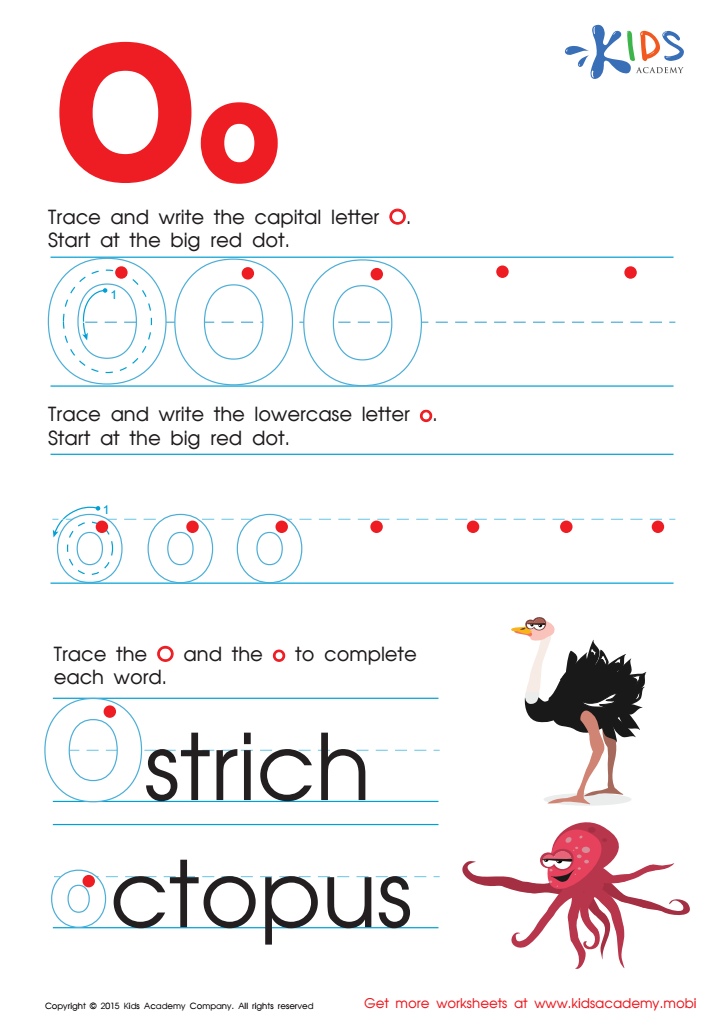
Letter O Tracing Page
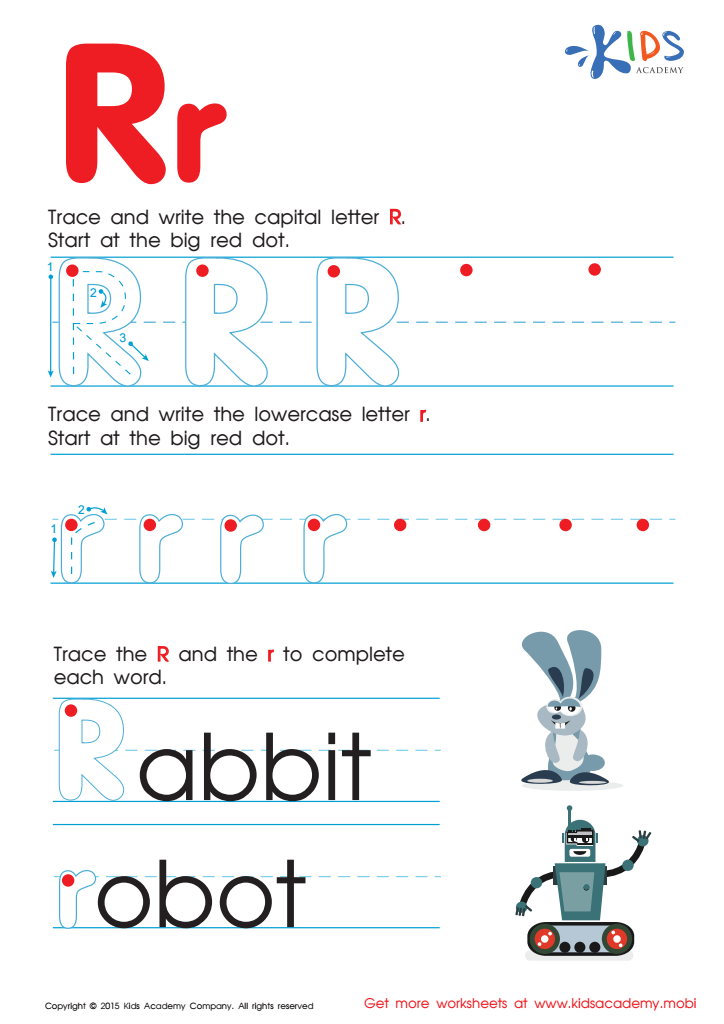
Letter R Tracing Page
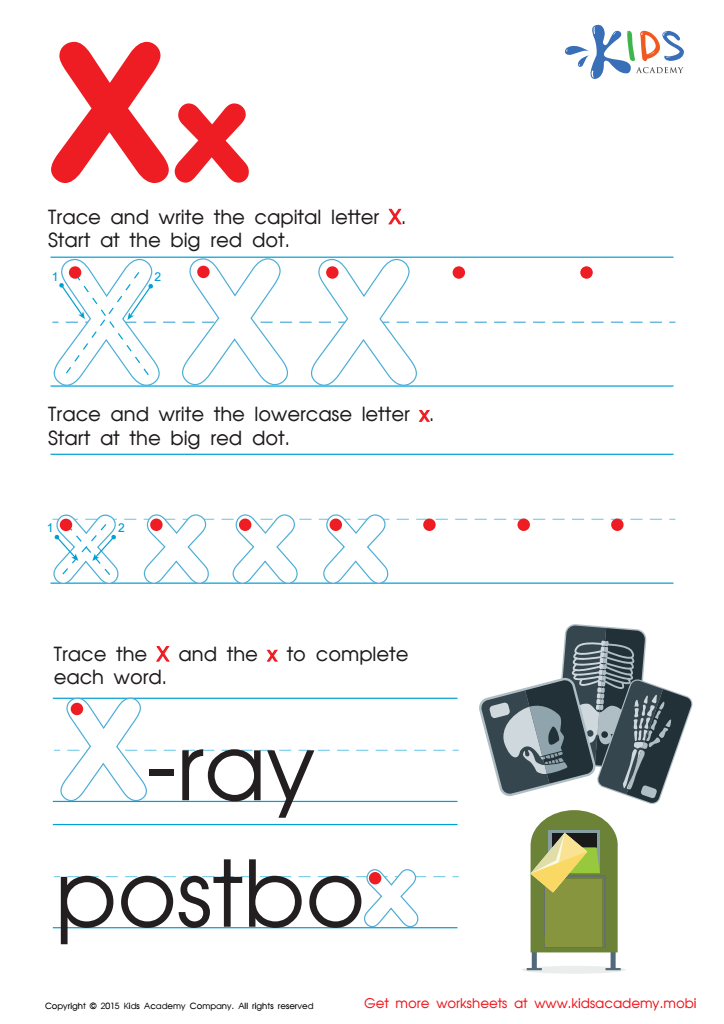
Letter X Tracing Page
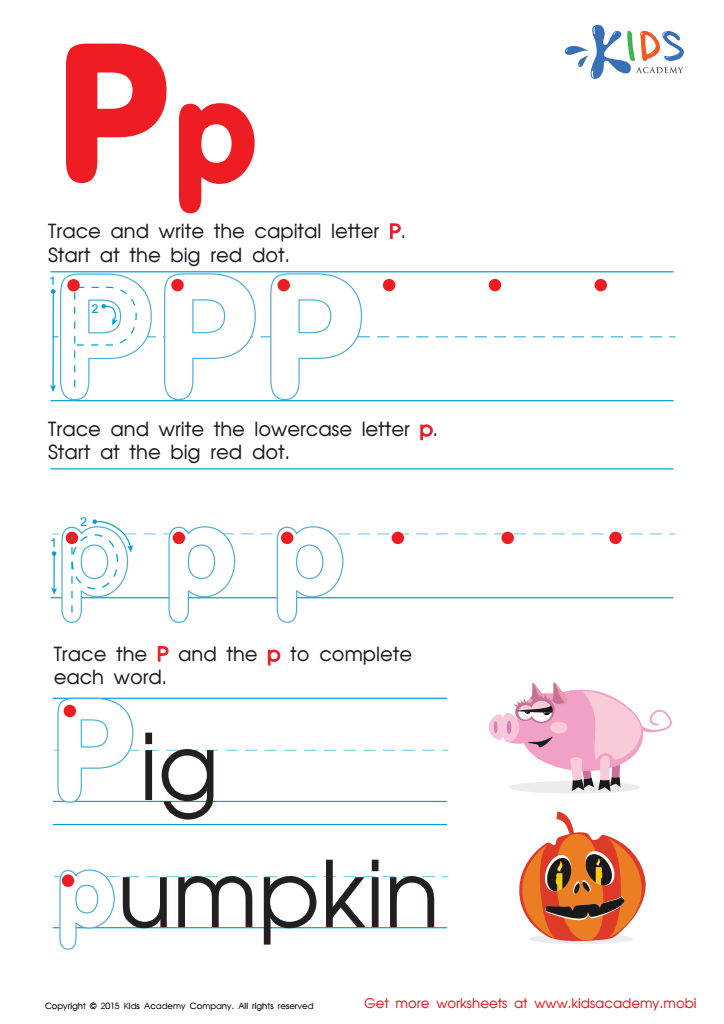
Letter P Tracing Page
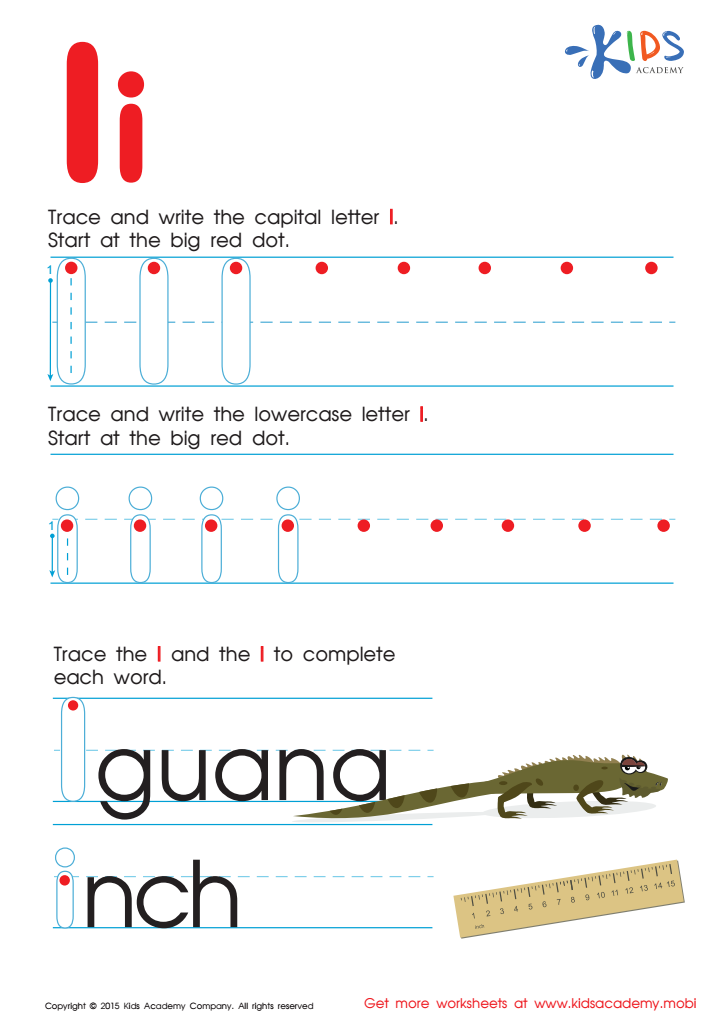
Letter I Tracing Page
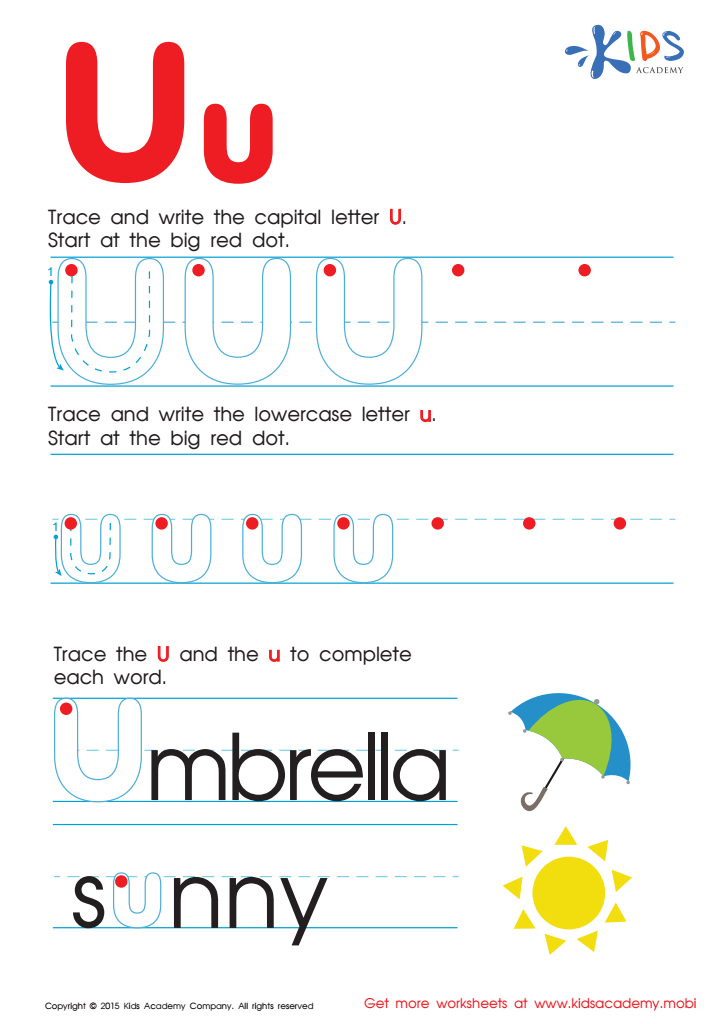
Letter U Tracing Page
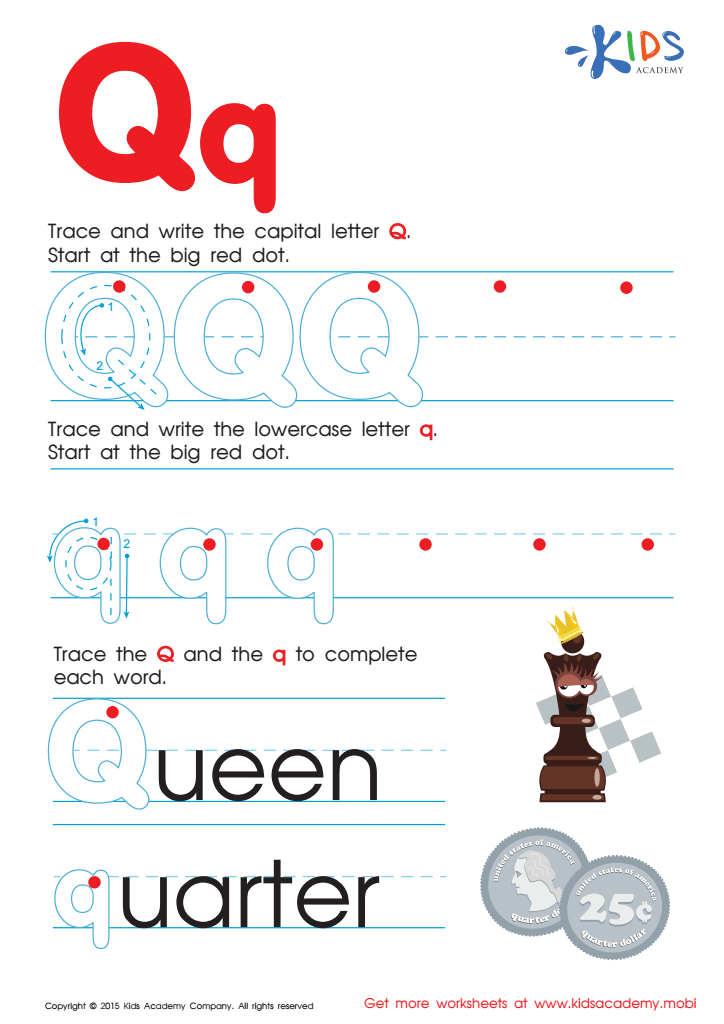
Letter Q Tracing Page
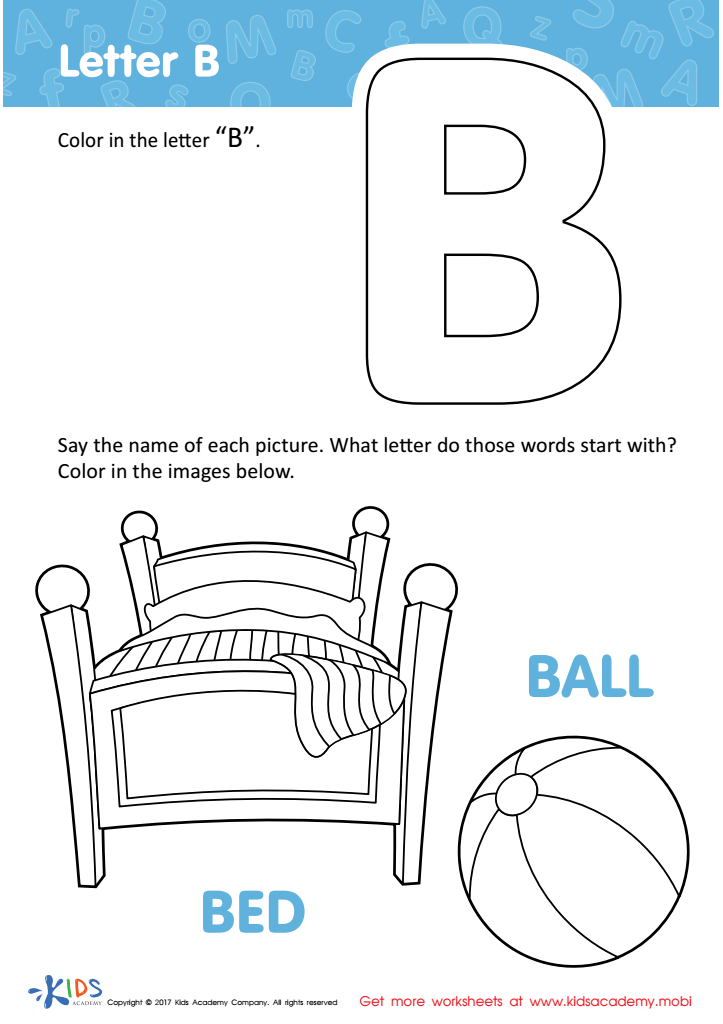
Letter B Coloring Sheet
Assign to My Students
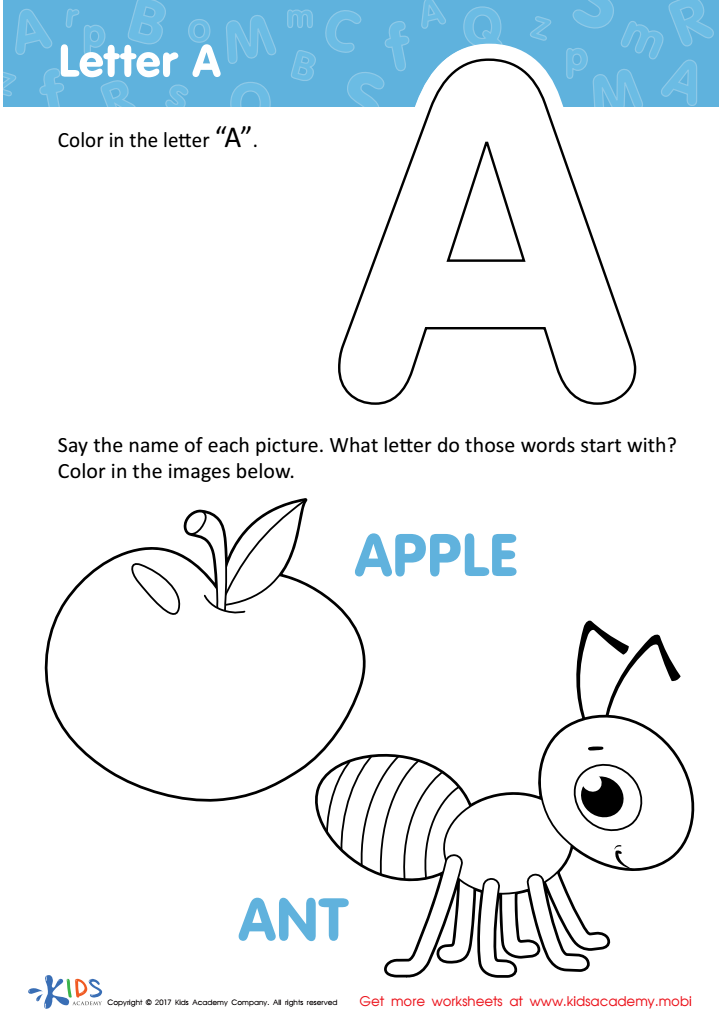
Letter A Coloring Sheet
Assign to My Students
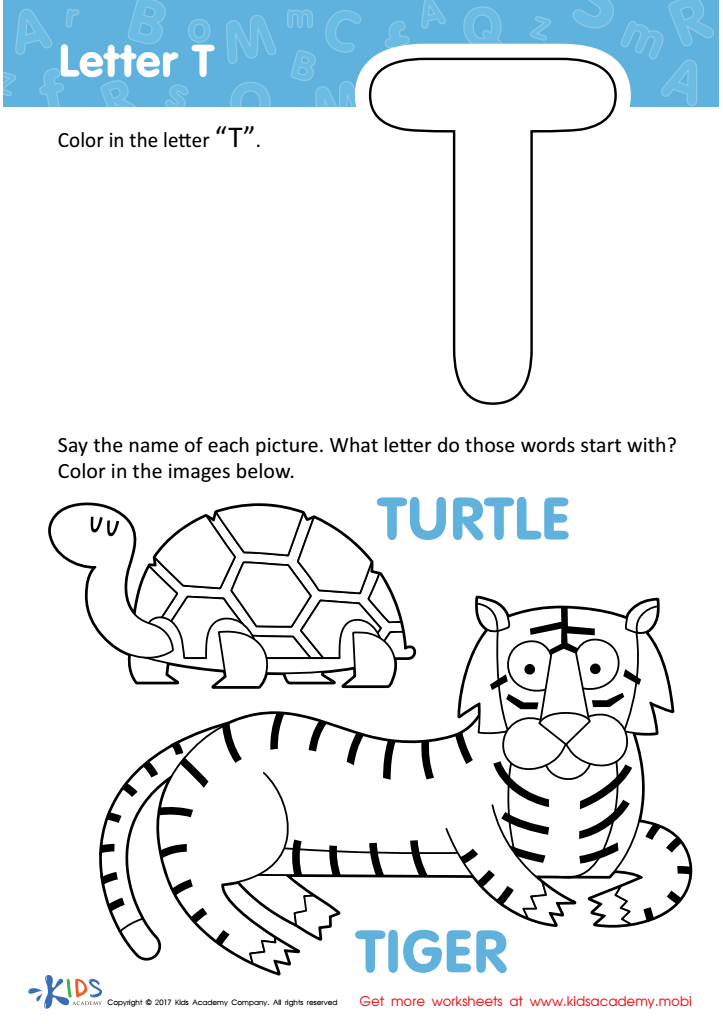
Letter T Coloring Sheet
Assign to My Students
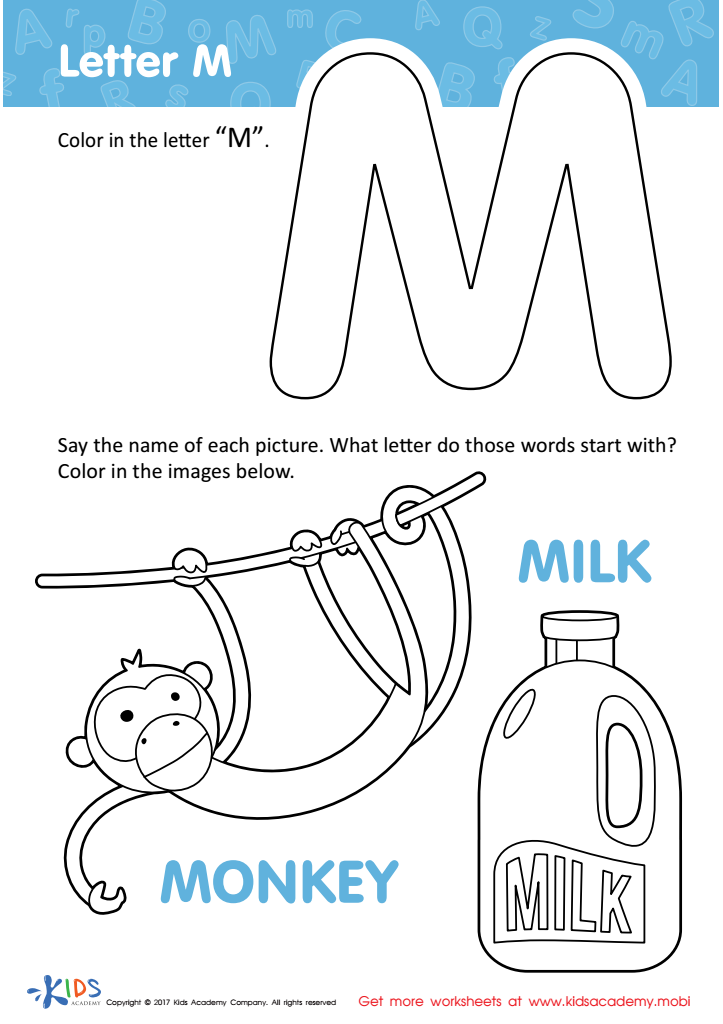
Letter M Coloring Sheet
Assign to My Students
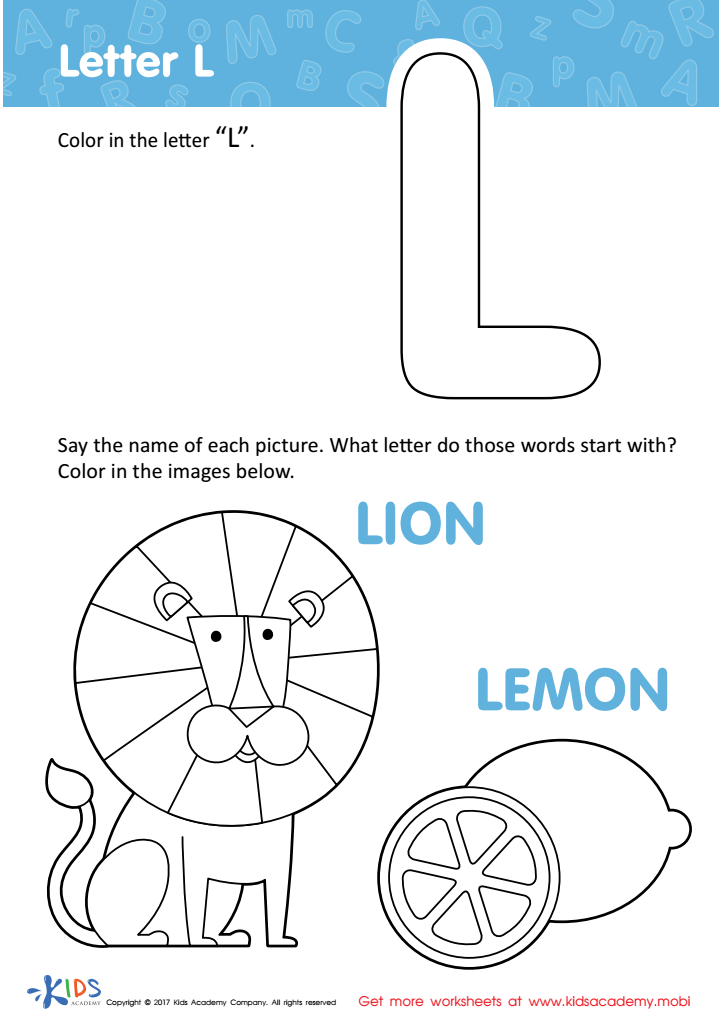
Letter L Coloring Sheet
Assign to My Students

Letter C Tracing Page
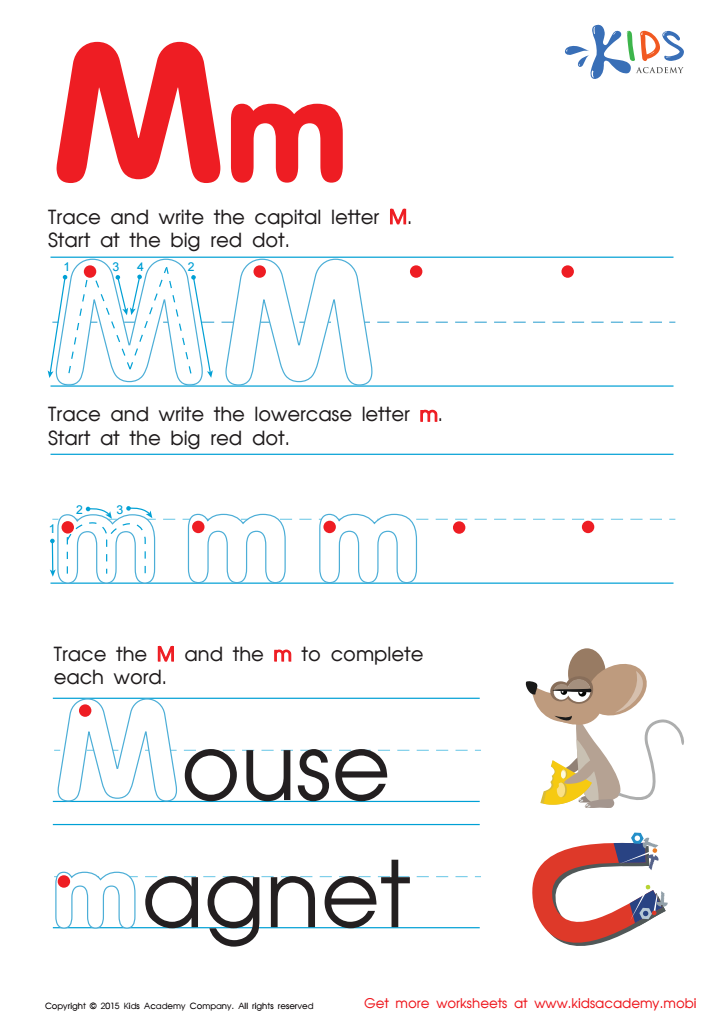
Letter M Tracing Page

Letter G Tracing Page
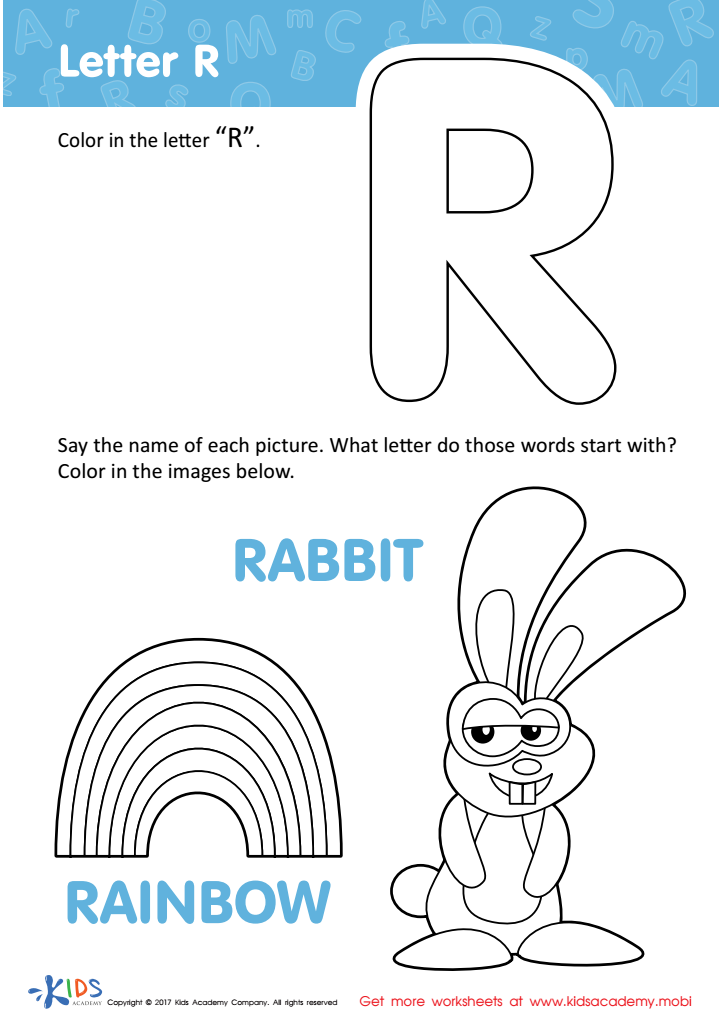
Letter R Coloring Sheet
Assign to My Students
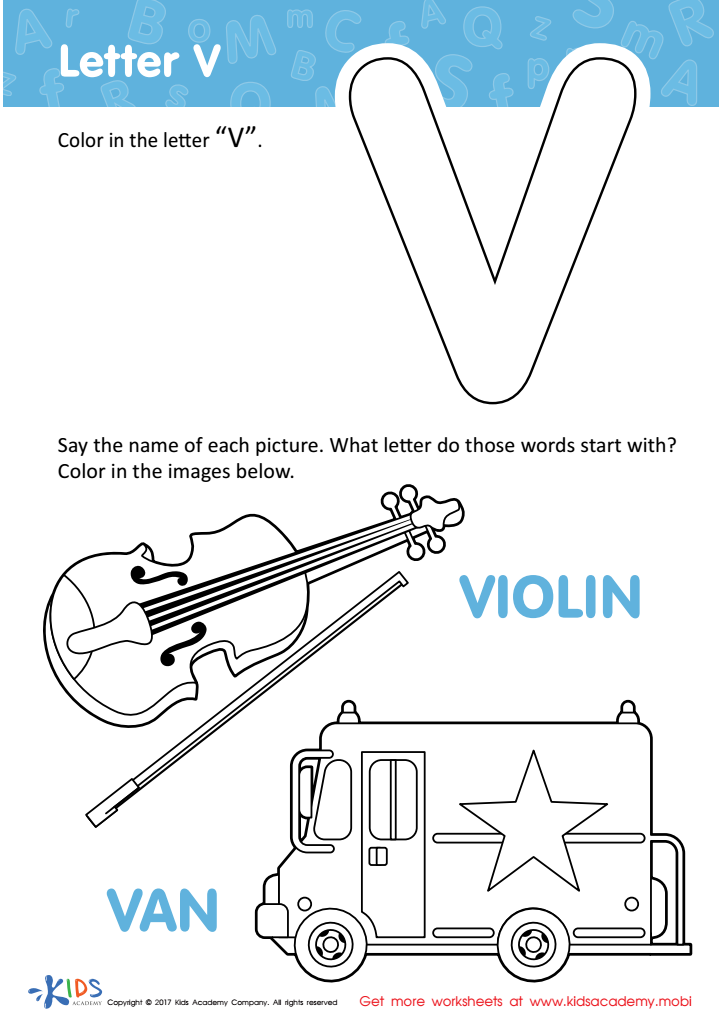
Letter V Coloring Sheet
Assign to My Students
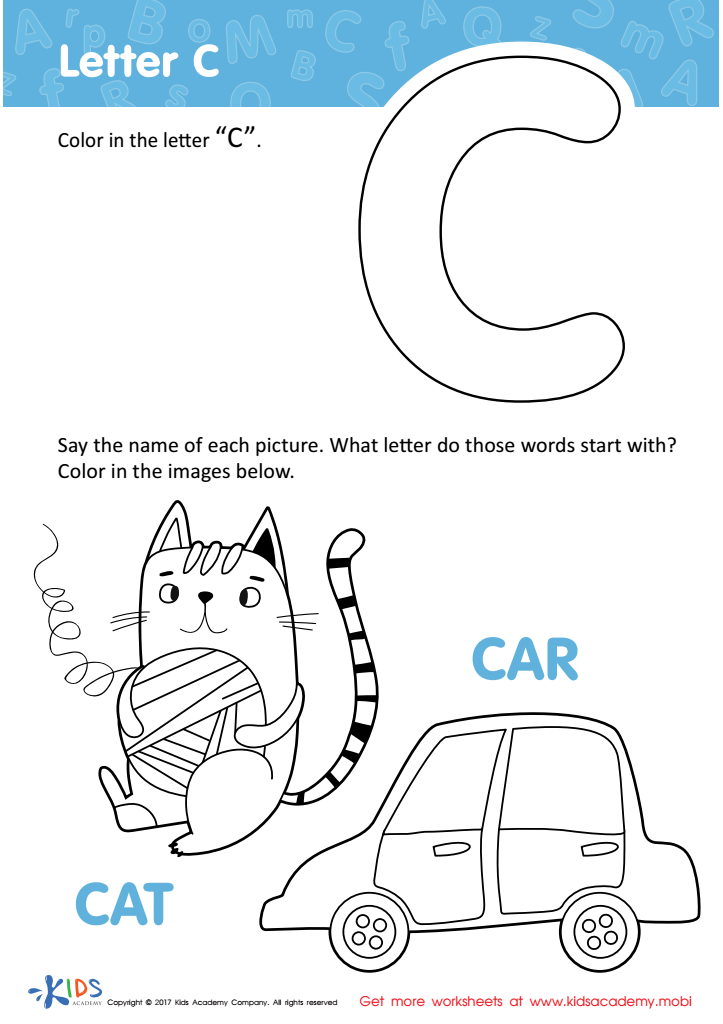
Letter C Coloring Sheet
Assign to My Students
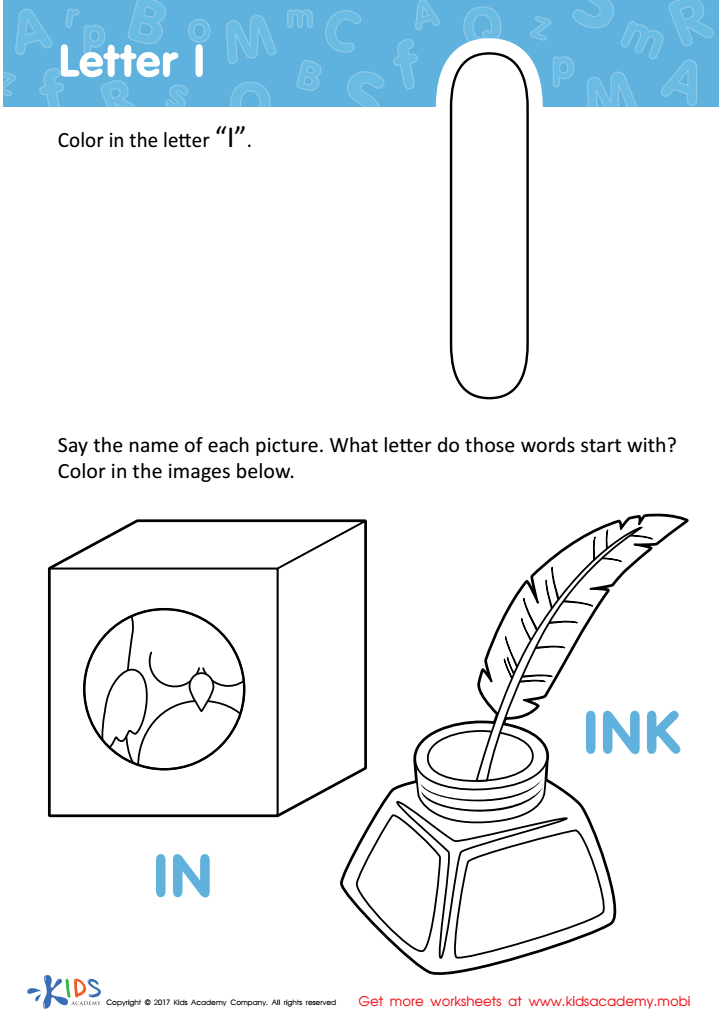
Letter I Coloring Sheet
Assign to My Students
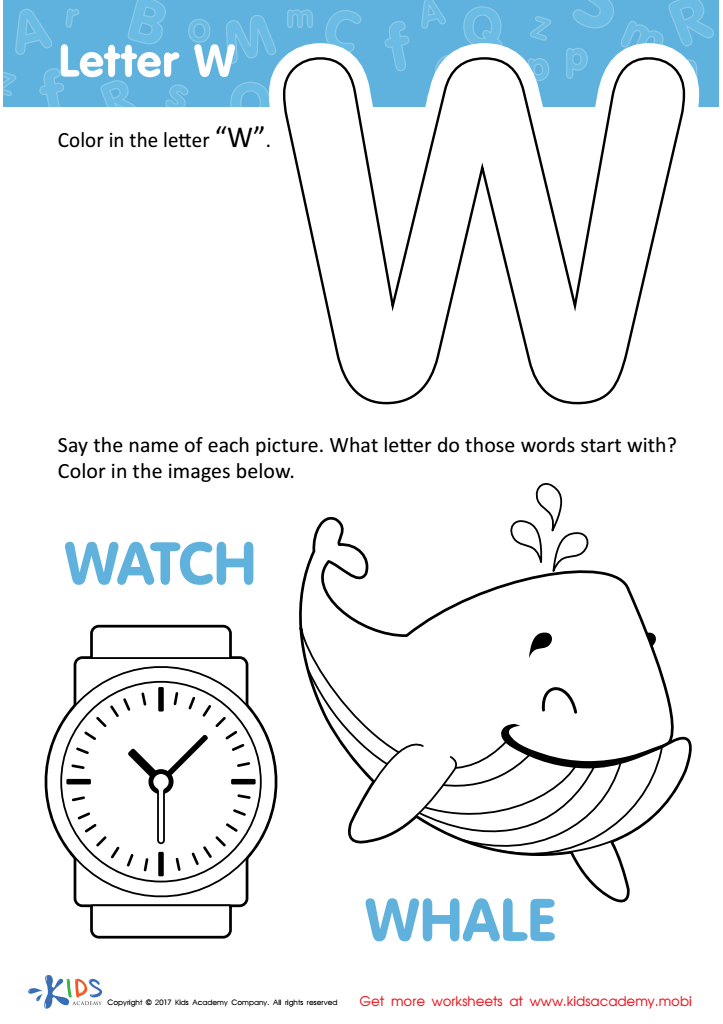
Letter W Coloring Sheet
Assign to My Students
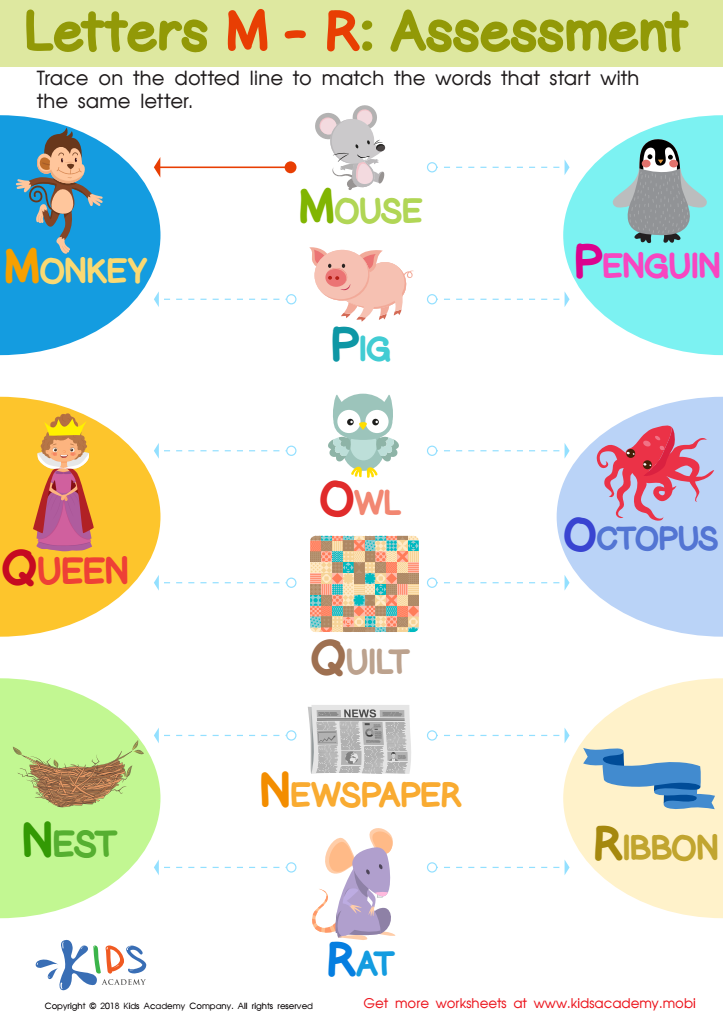
Letters M-R Tracing Worksheet








Fine motor skills are essential for young children as they form the foundation for later academic and daily life tasks. For children aged 4-5, developing fine motor skills, particularly related to ABC letters, is crucial for a variety of reasons.
Firstly, these skills enhance hand-eye coordination, which is vital for writing, drawing, and other academic activities. When children practice with tools such as crayons, scissors, and blocks, they strengthen their finger dexterity and control, making it easier for them to hold and write with a pencil when they start learning to write letters.
Secondly, early exposure to the ABCs through fine motor activities, like tracing letters or manipulating letter-shaped puzzles, solidifies letter recognition and understanding. This approach engages children, making learning interactive and fun. Activities that involve constructing and creating with letters motivate children to explore literacy in an engaging way.
Moreover, good fine motor skills contribute to a child's confidence and self-esteem as they master tasks that promote independence. Parents and teachers should prioritize fine motor skill development, as enhancing these abilities sets children on a path to successful learning experiences both in and out of the classroom. Investing time in these skills can result in better readiness for future academic challenges.







