Alphabet Recognition Alphabet Worksheets for Ages 4-5 - Page 3
62 filtered results
-
From - To
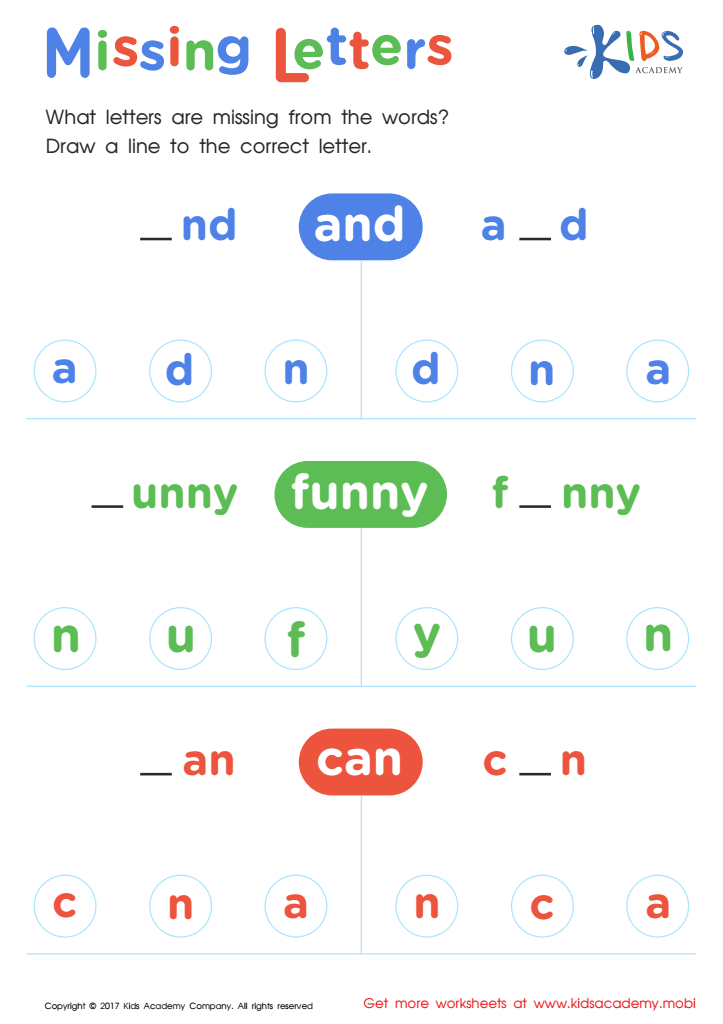
Missing Letters Worksheet
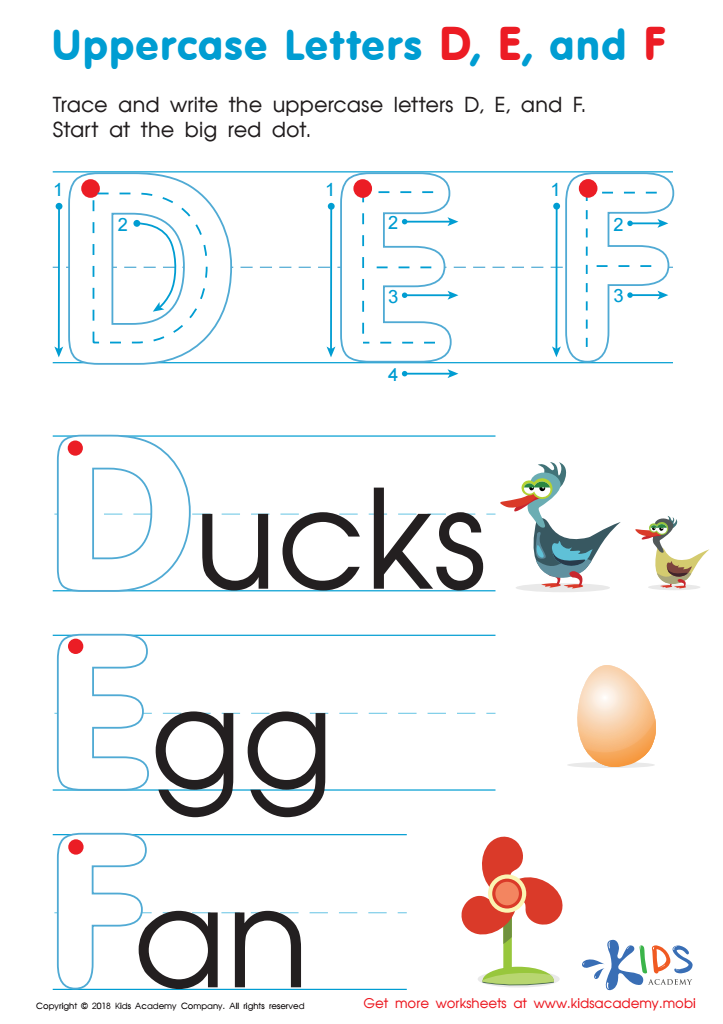
Uppercase Letters D, E, and F Worksheet
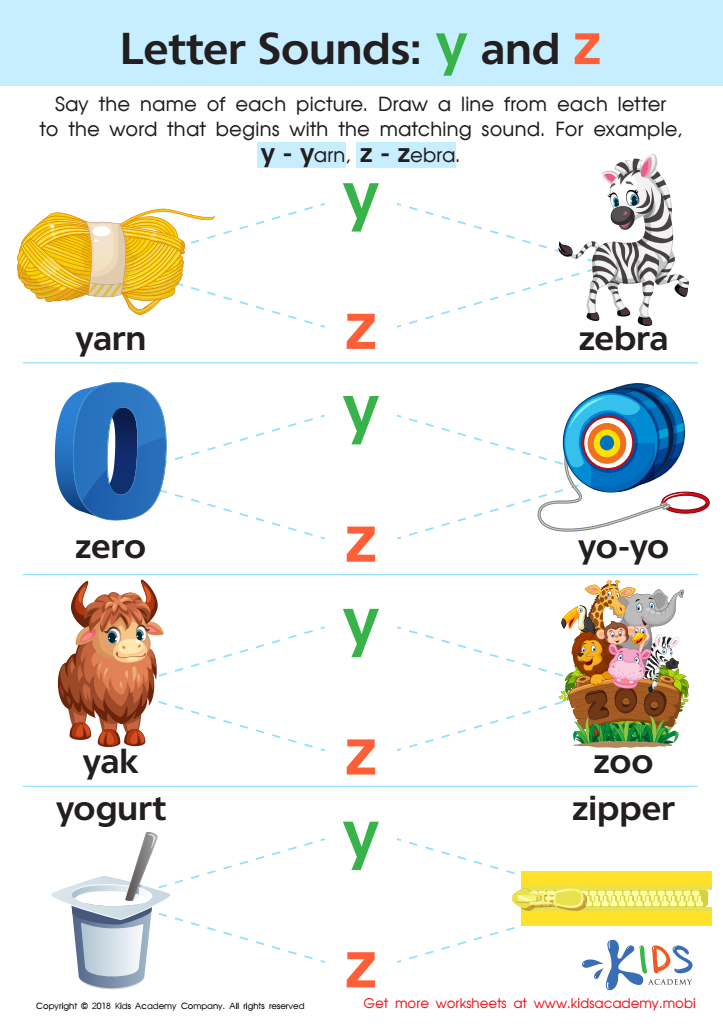
Letter Y and Z Sounds Worksheet
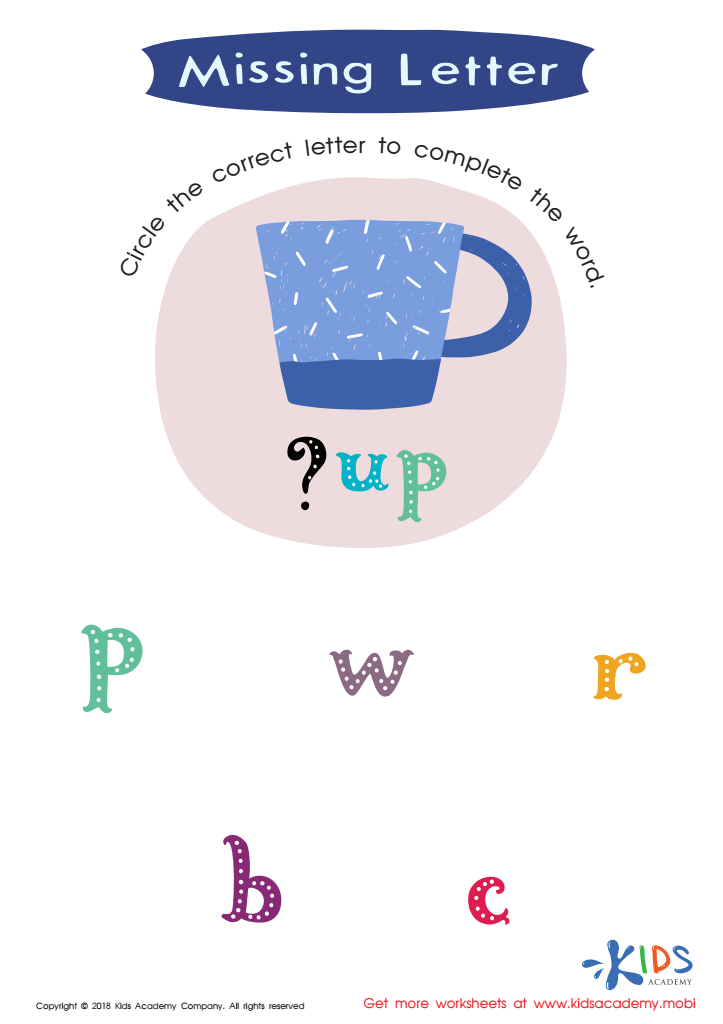
Missing Letter Worksheet
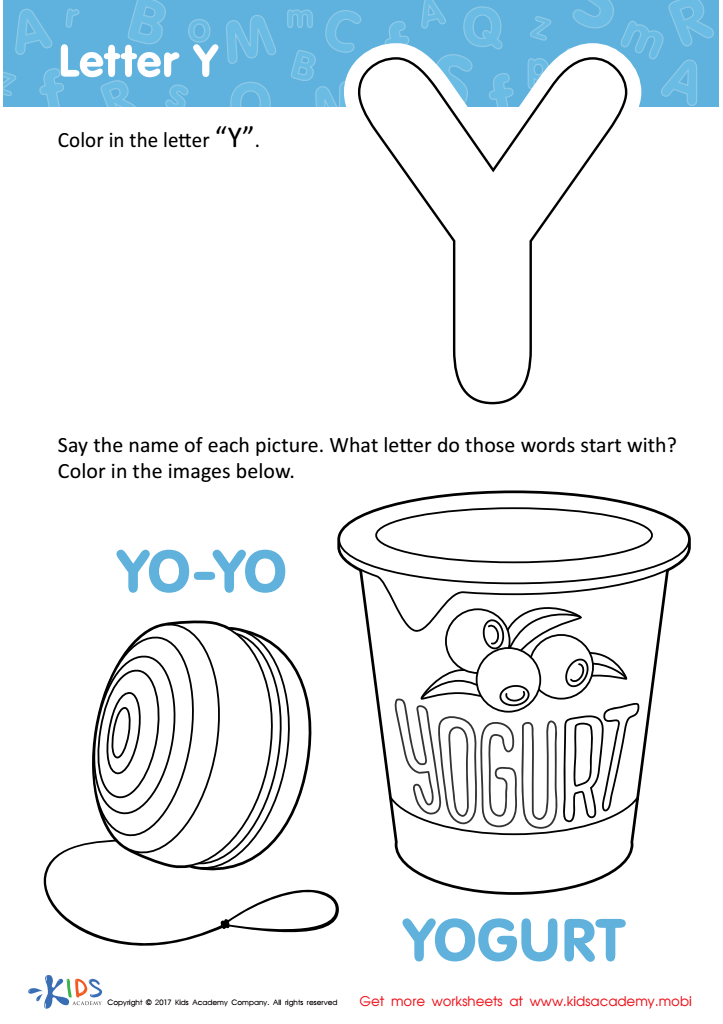
Letter Y Coloring Sheet
 Assign to My Students
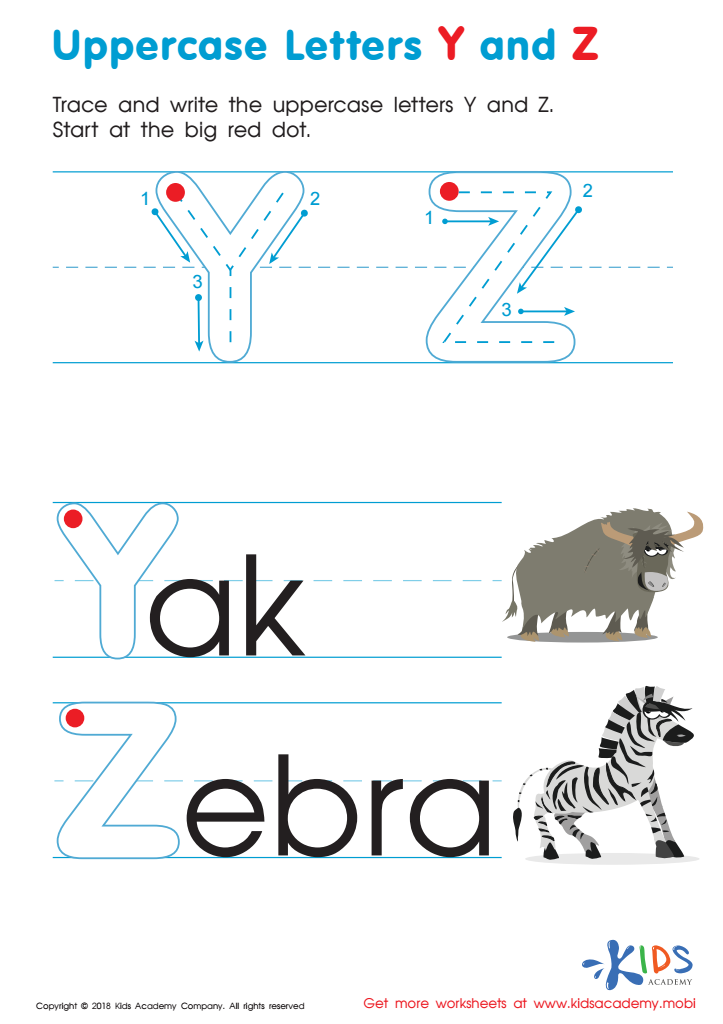
Uppercase Letters Y Z Worksheet
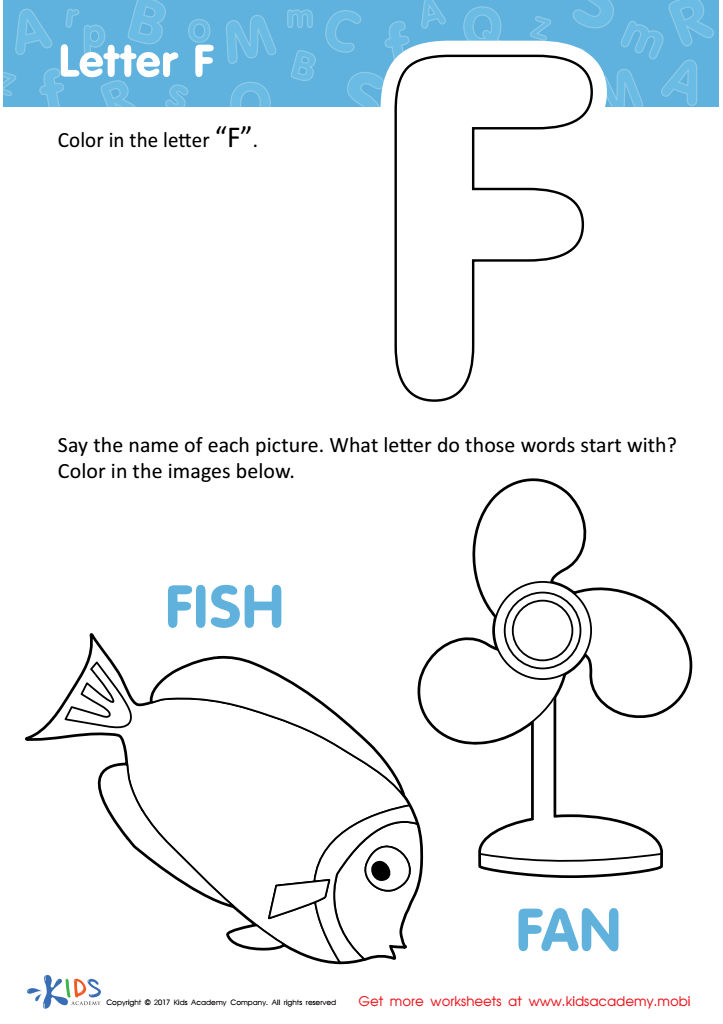
Letter F Coloring Sheet
Assign to My Students
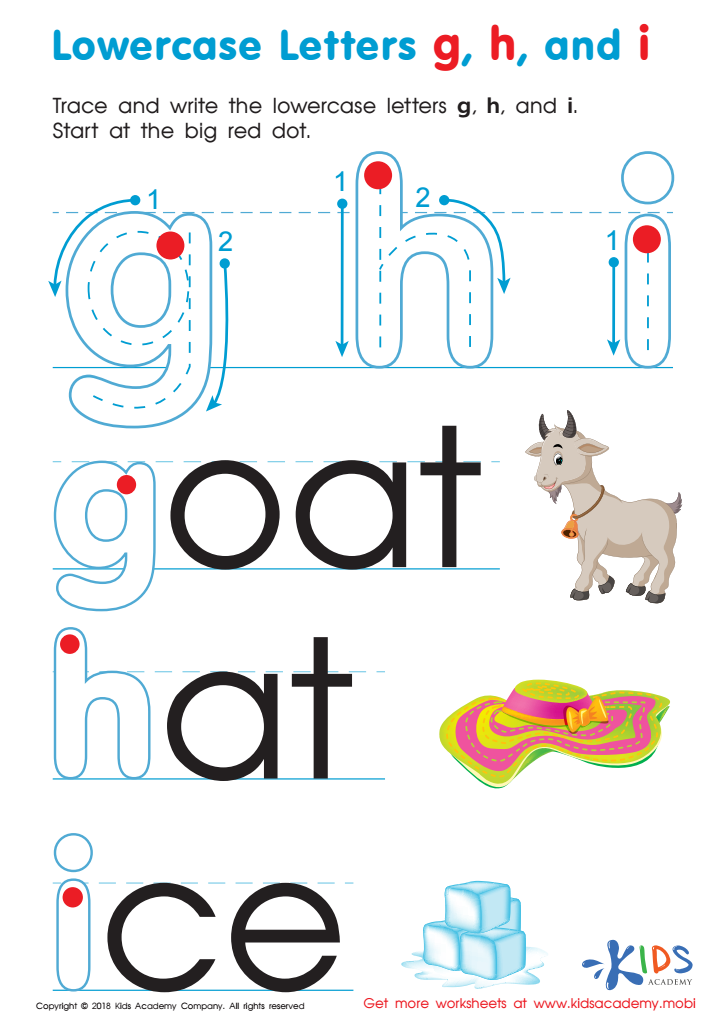
Lowercase Letters g h i Worksheet
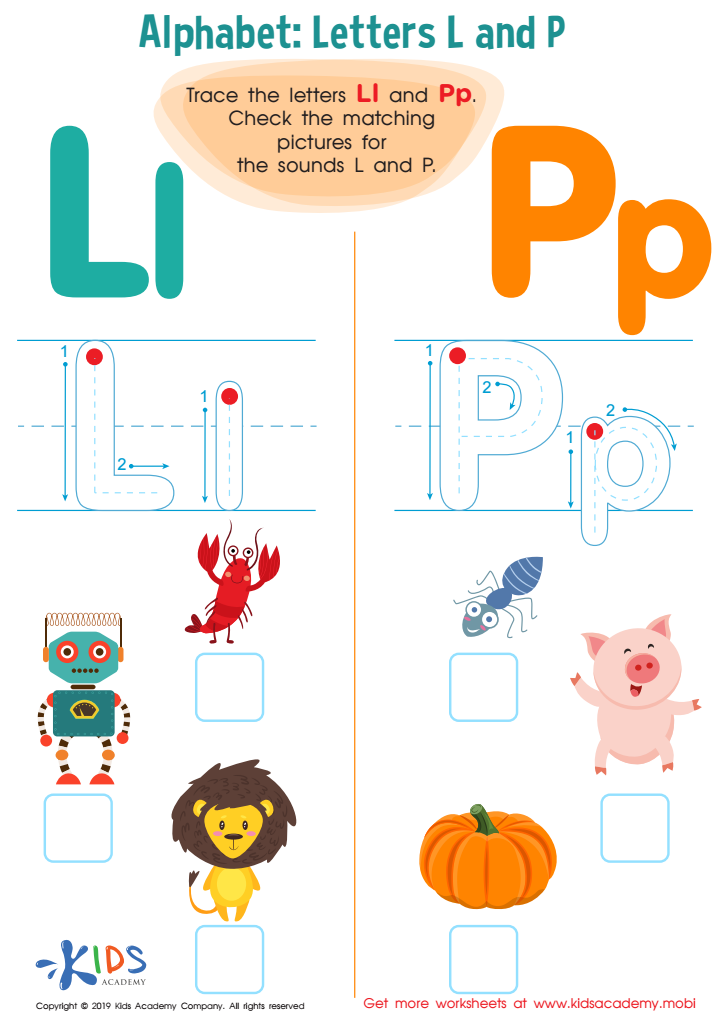
Letter L and P Tracing Worksheet
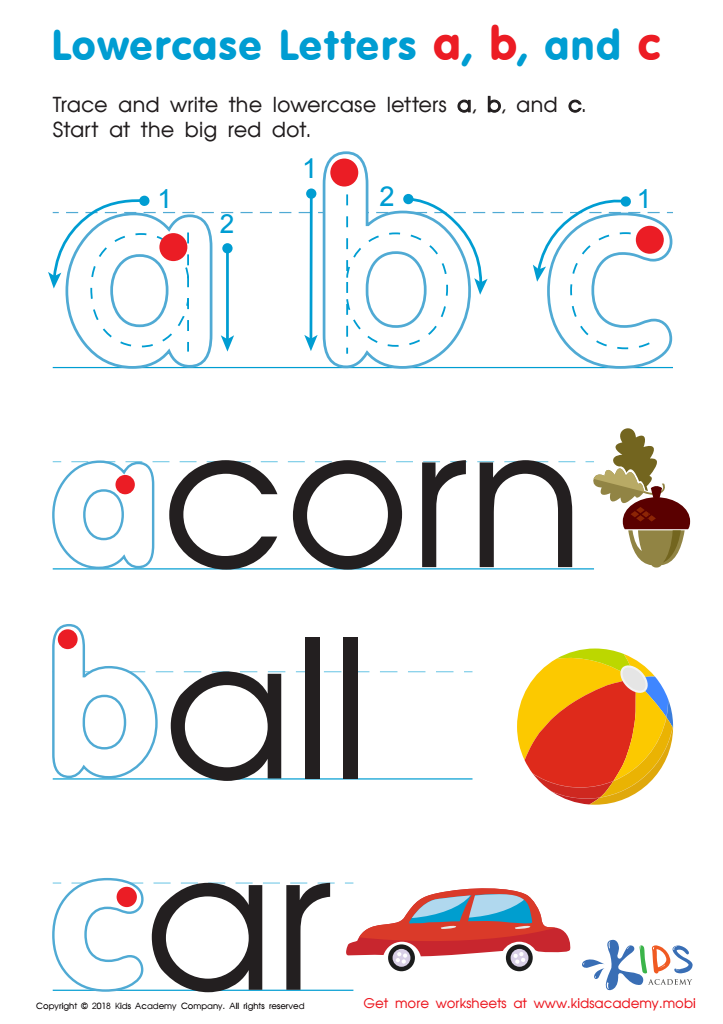
Lowercase Letters a b c Worksheet
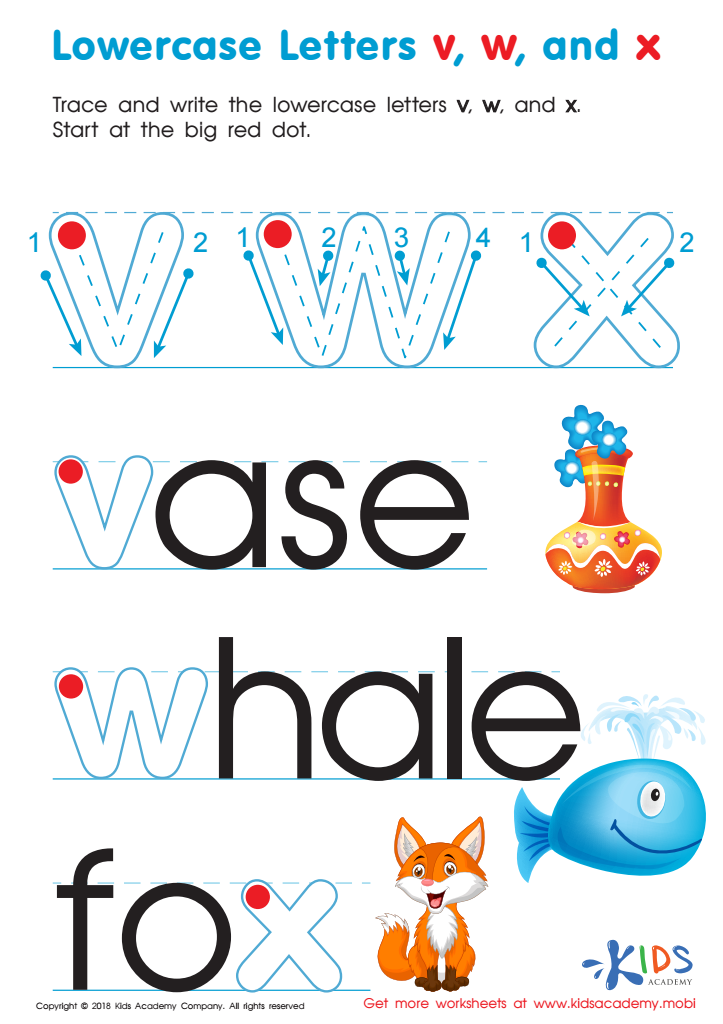
Lowercase Letters v w x Worksheet
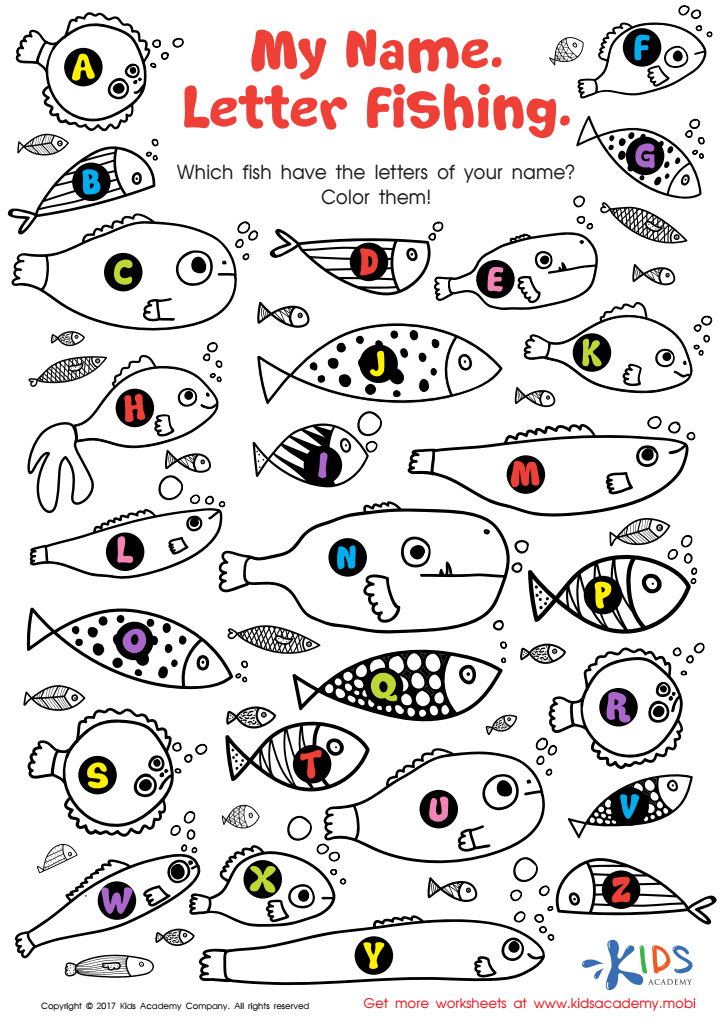
My Name: Letter Fishing Worksheet
Assign to My Students
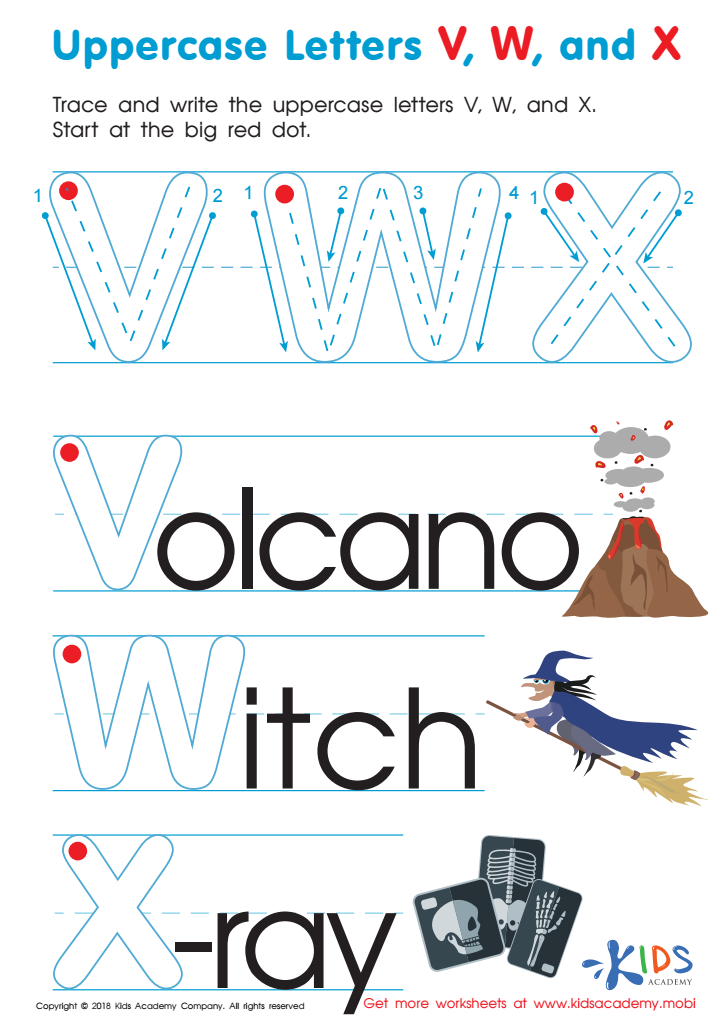
Uppercase Letters V, W, and X Worksheet
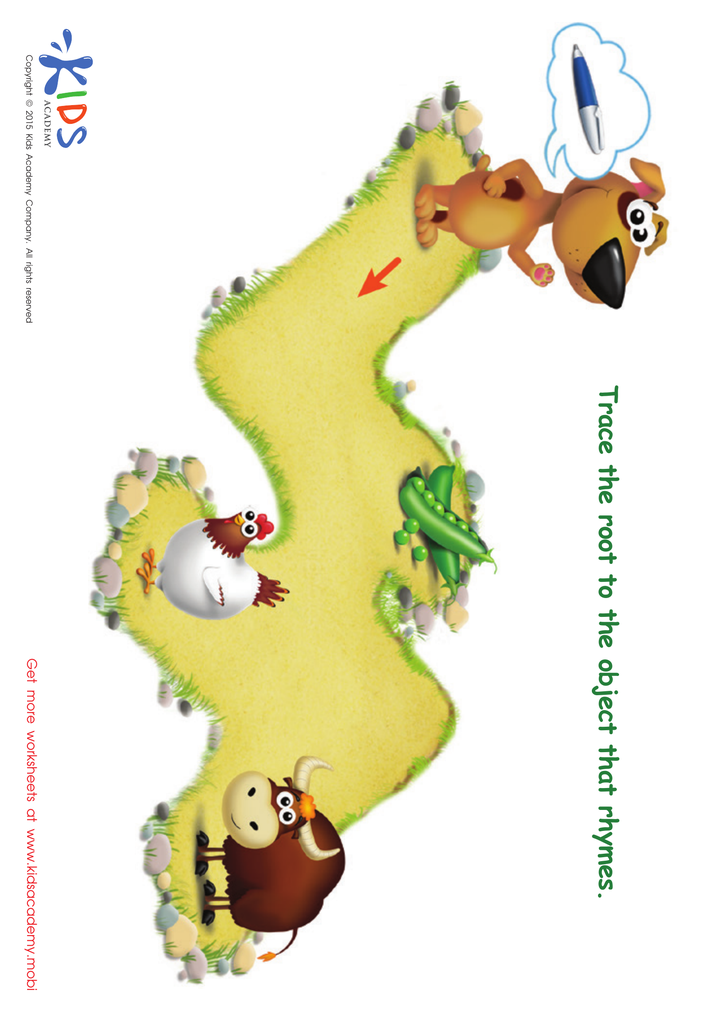
Pen Rhyming Words Worksheet








Alphabet recognition is a crucial foundation for literacy development in children aged 4-5. Parents and teachers should prioritize this skill as it significantly influences a child's ability to read and write. At this age, children are eager to explore language, and understanding the alphabet allows them to identify letters in their environment, forming connections between spoken and written words.
When children recognize letters, they can begin to decode simple words and develop phonemic awareness, essential for reading fluency. This skill fosters confidence as they engage in reading activities, enhancing their love for books and learning.
Moreover, alphabet recognition promotes cognitive development. It encourages critical thinking as children differentiate between similar-looking letters and understand their sounds and positions in words. This practice lays the groundwork for more complex literacy skills, such as spelling and grammar, that will be built upon in later years.
Parental involvement, through interactive games and reading, alongside teacher-led activities, creates a supportive learning atmosphere, vital for nurturing a child's growth. Ultimately, fostering alphabet recognition at this early stage not only enhances literacy skills but also nurtures a lifelong appreciation for language and learning.







