Hand-eye Coordination Alphabet Worksheets for Ages 4-5
19 filtered results
-
From - To
Enhance your child's learning experience with our Hand-eye Coordination Alphabet Worksheets designed for ages 4-5. These engaging worksheets combine alphabet practice with fun hand-eye coordination activities, helping young learners develop essential motor skills while familiarizing themselves with letters. Each worksheet features interactive exercises, such as tracing, connecting, and matching alphabet characters, making learning both enjoyable and effective. By fostering coordination alongside literacy, your child will gain confidence and readiness for future educational challenges. Explore our collection and watch your little one thrive as they build a strong foundation in both their fine motor skills and understanding of the alphabet!
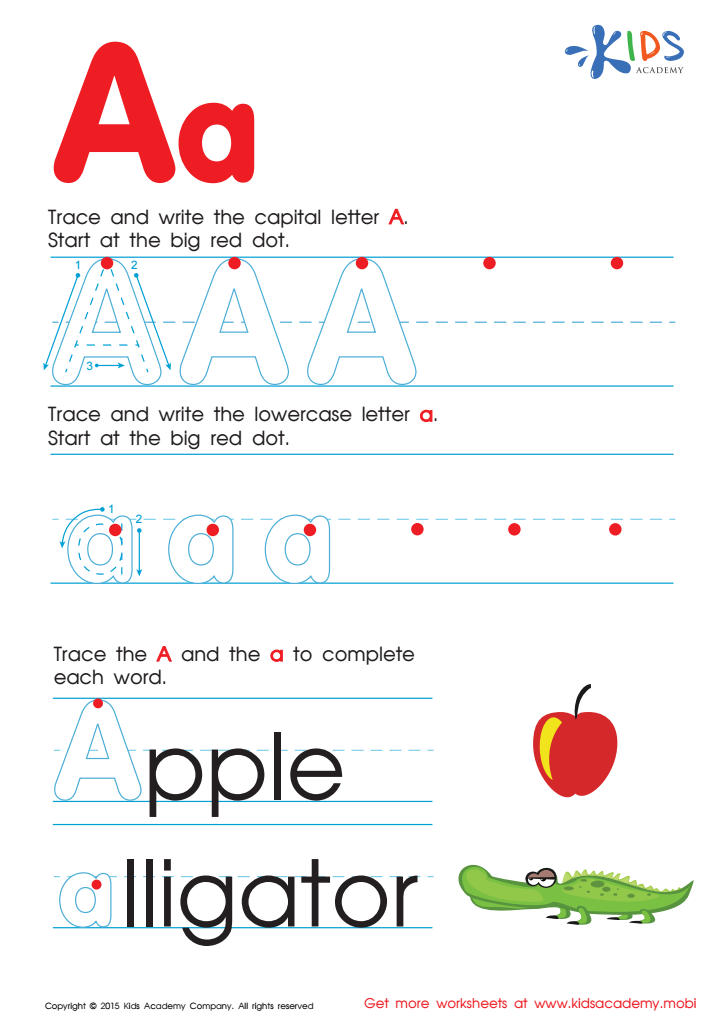
Letter A Tracing Page
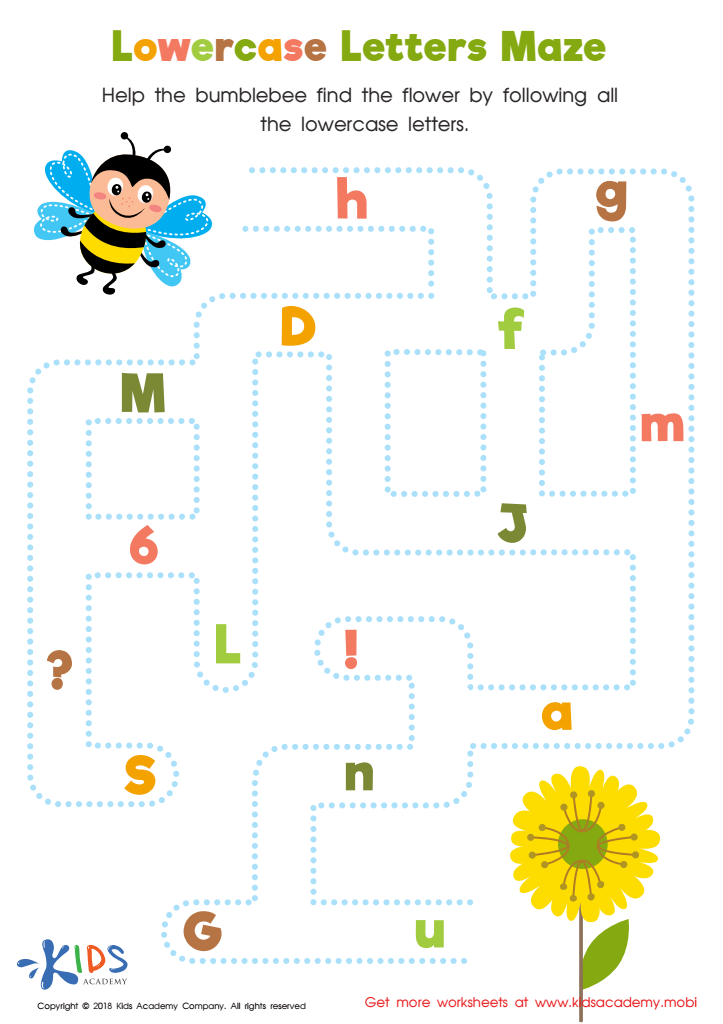
Lowercase Letters Maze Worksheet
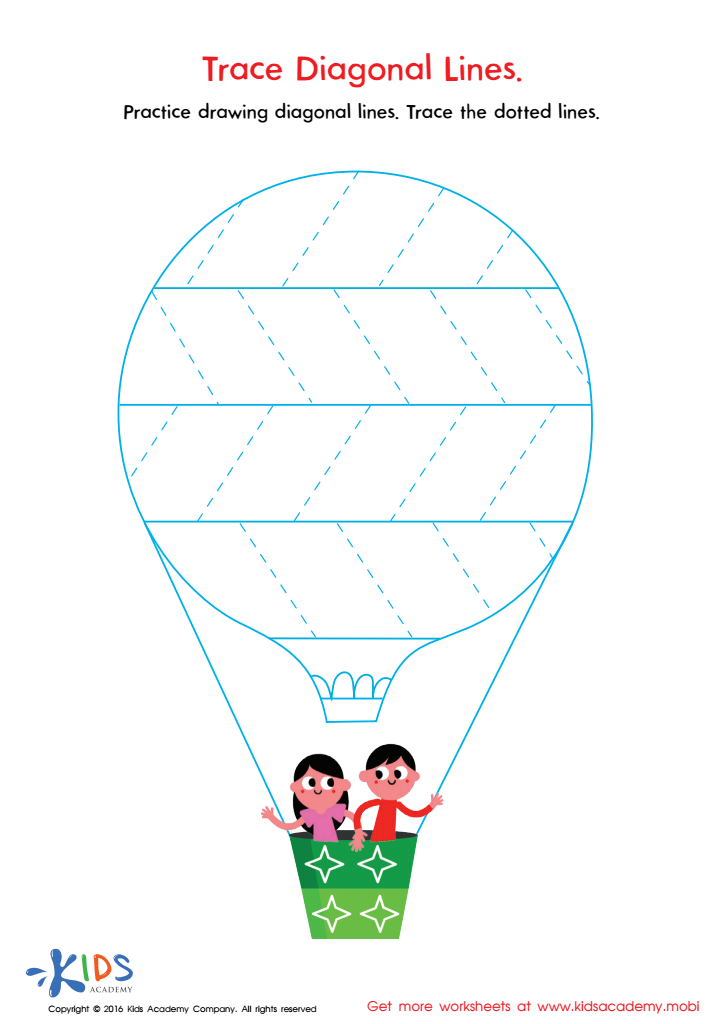
Trace Diagonal Lines Worksheet
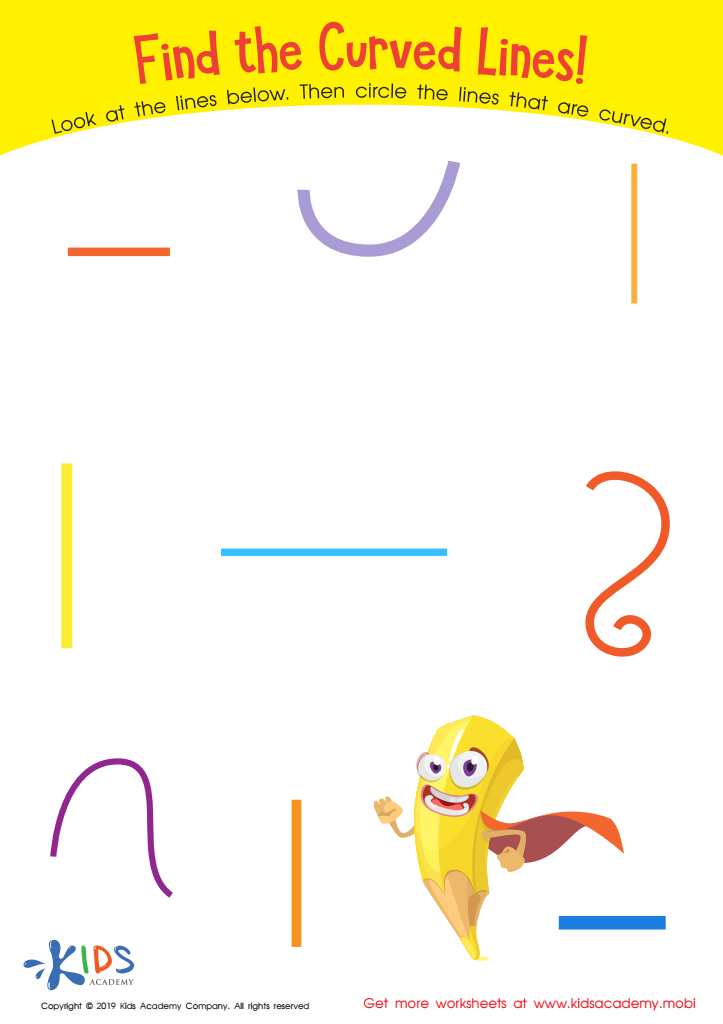
Find the Curved Lines! Worksheet
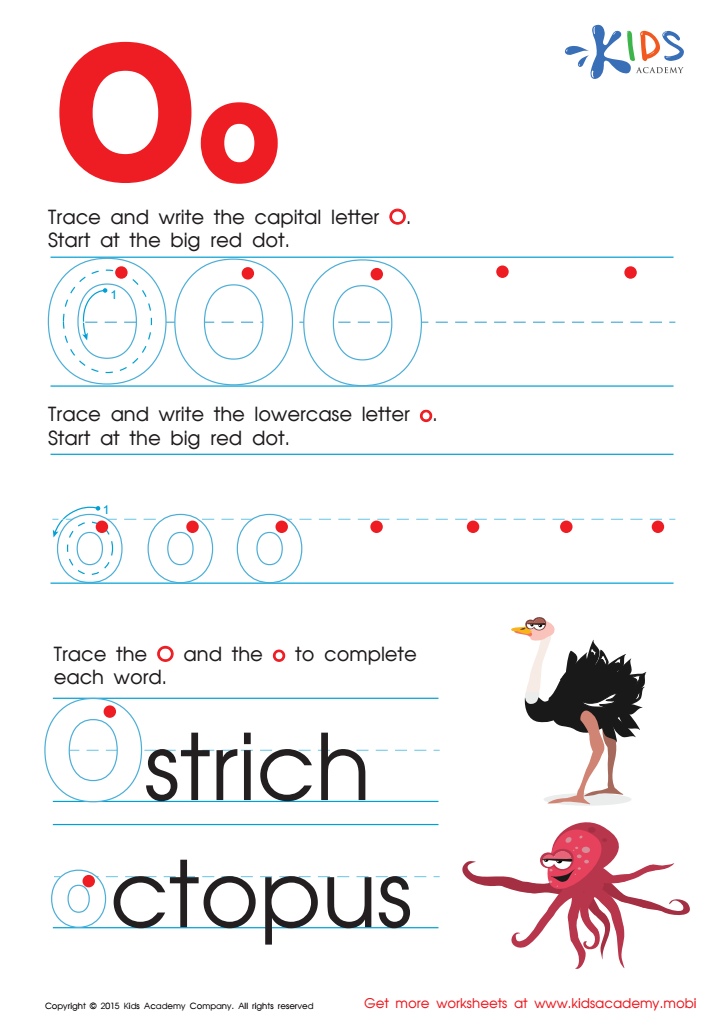
Letter O Tracing Page
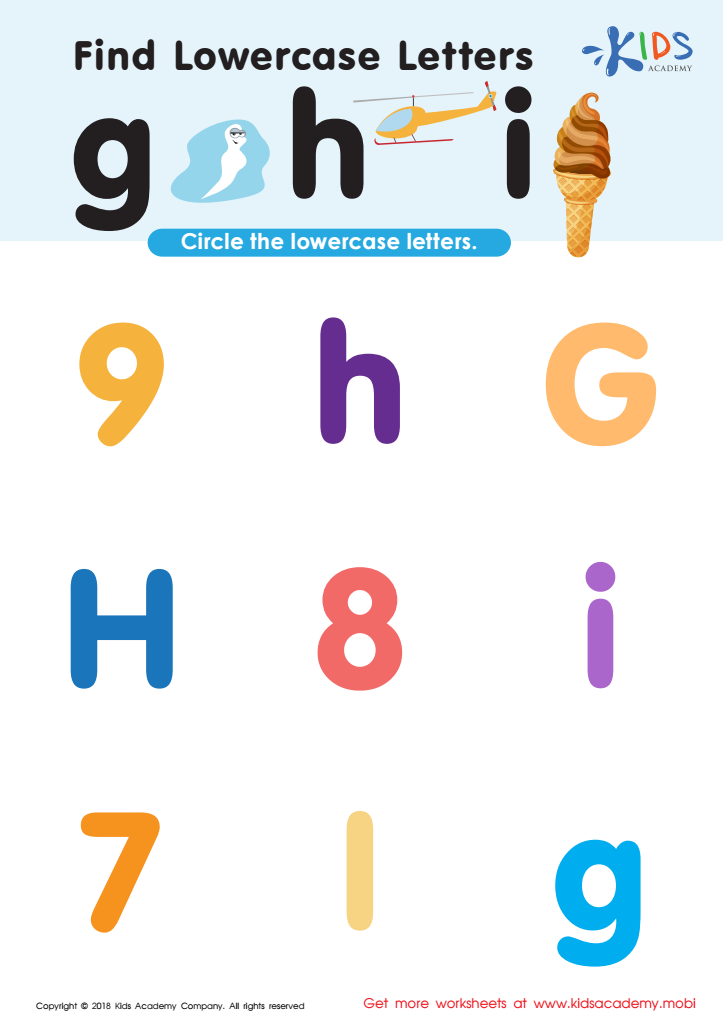
Find Lowercase Letters g h i Worksheet

Letter P Tracing Page
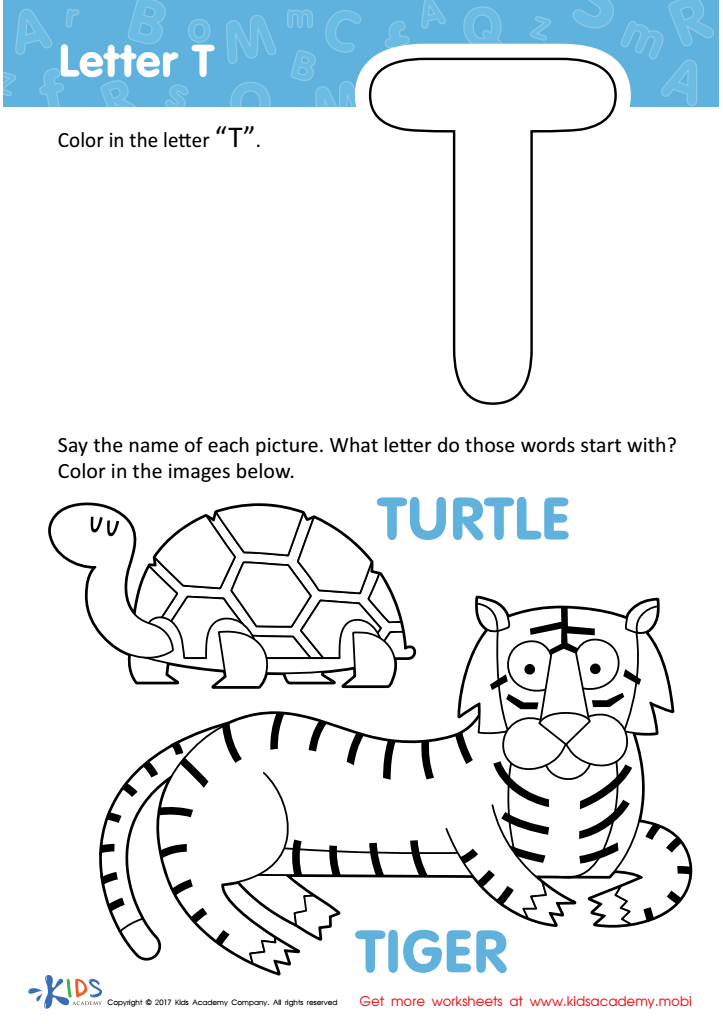
Letter T Coloring Sheet
 Assign to My Students

Letter H Tracing Page
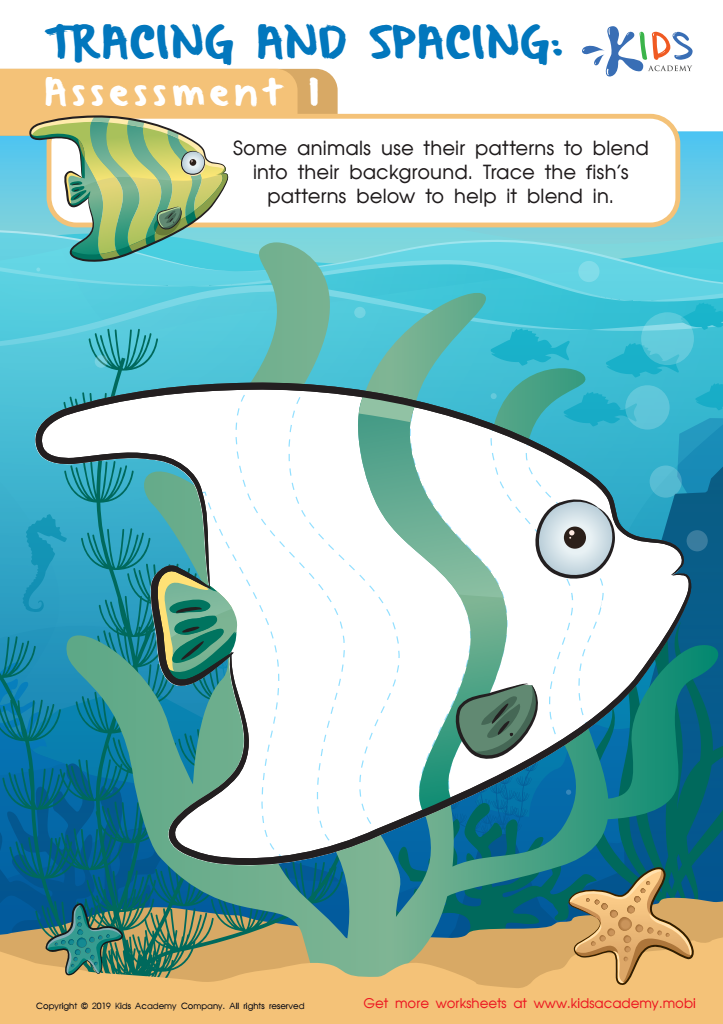
Tracing and Spacing: Assessment 1 Worksheet
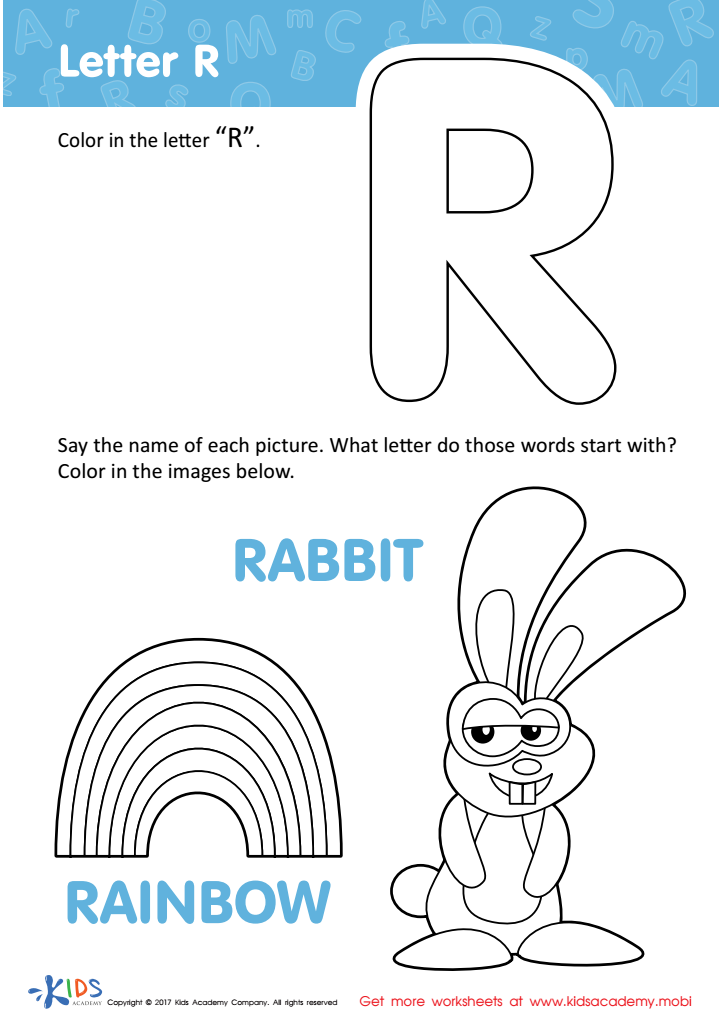
Letter R Coloring Sheet
Assign to My Students
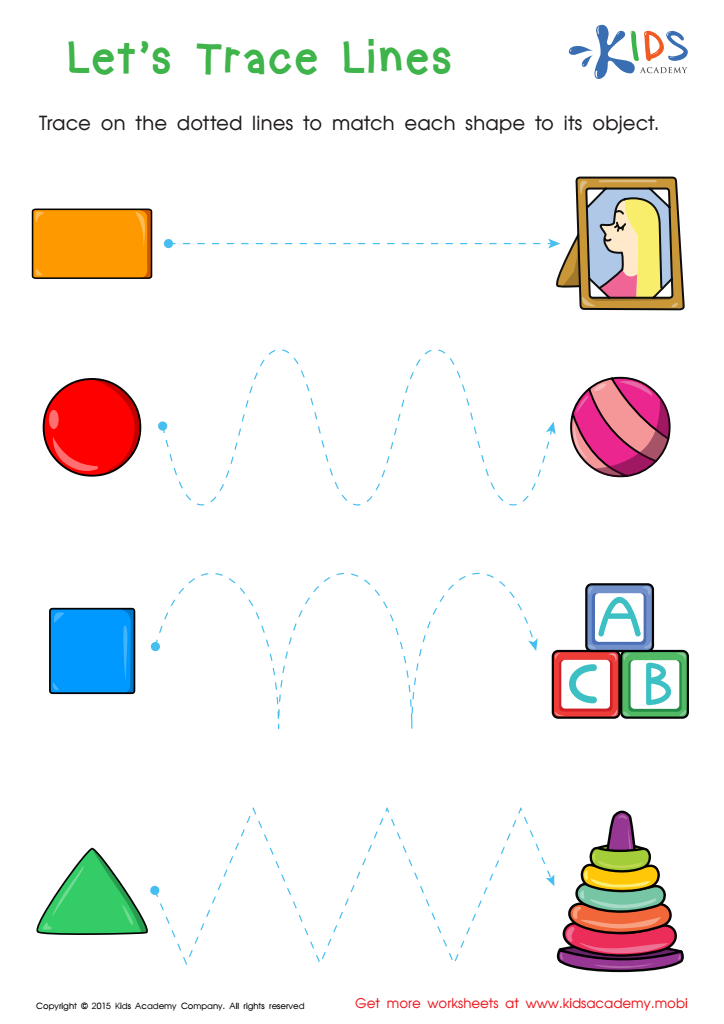
First Words: Let's Trace Lines Worksheet

Long and Short U Worksheet
Assign to My Students
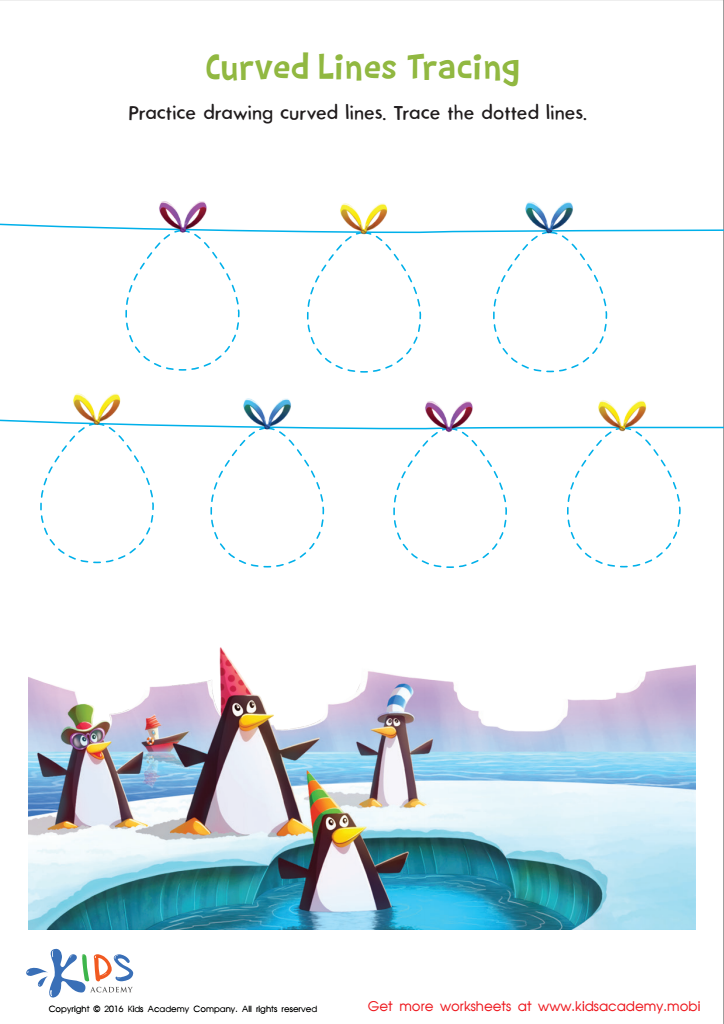
Curved Lines Tracing Worksheet
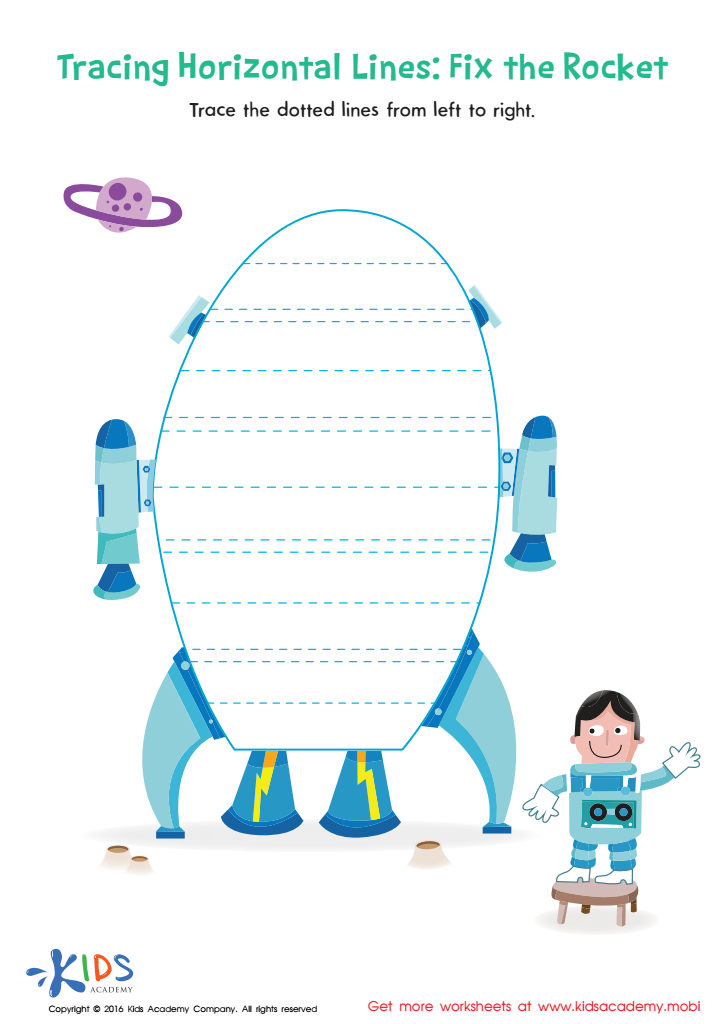
Tracing Horizontal Lines Worksheet
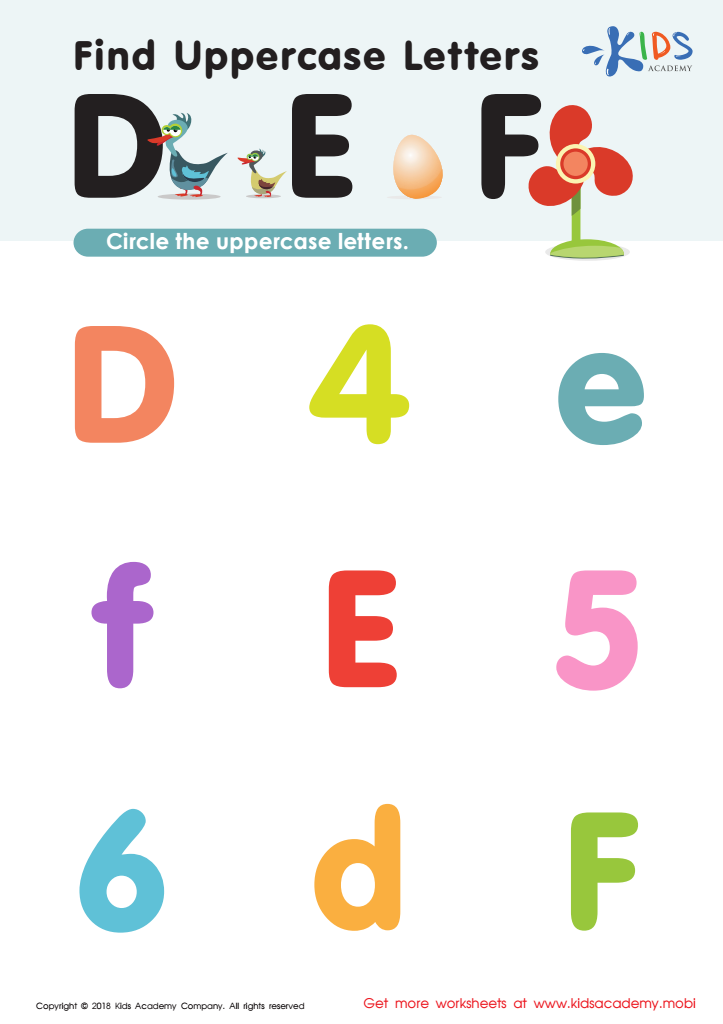
Find Uppercase Letters D, E, and F Worksheet
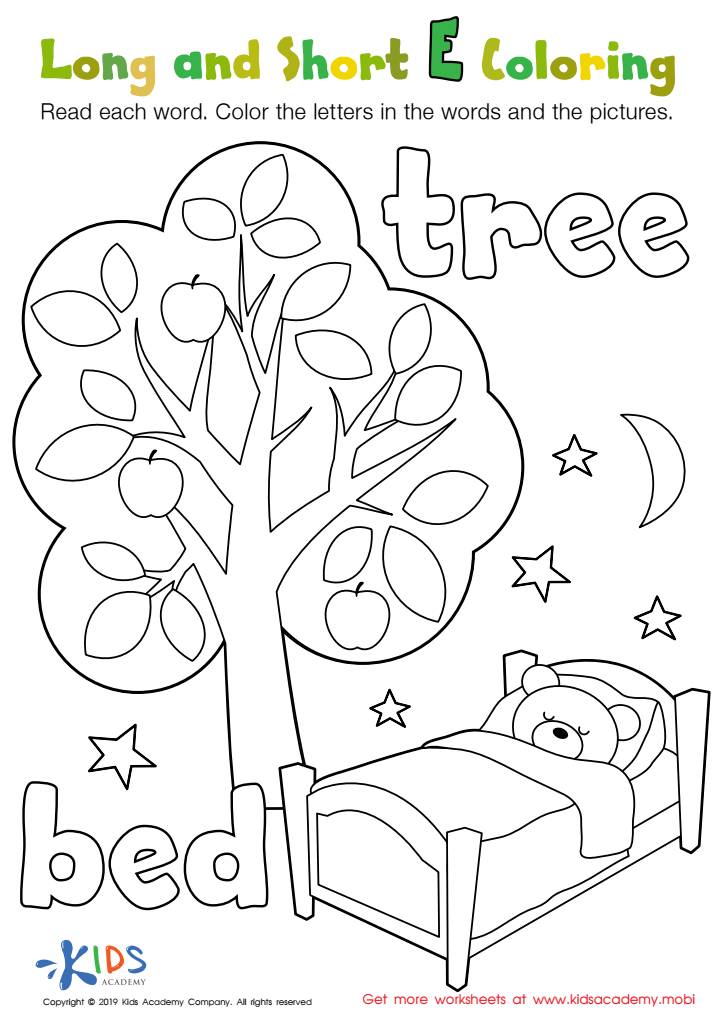
Long and Short E Worksheet
Assign to My Students
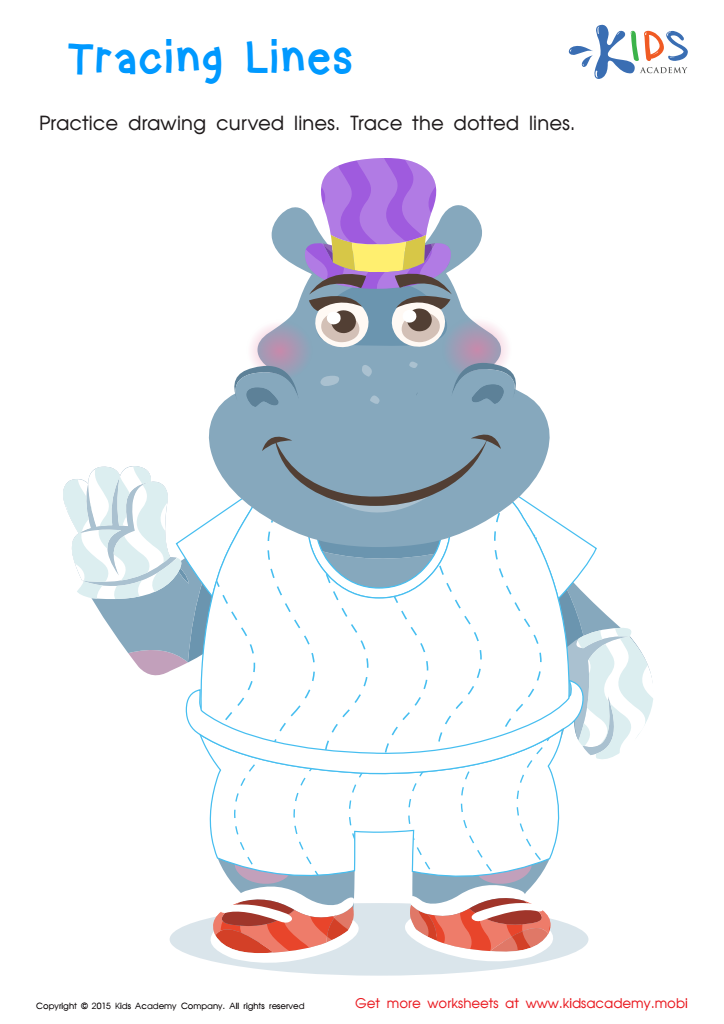
Tracing Lines Worksheet

Letter D Tracing Page








Parents and teachers should prioritize hand-eye coordination activities for children ages 4-5, as this foundational skill plays a crucial role in early development. Hand-eye coordination refers to the ability to synchronize visual perception with physical movement, which is essential for various everyday tasks and academic skills. Activities that incorporate the Hand-eye Coordination Alphabet encourage children to engage in exercises that refine their fine motor skills, contributing to better control over their movements.
At this age, children are learning to write, draw, and perform actions that require hand-eye coordination. Fostering this skill helps improve their handwriting, as well as their ability to manipulate tools, craft materials, and participate in sports. Additionally, activities focused on hand-eye coordination can boost children's confidence, enhance their problem-solving abilities, and improve their concentration.
Engaging in these activities also offers opportunities for bonding between parents, teachers, and children, creating a supportive learning environment. By emphasizing hand-eye coordination, parents and teachers can lay the groundwork for future academic success, independence in physical activities, and overall confidence in navigating the world around them. Thus, investing in this area of development has long-term benefits, making it a priority for early childhood education.







