Vocabulary Building Alphabet Worksheets for Ages 4-5
9 filtered results
-
From - To
Enhance your child's language skills with our engaging Vocabulary Building Alphabet Worksheets, designed specifically for ages 4-5! These worksheets provide a fun and interactive way for young learners to expand their vocabulary while mastering the alphabet. Each activity encourages children to connect letters with words, images, and sounds, fostering comprehension and retention. Our resources include colorful illustrations and playful exercises that keep kids motivated and excited to learn. Perfect for classrooms or at-home learning, these worksheets cater to diverse learning styles and help develop critical thinking skills. Start your child's vocabulary journey today and watch them flourish!
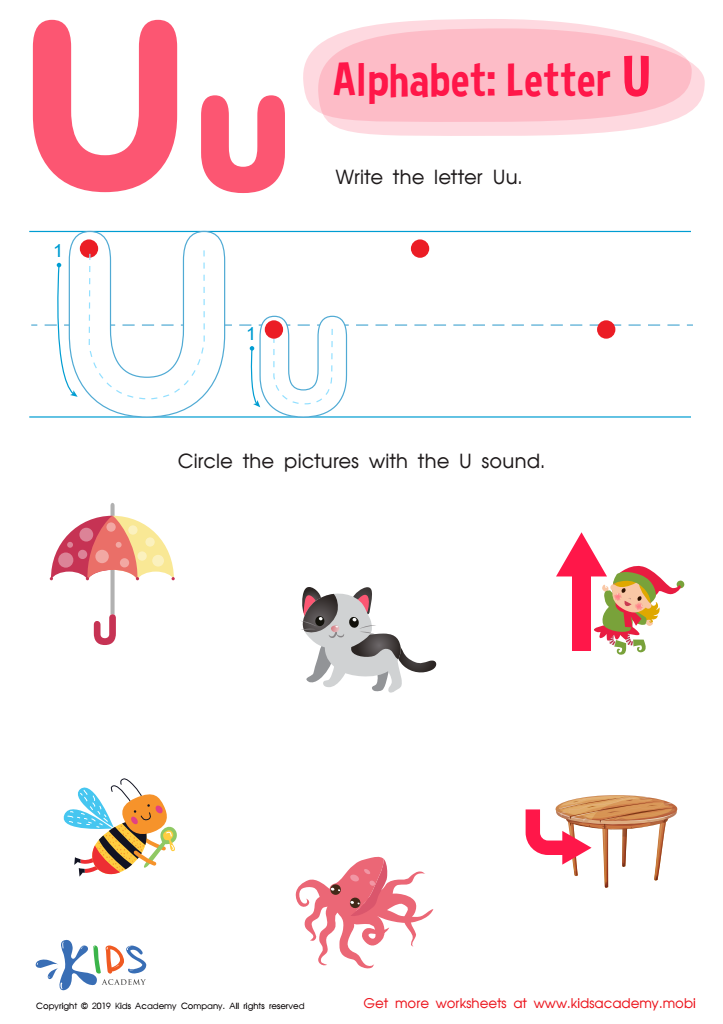
Letter U Tracing Worksheet
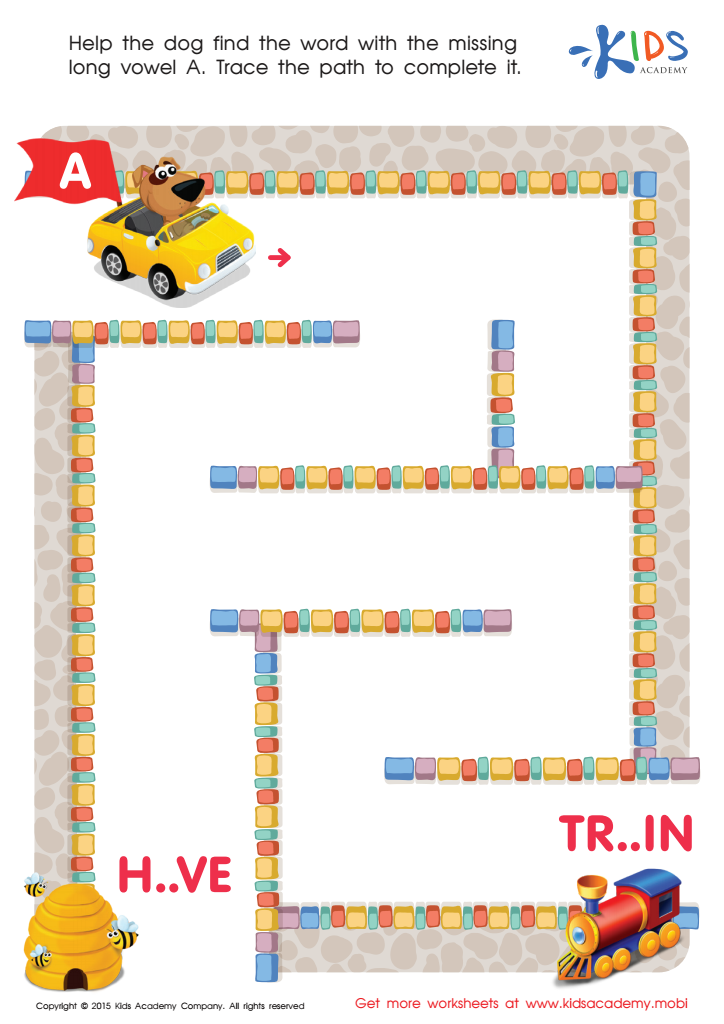
Long Vowel Sound A Worksheet
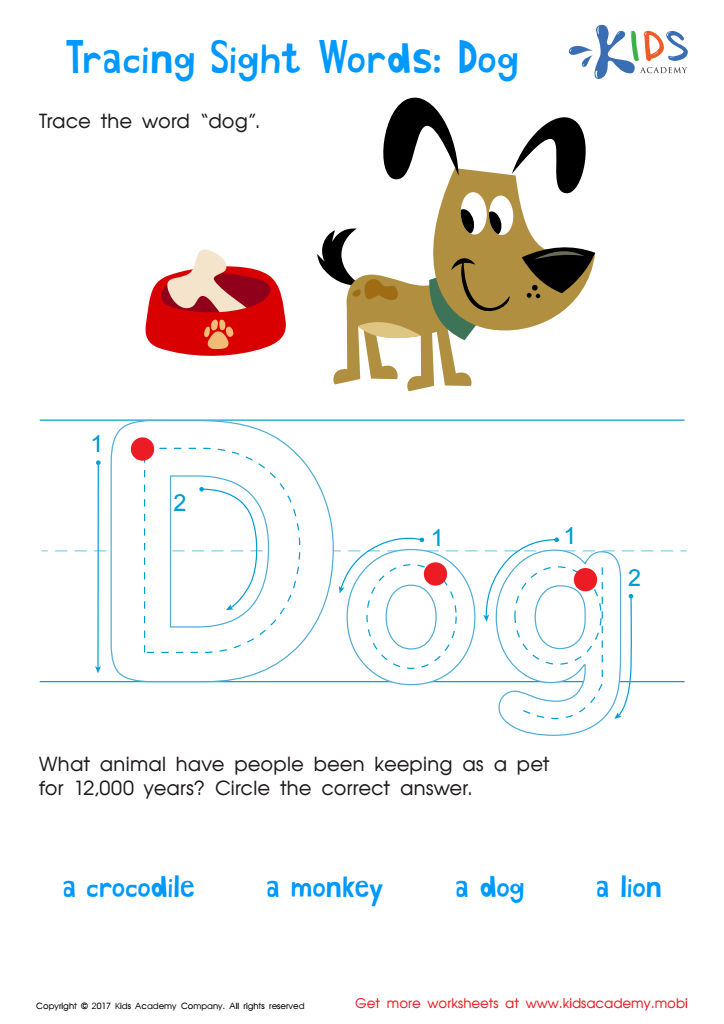
Dog Worksheet Sight Words Worksheet
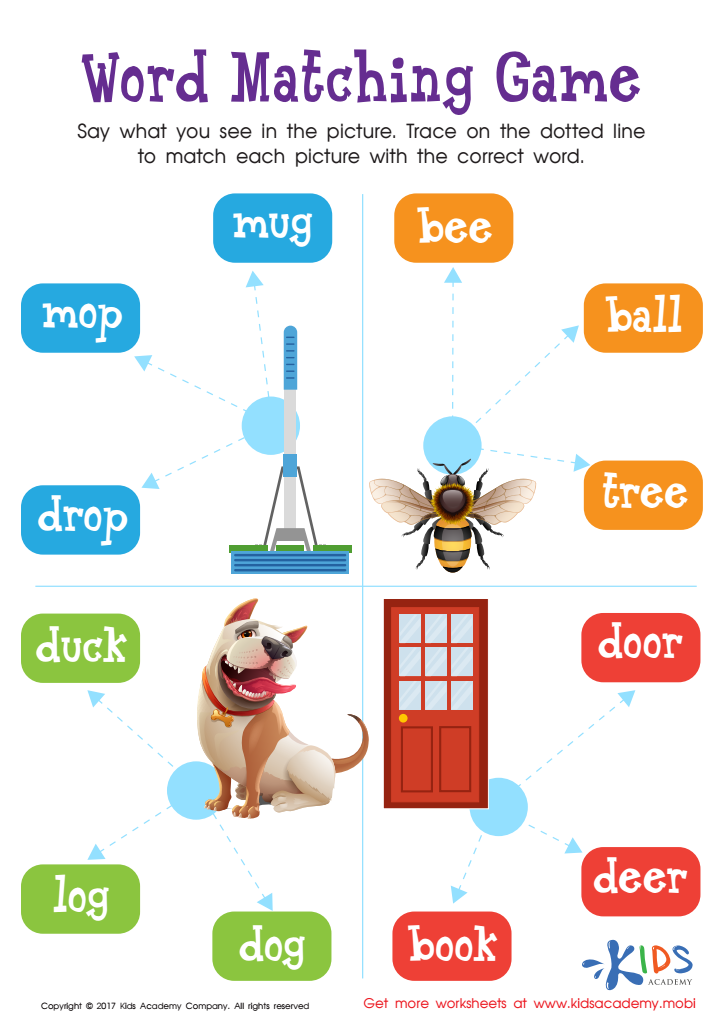
Word Matching Game Worksheet
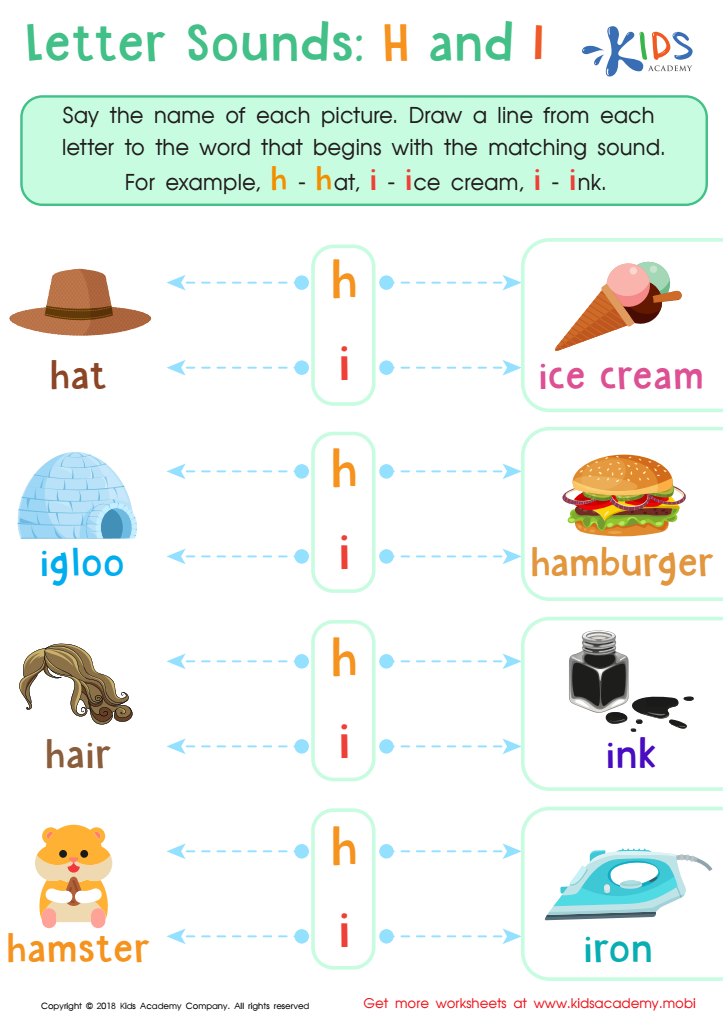
Letter H and I Sounds Worksheet
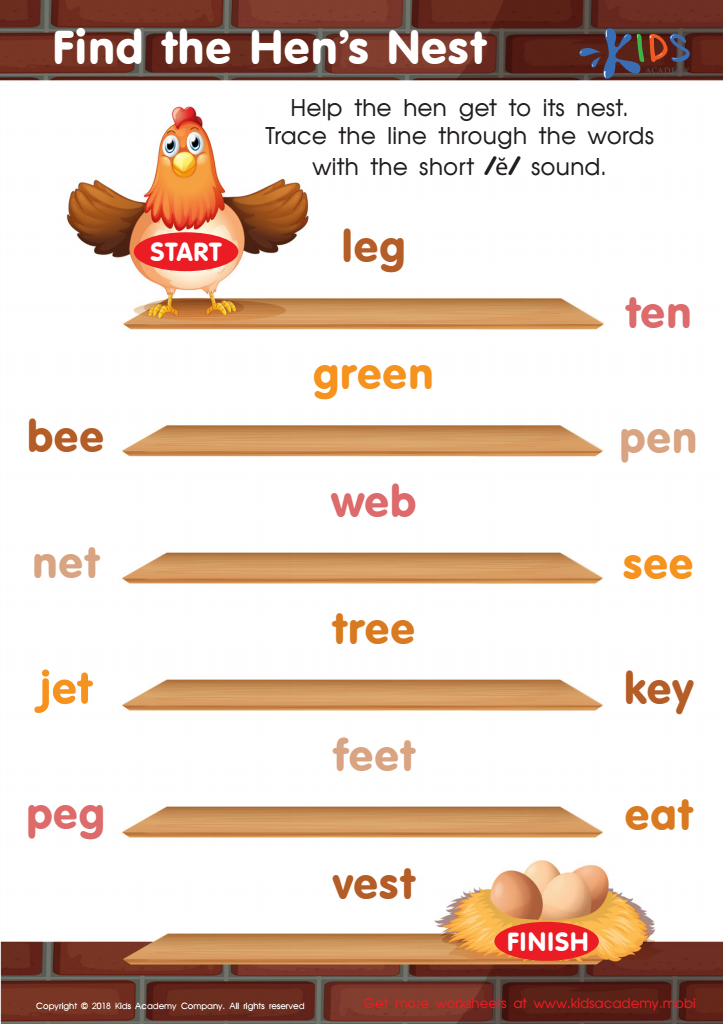
Find Hens Nest Reading Worksheet
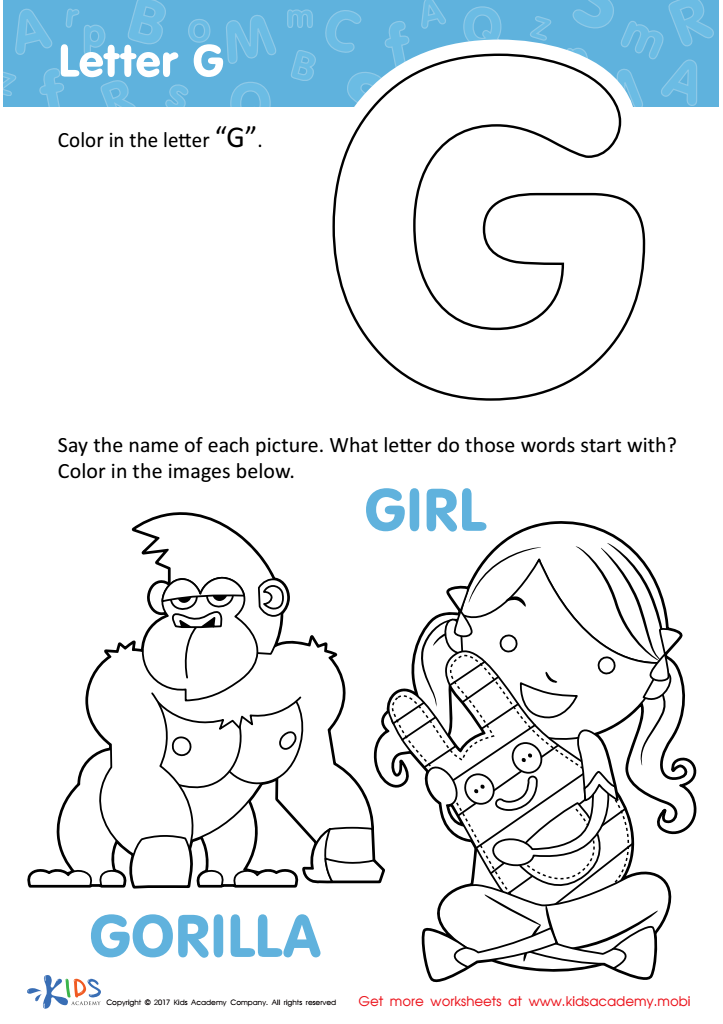
Letter G Coloring Sheet
 Assign to My Students
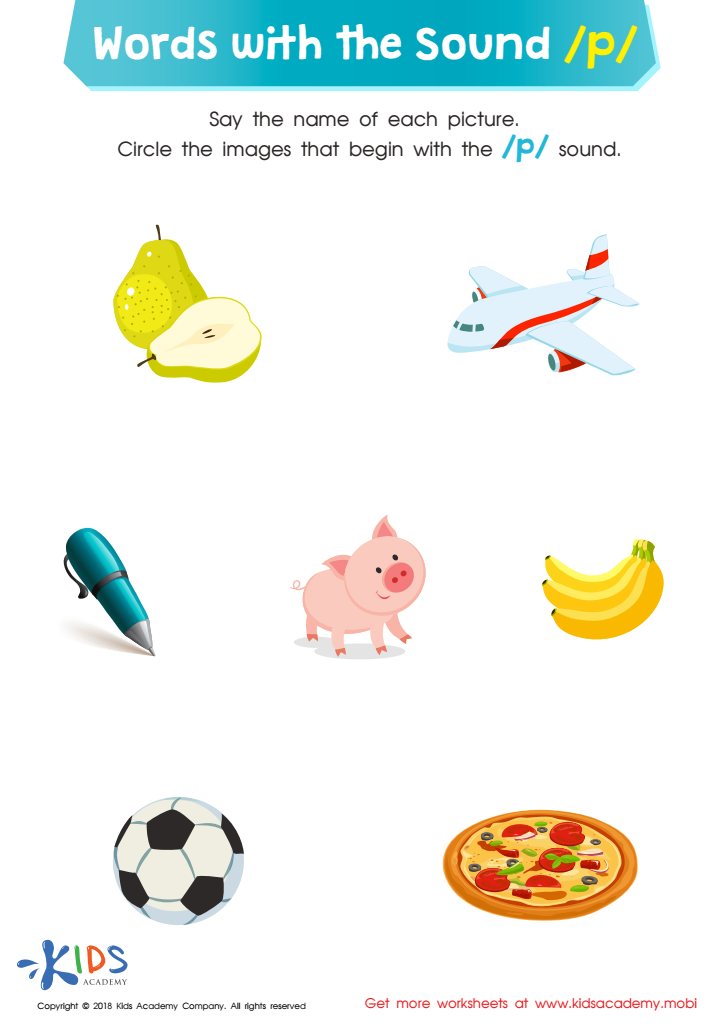
Words with sound p Reading Worksheet
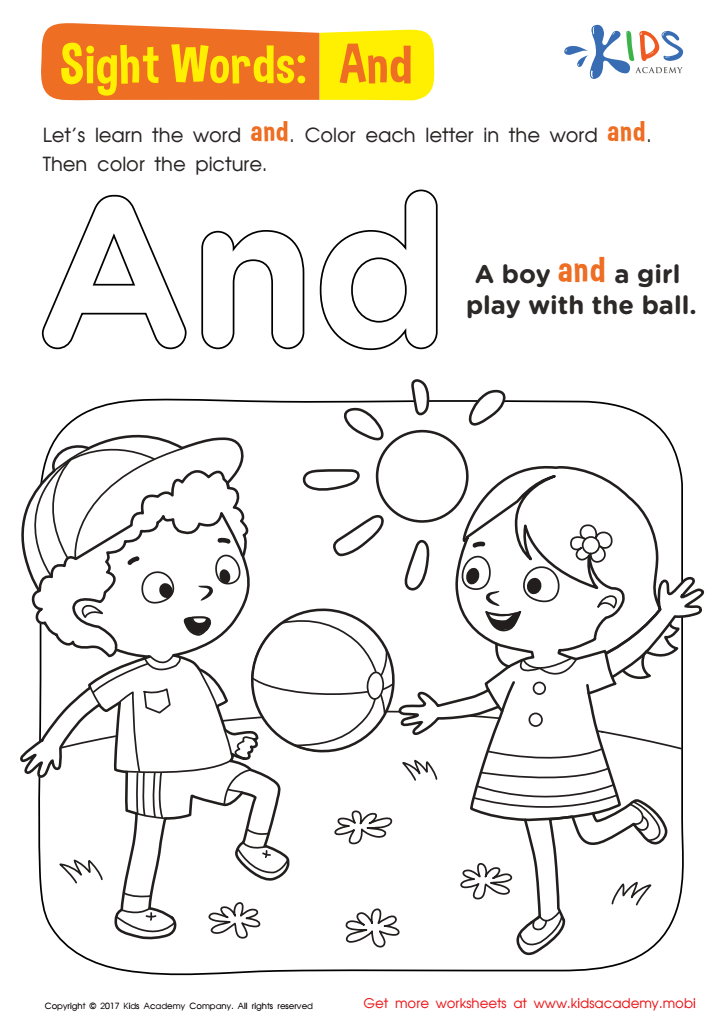
And Worksheet Sight Words Worksheet
Assign to My Students








Vocabulary building for children ages 4-5 is fundamental to their overall development and future academic success. During these early years, children are rapidly acquiring language skills, and a robust vocabulary enhances their ability to express thoughts, needs, and emotions effectively. A structured Vocabulary Building Alphabet can significantly aid this process by introducing a variety of words in a fun and engaging manner.
Parents and teachers should care about such resources because early vocabulary enrichment is linked to improved literacy skills later on. When children learn new words associated with letters, it not only helps them recognize sounds but also encourages comprehension as they make connections with what those words represent. This foundational knowledge is essential for reading readiness.
Moreover, when children interact with vocabulary-building activities, they develop critical thinking and communication skills, which are vital for social interactions. These early experiences foster a love for language, empowering children to explore and learn more throughout their lives. By actively participating in vocabulary building, parents and educators create a nurturing environment where children feel confident and motivated to communicate, paving the way for lifelong learning and success. Investing time in vocabulary development now will reap significant benefits in the future.







