Phonics Skills Long Vowels Worksheets for Ages 4-5
8 filtered results
Difficulty Level
Grade
Age
-
From - To
Subject
Activity
Standards
Engage your young learner with our Phonics Skills Long Vowels Worksheets, perfect for ages 4-5. These printable worksheets are designed to enhance your child's understanding of long vowel sounds, crucial foundations for reading fluency and comprehension. Through interactive and fun activities, children will explore different long vowel sounds, practice identifying them, and learn to apply phonics rules. Our expertly crafted worksheets support early literacy by building strong phonological awareness and aiding in the development of essential reading skills. Make learning enjoyable and impactful with these carefully designed resources at Kids Academy. Help your child succeed in their early reading journey!
Favorites
With answer key
Interactive
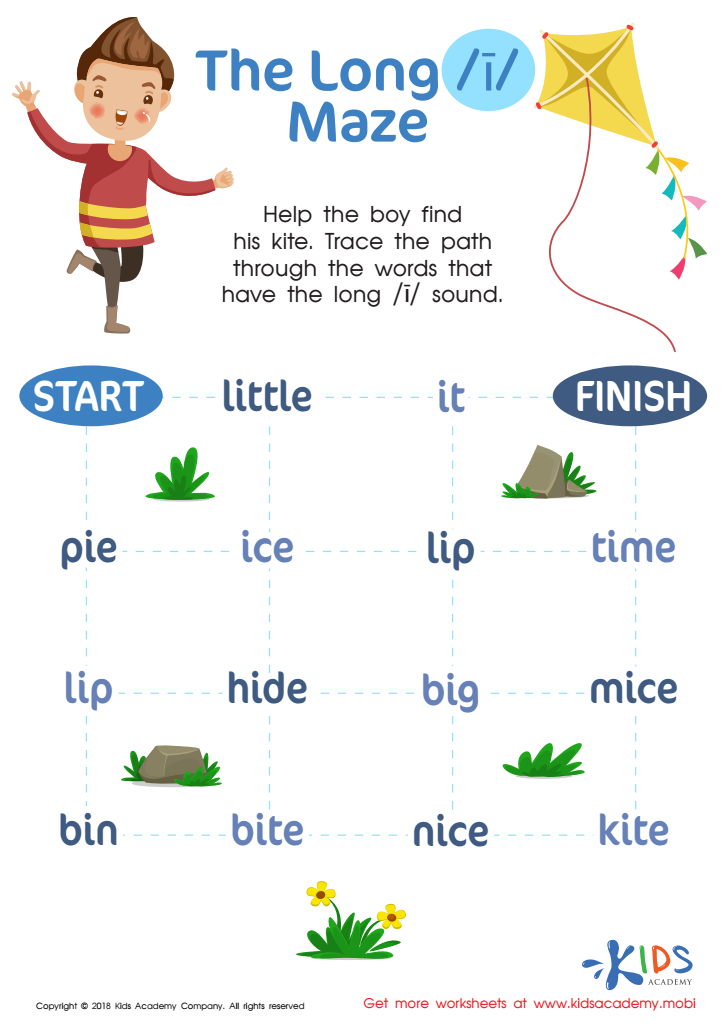
The Long I Maze Reading Worksheet
Help your child learn phonics to help them read. Show them the difference between long and short "i" sounds. Guide them as they use a pencil to trace words with the long "i:" sound in the "Help the Boy in the Picture" worksheet exercise. This will help them find the kite in the picture.
The Long I Maze Reading Worksheet
Worksheet
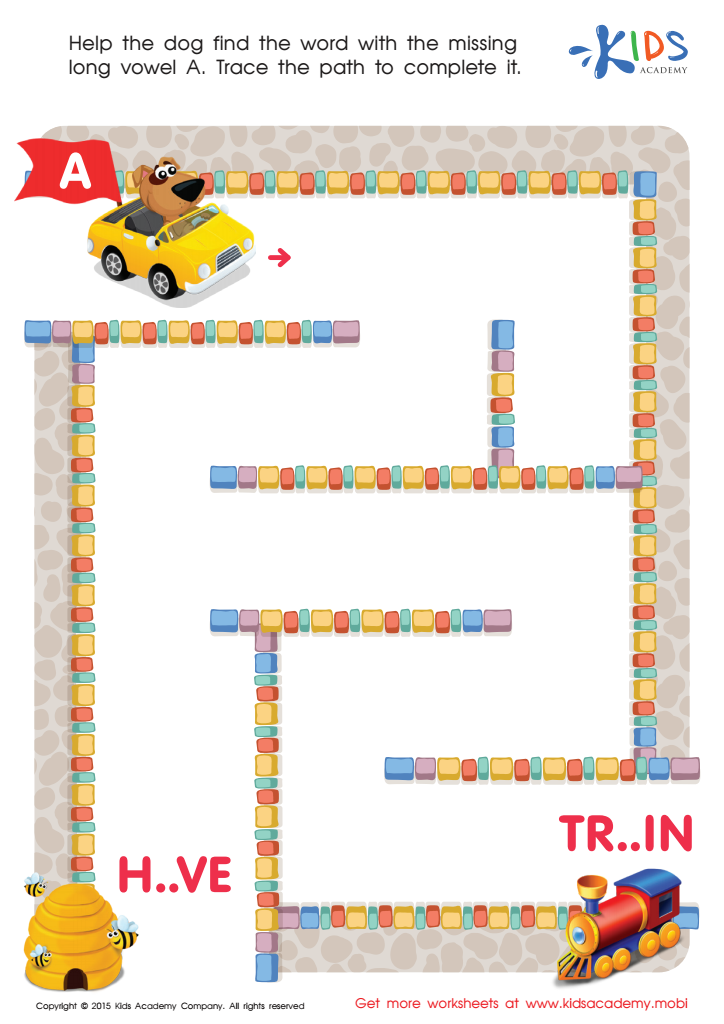
Long Vowel Sound A Worksheet
Teach your young learner about the long vowel A with this colorful free printable phonics worksheet. The long vowel A says its name while the short vowel A does not. Complete the worksheet by tracing the root to the toy train and helping the dog by filling in the missing letter A. Have them practice writing and spelling with phonics while having fun!
Long Vowel Sound A Worksheet
Worksheet
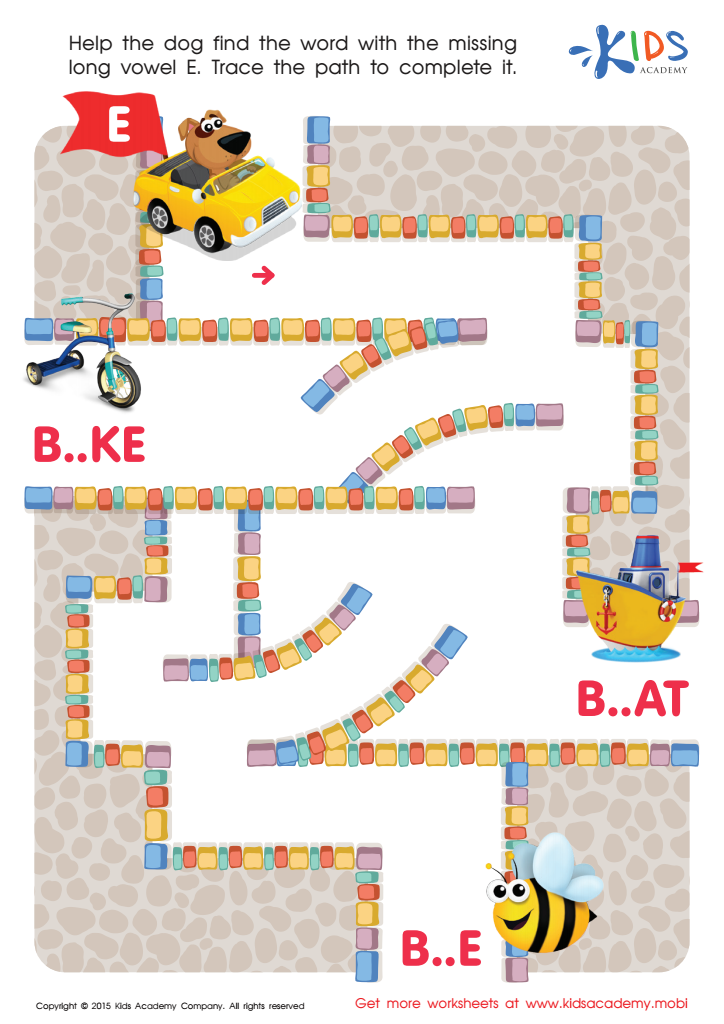
Long Vowel Sound E Worksheet
Practice distinguishing long and short vowel sound E with this free printable! Kids must complete the word “bee” by tracing the maze and adding the missing letter E. Remind them to say the word aloud to help sharpen their phonics ear. Get more phonics fun with the vowel sound E here.
Long Vowel Sound E Worksheet
Worksheet
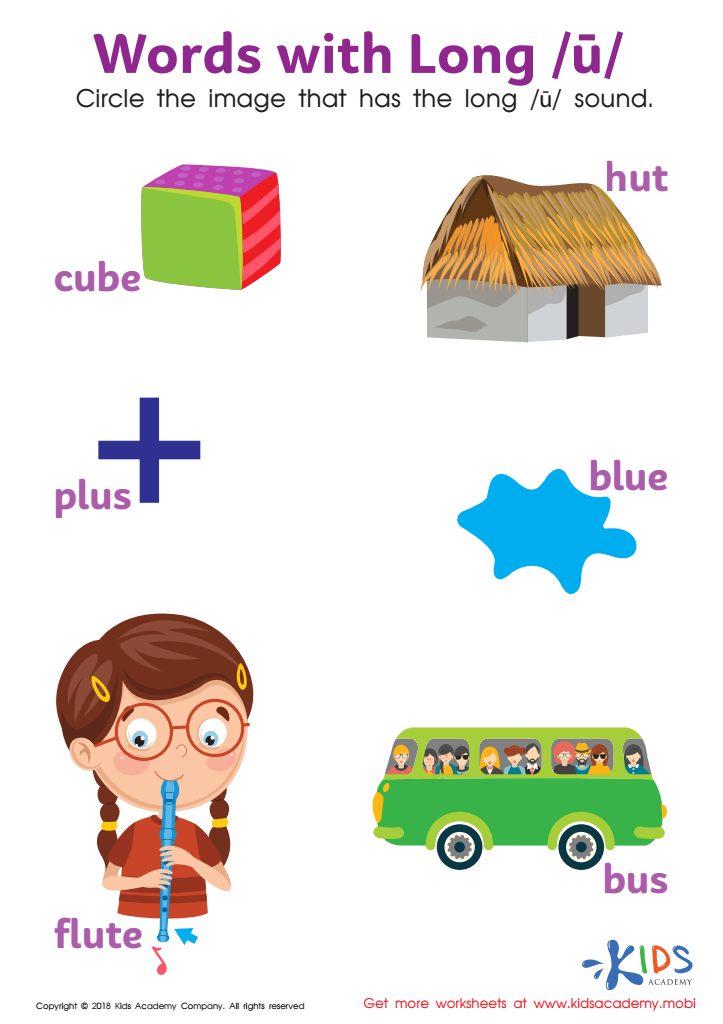
Words with Long U Reading Worksheet
Help your new reader master vowel recognition with this fun worksheet. By using picture clues and practicing fine motor skills, they'll learn to differentiate between words with the long and short «u» sound. Your learner will also get to practice vowel discrimination in high-frequency words. It's a great way to learn the importance of vowels in reading!
Words with Long U Reading Worksheet
Worksheet
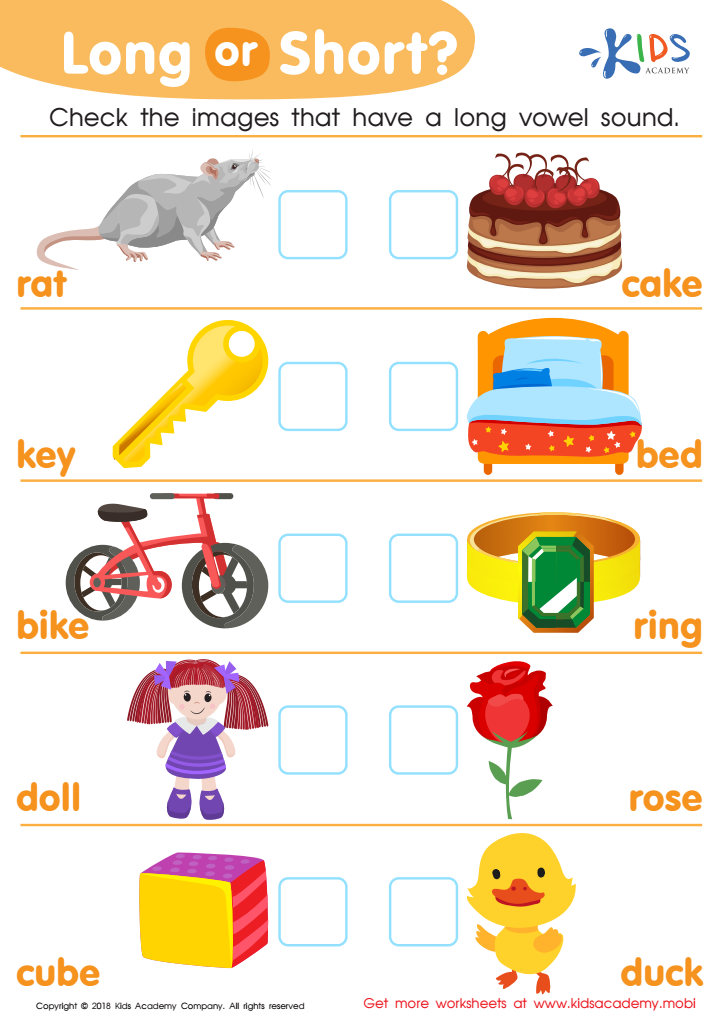
Long or Short Reading Worksheet
Every new reader needs to learn to recognize long and short vowel sounds. This phonics worksheet uses pictures of high-frequency words to help. Kids read the words and then check off images with long vowel sounds. It helps them learn to decode words and improves fine motor skills.
Long or Short Reading Worksheet
Worksheet
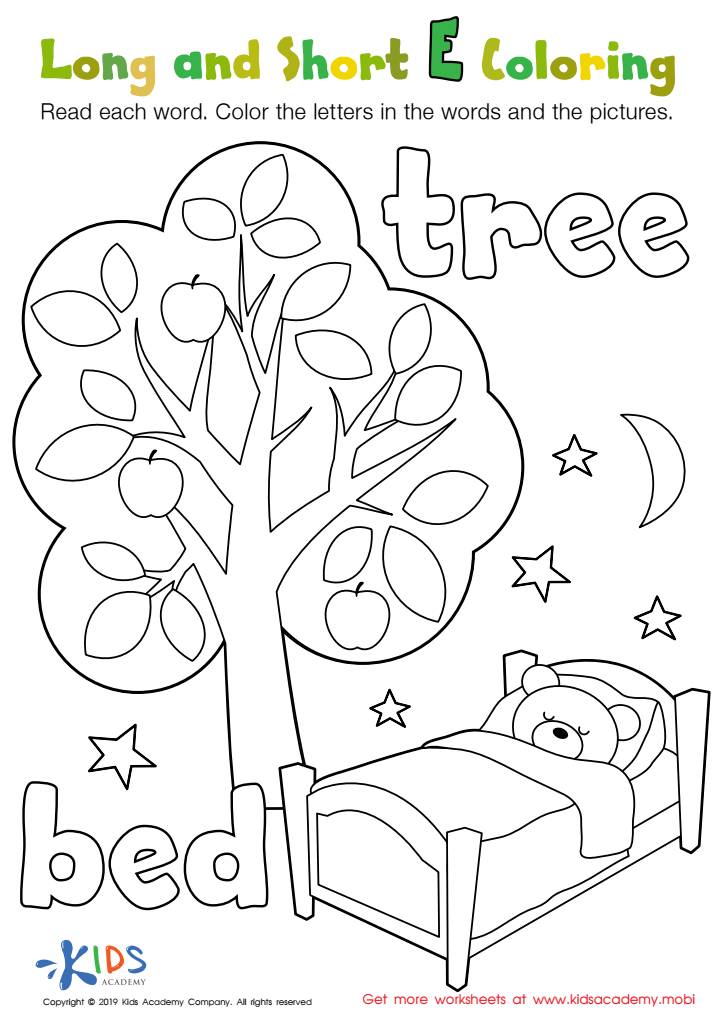
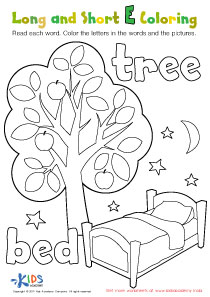
Long and Short E Worksheet
This fun printout makes learning phonics enjoyable for Grade 3 students. Get them to read the words “tree” and “bed” to recognize the different sounds of the letter “E”. After hearing the words they can color the words and the pictures to understand differences between long and short vowels.
Download (PDF)
 Assign to My Students
Assign to My Students
Long and Short E Worksheet
Worksheet
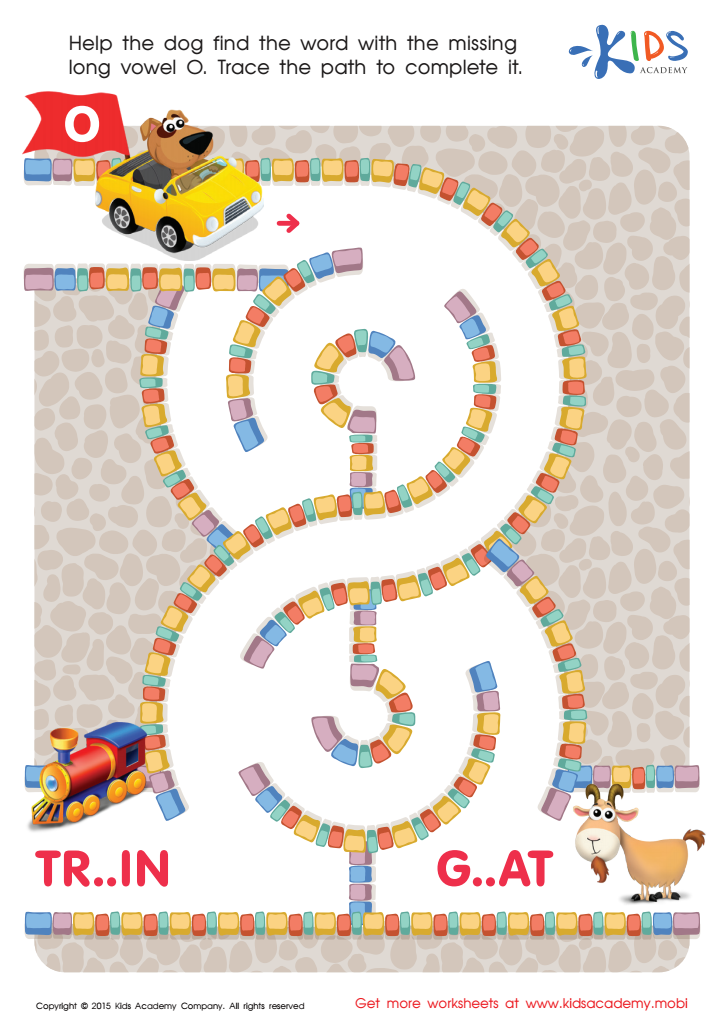
Long Vowel Sound O Worksheet
Help the goat find her missing O! Guide your little learner through this fun maze to help the goat get its vowel sound back. Make phonics learning engaging and enjoyable with this free printable worksheet.
Long Vowel Sound O Worksheet
Worksheet
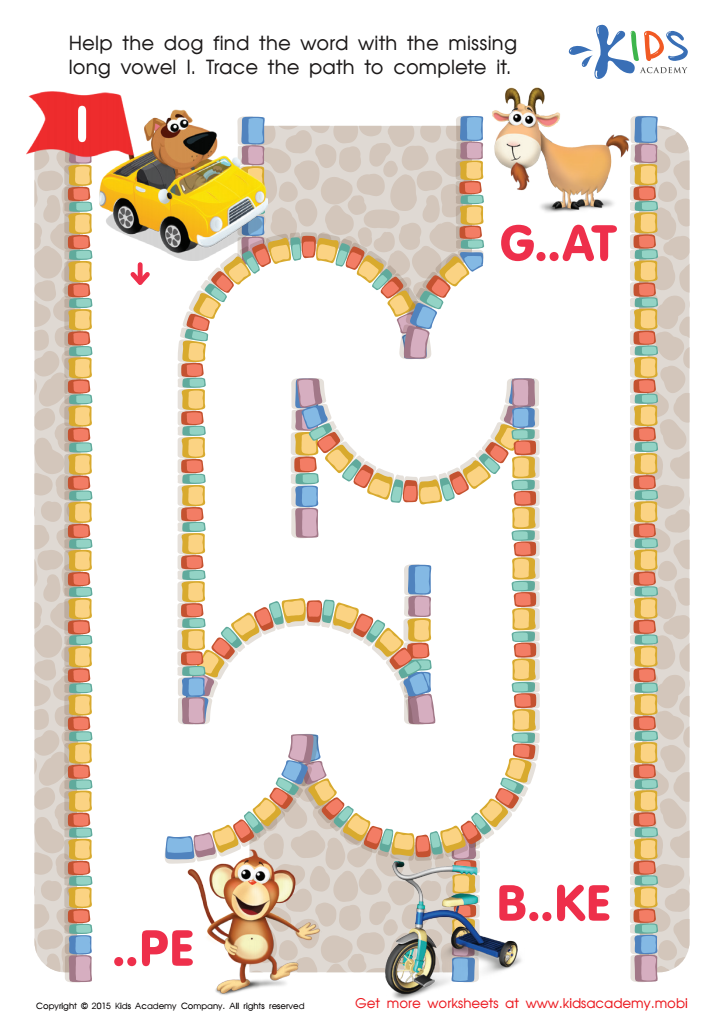
Long Vowel Sound I Worksheet
Learning long vowels is essential to becoming a good reader. Ask your child to distinguish between the long and short I vowel sounds. Remind them that the long I says its name, while the short I doesn't. With this fun printable phonics worksheet, your kid can practice writing and spelling while helping a dog find his way through a maze. Check out our phonics worksheets for more learning activities.
Long Vowel Sound I Worksheet
Worksheet
Join Kids Academy for Free
Who is primarily going to use this learning content?



Phonics skills, including the ability to recognize and use long vowels, are fundamental in early literacy development for children aged 4–5. At this formative age, children are just beginning their journey into reading and writing, and a solid understanding of phonics can serve as a cornerstone for their future academic success.
Long vowels are particularly crucial because they form the foundational sounds within many words that children will come across in their early reading experiences. Mastering these sounds enables young learners to decode and spell words accurately, boosting their reading fluency and comprehension. When children recognize that vowels in words can produce different sounds (e.g., "a" in "cake" vs. "cat"), they are better equipped to decode unfamiliar words independently, fostering confidence and a love for reading.
Parents and teachers play vital roles in guiding children through this learning process. By incorporating fun, engaging activities that emphasize long vowel sounds, adults can make learning to read a joyous and rewarding experience. Phonemic awareness also aids in spelling, contributing to early writing skills. When parents and teachers prioritize phonics skills, they set children up for a lifetime of literacy, critical thinking, and academic achievement—ensuring that the children are not just learning to read, but reading to learn.