Understanding fractions Worksheets for Ages 4-5
32 filtered results
-
From - To
Introduce your little learner to the concept of fractions with our specially designed worksheets for ages 4-5 at Kids Academy. Our "Understanding Fractions" worksheets make this tricky subject fun and engaging through colorful and interactive activities. Perfectly tailored to young minds, these worksheets help children grasp basic fraction concepts, such as halves and quarters, by using everyday objects and relatable scenarios. Enhance your child’s early math skills, build their confidence, and get them excited about learning with our comprehensive and easy-to-follow fraction worksheets. Visit Kids Academy to download and start exploring the world of fractions today!
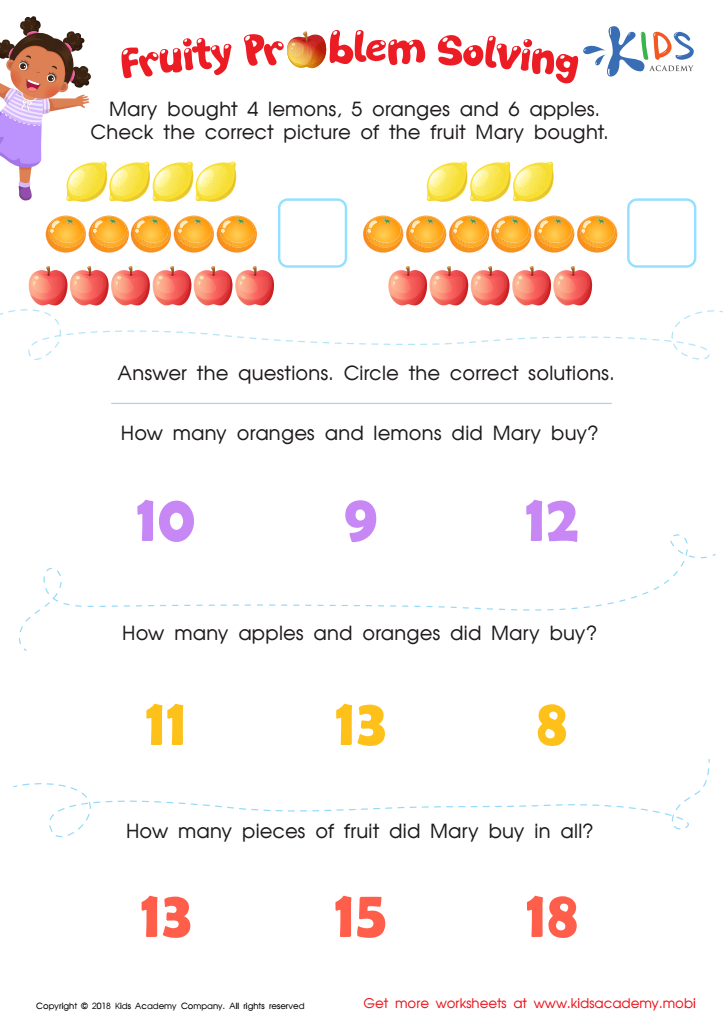
Fruity Problem Solving Worksheet
 Assign to My Students
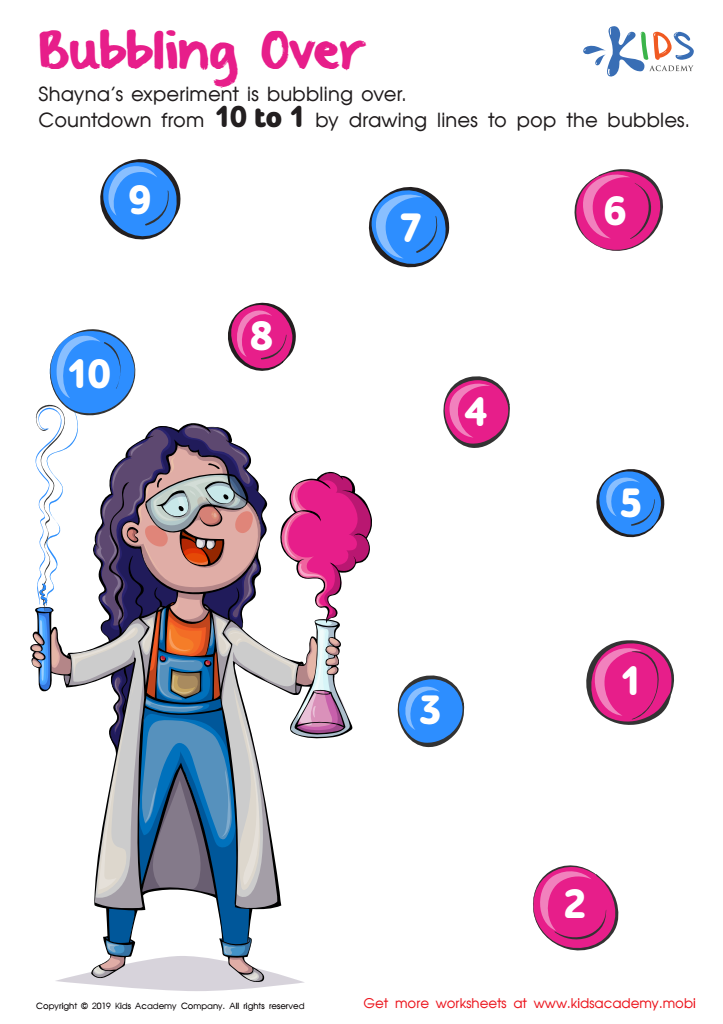
Bubbling Over Worksheet
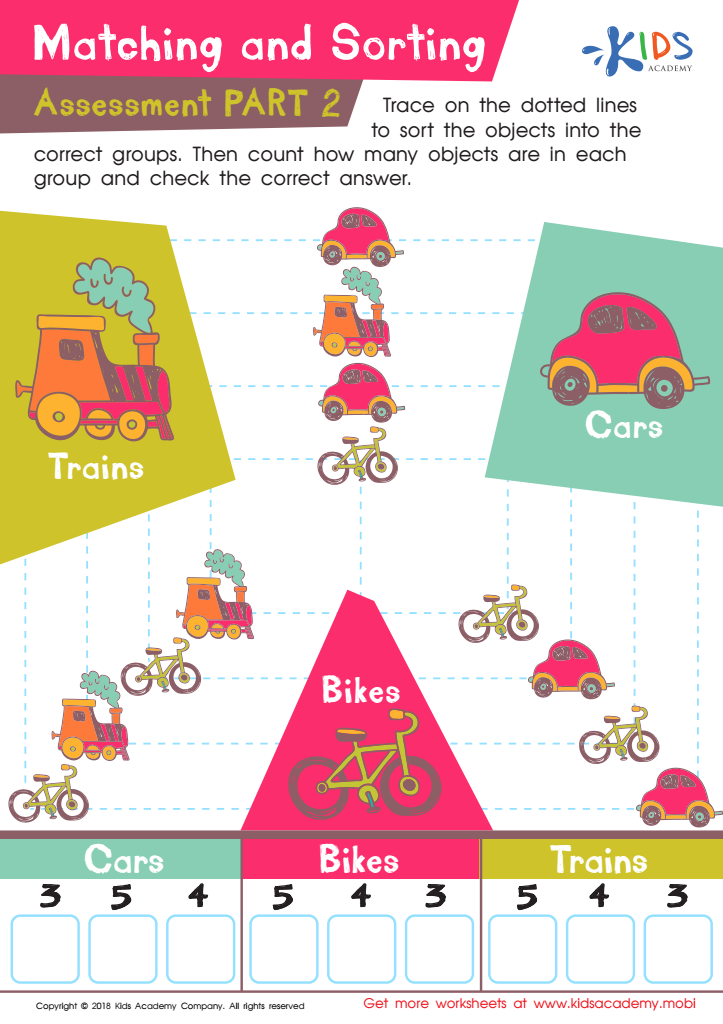
Matching and Sorting for Kindergarten: Assessment 2 Worksheet
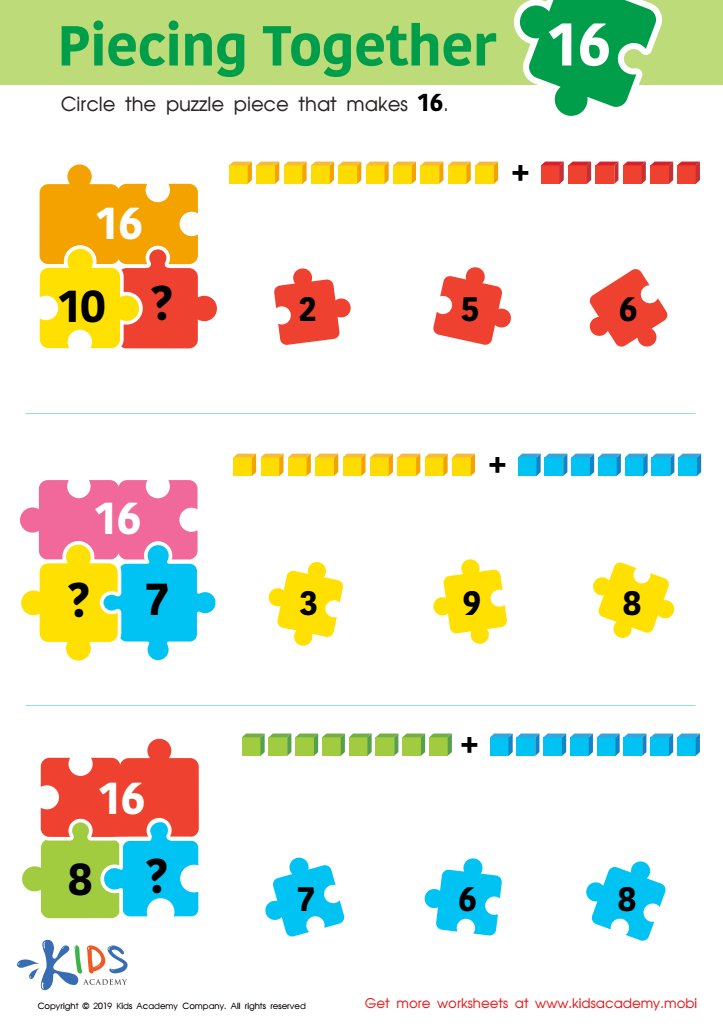
Piecing Together 16 Worksheet
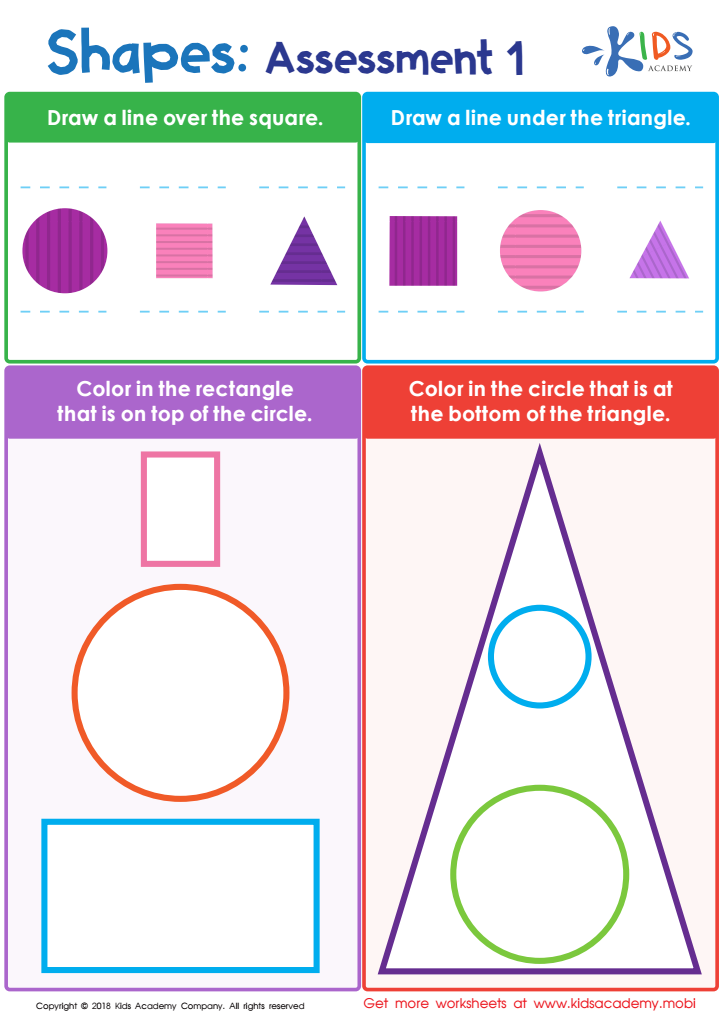
Shapes: Assessment 1 Worksheet
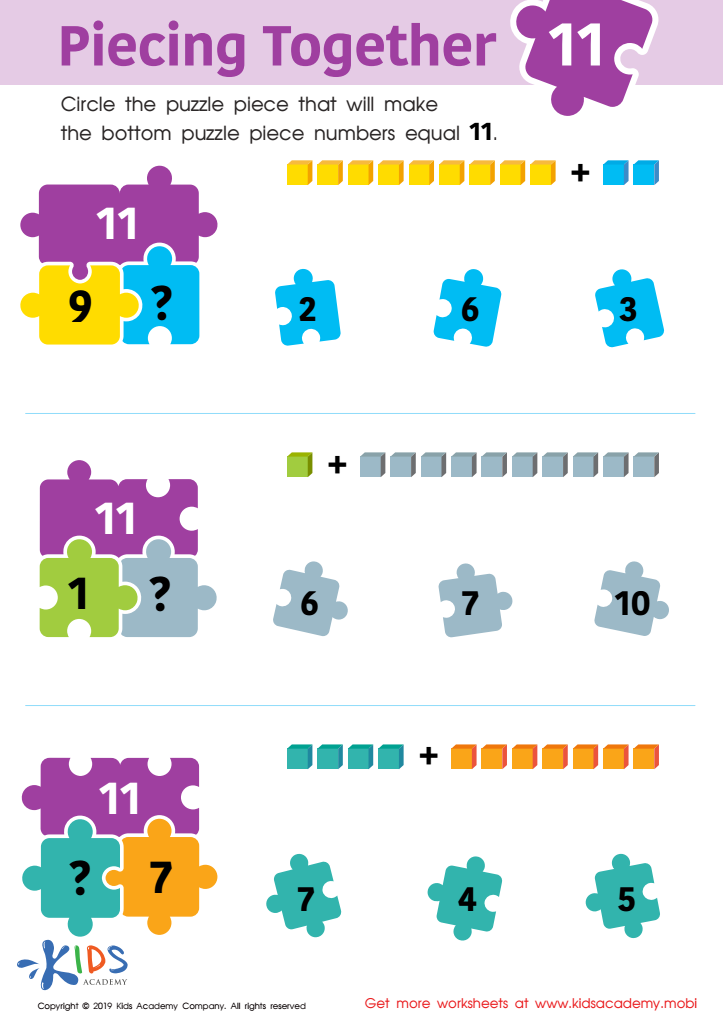
Piecing Together 11 Worksheet
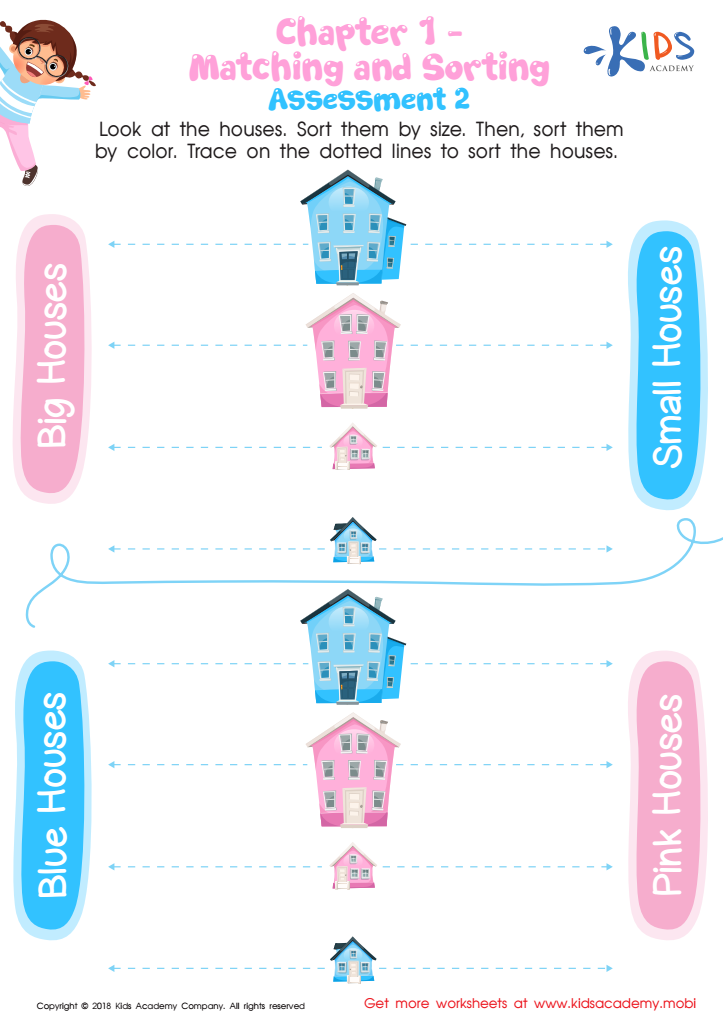
Matching and Sorting for Preschool: Assessment 2 Worksheet
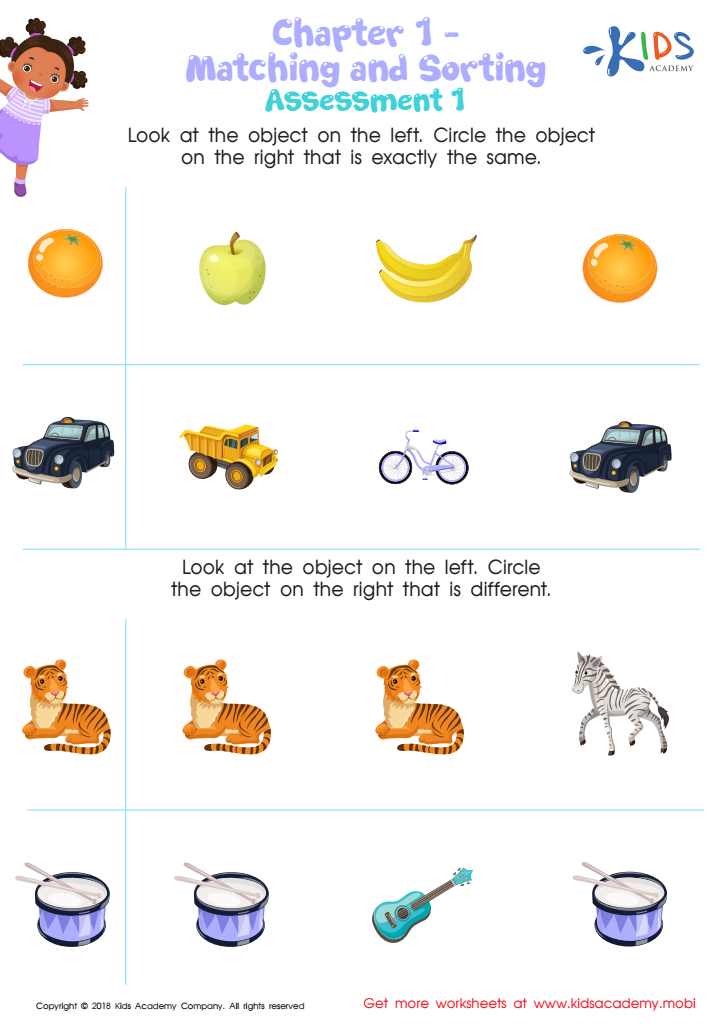
Matching and Sorting for Preschool: Assessment 1 Worksheet






Understanding fractions at ages 4-5 might seem early, but introducing basic fraction concepts provides significant benefits. During these formative years, children’s brains are incredibly receptive to learning new ideas, and introducing fractions can help build a solid mathematical foundation.
Engaging with fractions early familiarizes children with a fundamental aspect of mathematics that they'll encounter regularly in school. This early exposure helps demystify what can otherwise appear complex or intimidating later on. Simple fraction concepts, such as dividing objects into equal parts or sharing fairly, can be communicated through everyday activities like cutting fruit or playing games.
Moreover, learning about fractions helps children develop critical thinking and problem-solving skills. It encourages them to consider parts and wholes, promoting a deeper understanding of division, ratios, and eventually more complex math concepts. This foundation can lead to greater confidence in their math abilities, reducing anxiety and inspiring a positive attitude towards learning.
Additionally, early math skills are predictors of later academic success, not just in mathematics but across various subjects. By incorporating fractions in playful and meaningful ways, parents and teachers can support cognitive development, making it easier for children to build upon these concepts as they advance in their education.








