Subtraction skills Addition and Subtraction Word Problems Worksheets for Ages 4-5
6 filtered results
-
From - To
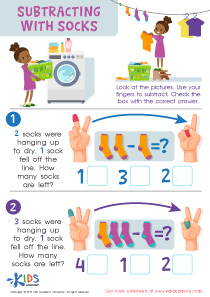
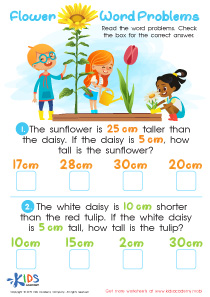
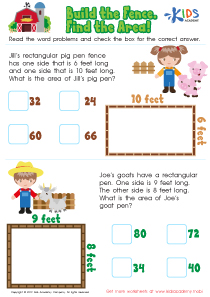
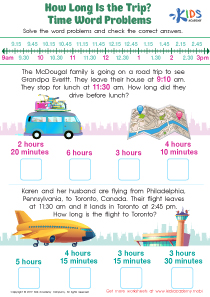
Enhance your child's math abilities with our engaging Subtraction Skills Addition and Subtraction Word Problems Worksheets designed for ages 4-5. These fun and colorful worksheets help young learners develop essential subtraction skills through various word problems, promoting critical thinking and problem-solving abilities. Perfectly tailored to preschoolers and kindergarteners, each worksheet combines visuals with simple, relatable scenarios to make learning enjoyable and effective. Boost your child's confidence in math with these interactive, age-appropriate activities that lay a solid foundation for future arithmetic success. Explore our collection and watch your child's subtraction skills flourish!
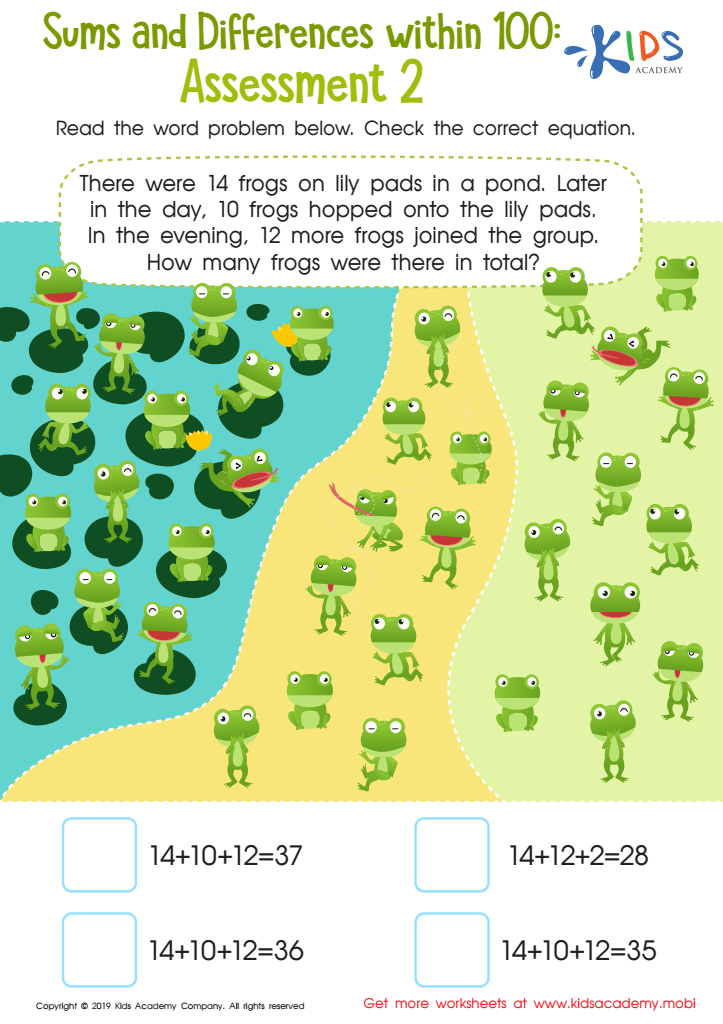
Sums and Differences Within 1 - Assessment 2 Worksheet
 Assign to My Students
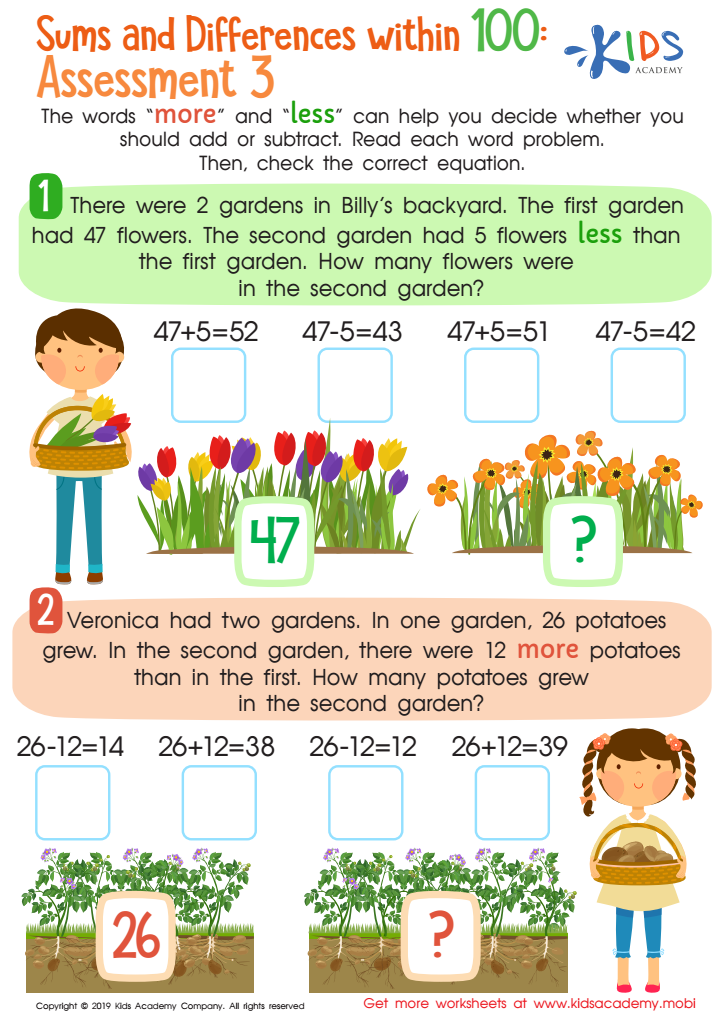
Sums and Differences Within 1 - Assessment 3 Worksheet
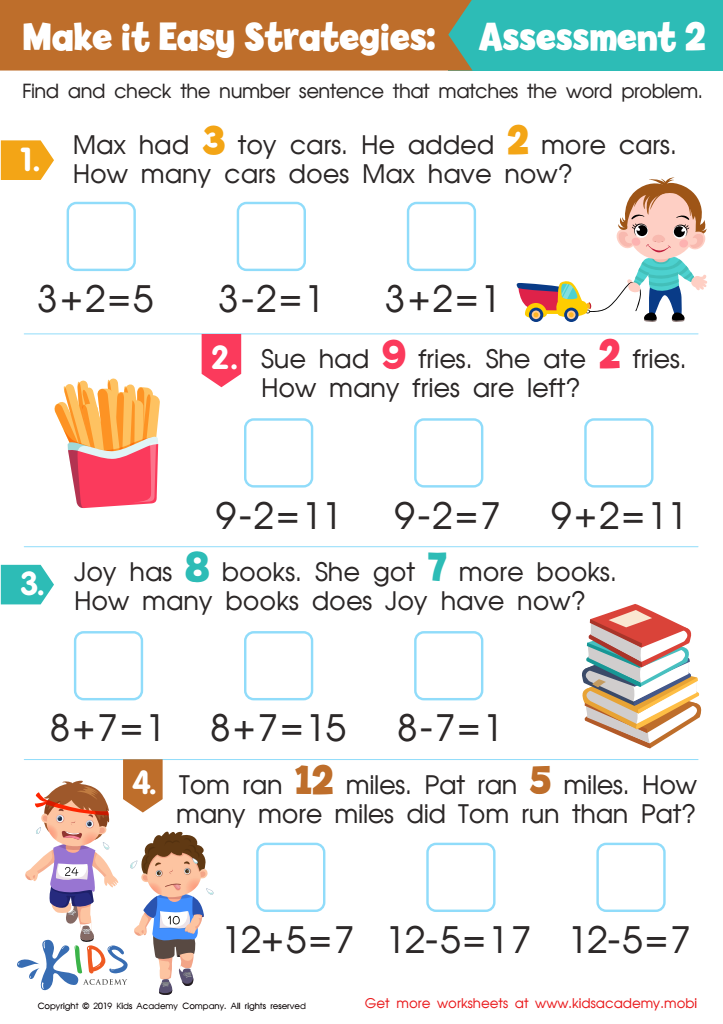
Make it Easy Strategies: Assessment 2 Worksheet
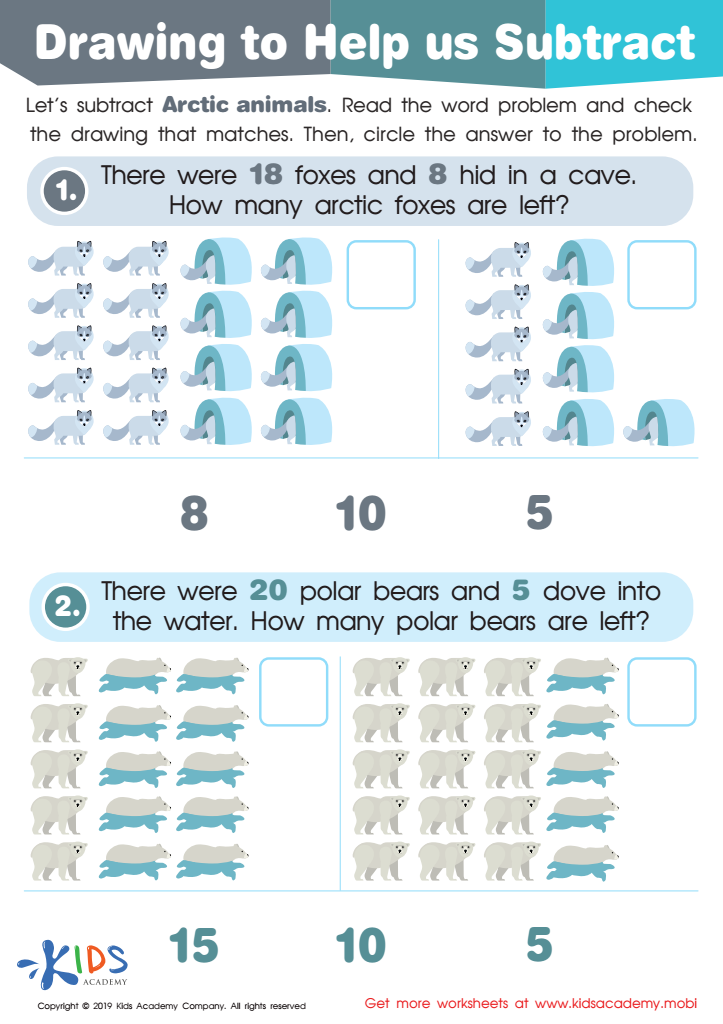
Drawing to Help Us Subtract Worksheet
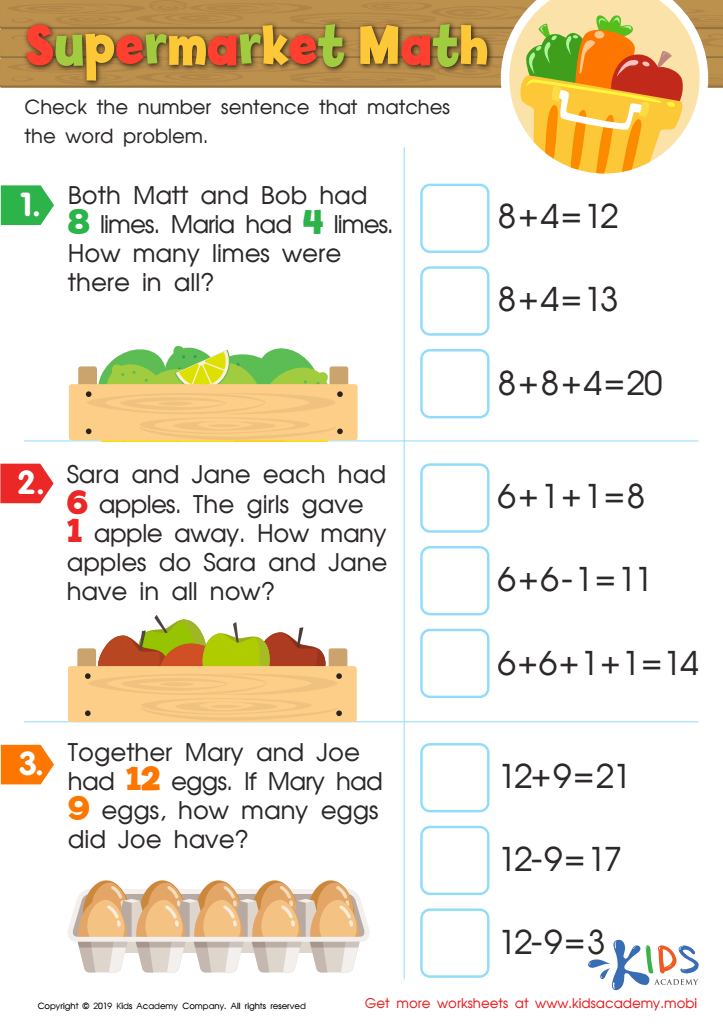
Supermarket Math Worksheet
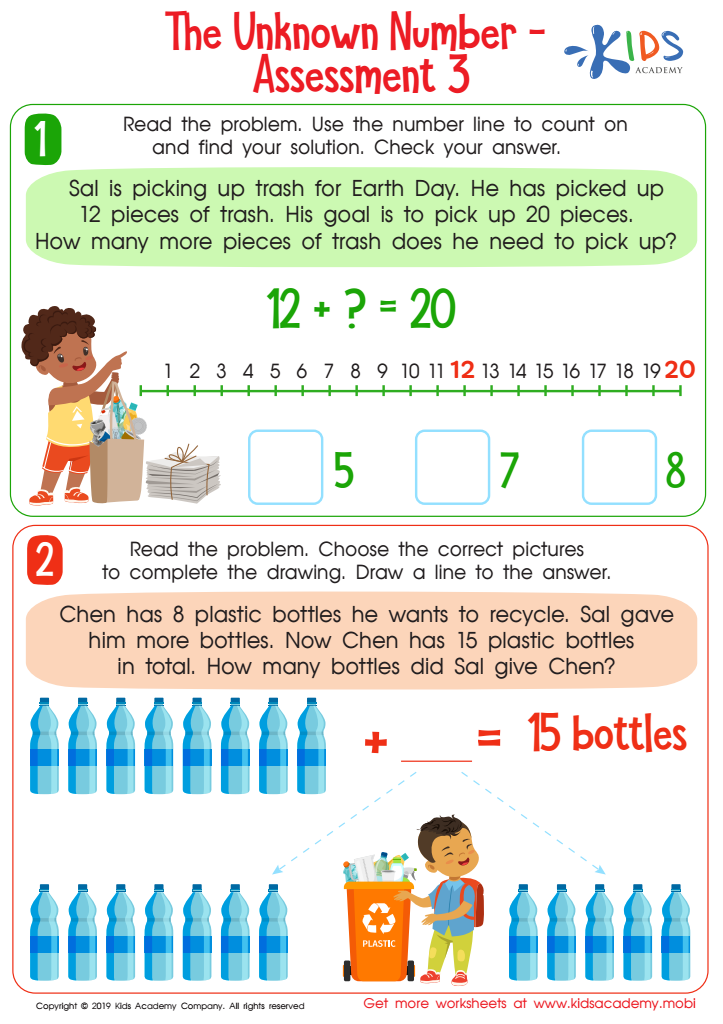
The Unknown Number - Assessment 3 Worksheet








Caring about subtraction skills and addition and subtraction word problems for children aged 4-5 is essential because these foundational math skills are critical for their cognitive development and future academic success. At this young age, children are naturally curious and their brains are highly receptive to learning new concepts. Introducing subtraction and addition through word problems helps them understand math in a practical context, making it easier to grasp. It enhances their problem-solving and critical thinking skills, which are beneficial across all areas of learning.
Furthermore, early mastery of these basic math skills builds confidence. When children feel competent and successful in math at an early age, they are more likely to enjoy the subject and be less anxious about it in the future. This confidence can translate into better performance not only in math but in other academic areas as well.
For parents and teachers, focusing on these skills also means they can identify and address any learning difficulties early on. This proactive approach ensures that children do not fall behind, keeping their learning trajectory on a positive path. Engaging children in enjoyable math activities helps foster a lifelong positive attitude towards learning and problem-solving, setting the stage for future success in all educational endeavors.