Problem-Solving Skills Addition & Subtraction Worksheets for Ages 4-5 - Page 4
81 filtered results
-
From - To
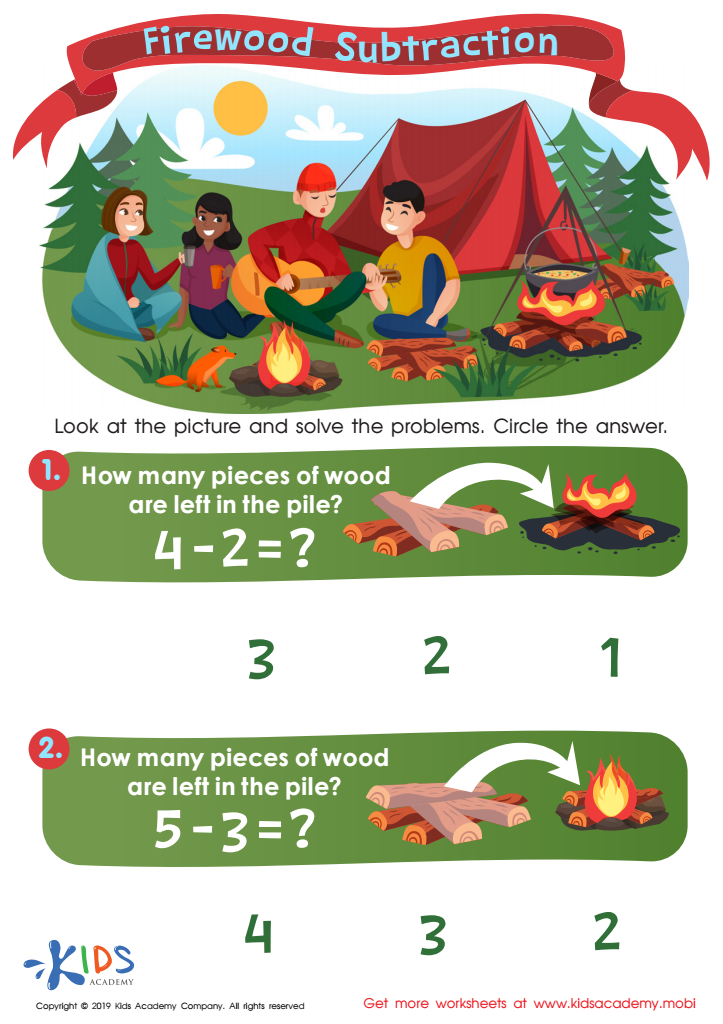
Firewood Subtraction Worksheet
 Assign to My Students
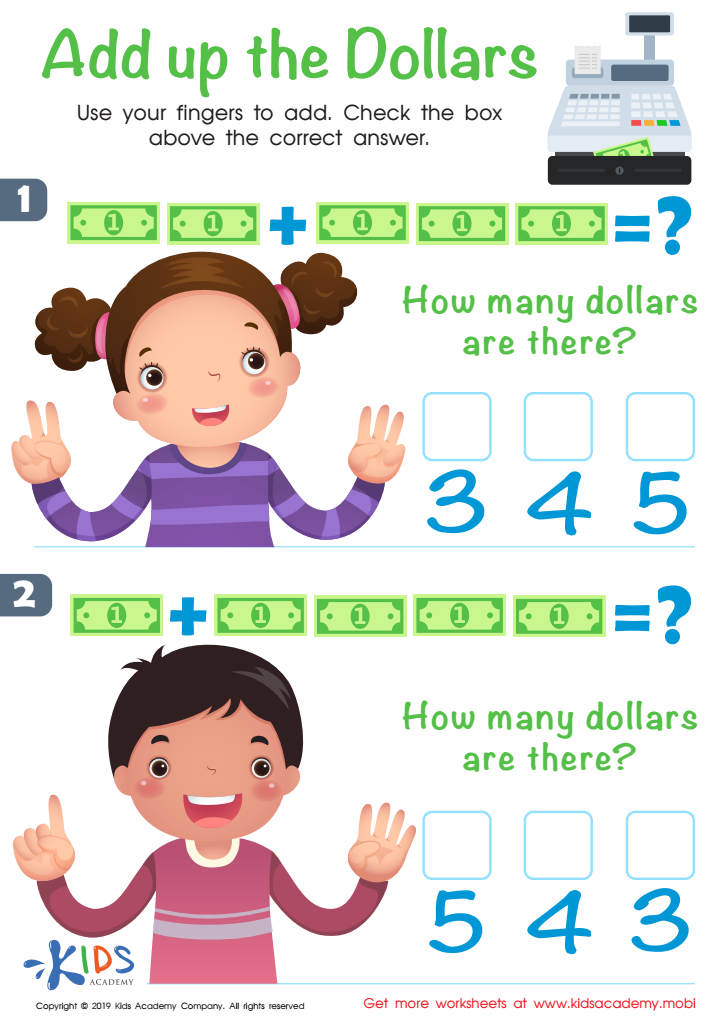
Add up the Dollars Worksheet
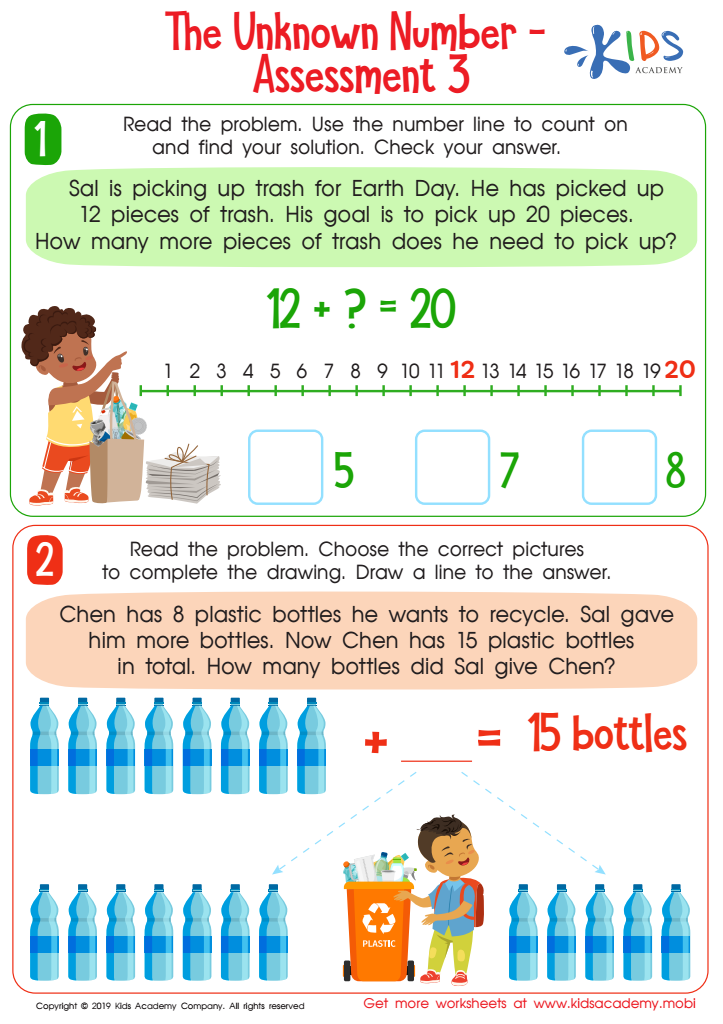
The Unknown Number - Assessment 3 Worksheet
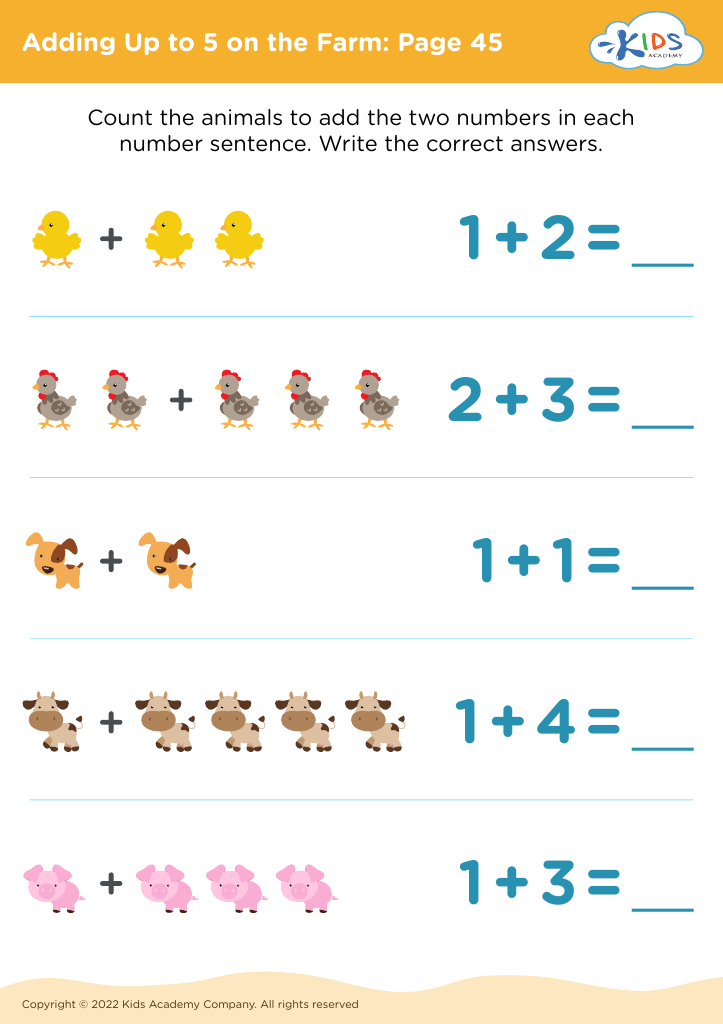
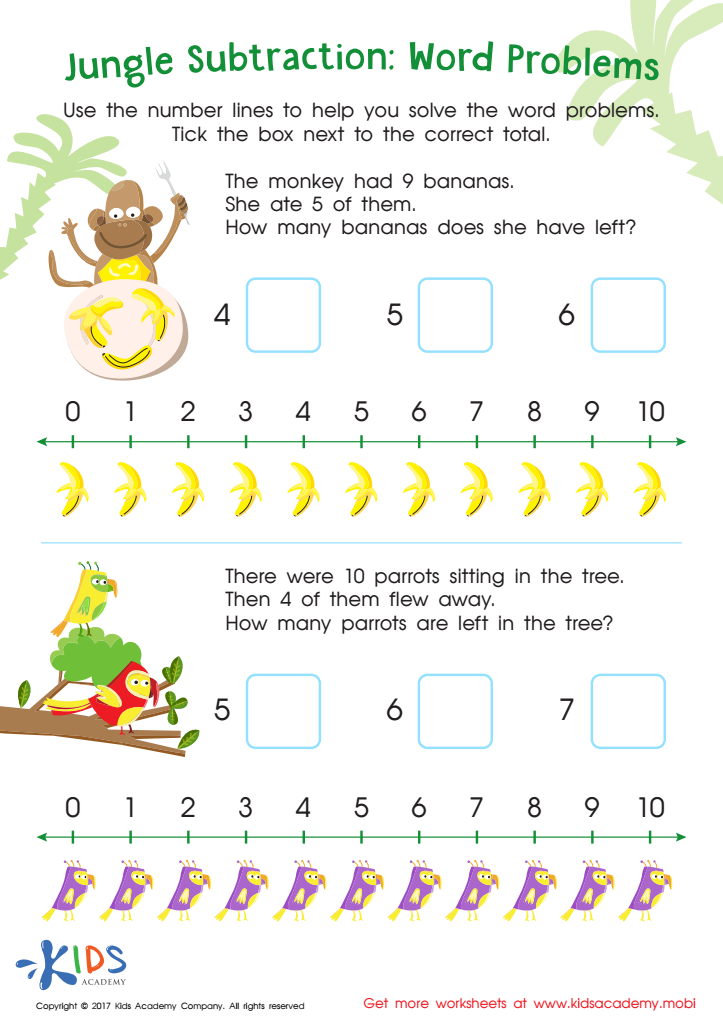
Jungle Subtraction Word Problems Substraction Worksheet
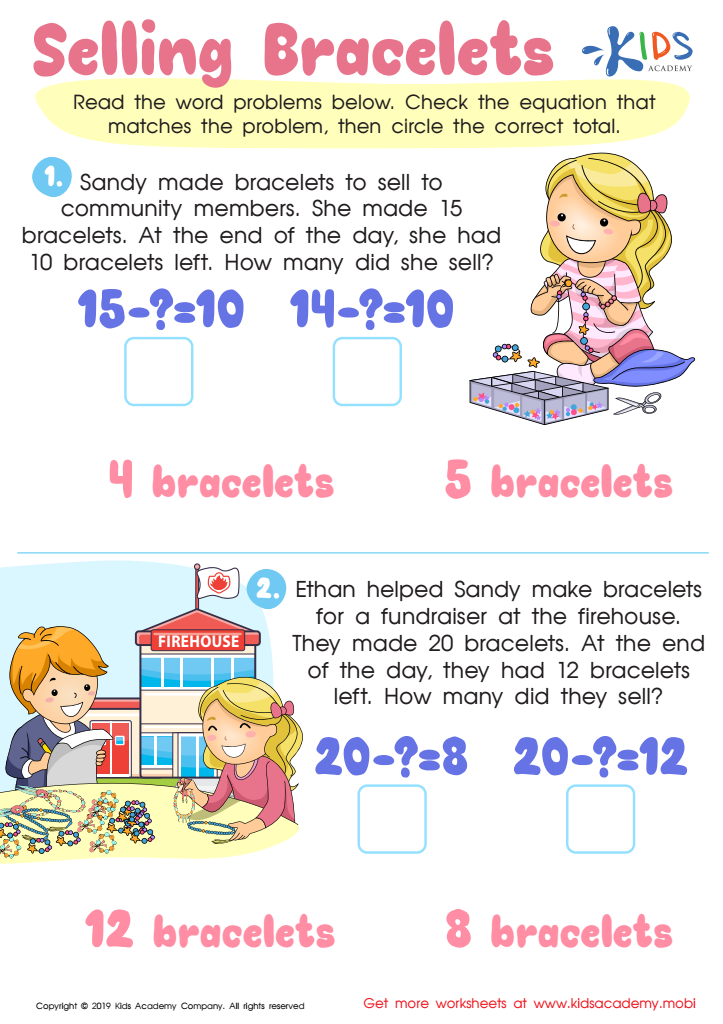
Selling the Bracelets Worksheet
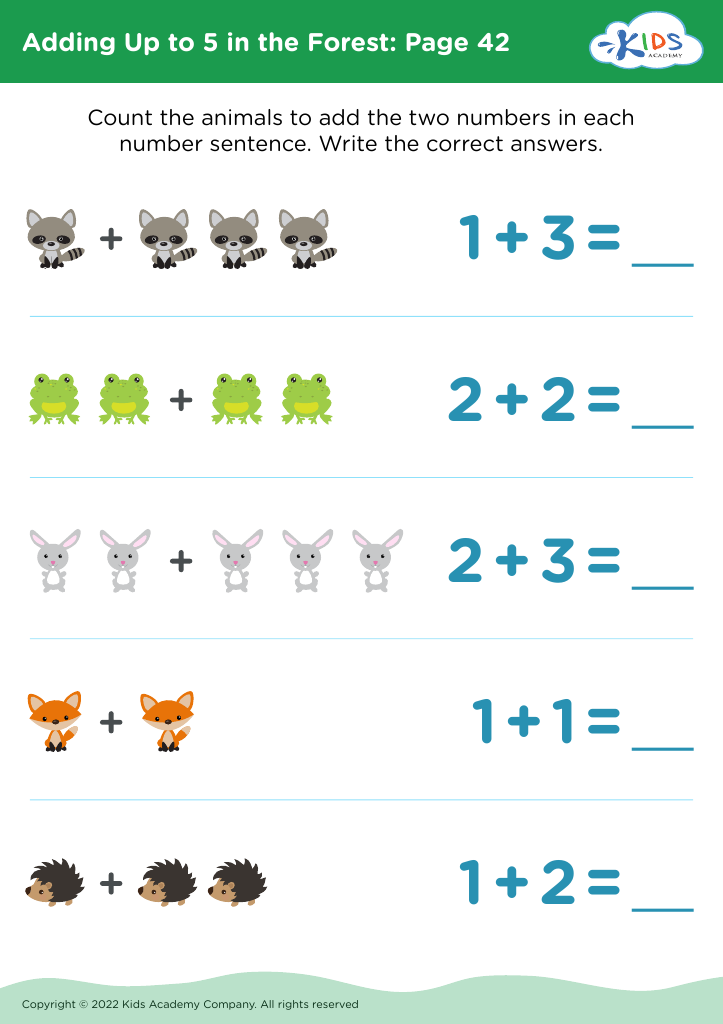
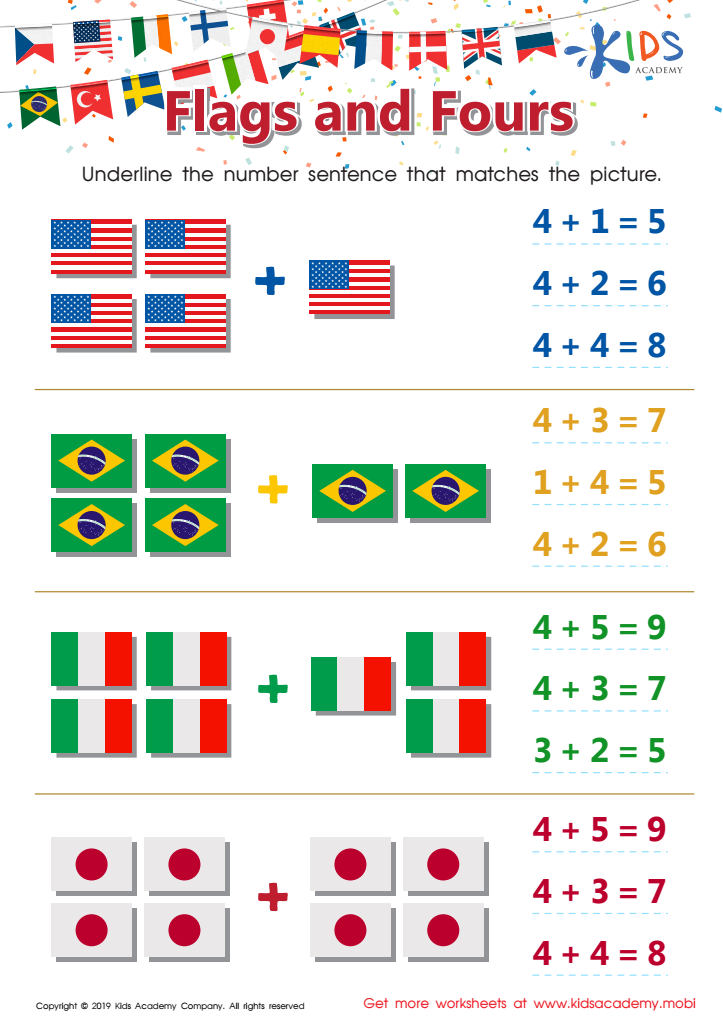
Flags and Fours Worksheet
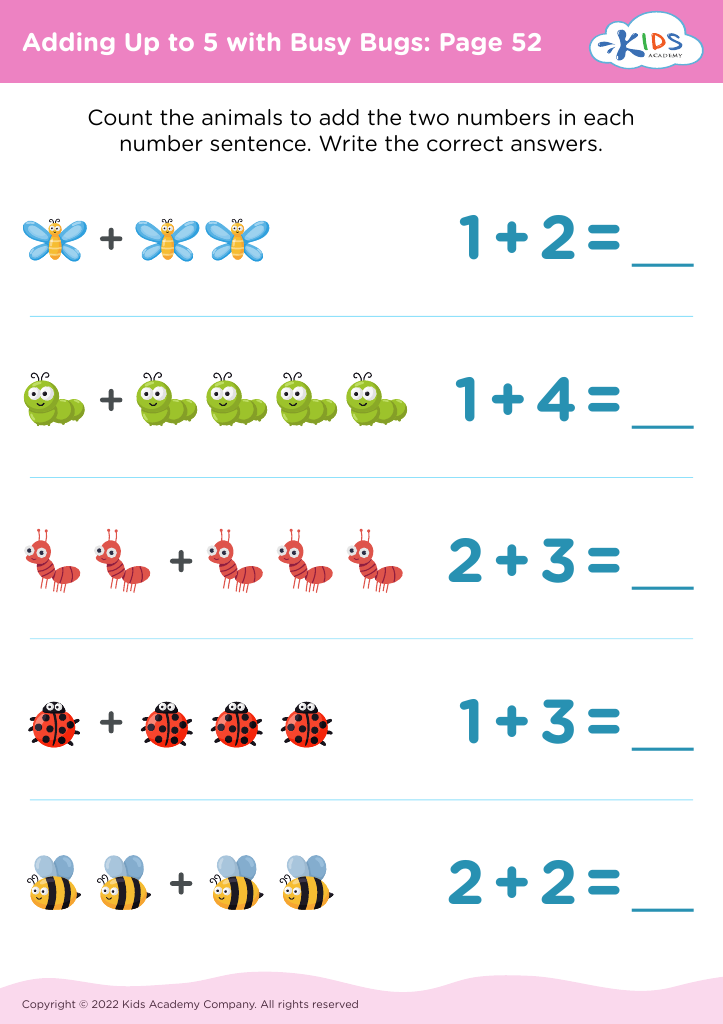








Parents and teachers should prioritize problem-solving skills in addition and subtraction for children aged 4-5 because these foundational abilities are critical for lifelong learning. Mastering these skills not only lays the groundwork for future mathematics understanding, but also enhances cognitive development. At this age, children are naturally curious and eager to explore relationships between numbers, which helps foster their logical reasoning and critical thinking.
Furthermore, problem-solving encourages children to approach challenges with confidence, resilience, and creativity. By engaging in activities that require addition and subtraction, children learn to analyze situations, evaluate solutions, and make decisions based on their findings. This process cultivates a growth mindset—emphasizing effort over natural ability—helping children to understand that mistakes are valuable learning opportunities.
Moreover, strong problem-solving skills extend beyond mathematics; they promote effective communication, cooperation with peers, and the ability to navigate real-world scenarios. As children tackle simple math problems, they develop the ability to articulate their thought processes, ask questions, and explain their reasoning.
Ultimately, fostering problem-solving skills in addition and subtraction equips young learners for academic success and empowers them to become confident, capable individuals as they grow.








