Basic Addition Numbers Worksheets for Ages 4-5 - Page 2
31 filtered results
-
From - To
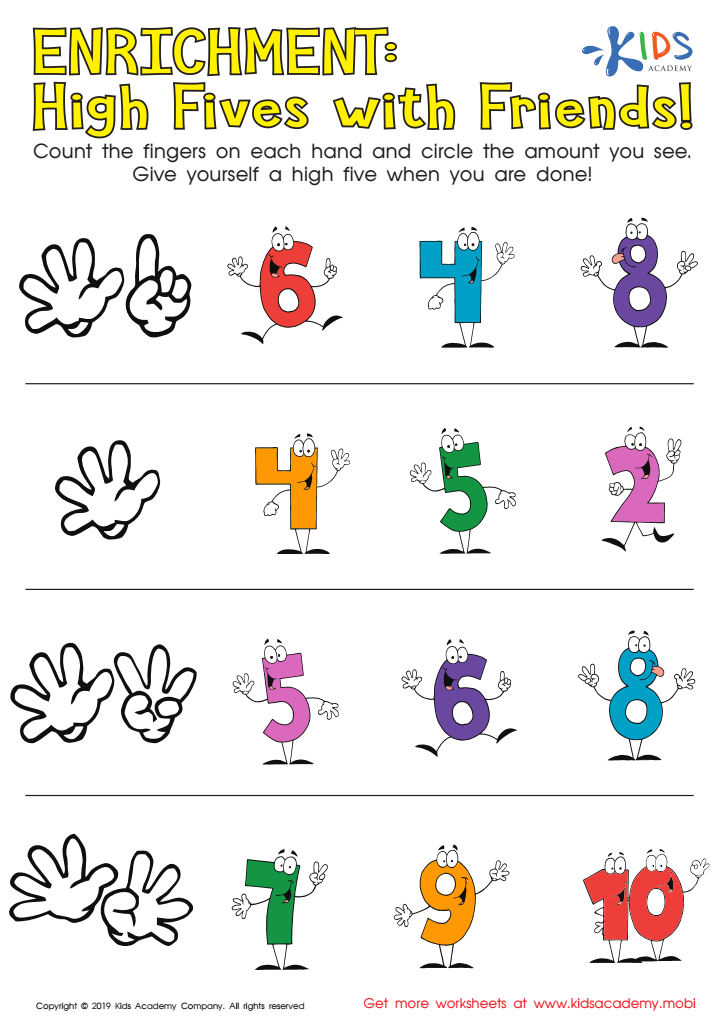
Enrichment: High Fives with Friends! Worksheet
 Assign to My Students
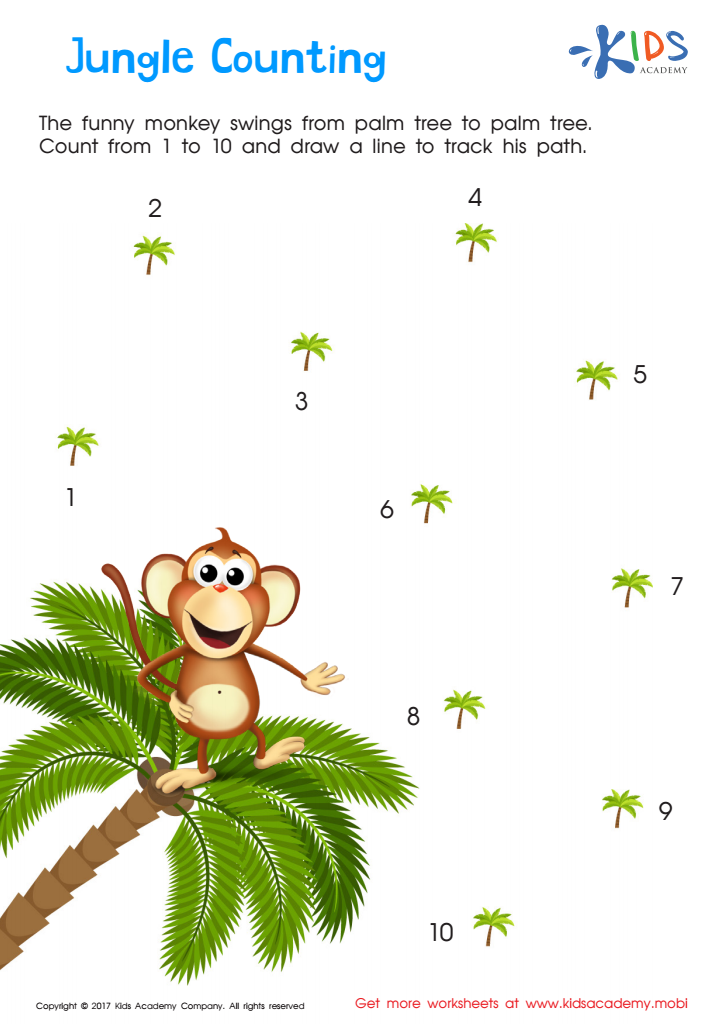
Jungle Counting Connect Dots Worksheet
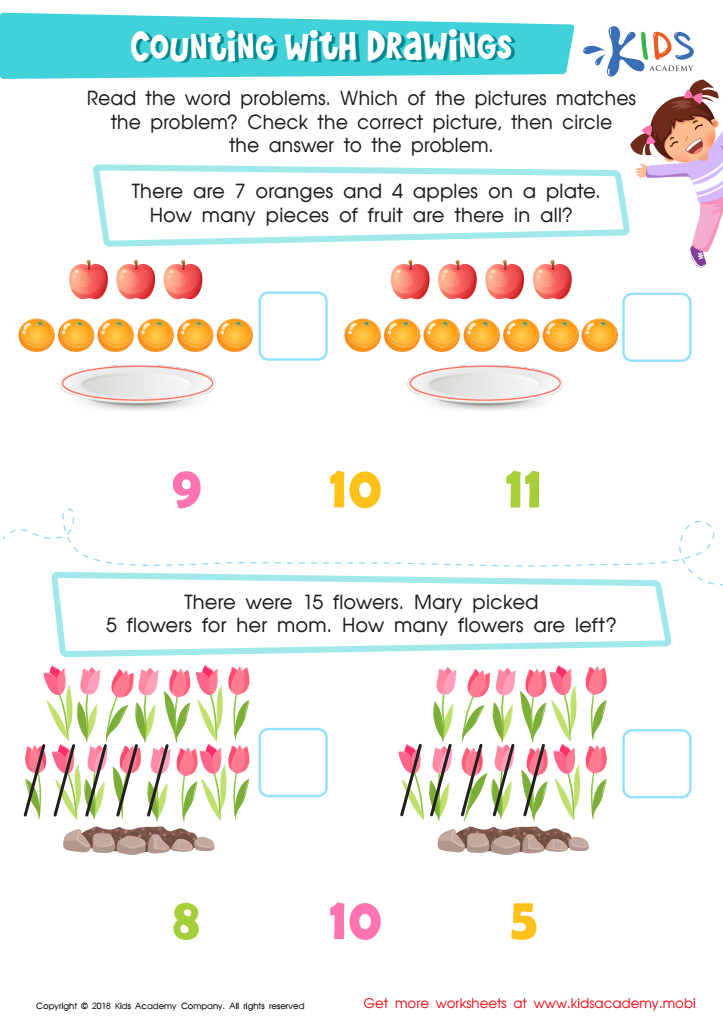
Counting with Drawings:Fruits & Flowers Worksheet
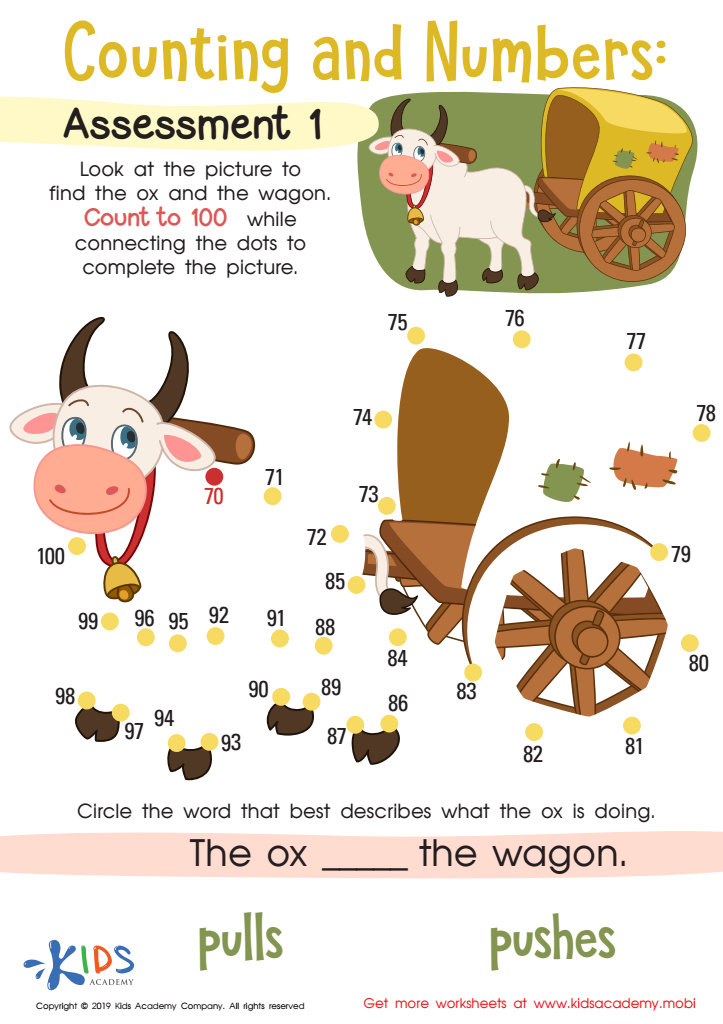
Counting and Numbers: Assessment 1 Worksheet
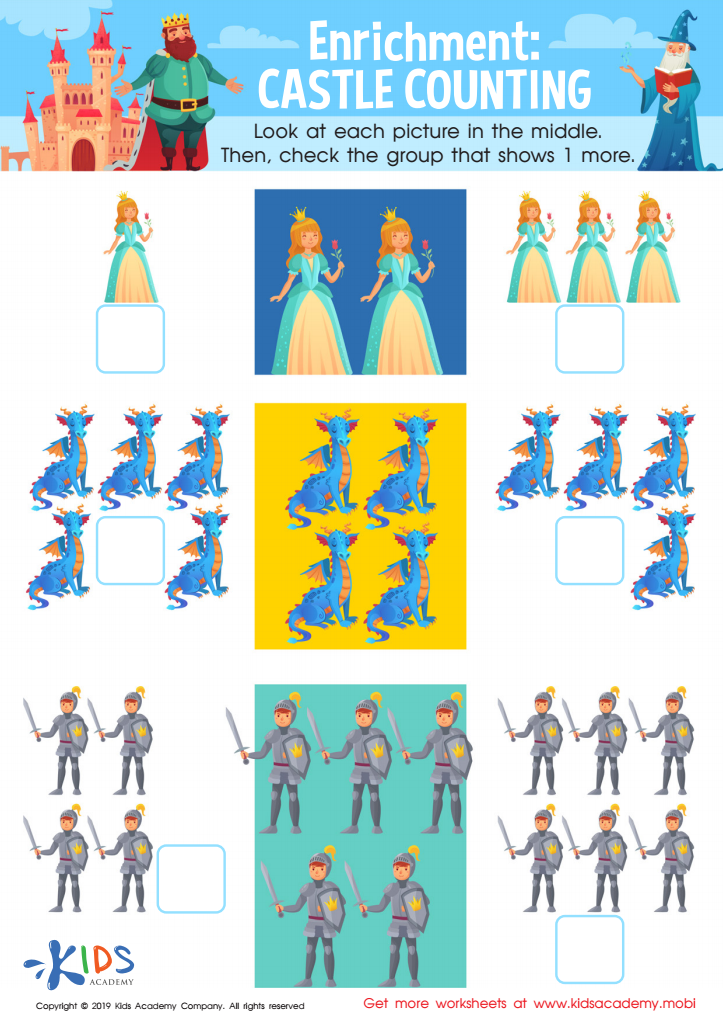
Enrichment: Castle Counting Worksheet
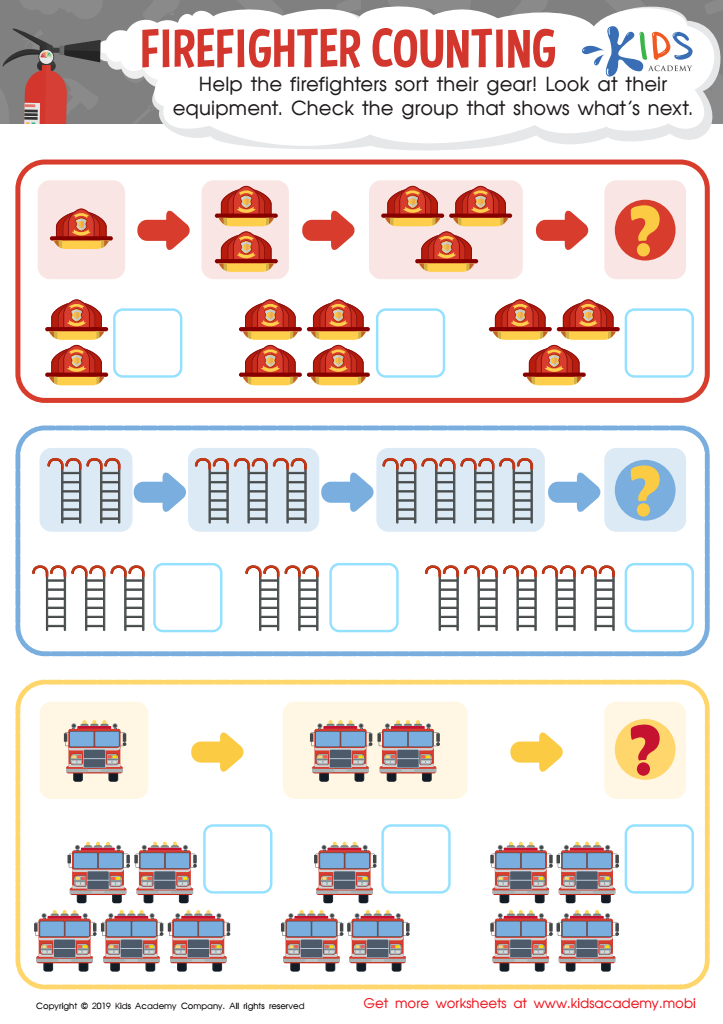
Firefighter Counting Worksheet
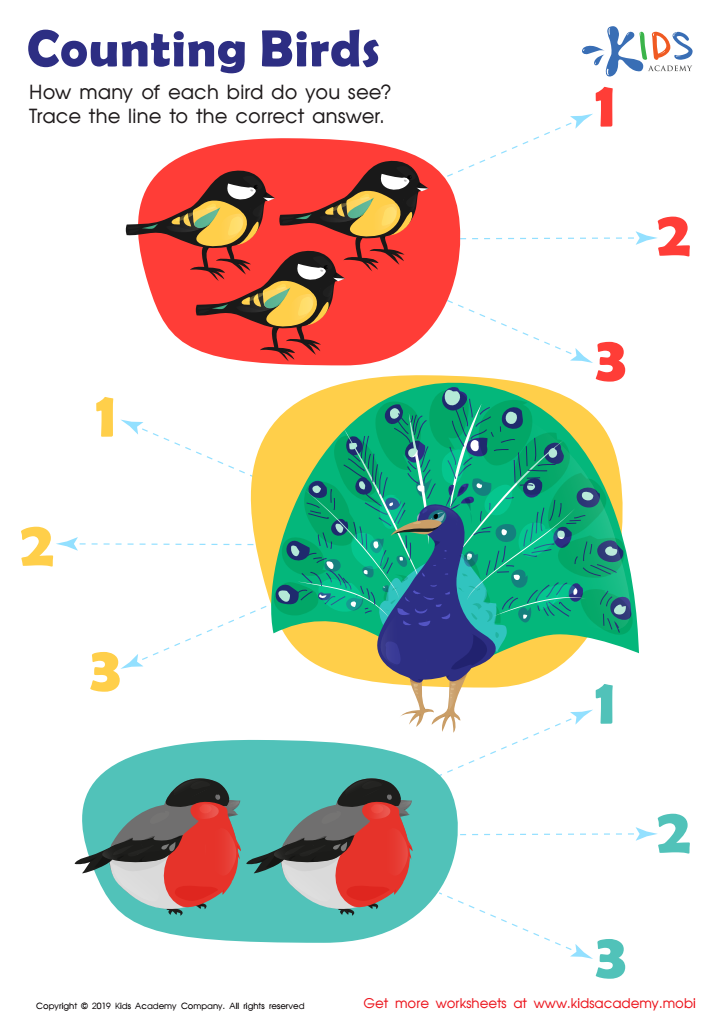
Counting Birds Worksheet






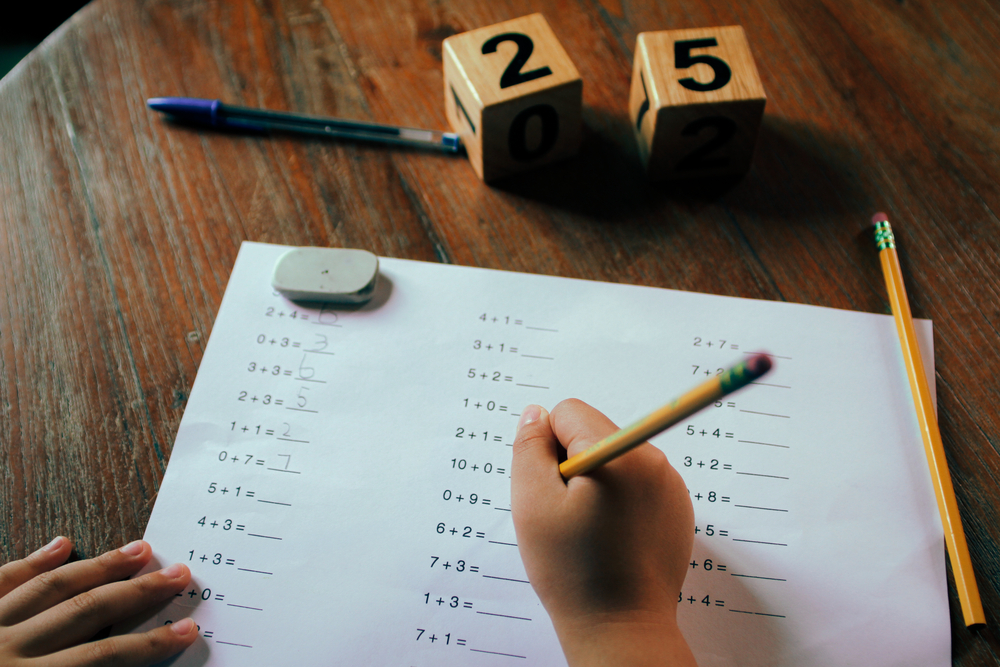

Parents and teachers should prioritize basic addition for children aged 4-5 because this foundational skill is crucial for future mathematical understanding and overall cognitive development. At this early stage, introducing addition helps children make sense of numbers in a practical and engaging way. When children grasp the concept of combining quantities, they build the essential skills needed for more complex arithmetic in later years.
Moreover, learning basic addition enhances critical thinking and problem-solving skills, as children learn to analyze and manipulate numbers. It encourages the use of strategies such as counting, grouping, and visualization, which are vital for mathematical reasoning.
Additionally, engaging with basic addition in a fun and interactive manner fosters a positive attitude toward math early on. It can instill confidence in their abilities, setting a strong groundwork for continued academic success. Furthermore, addition is often tied to everyday activities, such as sharing snacks or counting toys, which helps children relate math to real life, making them more relevant and interesting.
In summary, teaching basic addition at this age helps children build confidence, supports cognitive growth, and lays the groundwork for future success in mathematics and beyond. Thus, both parents and teachers play an essential role in this crucial learning phase.








