Fine Motor Skills Numbers Worksheets for Ages 4-5 - Page 3
70 filtered results
-
From - To
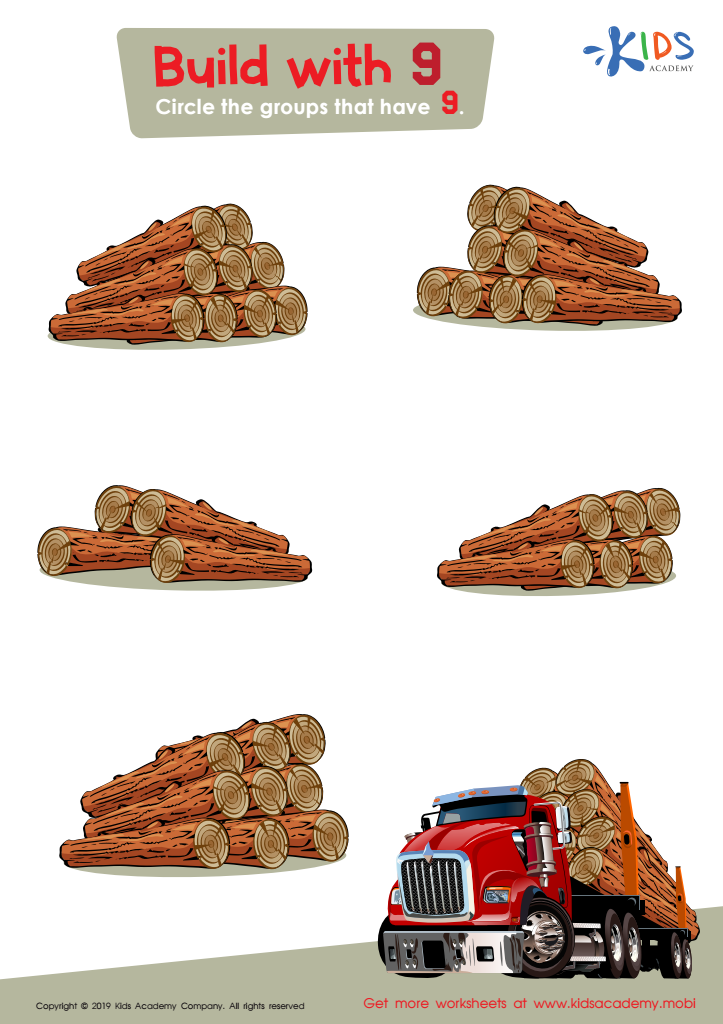
Build with 9 Worksheet
 Assign to My Students
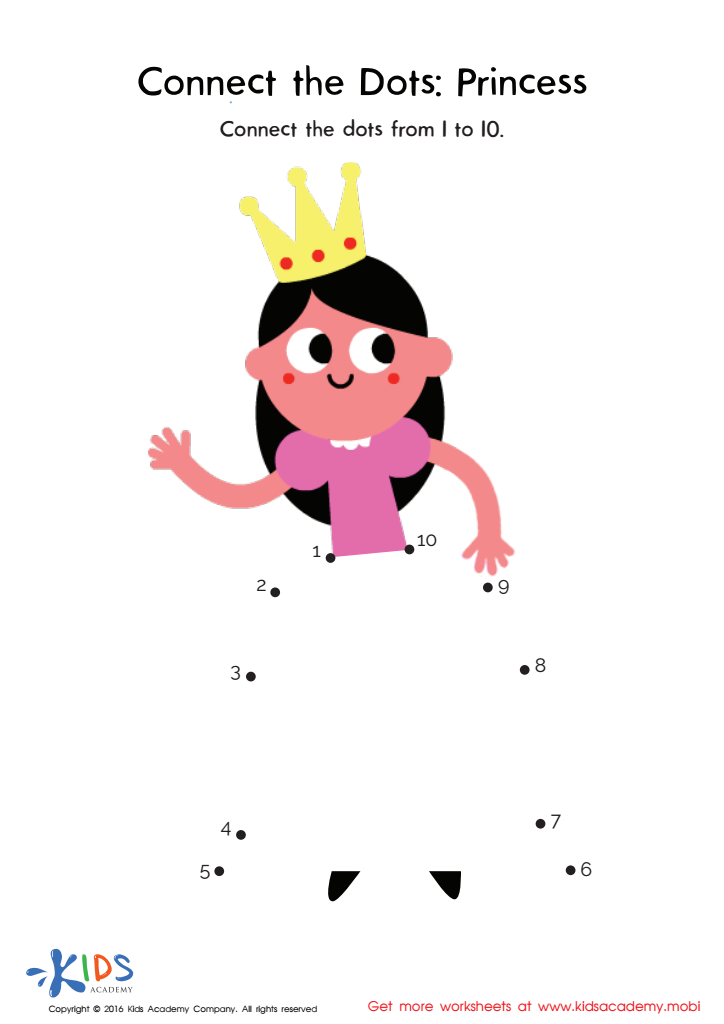
Princess Connect Dots Worksheet
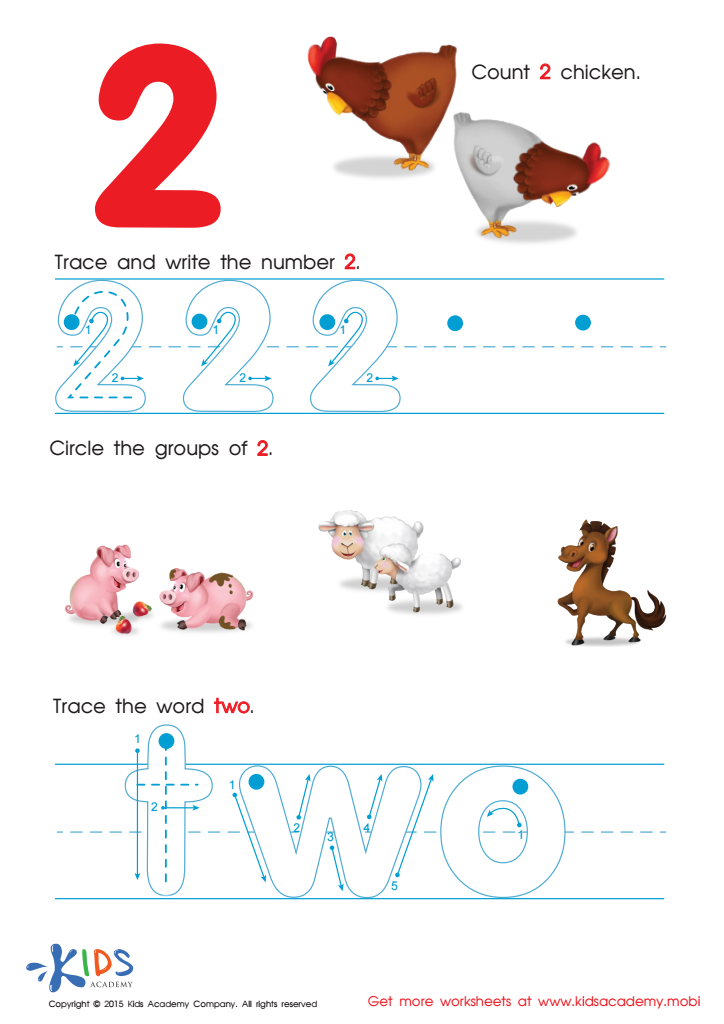
Learn to Write the Number 2 Worksheet
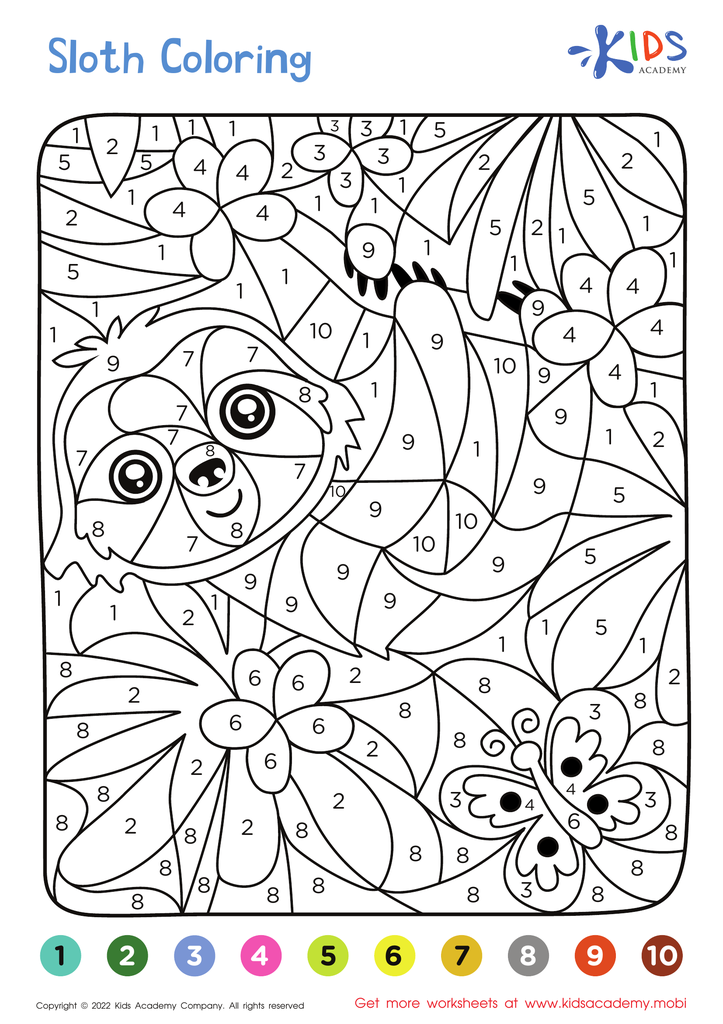
Sloth – Coloring by Numbers
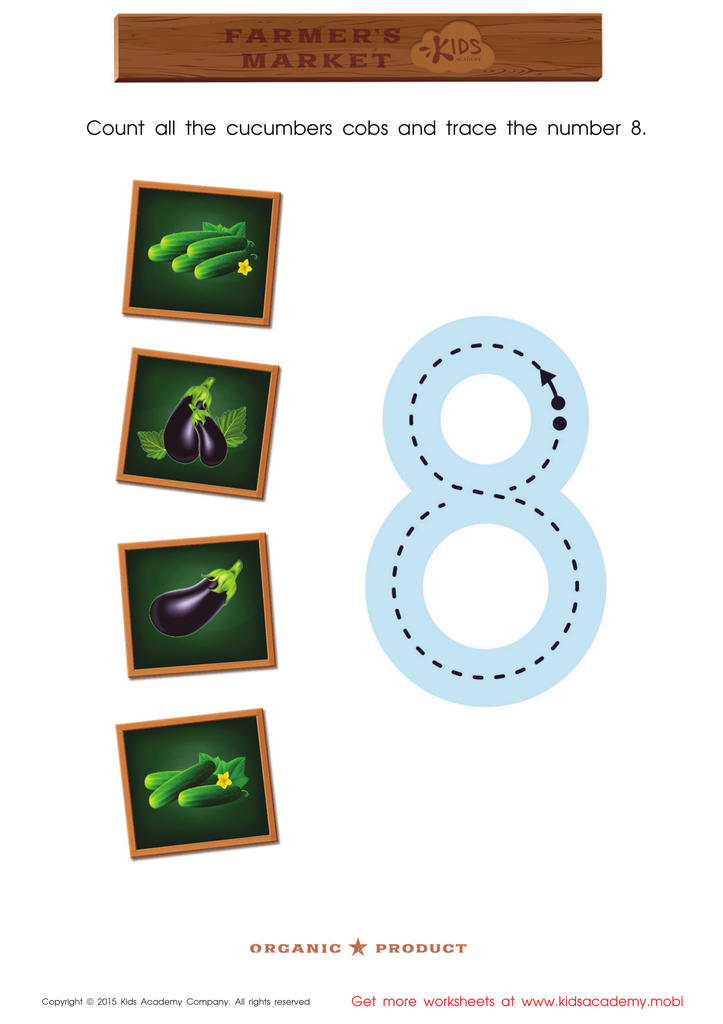
Count the Cucumbers and Trace the Number 8 Printable
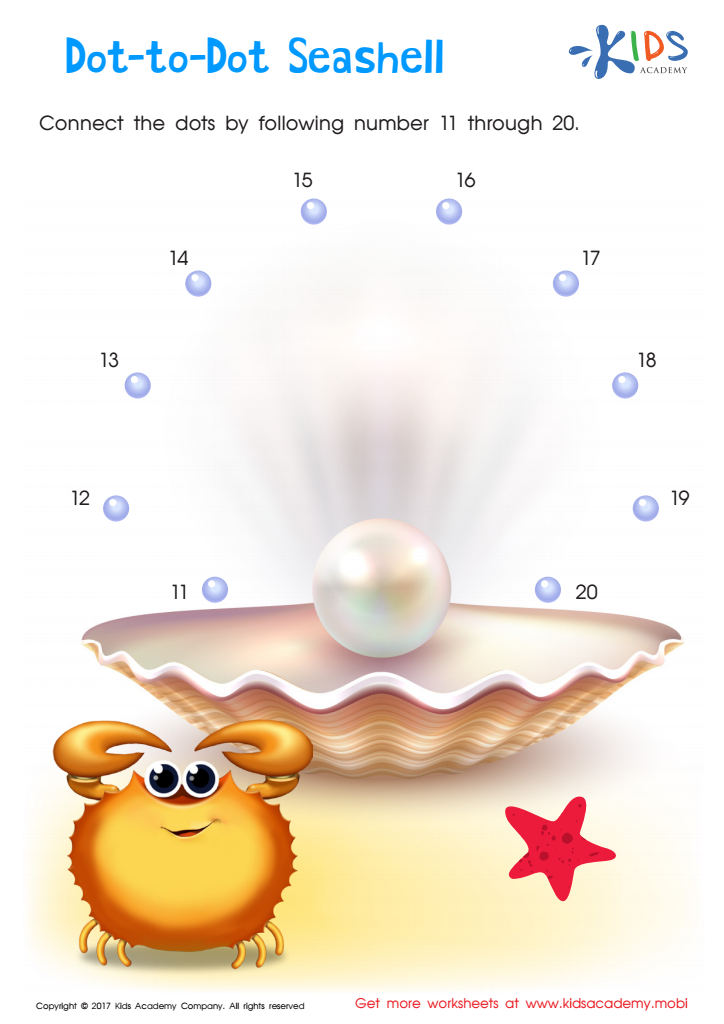
Ordering 11–20: Dot–to–dot Seashell Printable
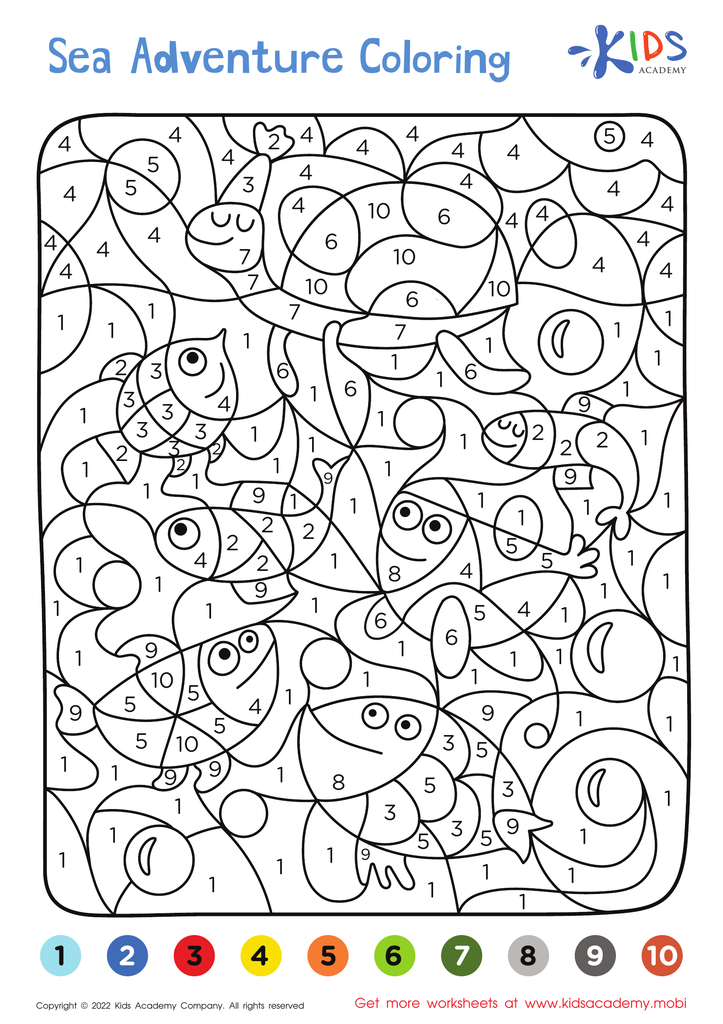
Sea Adventure – Coloring by Numbers
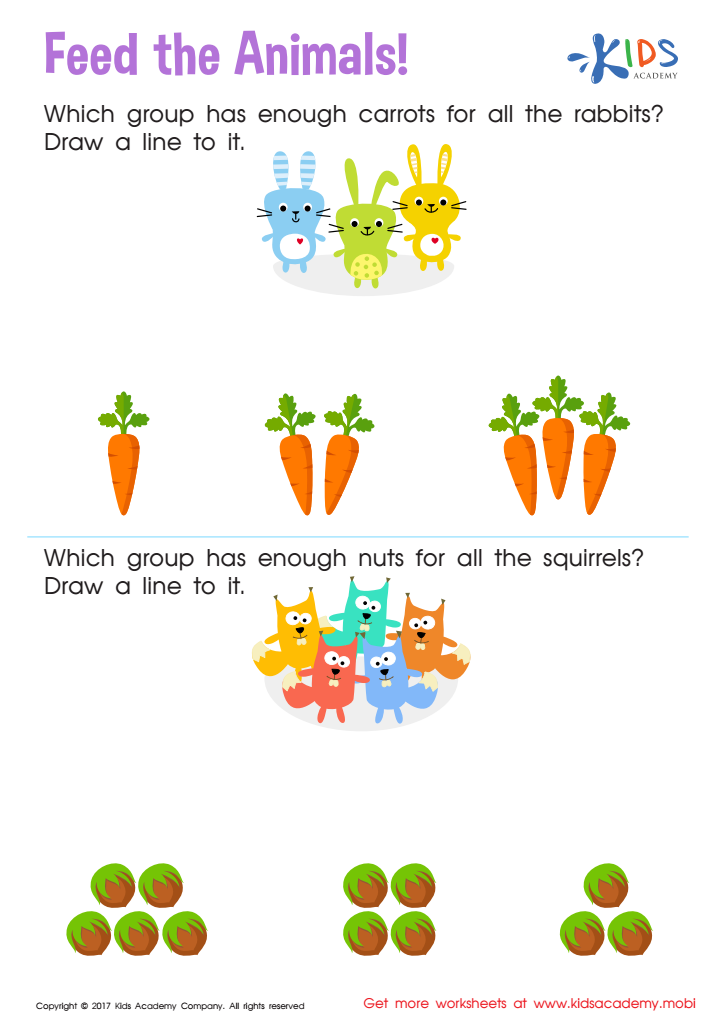
Count and Match: Feed the Animals Worksheet
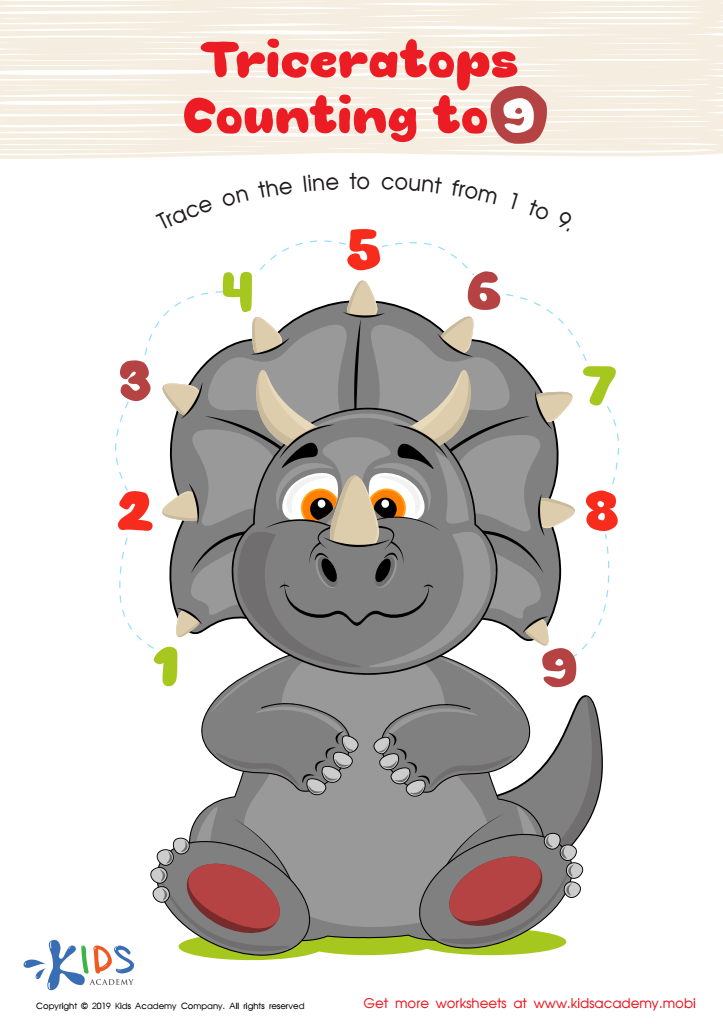
Triceratops Counting to 9 Worksheet
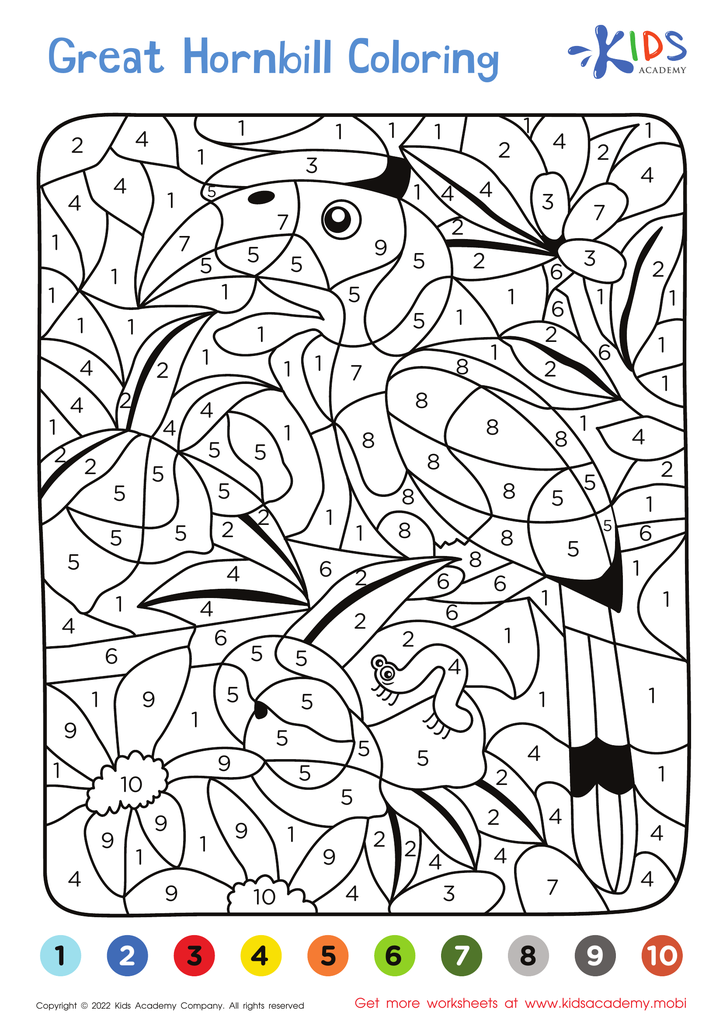
Great Hornbill – Coloring by Numbers

Counting on the City Skyline: Dot-to-Dot Worksheet
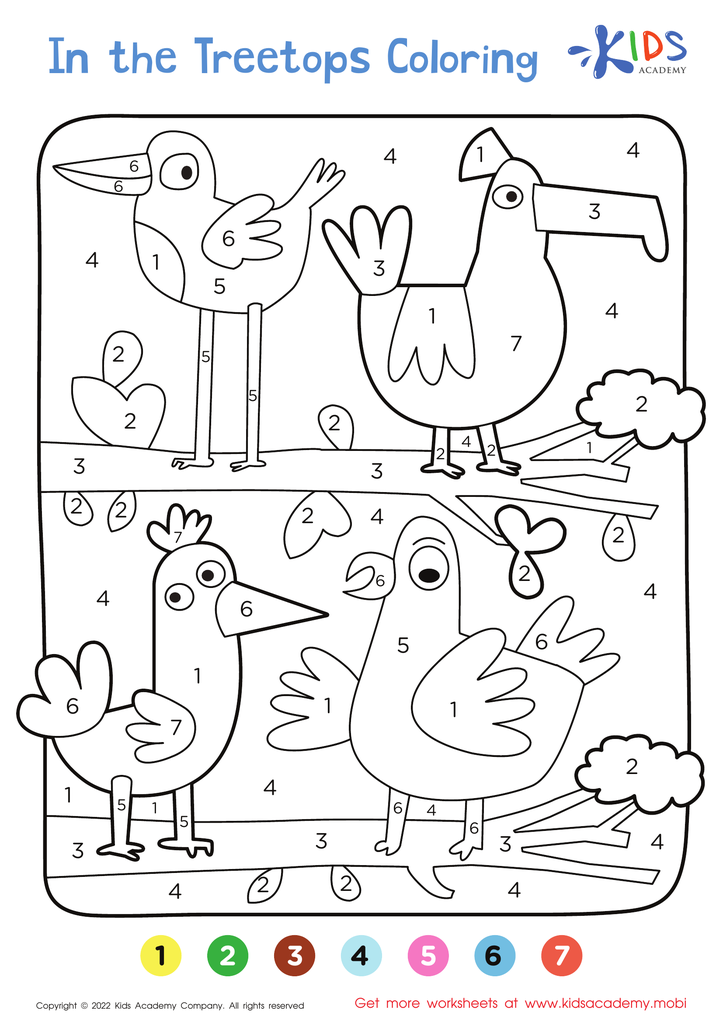
In the Treetops – Coloring Page
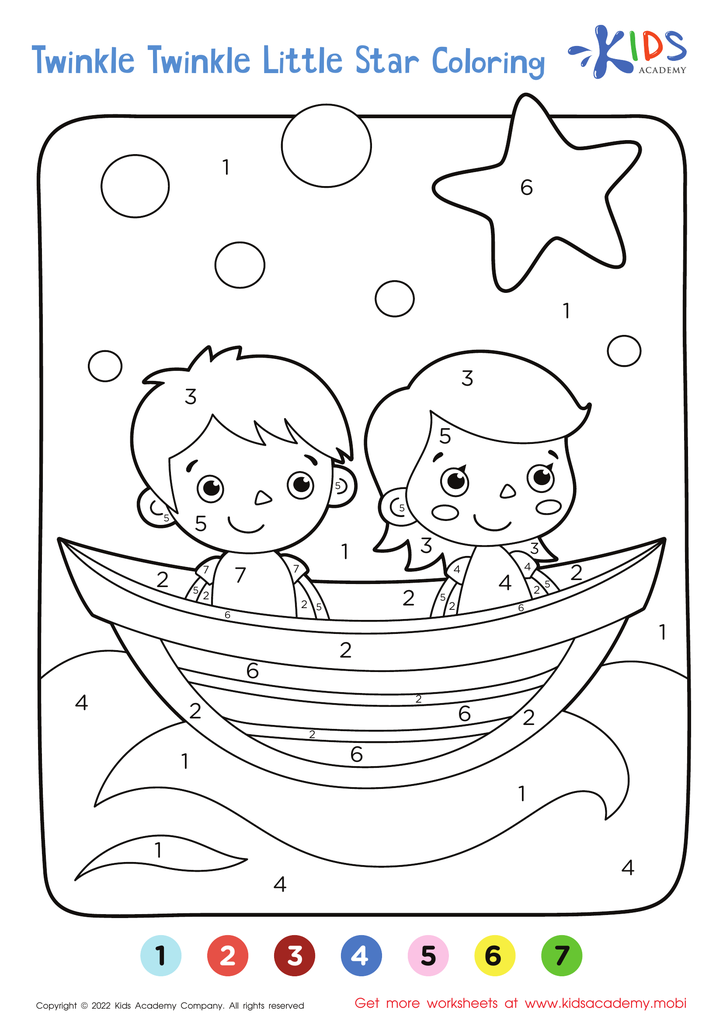
Twinkle, Twinkle, Little Star – Coloring by Numbers
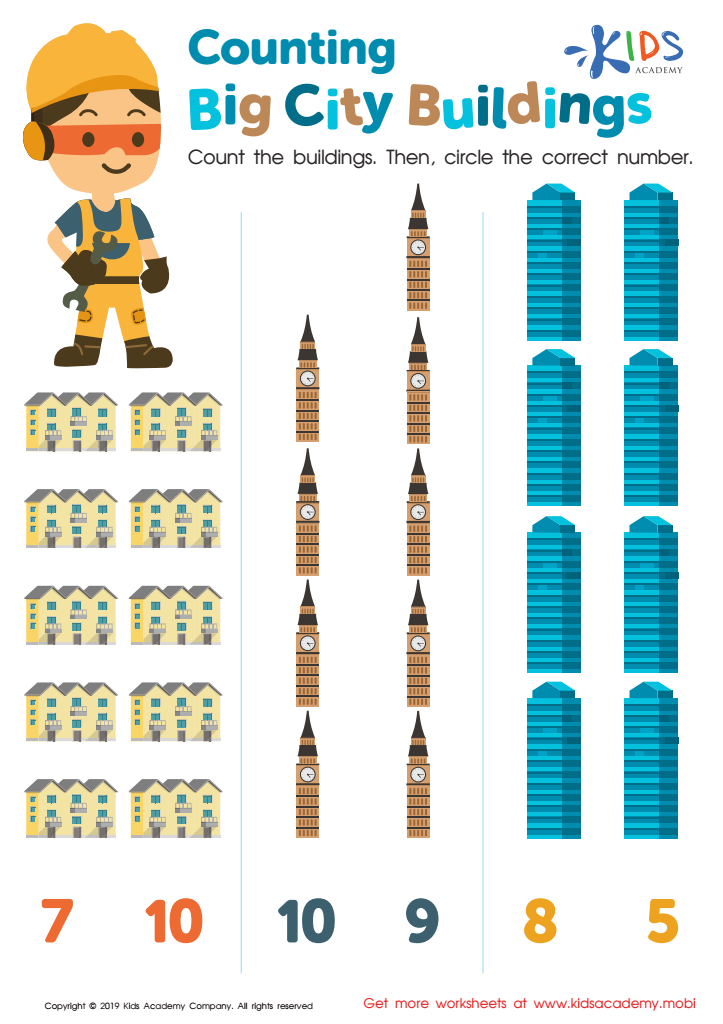
Counting Big City Buildings Worksheet
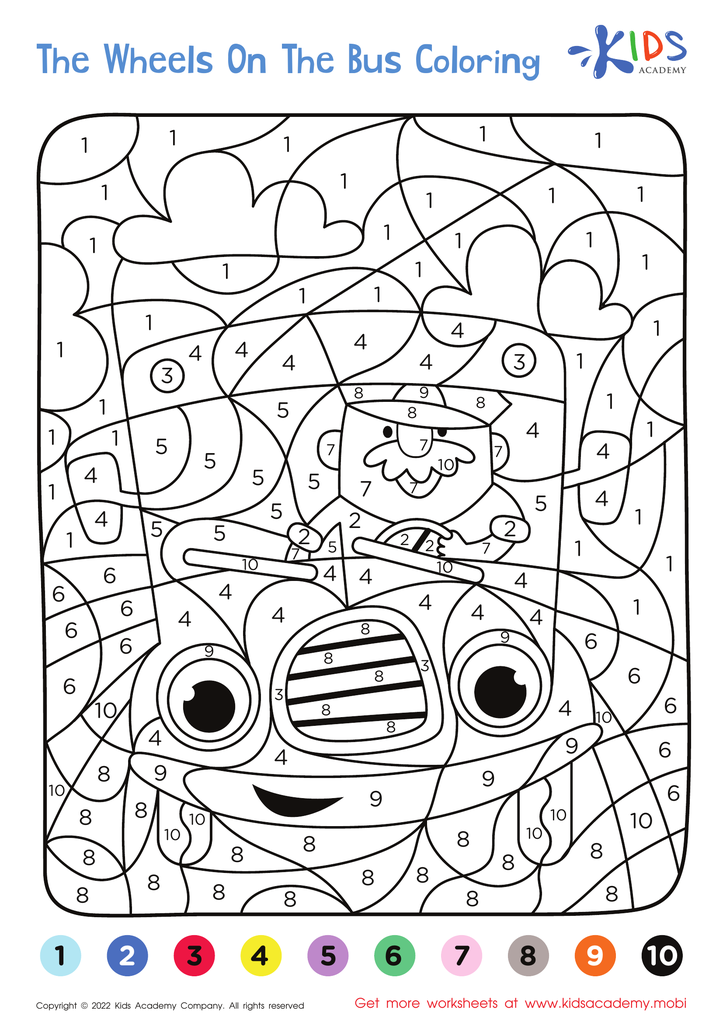
Wheels on the Bus – Coloring by Numbers
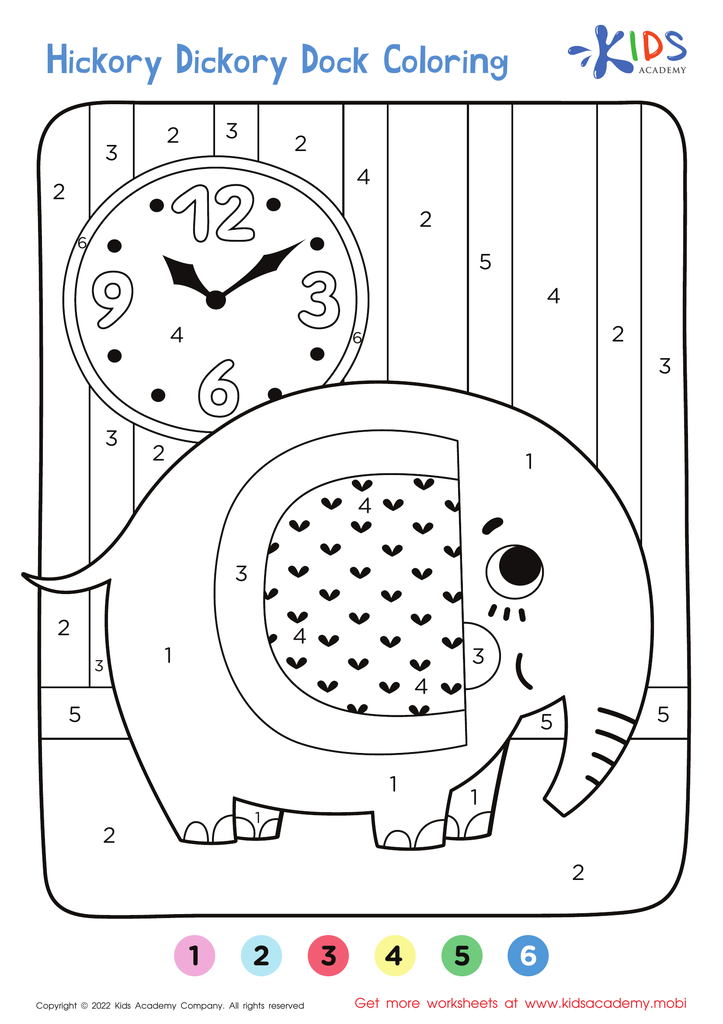
Hickory Dickory Dock – Coloring by Numbers

Night Sky Numbers Worksheet
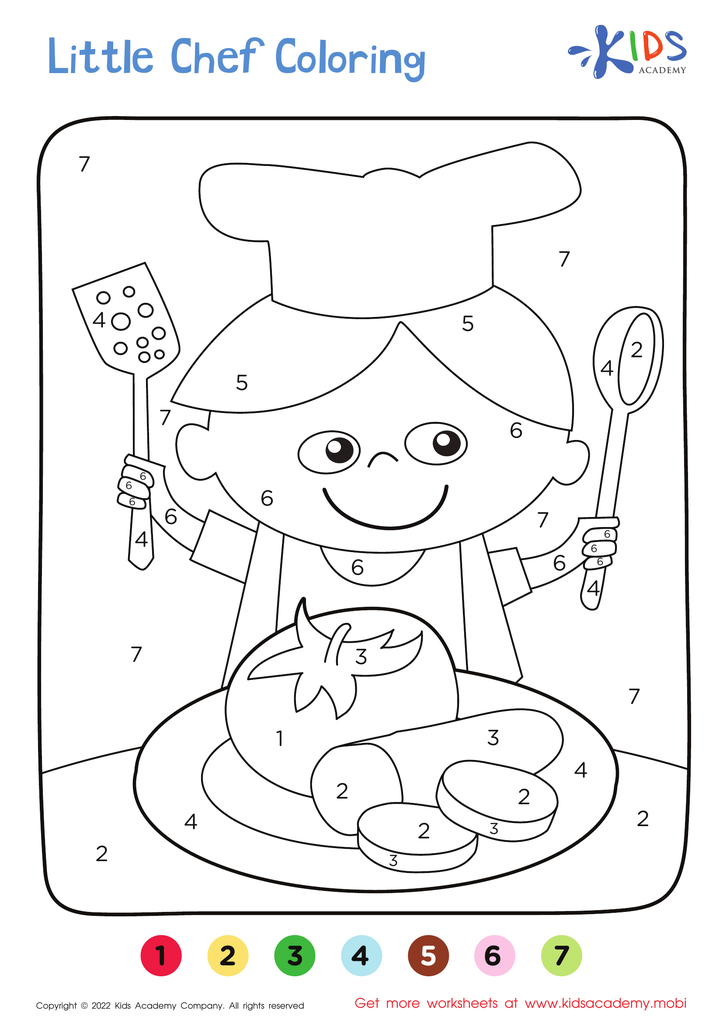
Little Chef – Coloring by Numbers
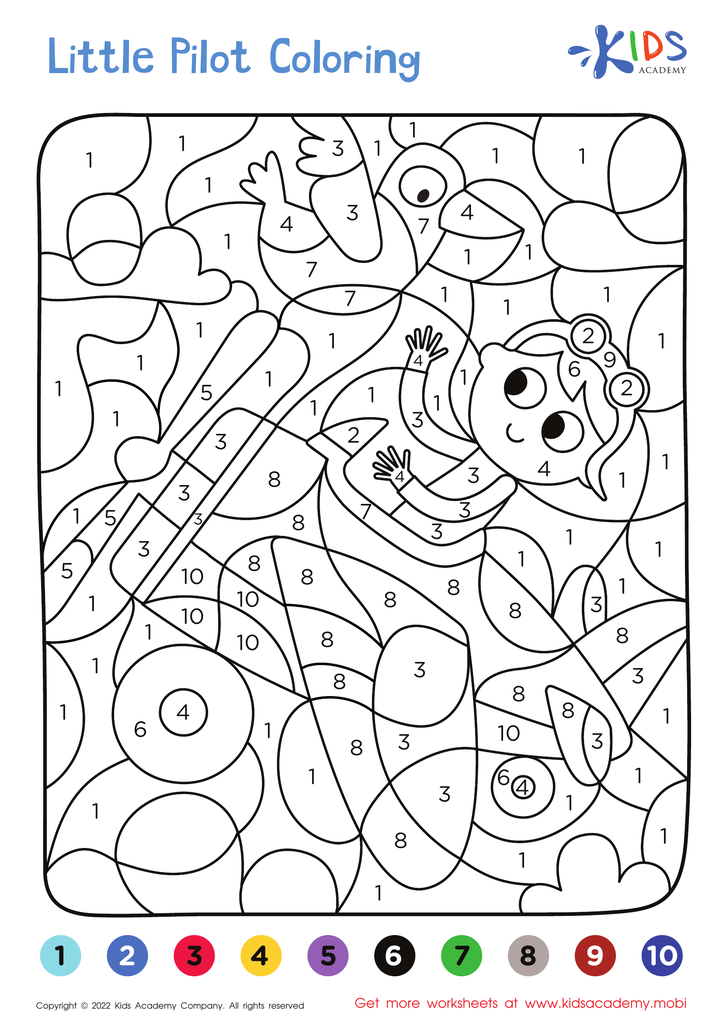
Little Pilot – Coloring by Numbers
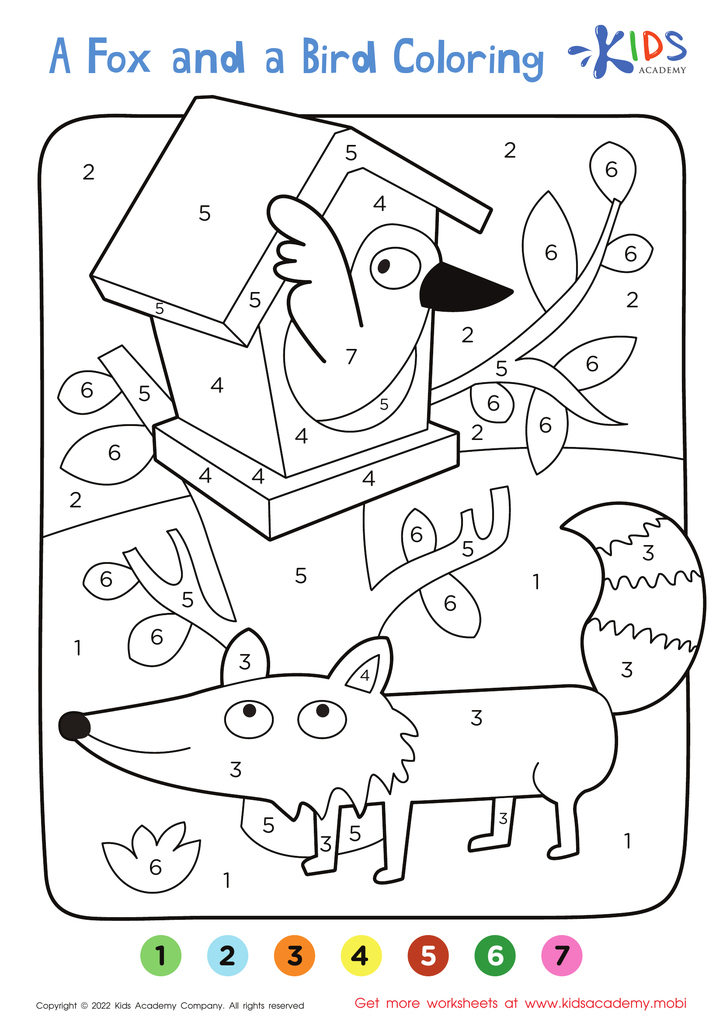
A Fox and a Bird – Coloring by Numbers
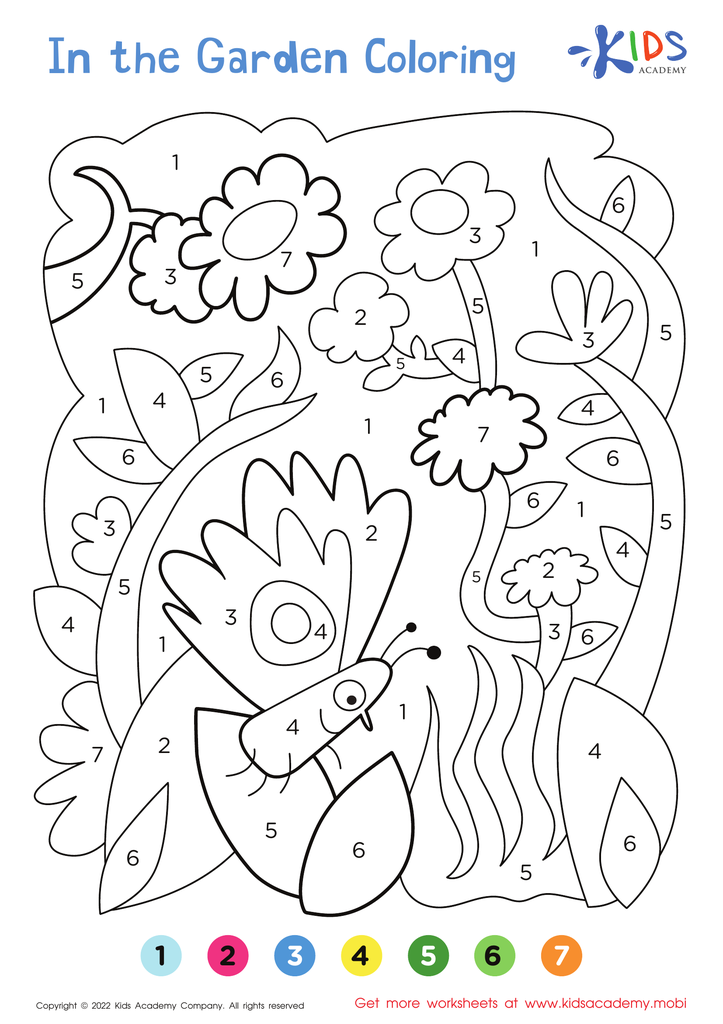
In the Garden – Coloring by Numbers
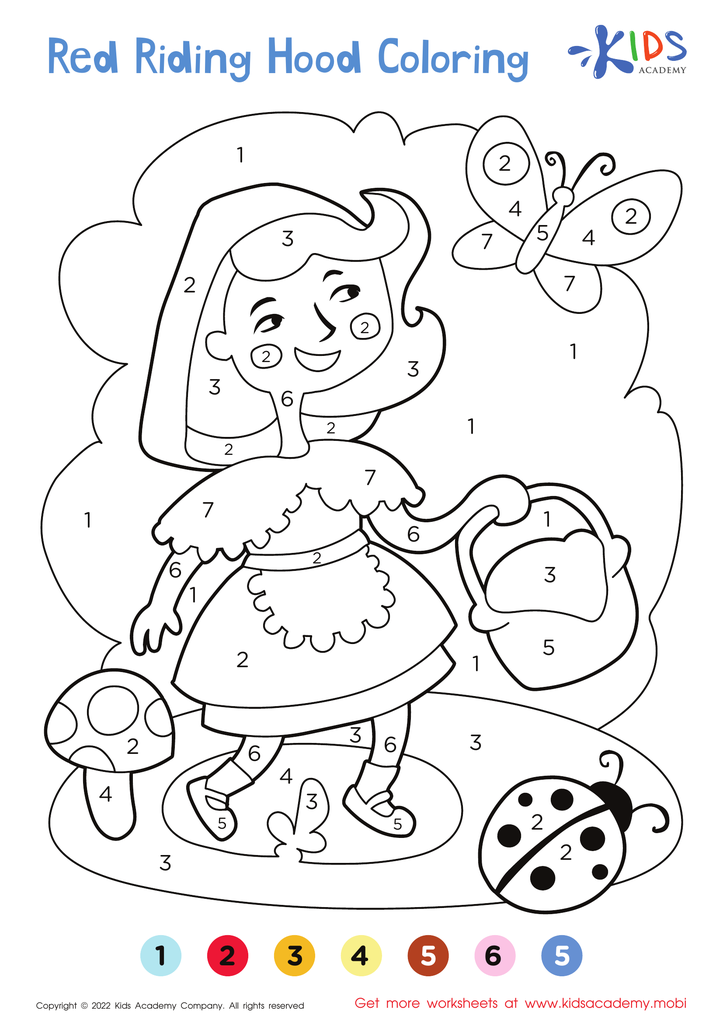
Little Red Riding Hood – Coloring by Numbers




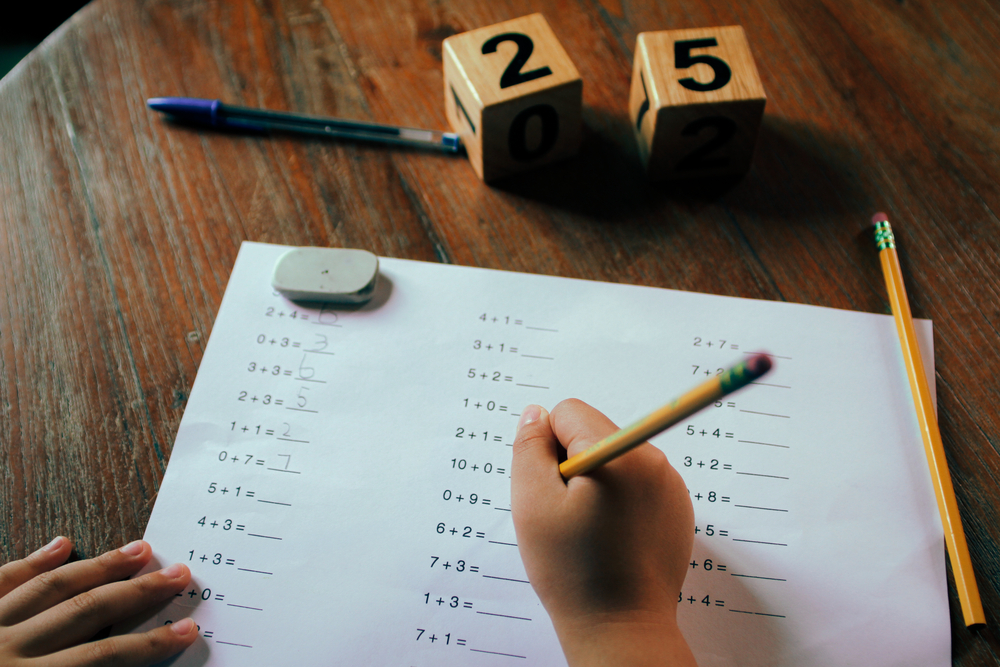



Fine motor skills are critical for young children ages 4-5 as they lay the foundation for many essential tasks and academic achievements. These skills involve the use of small muscle movements in the hands and fingers and are vital for activities such as writing, buttoning clothes, and cutting with scissors.
For parents and teachers, fostering fine motor skills development at this stage can significantly impact a child’s ability to succeed in school. One notable application is in understanding and forming numbers. When children practice honing their fine motor skills through activities like tracing and drawing numbers, they not only improve their hand-eye coordination but also reinforce number recognition and counting abilities. This connects mechanical skills with cognitive learning, promoting better mathematical understanding.
Moreover, fine motor proficiency is closely linked to a child's self-confidence and independence. Achieving small tasks like tying shoelaces or holding a pencil correctly can encourage a sense of accomplishment and boost self-esteem. These early successes set a pattern for future learning and social interactions.
Therefore, parents and teachers should prioritize offering varied activities like playdough manipulation, beading, or simple puzzles that strengthen fine motor skills, paving the way for comprehensive physical, academic, and emotional development in children.








