Fine Motor Skills (coloring) Math Worksheets for Ages 4-5
4 filtered results
-
From - To
Explore our engaging Fine Motor Skills (Coloring) Math Worksheets designed specifically for children aged 4-5! These fun and interactive worksheets blend learning with creativity, allowing young learners to develop essential fine motor skills while enhancing their early math abilities. Each worksheet features colorful designs that encourage children to practice coloring within the lines, improving hand-eye coordination and dexterity. As kids tackle counting, shape recognition, and number writing activities, they foster confidence in their math skills. Perfect for home, preschool, or kindergarten settings, our worksheets provide a delightful foundation for lifelong learning. Dive into a world of colorful education today!
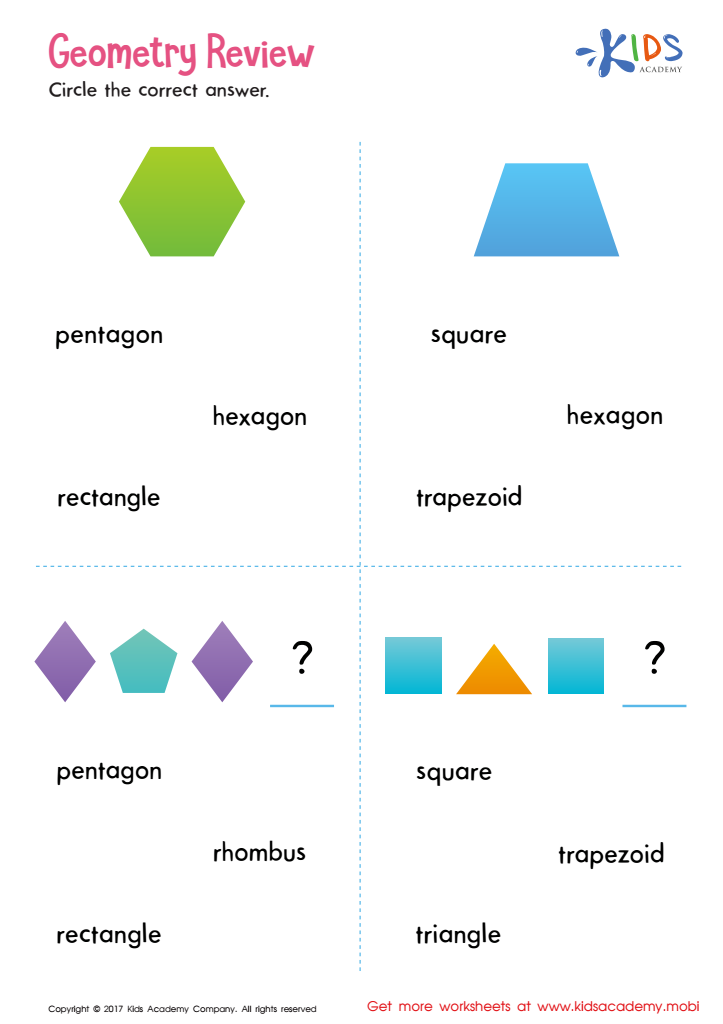
Geometry Review Printable
 Assign to My Students
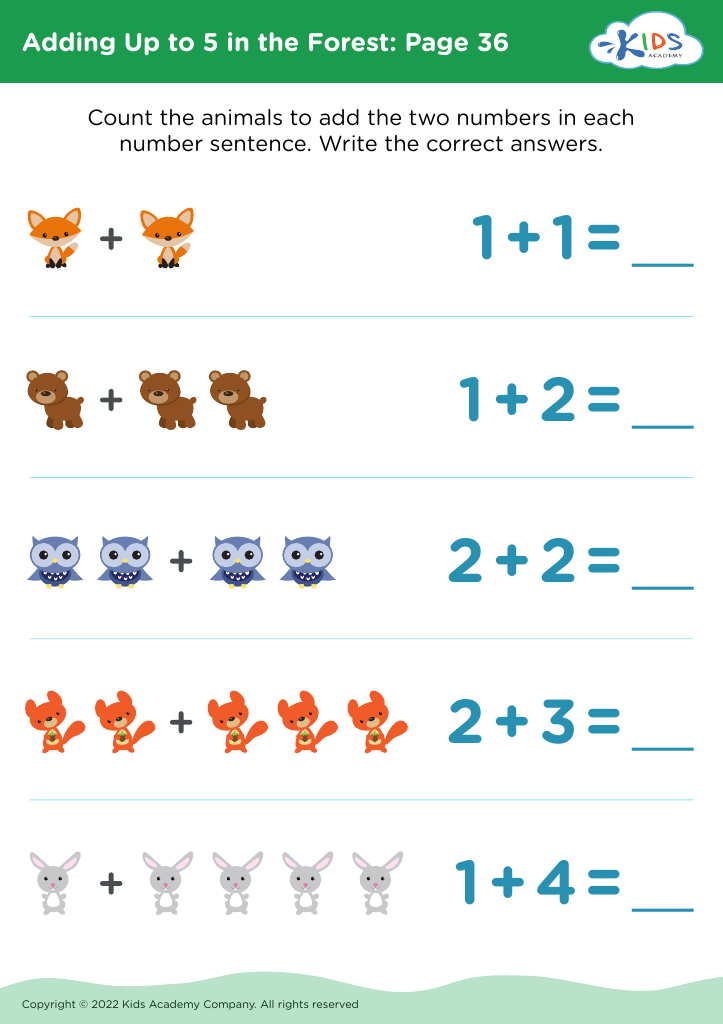
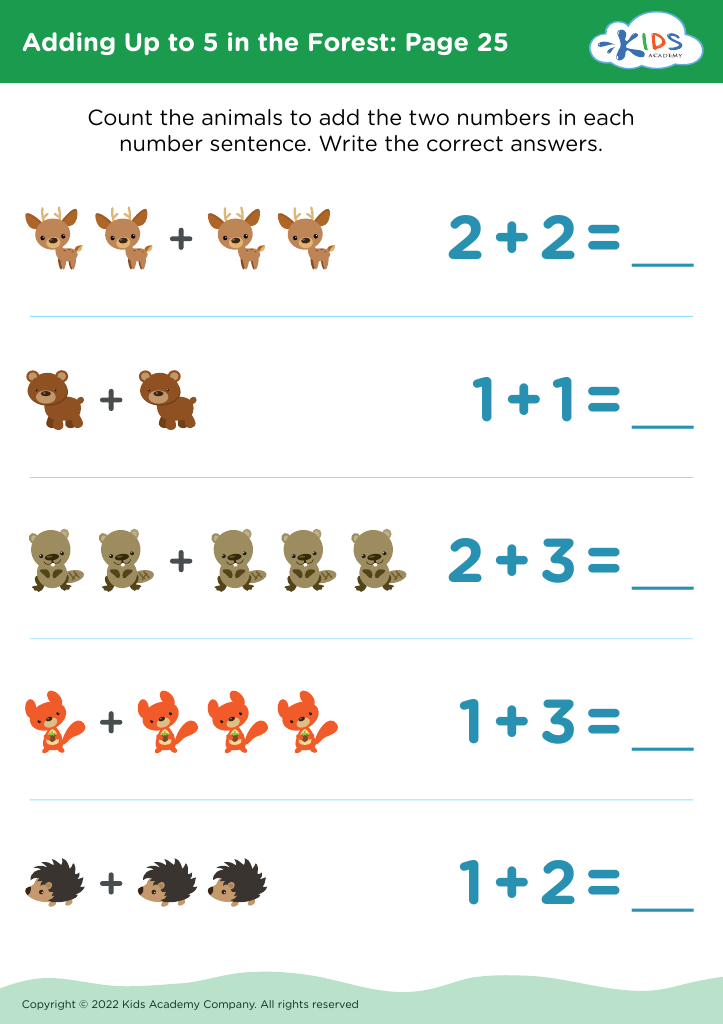
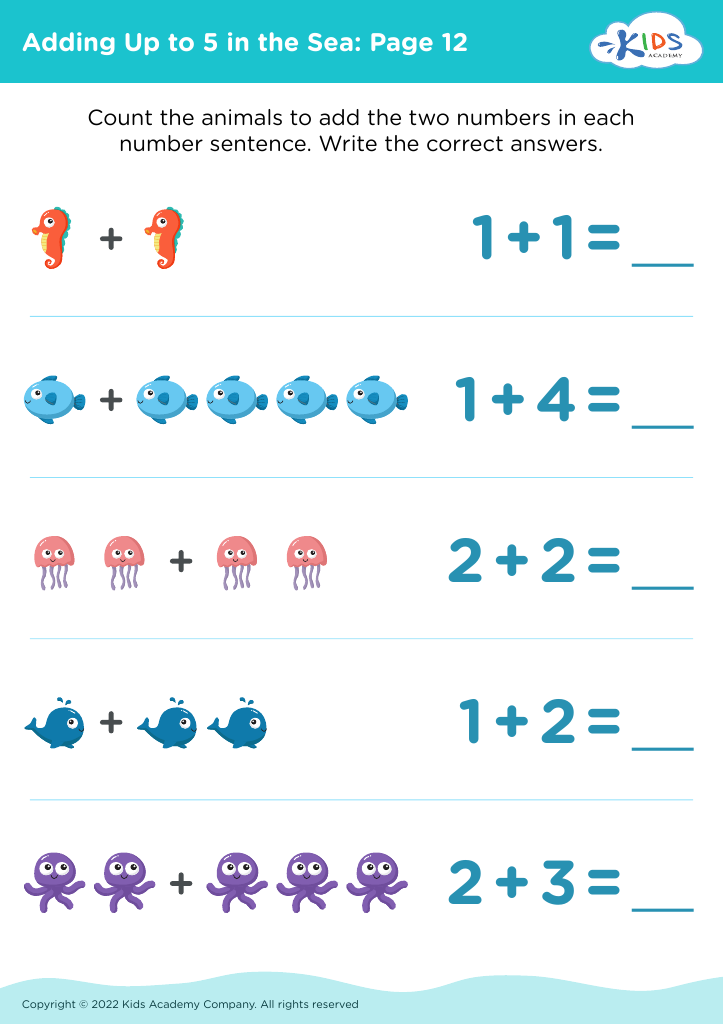







Fine motor skills are critical for children ages 4-5 as they lay the foundation for various academic and everyday tasks. Engaging in activities like coloring not only fosters creativity but also enhances hand-eye coordination and dexterity. These skills are essential for tasks such as writing, using scissors, and manipulating small objects, all of which are foundational to lifelong learning.
Math skills during this age group are equally vital. Introducing basic math concepts, like numbers and shapes, through fun activities helps children see math as a playful and enjoyable subject. Coloring activities can integrate math by asking children to color specific quantities or shapes, effectively merging fine motor skill development with math concepts.
Parents and teachers should care about this dual focus because developing fine motor skills and math understanding can lead to increased confidence and a positive attitude towards learning in children. These activities promote focus, patience, and cognitive flexibility, preparing children for more complex tasks in the future. Additionally, fostering these skills can significantly impact a child’s overall academic trajectory, giving them the tools to succeed as they progress through their education. Emphasizing fine motor skills and math as intertwined learning experiences is a proactive approach to supporting young learners.








