Improving observation Math Worksheets for Ages 4-5
3 filtered results
-
From - To
Dive into the realm of early math learning with our "Improving Observation Math Worksheets" tailored for ages 4-5. These engaging and colorful worksheets are designed to enhance children's observational skills while introducing fundamental math concepts. Each activity encourages kids to observe, compare, and interact with various objects and numbers, laying a solid foundation for critical thinking in mathematics. With fun, age-appropriate exercises, your young learners will enjoy hours of educational play, building their confidence and mastery in essential math skills. Download these delightful worksheets today and watch your child bloom into a budding mathematician through interactive learning experiences!
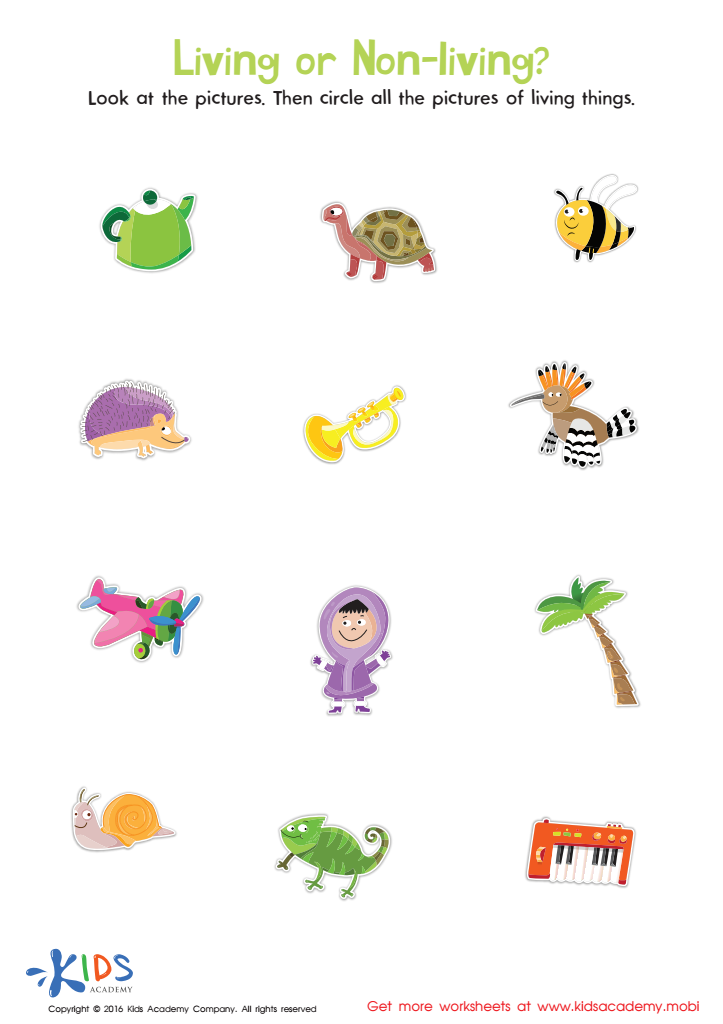
Identifying Living and Non–living Things Sorting Worksheet
 Assign to My Students
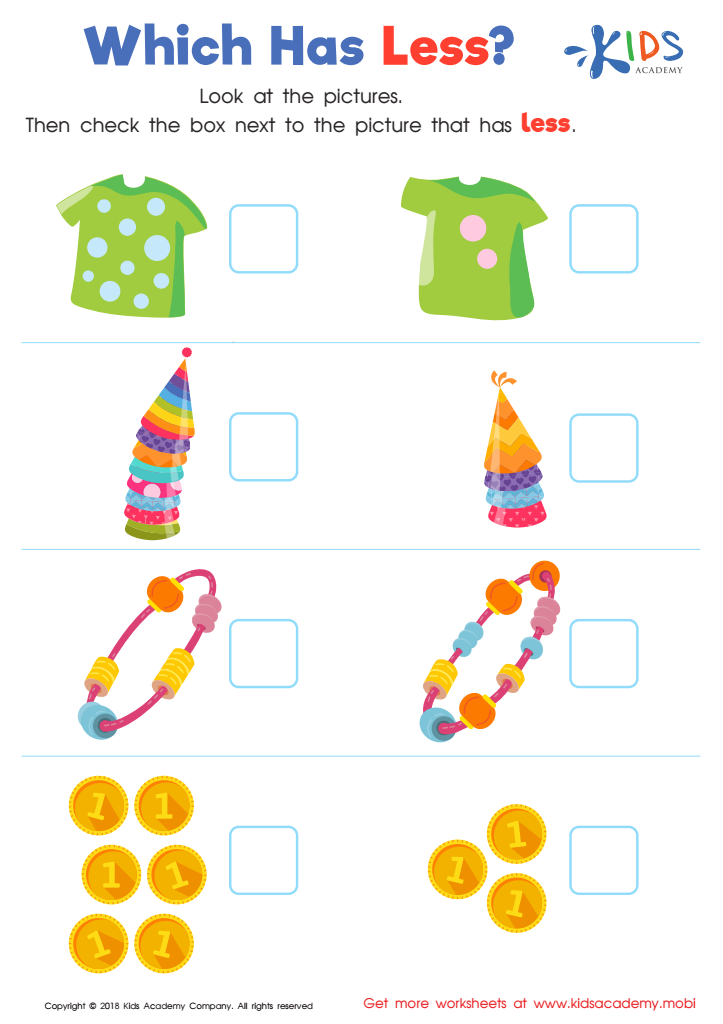
Which Has Less? Worksheet
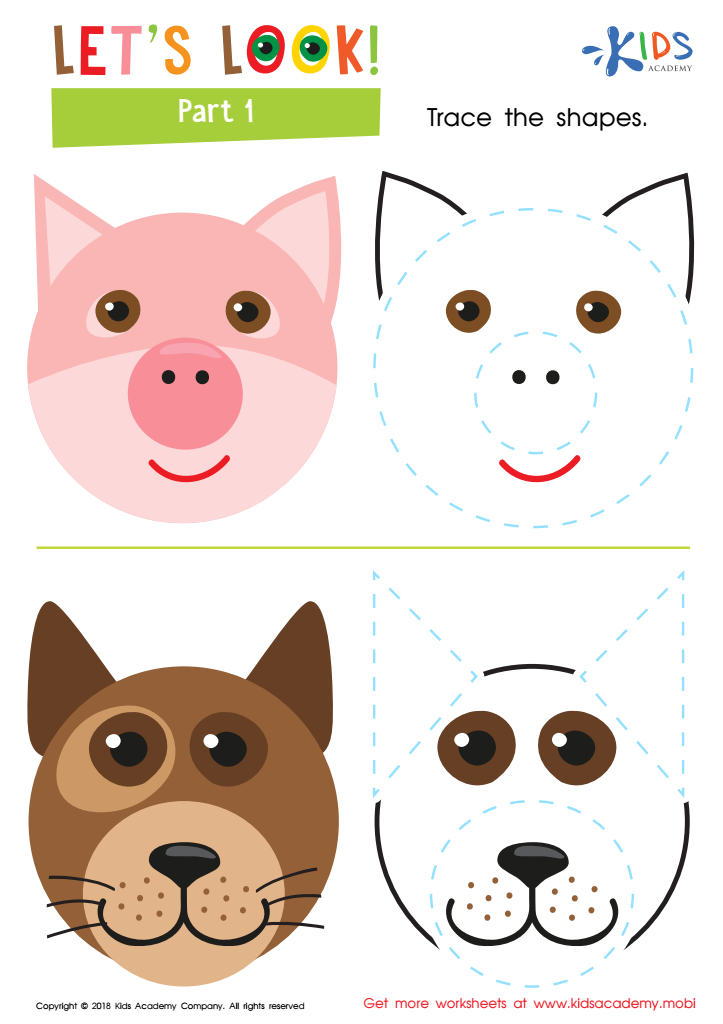
Let's Look! Part 1 Worksheet








Improving observational math skills in children aged 4-5 is crucial for several reasons. At this developmental stage, children are naturally curious and eager to learn about the world around them. Observational math focuses on engaging their senses and environment, allowing them to explore concepts of quantity, patterns, and spatial awareness through hands-on experiences. This early mathematical foundation is essential for fostering critical thinking and problem-solving abilities.
Parents and teachers should care because these skills not only lay the groundwork for more advanced math concepts but also enhance cognitive development. When children learn through observation, they are more likely to retain information and make connections between mathematical ideas and real-life situations. Moreover, fostering observational skills can instill a positive attitude toward math, reducing anxiety and building confidence.
By integrating math into daily activities—like counting objects, measuring ingredients for a snack, or identifying shapes in nature—adults can help children develop a deeper understanding and love for mathematics. In the long run, supporting strong observational math skills prepares children for academic success, making them well-equipped for future challenges in learning and life. Engaging children through observation ultimately cultivates both their mental abilities and enthusiasm for learning.








