Numeracy skills Math Worksheets for Ages 4-5
3 filtered results
-
From - To
Unlock the world of numbers for your young learners with our "Numeracy Skills Math Worksheets for Ages 4-5" at Kids Academy. Expertly designed to make math fun and engaging, these worksheets help children develop foundational numeracy skills, including number recognition, counting, and basic addition and subtraction. Colorful, interactive, and tailored for little hands, these activities provide a perfect blend of learning and play, ensuring each child can grow their confidence and enthusiasm for math early on. Let your child explore the magic of numbers with our thoughtfully curated collection and watch them become math champions!
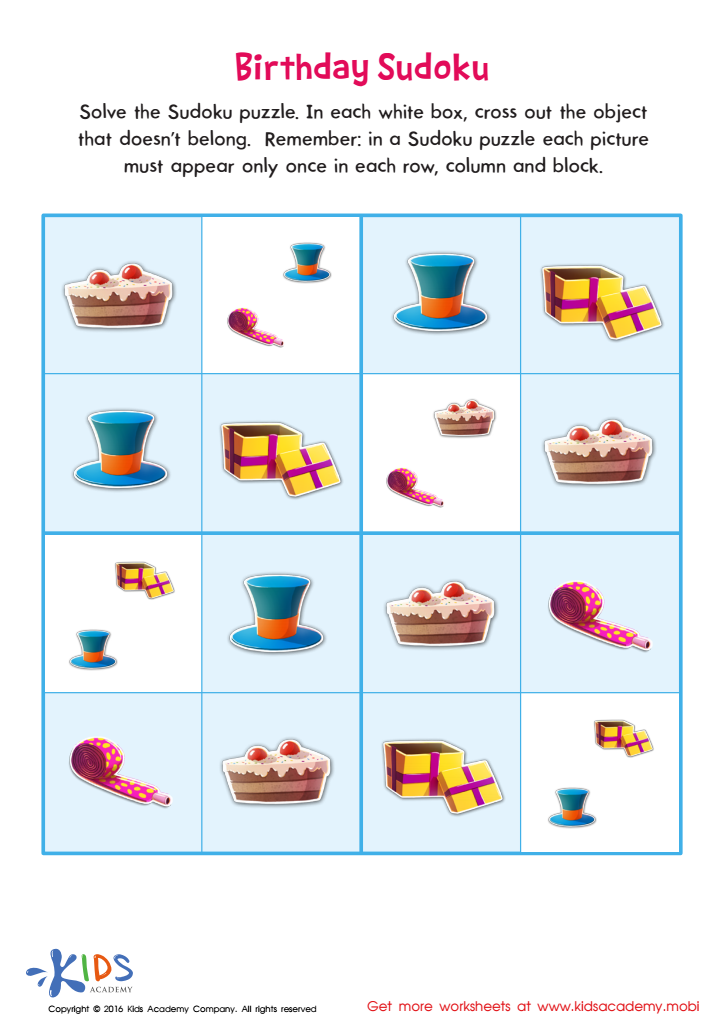
Birthday Sudoku Sorting Worksheet
 Assign to My Students
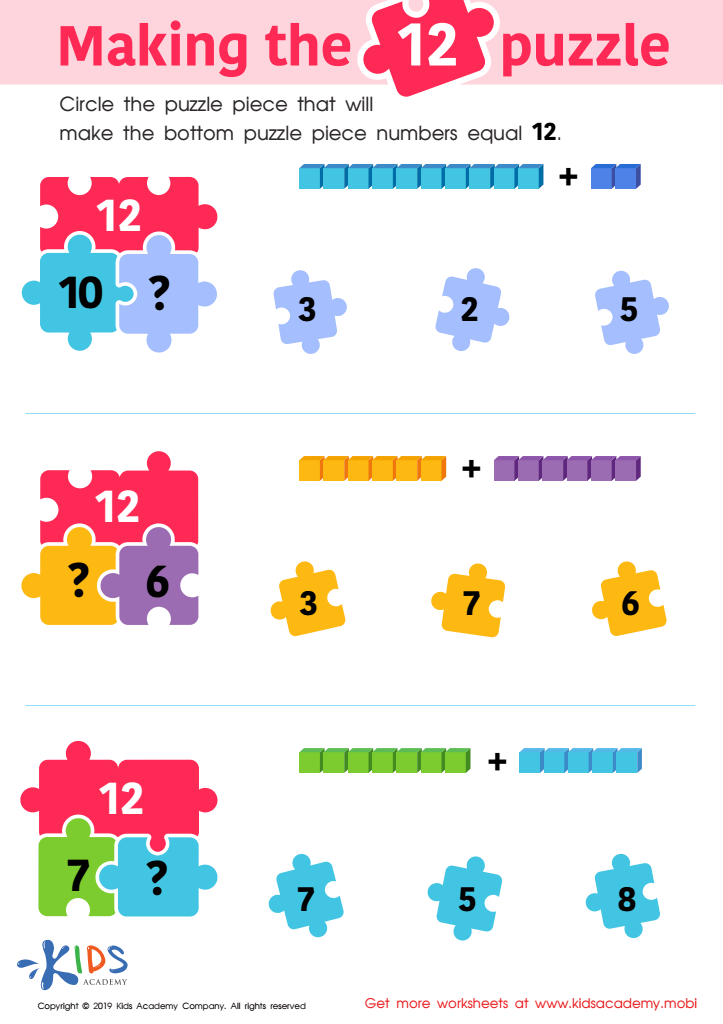
Making the 12 Puzzle Worksheet
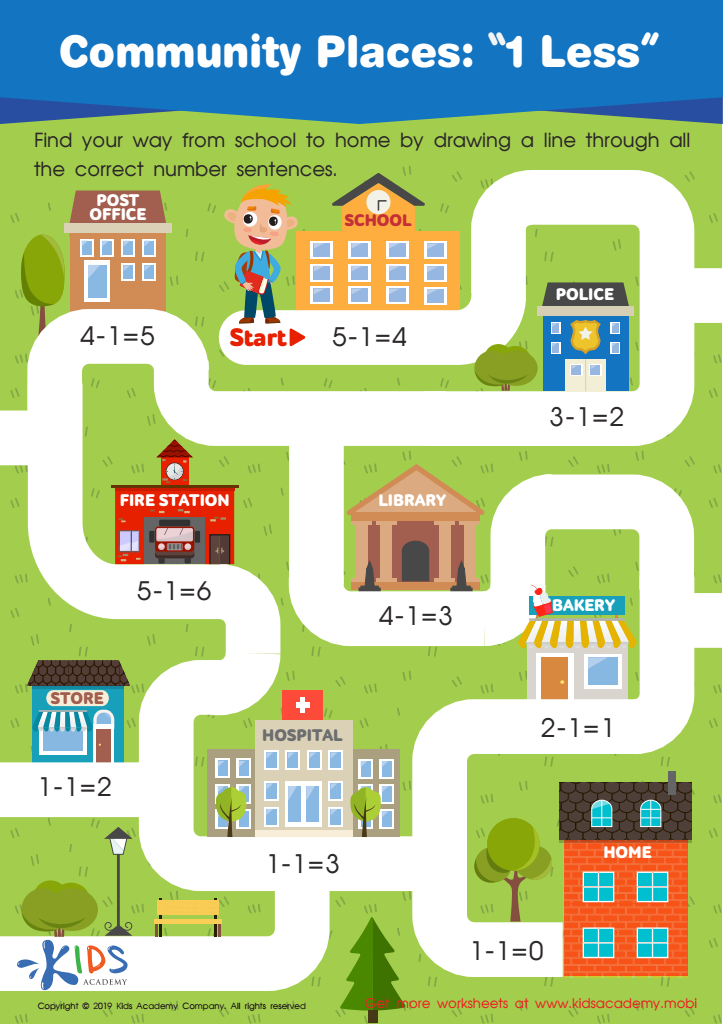
Community Places: 1 Less Worksheet








Numeracy skills are crucial for children aged 4-5 as they form the foundation for later mathematical understanding and everyday problem-solving. Parents and teachers should recognize the immense value of cultivating these skills early on. At this age, children are natural explorers who are eager to understand the world around them. Numeracy skills help them make sense of their environment and lay the groundwork for cognitive development.
Strong early numeracy skills are predictive of later academic success. They not only contribute to understanding more complex mathematical concepts but are also closely linked to literacy and critical thinking. Activities such as counting objects, recognizing numbers, and understanding basic shapes and patterns are fundamental. These activities develop not just math skills, but also other crucial abilities like concentration, fine motor skills, and logical reasoning.
Moreover, early exposure to numeracy fosters a positive attitude toward learning mathematics. Children learn to see math as an engaging and enjoyable subject rather than something intimidating. This positive attitude can reduce math anxiety in later years and encourage a lifelong appreciation for the subject.
Thus, by prioritizing numeracy skills at ages 4-5, parents and teachers set children on a path toward academic achievement and equip them with essential life skills.








