Problem-solving abilities Math Worksheets for Ages 4-5 - Page 2
30 filtered results
-
From - To

Sudoku Worksheet
 Assign to My Students
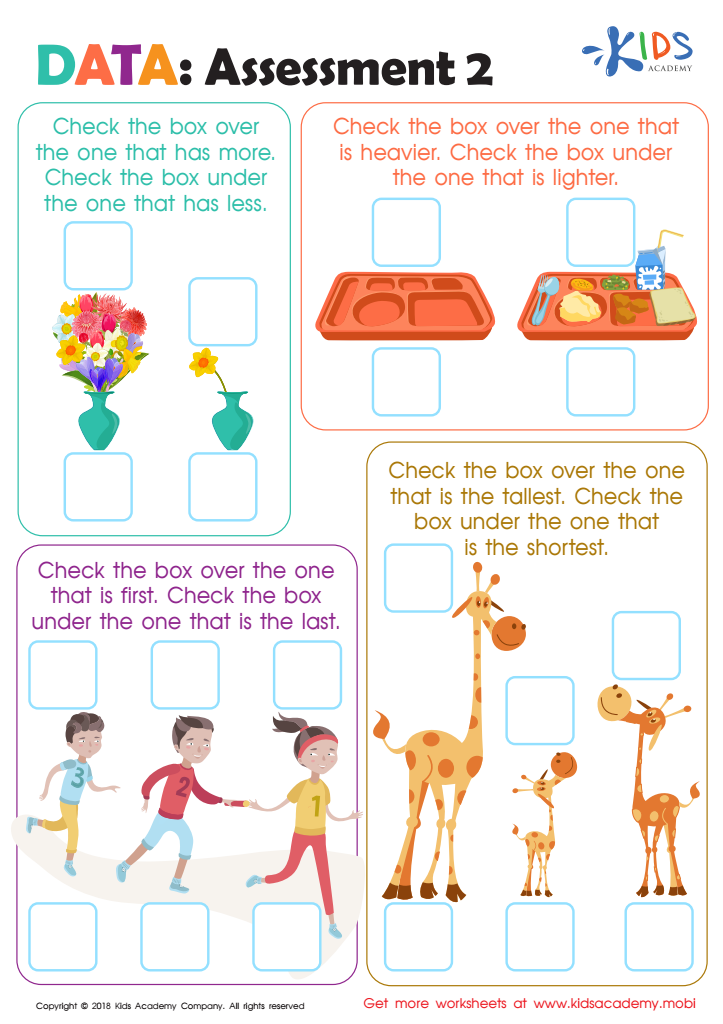
Data: Assessment 2 Worksheet
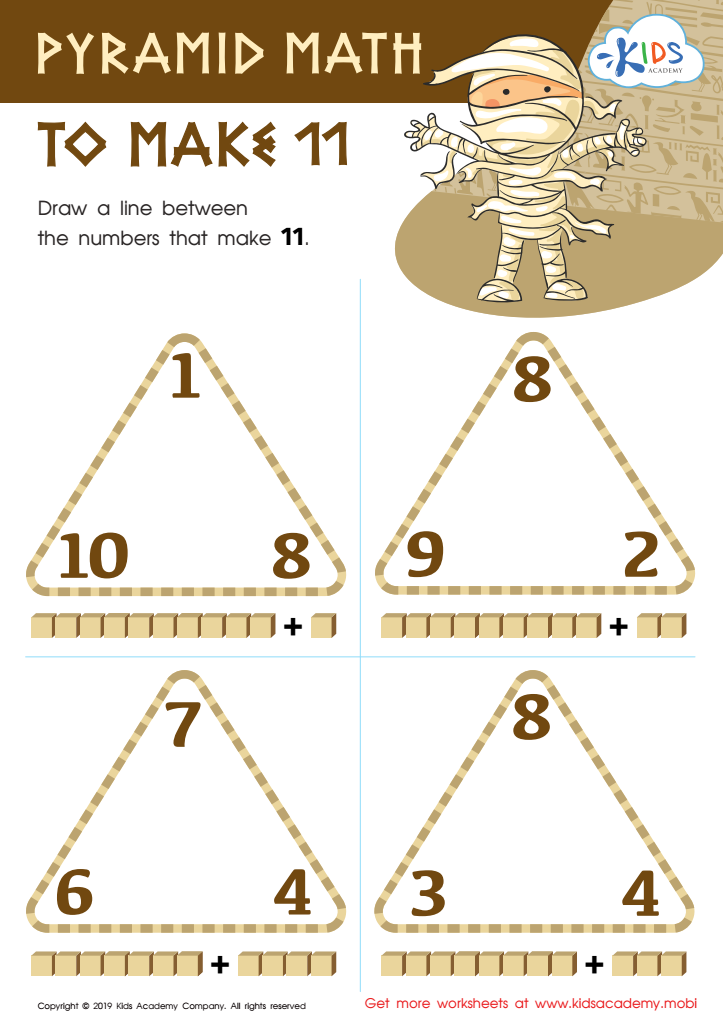
Pyramid Math to Make 11 Worksheet
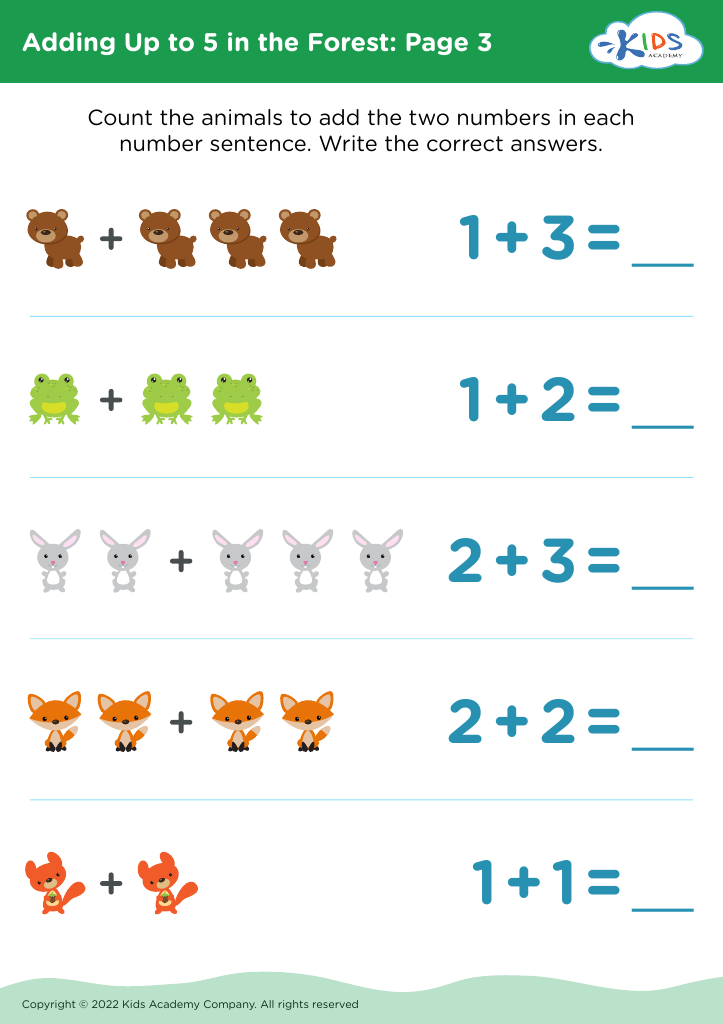








Problem-solving skills are fundamental to a child's cognitive development, especially in early math education for ages 4-5. During this crucial developmental stage, children begin to explore mathematical concepts such as counting, shapes, and patterns. By fostering problem-solving abilities, parents and teachers can help children learn to approach challenges with curiosity and resilience. These skills not only enhance a child's mathematical understanding but also promote critical thinking, creativity, and logical reasoning.
Encouraging problem-solving in math instills a sense of confidence in young learners. When children are guided to think through problems and devise solutions, they develop resilience, learning that mistakes are part of the learning process. This mindset transition is essential for academic success later on. Additionally, strong problem-solving skills can help improve a child’s capability in other areas, such as reading comprehension and social interactions, as they learn to analyze situations and work collaboratively.
Moreover, in today’s rapidly changing world, the ability to think analytically is increasingly valuable, and fostering these skills from a young age sets a foundation for lifelong learning. Therefore, parents and teachers should prioritize problem-solving in math to nurture well-rounded, confident, and capable learners.








