Visual Learning Math Worksheets for Ages 4-5 - Page 2
91 filtered results
-
From - To
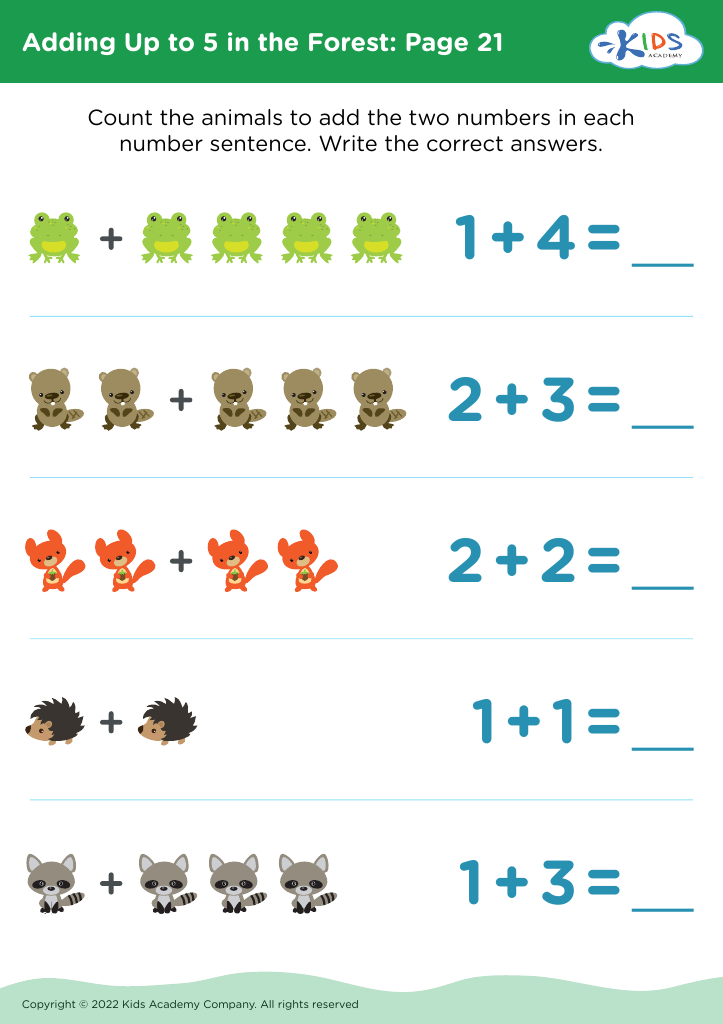
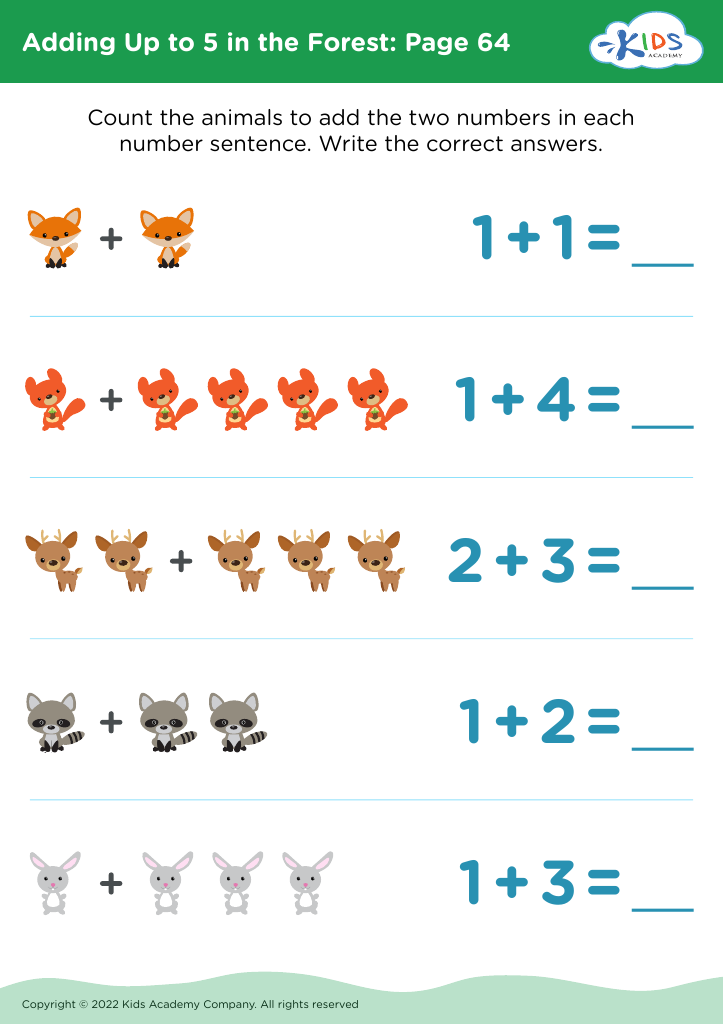
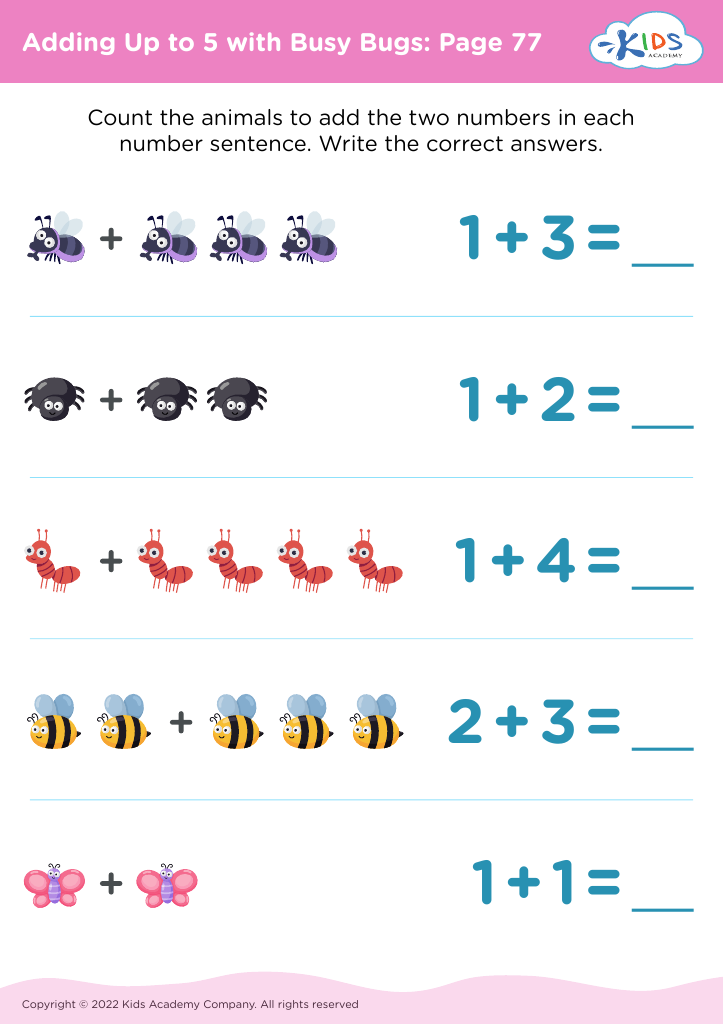
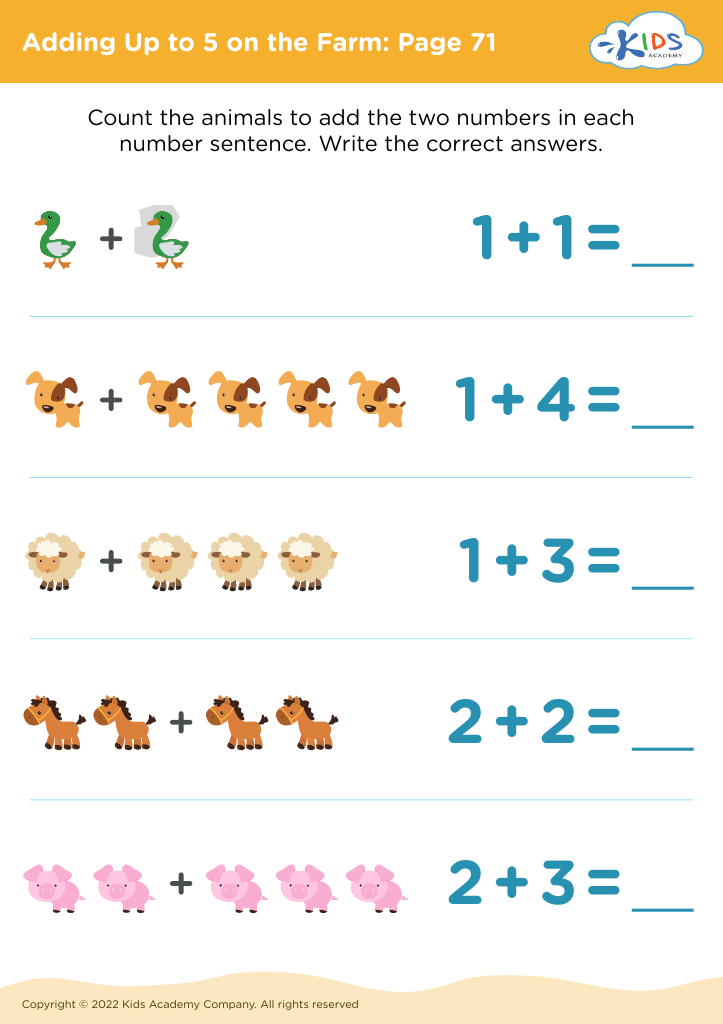
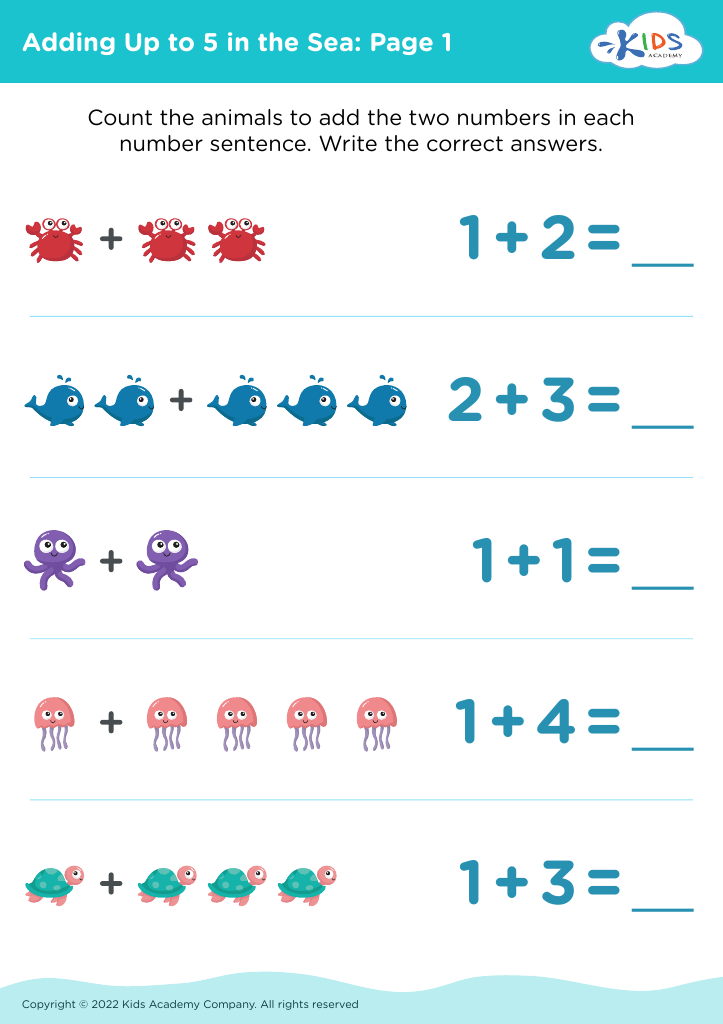
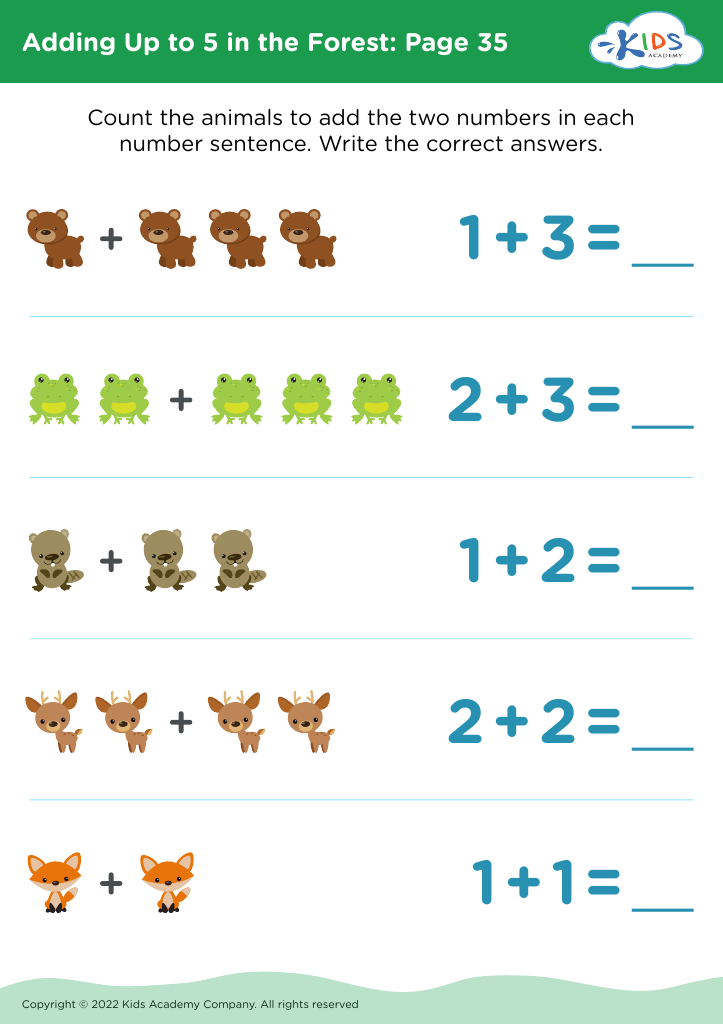
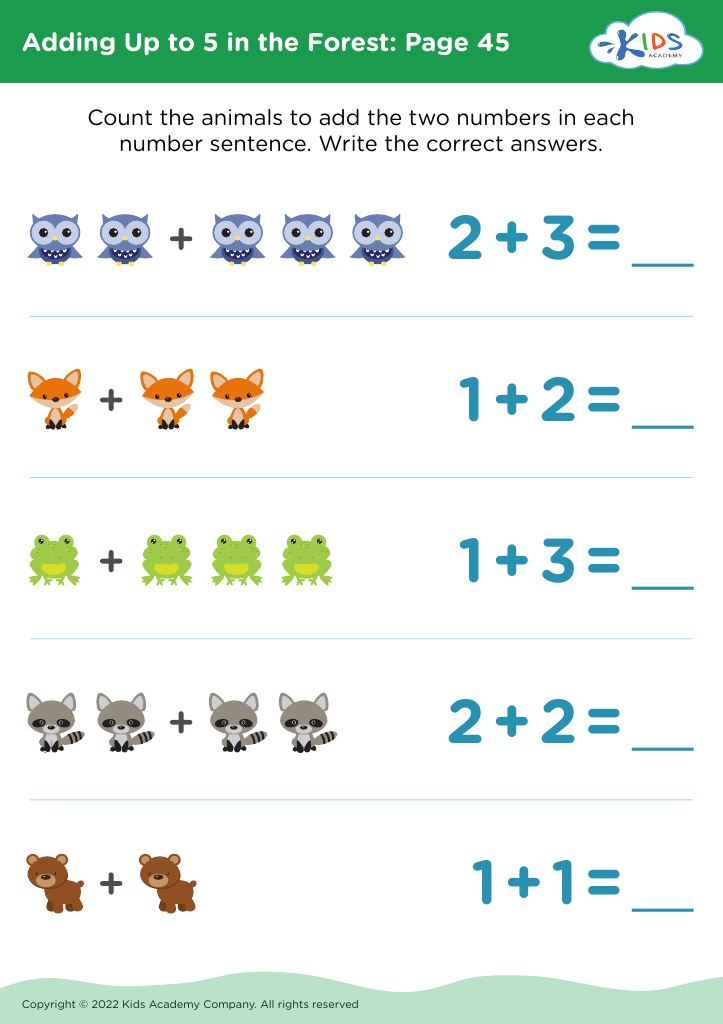
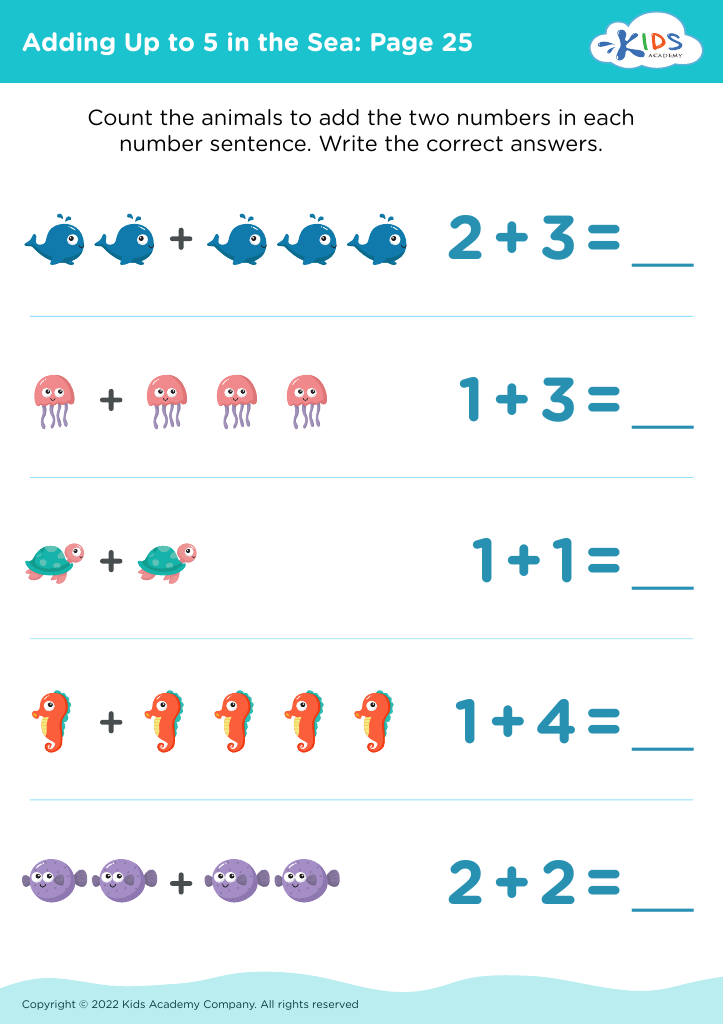
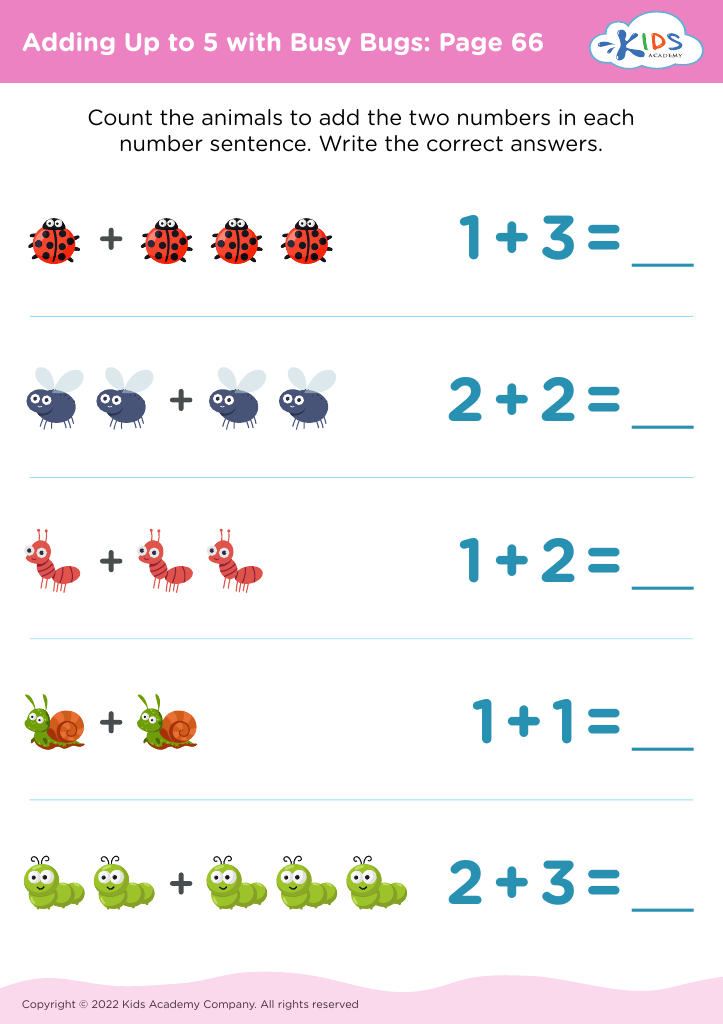
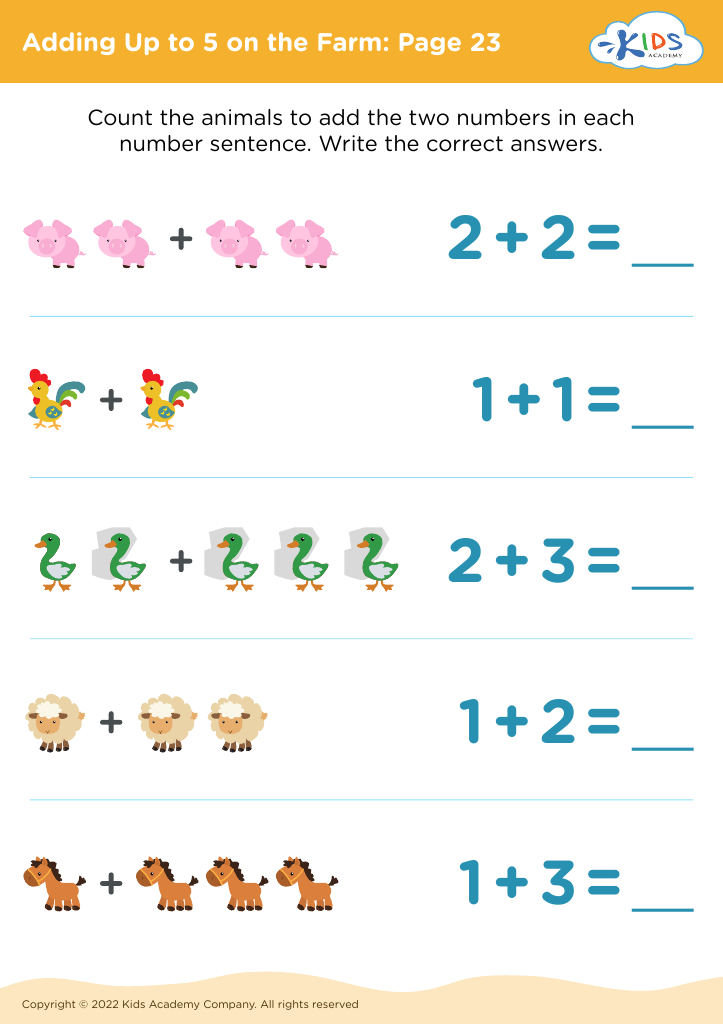
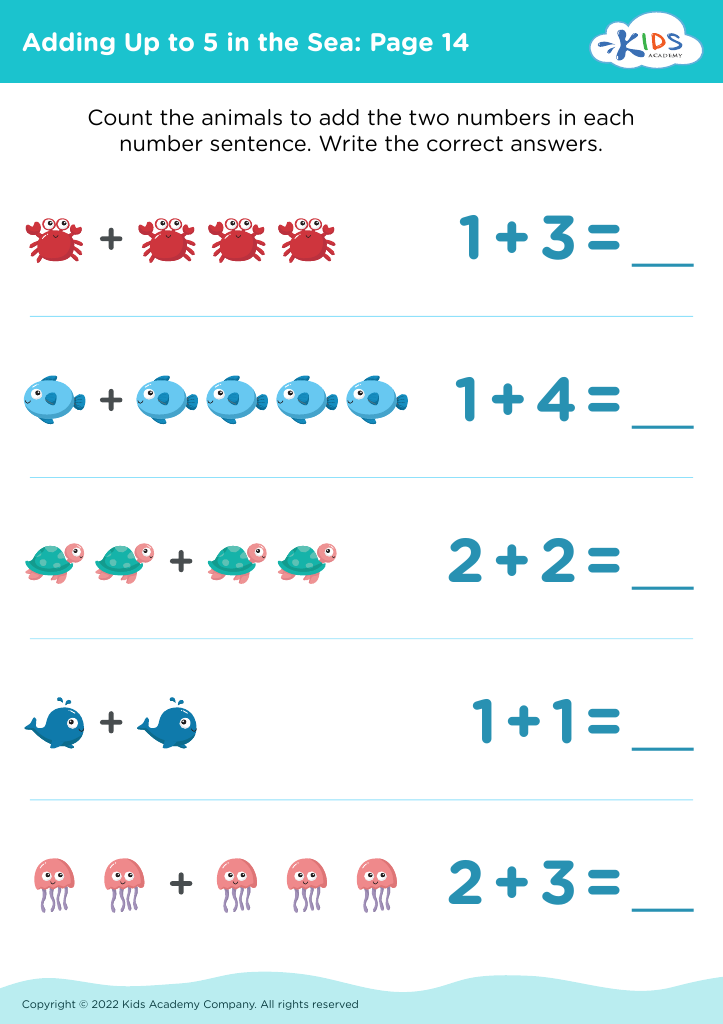
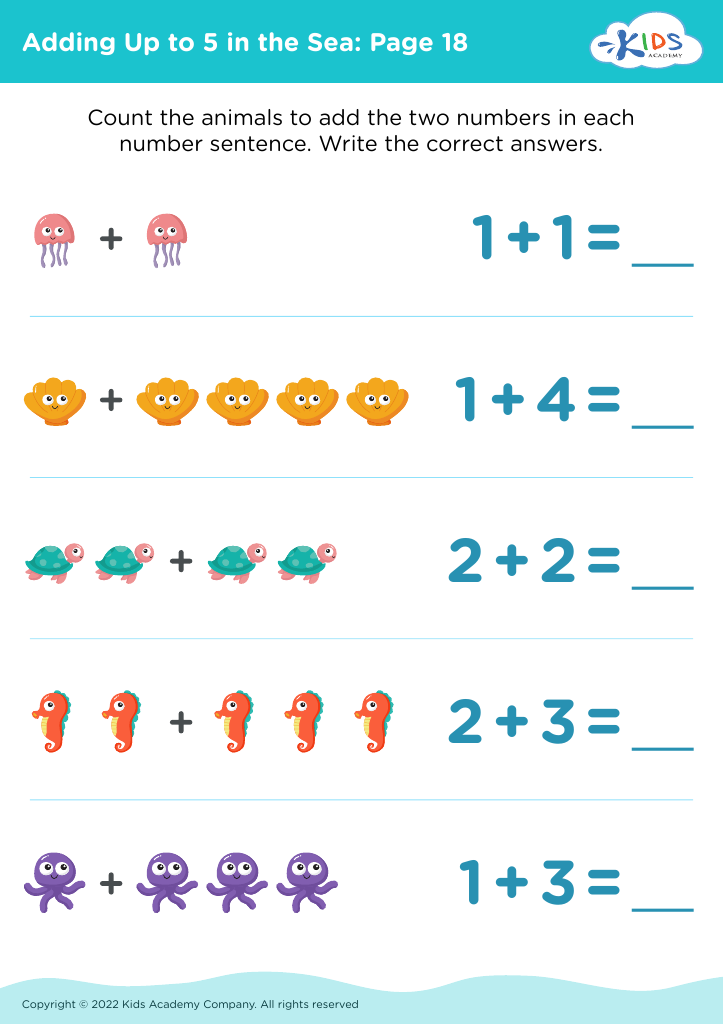
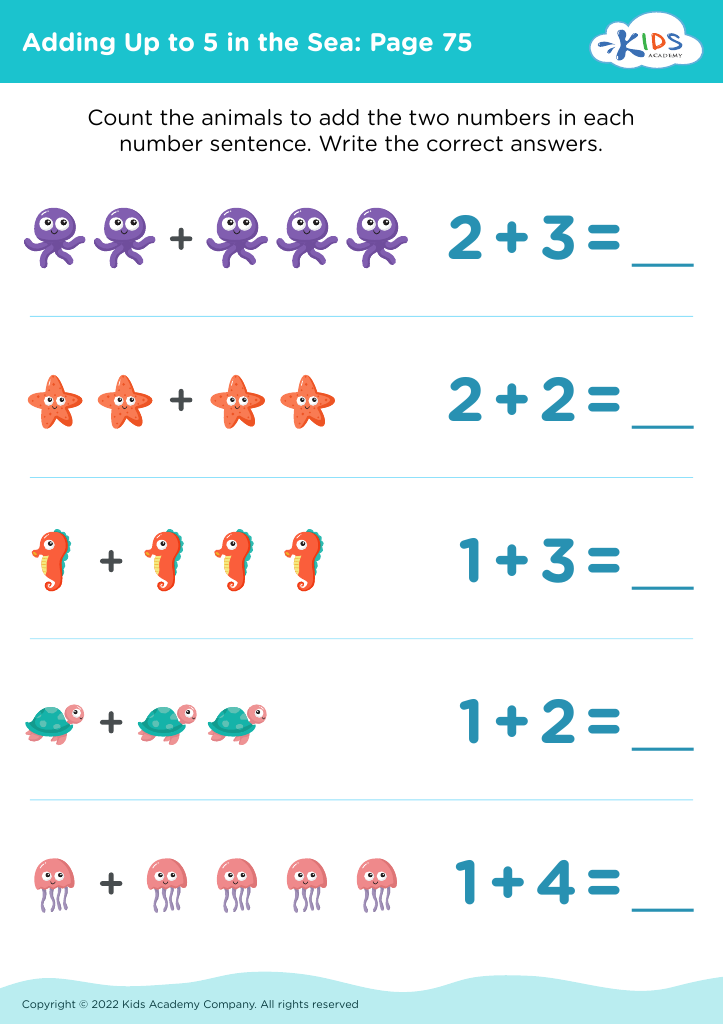
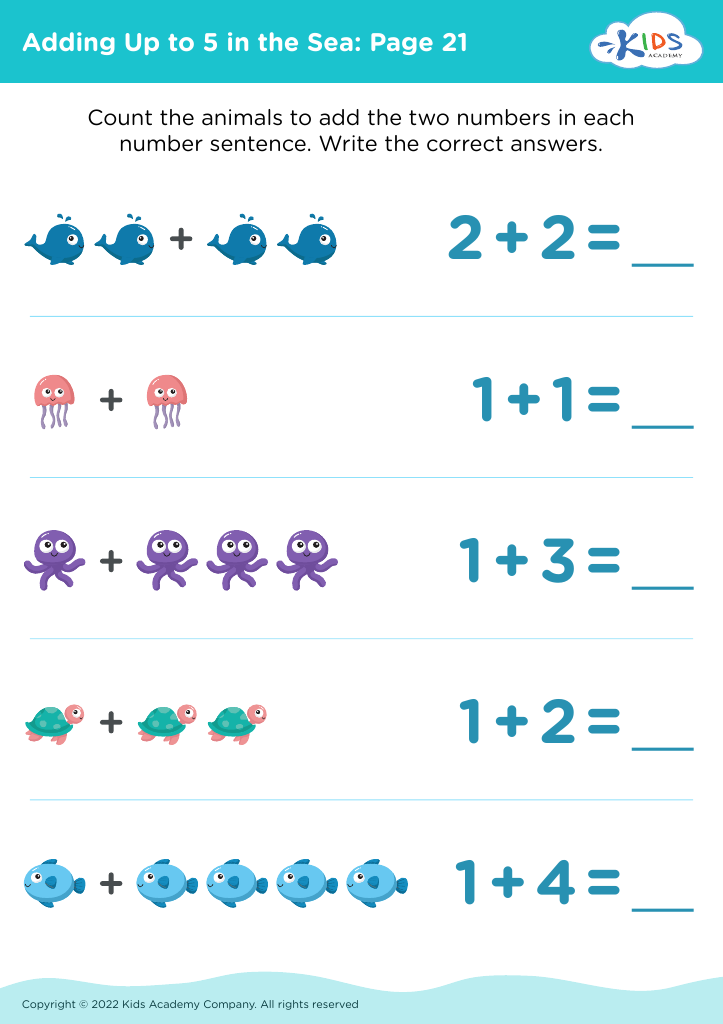
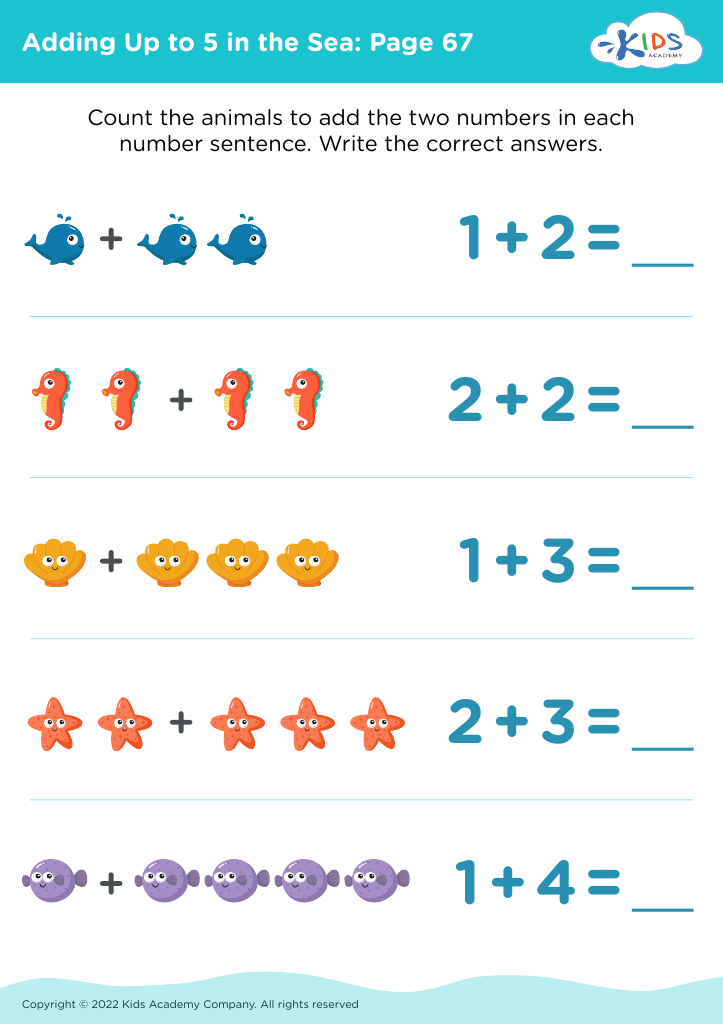
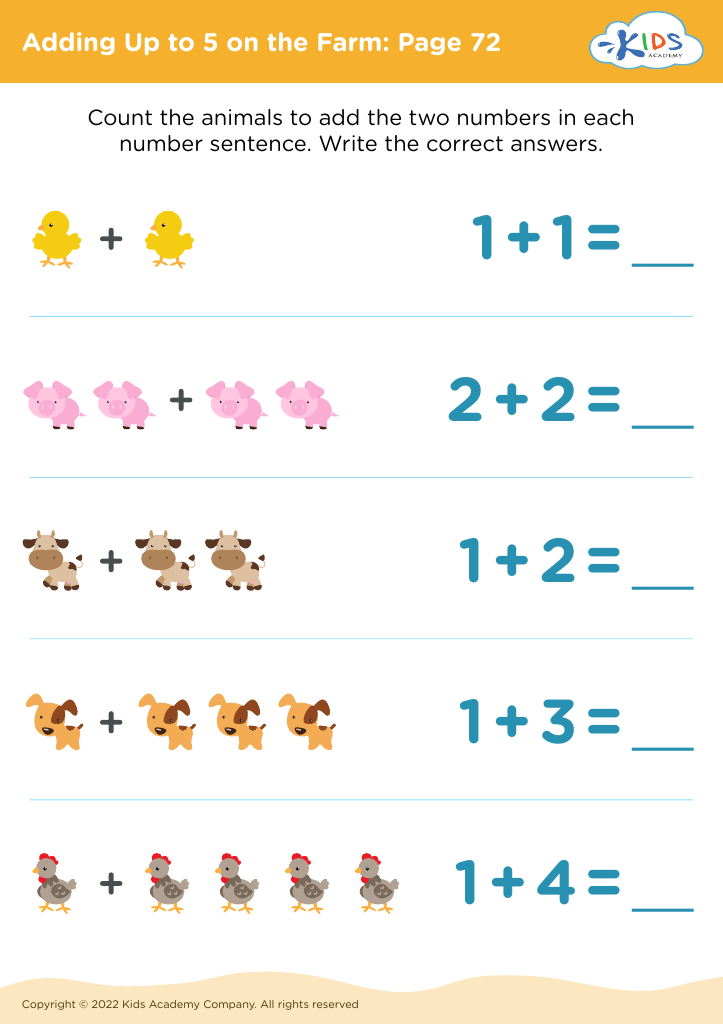
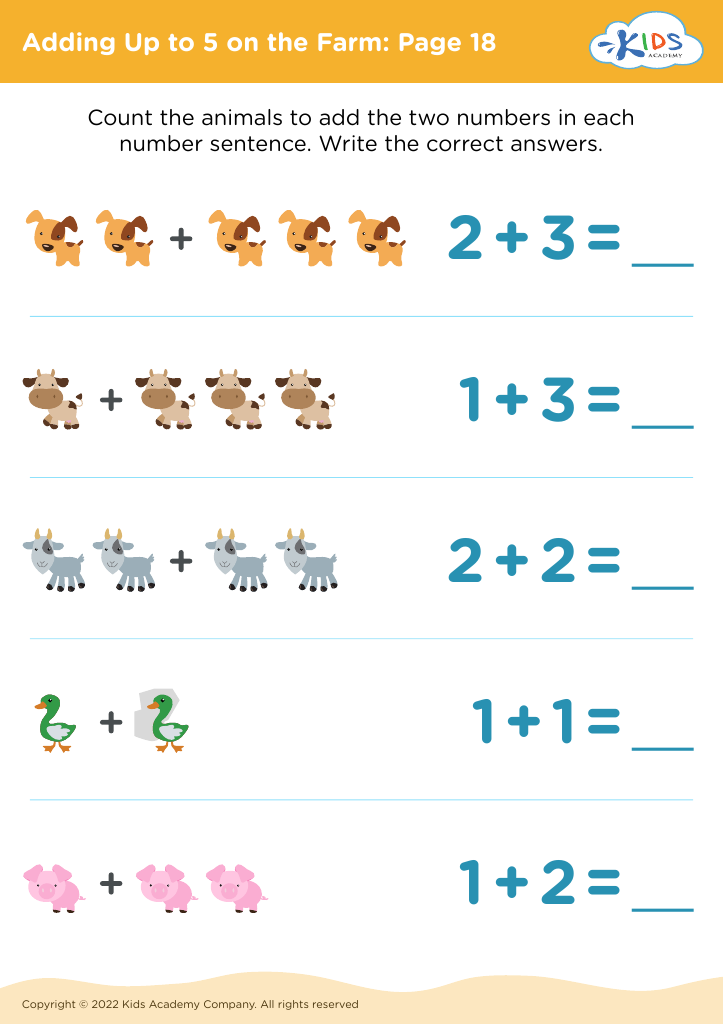
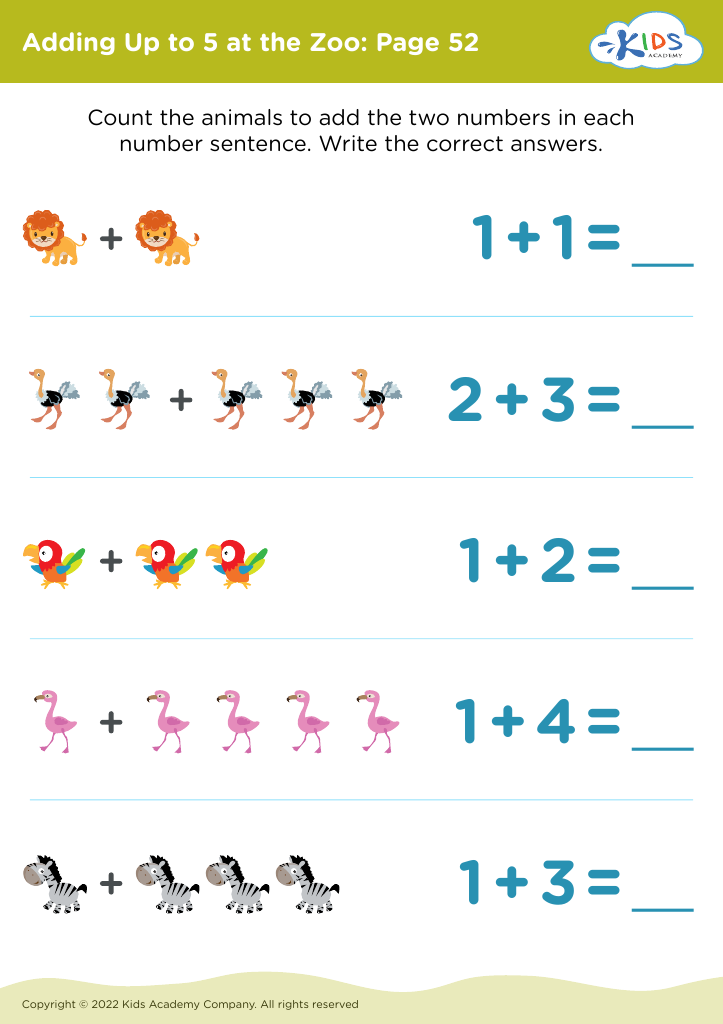
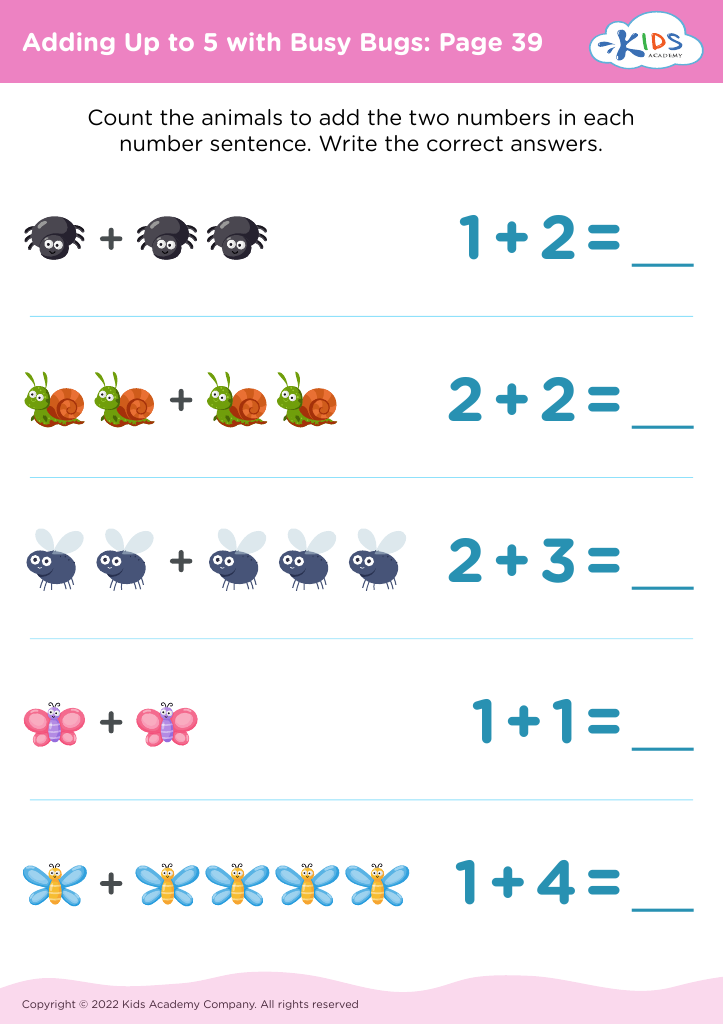
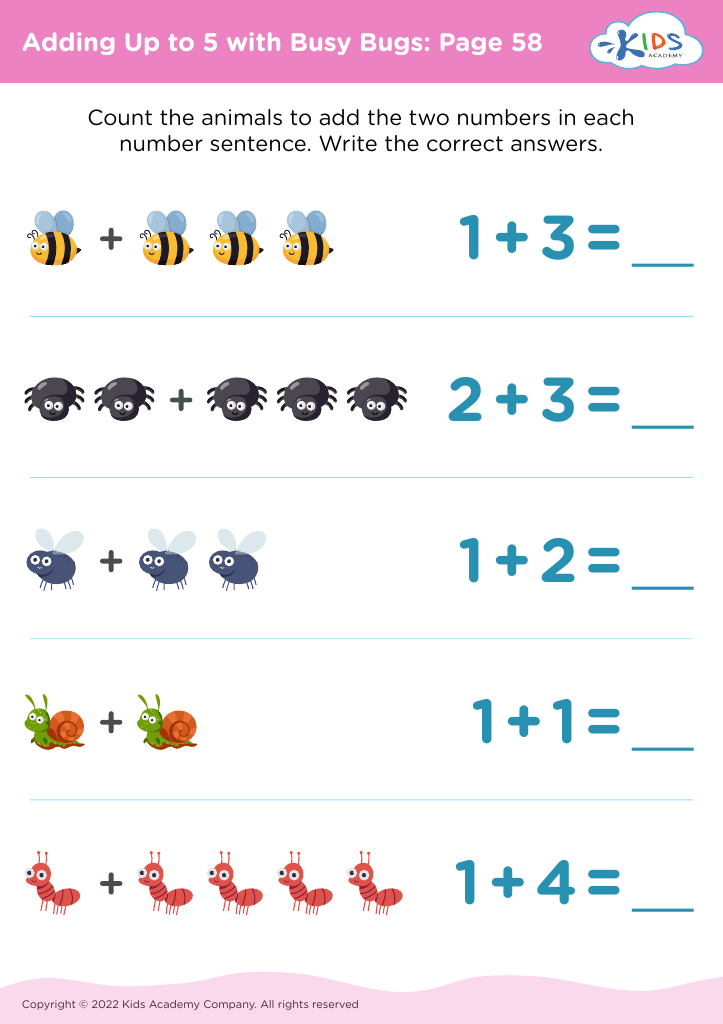
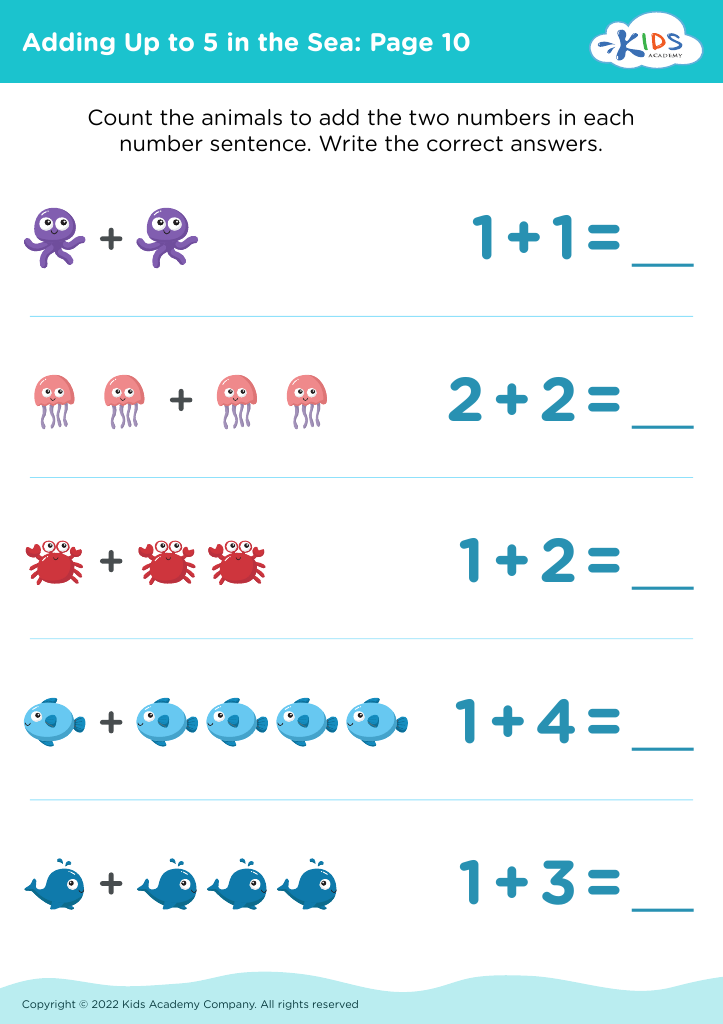
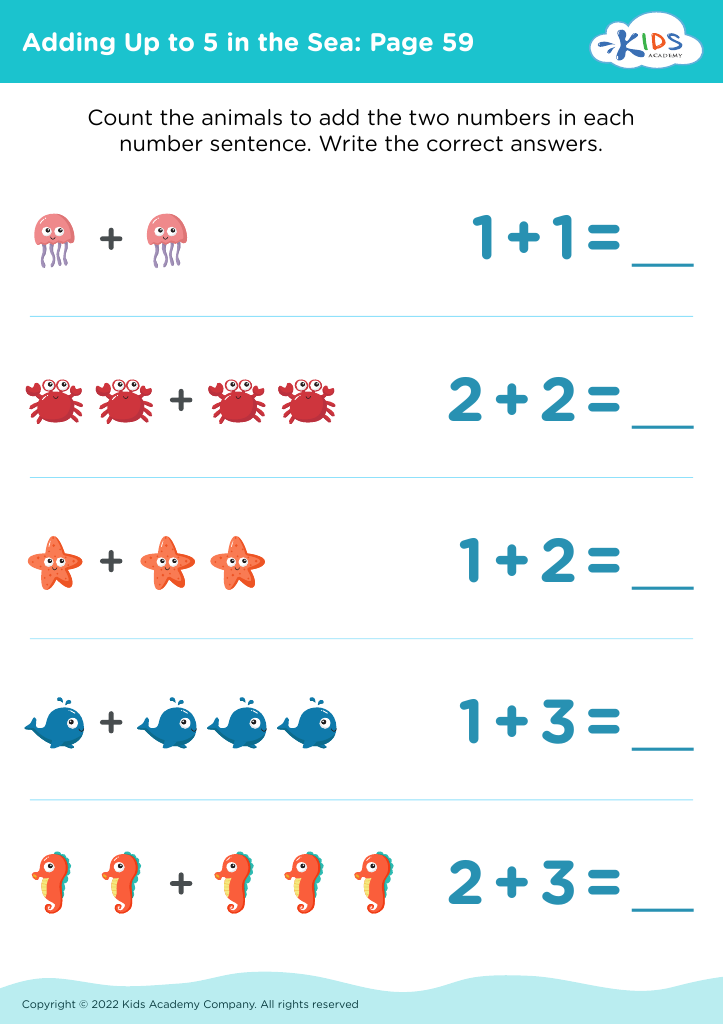
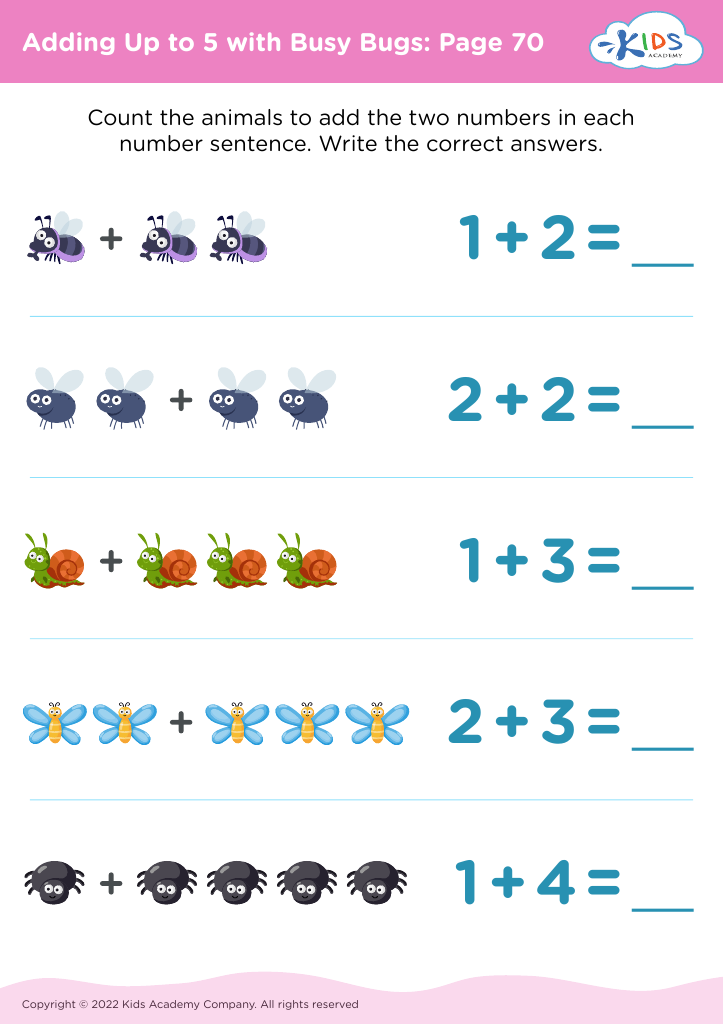
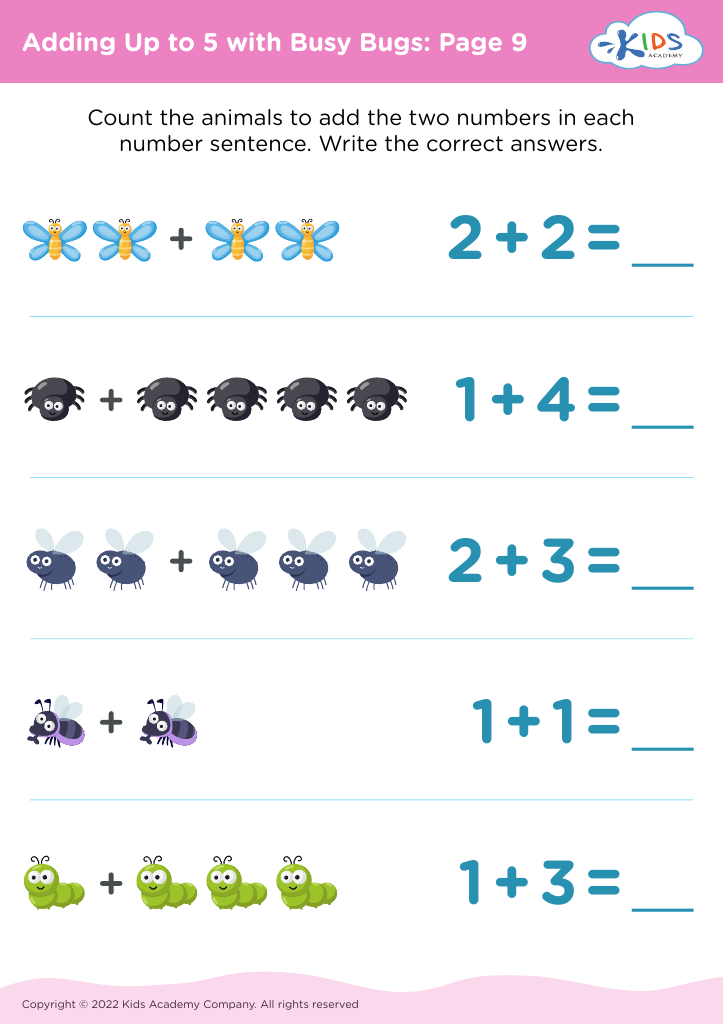








Visual learning math is crucial for children aged 4-5 because it leverages their natural visual and spatial abilities, making abstract mathematical concepts more concrete and accessible. At this developmental stage, children are predominantly visual learners, which means they understand and retain information better when it's presented through images, objects, and visual aids.
Using tools like colorful number boards, shape sorters, and picture books engages young learners and helps them develop foundational math skills. For instance, visual aids can make counting, recognizing numbers, and understanding basic geometry more intuitive and enjoyable. This approach not only fosters math literacy but also promotes critical thinking, problem-solving, and spatial reasoning—all essential skills for their future academic success.
Additionally, visual learning math encourages interactive and hands-on learning. When children manipulate objects and see visual representations of math problems, they gain a deeper comprehension and are more likely to remember what they’ve learned. This can also boost their confidence and motivation to tackle more complex math challenges in higher grades.
For parents and teachers, fostering visual learning in math means creating an inclusive, engaging, and supportive environment that aligns with the children’s cognitive development and learning styles, ultimately laying a robust foundation for their long-term educational journey.








