Vocabulary development Math Worksheets for Ages 4-5
5 filtered results
-
From - To
Enhance your child's learning journey with our engaging Vocabulary Development Math Worksheets designed specifically for ages 4-5. These worksheets provide young learners with fun, interactive activities that integrate vocabulary building with essential math concepts. Each resource is crafted to help children expand their lexicon while reinforcing their understanding of numbers, shapes, and basic math terminology. Through enjoyable exercises, your child will strengthen their language skills and boost their confidence in math. Encourage a love for learning with our printable worksheets, perfect for at-home practice or classroom activities. Explore these invaluable tools and watch your little one thrive in vocabulary and math!
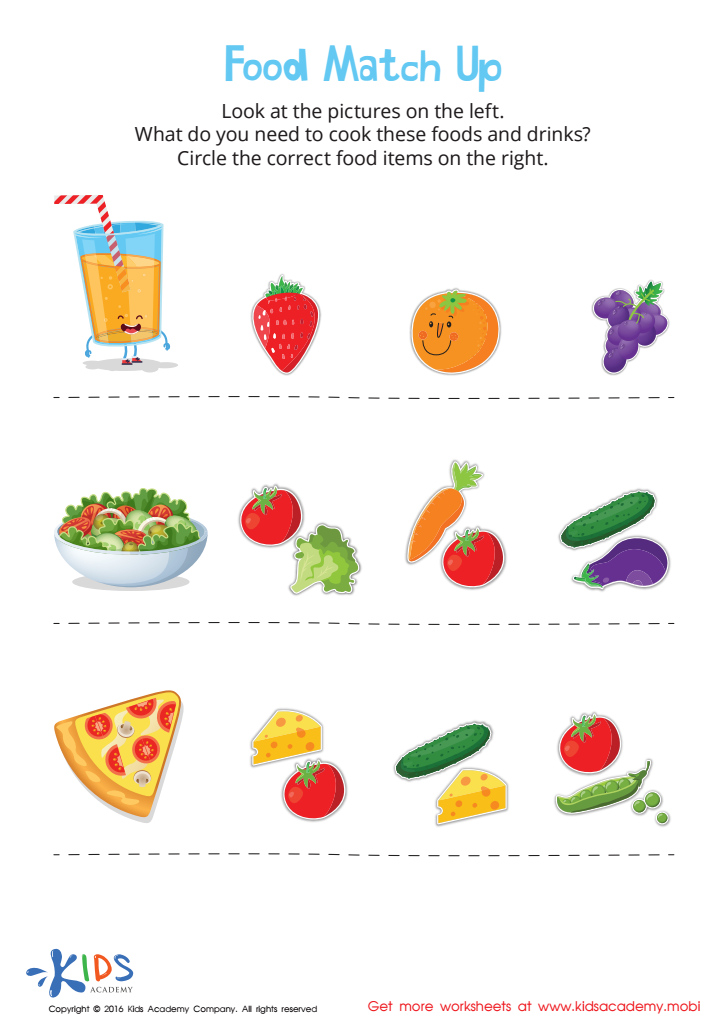
Food Match Up Worksheet
 Assign to My Students
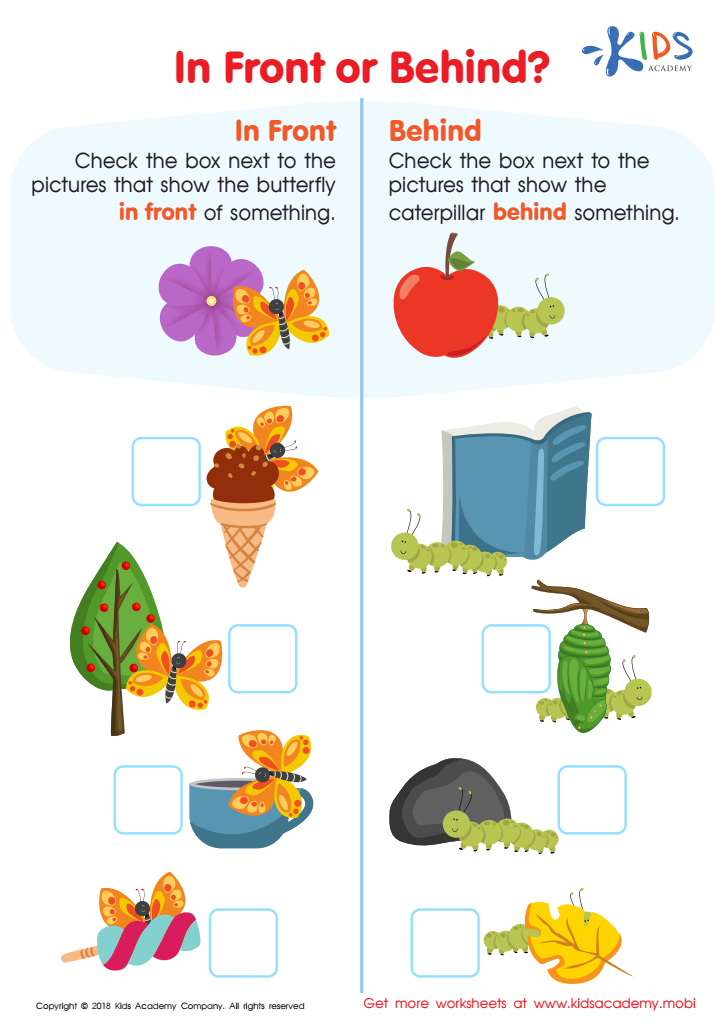
In Front or Behind Worksheet
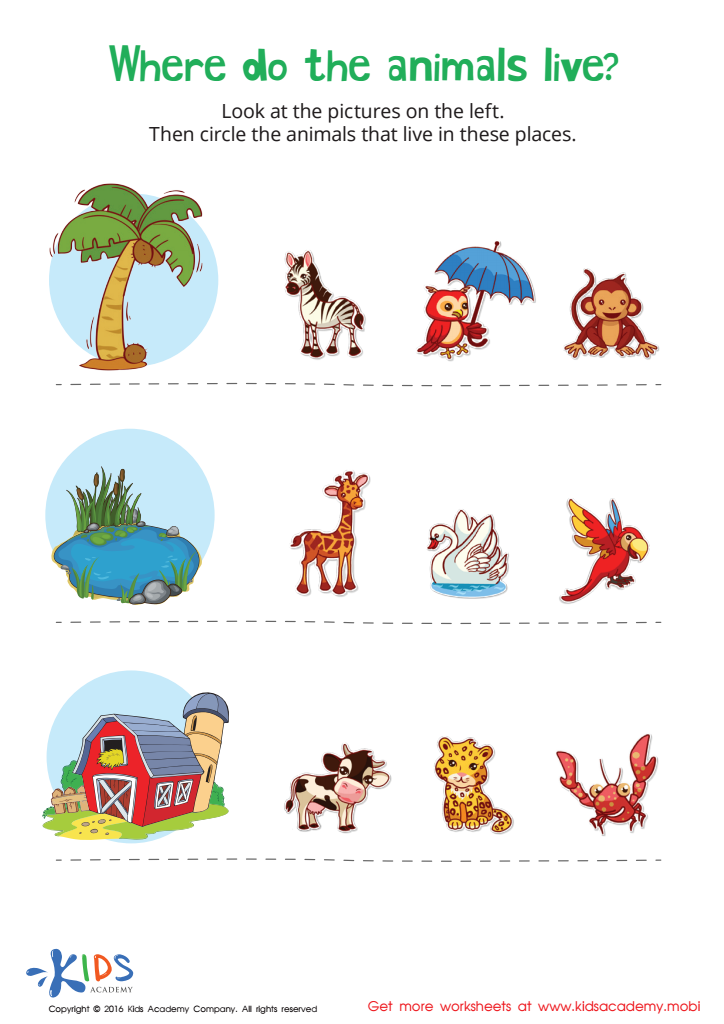
Where Animals Live Worksheet
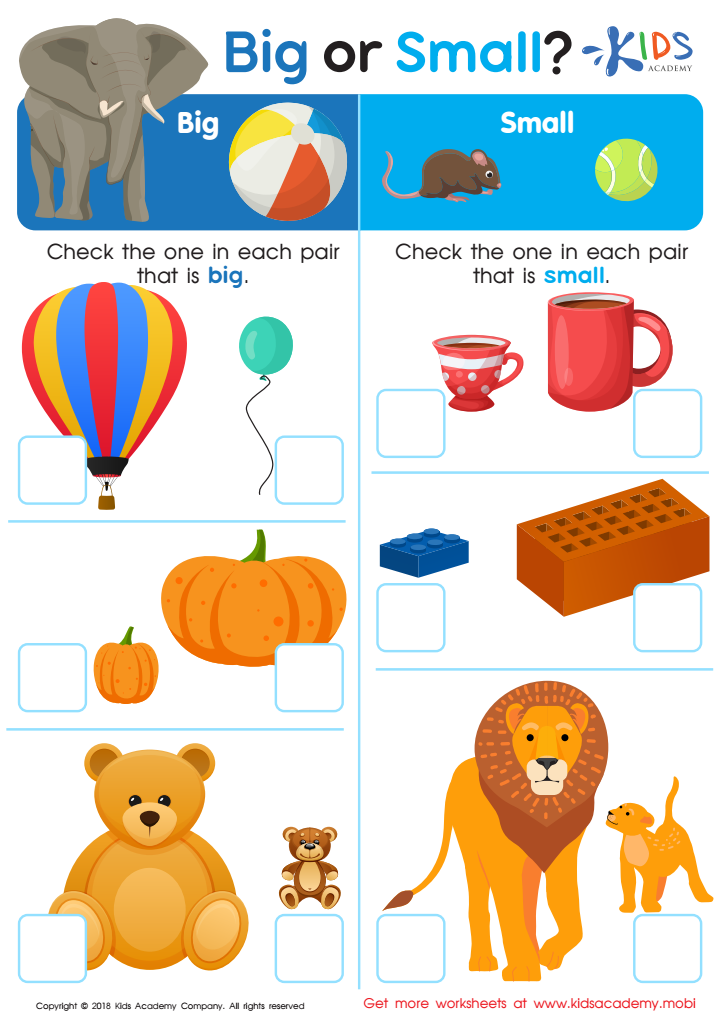
Big or Small? Worksheet








Vocabulary development in math for ages 4-5 is crucial as it lays the foundation for future learning and comprehension. At this young age, children are starting to explore mathematical concepts, and having a strong vocabulary helps them articulate their thoughts and understand instructions. When children learn mathematical terms like "more," "less," "add," "subtract," "shape," and "number," they enhance their ability to engage in conversations about math. This promotes critical thinking, reasoning skills, and problem-solving abilities, which are essential for later academic success.
Furthermore, early math vocabulary development fosters a positive attitude towards mathematics. When children are familiar with mathematical terms, they gain confidence in their abilities to tackle math-related activities, reducing anxiety and fear. This early exposure not only supports cognitive development but also prepares children for future success in school by bridging the gap between language and mathematical thinking.
Finally, involving parents and caregivers in this process creates a rich learning environment. Interactive activities, such as counting games or shape identification, can enhance vocabulary and make learning enjoyable. In summary, focused vocabulary development in math is integral to effective learning and lays the groundwork for future academic achievements.








