Color Identification Reading Worksheets for Ages 4-5
8 filtered results
-
From - To
Discover our Color Identification Reading Worksheets designed specifically for ages 4-5! These engaging and vibrant worksheets help children enhance their reading skills while mastering color recognition. Through fun activities, your little learners will effortlessly match, read, and identify colors, boosting their confidence and cognitive abilities. With a variety of exercises tailored to keep young minds entertained, these worksheets are perfect for parents and educators aiming to make learning an enjoyable journey. Elevate your child's reading and observational skills by incorporating our expertly crafted color identification worksheets into their daily routine. Start the colorful adventure now!
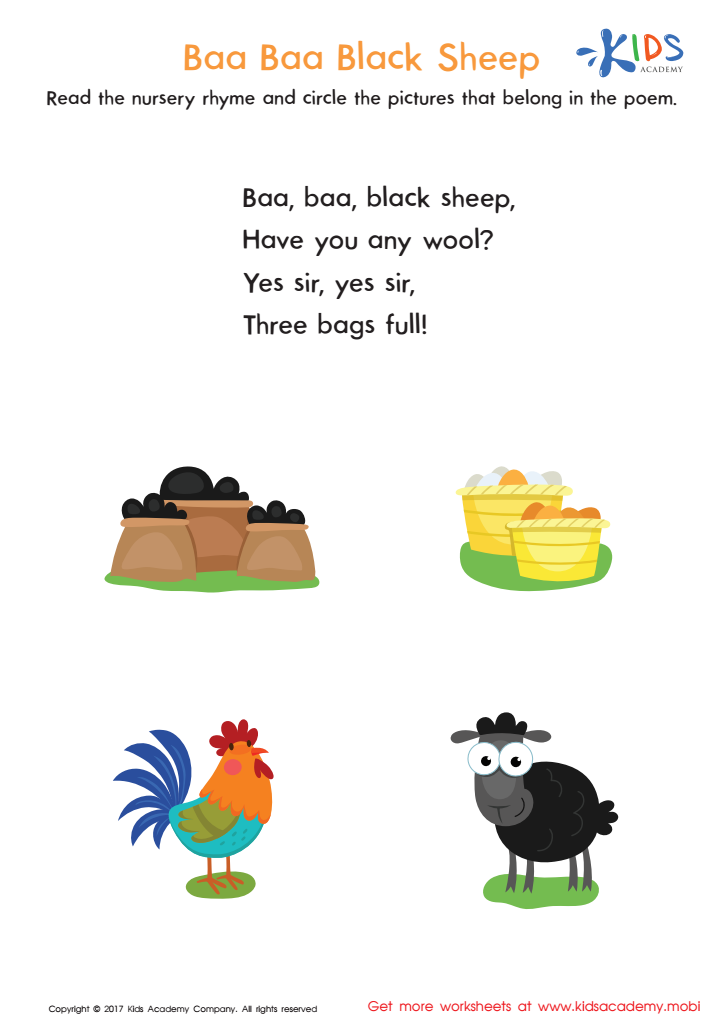
Baa Baa Black Sheep Printable
 Assign to My Students
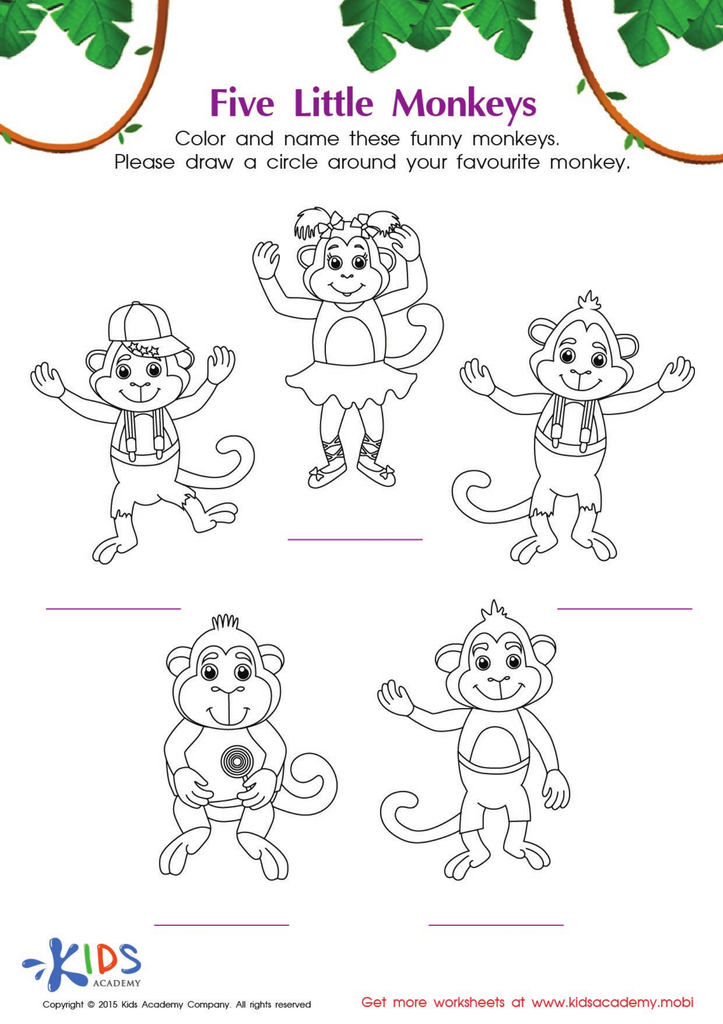
The Five Little Monkeys Coloring Worksheet
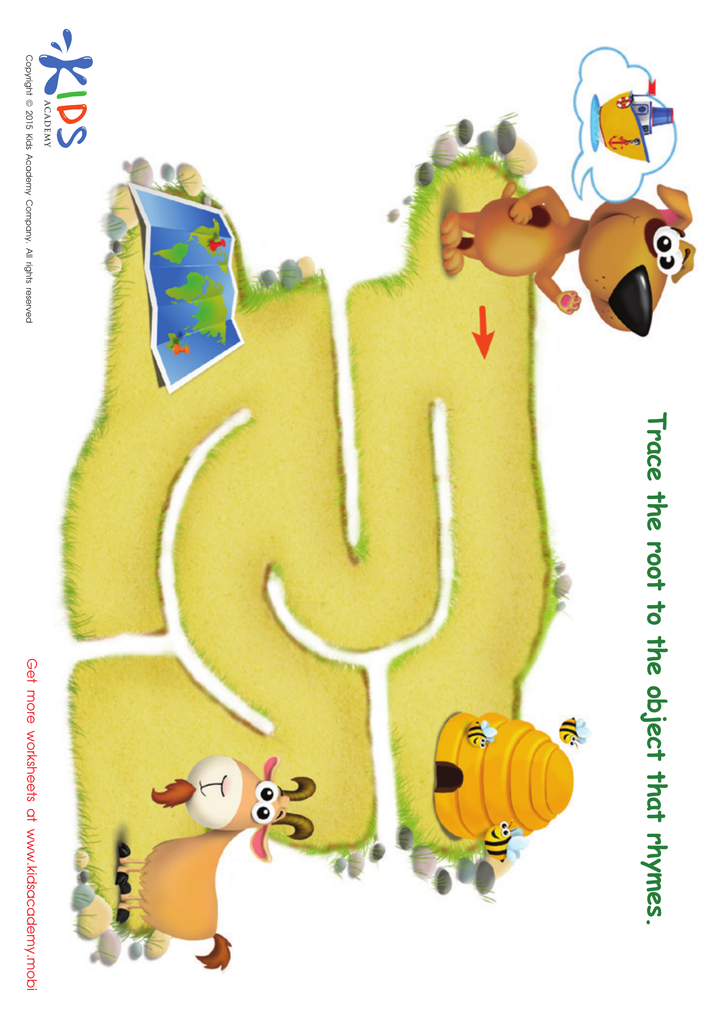
Boat Rhyming Words Worksheet
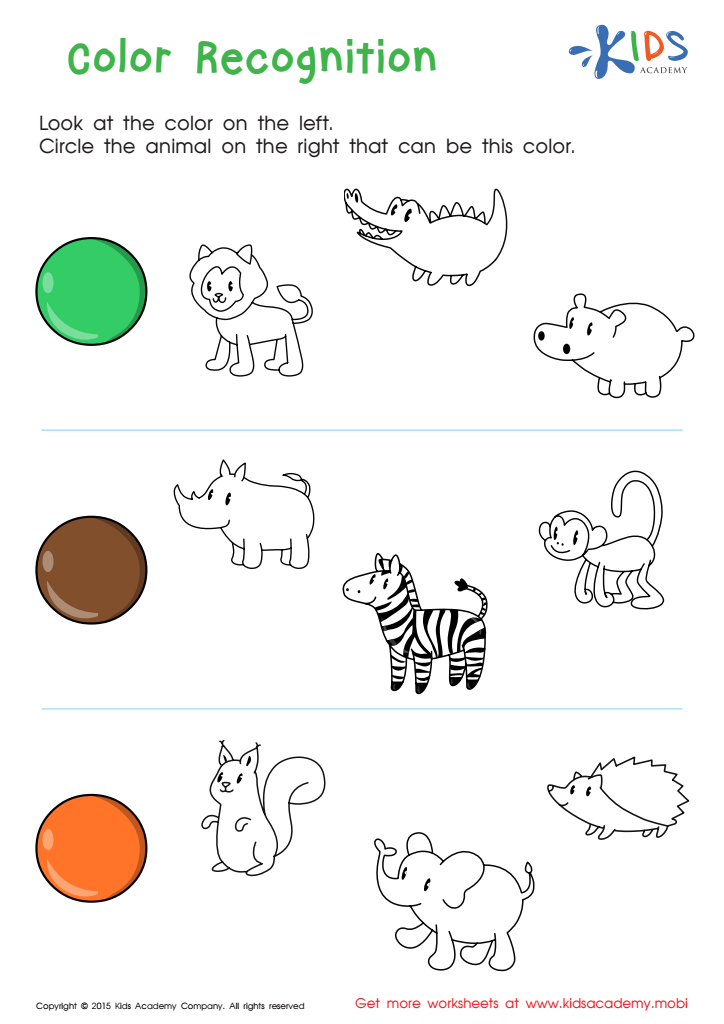
First Words: Color Recognition Worksheet
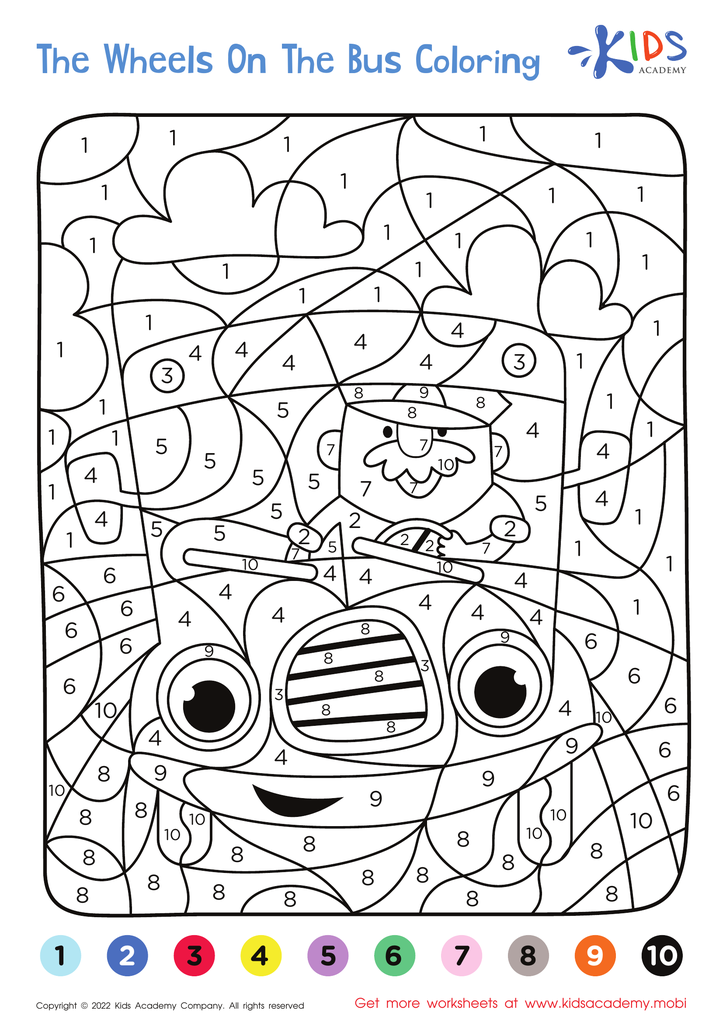
Wheels on the Bus – Coloring by Numbers
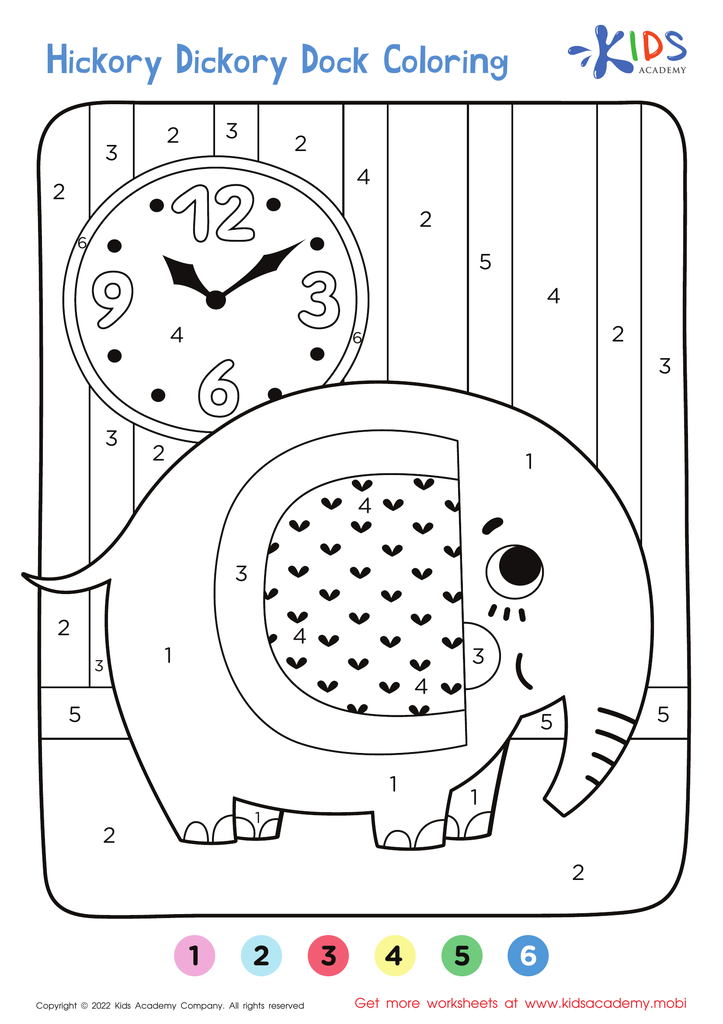
Hickory Dickory Dock – Coloring by Numbers
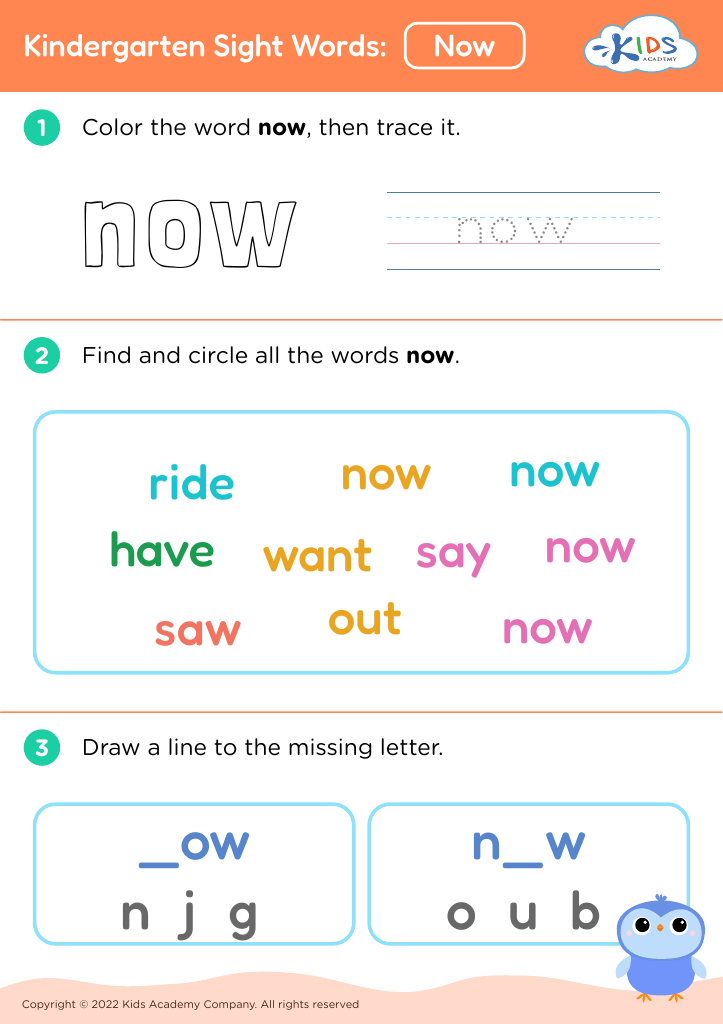
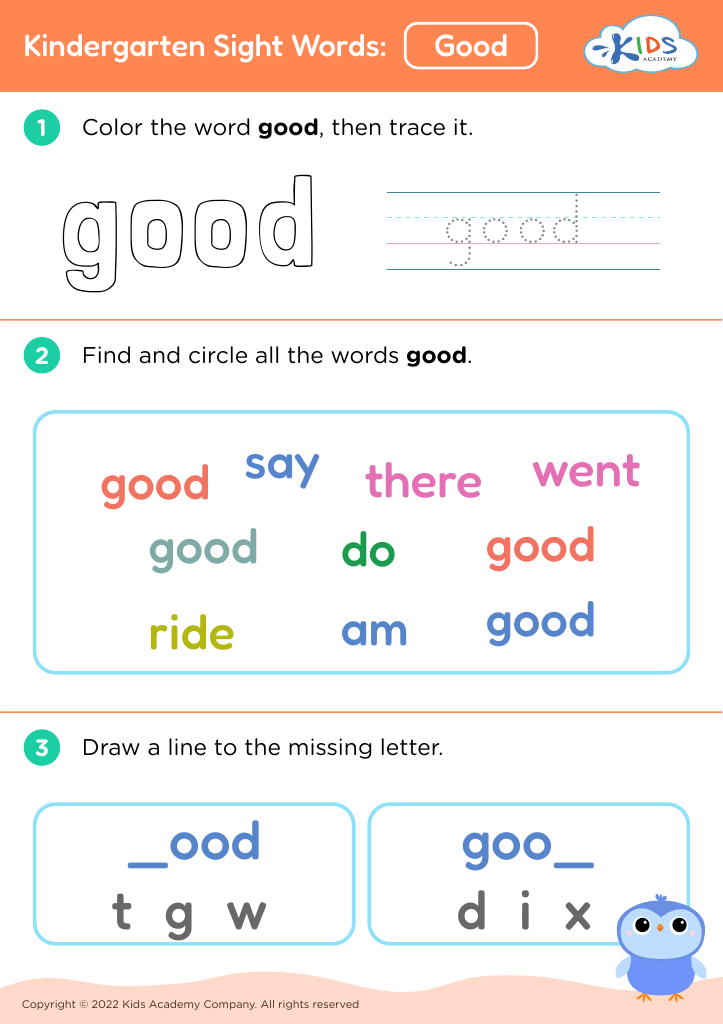








Color identification is a crucial developmental milestone for children aged 4-5. During this stage, kids are learning to distinguish and name colors, an important cognitive skill that plays a significant role in early childhood education. This process helps in improving visual discrimination, a fundamental ability necessary for reading readiness, as children learn to identify and differentiate letters and numbers.
Moreover, color identification supports language development. By learning and using color words, children expand their vocabulary and enhance their descriptive language skills, enabling them to communicate more effectively. It also fosters fine motor skills development as children engage in color-based tasks like sorting objects, coloring within lines, or matching colors, which often require precision and control.
For parents and teachers, incorporating color identification through playful activities and reading materials can make learning fun and engaging. Activities like matching games, storytelling with colorful books, and arts and crafts can stimulate a child's curiosity and interest. Encouraging color naming in everyday situations, like identifying the colors of fruits or clothes, reinforces learning in a real-world context.
Ultimately, mastering color identification paves the way for more complex learning concepts and encourages cognitive and linguistic development, providing a strong educational foundation for young children.








