Critical Thinking Reading Worksheets for Ages 4-5 - Page 2
28 filtered results
-
From - To
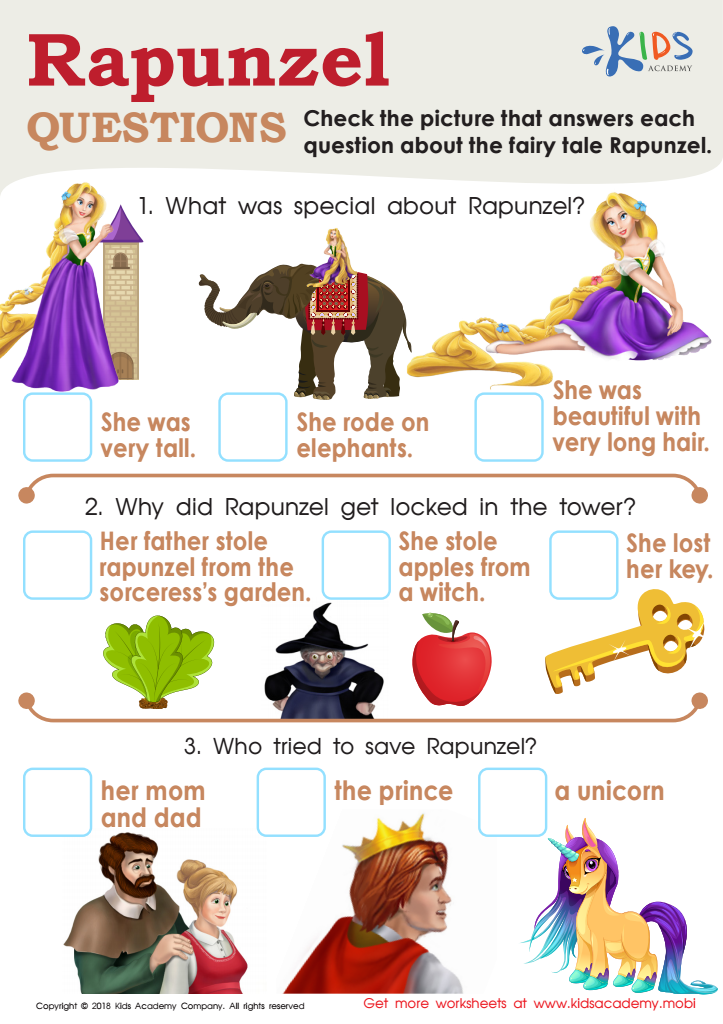
Rapunzel Questions Worksheet
 Assign to My Students
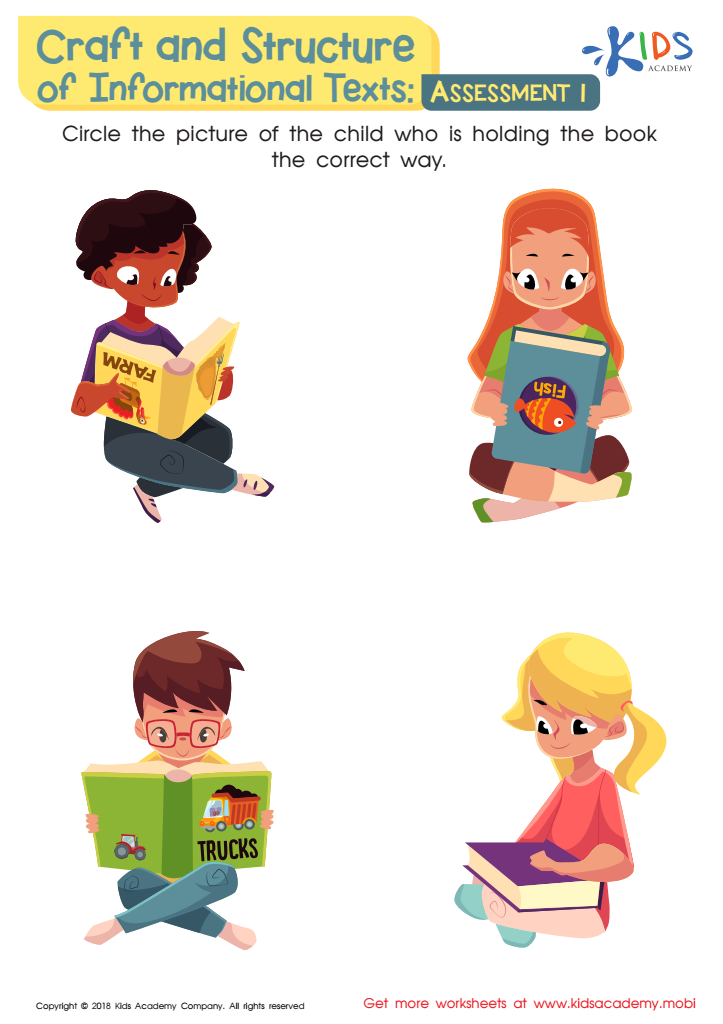
Craft and Structure of Informational Texts: Assessment 1 Worksheet
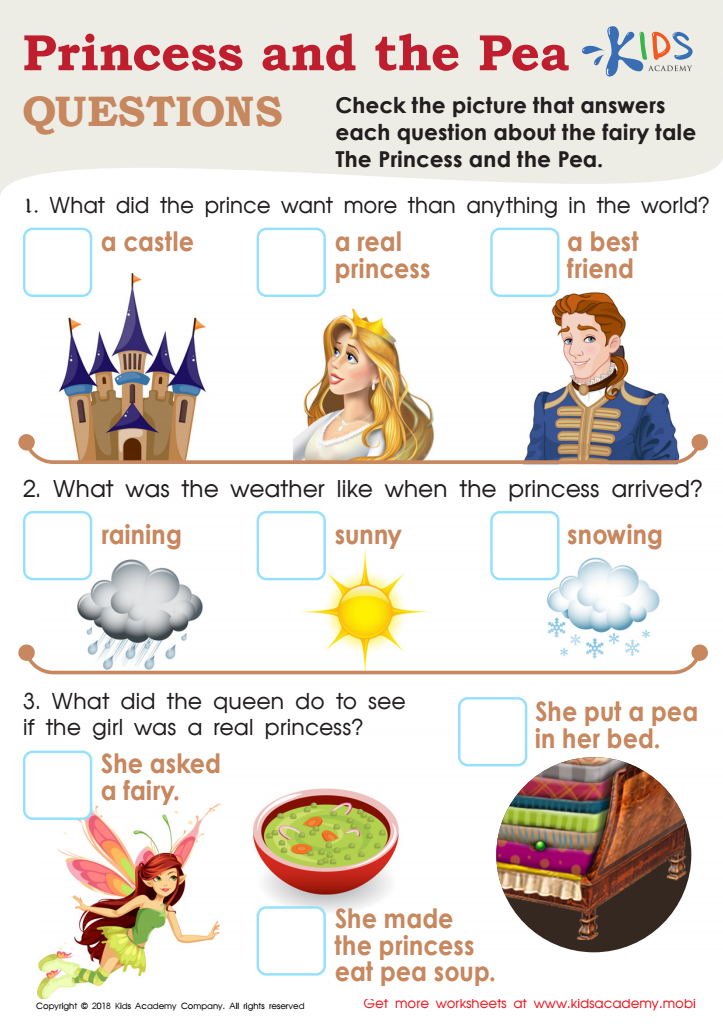
Princess and the Pea Questions Worksheet







Critical thinking reading skills for children aged 4-5 are fundamental for their cognitive development and overall learning. At this early stage, children are naturally curious and eager to explore the world around them. By fostering critical thinking through reading, parents and teachers can help enhance their problem-solving abilities, creativity, and analytical skills.
Engaging young learners in stories encourages them to ask questions, make predictions, and connect ideas. These activities promote comprehension and encourage them to analyze what they read critically. Moreover, critical thinking reading helps develop language skills, as children learn to express their thoughts and articulate their understanding of themes or characters in stories.
In today's fast-paced and information-rich world, the ability to think critically is essential. Early exposure to critical thinking through reading helps children become more independent thinkers, allowing them to evaluate information more effectively as they grow. Ultimately, investing in critical thinking reading at such a pivotal age sets the foundation for lifelong learning, enhancing academic performance and preparing them for future challenges.
By prioritizing critical thinking in early reading, parents and teachers contribute to developing confident, thoughtful individuals capable of navigating complex issues as they progress in their education and life.








