
Mathematical reasoning Reading Worksheets for Ages 4-5
5 filtered results
Difficulty Level
Grade
Age
-
From - To
Subject
Activity
Standards
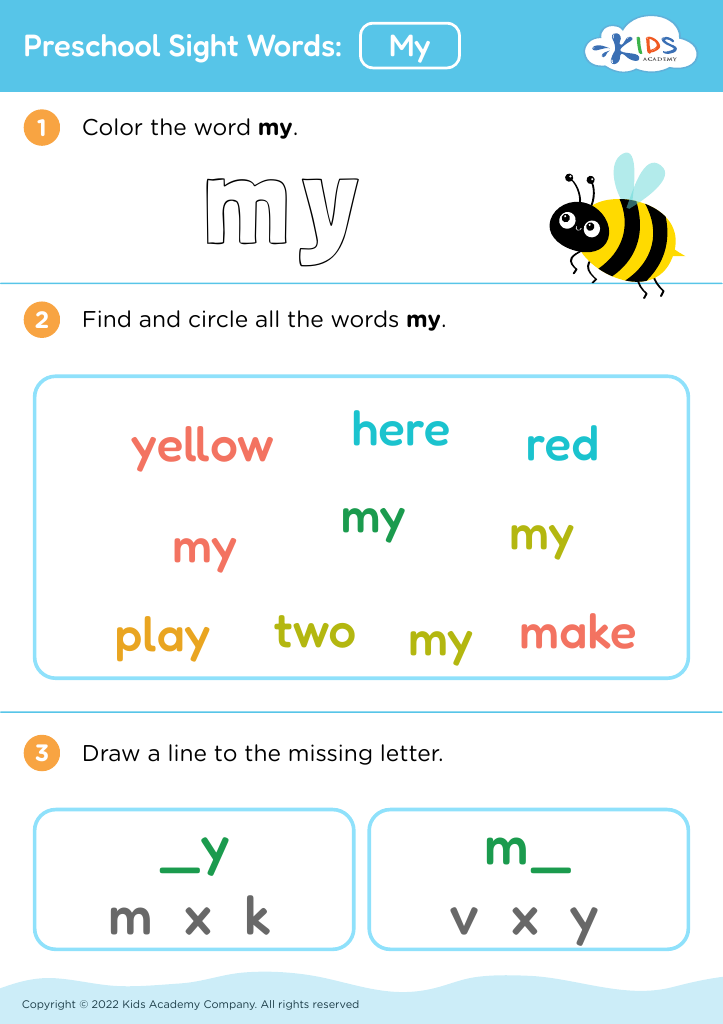
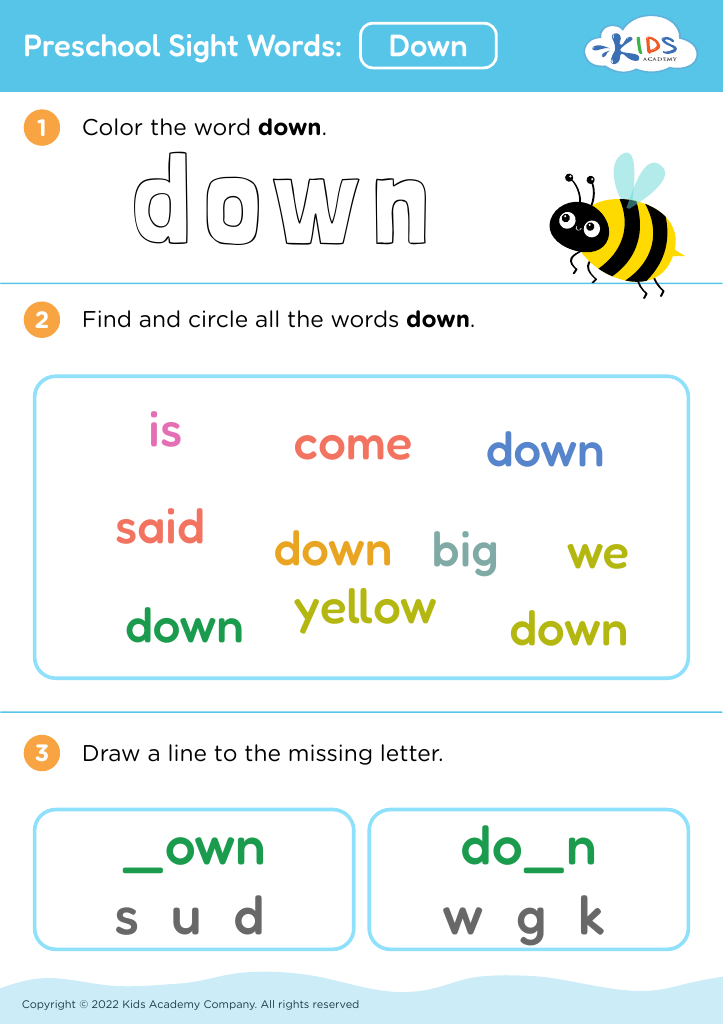
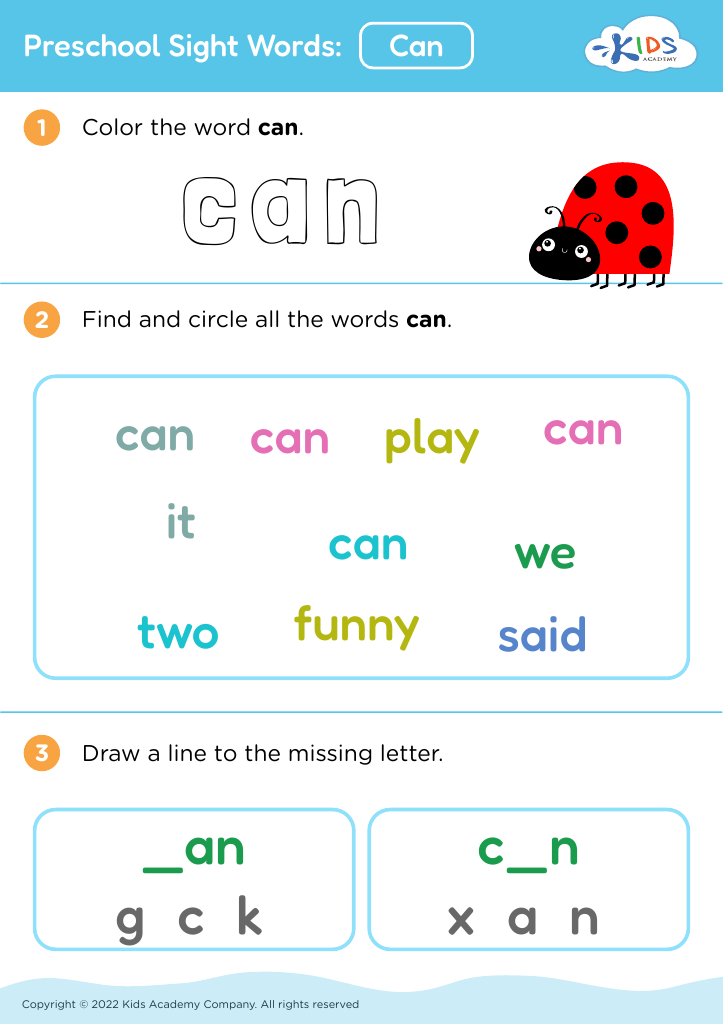
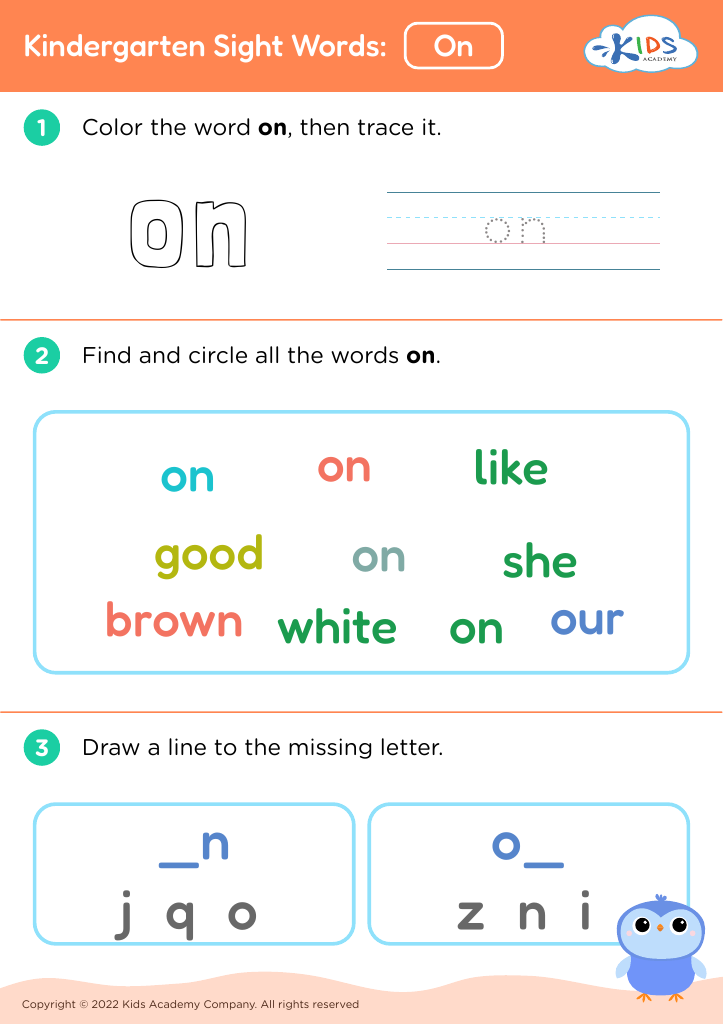
Boost your child's early math skills with our "Mathematical Reasoning Reading Worksheets for Ages 4-5." These expert-designed worksheets combine captivating stories and engaging activities to foster critical thinking and problem-solving abilities. Perfect for preschoolers and kindergarteners, they seamlessly blend foundational math concepts with reading, helping kids make connections while having fun. Through colorful illustrations and thought-provoking questions, children will develop essential reasoning skills, laying a strong foundation for future learning. Join us in cultivating a love for math and reading in your little one today! Explore more at Kids Academy for a brighter educational journey.
Favorites
With answer key
Interactive
Join Kids Academy for Free
Who is primarily going to use this learning content?








Mathematical reasoning is foundational for young children's cognitive development, particularly around ages 4-5, when their brains are highly receptive to learning. At this crucial age, engaging with mathematical reasoning builds critical thinking, problem-solving skills, and numerical understanding. This isn't just about learning to count or recognize numbers but developing an innate ability to understand relationships, patterns, and logical thinking.
Parents and teachers should care deeply about this as it sets the groundwork for all future learning. When children are exposed to mathematical reasoning early, it increases their confidence in handling everyday problems. Activities like sorting objects by shape or size, playing with patterns, and simple counting can make learning feel like a game, sparking curiosity and joy.
Additionally, mathematical reasoning at this age enhances children’s language development. Explaining their thought processes and hearing mathematical terms helps expand their vocabulary and communication skills. It's a vital part of a holistic learning approach that balances literacy, social skills, and logical thought.
Ultimately, investing in mathematical reasoning for young children builds a solid foundation for academic success and daily life competence. Understanding 'why' and 'how,' rather than just 'what,' prepares them for future challenges, making learning a deeper, more meaningful adventure.








