Sequencing Skills Reading Worksheets for Ages 4-5
5 filtered results
-
From - To
Our "Sequencing Skills Reading Worksheets for Ages 4-5" are meticulously designed to lay a solid foundation for young learners. These engaging and fun sheets help children understand the order of events, fostering critical thinking and improving comprehension skills. Perfect for preschoolers and kindergartners, these printable exercises use short stories and everyday scenarios to make learning relatable and effective. By arranging pictures and sentences, kids enhance their storytelling abilities and grasp the concept of sequencing, preparing them for future reading success. Develop your child's cognitive and reading skills effortlessly with our expert-created sequencing worksheets!
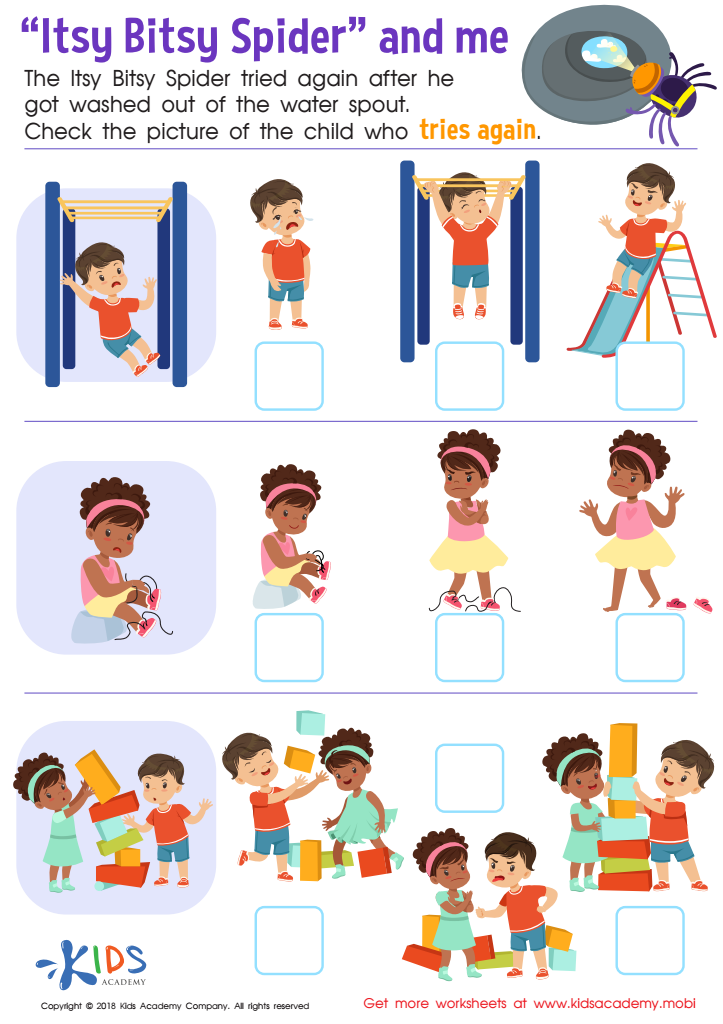
Itsy Bitsy Spider and Me Worksheet
 Assign to My Students
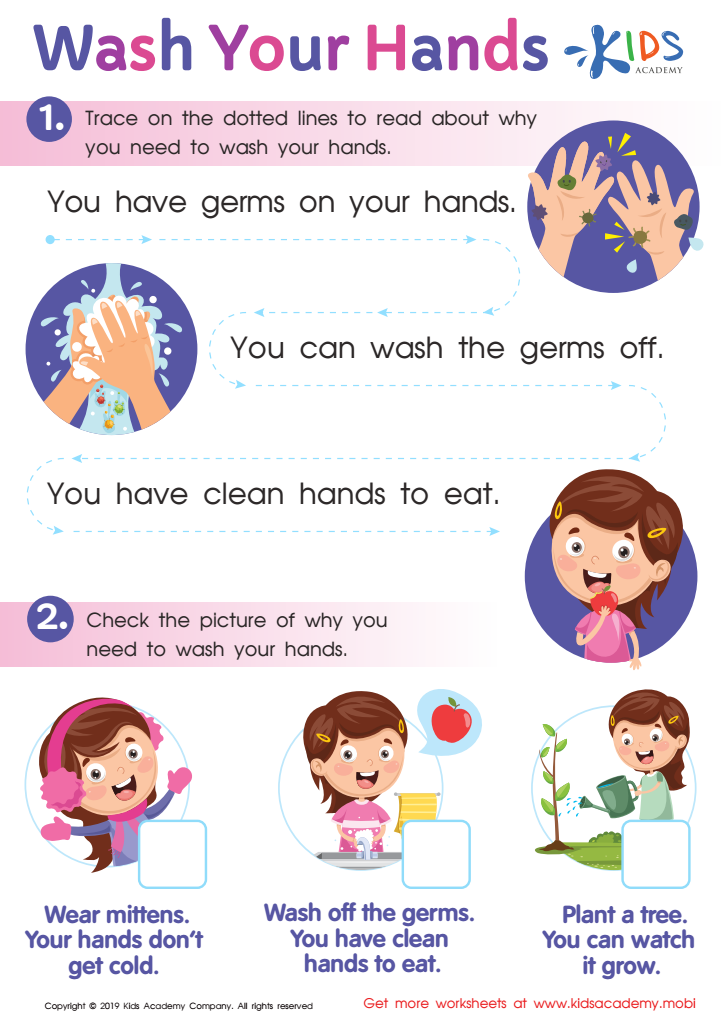
Wash Your Hands Worksheet
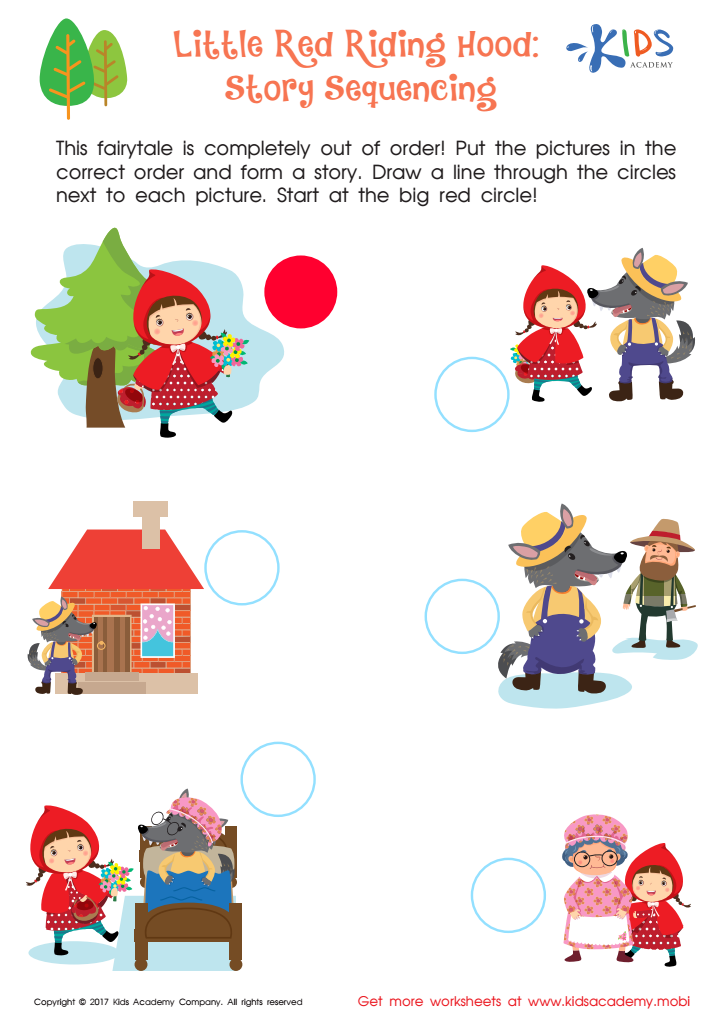
Story Sequencing Printable
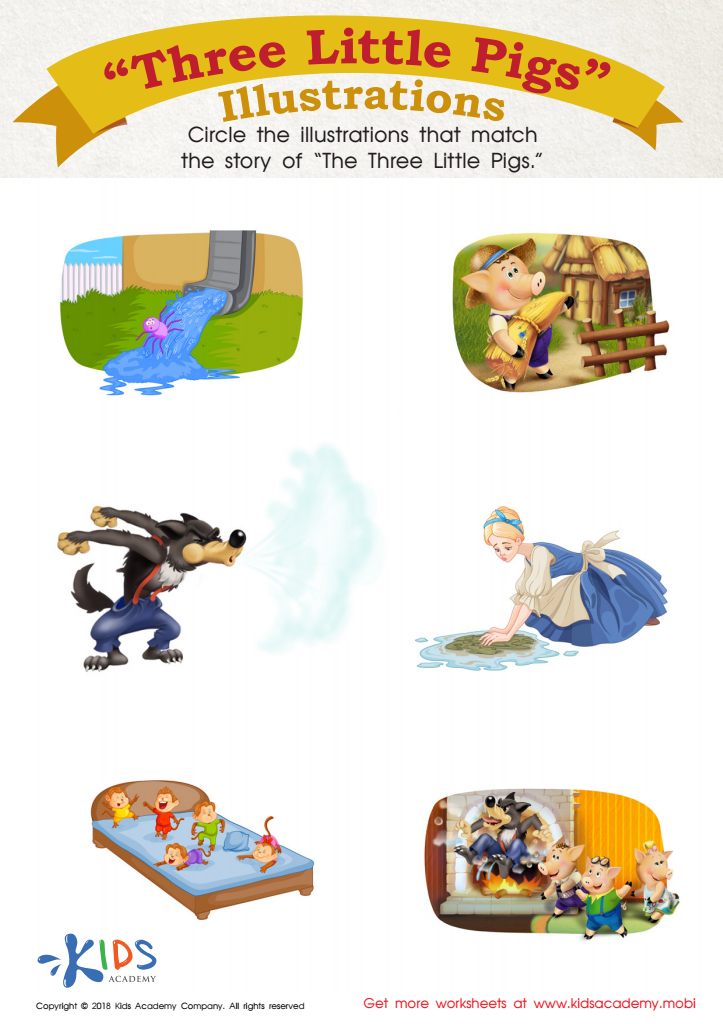
Three Little Pigs: Illustrations Worksheet
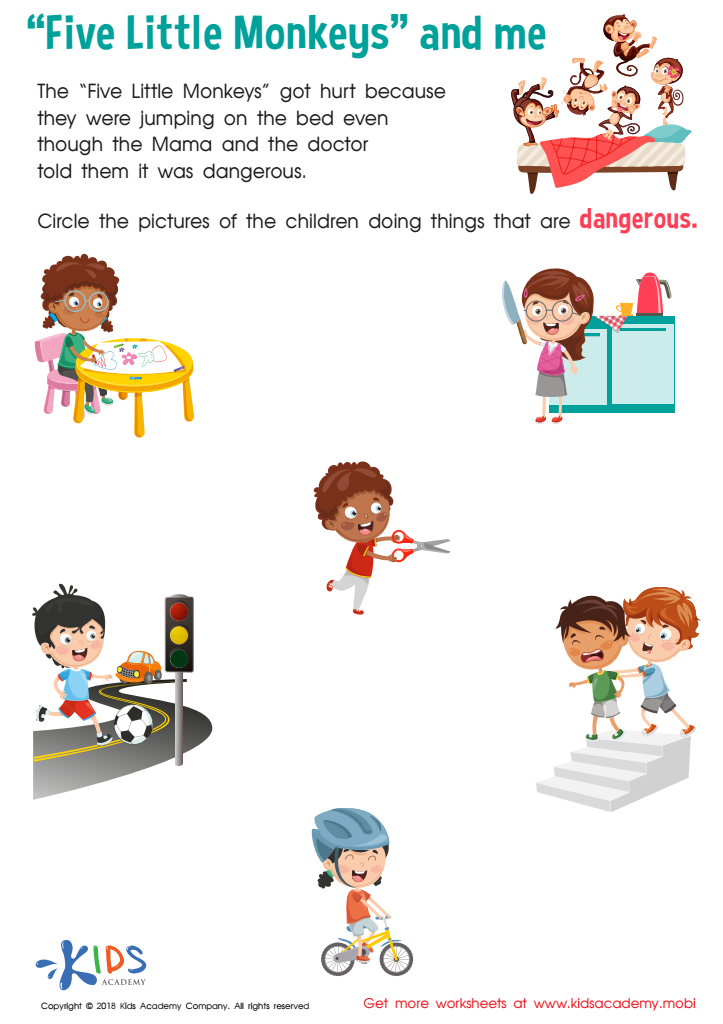
Five Little Monkeys and Me Worksheet



.jpg)




Sequencing skills are fundamental building blocks for early childhood development, particularly for children ages 4-5. At this stage, young minds are naturally curious and rapidly developing their cognitive and language abilities. Sequencing skills—understanding the order in which events happen—play a critical role in this growth.
Firstly, mastering sequencing can significantly enhance reading comprehension. When children grasp the concept of beginning, middle, and end, they are better equipped to understand and retell stories accurately. This forms the foundation for more advanced literacy skills they’ll need in later years.
Moreover, sequencing contributes to cognitive development. It helps children improve their ability to organize thoughts and express them coherently. Whether following steps in a task or recounting their day, children learn to think logically and clearly.
Socially and emotionally, being adept at sequencing aids in better communication with peers and adults. Children who can articulate events and ideas in a structured manner are often more confident and less frustrated, reducing instances of misunderstandings.
Finally, sequencing is a transferable skill, essential for problem-solving in various domains such as mathematics and science. It assists in understanding cause and effect relationships, and following multi-step instructions—a vital part of everyday learning and living.
Overall, fostering sequencing skills in children ages 4-5 sets a solid foundation for academic success and efficient communication, benefiting them for years to come.








