Story comprehension Reading Worksheets for Ages 4-5
5 filtered results
-
From - To
Enhance your child's reading skills with our Story Comprehension Reading Worksheets for Ages 4-5. Tailored to engage young minds, these printable worksheets help children understand narratives, identify key elements, and improve critical thinking. Through fun and interactive activities, your child will learn to answer questions about the story's plot, characters, and setting, nurturing their love for reading. Perfect for preschoolers and kindergarteners, these worksheets are designed to support early literacy development, ensuring a solid foundation for future reading success. Equip your little ones with the tools they need to thrive in their reading journey today!
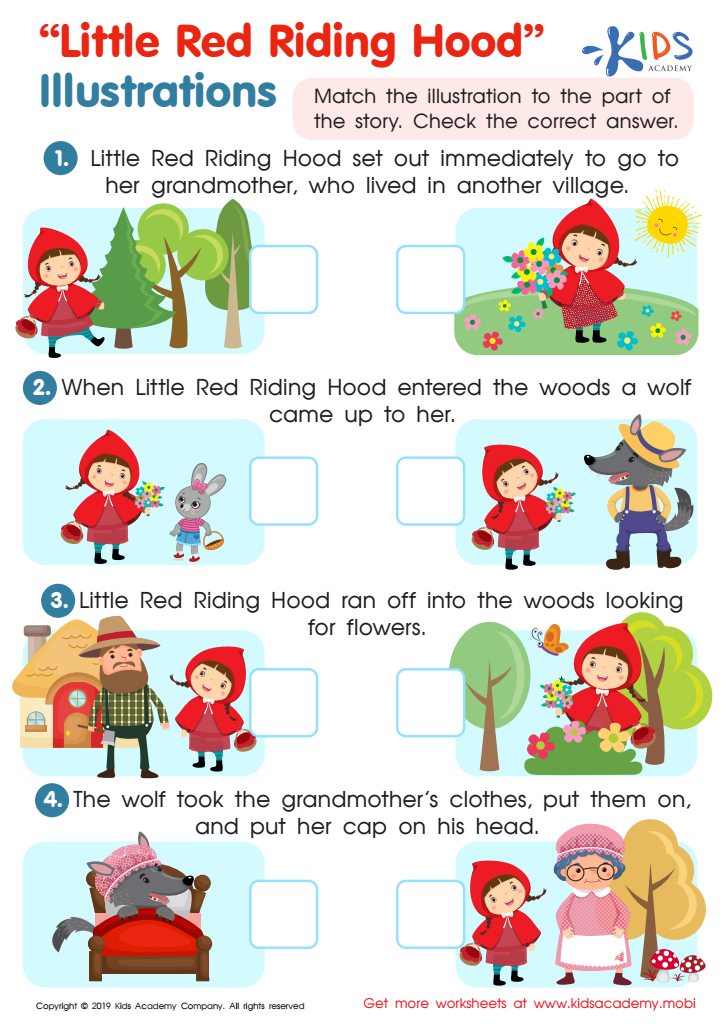
Little Red Riding Hood: Illustrations Worksheet
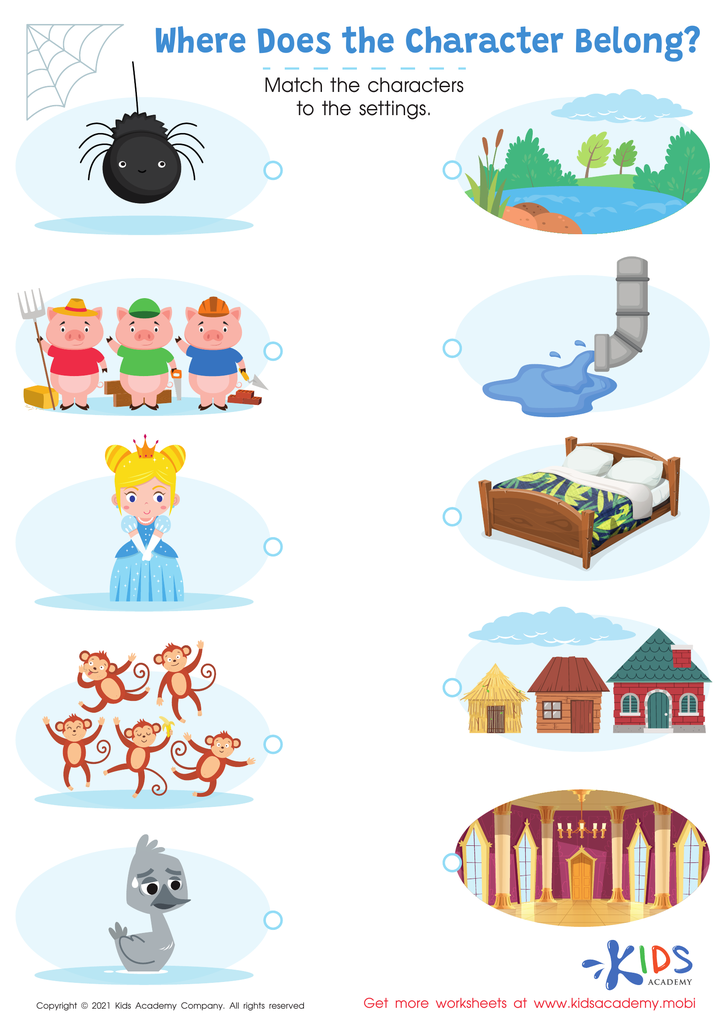
Where Does the Character Belong? Worksheet
Red Riding Hood Coloring Page
 Assign to My Students
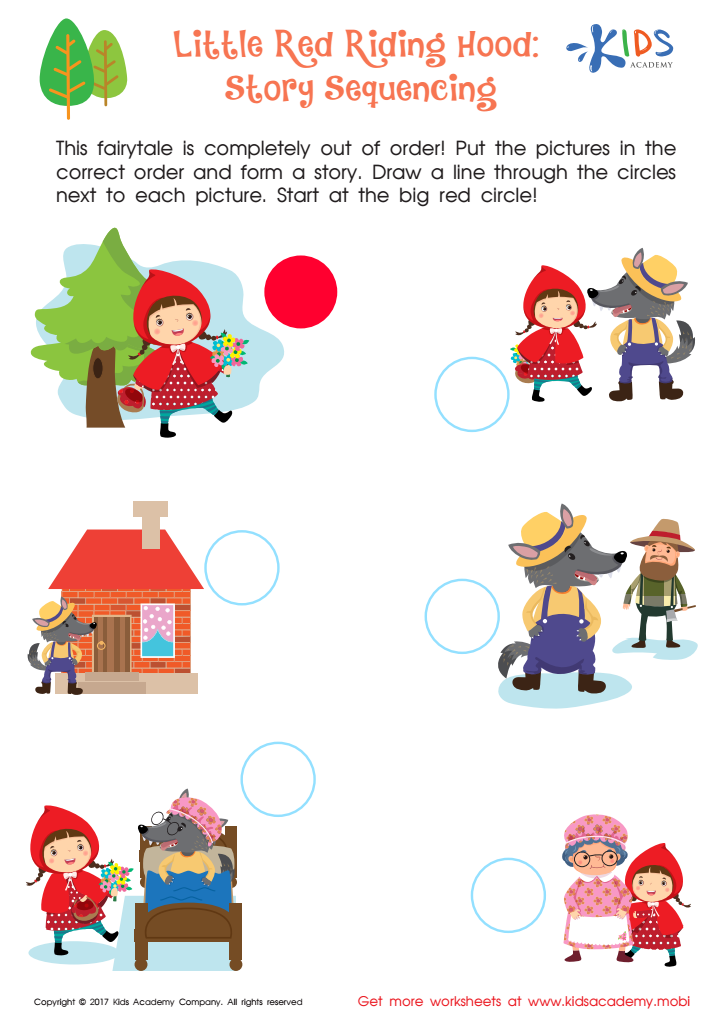
Story Sequencing Printable
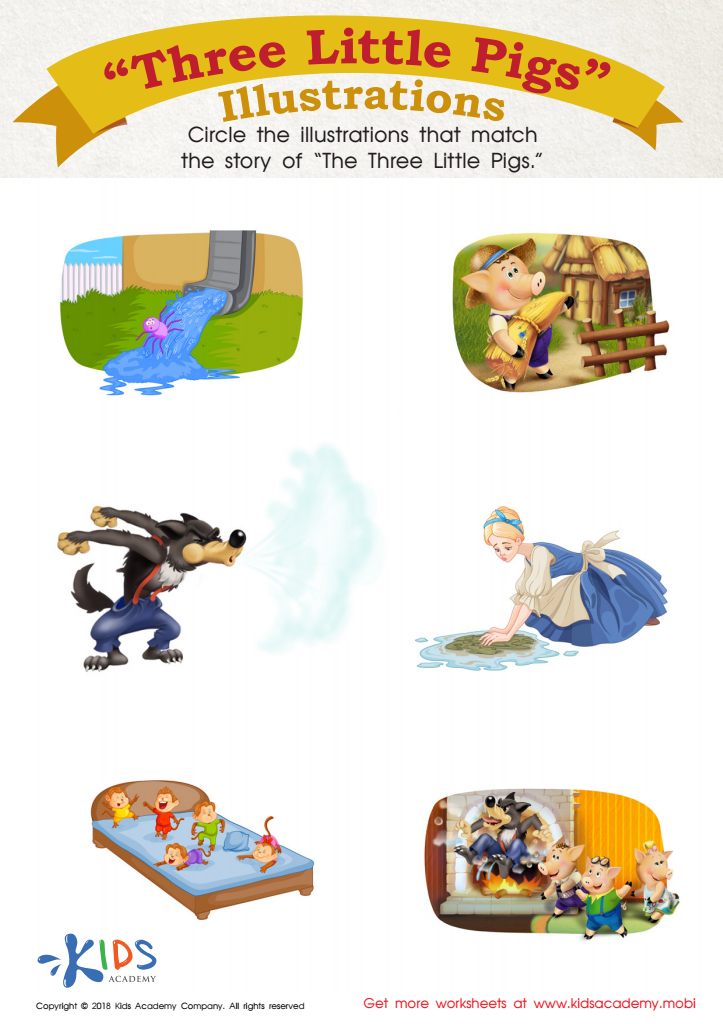
Three Little Pigs: Illustrations Worksheet







Understanding story comprehension for children aged 4-5 is crucial for parents and teachers because it lays the foundation for lifelong learning and cognitive development. At this age, children's brains are rapidly developing, and being read to introduces them to new vocabulary, complex sentence structures, and the rhythms of language. This exposure is essential for language acquisition and helps children develop the skills needed to read independently in the future.
Story comprehension also enhances critical thinking and emotional intelligence. Through stories, children learn to predict outcomes, infer meanings, and understand different characters and perspectives. These skills are vital in helping them navigate real-life situations and build empathy. Additionally, discussing stories encourages interactive engagement, promoting better listening and communication skills.
When parents and teachers focus on story comprehension, they also foster a love for reading. Engaging books can captivate a child’s imagination, creating positive experiences associated with reading. This intrinsic motivation is important for long-term academic success.
Moreover, shared reading time provides an opportunity for bonding, creating an emotional connection between the child and the adult. This loving and secure environment greatly benefits the child's overall well-being. Therefore, prioritizing story comprehension at this formative stage is beneficial for linguistic, cognitive, social, and emotional development.








