Understanding fractions Reading Worksheets for Ages 4-5
24 filtered results
-
From - To
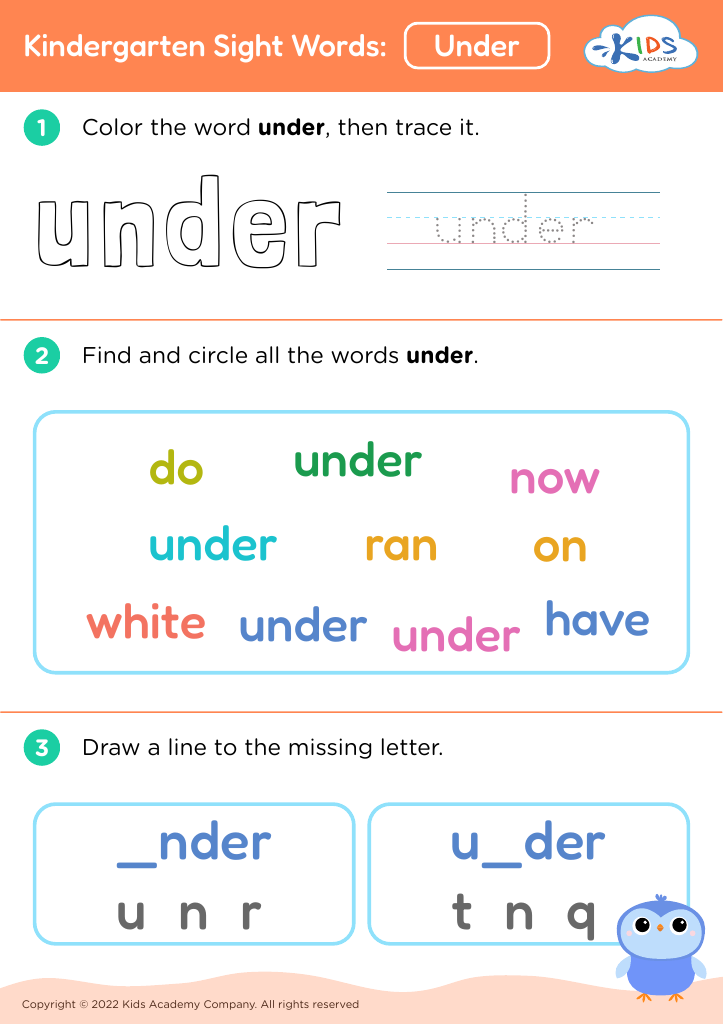
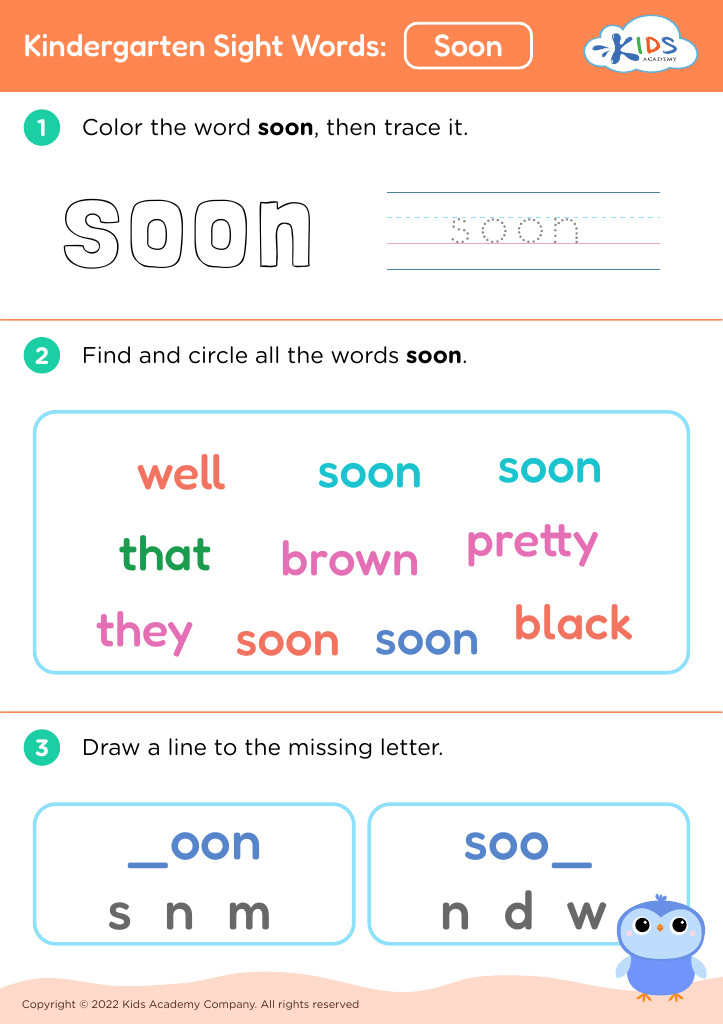
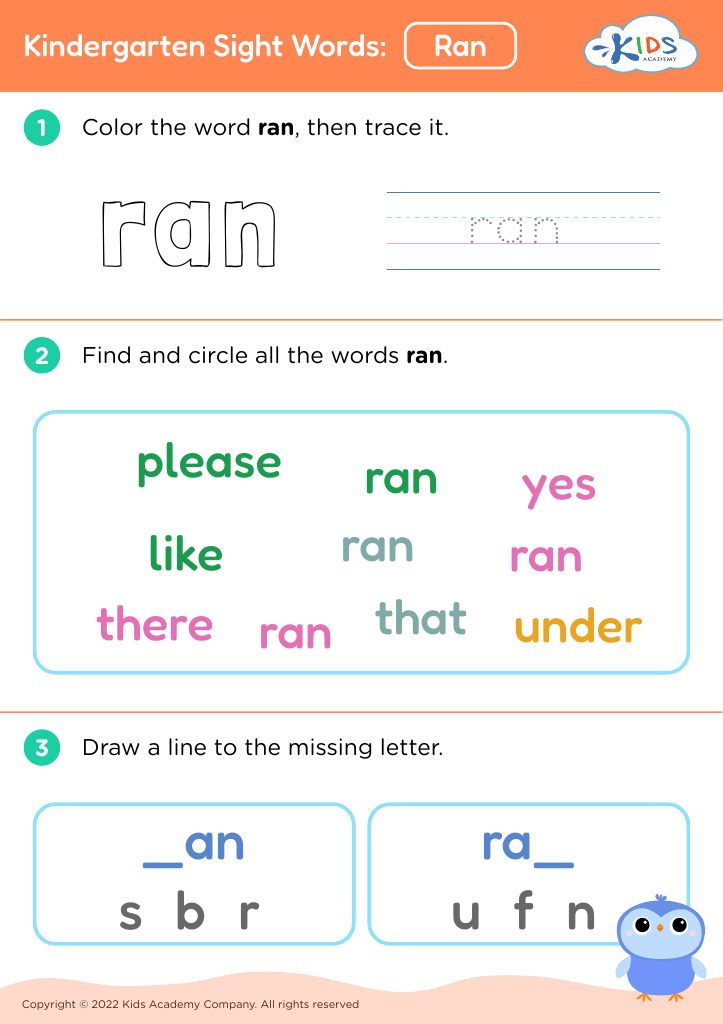
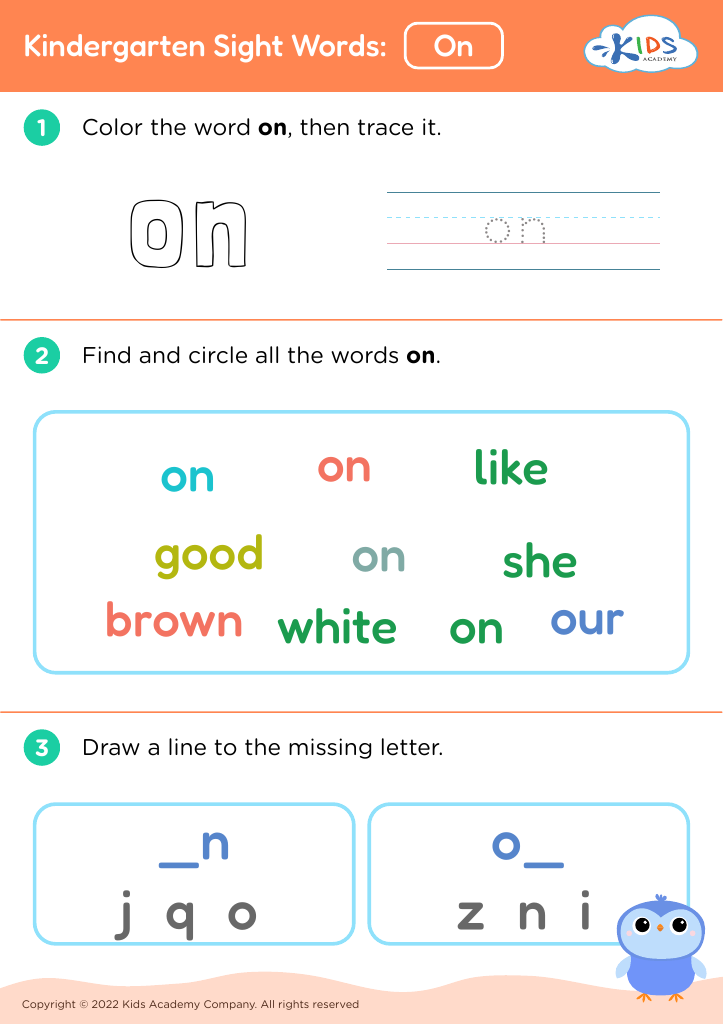
Unlock the world of fractions for young learners with our engaging "Understanding Fractions Reading Worksheets" designed specifically for ages 4-5! These worksheets introduce basic fraction concepts through fun and interactive activities, helping children grasp essential math skills early on. With colorful illustrations and age-appropriate questions, youngsters will enjoy identifying fractions in everyday life, promoting critical thinking and comprehension. Parents and educators can enhance learning experiences, making math enjoyable and accessible. Perfect for classroom or home use, our worksheets lay a solid foundation in understanding fractions and prepare kids for future math challenges. Start exploring fractions today!







Understanding fractions at an early age, especially for children aged 4-5, is crucial for developing foundational math skills. When parents and teachers focus on introducing concepts of fractions through reading and practical activities, they enable young learners to build a strong mathematical framework.
Engaging with fractions promotes critical thinking and problem-solving abilities. Children begin to grasp the concept of whole versus part, an essential mathematical principle that transcends mere numbers. When incorporated into storytime, books featuring fractions use engaging narratives that help children visualize concepts, making math relatable and fun.
Developing a comfort with fractions early on helps mitigate math anxiety, fostering a positive attitude towards mathematics as they progress through their education. It also supports literacy skills as children learn to decode and understand instructions or stories that include fractional concepts.
Moreover, understanding fractions is not only important for academic success but also applies to everyday life—such as sharing pizza or measuring ingredients for cooking. Ultimately, instilling a robust understanding of fractions early on empowers children, paving the way for more advanced math learning and real-world applications. Thus, both parents and teachers should prioritize fraction literacy in early education.








