Vocabulary enhancement Animals Worksheets for Ages 4-5
3 filtered results
-
From - To
Boost your child's vocabulary with our "Vocabulary Enhancement Animals Worksheets" designed specifically for ages 4-5. These engaging, printable worksheets feature fun animal-themed activities that help young learners identify and expand their vocabulary. Through colorful illustrations and interactive exercises, children will explore exciting animal facts and related terminology. Each worksheet supports key learning objectives, enabling kids to improve their language skills while having fun. Perfect for parents and educators alike, these worksheets are ready to help little ones discover the wild world of animals in an enjoyable and educational way. Encourage learning and creativity with our memorable vocabulary enhancement resources today!
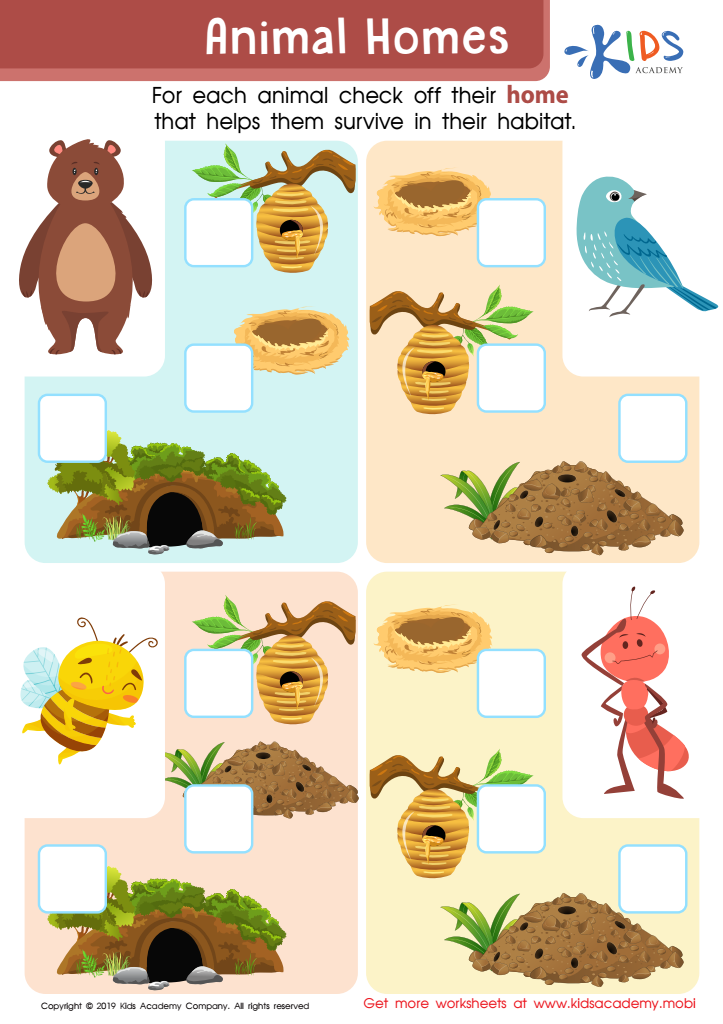
Animal Homes Worksheet
 Assign to My Students
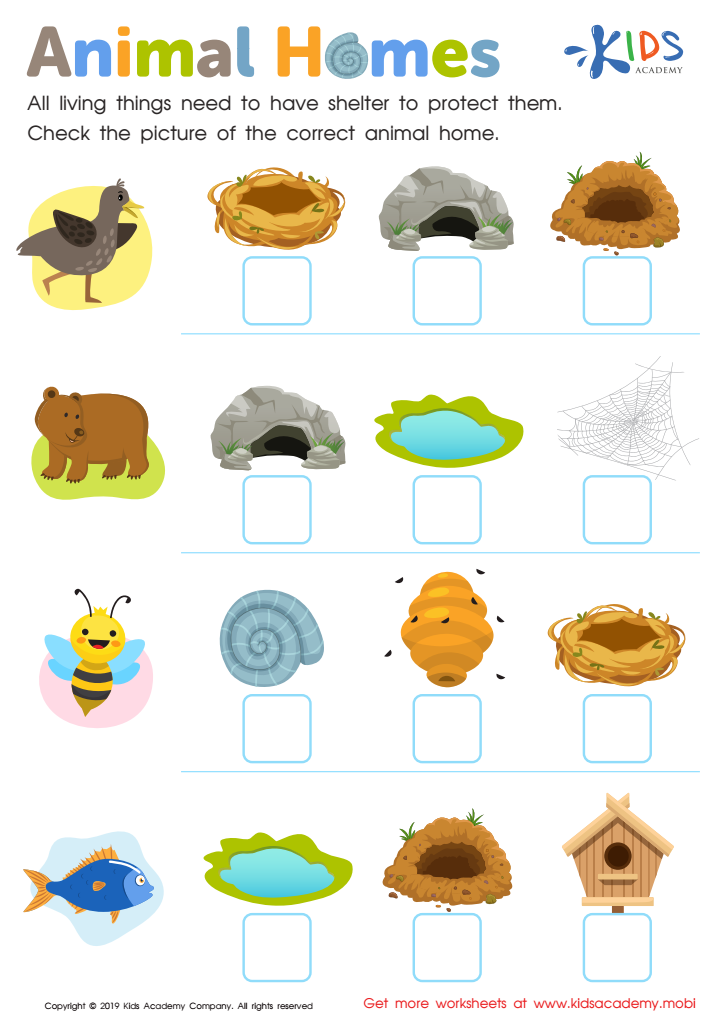
Animal Homes Worksheet
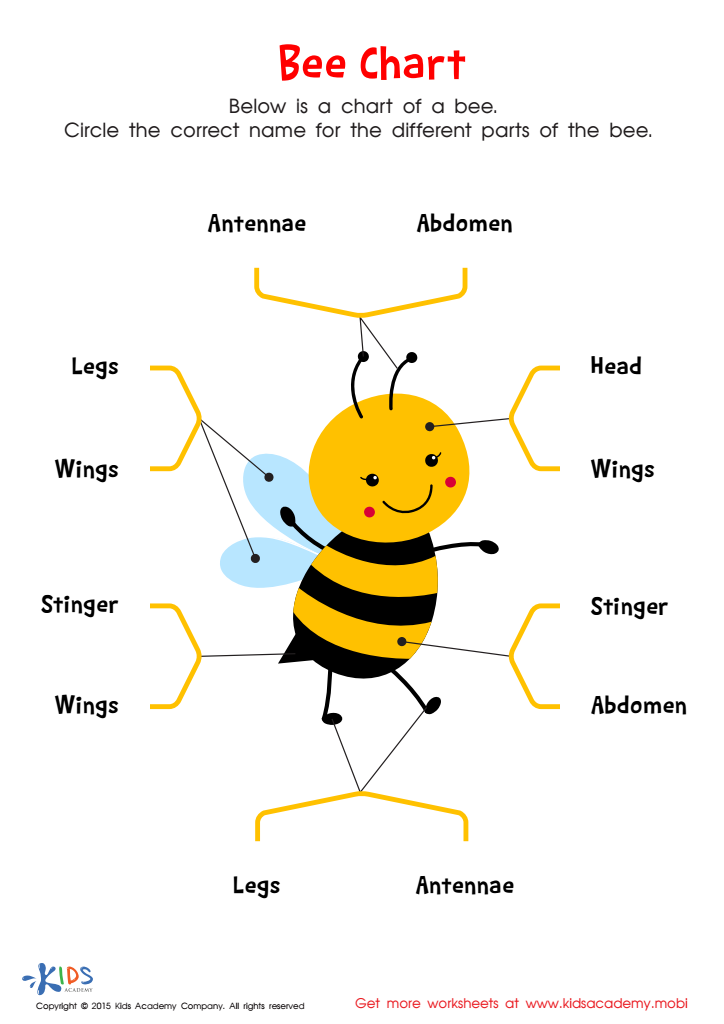








Vocabulary enhancement is crucial for children aged 4-5, and utilizing animals as a learning theme can be particularly effective. During this developmental stage, children are naturally curious about the world around them, and animals provide an engaging context for vocabulary building. Introducing animal-related words—ranging from names of different species to descriptive adjectives about size, color, and behavior—can enhance language skills and foster communication.
Parents and teachers should prioritize vocabulary development because it lays the foundation for future academic success. A strong vocabulary aids in reading comprehension and social interaction, enabling children to express their thoughts and feelings more effectively. By exploring animals through books, songs, and interactive activities, children can absorb new words in a fun and memorable way.
Furthermore, incorporating animals into vocabulary lessons can stimulate imaginative play, which is vital for cognitive and social development. When children learn about animals, they engage in storytelling, role-playing, and discussions, reinforcing new vocabulary in real-life contexts. Ultimately, enriching children's vocabulary at this early age equips them with essential skills for academic engagement and helps foster a lifelong love of learning.








