Counting practice Science Worksheets for Ages 4-5
3 filtered results
-
From - To
Discover our engaging Counting Practice Science Worksheets designed for children ages 4-5! These interactive worksheets combine essential counting skills with fun science concepts, encouraging young learners to explore the world around them. Kids will enjoy hands-on activities that help them count various objects, identify patterns, and develop observation skills. Our worksheets are carefully crafted to foster a love of learning while promoting early numeracy in exciting ways. Perfect for home or classroom use, these resources ensure children build a strong foundation in both math and science. Inspire curiosity and creativity with our counting practice worksheets—fun learning awaits!
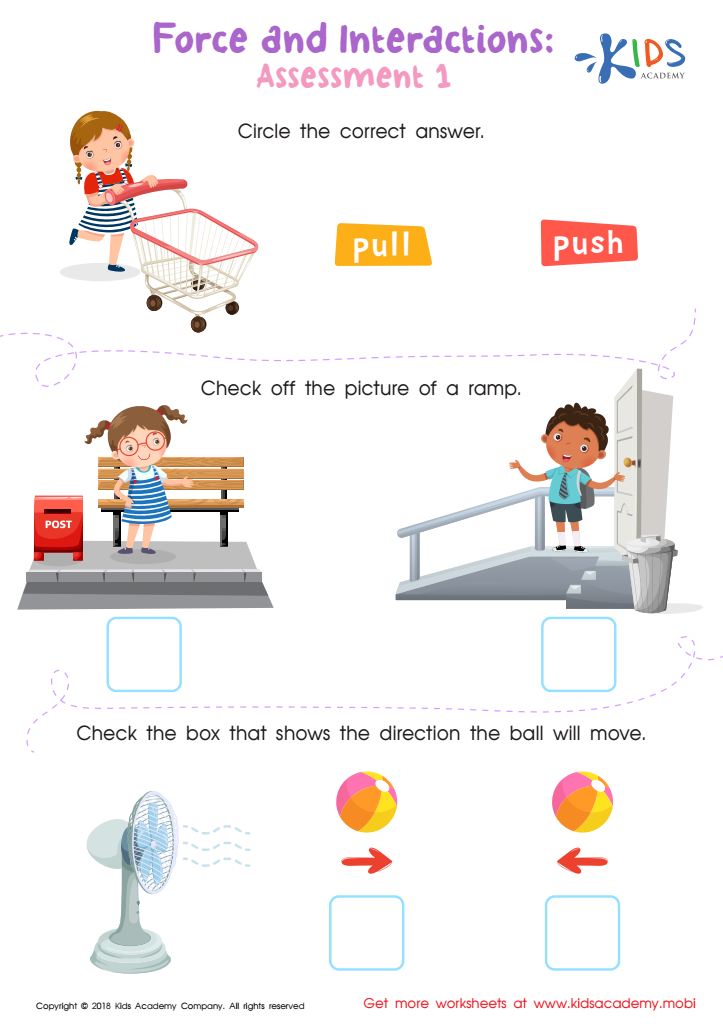
Force and Interactions: Assessment 1 Worksheet
 Assign to My Students
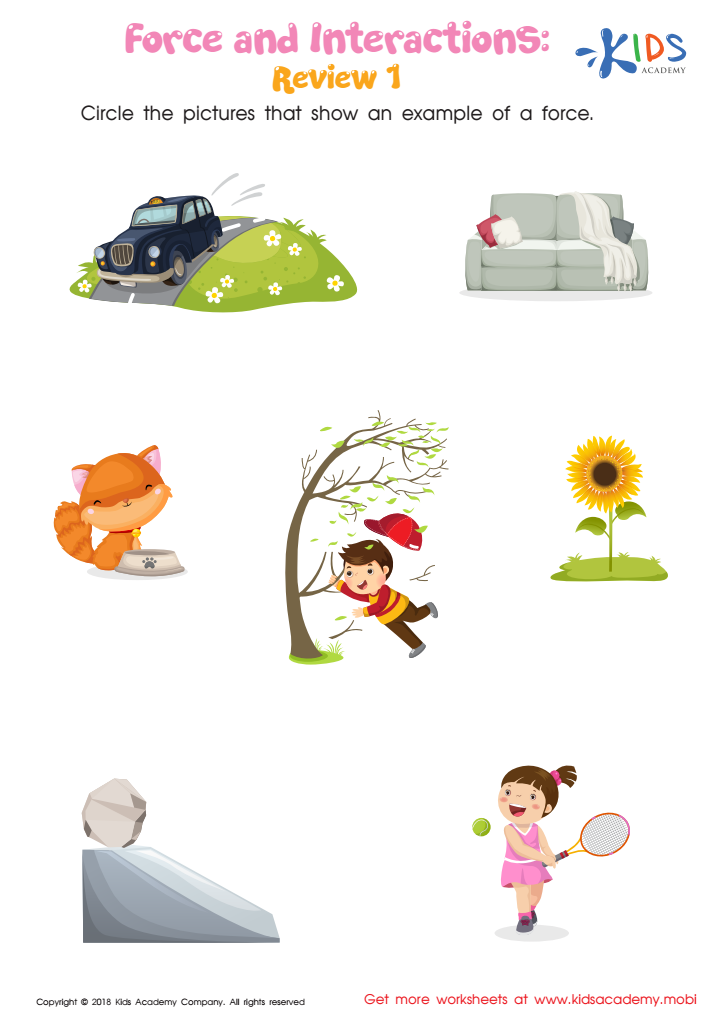
Force and Interactions: Review 1 Worksheet
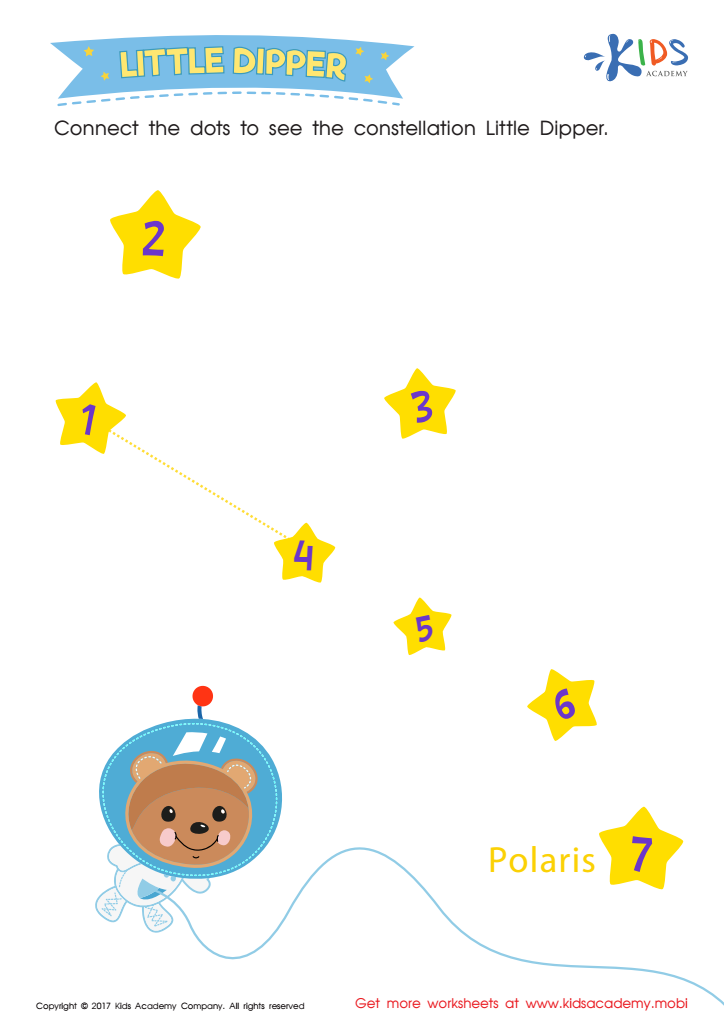




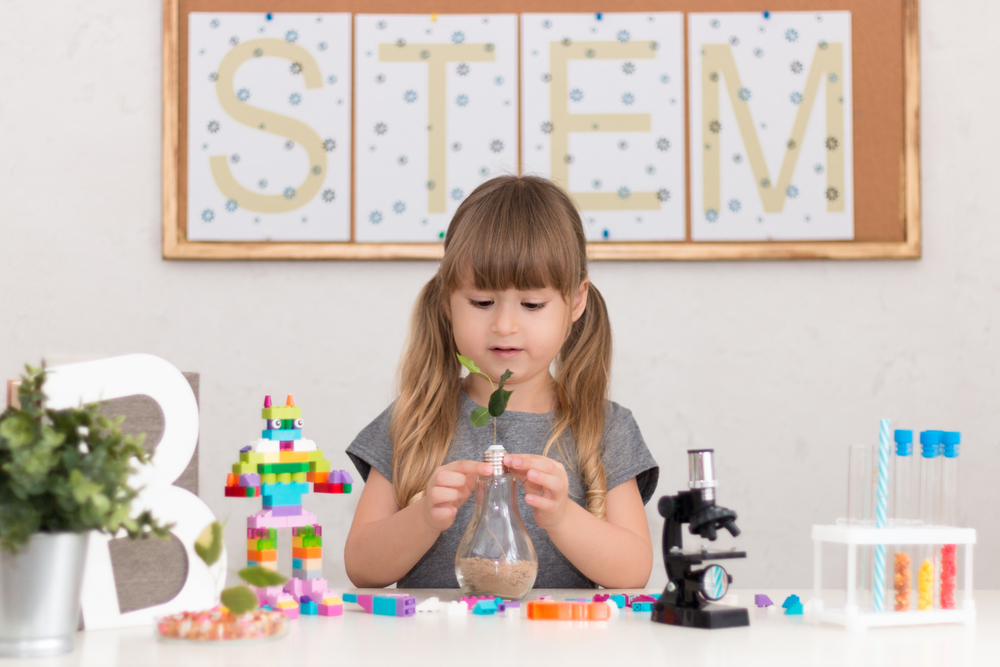


Counting practice in a science context for young learners aged 4-5 is essential for several reasons. Firstly, it lays the foundation for critical thinking and problem-solving skills. At this developmental stage, children are naturally curious about the world around them. Incorporating counting into science activities—such as counting leaves, measuring water in a science experiment, or tallying different types of insects—helps them make connections between numerical concepts and real-world scenarios.
Furthermore, early engagement with counting enhances numeracy skills which are crucial for later academic success. The ability to count accurately is the bedrock of mathematics, and practicing these skills in conjunction with science fosters a holistic approach to learning.
Additionally, counting in scientific contexts encourages observational skills. Children learn to notice details, categorize objects, and develop a sense of quantitative relationships. This nurtures an inquisitive mindset that promotes exploration and discovery.
Finally, integrating counting with science cultivates collaborative learning experiences. Whether in small groups or during guided activities, children can share their findings, fostering communication skills and teamwork.
In summary, counting practice in science is vital for cognitive, social, and academic growth, making it an integral focus for parents and educators alike.







