
Plant identification Plants and Animals Worksheets for Ages 4-5
3 filtered results
Difficulty Level
Grade
Age
-
From - To
Subject
Activity
Standards
Discover the fascinating world of plant identification with our engaging worksheets designed for children ages 4-5. Our vibrant activities blend fun and education, helping young learners differentiate various plants while honing their observational skills. These expertly crafted sheets are perfect tools for parents and teachers to spark curiosity and teach kids about nature’s wonders. With colorful illustrations and interactive tasks, each worksheet makes learning about plants an exciting adventure. Empower your child with knowledge about the natural world while boosting their cognitive and fine motor skills. Explore, learn, and grow with our plant identification worksheets today!
Favorites
With answer key
Interactive
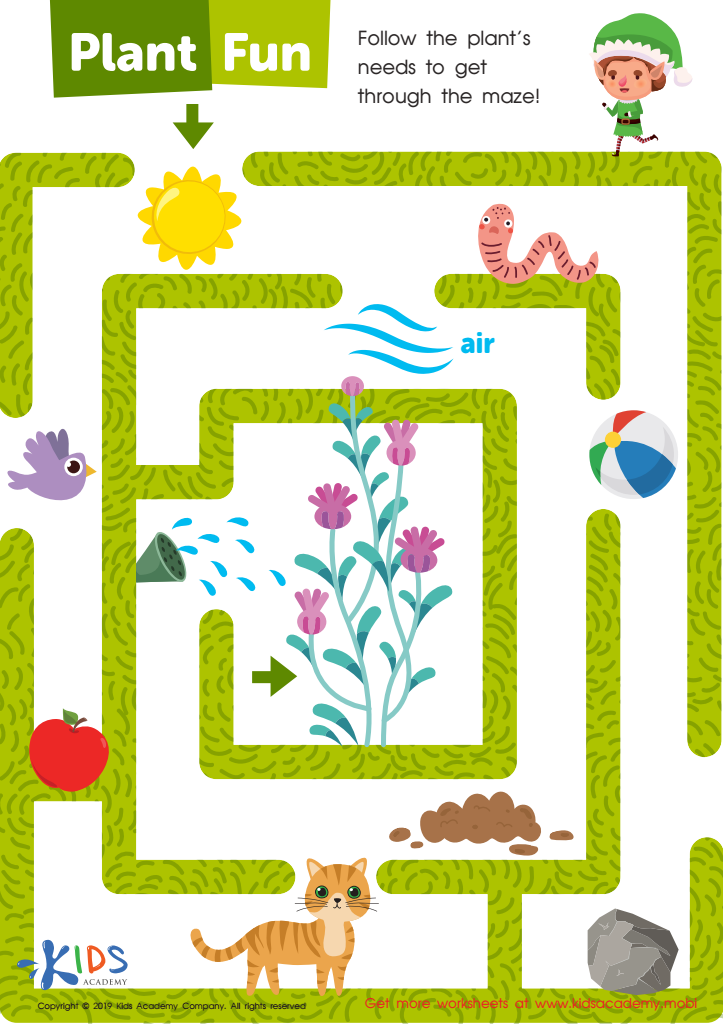
Plant Fun Worksheet
Engage your kid's mind by playing a learning maze! Ask them what plants do for us and what we need to do for the plants to help them grow. Then, help them find their way out of the maze while following the things that plants need.
Plant Fun Worksheet
Worksheet



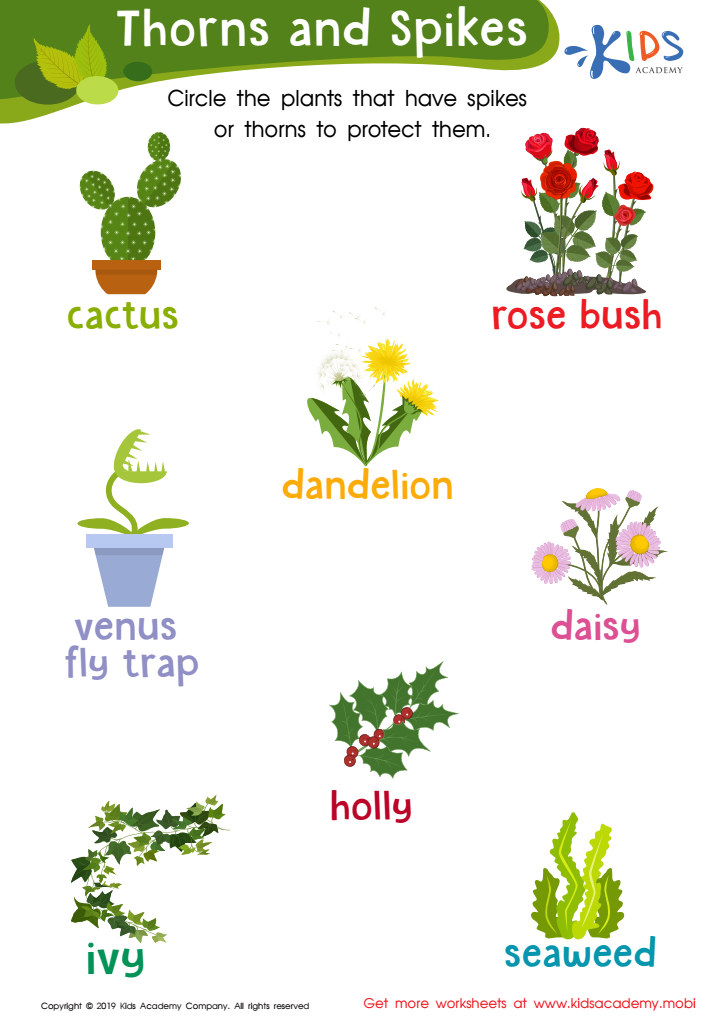
Thorns and Spikes Worksheet
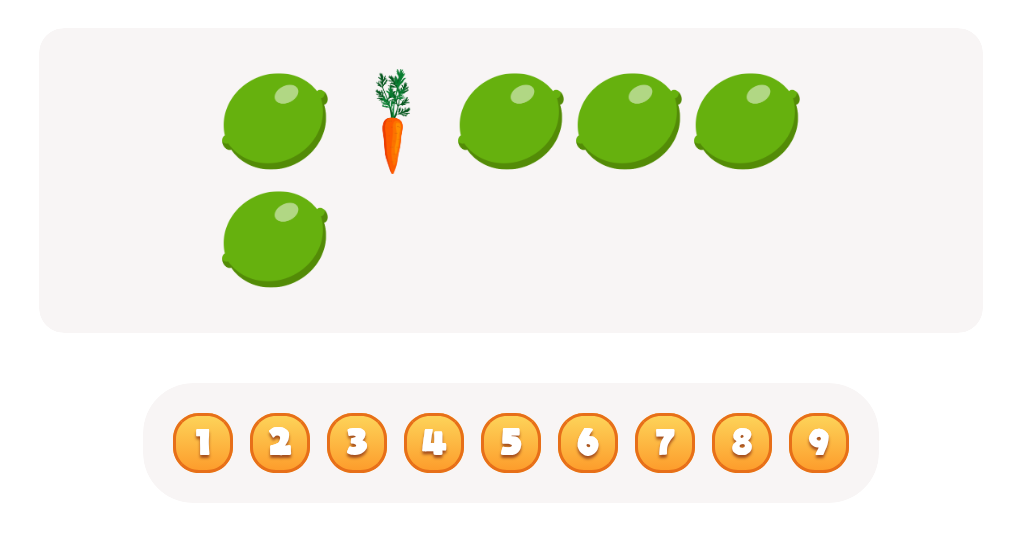
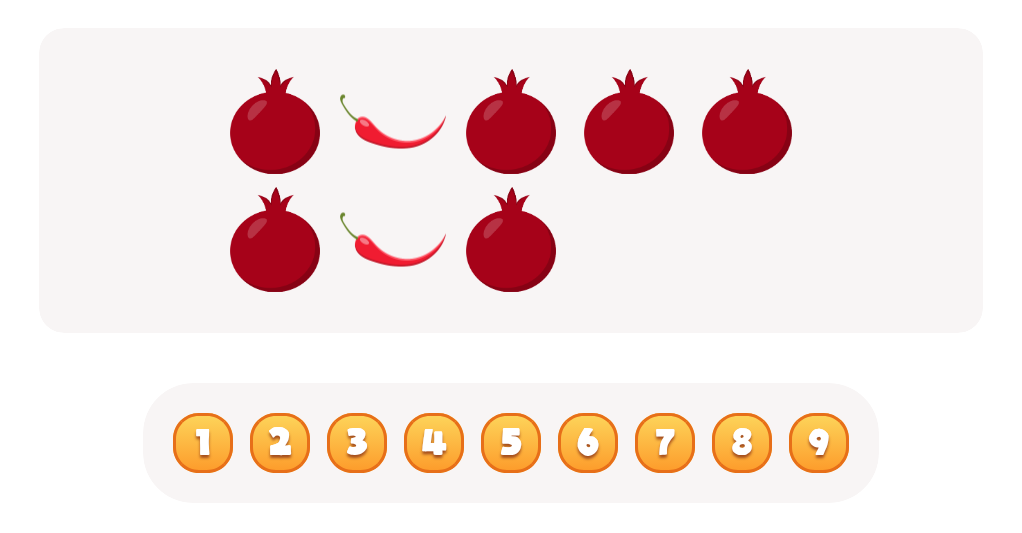
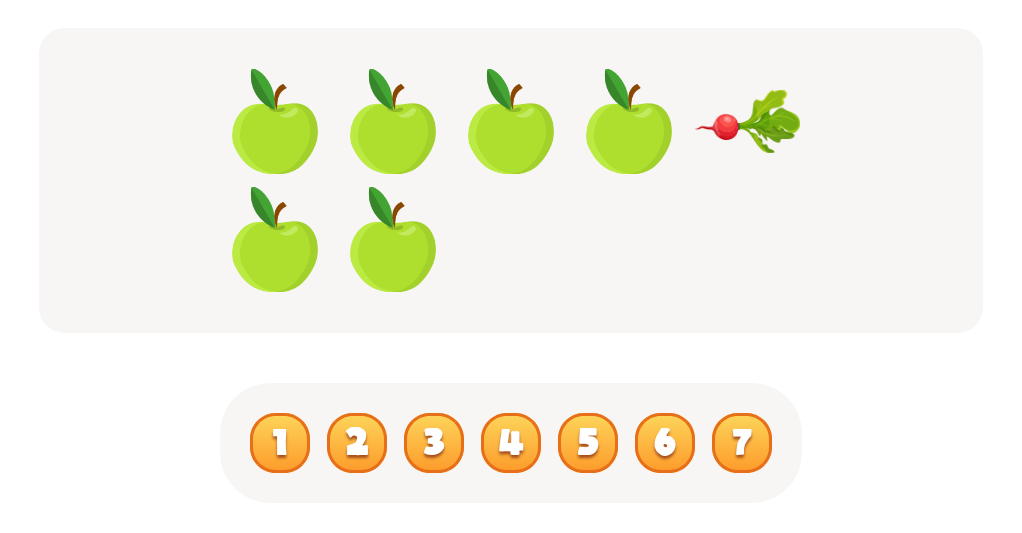
Can your students name and identify the plants and flowers in this worksheet? Ask them to read out the names and circle the ones with spikes or thorns. Help them appreciate nature's beauty and understand how plants protect themselves.
Thorns and Spikes Worksheet
Worksheet
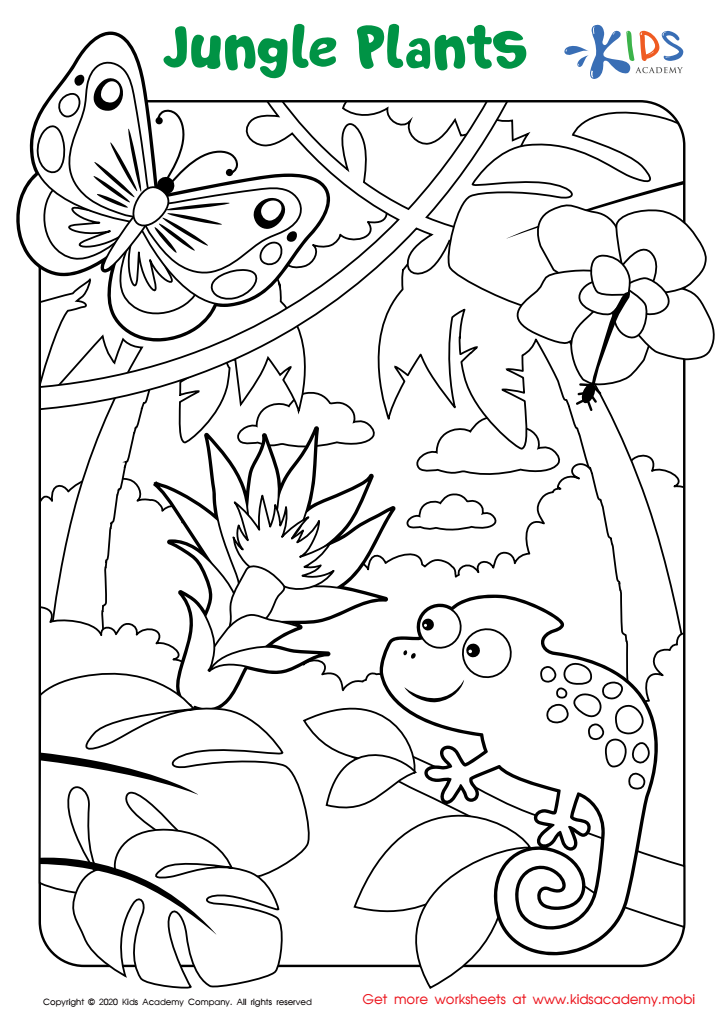
Jungle Plants Worksheet
Coloring pages can be fun and educational for kids! Print this adorable jungle worksheet with plants, a butterfly, and a lizard. Ask preschoolers to choose colors to bring the scene to life, while discussing rainforest plants and animals.
Download (PDF)
 Assign to My Students
Assign to My Students
Jungle Plants Worksheet
Worksheet
Join Kids Academy for Free
Who is primarily going to use this learning content?








Encouraging children aged 4-5 to engage in plant and animal identification offers numerous developmental benefits that make it important for parents and teachers to care about these activities. First and foremost, early exposure to nature promotes a deeper appreciation for the environment. By learning about the different types of plants and animals, young children cultivate empathy and stewardship towards living organisms, laying the foundation for environmentally conscious behavior in the future.
Engaging in plant and animal identification also offers rich, hands-on learning experiences that stimulate cognitive development. Children who actively observe, classify, and describe organisms enhance their vocabulary and verbal skills while developing critical thinking and observational abilities. For example, distinguishing between different leaf shapes or animal tracks encourages problem-solving and fine-tunes attention to detail.
Moreover, these activities provide excellent opportunities for social and emotional growth. Group-based nature walks or simple identification games can strengthen social skills and foster teamwork. The act of discovering and learning about the natural world together can create a sense of wonder and excitement, further enhancing the bonding experience between children and their peers, parents, or teachers.
Incorporating nature-based education in early childhood stories enriches overall developmental progress, promoting balanced growth that combines cognitive, emotional, and social skills. Thus, parents and teachers should enthusiastically support and engage in plant and animal identification activities for young children.








