Cultural awareness Social Studies Worksheets for Ages 4-5
6 filtered results
-
From - To
Discover our engaging Cultural Awareness Social Studies Worksheets designed specifically for ages 4-5! These interactive resources foster early understanding of diverse cultures, helping young learners appreciate differences and similarities among people. Through captivating activities and vibrant visuals, children explore traditions, foods, clothing, and customs from around the world. Our worksheets encourage discussion about cultural diversity, promoting respect and empathy from an early age. Perfect for home or classroom use, these materials integrate fun learning with important social skills. Equip your little ones with the knowledge and curiosity to embrace the rich tapestry of cultures around them—start their journey towards global awareness today!
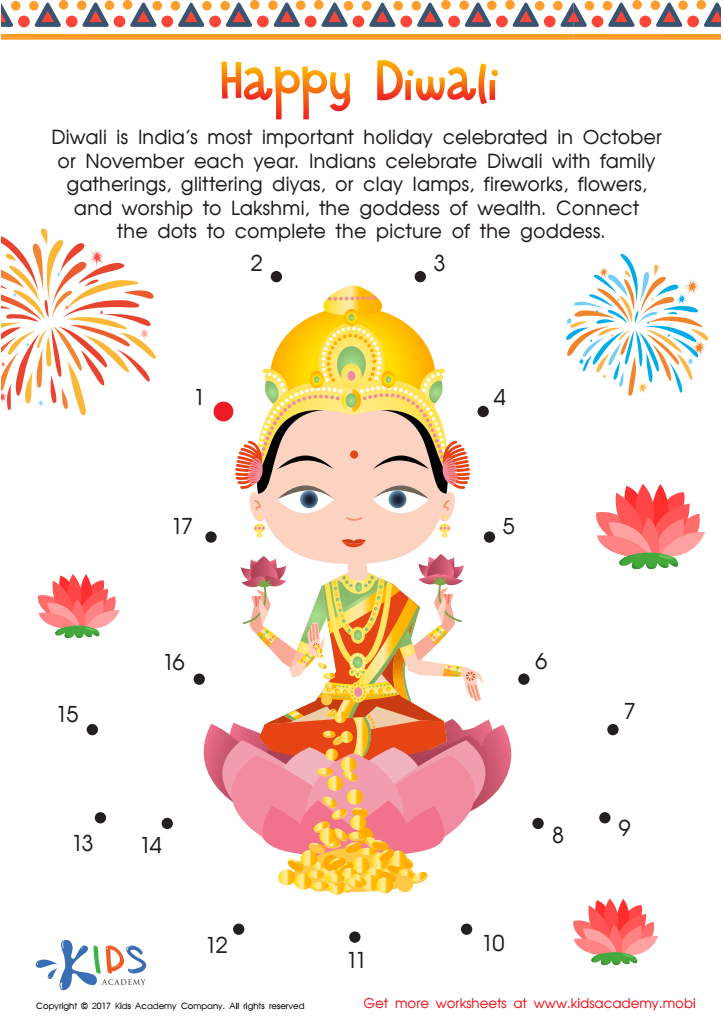
Happy Diwali Printable
 Assign to My Students
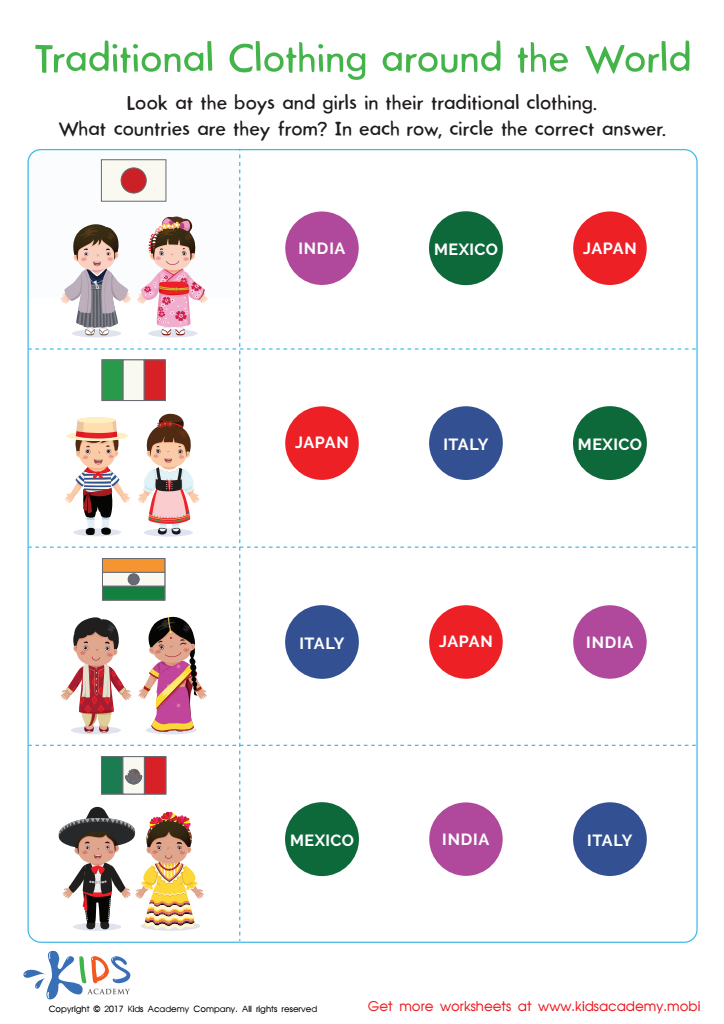
Traditional Clothing Worksheet
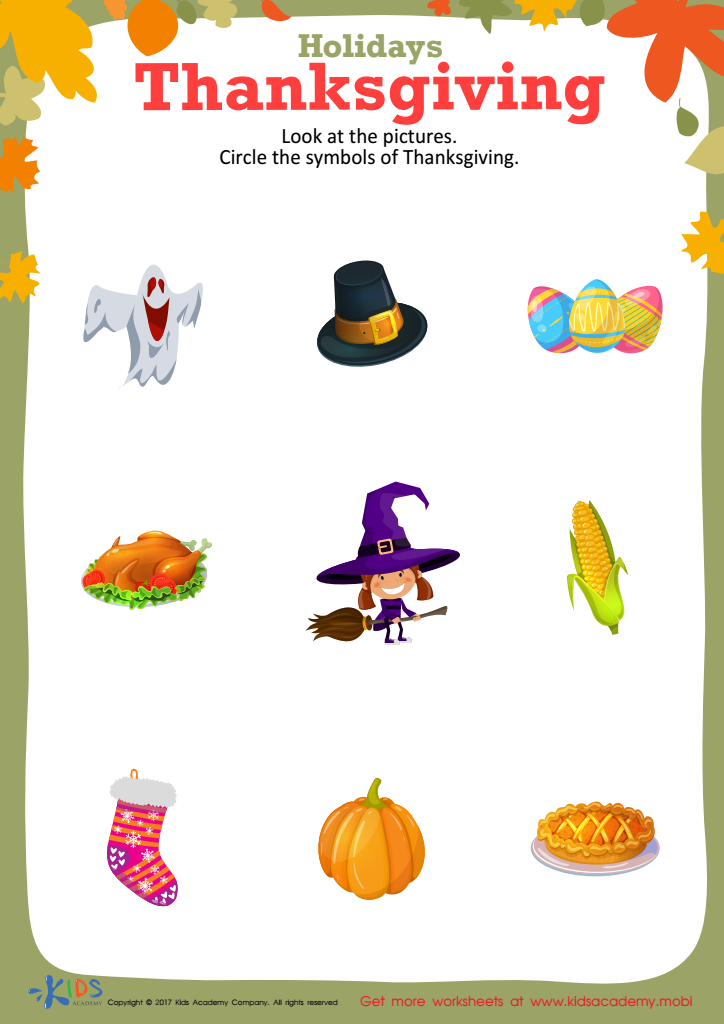
Thanksgiving Holiday Printable
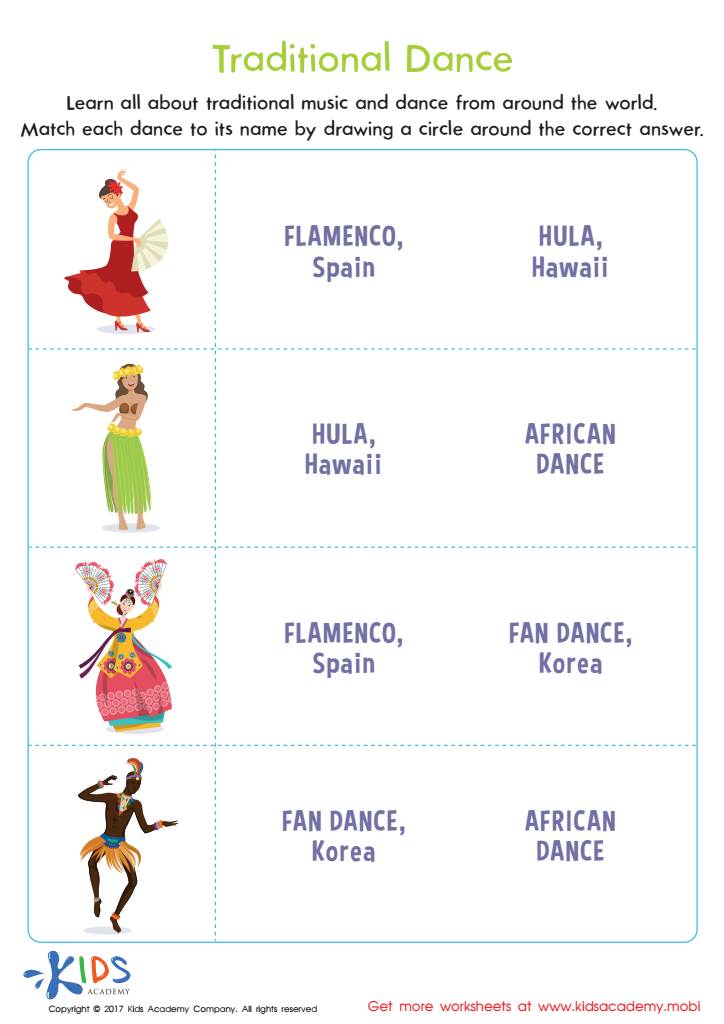
Traditional Dance Printable
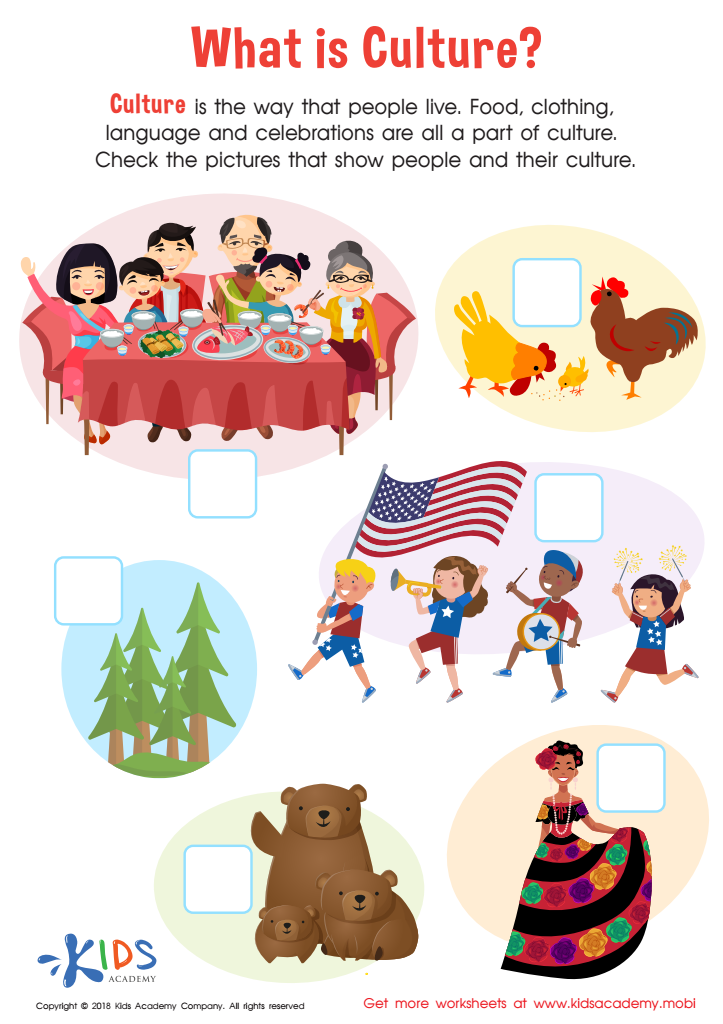
What Is Culture? Worksheet
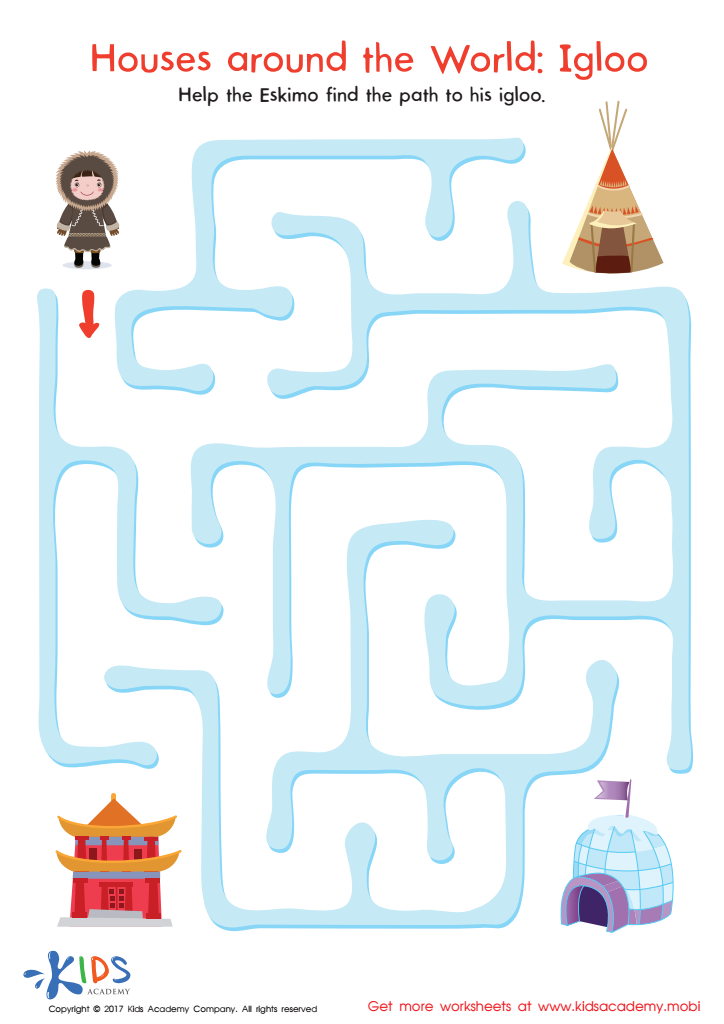
Houses Around the World: Igloo Printable






Cultural awareness in Social Studies for ages 4-5 is fundamental in fostering empathy and inclusivity among young learners. At this early stage, children are highly impressionable, absorbing information from their surroundings. Integrating cultural awareness in their education helps them understand and appreciate the diversity of the world, promoting acceptance of different backgrounds and perspectives.
By engaging directly with diverse cultures through stories, music, art, and traditions, children do not merely learn about differences but also find similarities that bond people together. This early exposure helps dismantle stereotypes and prejudices, cultivating a sense of belonging and respect for others.
Parents and teachers should emphasize cultural awareness as it shapes children’s social skills and emotional intelligence, essential for navigating an increasingly interconnected world. When children learn to respect and celebrate differences, they develop stronger communication abilities and conflict resolution skills, setting the foundation for healthy relationships as they grow.
Moreover, a culturally aware curriculum empowers families and communities, creating a supportive environment in which everyone feels valued. Ultimately, nurturing cultural awareness in young learners enriches their educational experience and prepares them to contribute positively to a more inclusive society.








