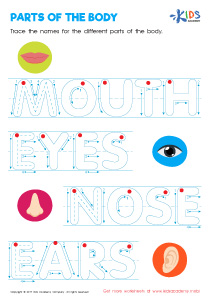
Counting skills World Around Us Worksheets for Ages 4-5
5 filtered results
-
From - To
Welcome to our "Counting Skills World Around Us Worksheets" designed specifically for children aged 4-5! These engaging worksheets introduce early learners to essential counting skills through fun, interactive activities that connect math concepts with the world around them. Each worksheet includes vibrant illustrations and themes related to nature, animals, and everyday items, making counting an exciting adventure. Perfect for pre-K and kindergarten classrooms or home schooling, these resources encourage hands-on learning, critical thinking, and creativity. Help your little ones build a strong foundation in counting while exploring their environment. Let the counting journey begin!
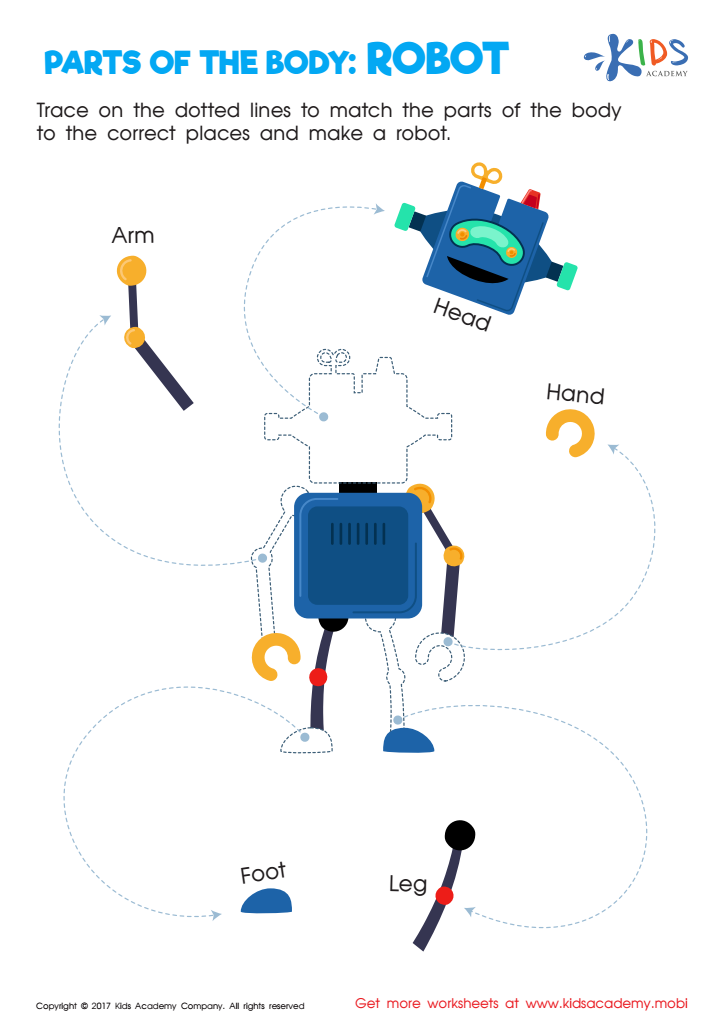
Robot Printable
 Assign to My Students
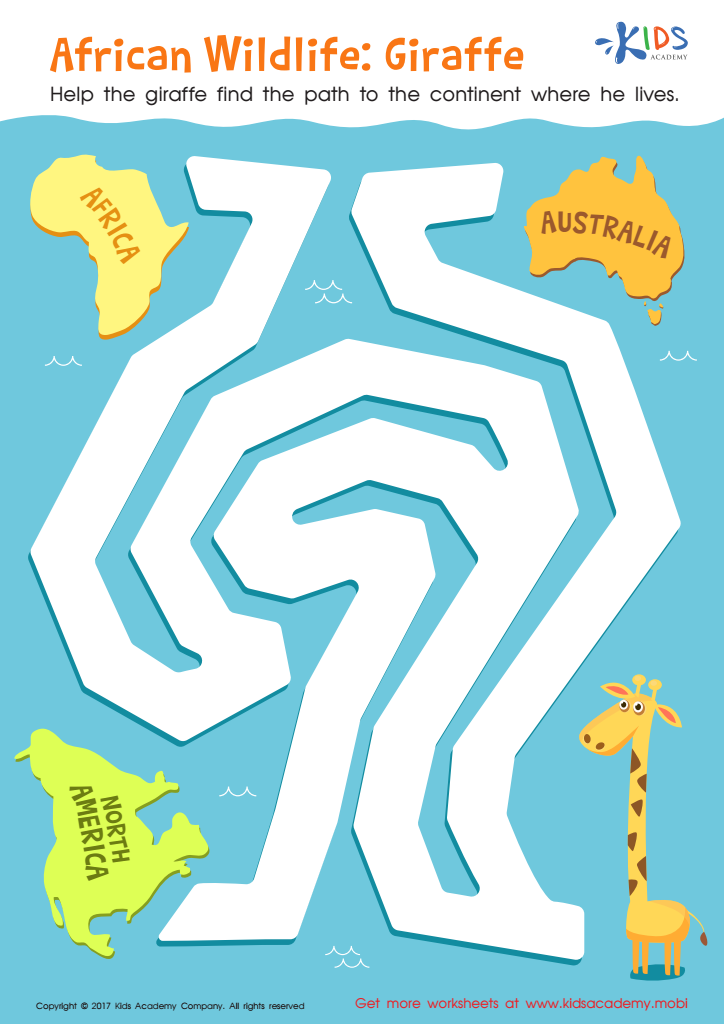
African Wildlife: Giraffe Worksheet
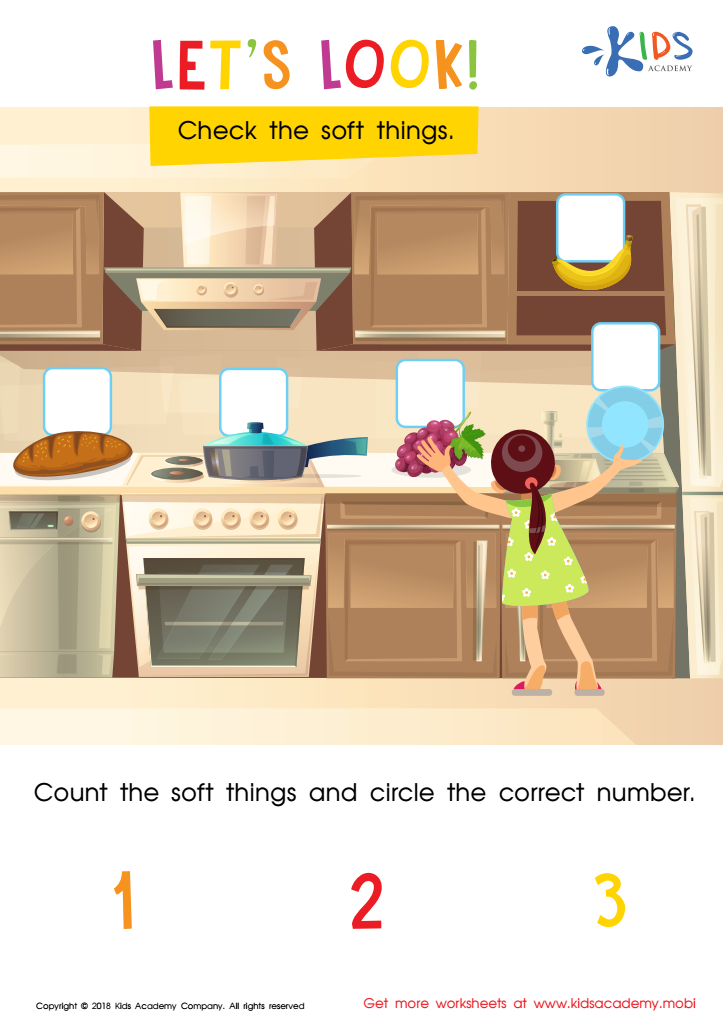
Let's Look! Assessment Worksheet
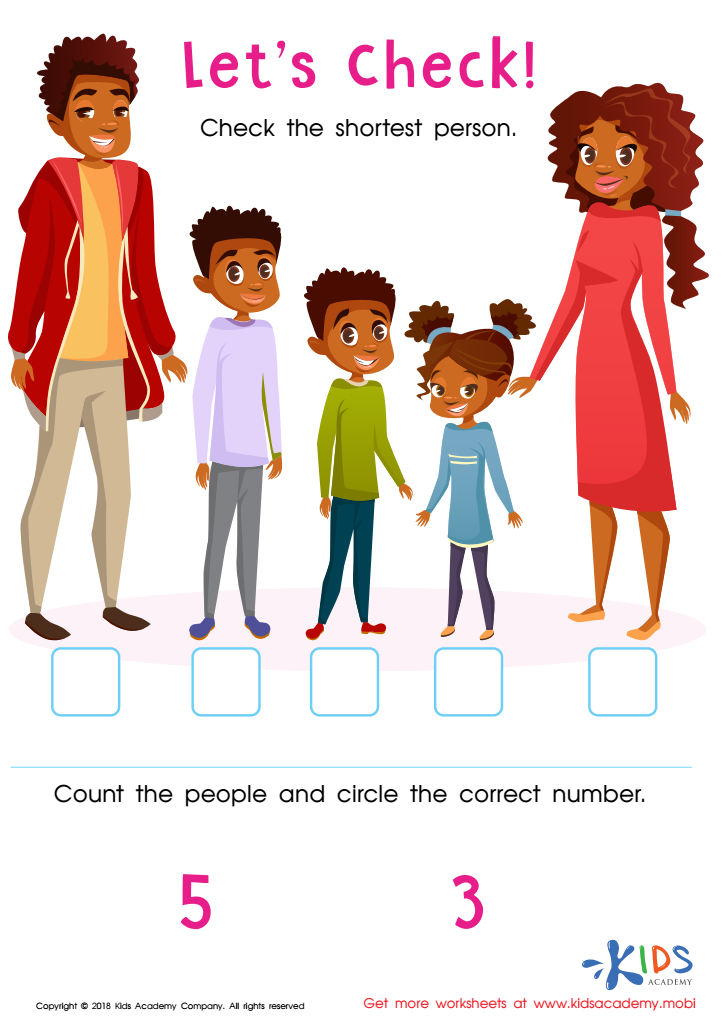
Let's Check! Assessment Worksheet
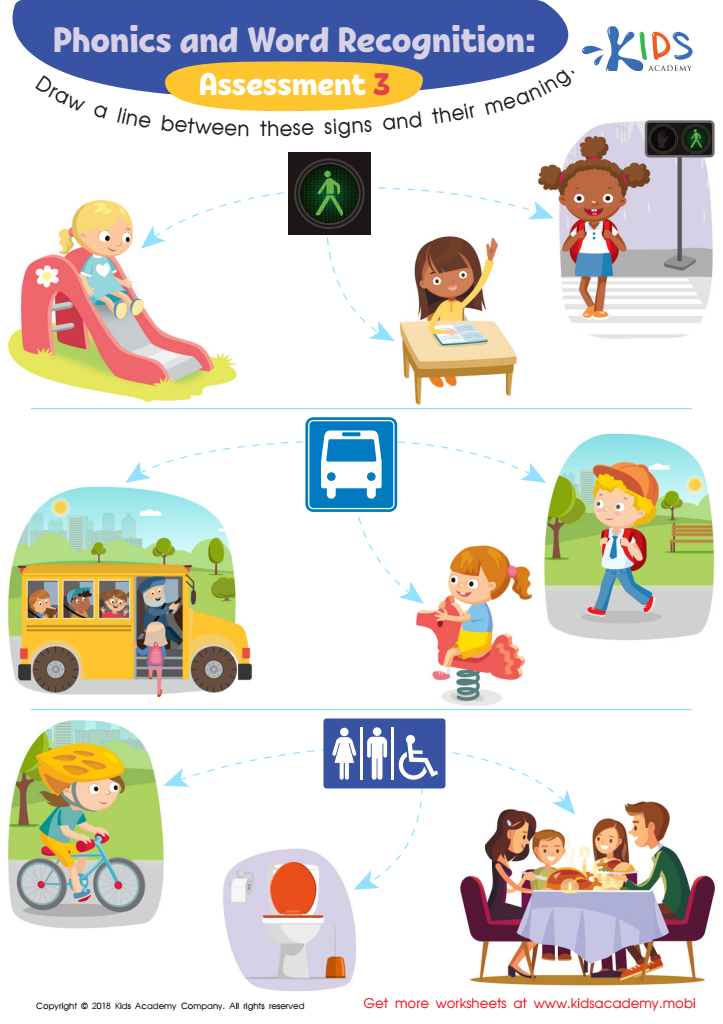
Phonological Awareness: Assessment 3 ELA Worksheet








Counting skills are foundational for children's mathematical understanding and critical for navigating the world around them. For children ages 4-5, these skills lay the groundwork for future academic success, as early numeracy correlates with later math proficiency. Parents and teachers play a crucial role in nurturing these abilities, as counting enhances cognitive development, problem-solving skills, and logical thinking.
When children count objects in their environment, they engage in hands-on learning that promotes observation and understanding of quantity, order, and comparison. This interaction with their surroundings fosters a sense of curiosity and encourages exploration. Counting also cultivates essential skills, such as one-to-one correspondence and number recognition, forming a bridge to more complex mathematical concepts.
Moreover, counting activities can be easily integrated into daily routines—whether counting fruits during snack time or assessing toys during playtime—making learning relevant and enjoyable. By prioritizing counting skills, parents and teachers actively promote a positive attitude toward math, helping children to develop confidence and competence. Ultimately, cultivating counting skills helps young children build a solid foundation for lifelong learning, empowering them to navigate their world with greater assurance and skill in the years ahead.