Vocabulary enhancement Writing Worksheets for Ages 4-5 - Page 2
27 filtered results
-
From - To
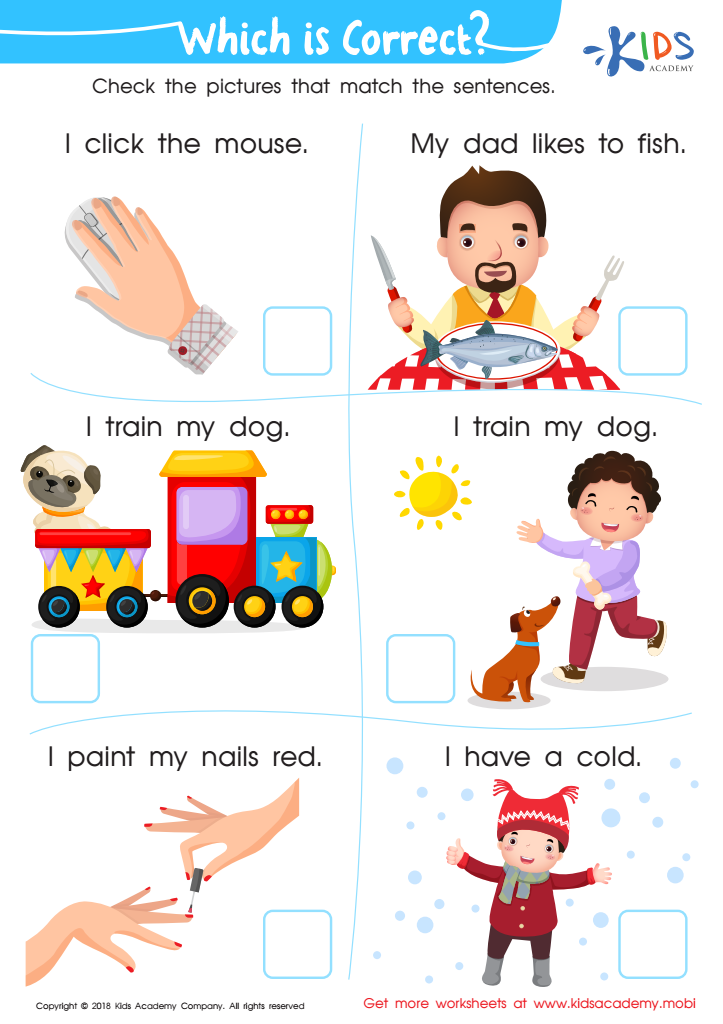
Which Is Correct? Worksheet
 Assign to My Students
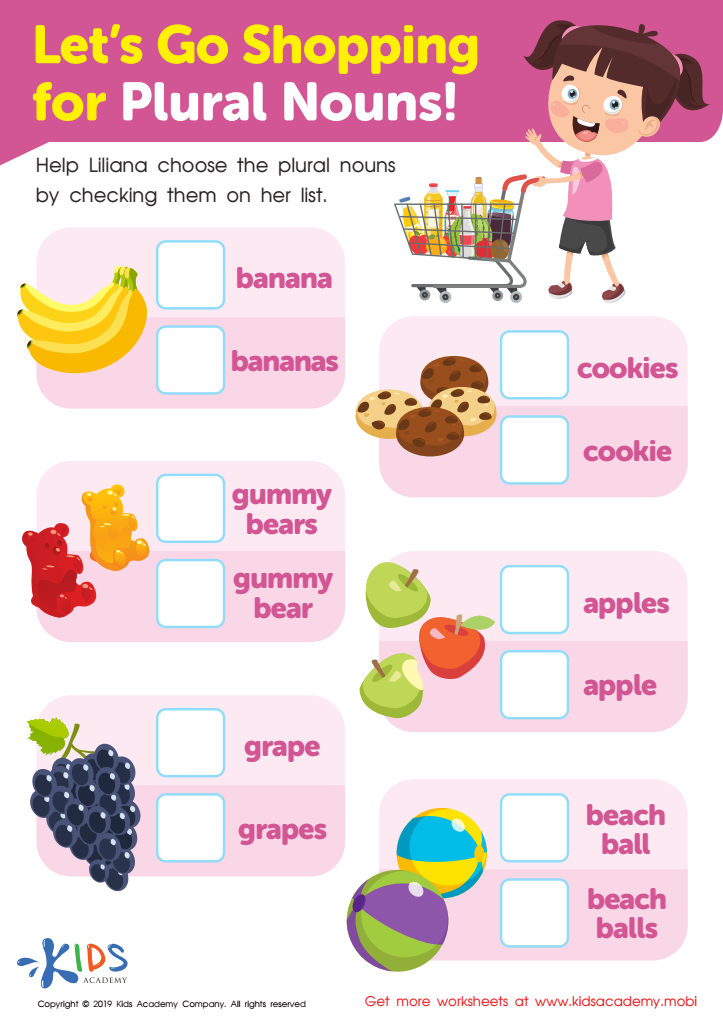
Let's Go Shopping for Plural Nouns! Worksheet
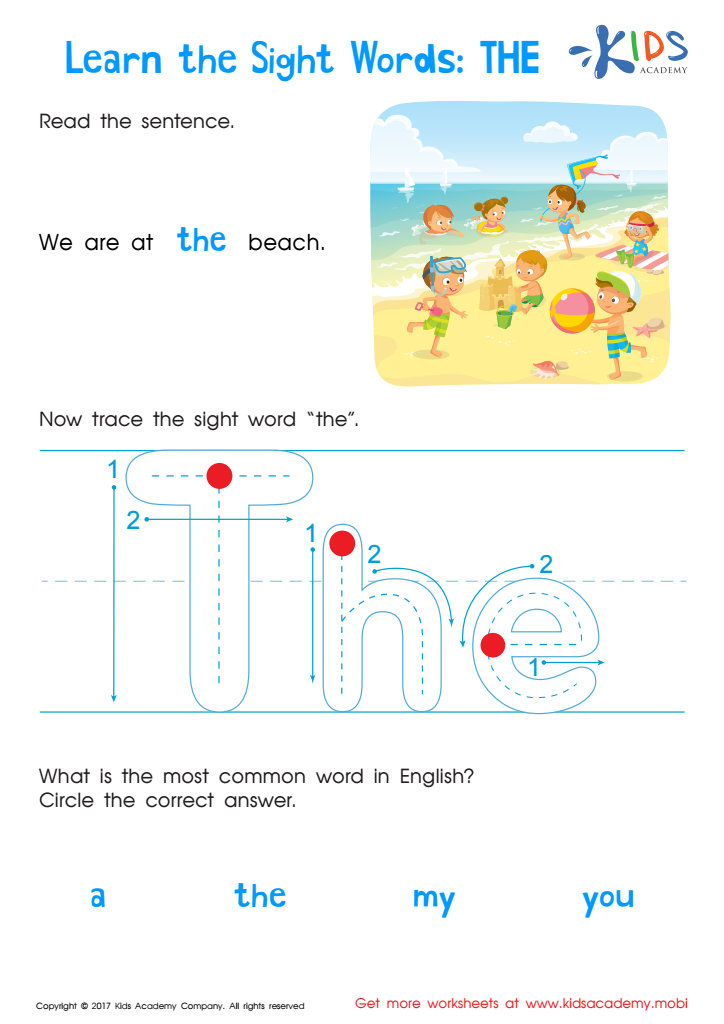
Sight Words: The Worksheet





.jpg)


Vocabulary enhancement writing for ages 4-5 is crucial for laying a strong language foundation. At this age, children's brains are incredibly receptive to learning new words and concepts. Expanding their vocabulary aids in better expression of thoughts and feelings, fostering emotional and social development. When children have a broad vocabulary, they communicate more effectively, reducing frustration and improving relationships with peers and adults.
Moreover, vocabulary is tightly linked to reading comprehension and overall literacy. A rich vocabulary helps children understand stories and instructions, making the transition to reading smoother and more enjoyable. This early proficiency can ignite a lifelong love for reading and learning.
Engaging children in writing activities allows them to play with language, reinforcing their understanding of word meanings and usage. These exercises can also pinpoint areas needing extra attention, enabling targeted support from parents and teachers.
In addition, vocabulary enhancement at this stage sets the stage for future academic success. Research shows that early language skills are strong predictors of later achievement in school. By nurturing vocabulary development through writing activities, we invest in children's cognitive growth, setting them up for sustained academic and personal success. Therefore, parents and teachers should prioritize vocabulary development in their early education initiatives.








