Filters

385 filtered results

Clear all filters
Favorites
With answer key
Interactive

385 filtered results

Difficulty Level

Grade


Subject

    Check out this FREE Trial Lesson on Adding Up to 5 for age 4-6!

    A

    Favorites
    With answer key
    Interactive
    • 4-6
    • Adding Up to 5
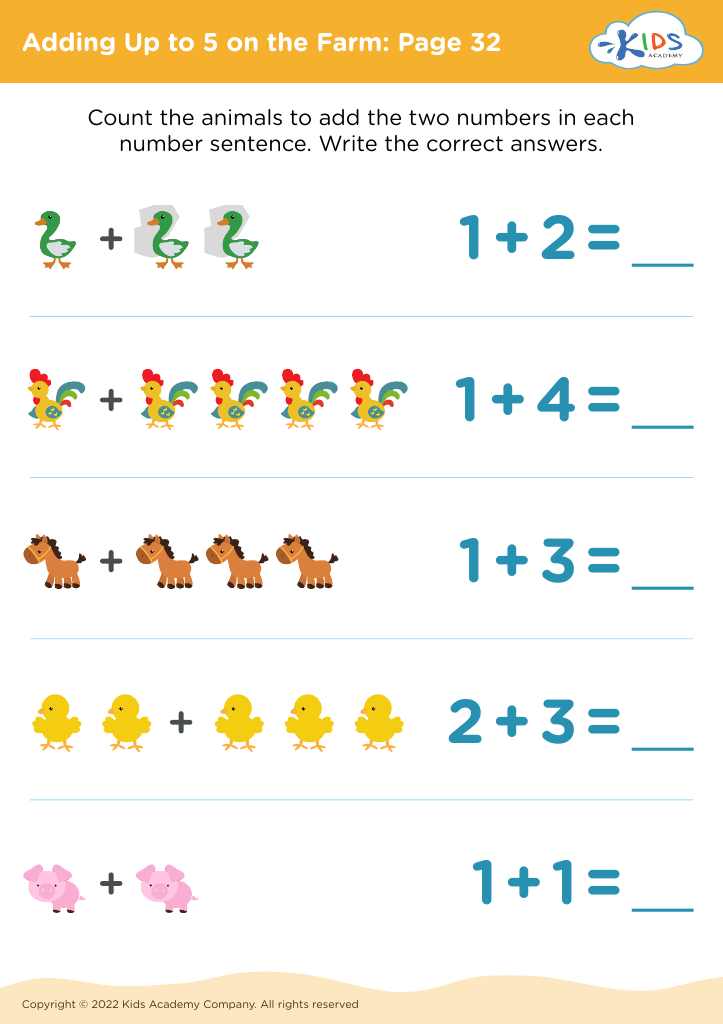
    Adding Up to 5 on the Farm: Page 32
    Adding Up to 5 on the Farm: Page 32
    Adding Up to 5 on the Farm: Page 32
    Worksheet
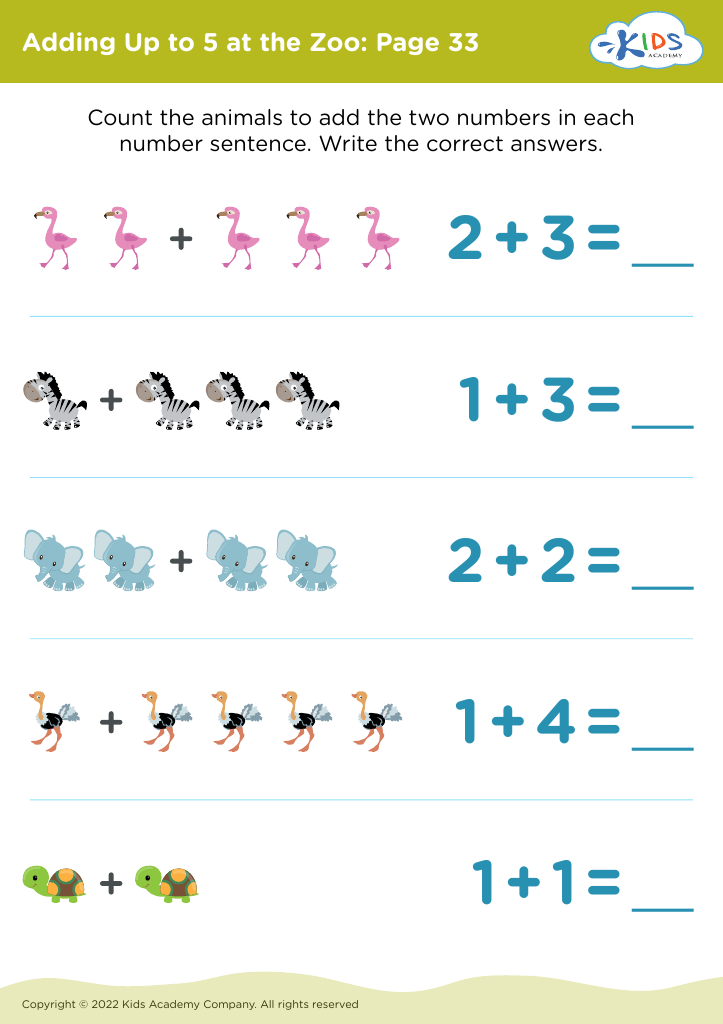
    Adding Up to 5 at the Zoo: Page 33
    Adding Up to 5 at the Zoo: Page 33
    Adding Up to 5 at the Zoo: Page 33
    Worksheet
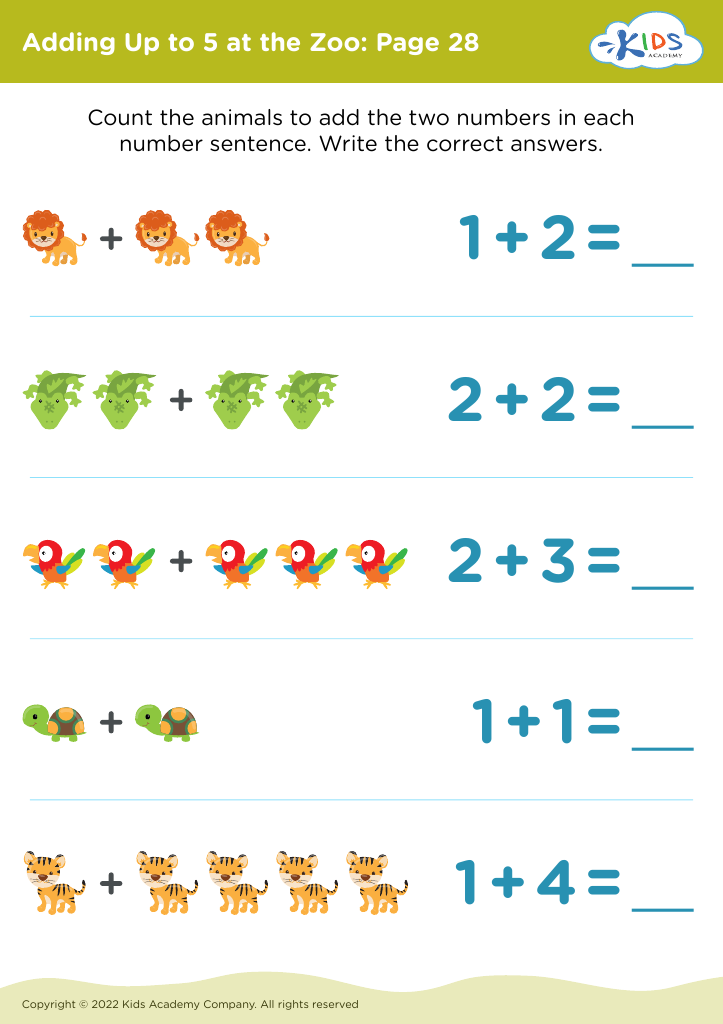
    Adding Up to 5 at the Zoo: Page 28
    Adding Up to 5 at the Zoo: Page 28
    Adding Up to 5 at the Zoo: Page 28
    Worksheet
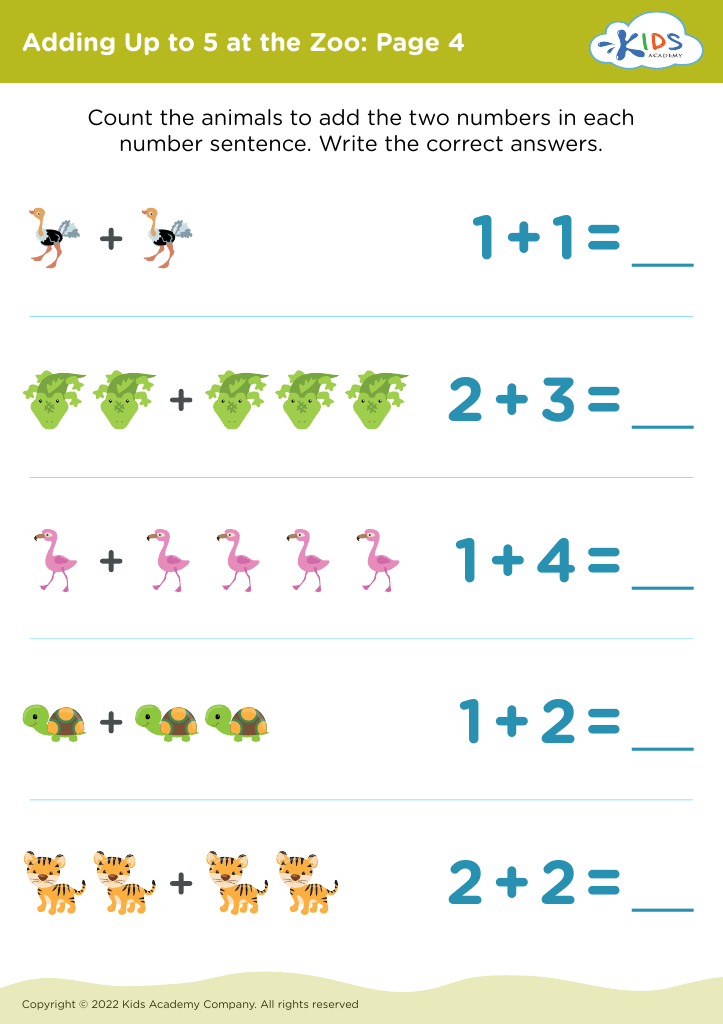
    Adding Up to 5 at the Zoo: Page 4
    Adding Up to 5 at the Zoo: Page 4

    Adding Up to 5 at the Zoo: Page 4

    Adding Up to 5 at the Zoo: Page 4
    Worksheet
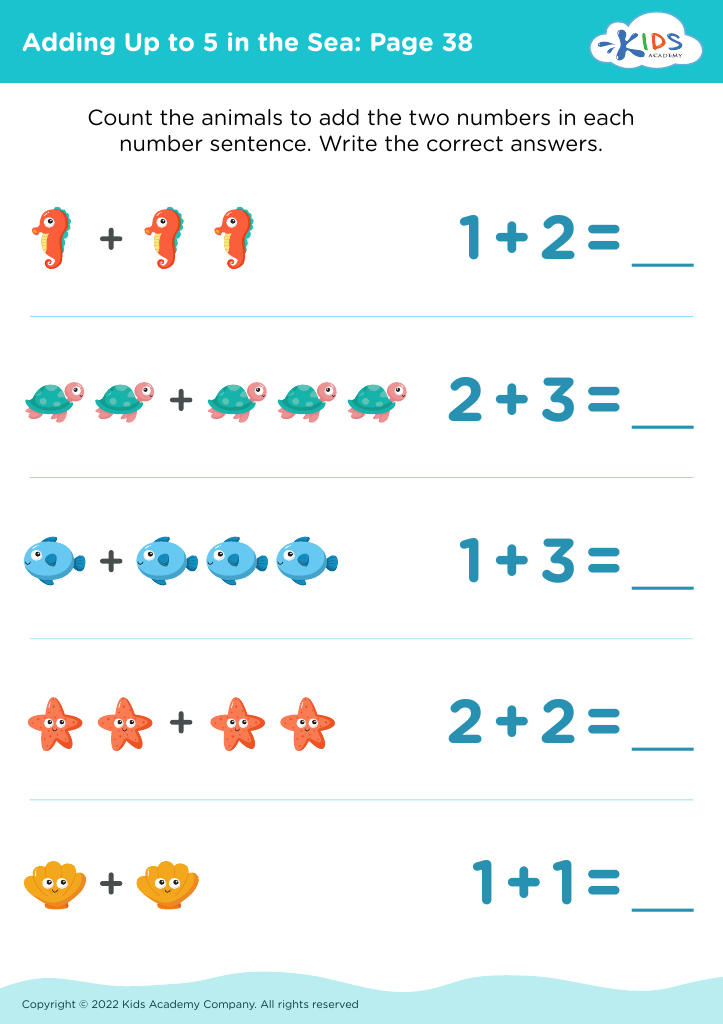
    Adding Up to 5 in the Sea: Page 38
    Adding Up to 5 in the Sea: Page 38
    Adding Up to 5 in the Sea: Page 38
    Worksheet
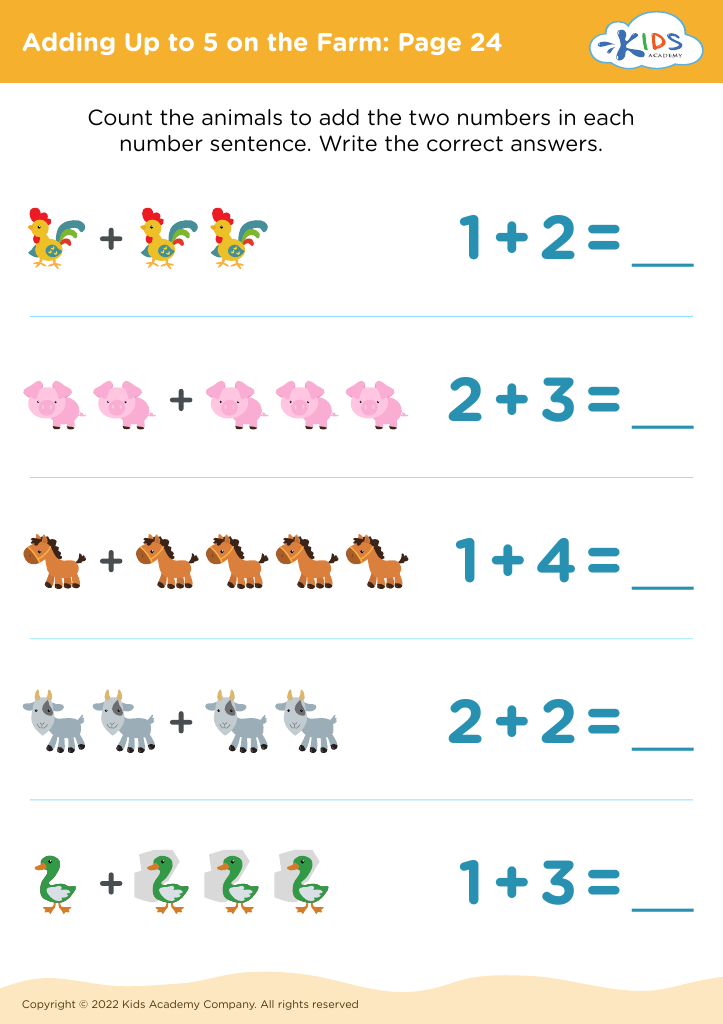
    Adding Up to 5 on the Farm: Page 24
    Adding Up to 5 on the Farm: Page 24
    Adding Up to 5 on the Farm: Page 24
    Worksheet
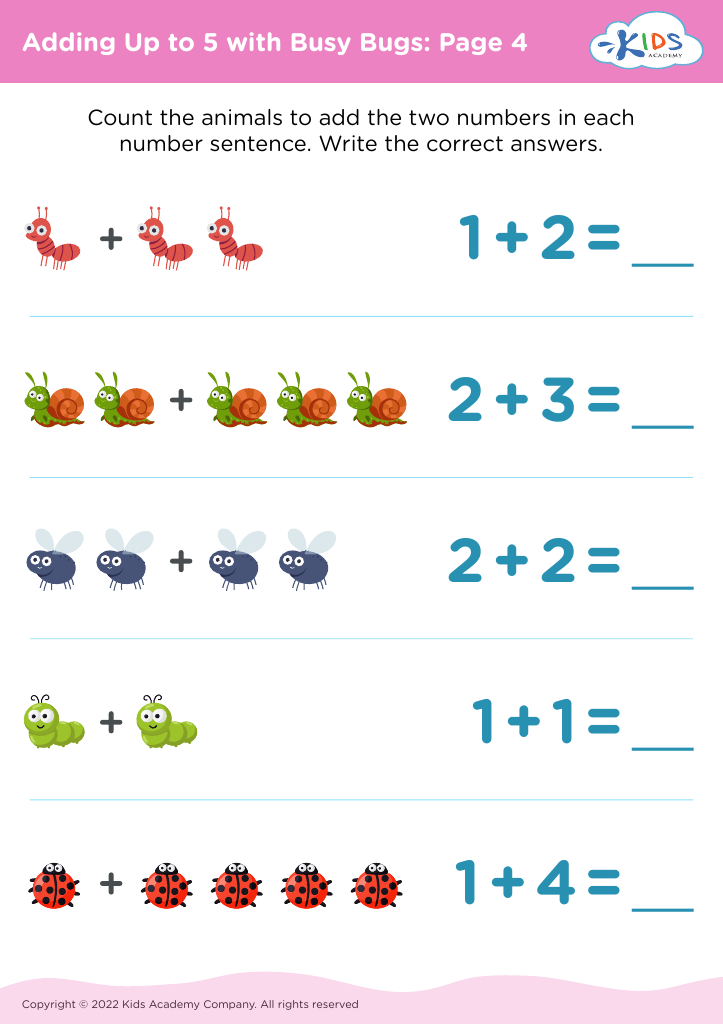
    Adding Up to 5 with Busy Bugs: Page 4
    Adding Up to 5 with Busy Bugs: Page 4
    Adding Up to 5 with Busy Bugs: Page 4
    Worksheet
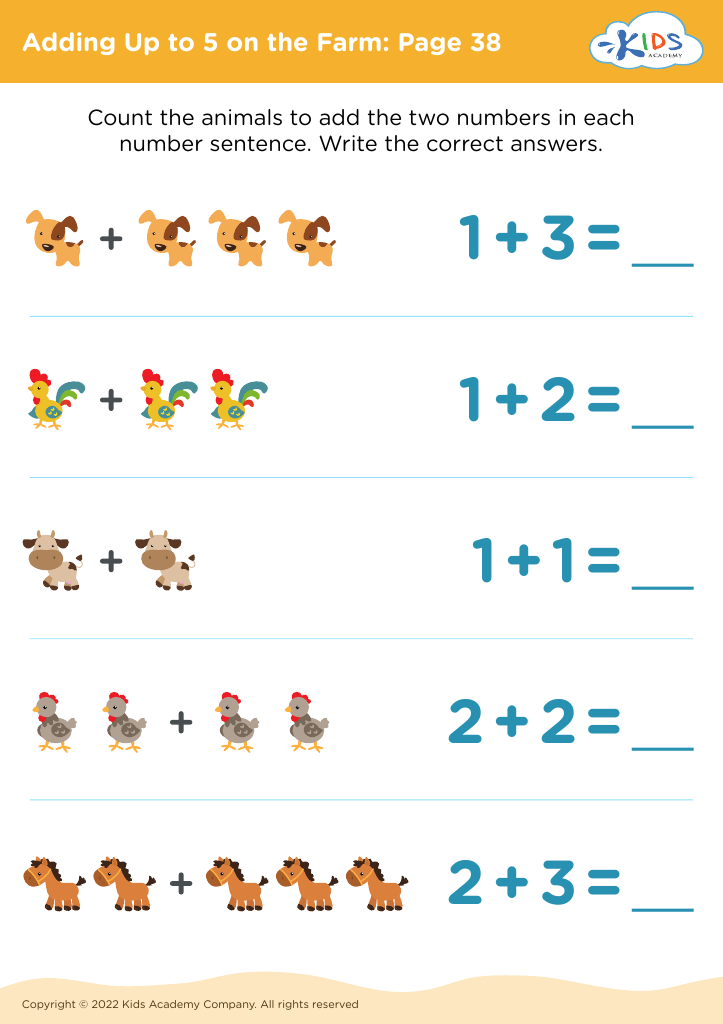
    Adding Up to 5 on the Farm: Page 38
    Adding Up to 5 on the Farm: Page 38
    Adding Up to 5 on the Farm: Page 38
    Worksheet
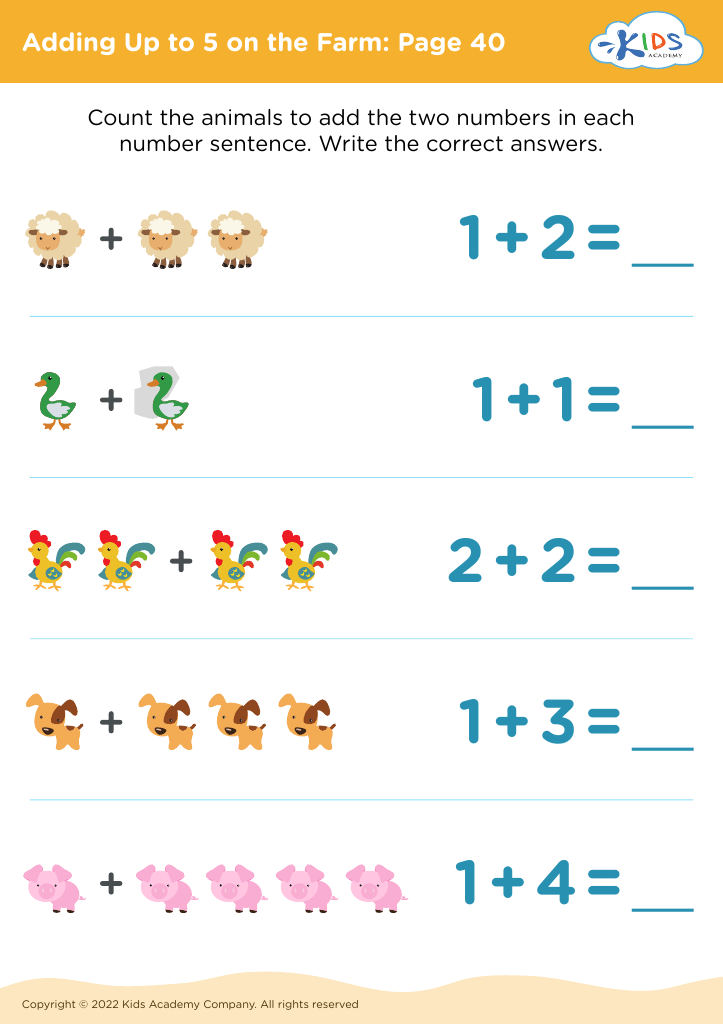
    Adding Up to 5 on the Farm: Page 40
    Adding Up to 5 on the Farm: Page 40
    Adding Up to 5 on the Farm: Page 40
    Worksheet
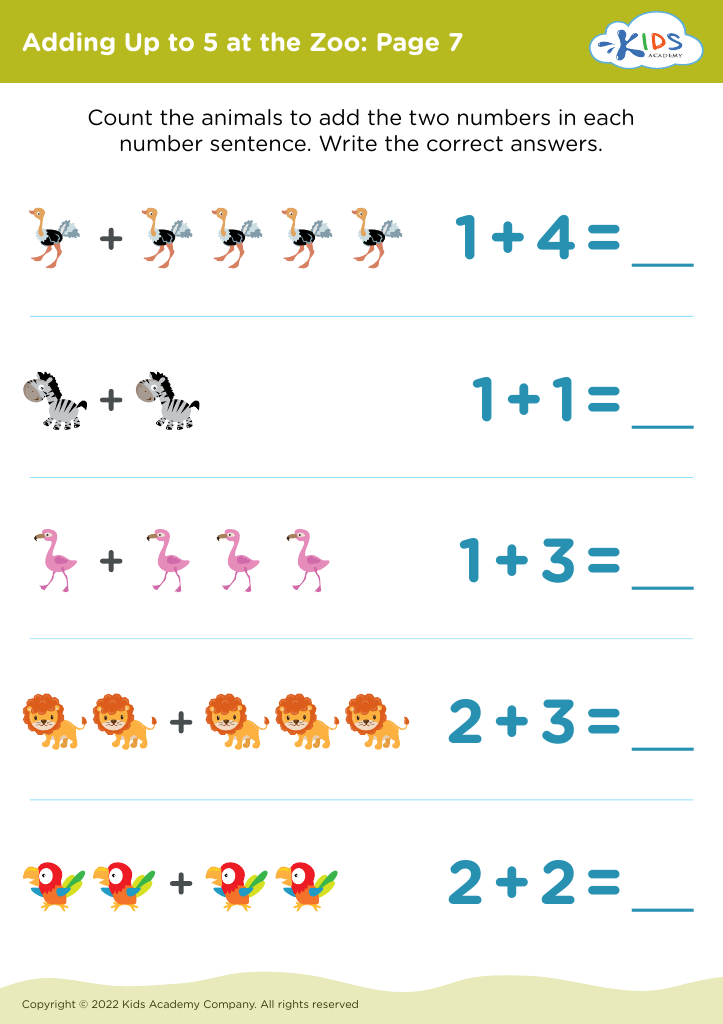
    Adding Up to 5 at the Zoo: Page 7
    Adding Up to 5 at the Zoo: Page 7

    Adding Up to 5 at the Zoo: Page 7

    Adding Up to 5 at the Zoo: Page 7
    Worksheet
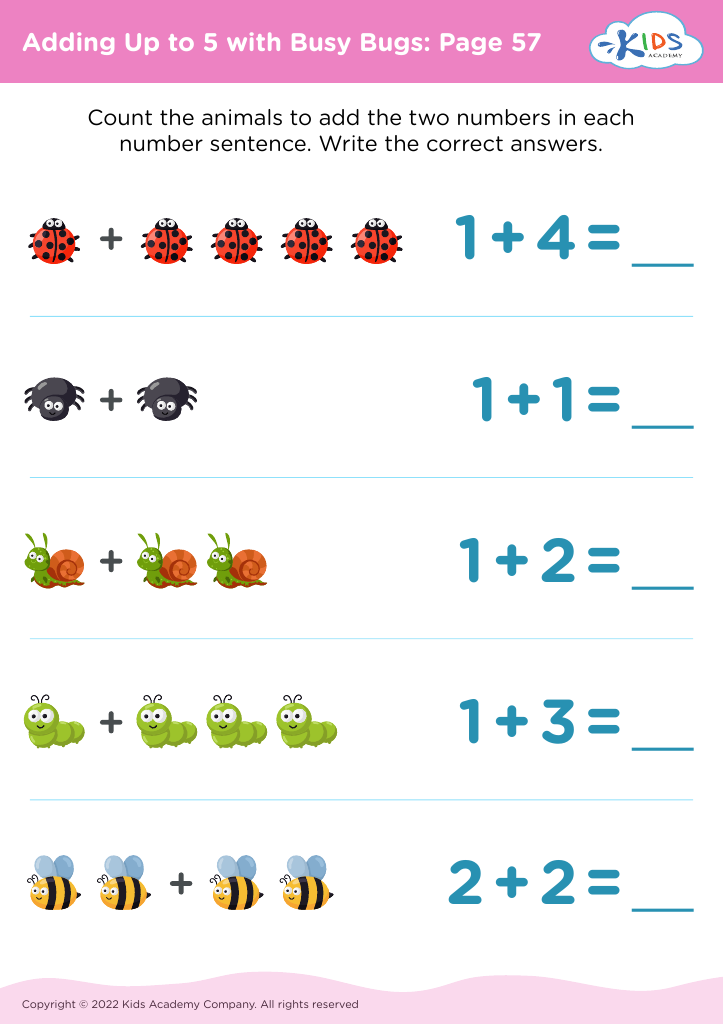
    Adding Up to 5 with Busy Bugs: Page 57
    Adding Up to 5 with Busy Bugs: Page 57
    Adding Up to 5 with Busy Bugs: Page 57
    Worksheet
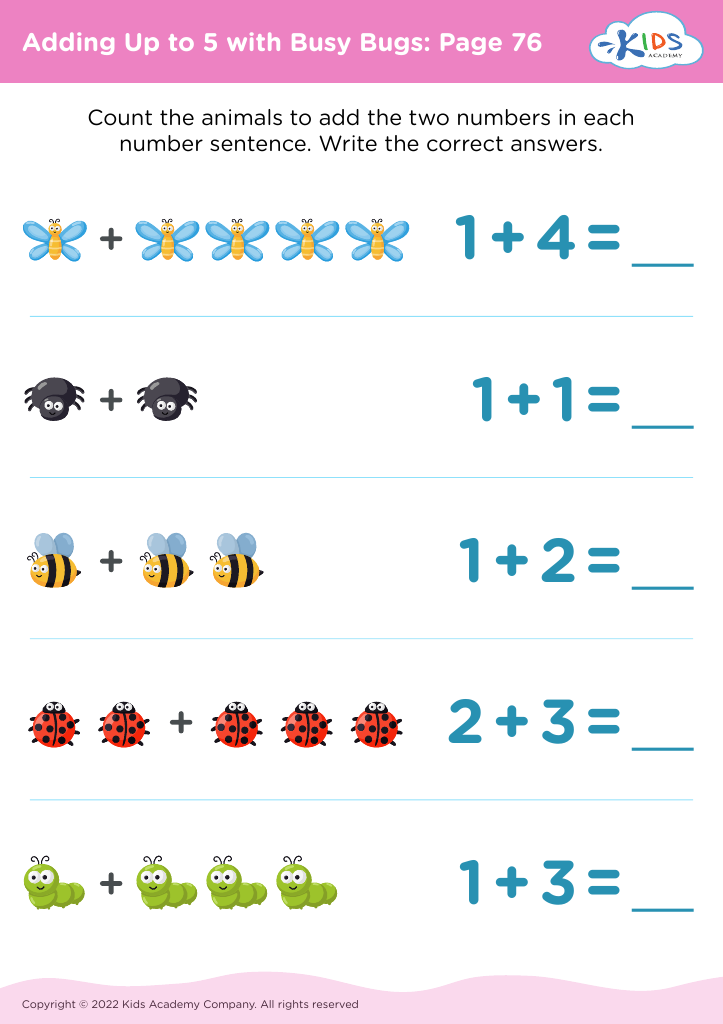
    Adding Up to 5 with Busy Bugs: Page 76
    Adding Up to 5 with Busy Bugs: Page 76
    Adding Up to 5 with Busy Bugs: Page 76
    Worksheet
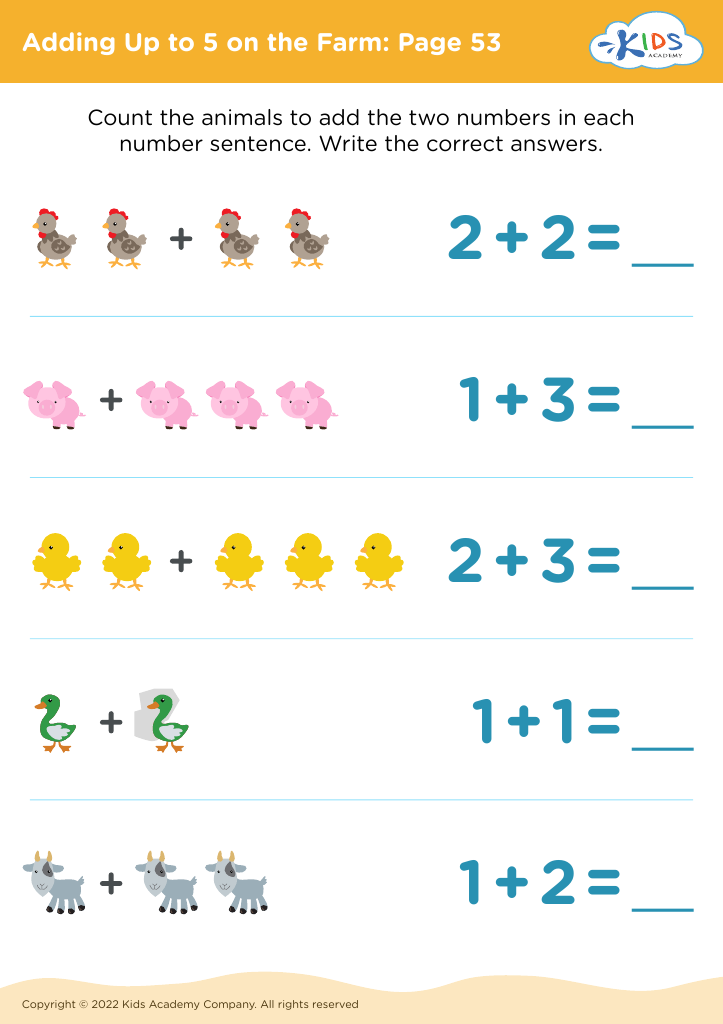
    Adding Up to 5 on the Farm: Page 53
    Adding Up to 5 on the Farm: Page 53
    Adding Up to 5 on the Farm: Page 53
    Worksheet
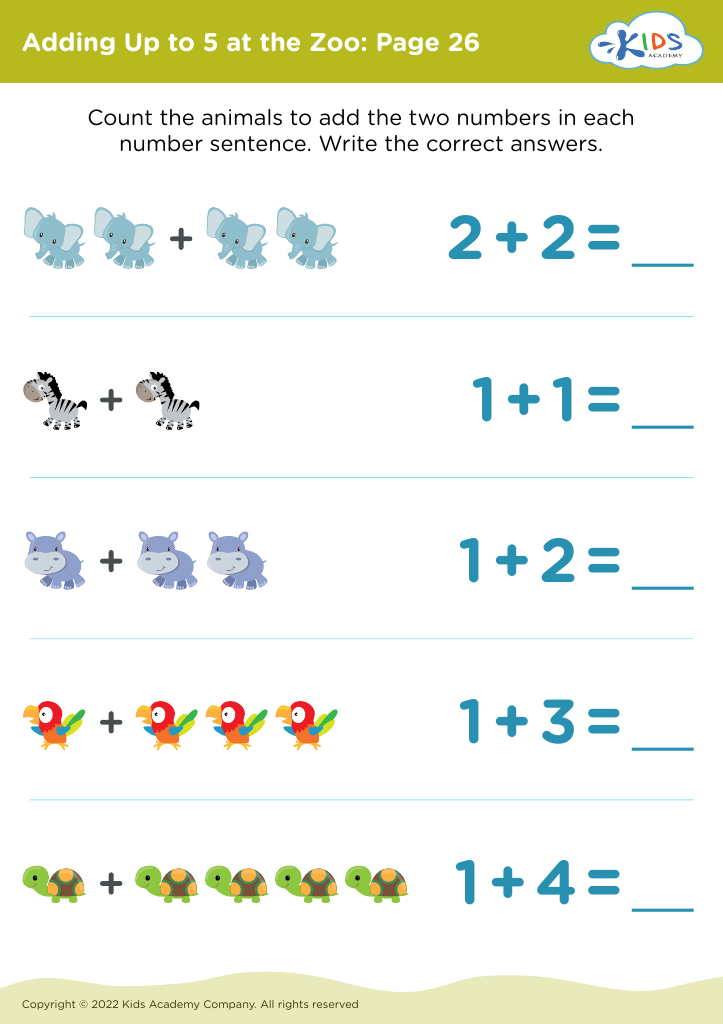
    Adding Up to 5 at the Zoo: Page 26
    Adding Up to 5 at the Zoo: Page 26
    Adding Up to 5 at the Zoo: Page 26
    Worksheet
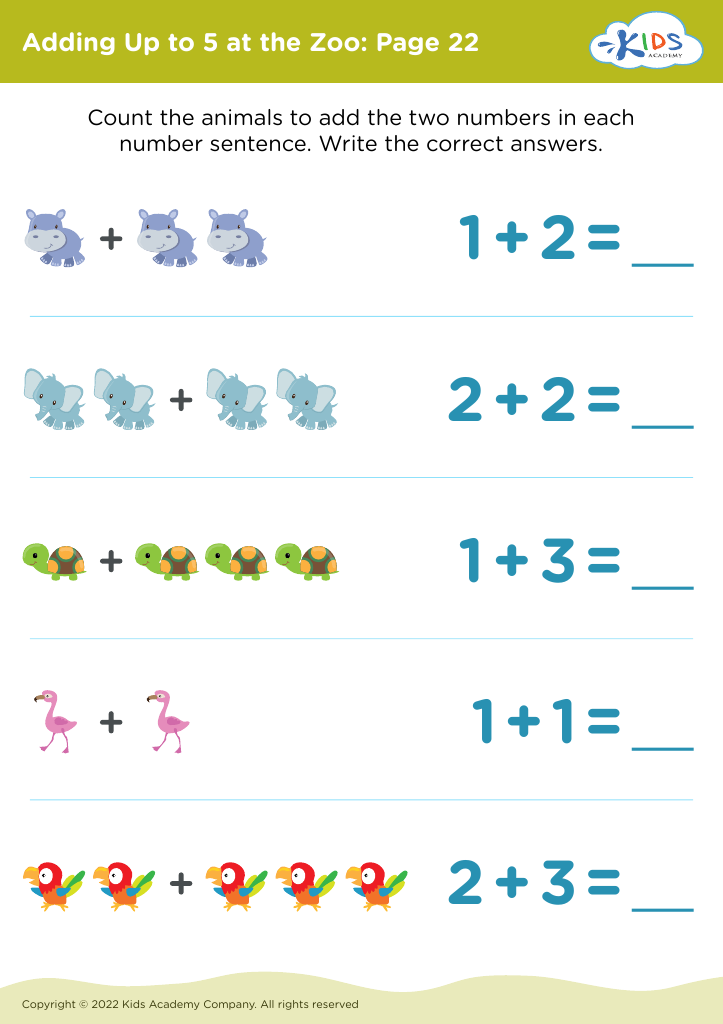
    Adding Up to 5 at the Zoo: Page 22
    Adding Up to 5 at the Zoo: Page 22
    Adding Up to 5 at the Zoo: Page 22
    Worksheet
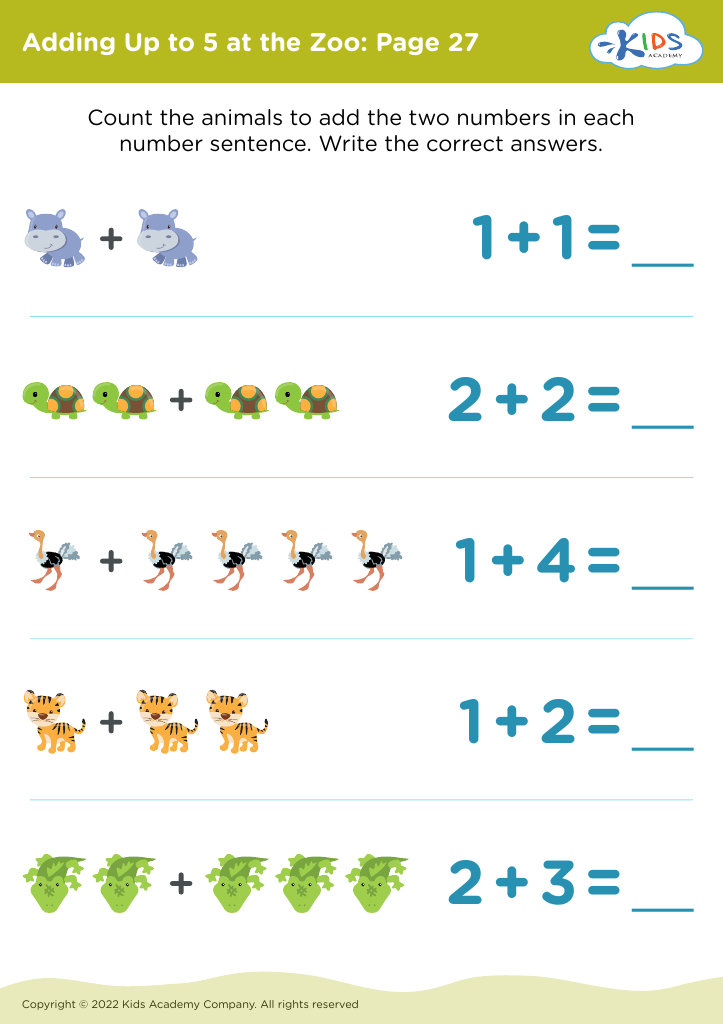
    Adding Up to 5 at the Zoo: Page 27
    Adding Up to 5 at the Zoo: Page 27
    Adding Up to 5 at the Zoo: Page 27
    Worksheet
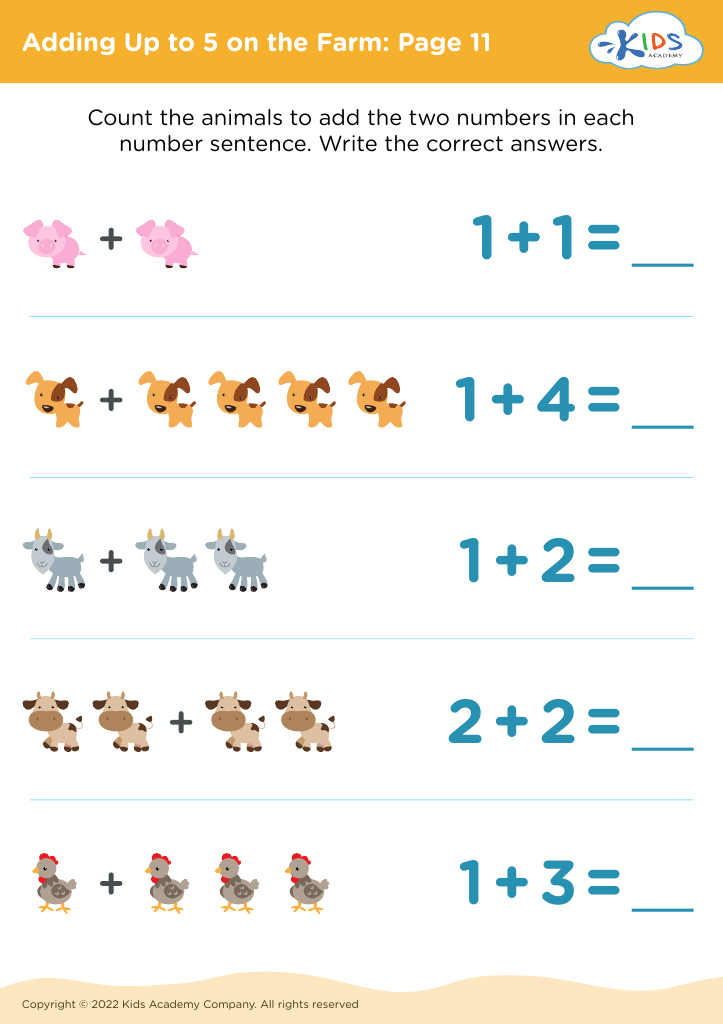
    Adding Up to 5 on the Farm: Page 11
    Adding Up to 5 on the Farm: Page 11
    Adding Up to 5 on the Farm: Page 11
    Worksheet
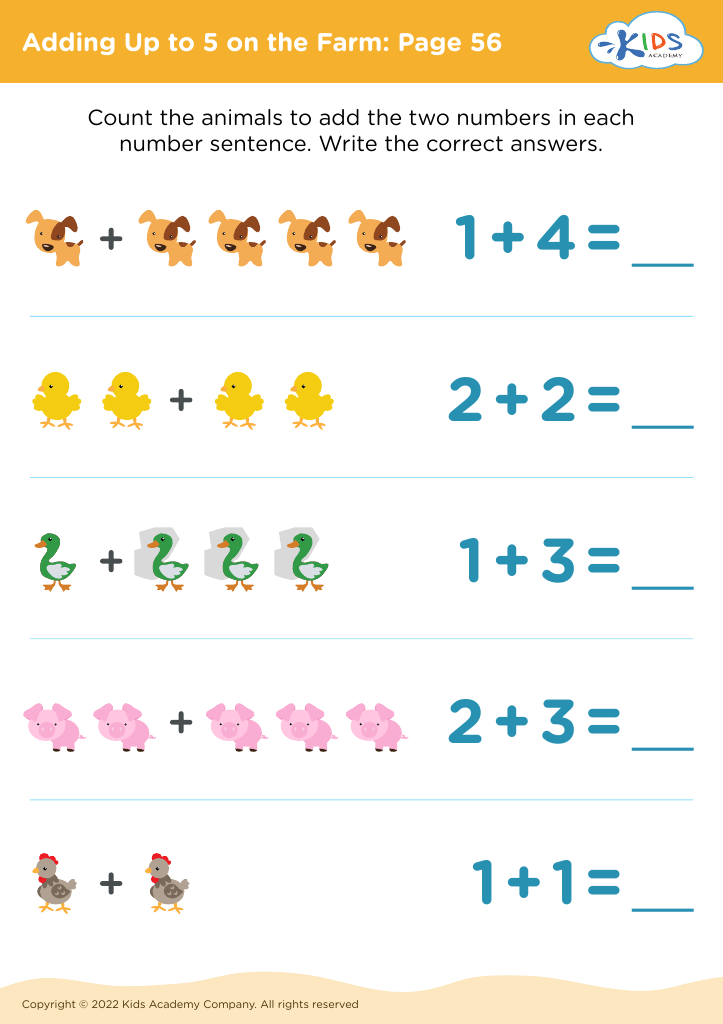
    Adding Up to 5 on the Farm: Page 56
    Adding Up to 5 on the Farm: Page 56
    Adding Up to 5 on the Farm: Page 56
    Worksheet
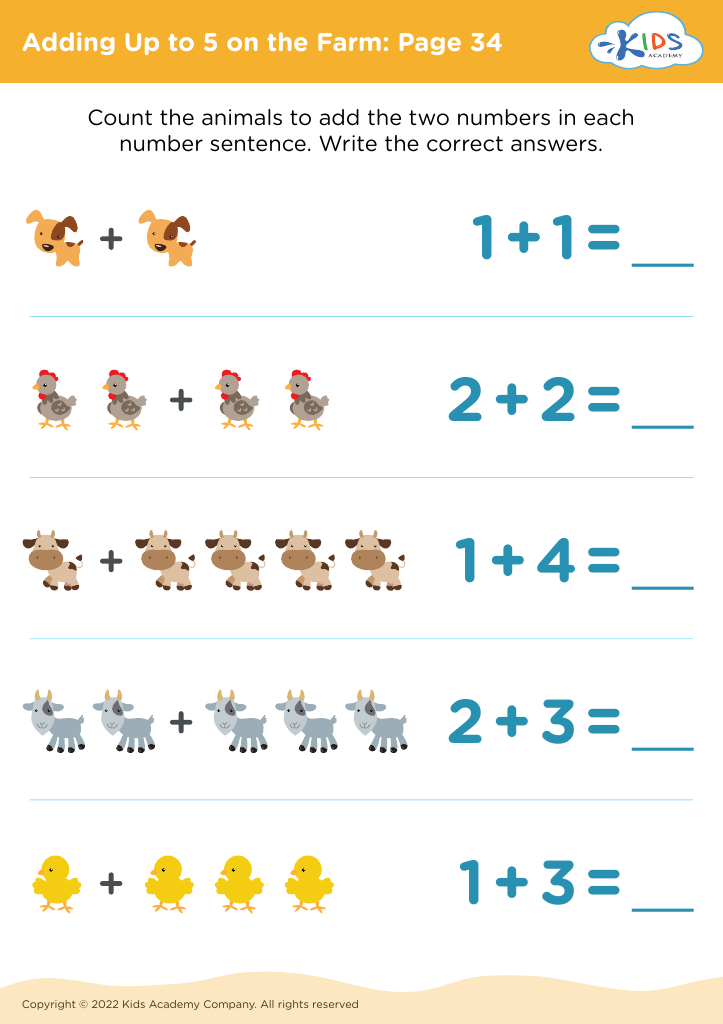
    Adding Up to 5 on the Farm: Page 34
    Adding Up to 5 on the Farm: Page 34
    Adding Up to 5 on the Farm: Page 34
    Worksheet
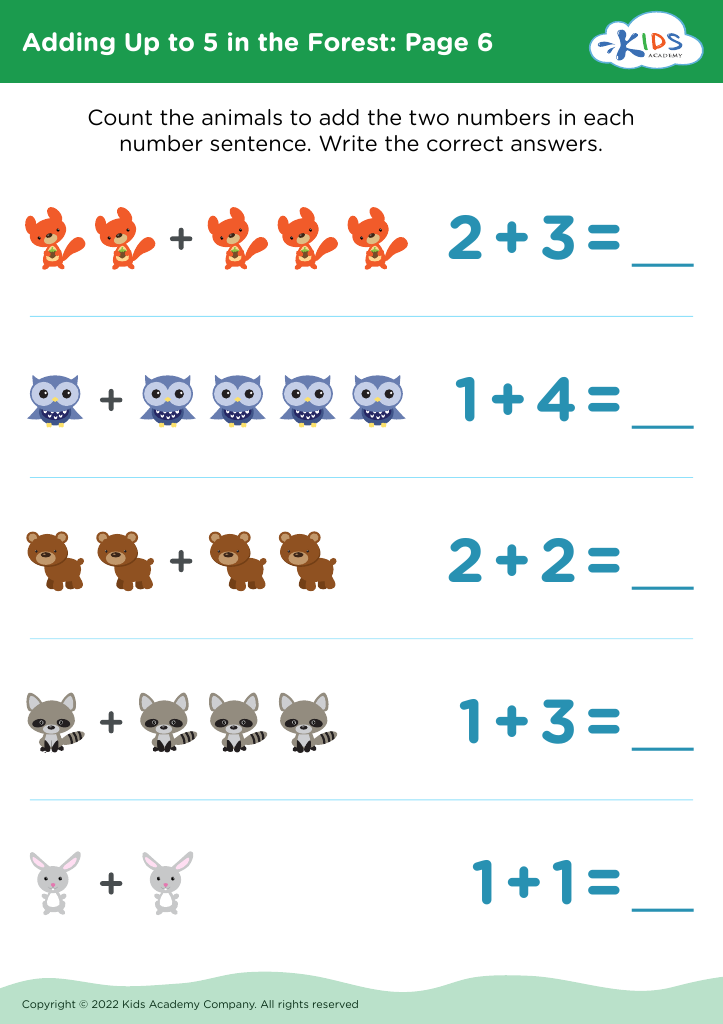
    Adding Up to 5 in the Forest: Page 6
    Adding Up to 5 in the Forest: Page 6
    Adding Up to 5 in the Forest: Page 6
    Worksheet
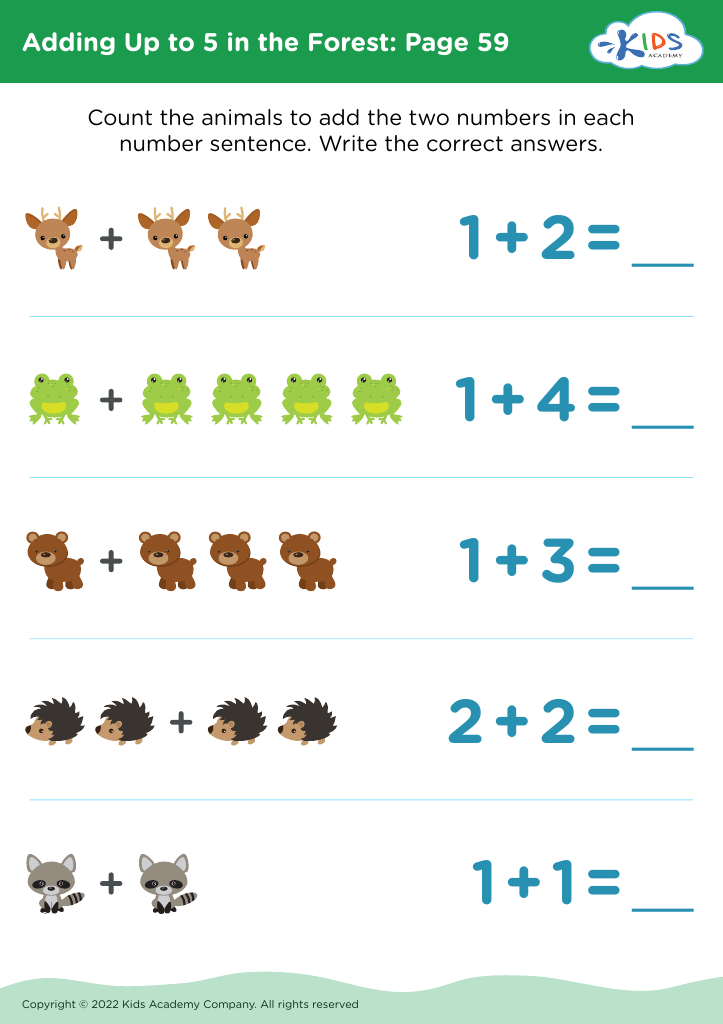
    Adding Up to 5 in the Forest: Page 59
    Adding Up to 5 in the Forest: Page 59
    Adding Up to 5 in the Forest: Page 59
    Worksheet
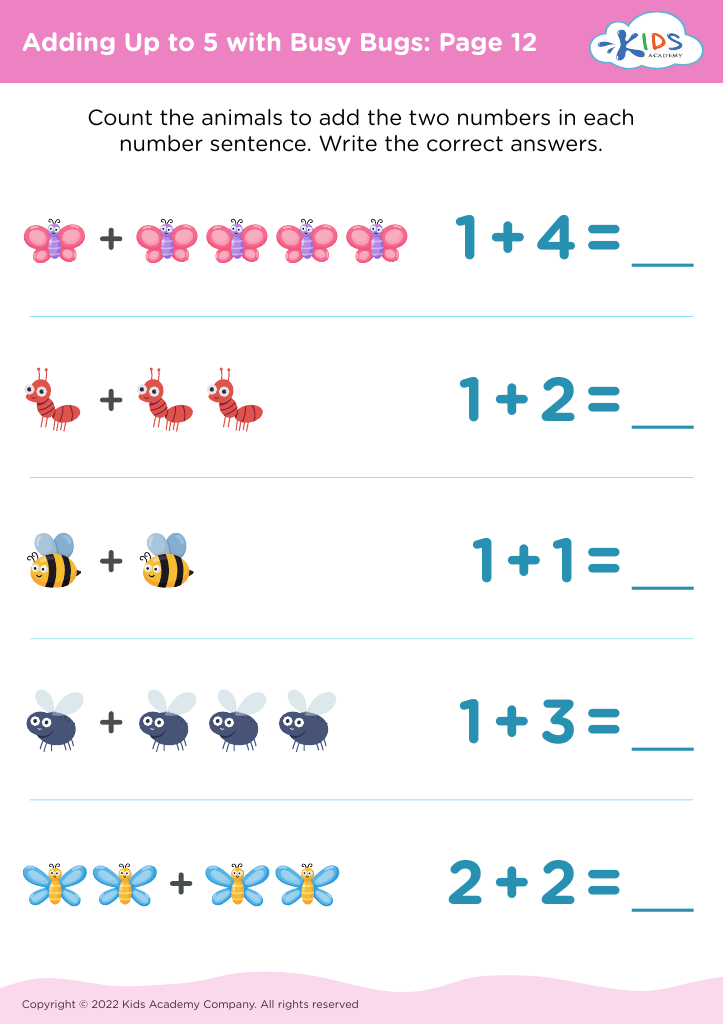
    Adding Up to 5 with Busy Bugs: Page 12
    Adding Up to 5 with Busy Bugs: Page 12
    Adding Up to 5 with Busy Bugs: Page 12
    Worksheet
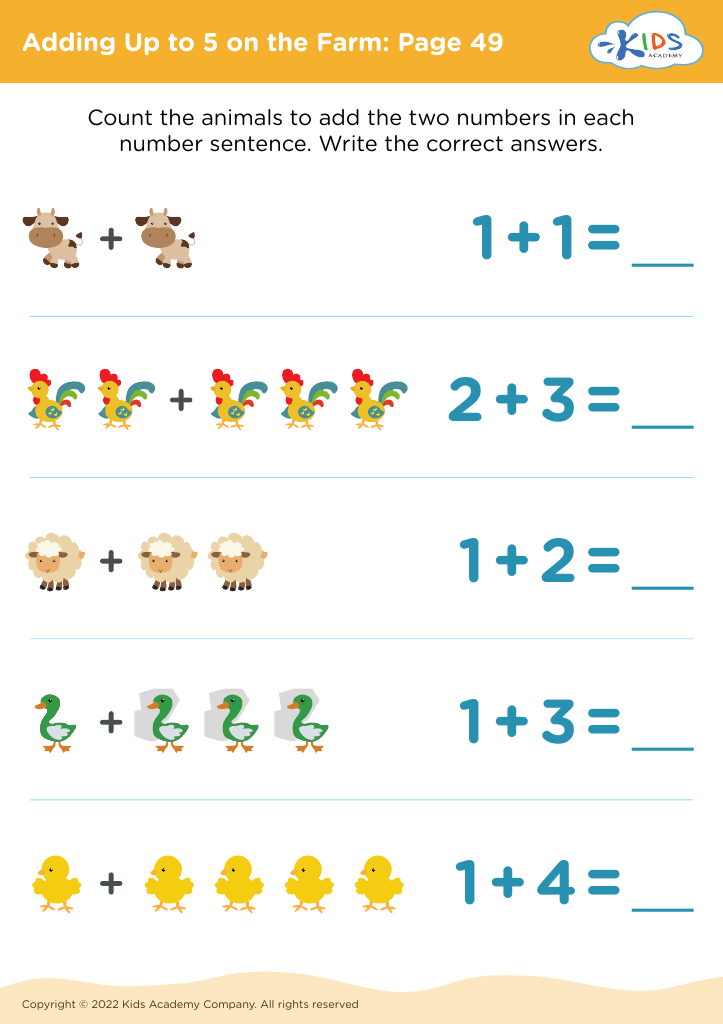
    Adding Up to 5 on the Farm: Page 49
    Adding Up to 5 on the Farm: Page 49
    Adding Up to 5 on the Farm: Page 49
    Worksheet
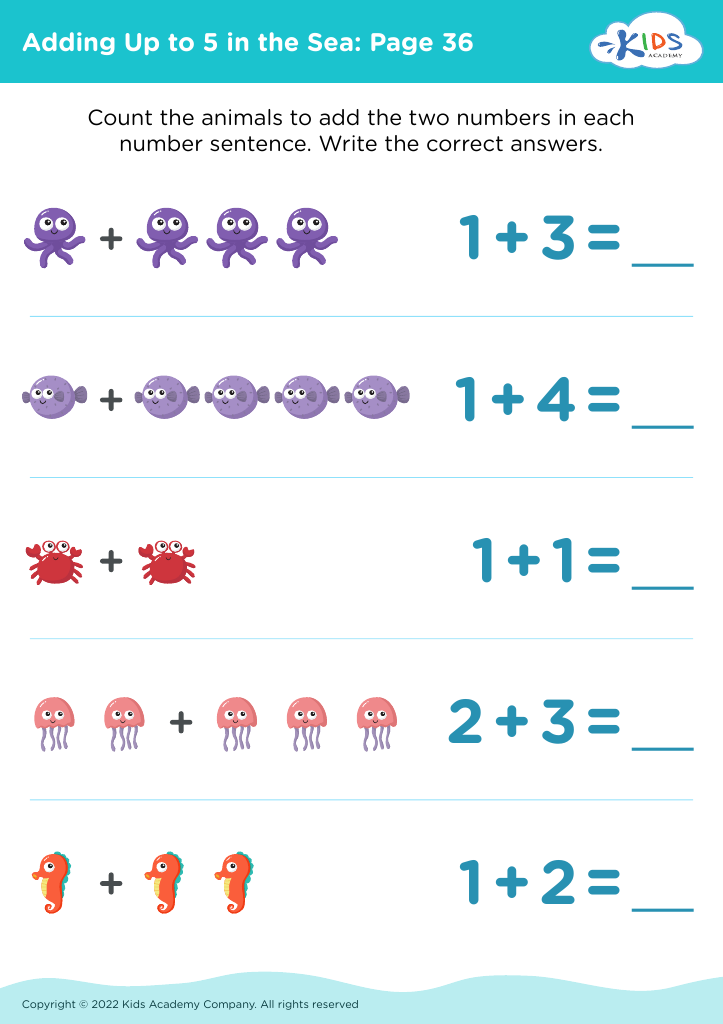
    Adding Up to 5 in the Sea: Page 36
    Adding Up to 5 in the Sea: Page 36
    Adding Up to 5 in the Sea: Page 36
    Worksheet


    Parents and teachers should care about "Adding Up to 5" for ages 4-6 because this foundational math concept lays the groundwork for critical early numeracy skills. Understanding how to add simple numbers promotes cognitive development, enhances problem-solving abilities, and boosts children's confidence in their mathematical abilities.

    At this age, children are naturally curious and eager to explore patterns and relationships in numbers. Teaching them to add up to 5 helps them grasp essential concepts such as one-to-one correspondence, number composition, and subitizing—recognizing quantities without counting. Mastery of these early skills sets the stage for more complex mathematical operations in later years, such as addition with larger numbers and basic arithmetic.

    Moreover, engaging with addition games and activities encourages playful learning, making math enjoyable and accessible. When parents and teachers prioritize these concepts, they support a positive attitude towards math, fostering a lifelong love of learning.

    Additionally, understanding addition enhances a child's ability to tackle everyday tasks and real-world situations, from sharing snacks to understanding time, which contributes to their overall readiness for school and life. Therefore, investing time and resources in "Adding Up to 5" becomes crucial in nurturing well-rounded, confident learners.