Addition Practice Math Worksheets for Ages 4-6 - Page 2
131 filtered results
-
From - To
 Assign to My Students
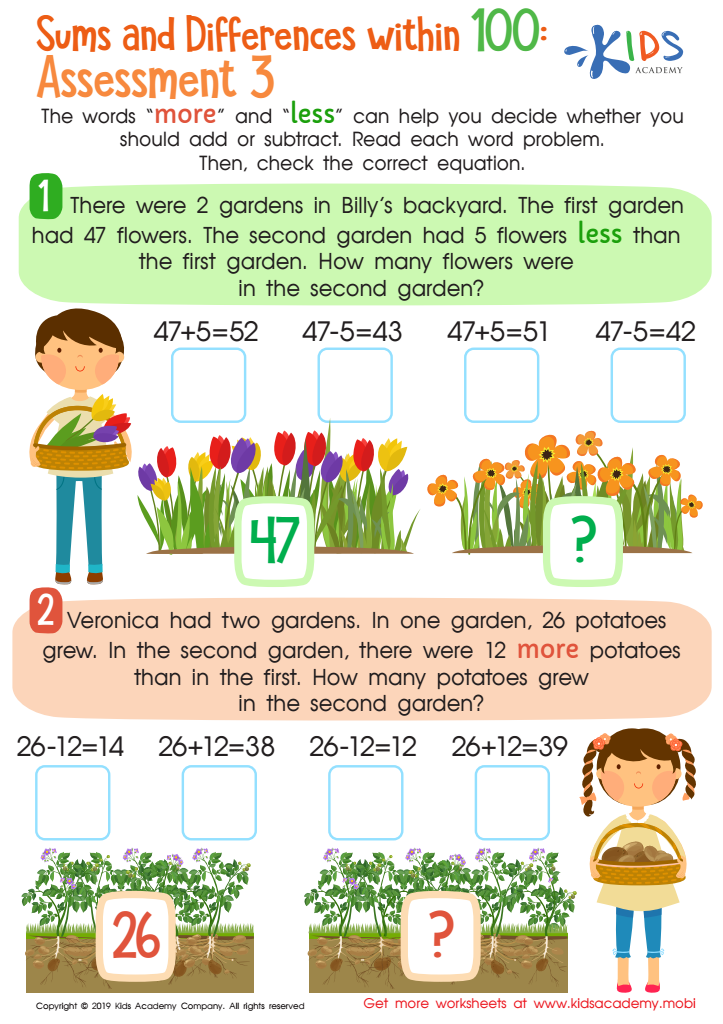
Sums and Differences Within 1 - Assessment 1 Worksheet
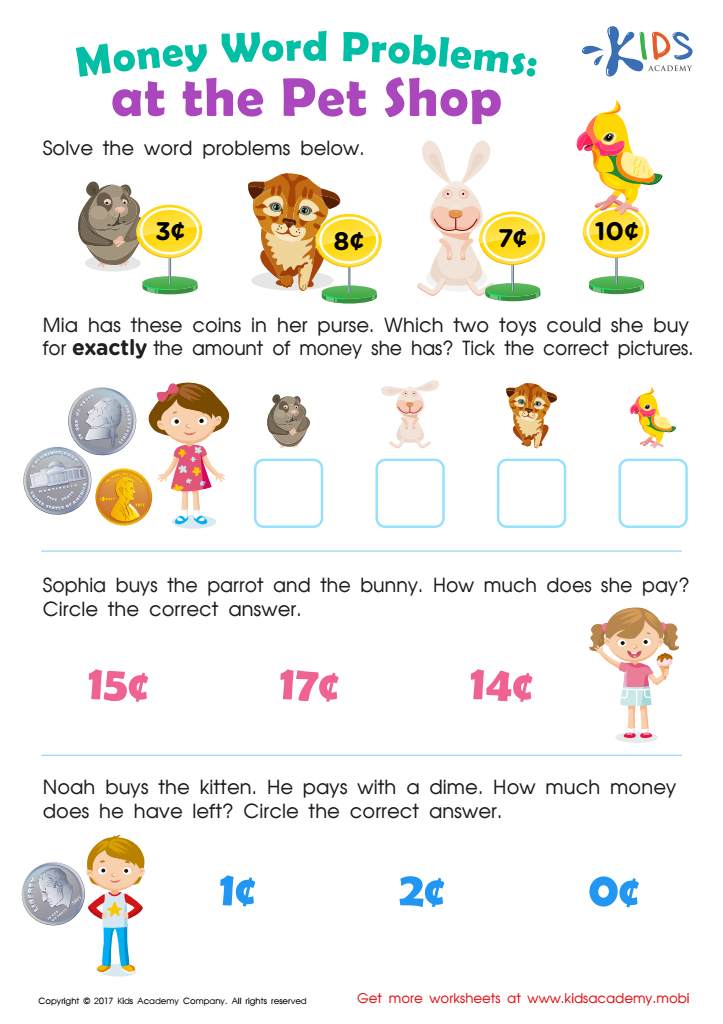
Pet Shop Worksheet
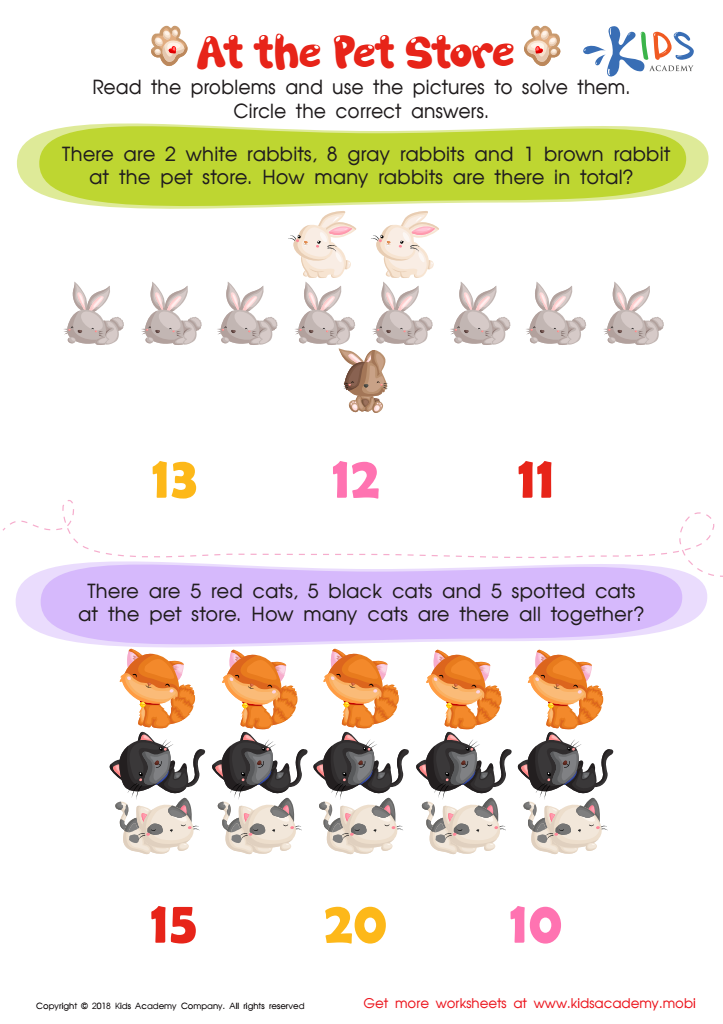
At the Pet Store Word Problems Worksheet
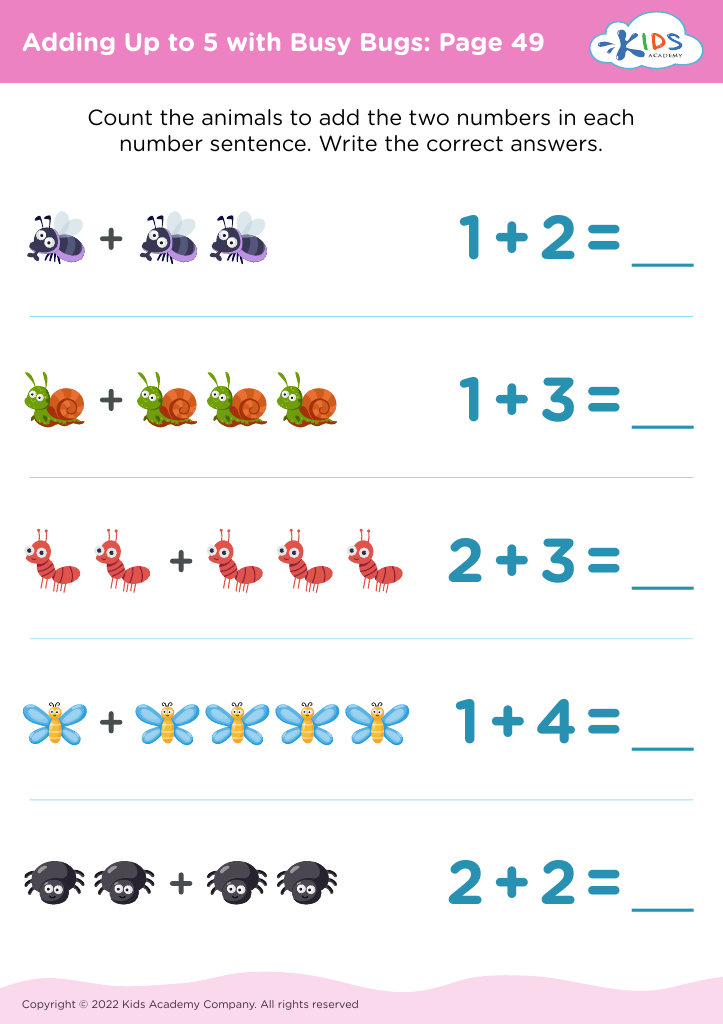
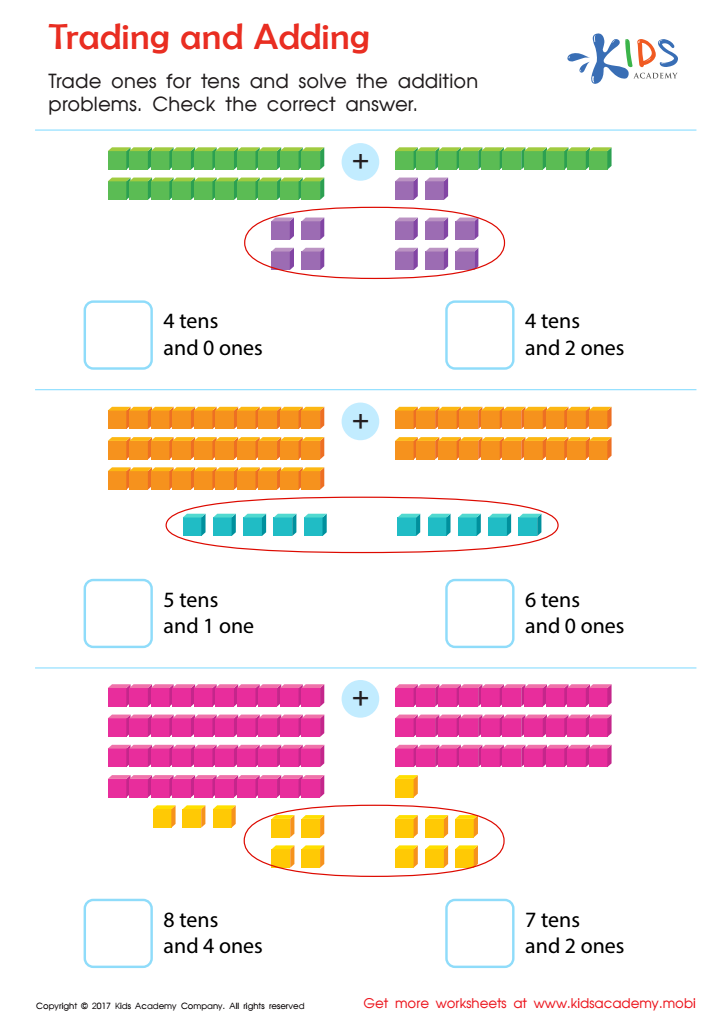
Trading and Adding Worksheet
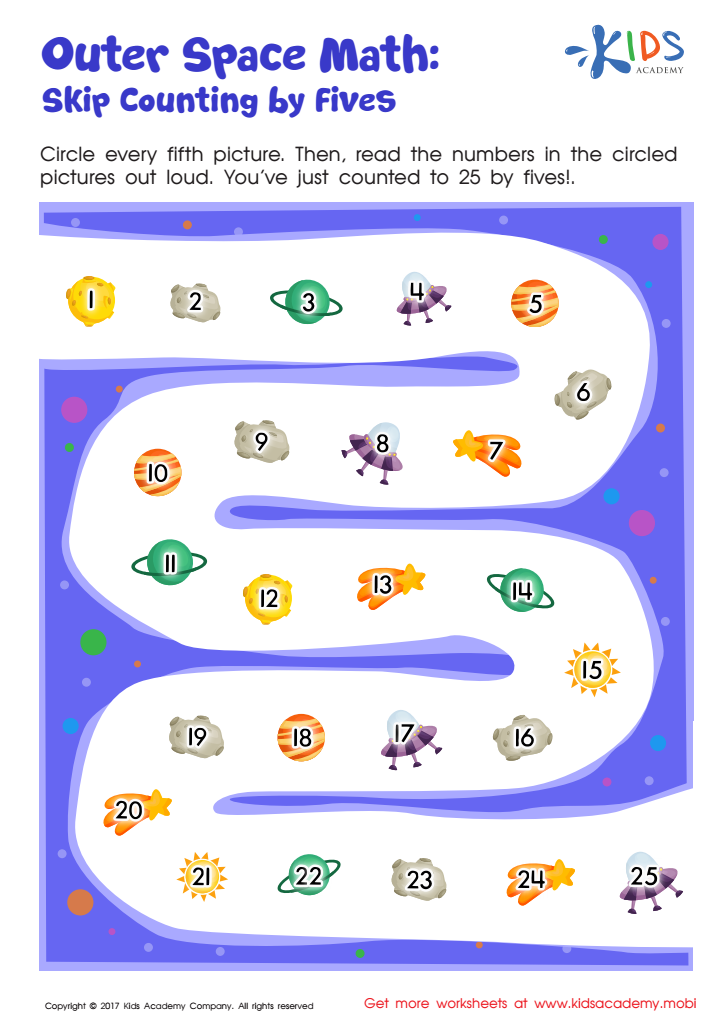
Skip Counting by 5s: Outer Space Math Printable
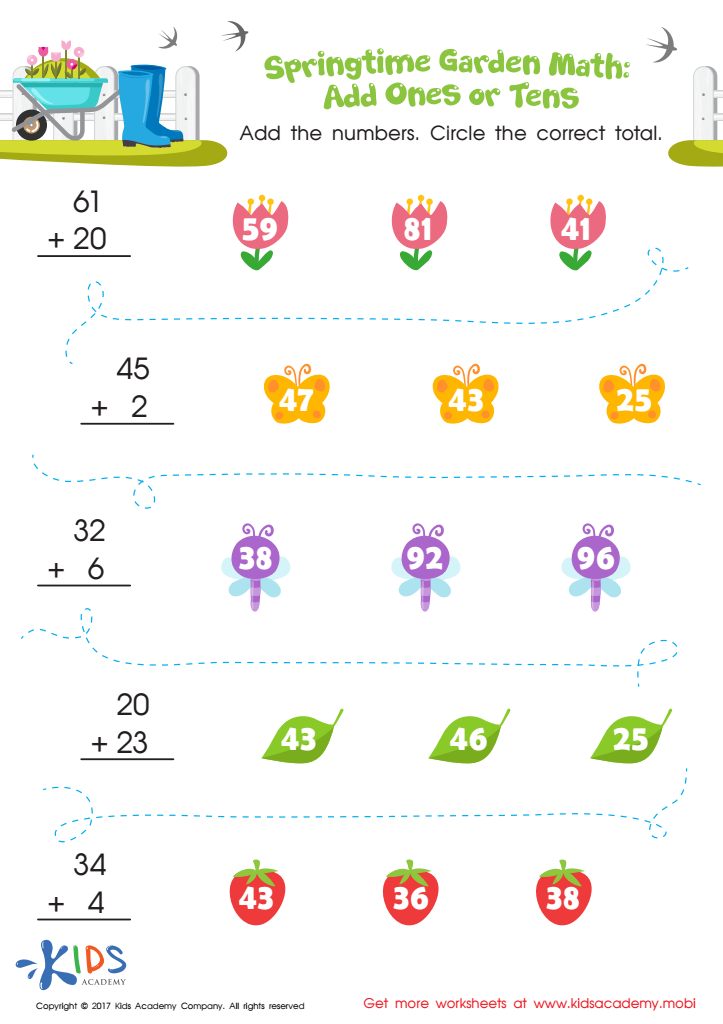
Springtime Garden Math Worksheet
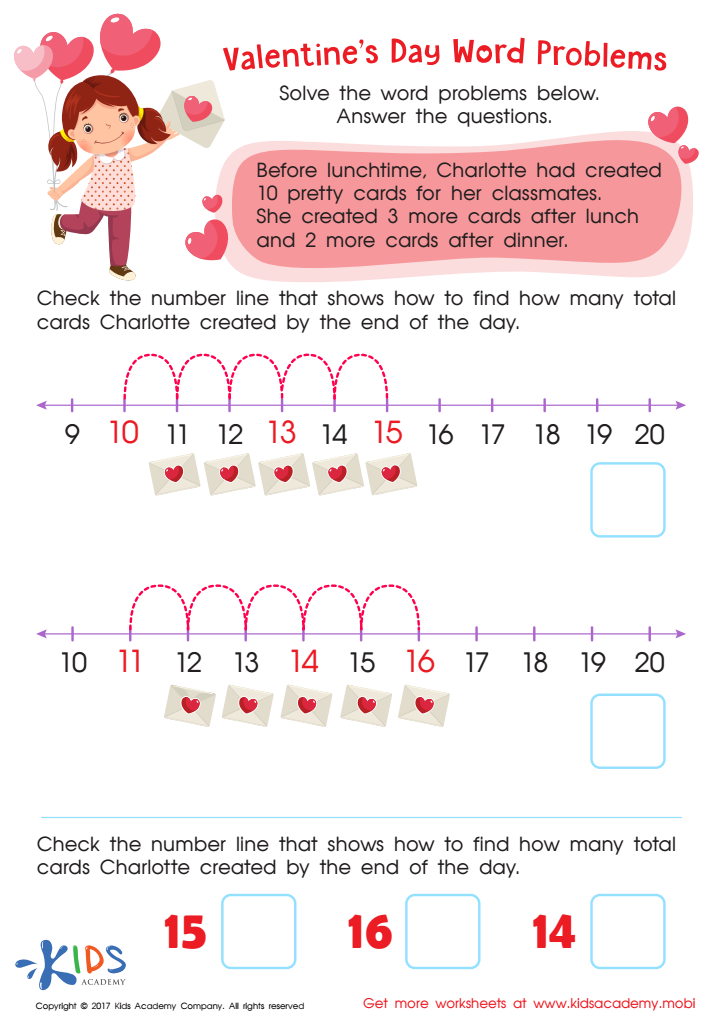
Valentines Day Word Problem Worksheet
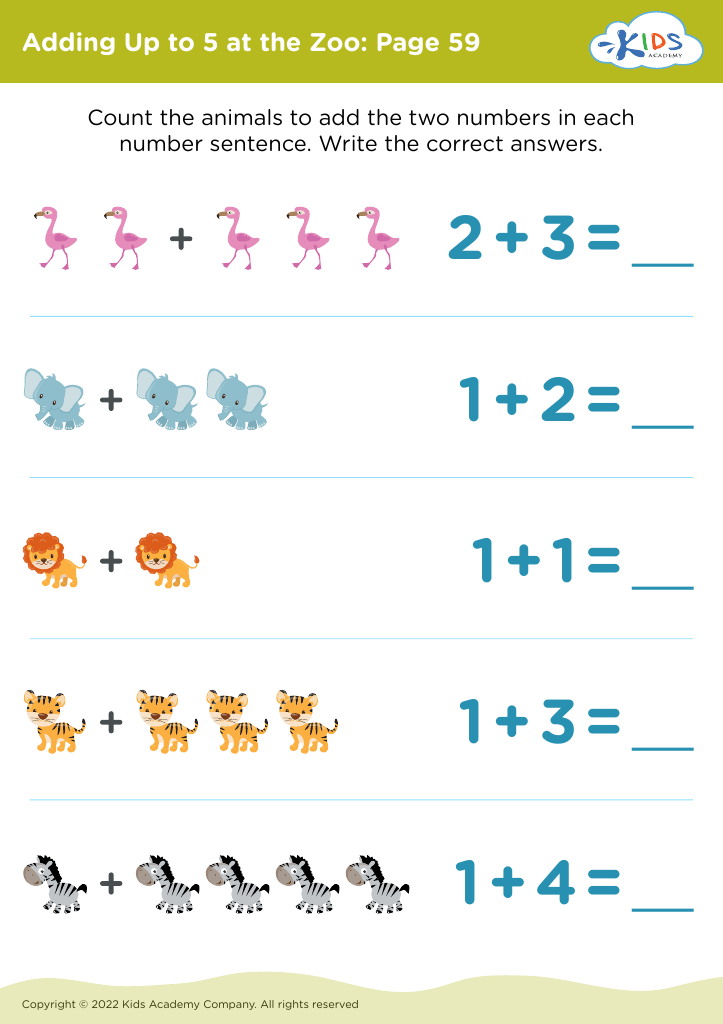
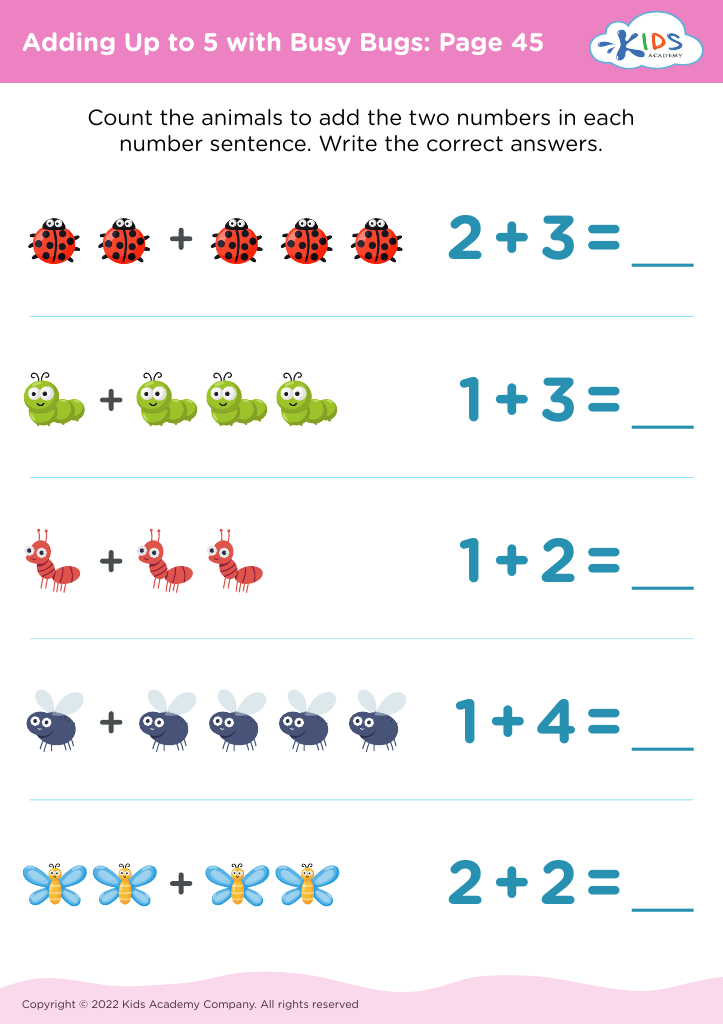
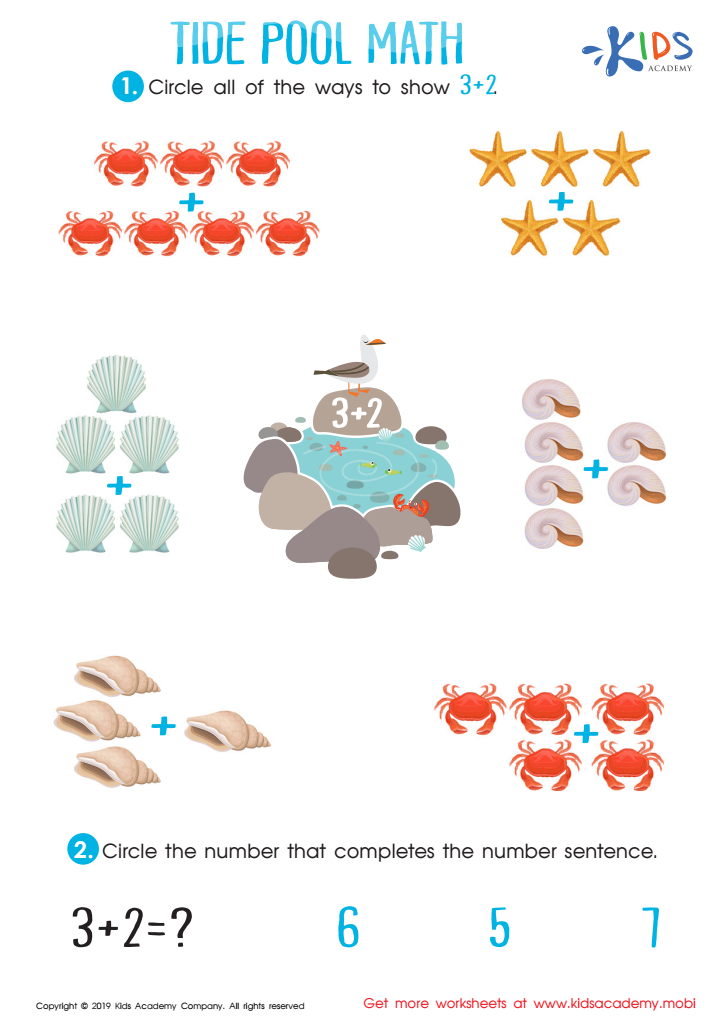
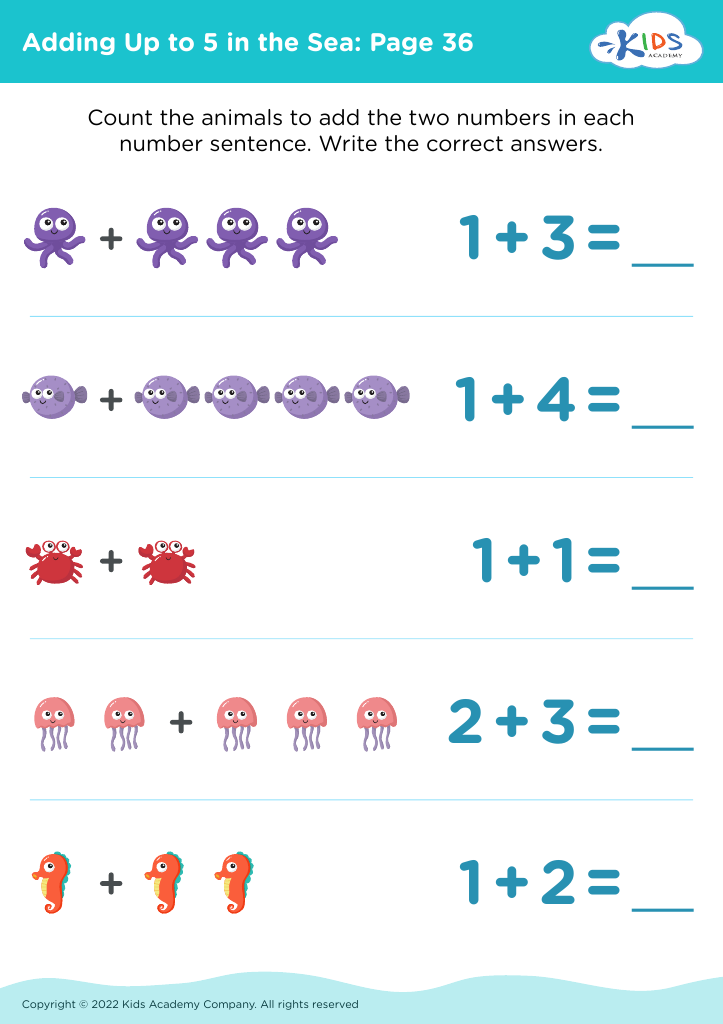
Tide Pool Math Worksheet
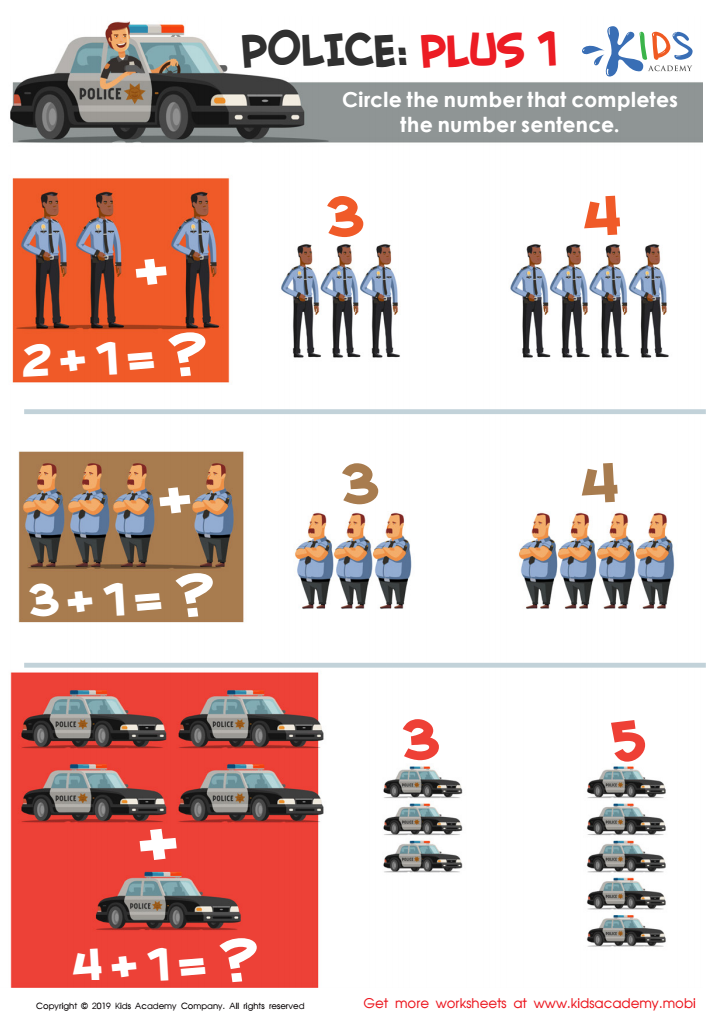
Police: Plus 1 Worksheet
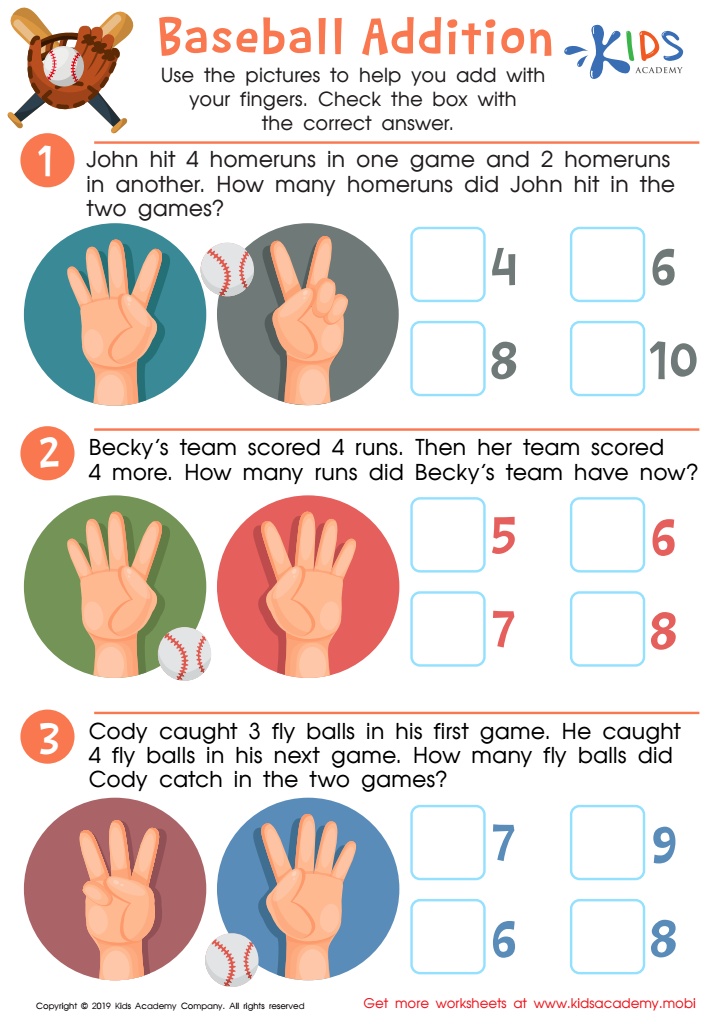
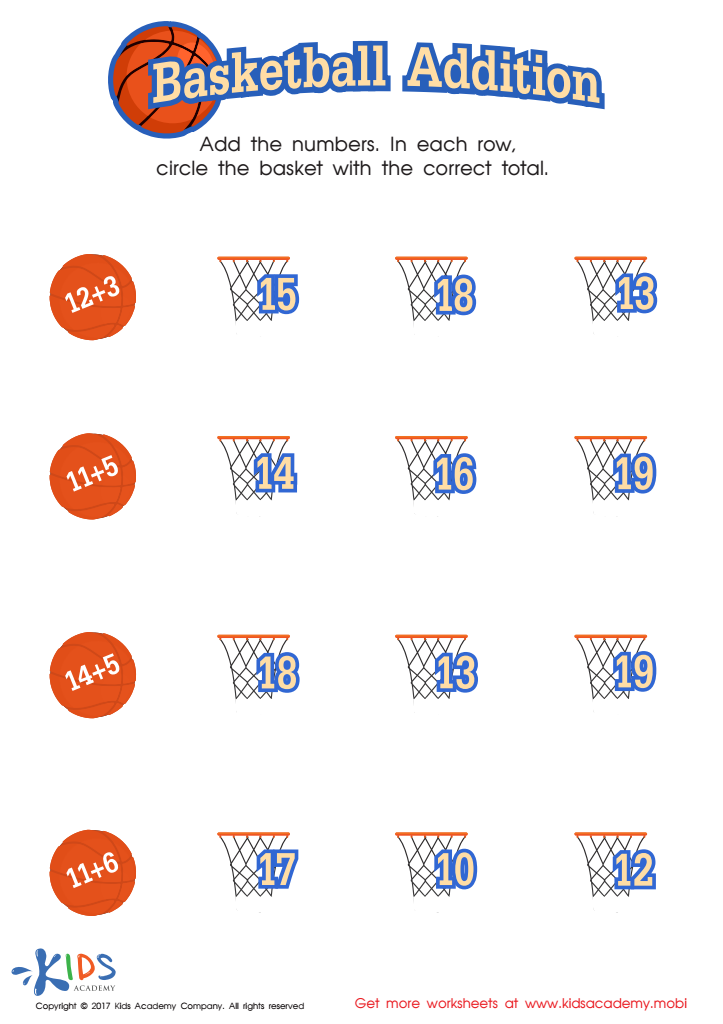
Baseball Addition Worksheet
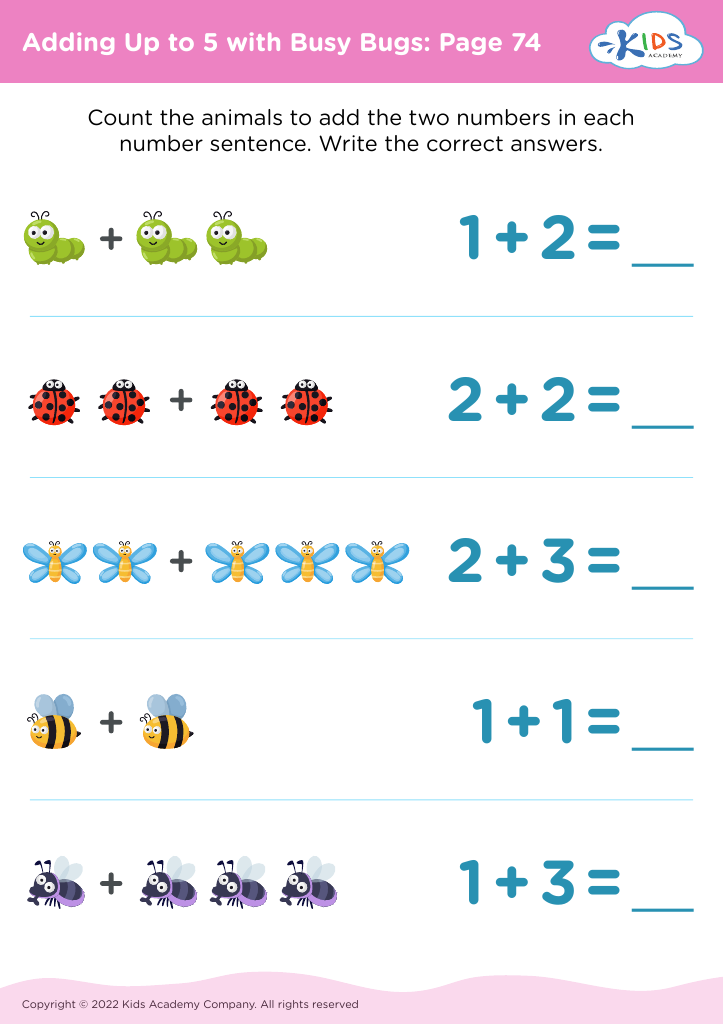
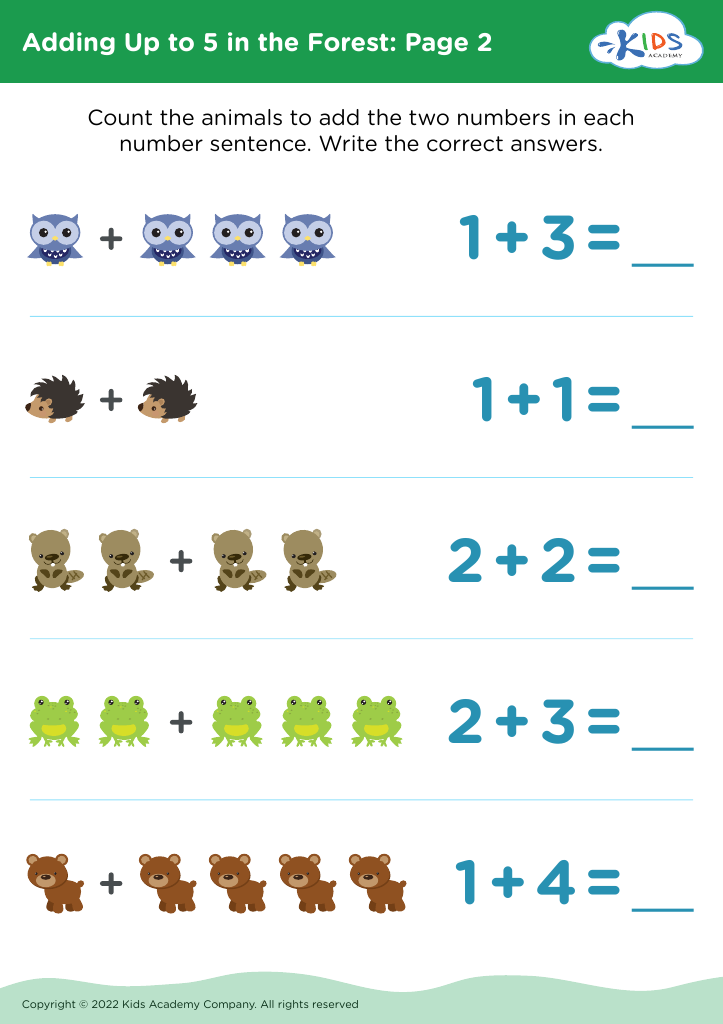
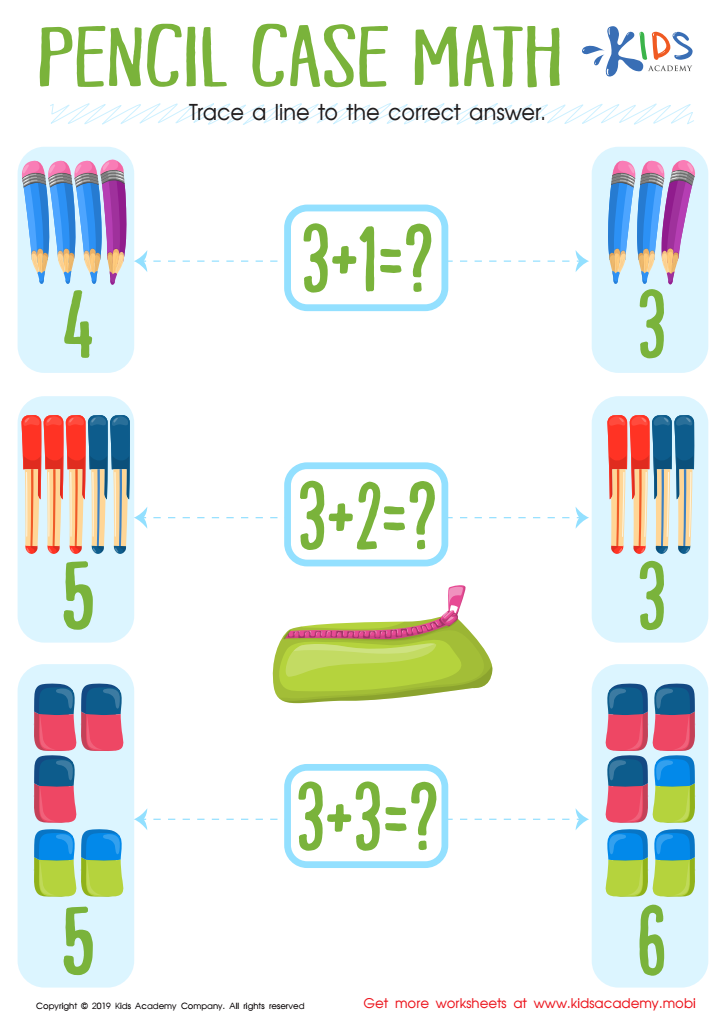
Pencil Case Math Worksheet
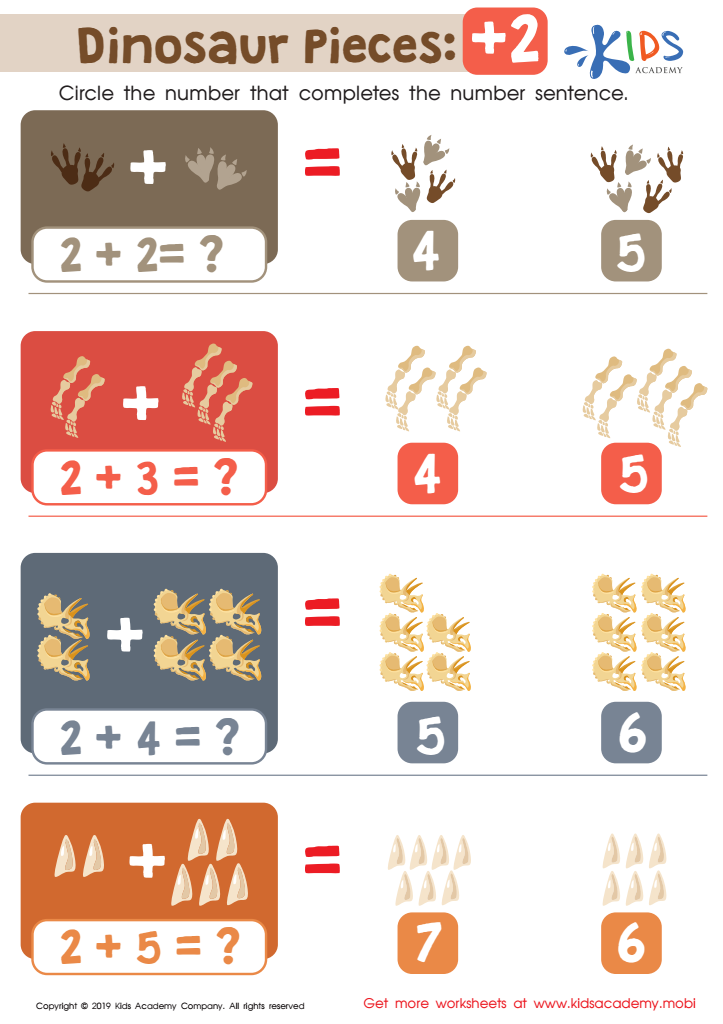
Dinosaur Pieces: +2 Worksheet







Addition practice is crucial for children aged 4-6 as it lays the foundation for their mathematical understanding and overall cognitive development. At this stage, children are naturally curious and eager to learn, making it an optimal time for introducing basic addition concepts. Engaging in addition practice not only helps improve their math skills but also enhances their problem-solving abilities and logical thinking.
Furthermore, early math skills have been shown to correlate with future academic success. By mastering addition, children develop confidence in their abilities, which encourages a positive attitude toward learning as they progress through school. Addition practice also promotes fine motor skills when using manipulatives, such as counting beads or blocks, fostering hand-eye coordination essential for later stages of learning.
Parents and teachers play an integral role in supporting this learning process. By incorporating fun, interactive activities—such as games, songs, and everyday counting exercises—they can create an engaging environment that encourages a love for math. Additionally, strengthening these foundational skills early reduces math anxiety and prevents learning gaps as children advance. Ultimately, emphasizing addition practice during these formative years equips children with the essential tools they need for lifelong learning and success in mathematics.








