Categorizing objects Science Worksheets for Ages 4-6
4 filtered results
-
From - To
Enhance your child's early science skills with our engaging Categorizing Objects Science Worksheets for ages 4-6. These fun and educational worksheets are designed to help young learners recognize and group objects based on common characteristics such as shape, color, size, and function. Through interactive activities, children develop critical thinking and observational skills that form the foundation for future scientific learning. Perfect for both classroom use and at-home practice, our printable worksheets make learning enjoyable and effective, offering a hands-on approach that captures the curiosity and imagination of preschoolers and kindergartners. Build a strong science foundation with our expert-designed resources today!
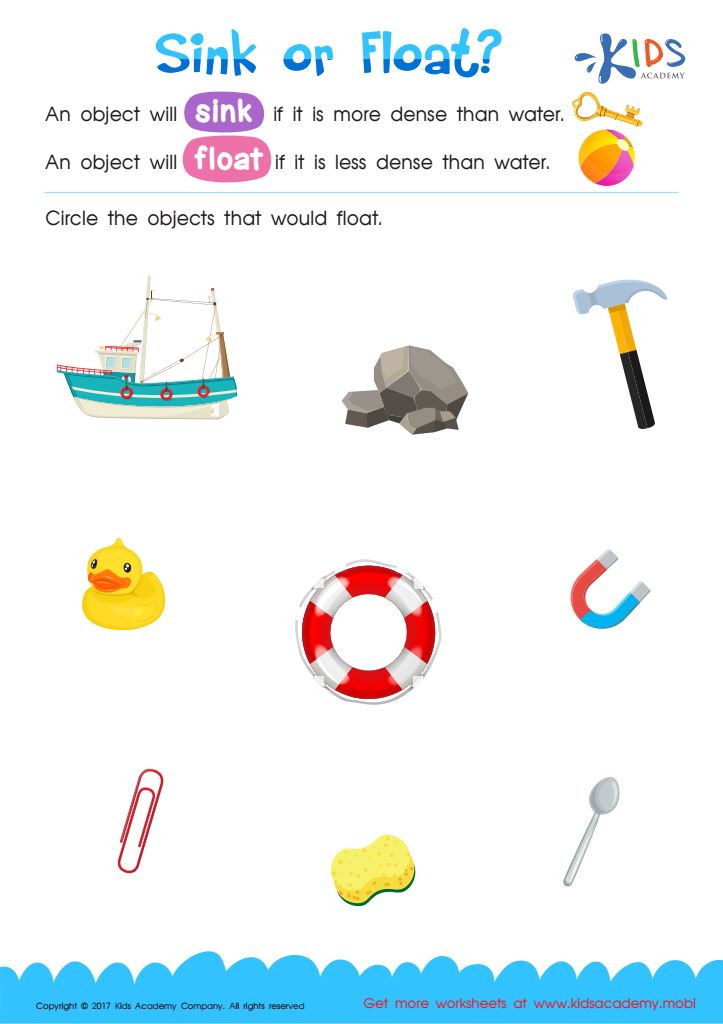
Sink or Float Printable
 Assign to My Students
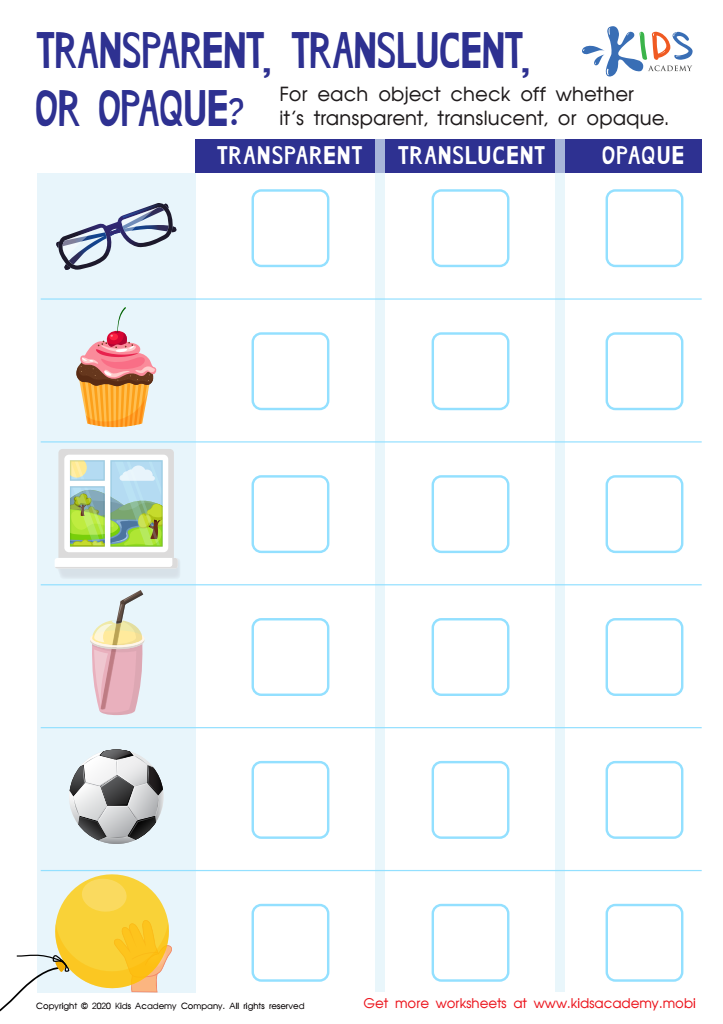
Transparent, Translucent, or Opaque Worksheet
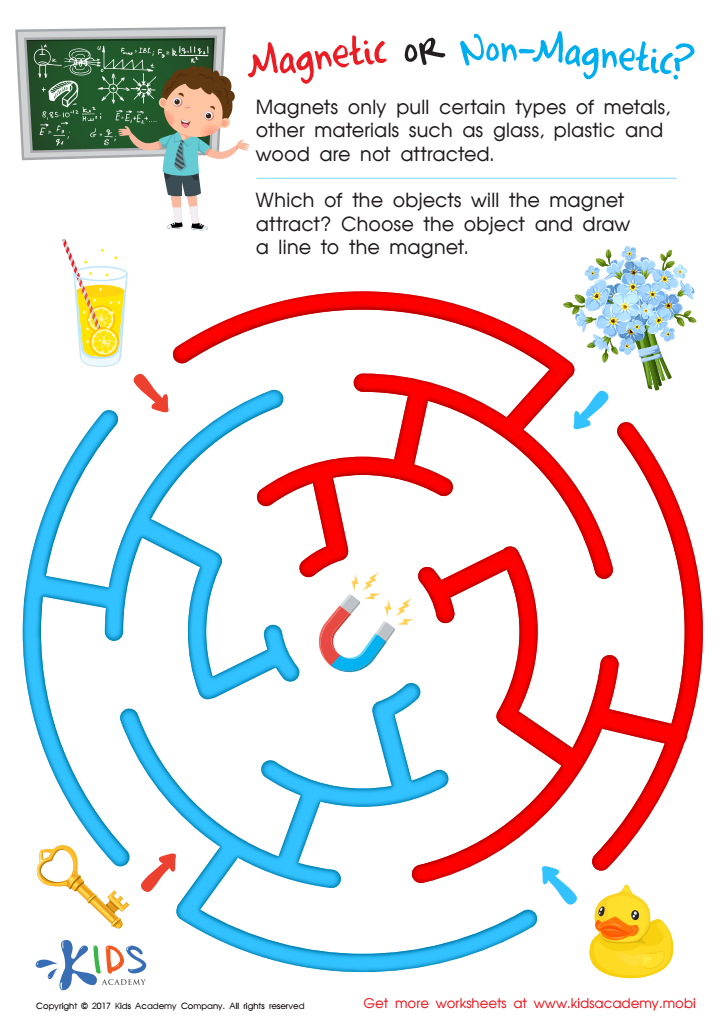
Magnetic or Non–Magnetic Worksheet
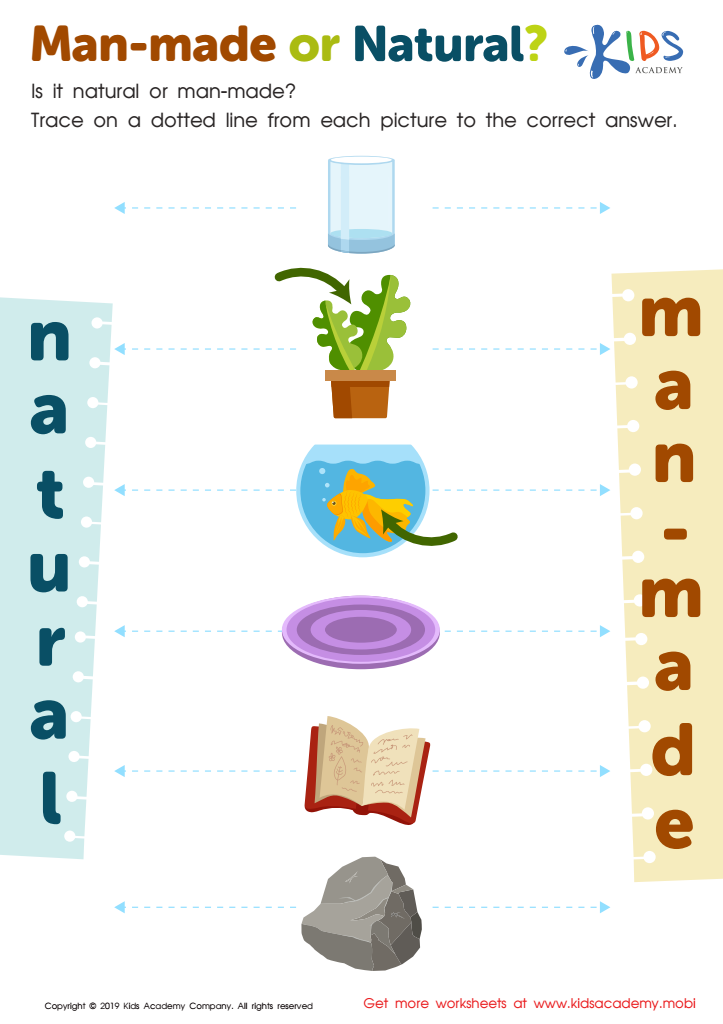
Man-Made or Natural? Worksheet



%20(1).jpg)




Categorizing objects is a crucial foundation for cognitive development in children aged 4-6, and it is something both parents and teachers should care deeply about. At this stage, kids are naturally curious and are developing important cognitive and logical thinking skills. Categorizing helps them understand the world by organizing objects based on shared characteristics like shape, color, size, and function. This fundamental skill enhances their ability to make sense of their environment, leading to better problem-solving and critical thinking abilities.
Moreover, categorizing objects promotes language development. When children group objects together, they learn new vocabulary and ways to describe the world around them. For instance, if a child groups animals into 'wild' and 'domestic', they not only learn those two categories but also the characteristics that define each group.
Socially, categorizing equips children with the skills for effective communication and teamwork. When children discuss their reasoning for grouping objects in specific ways, they practice explaining their thoughts and learn to understand different perspectives.
In essence, by encouraging categorizing activities, parents and teachers lay the groundwork for advanced scientific and mathematical thinking. Emphasizing these skills now builds a strong foundation for more complex concepts children will encounter in their educational journey.







