Reading comprehension Science Worksheets for Ages 4-6
64 filtered results
-
From - To
Discover engaging Reading Comprehension Science Worksheets tailored for ages 4 to 6, designed to spark young learners’ curiosity about the world around them! Our worksheets combine captivating science topics with simple reading tasks to enhance understanding and retention. Children will explore vibrant illustrations while developing essential comprehension skills through fun exercises, encouraging a love for reading and learning. These printable resources support early literacy development by building vocabulary, fostering critical thinking, and promoting creative expression. Perfect for at-home learning or classroom activities, our worksheets provide an interactive way for kids to connect scientific concepts with reading comprehension. Get started today!
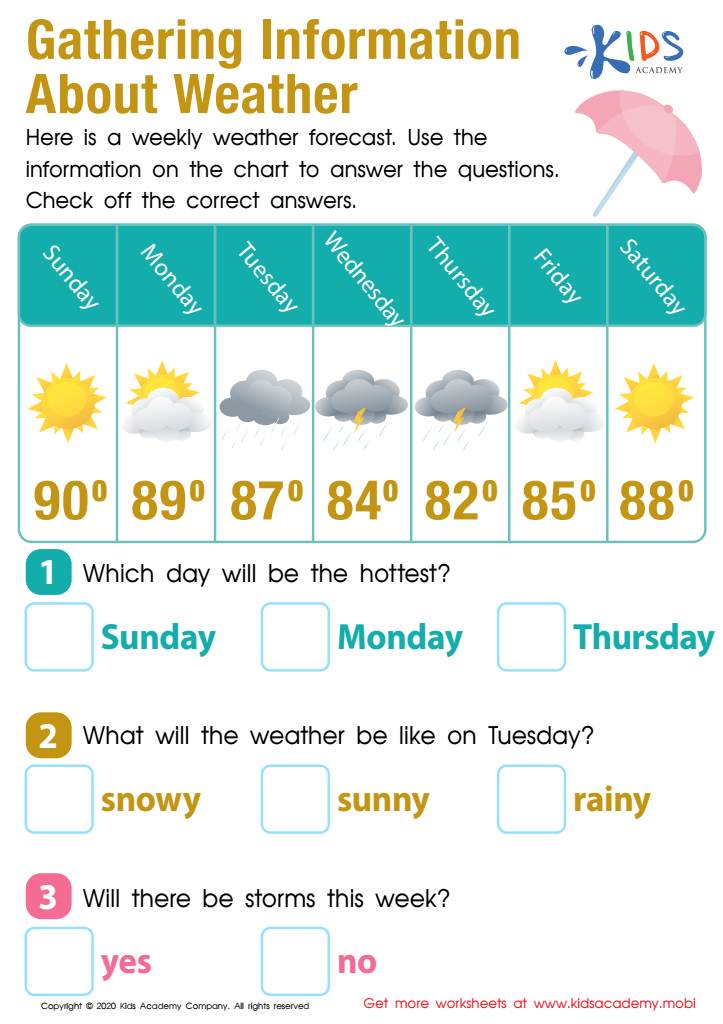
Gathering Information About the Weather Worksheet
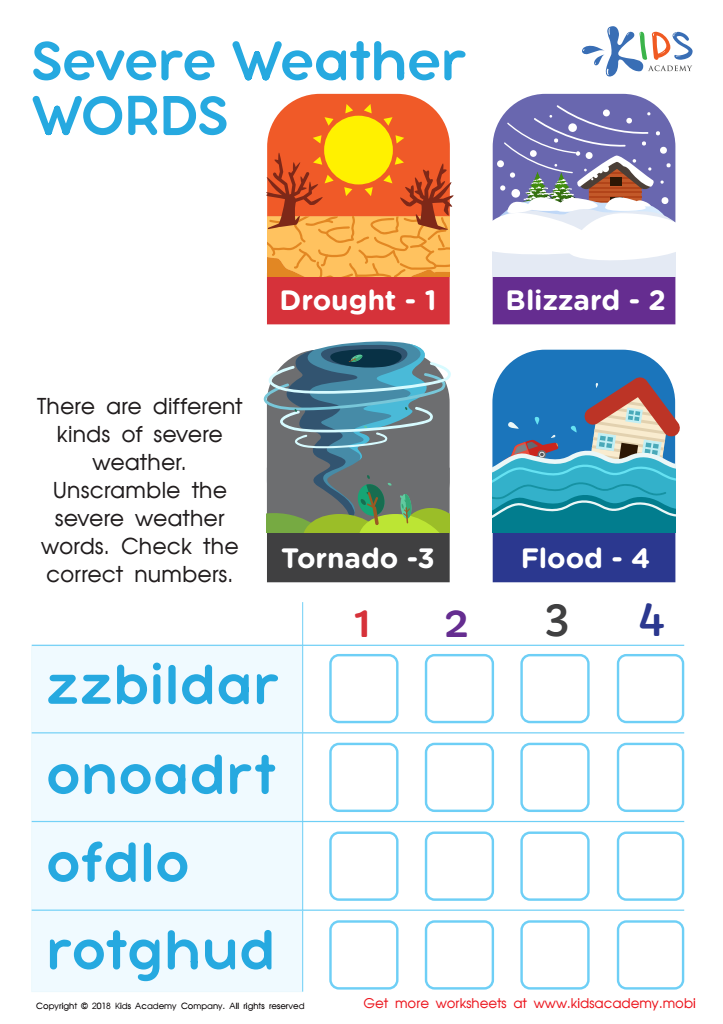
Severe Weather Words Worksheet
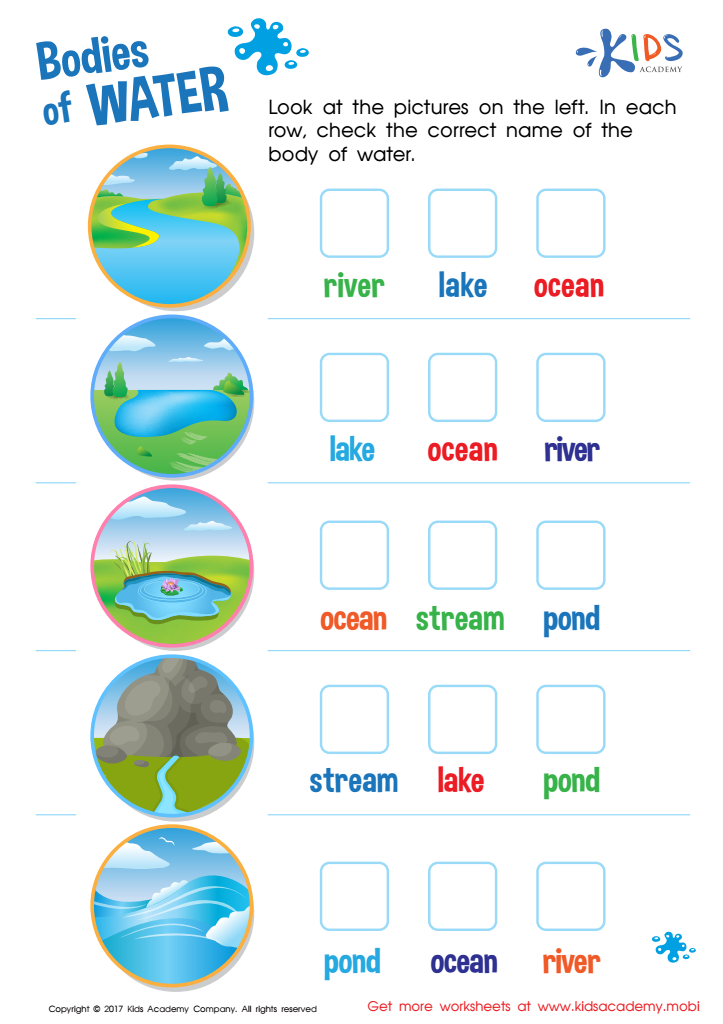
Bodies of Water Worksheet
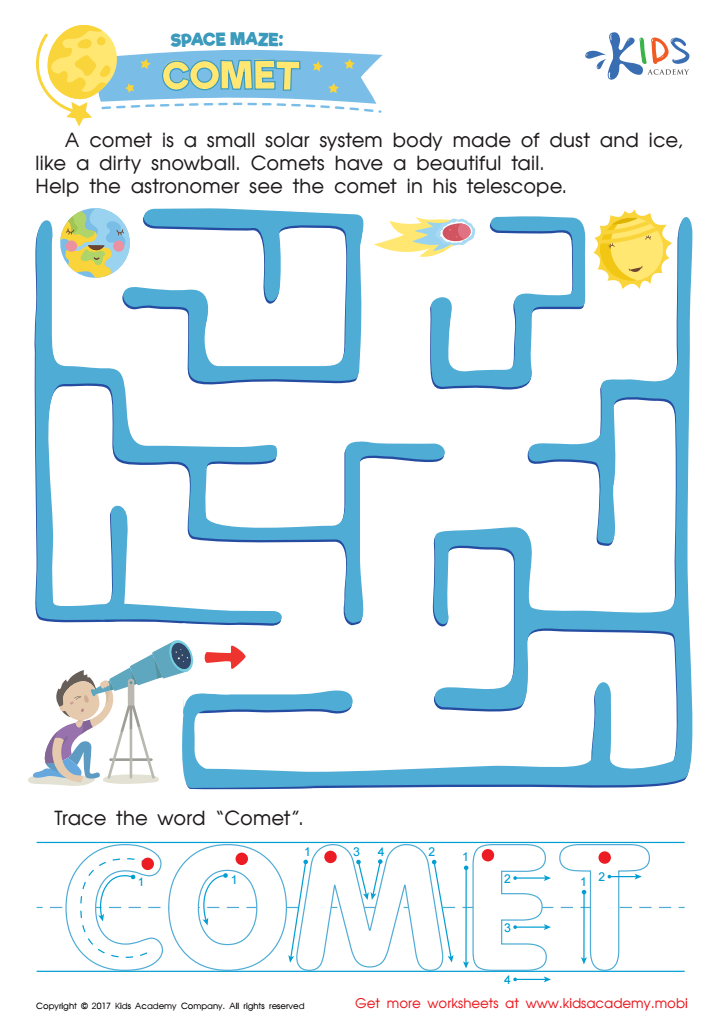
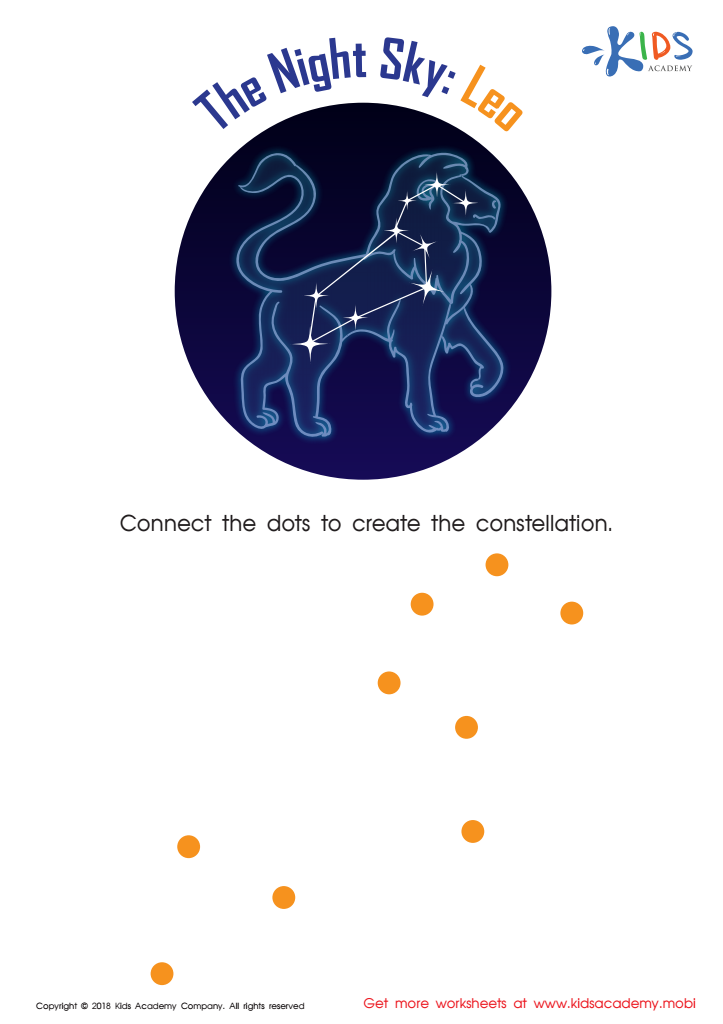
The Night Sky: Leo Worksheet
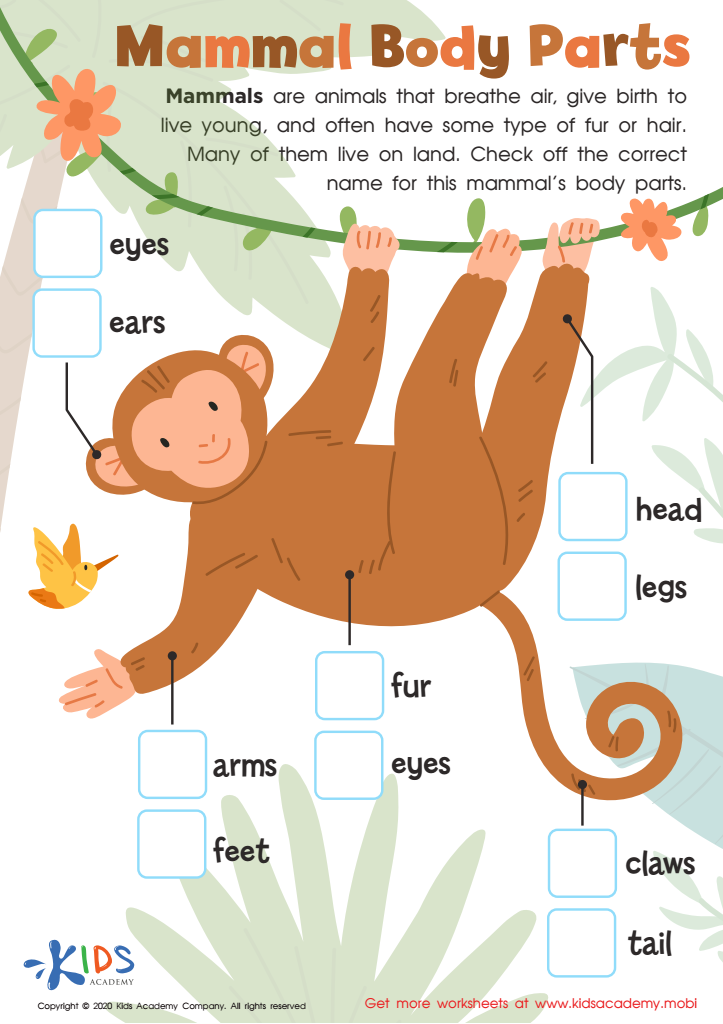
Mammal Body Parts Worksheet
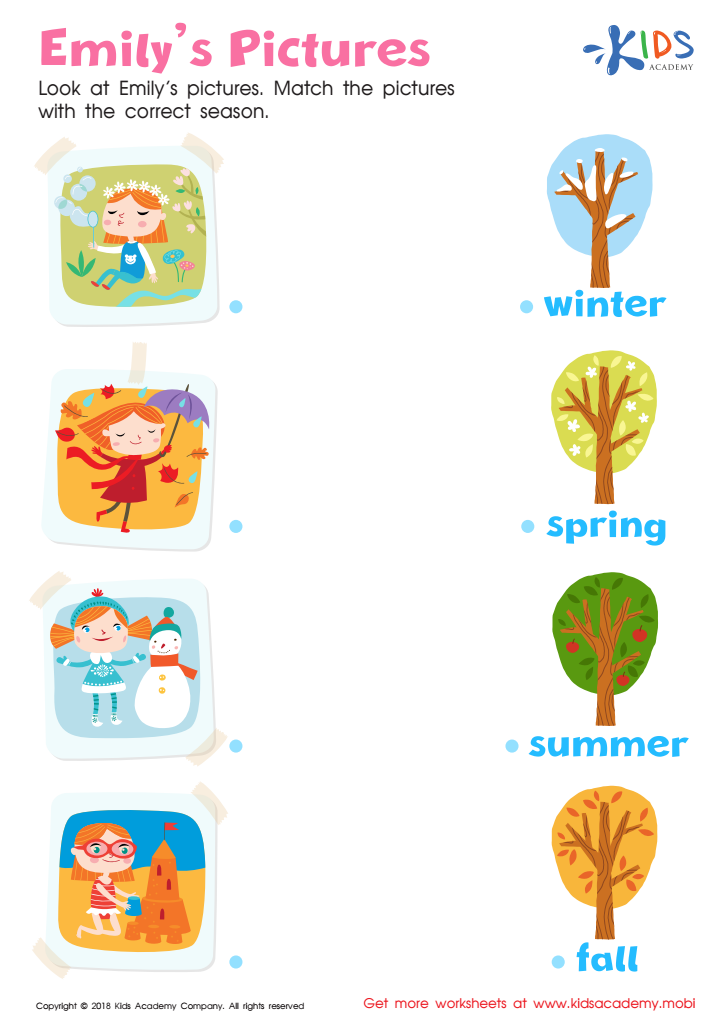
Emily's Pictures Worksheet
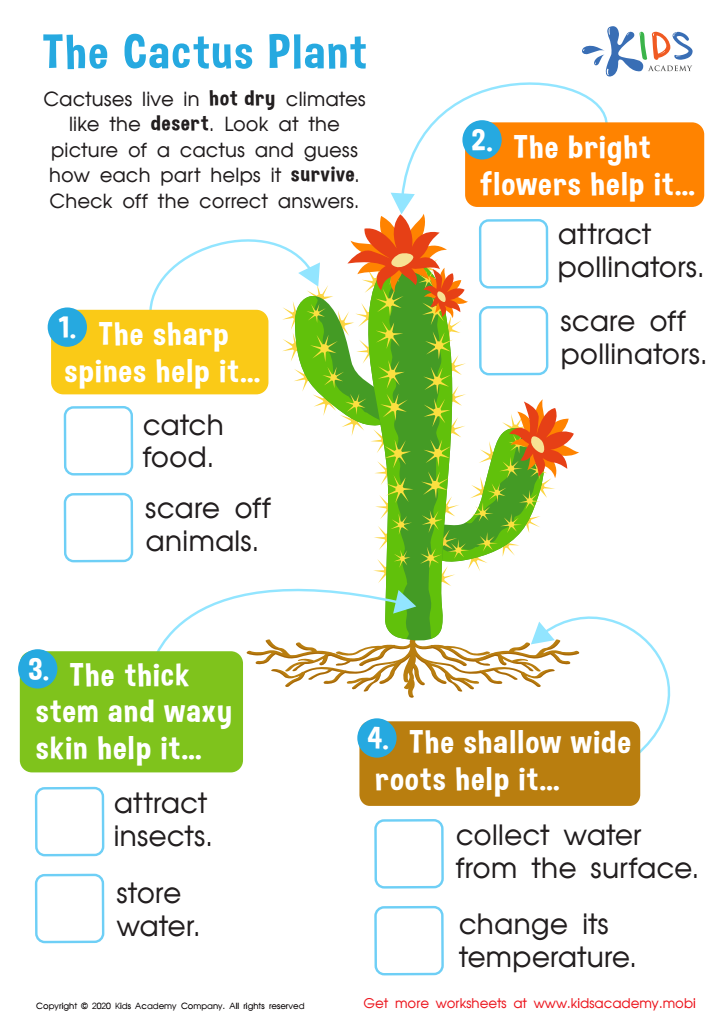
The Cactus Plant Worksheet
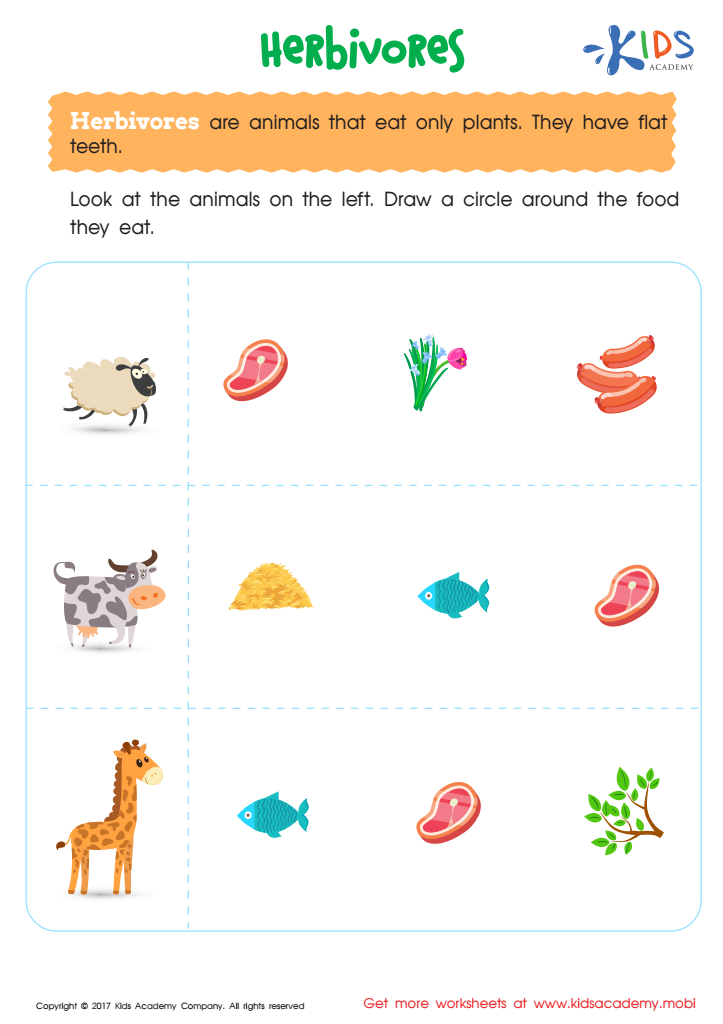
Herbivores Printable
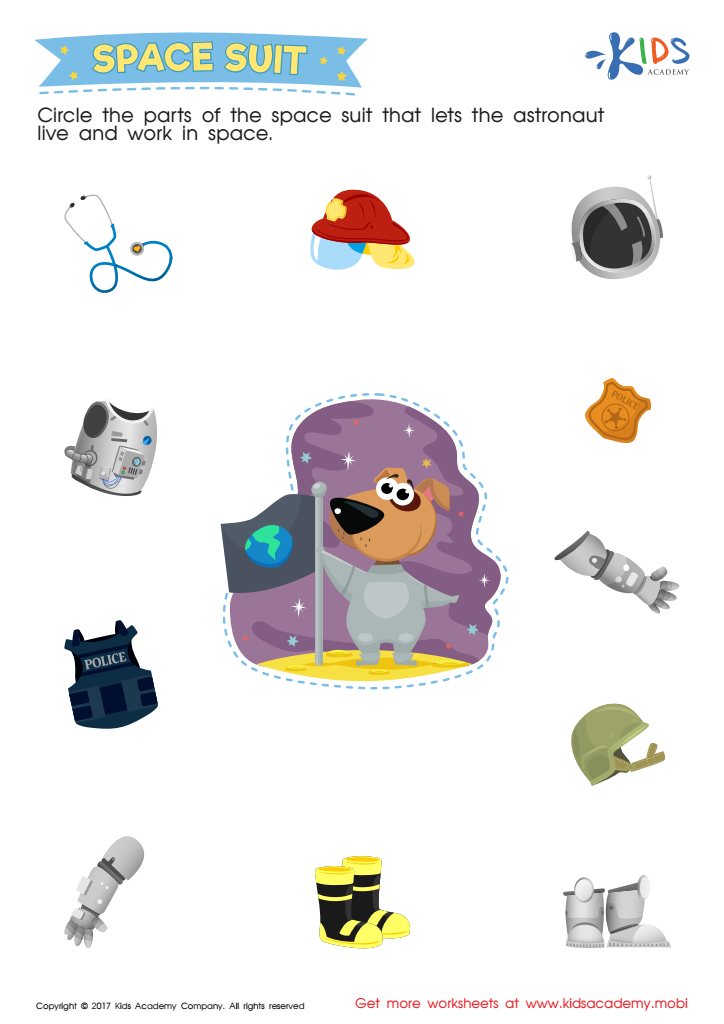
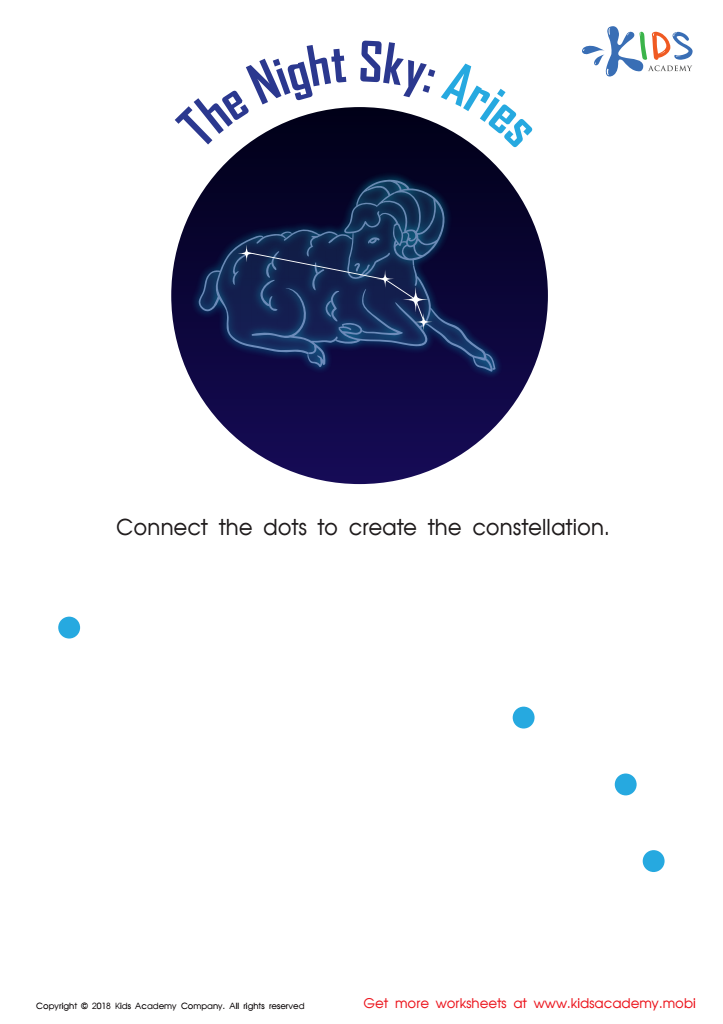
The Night Sky: Aries Worksheet
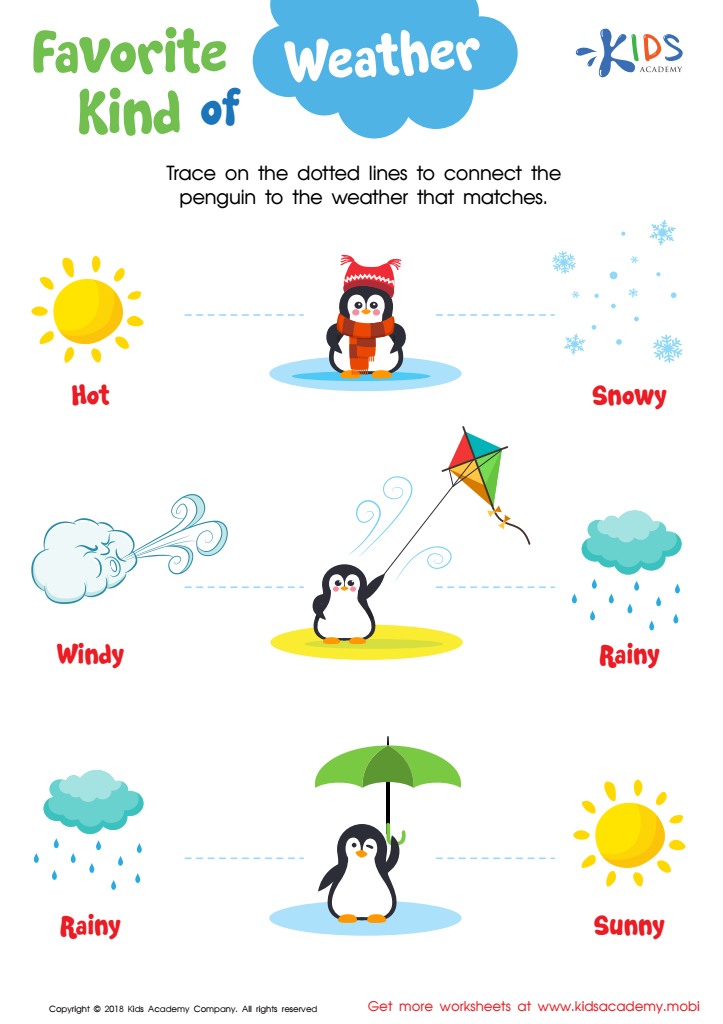
Favorite Kind of Weather Worksheet
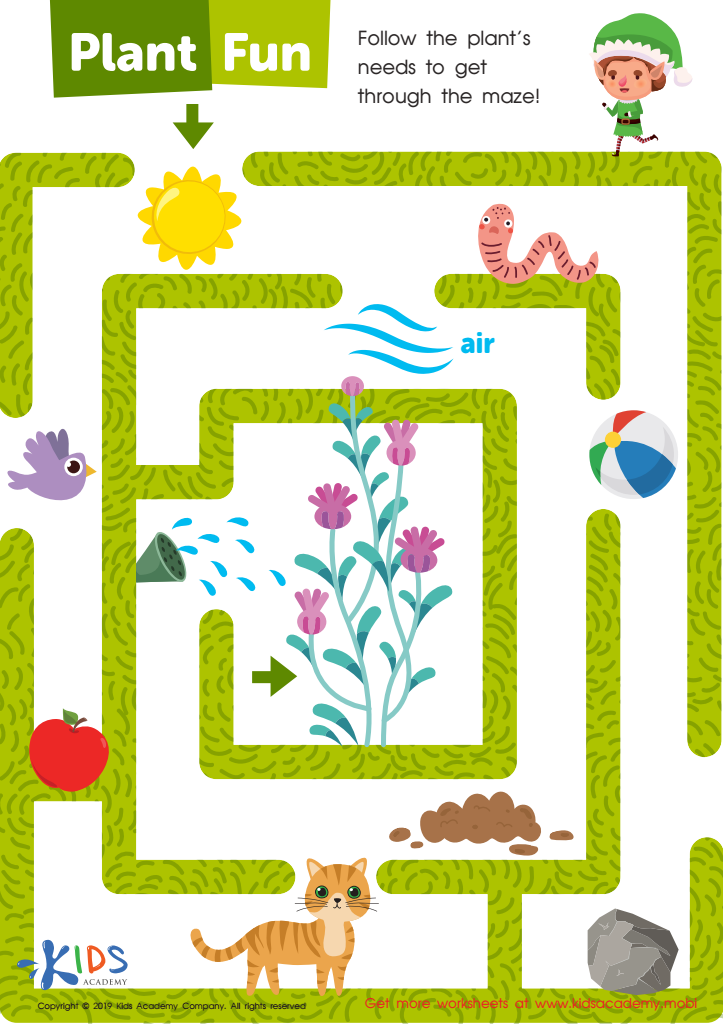
Plant Fun Worksheet
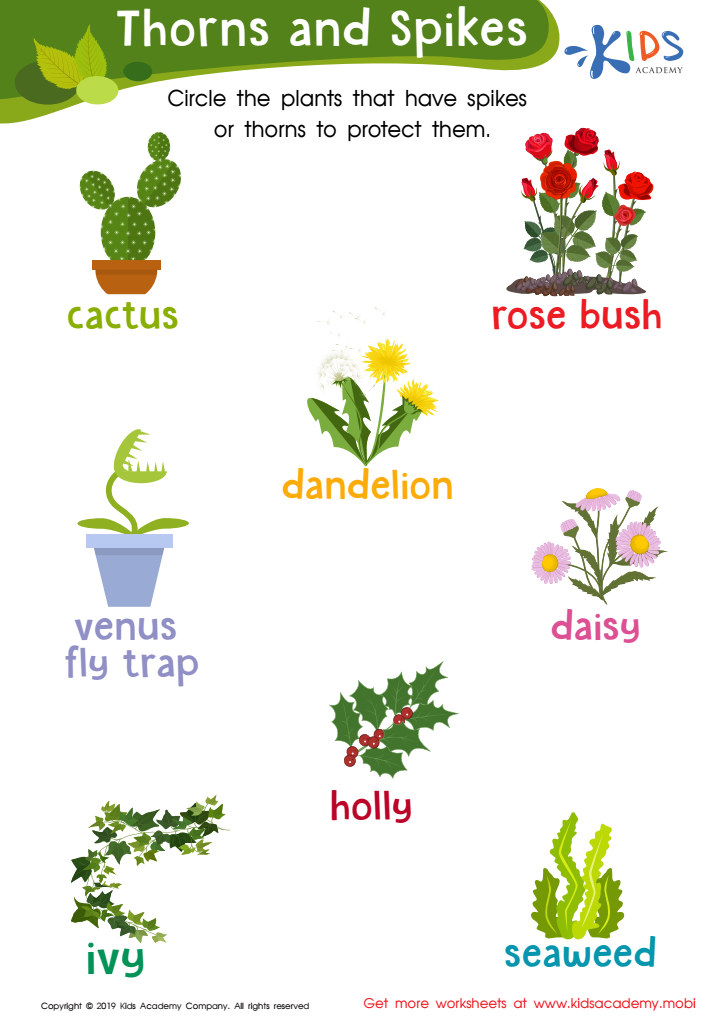
Thorns and Spikes Worksheet
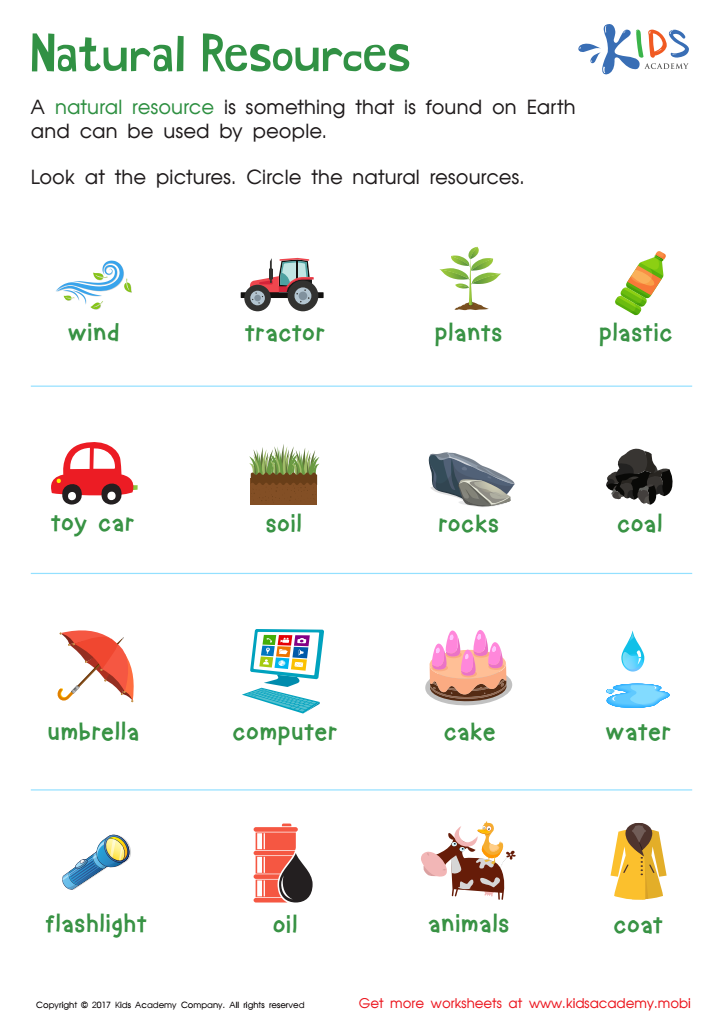
Natural Resources Worksheet
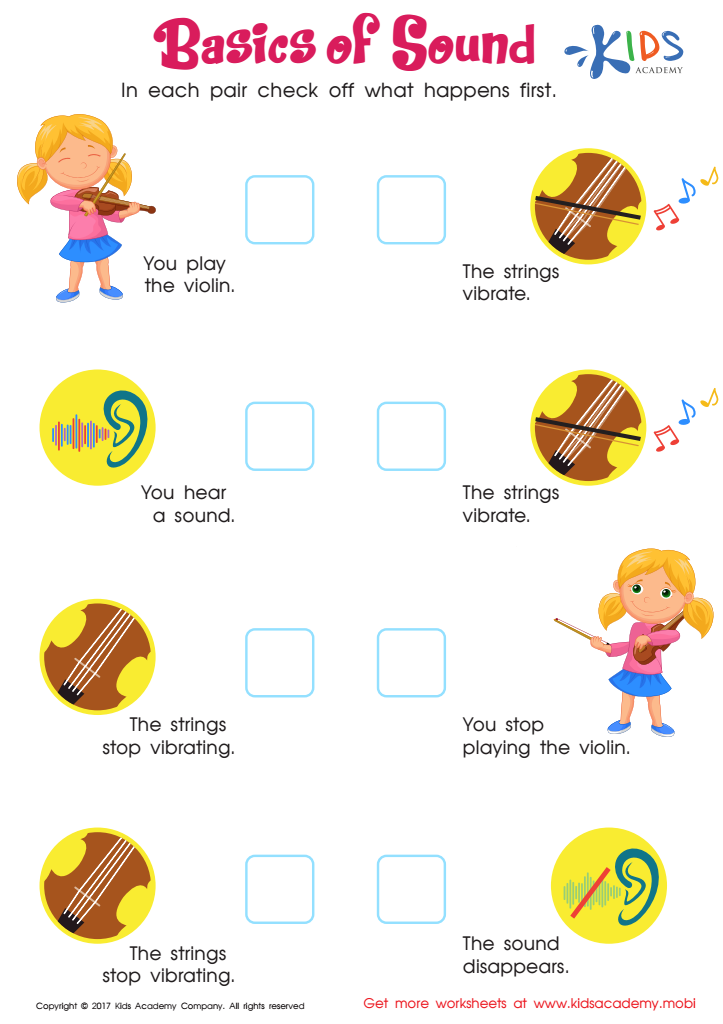
Basics Of Sound Worksheet
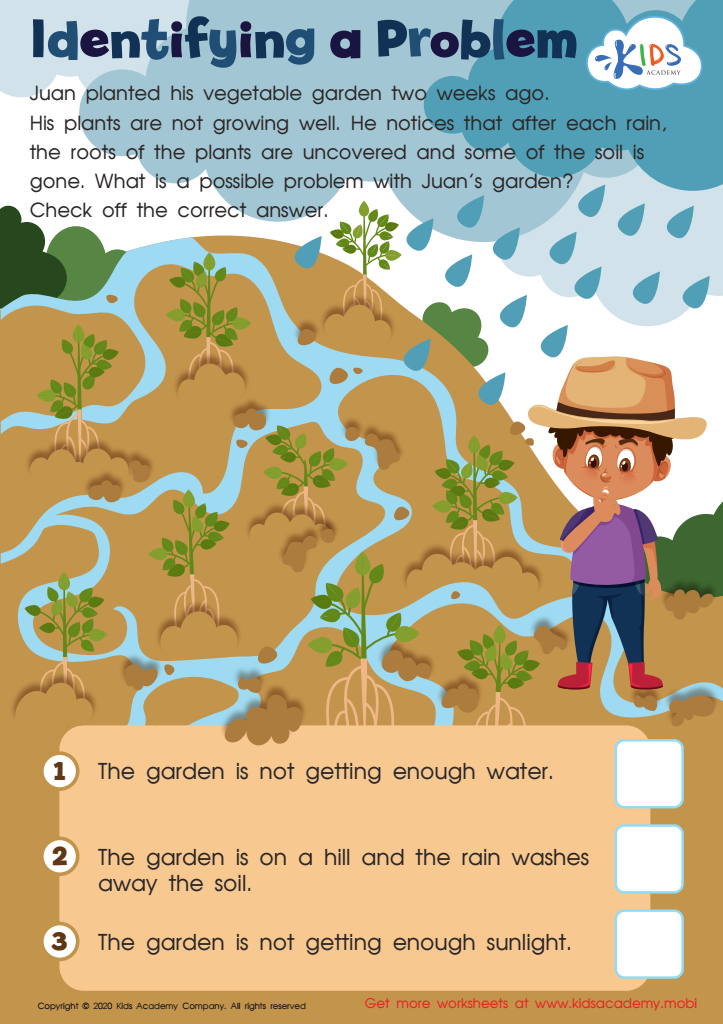
Identifying a Problem Worksheet
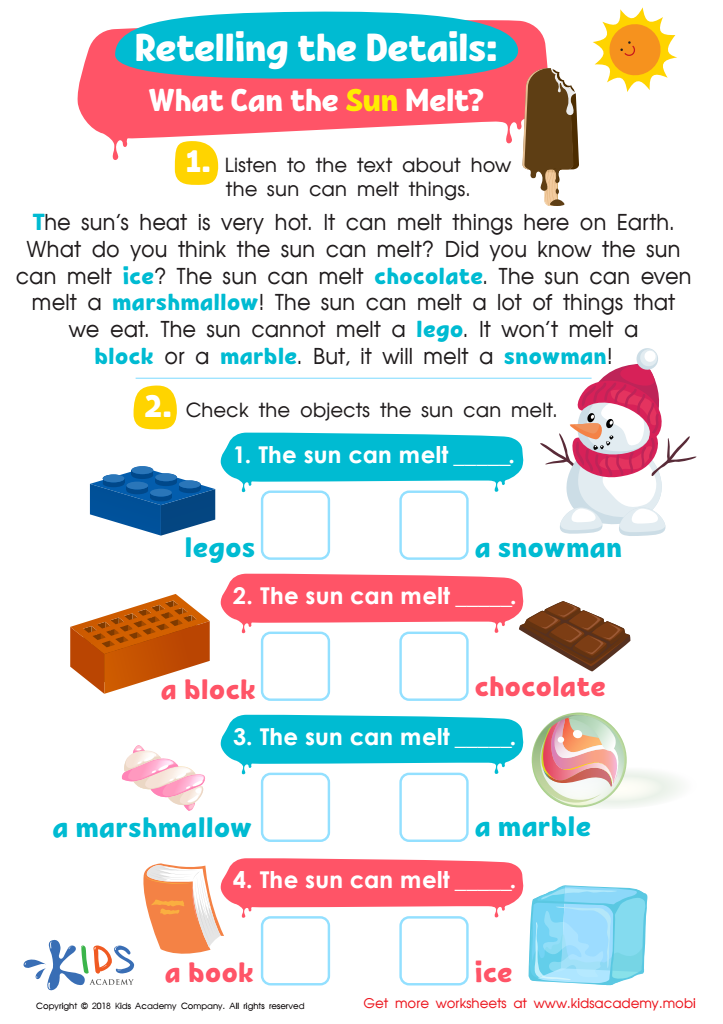
Retelling the Details: What Can the Sun Melt? Worksheet
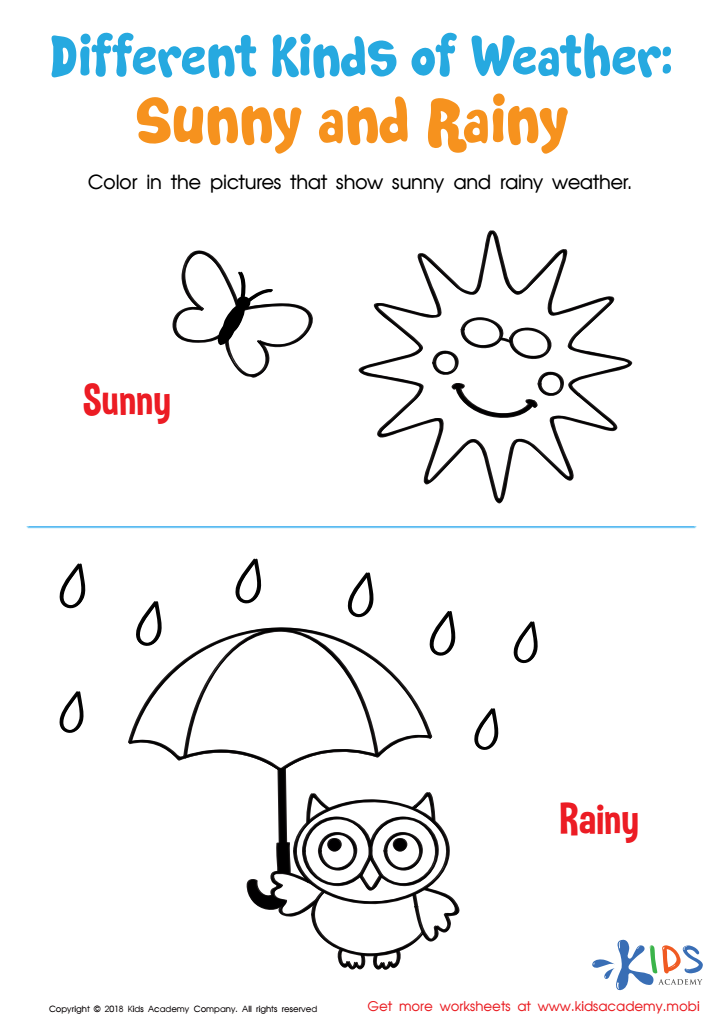
Different Kinds of Weather: Sunny and Rainy Worksheet
 Assign to My Students
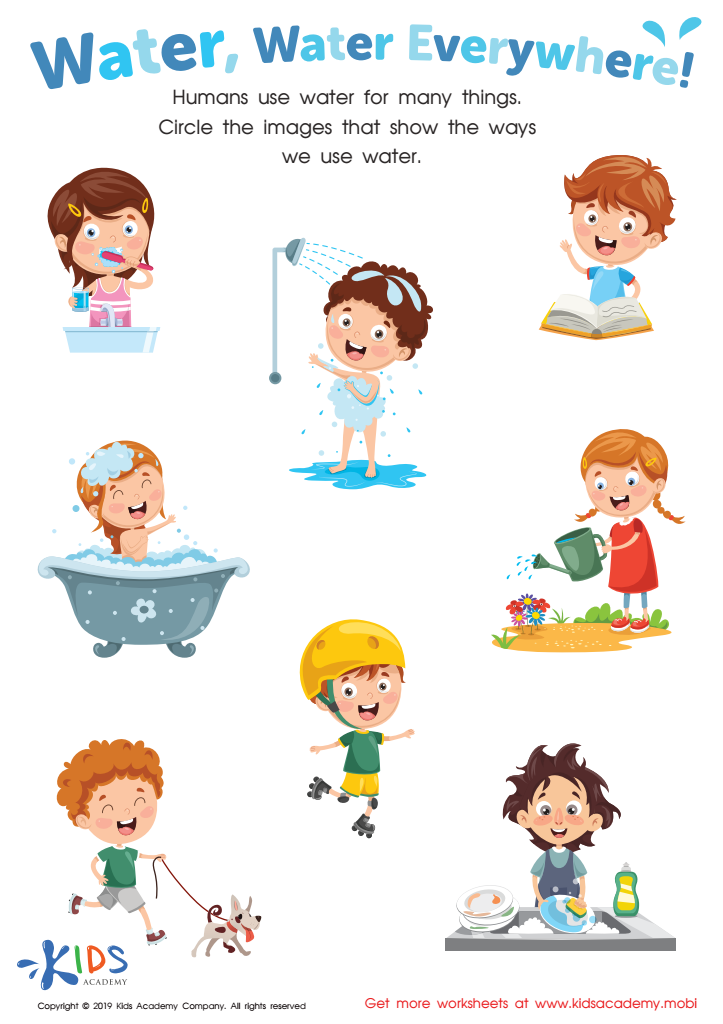
Water, Water Everywhere! Worksheet
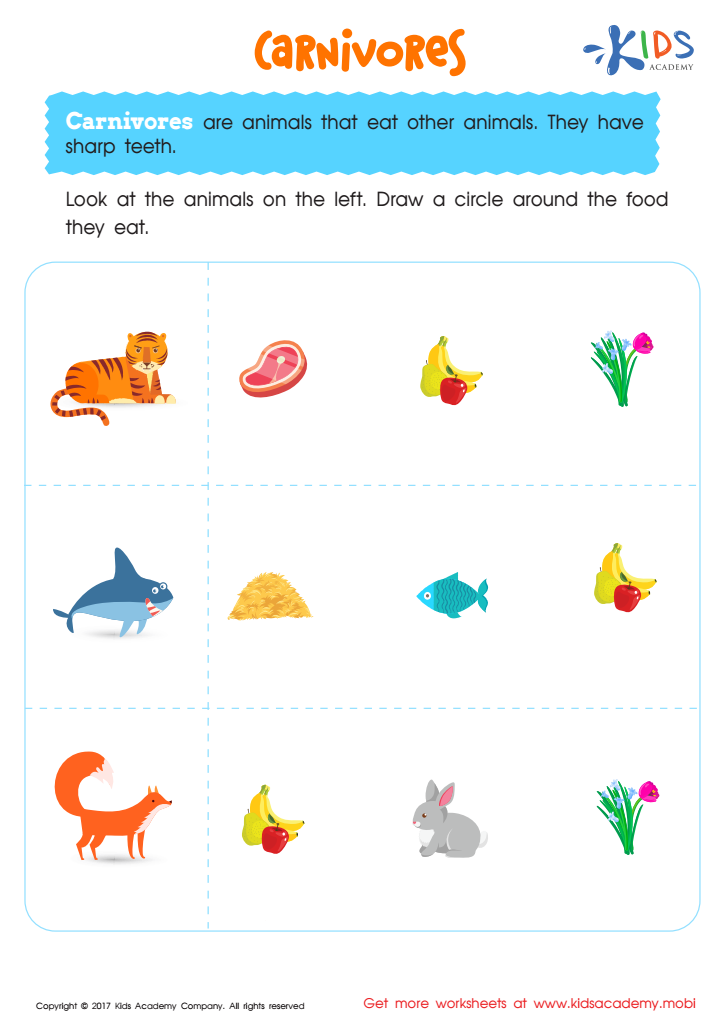
Carnivores Worksheet
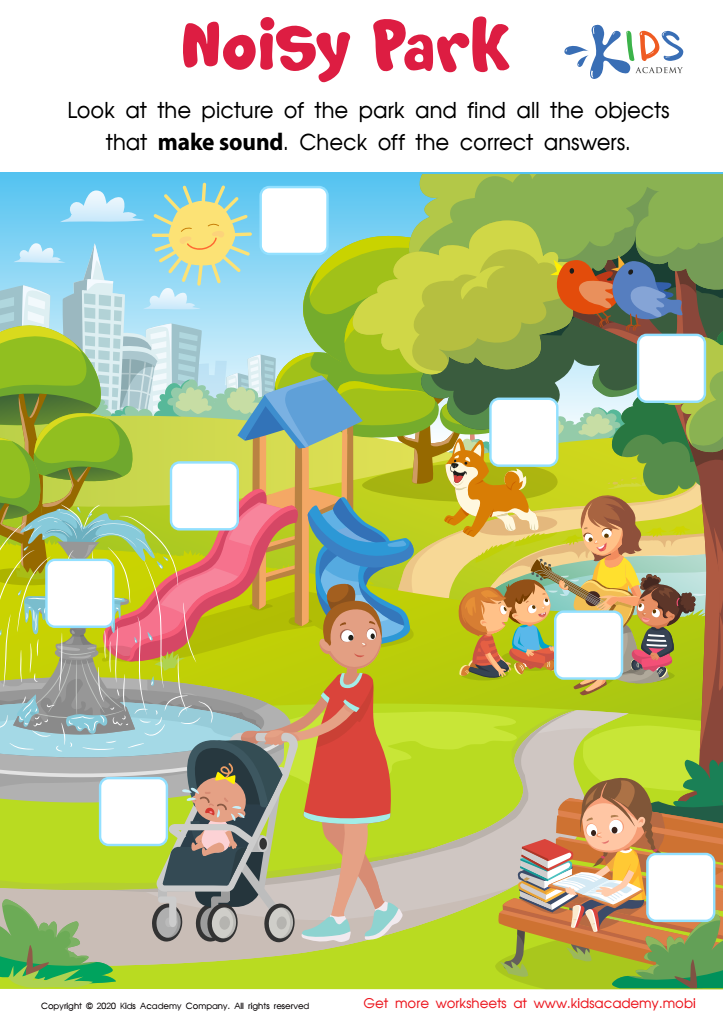
Noisy Park Worksheet
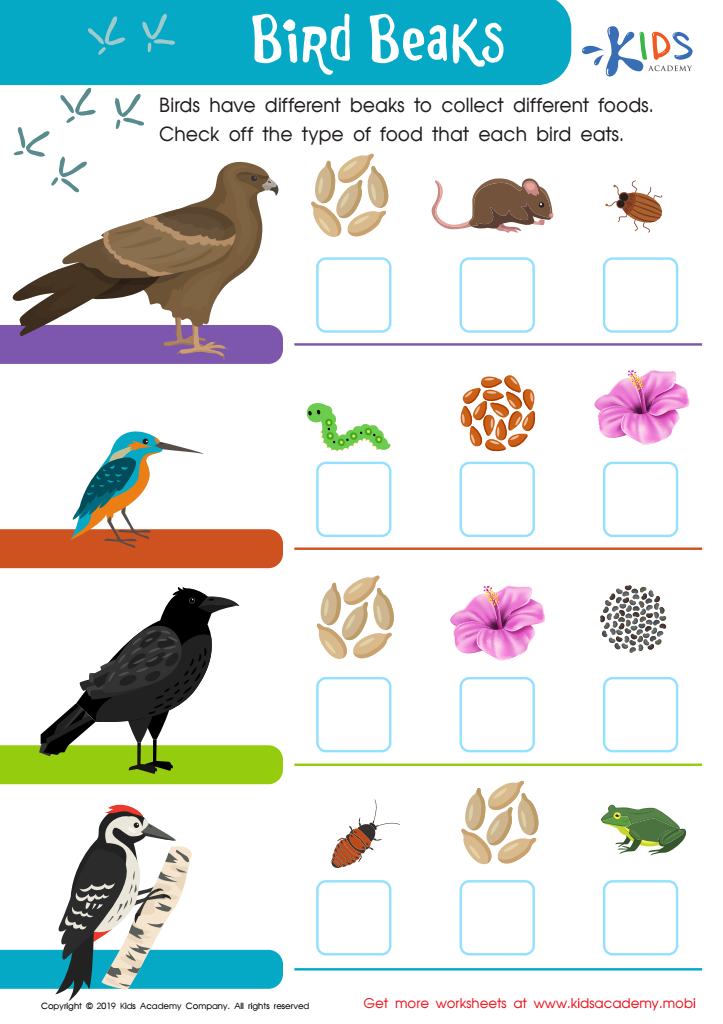
Bird Beaks Worksheet








Reading comprehension science for ages 4-6 is crucial for young learners' overall development. During these formative years, children develop foundational skills that set the stage for future academic success. Comprehension goes beyond simply recognizing words; it involves understanding, interpreting, and connecting information, which nurtures critical thinking.
Parents and teachers should prioritize reading comprehension as it not only enhances literacy but also fosters curiosity and a love for learning. Engaging in reading activities helps children expand their vocabulary, enhance cognitive abilities, and build comprehension strategies that can be applied across subjects. By understanding stories and ideas, children learn to relate to the world around them and develop emotional intelligence.
Moreover, early exposure to effective reading comprehension techniques can boost a child's confidence and motivation, making them more eager to explore challenging material. This phase also fosters key social skills, as discussing stories with peers and adults encourages dialogue, collaboration, and a deeper understanding of diverse perspectives.
Ultimately, investing time and resources in reading comprehension science equips children with essential skills that will benefit them academically and personally throughout their lives, making it a priority for both parents and educators.







