Visual perception improvement Science Worksheets for Ages 4-6
3 filtered results
-
From - To
Enhance your child's visual perception skills with our engaging Science Worksheets tailored for ages 4-6! Designed to make learning fun, these worksheets focus on improving critical skills such as shape recognition, pattern identification, and spatial awareness. Through colorful activities, children will develop essential cognitive abilities while exploring the world around them. Each worksheet is crafted to promote interactive learning, ensuring that kids stay motivated and excited. Perfect for both classroom and home use, our resources support early learners in building a strong foundation for future academic success. Start your child’s journey towards better visual perception today with our thoughtfully designed worksheets!
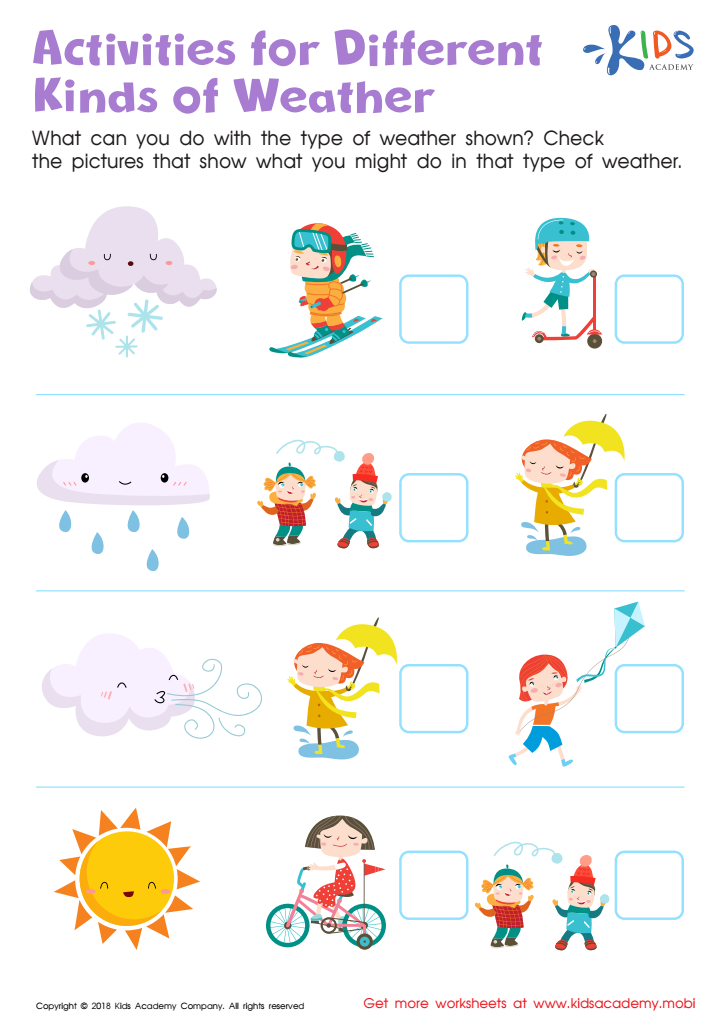
Activities for Different Kinds of Weather Worksheet
 Assign to My Students
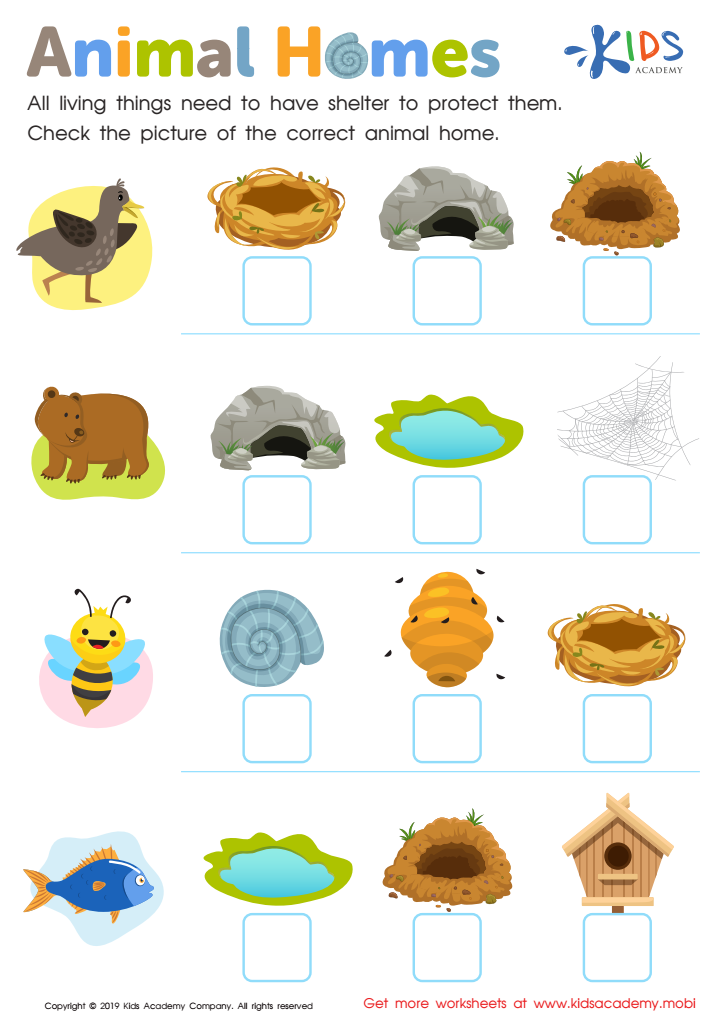
Animal Homes Worksheet
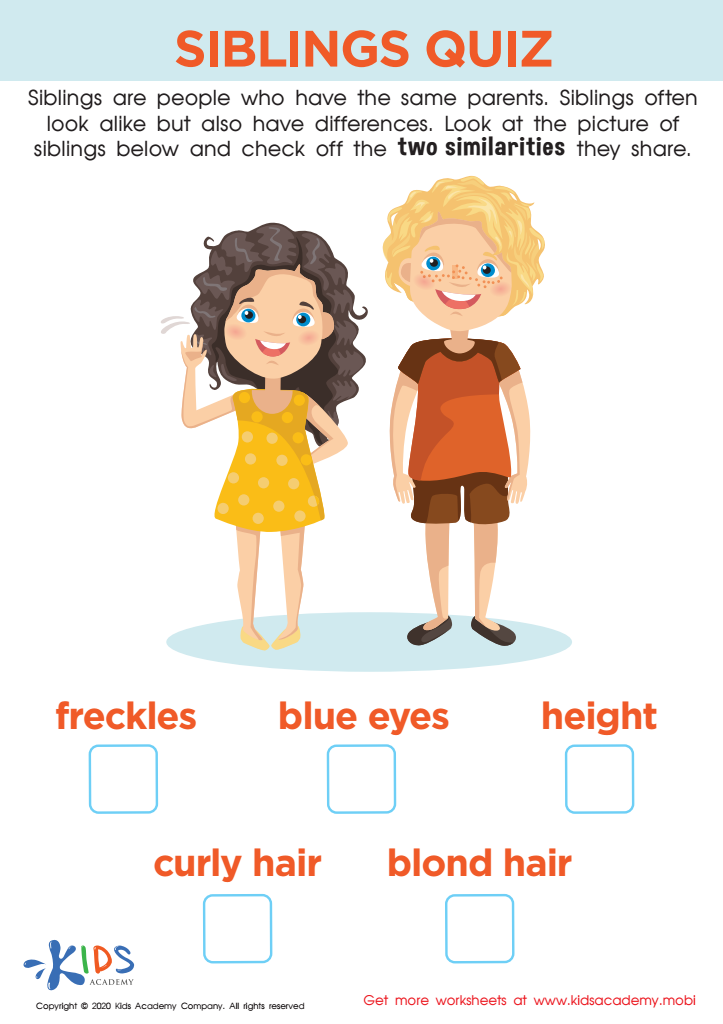
Siblings Quiz Worksheet


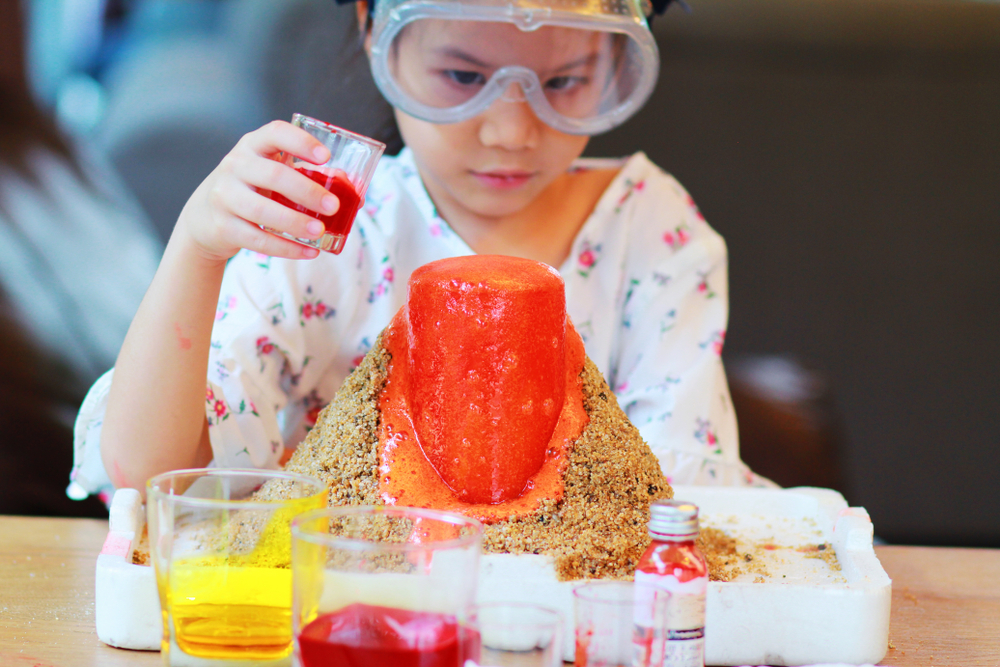
.jpg)



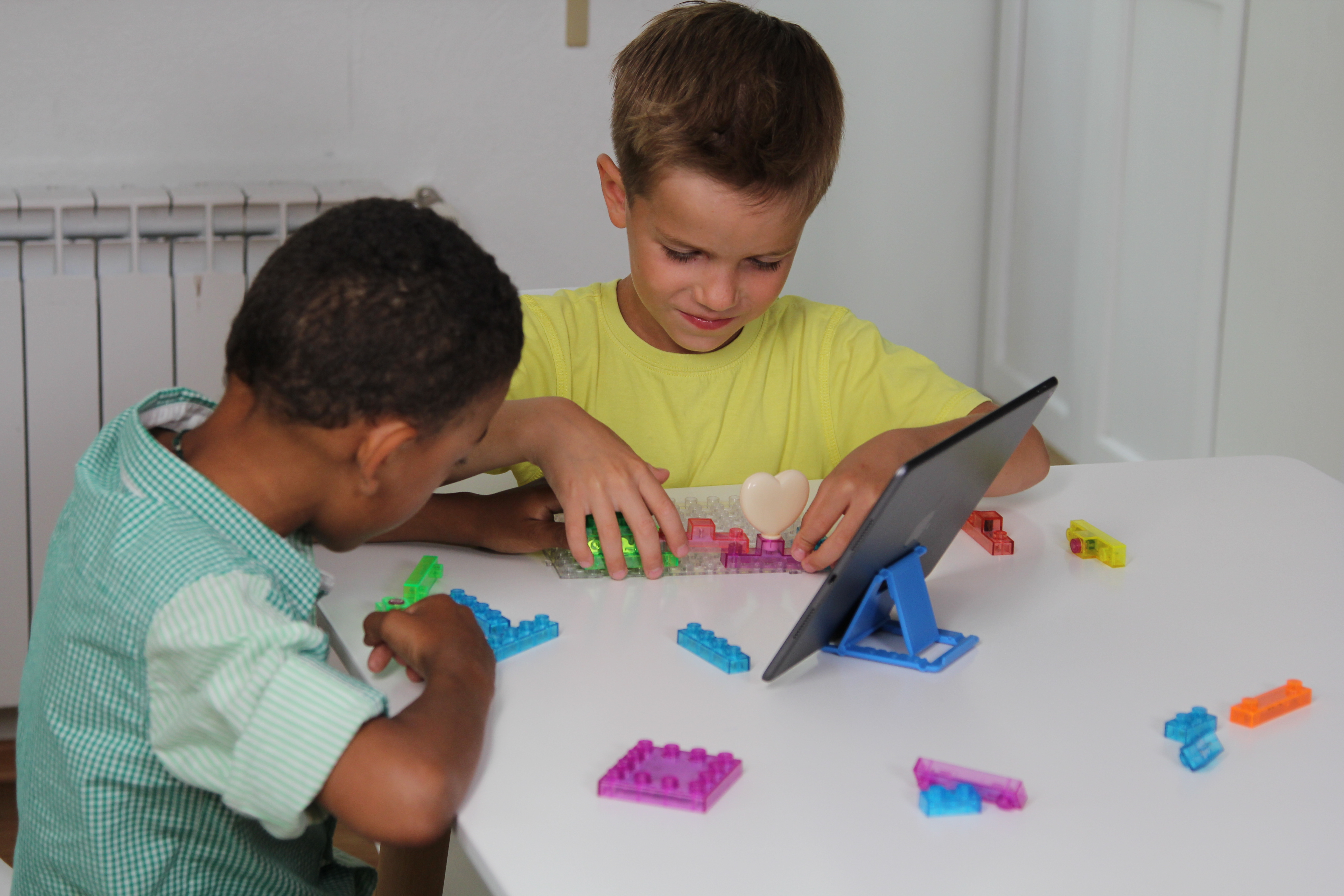
Visual perception is critical for children's learning and development, especially for ages 4-6, where foundational skills are established. At this stage, children are not only learning to read and write but also to interpret their surroundings effectively. Enhancing visual perception skills can significantly impact their academic and social experiences.
Parents and teachers should care about this area of development for several reasons. First, strong visual perception aids in recognizing shapes, letters, and numbers, essential for literacy and numeracy skills. When children can quickly identify these components, they are more likely to thrive in school-related tasks.
Moreover, improved visual perception enhances spatial awareness, helping children navigate their environments safely and confidently. It also fosters critical thinking and problem-solving abilities as children learn to interpret visual information effectively.
Finally, socio-emotional development is also linked to visual perception; being able to read facial expressions accurately leads to better interactions with peers. Overall, investing in visual perception development provides children with the tools they need for successful learning, social interactions, and independent exploration, setting a solid foundation for future academic achievements. Therefore, prioritizing this aspect of early childhood development is crucial for educators and parents alike.







