Handwriting practice English for Beginners Worksheets for Ages 4-7 - Page 2
43 filtered results
-
From - To
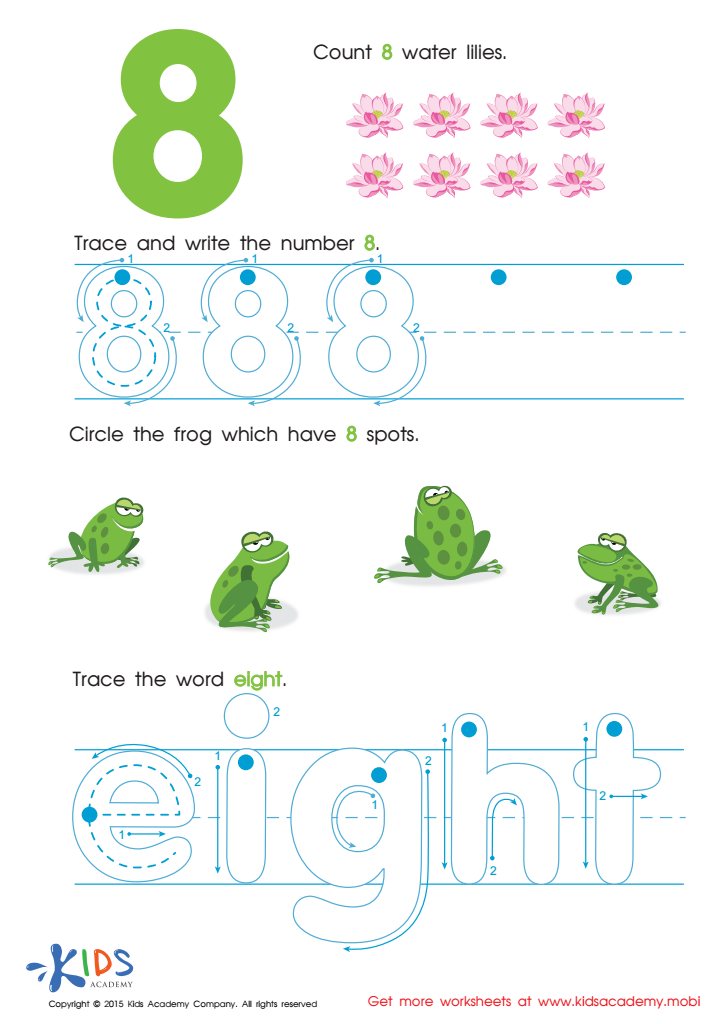
Learn Number 8 Easily Worksheet
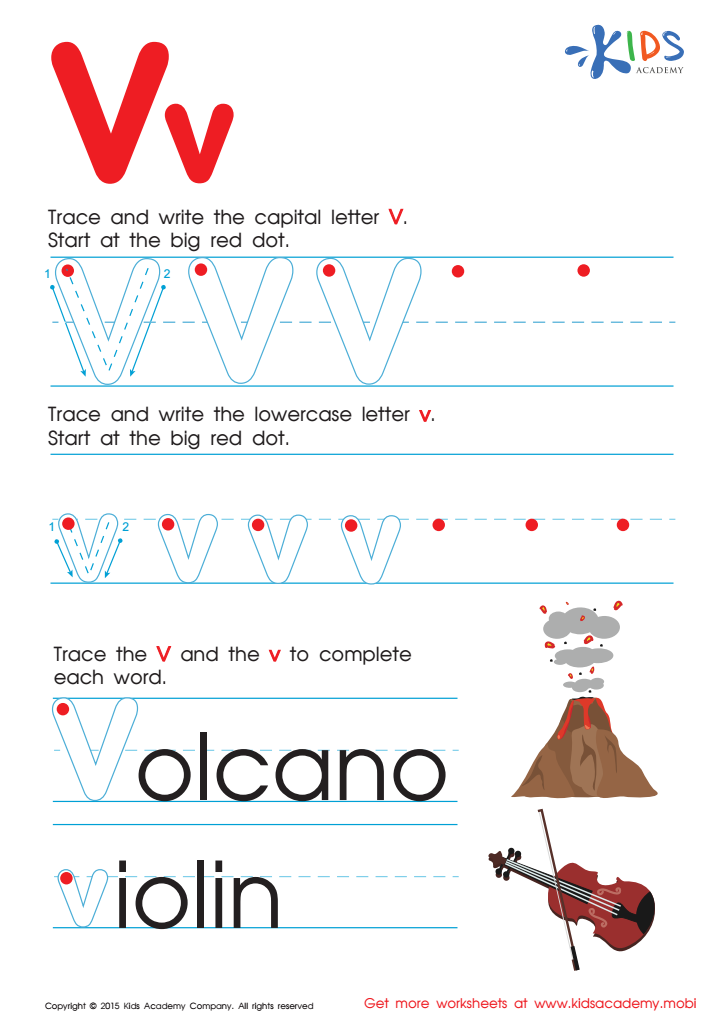
Letter V Tracing Page
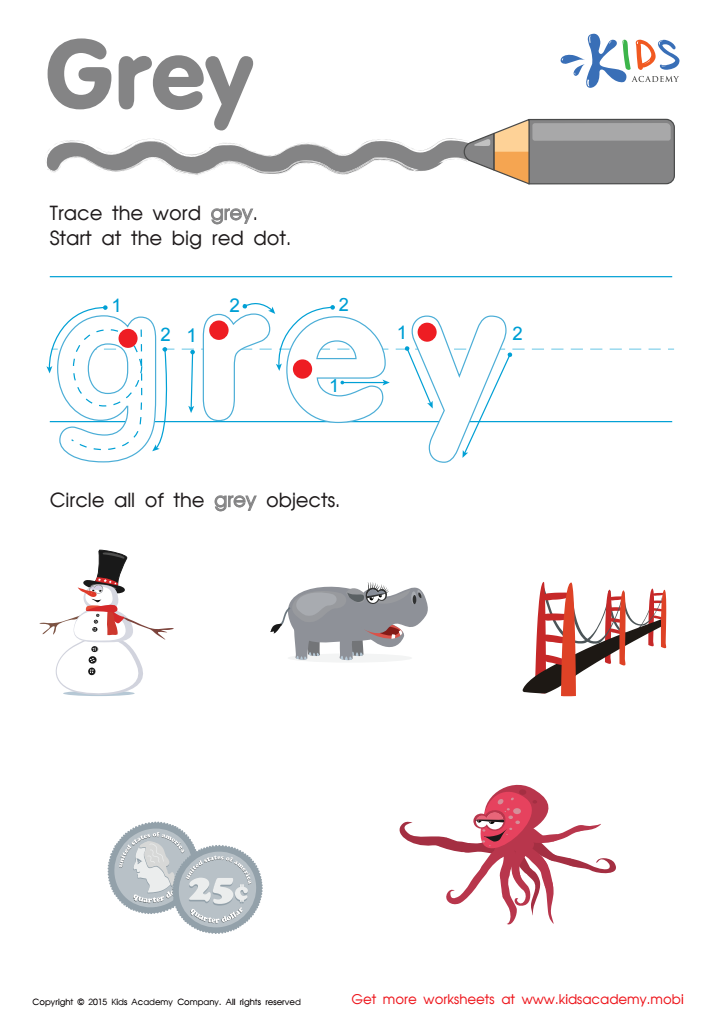
Grey Tracing Color Words Worksheet
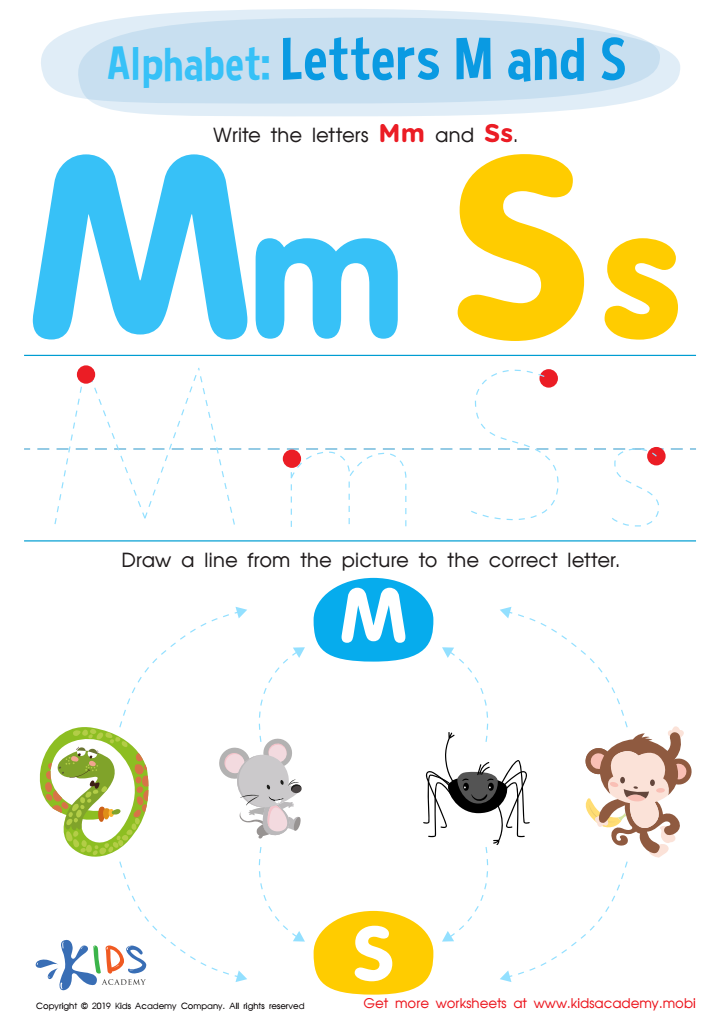
Letters M and S Tracing Worksheet
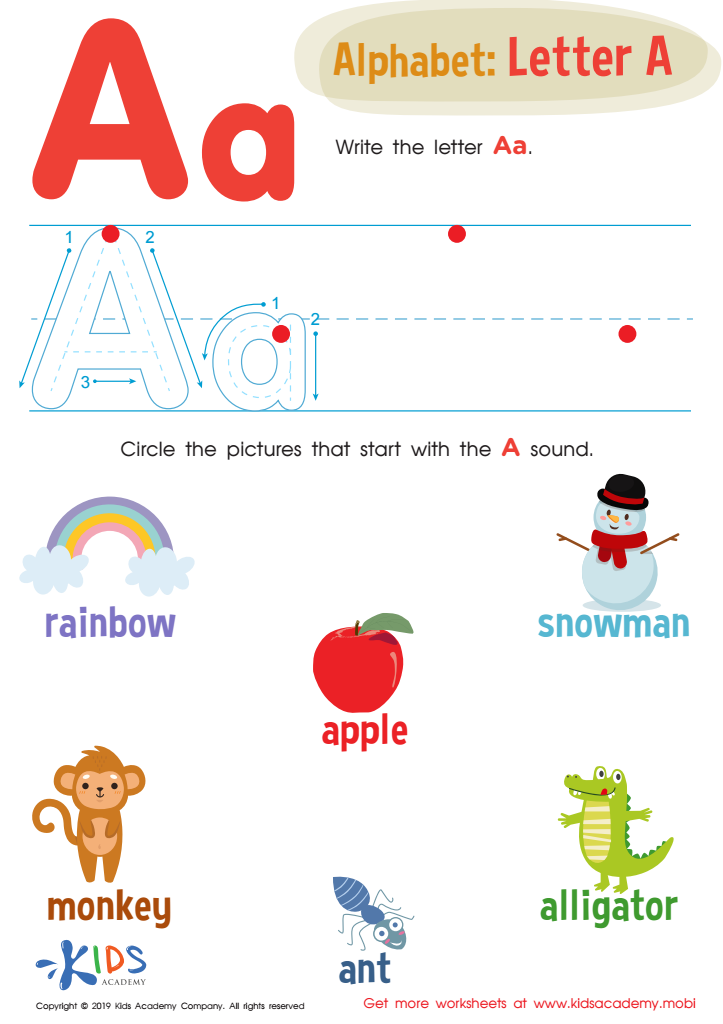
Letter A Tracing Worksheet
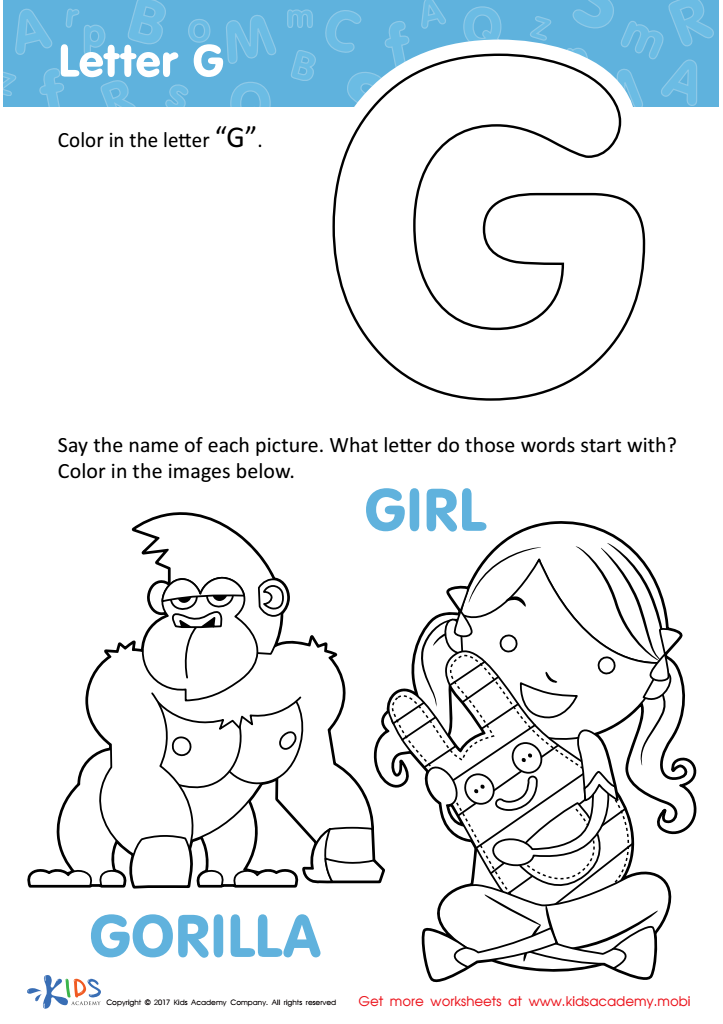
Letter G Coloring Sheet
 Assign to My Students
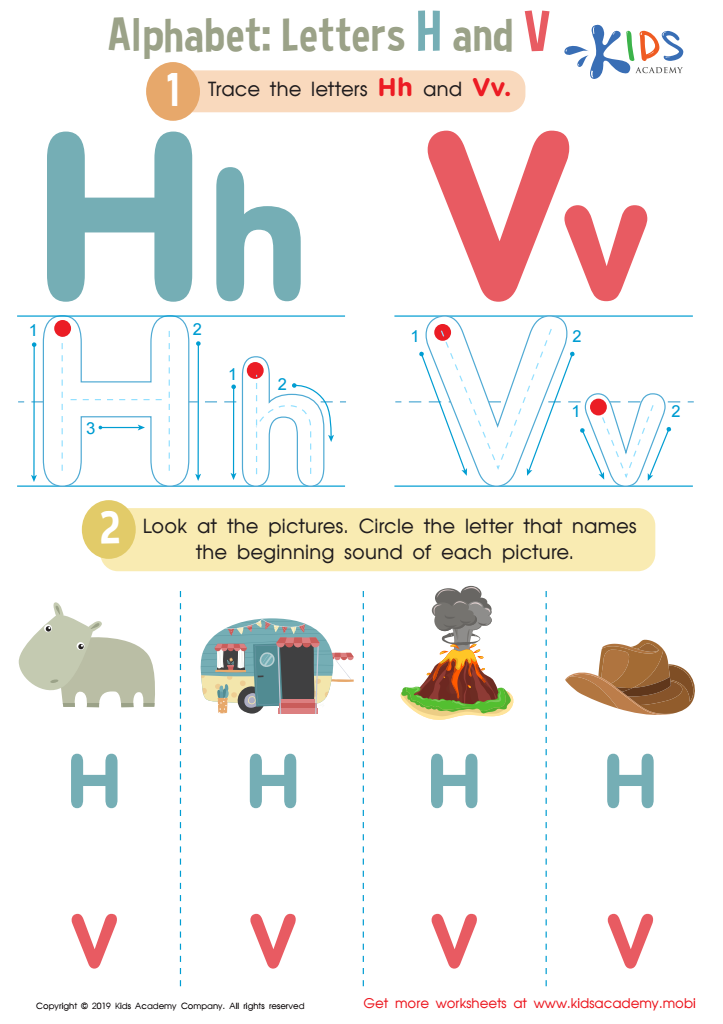
Letters H and V Tracing Worksheet
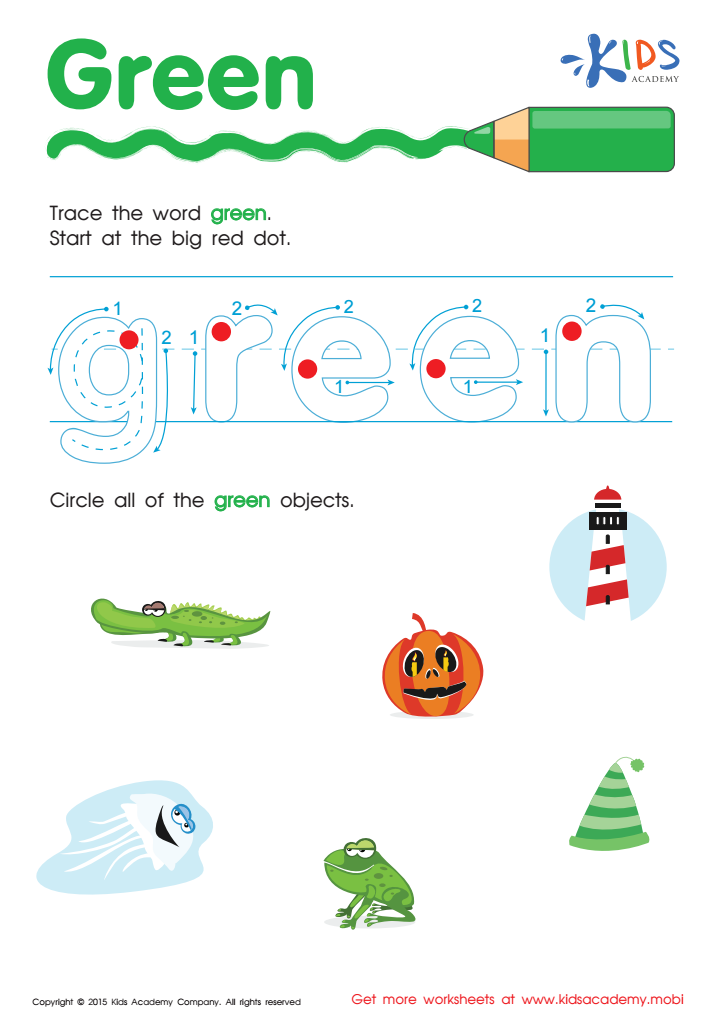
Green Tracing Color Words Worksheet
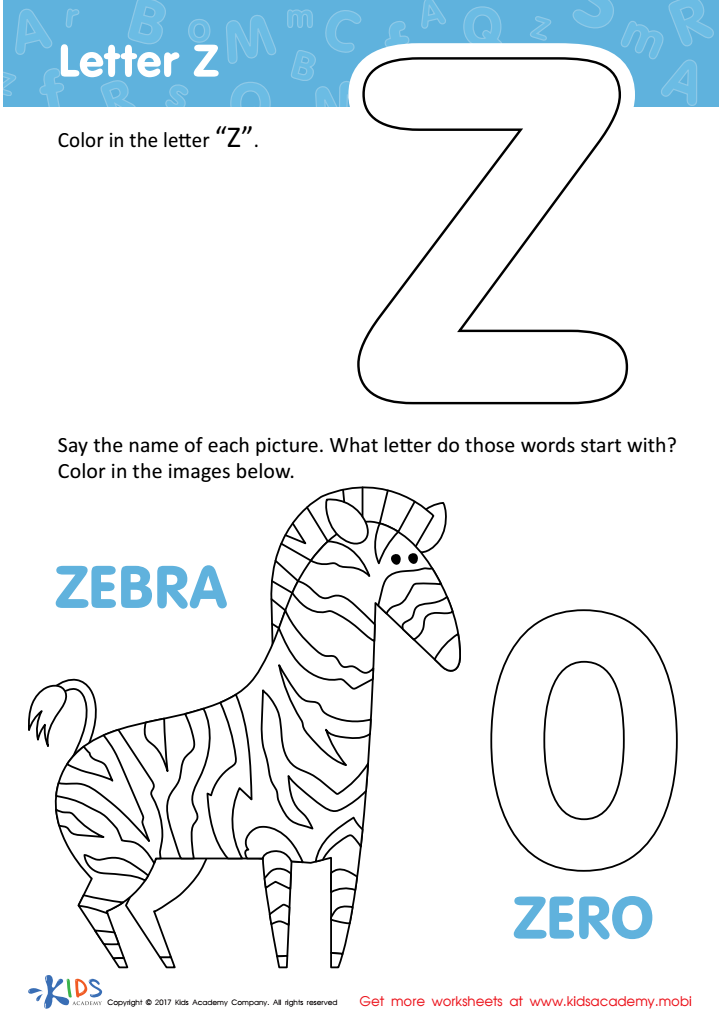
Letter Z Coloring Sheet
Assign to My Students
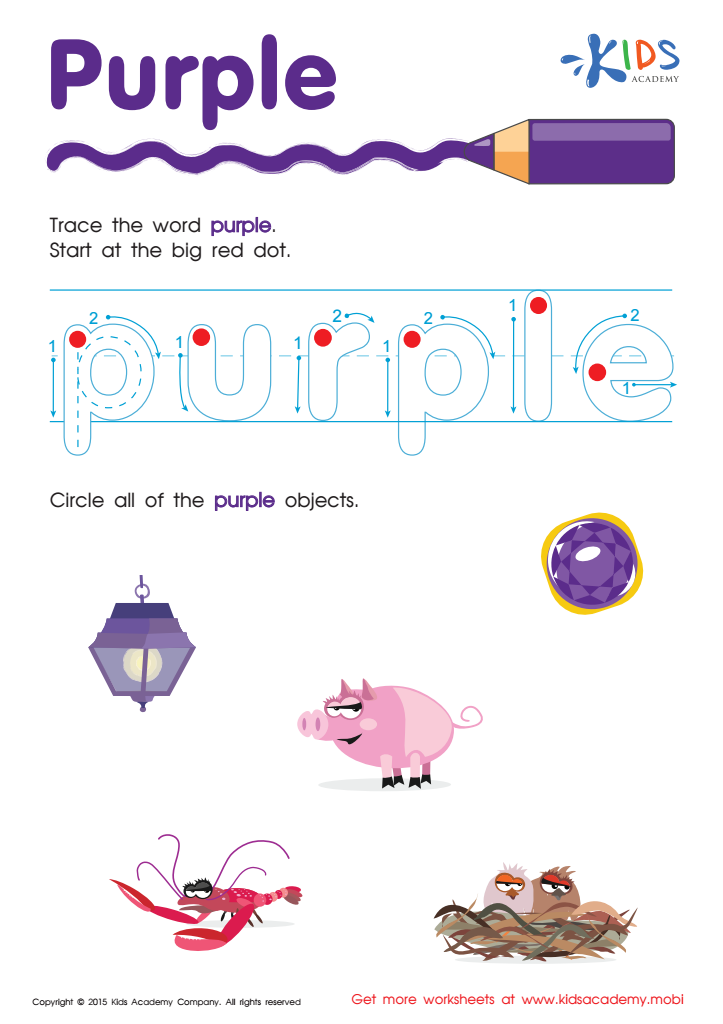
Purple Tracing Color Words Worksheet
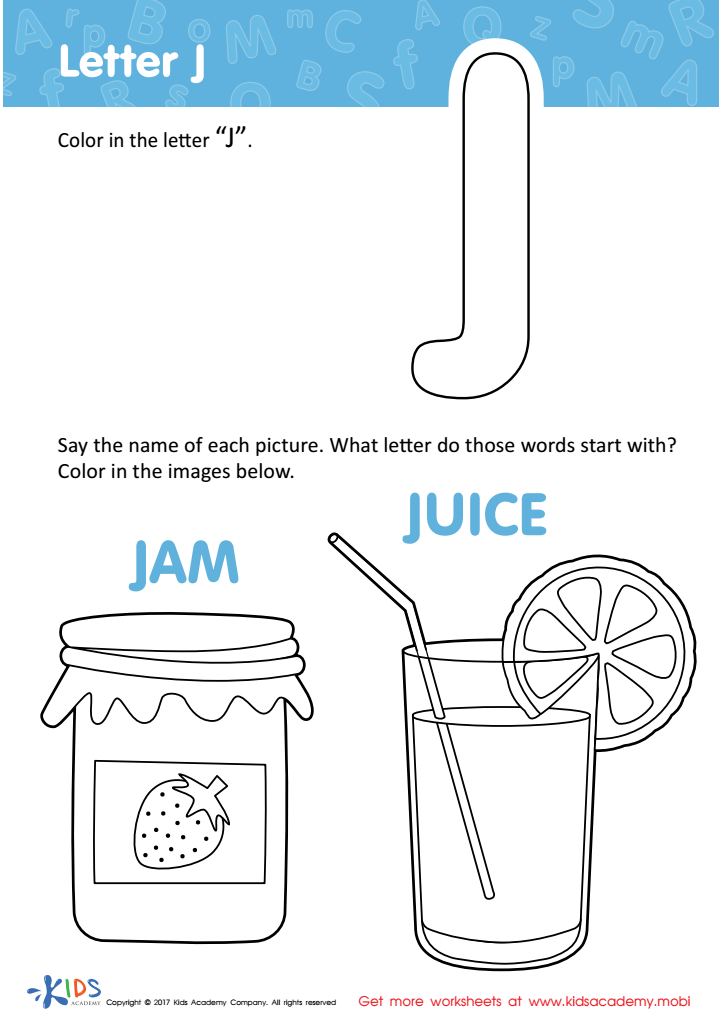
Letter J Coloring Sheet
Assign to My Students
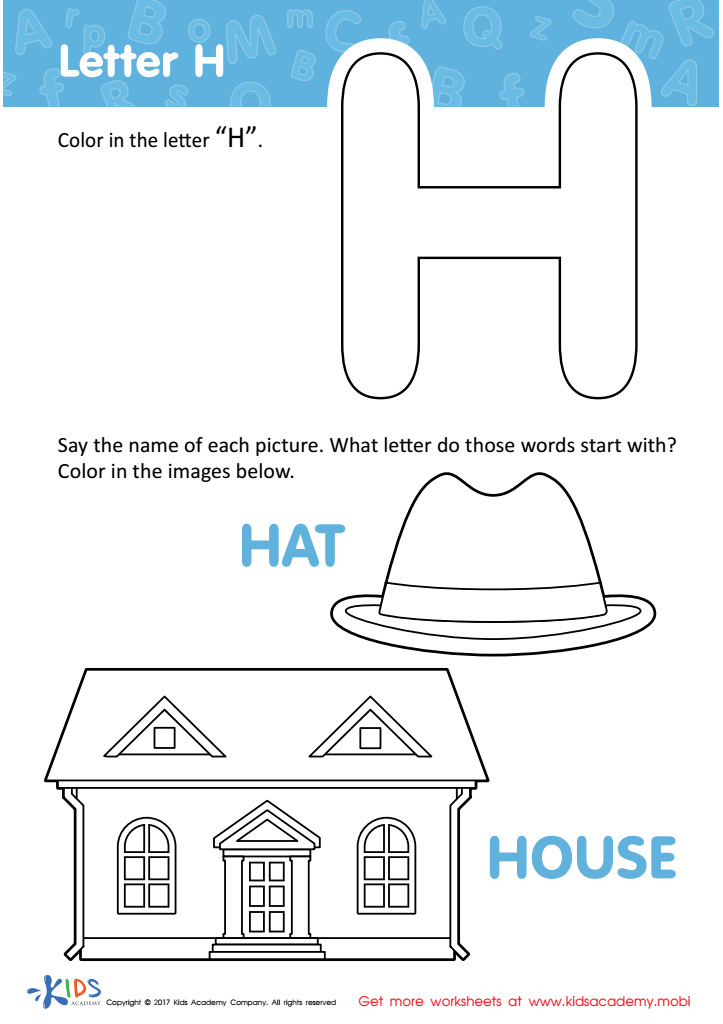
Letter H Coloring Sheet
Assign to My Students
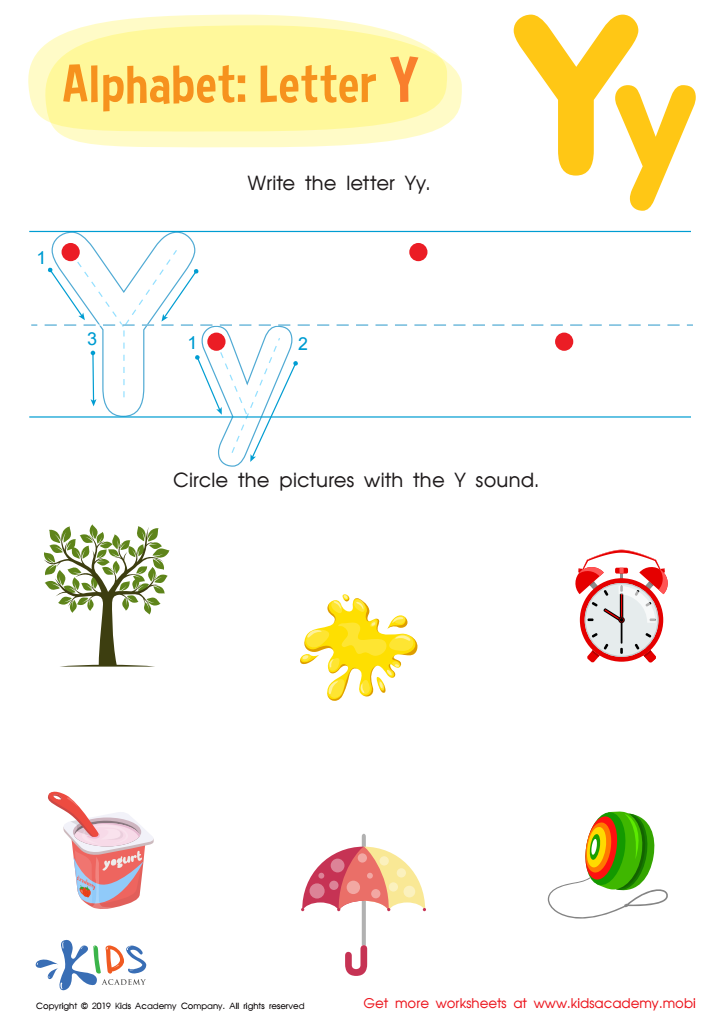
Letter Y Tracing Worksheet
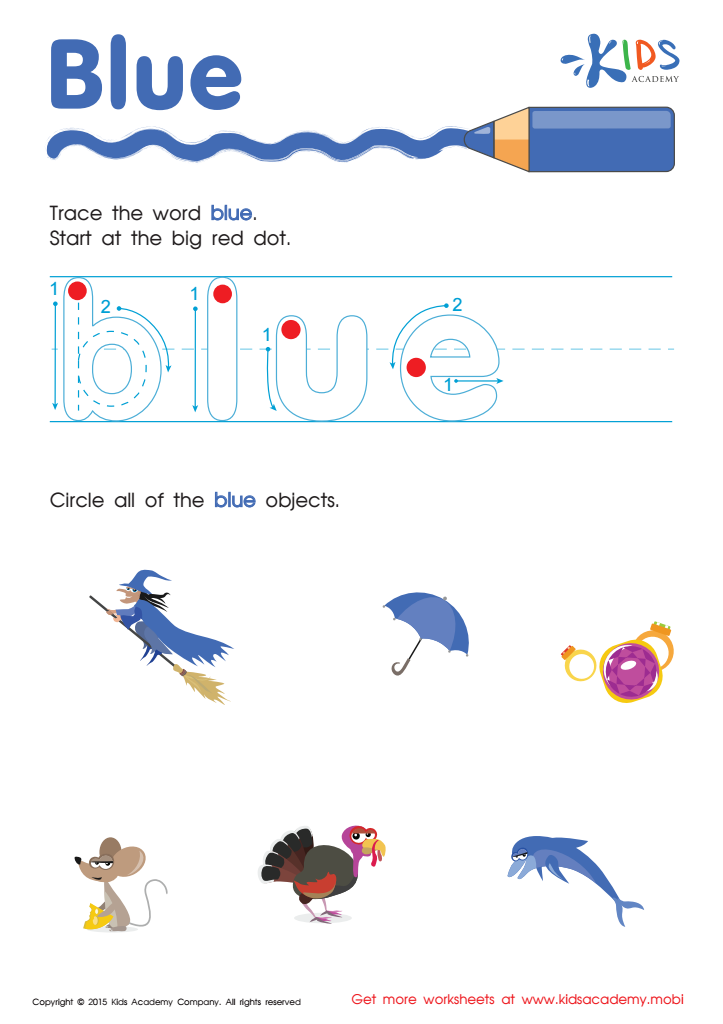
Blue Tracing Color Words Printable
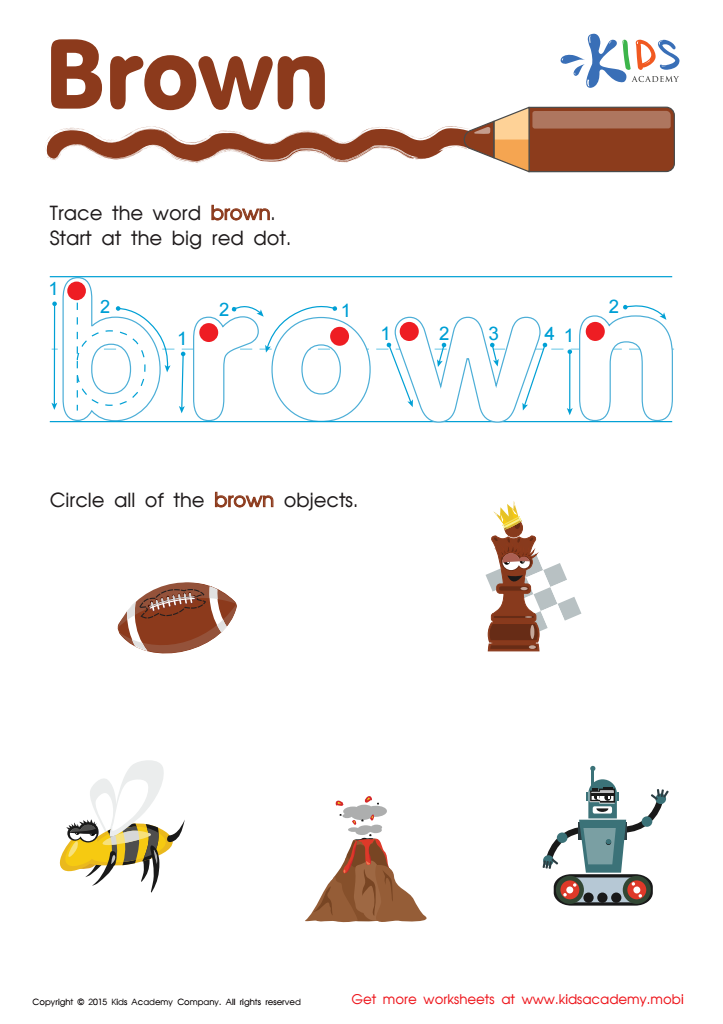
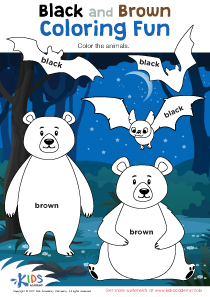
Brown Tracing Color Words Worksheet
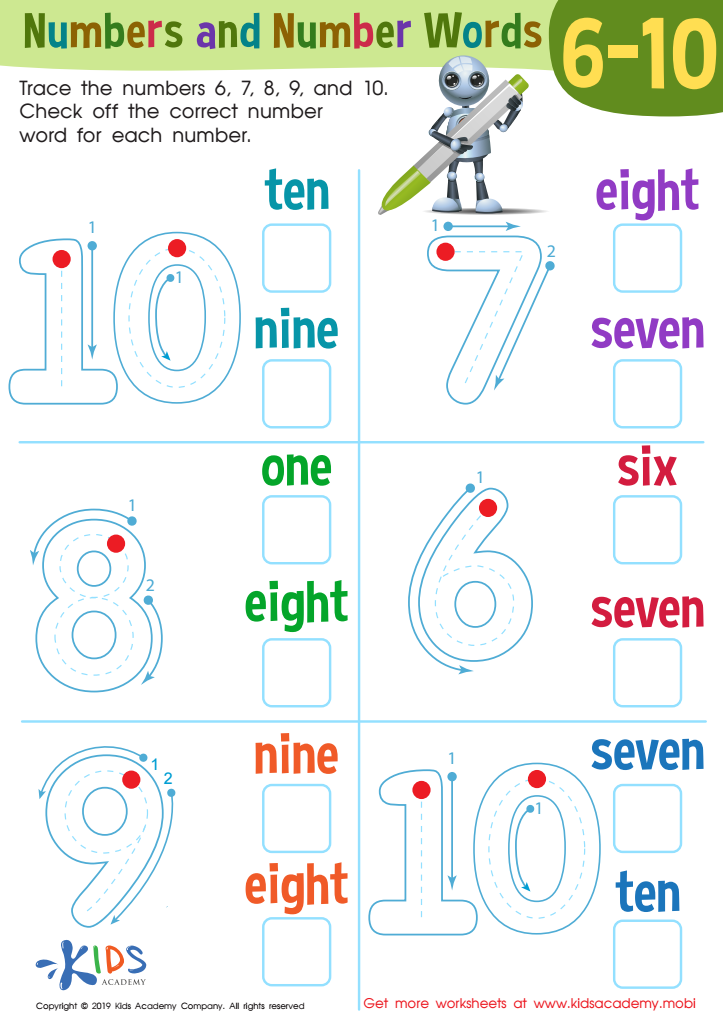
Numbers and Number Words 6–1 Worksheet
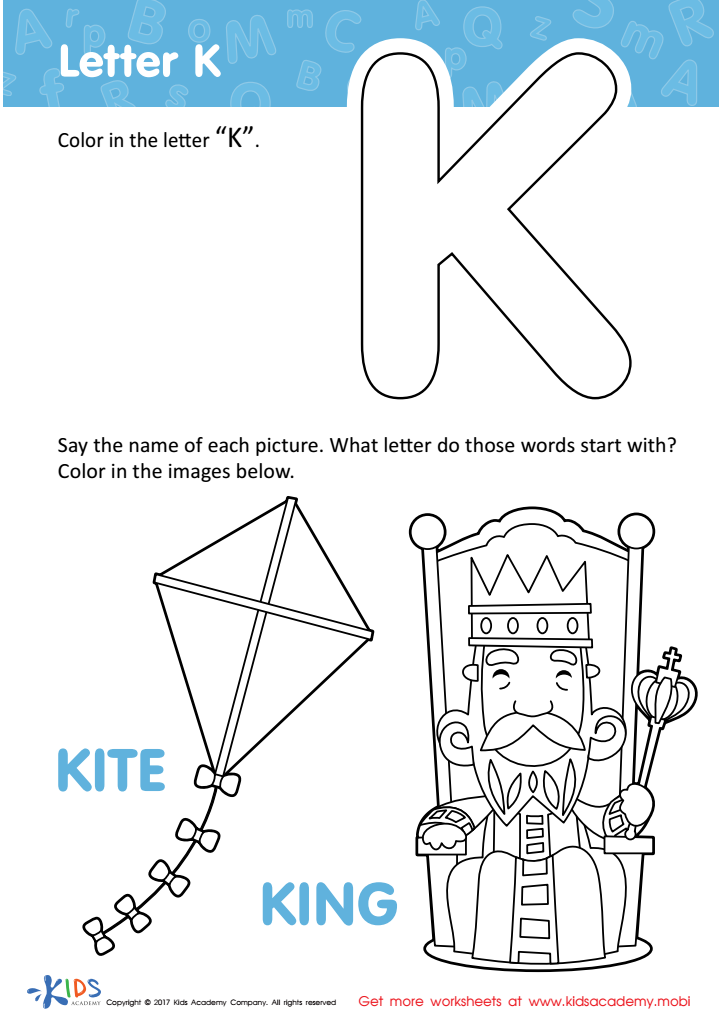
Letter K Coloring Sheet
Assign to My Students
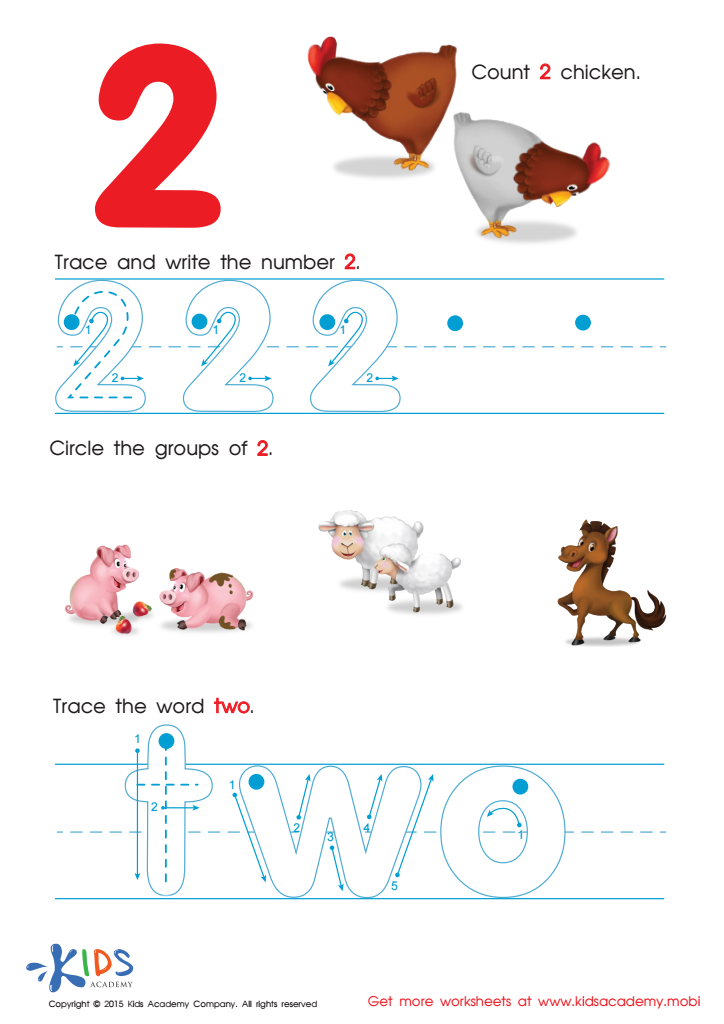
Learn to Write the Number 2 Worksheet
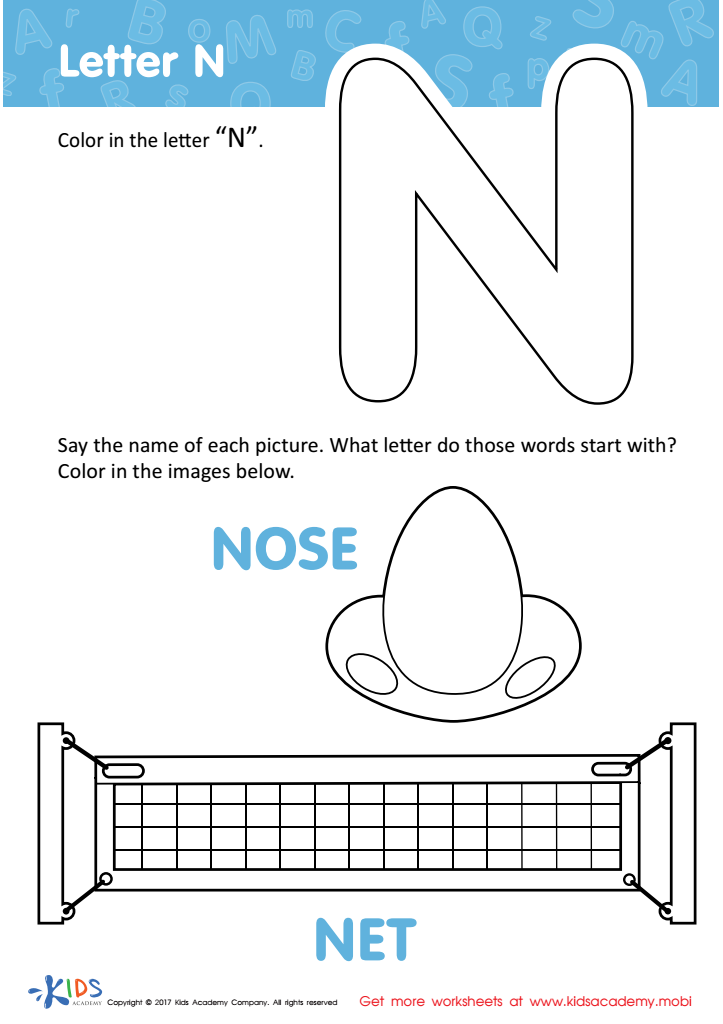
Letter N Coloring Sheet
Assign to My Students





Handwriting practice is fundamental for young children ages 4-7, as it lays the foundation for both academic success and cognitive development. Firstly, handwriting practice enhances fine motor skills, which are crucial for tasks like buttoning clothes and tying shoelaces. When children practice writing, they develop hand-eye coordination and dexterity, improving their ability to perform various everyday activities.
Furthermore, learning to write by hand has been linked to improved memory and better learning outcomes. Studies have shown that the act of writing helps reinforce what is being learned, as the brain engages in processing written language more deeply compared to typing on a keyboard. For young learners, handwriting practice also helps them understand letter shapes, phonics, and alphabetic principles, all of which are vital for reading development.
In addition, neat and legible handwriting boosts children’s self-esteem and confidence in their academic abilities. Being able to write clearly ensures they can effectively communicate their ideas and enhance their creative expression. Teachers and parents who invest time in encouraging handwriting practice contribute significantly to their children’s overall educational development, laying the groundwork for effective communication skills, lifelong learning, and personal growth.