Categorization skills Worksheets for Ages 4-7
32 filtered results
-
From - To
Unleash the learning potential of your child with our Categorization Skills Worksheets designed for ages 4-7. These engaging and educational printables help young children master essential categorization skills through fun activities. From sorting objects by color, shape, and size to identifying patterns and relationships, each worksheet is crafted to boost cognitive development and critical thinking. Perfect for use at home or in the classroom, our age-appropriate categories foster an early love for learning. Watch your child proudly group and classify with ease, building skills that are fundamental for future academic success. Explore our printable worksheets today!
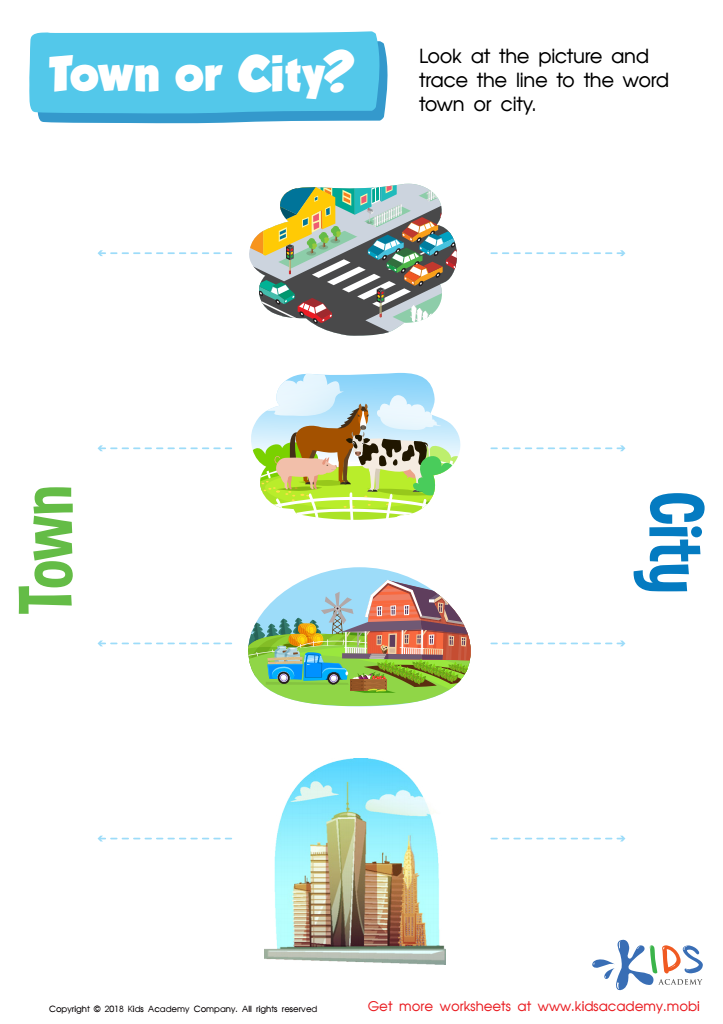
Town or City? Worksheet
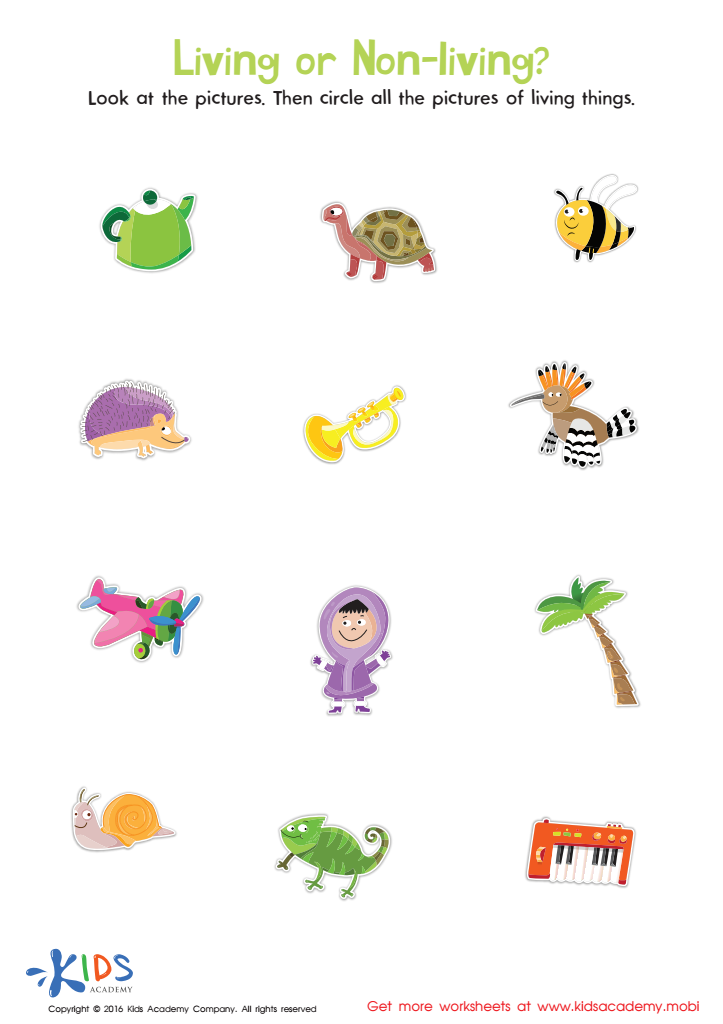
Identifying Living and Non–living Things Sorting Worksheet
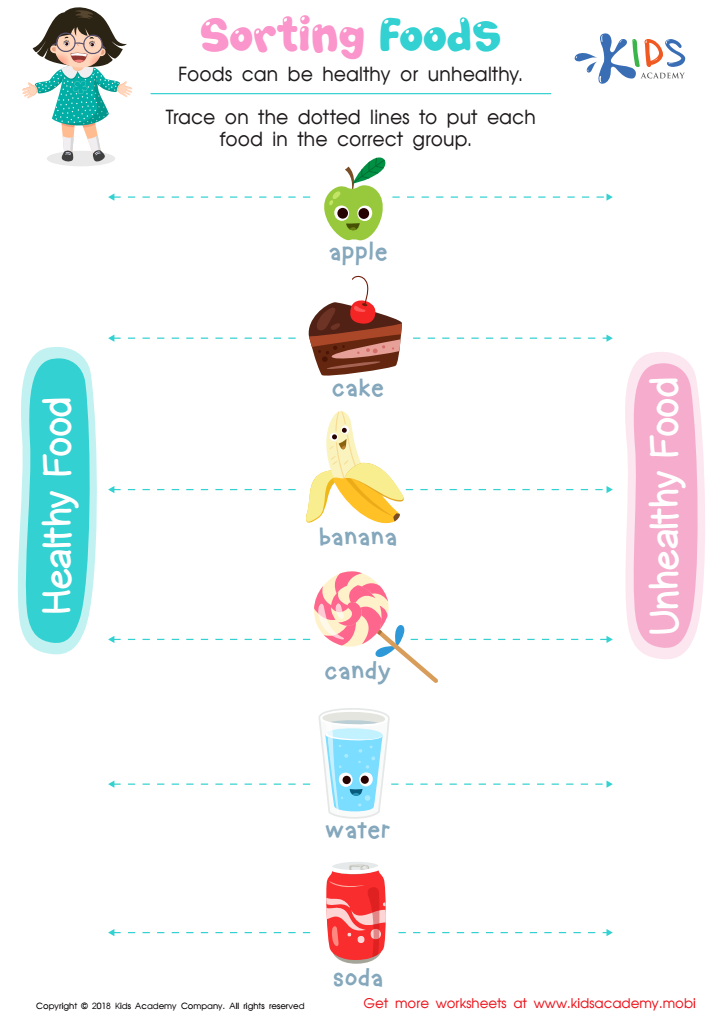
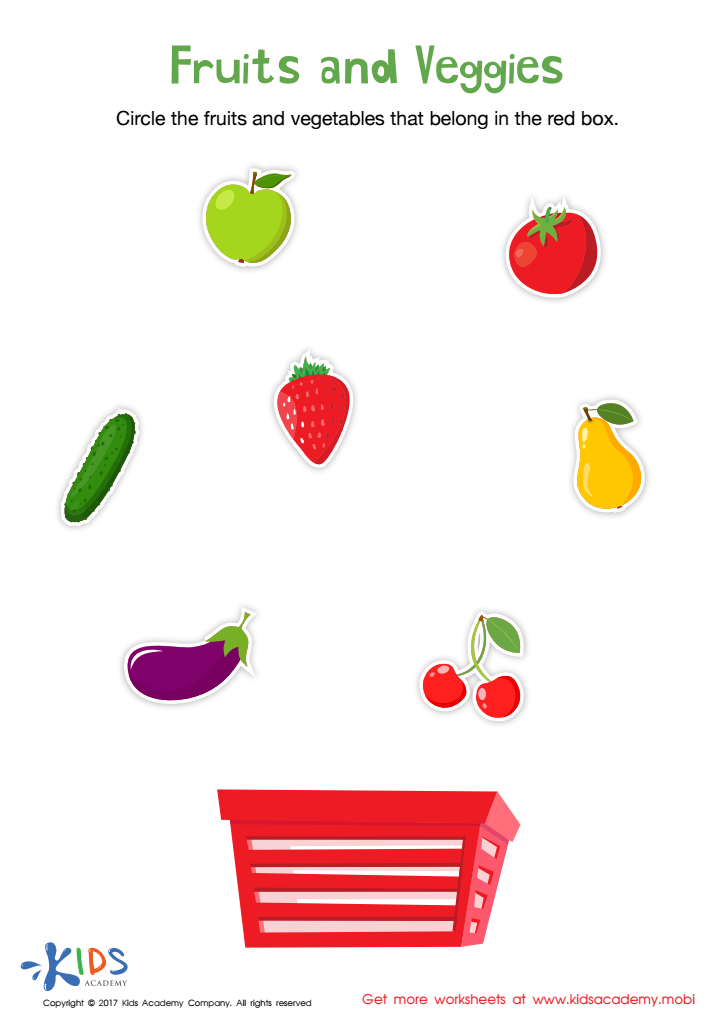
Sorting Food Worksheet
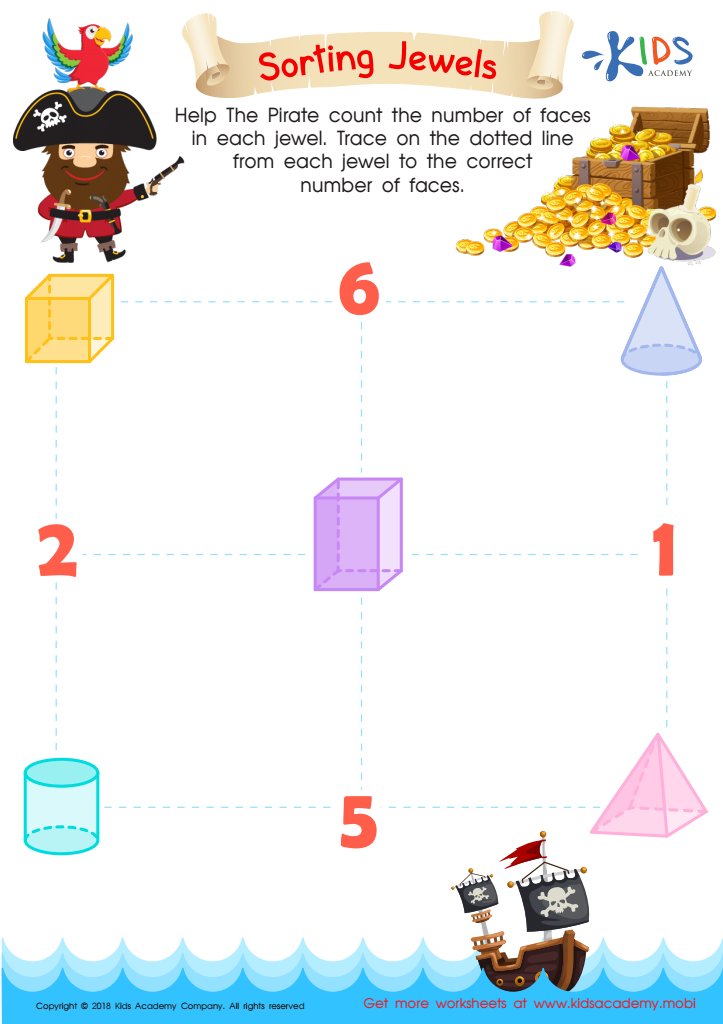
Sorting Jewels Worksheet
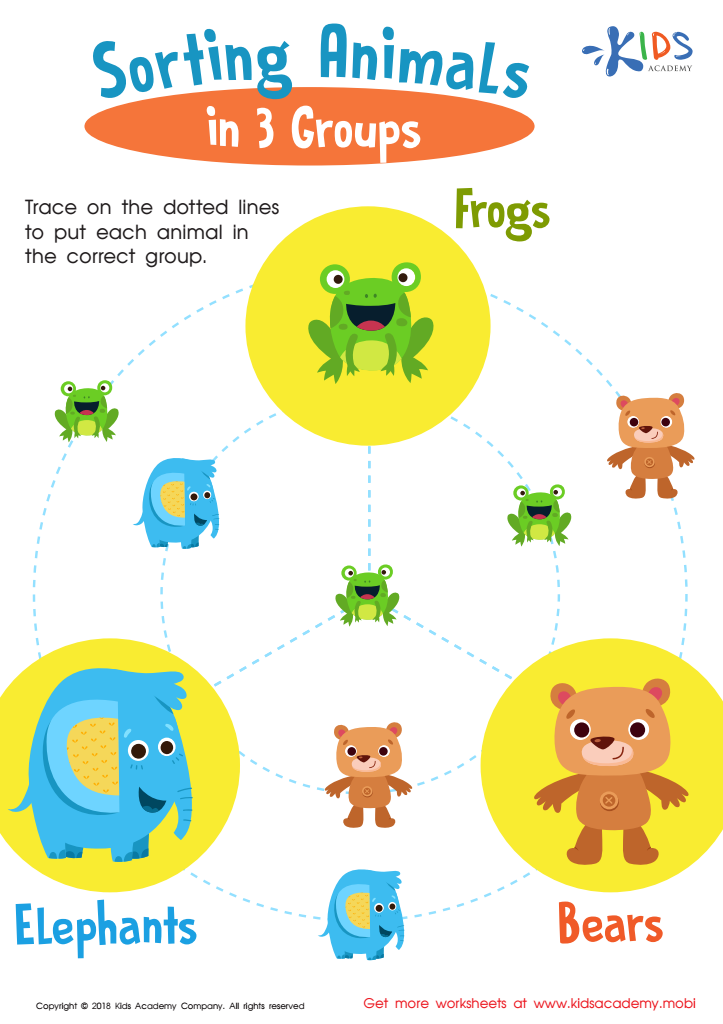
Sorting Animals in 3 Groups Worksheet
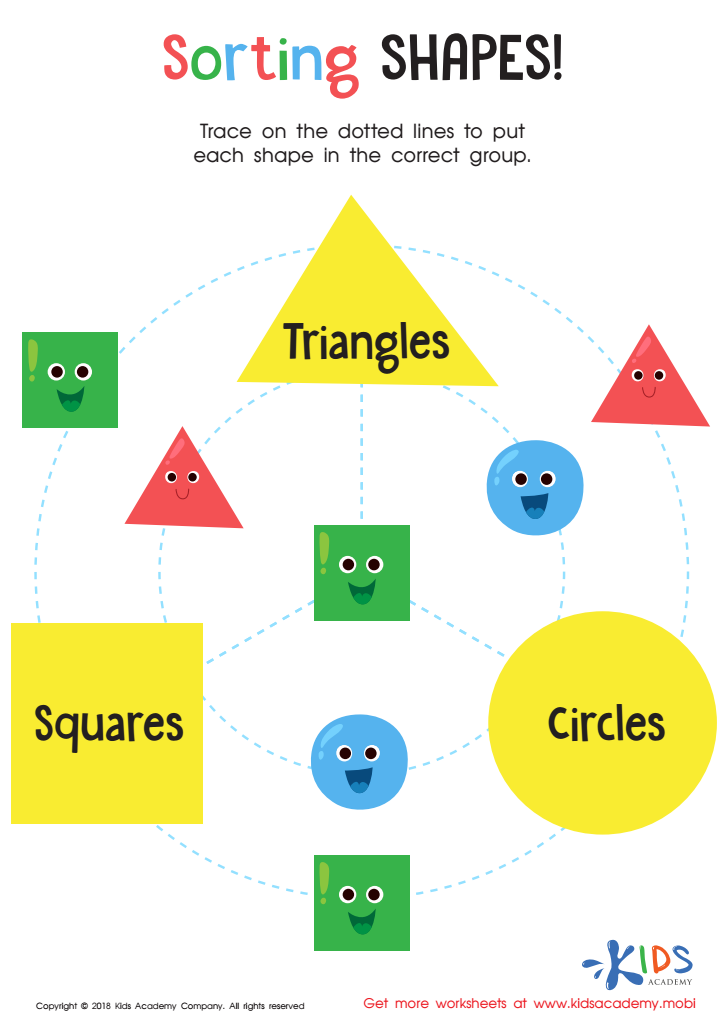
Sorting Shapes - Part 3 Worksheet
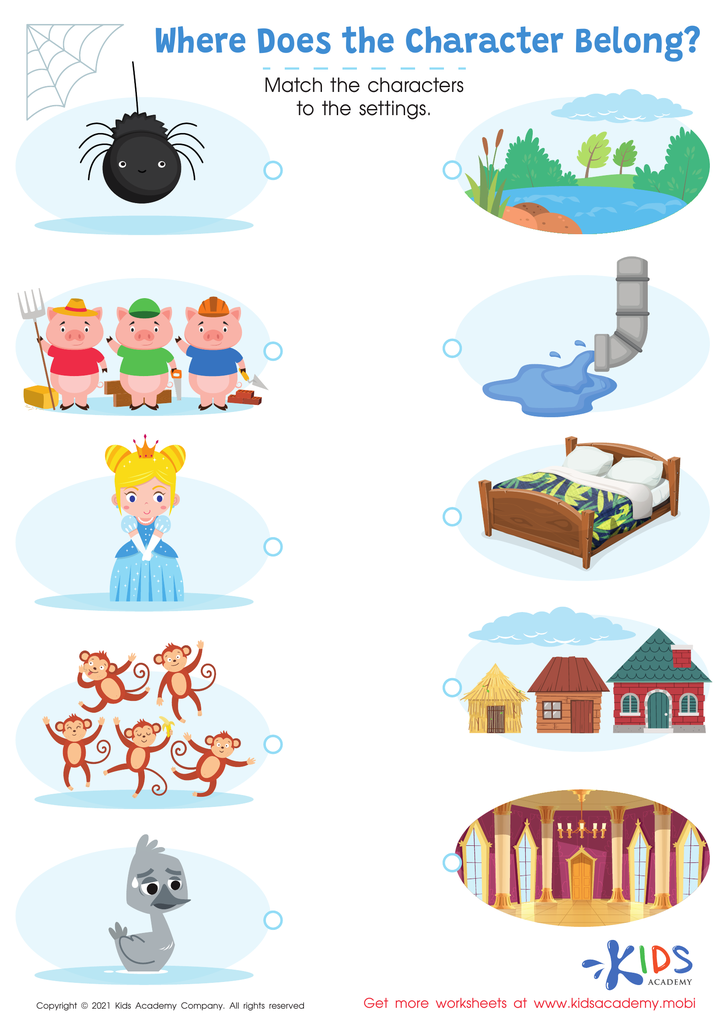
Where Does the Character Belong? Worksheet
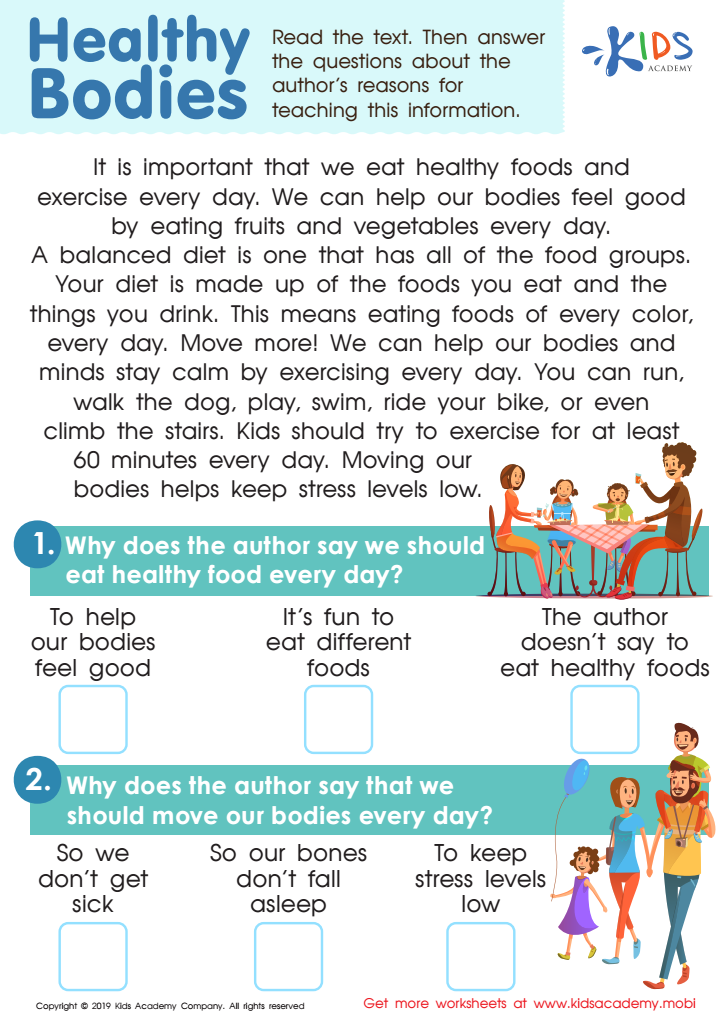
Healthy Bodies Worksheet
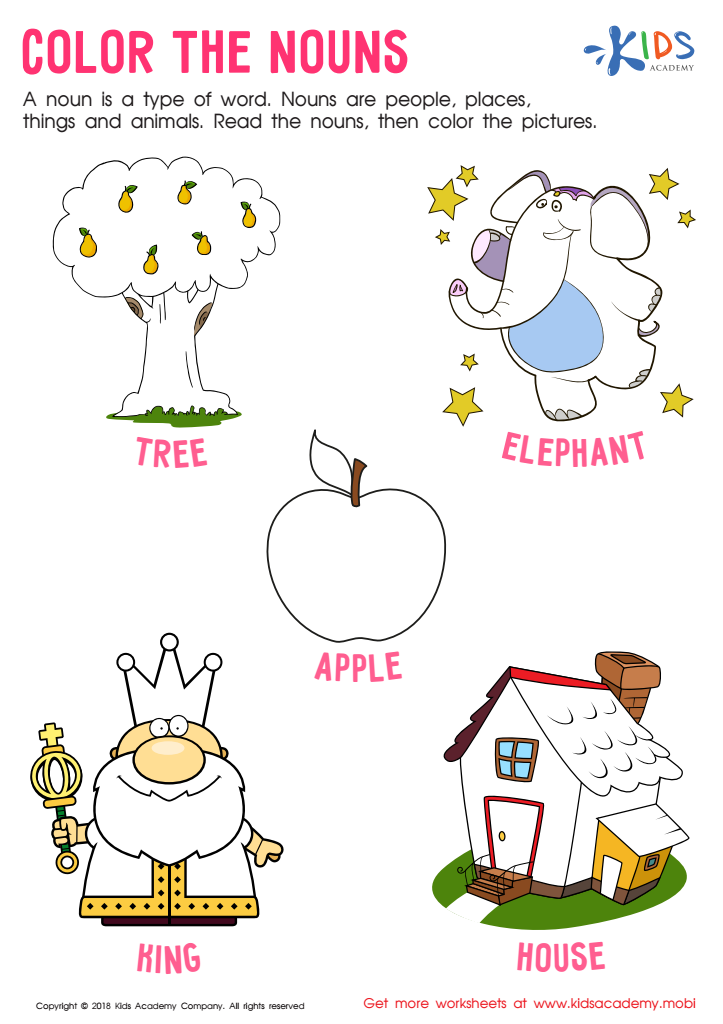
Color the Nouns Worksheet
 Assign to My Students
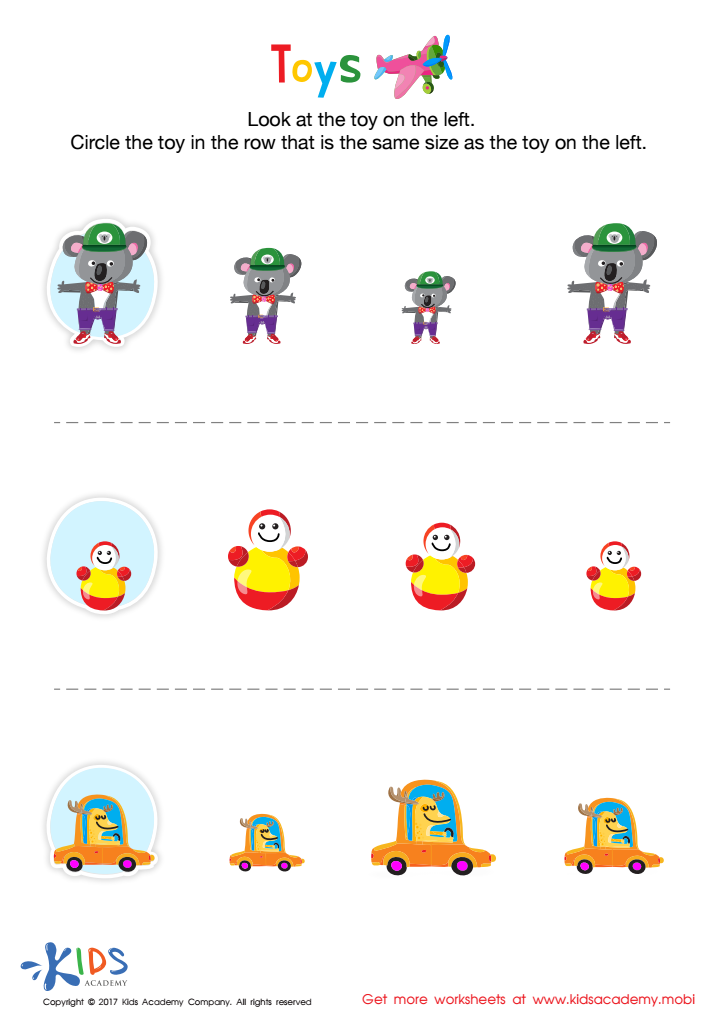
Matching: Classifying Toys by Size Worksheet
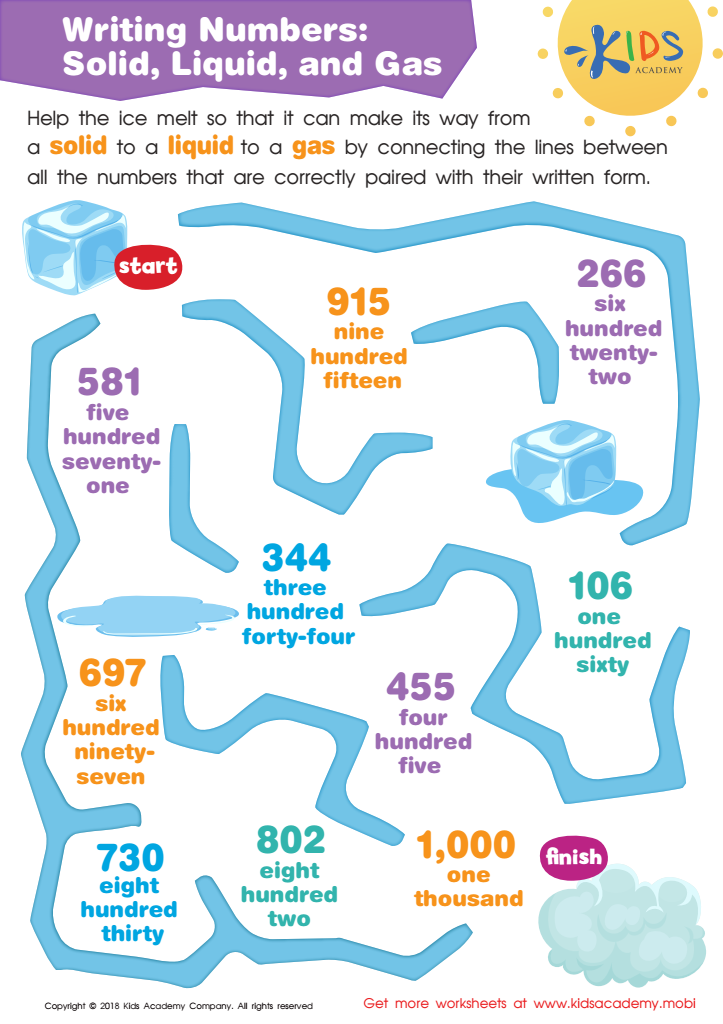
Solid, Liquid, and Gas Writing Numbers Worksheet
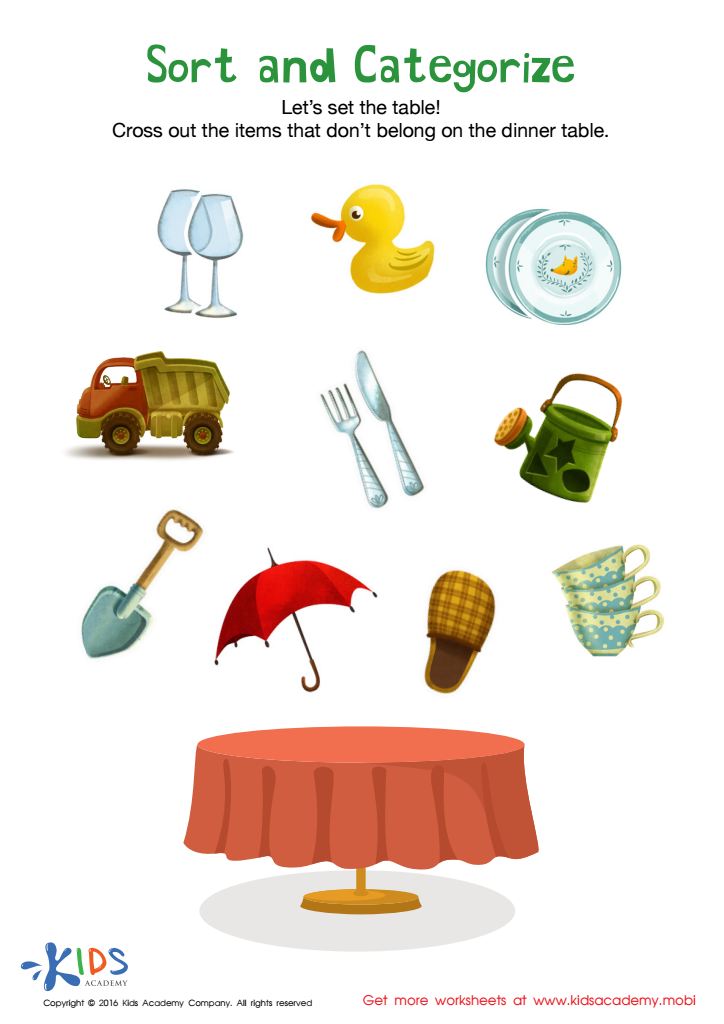
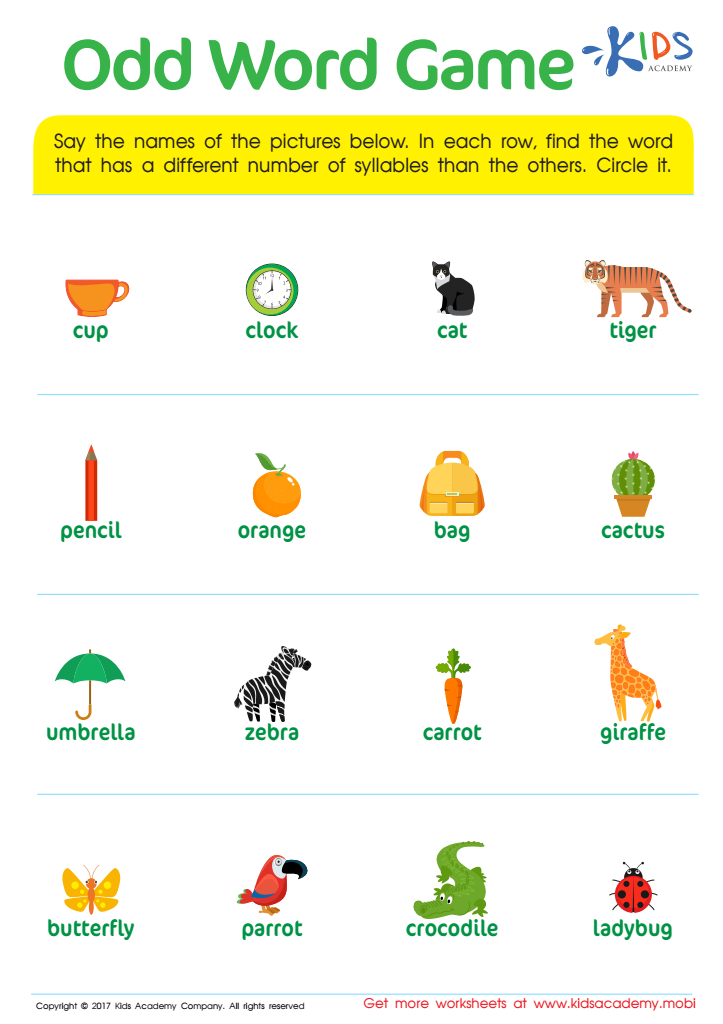
Count Syllables: Odd Word Game Worksheet
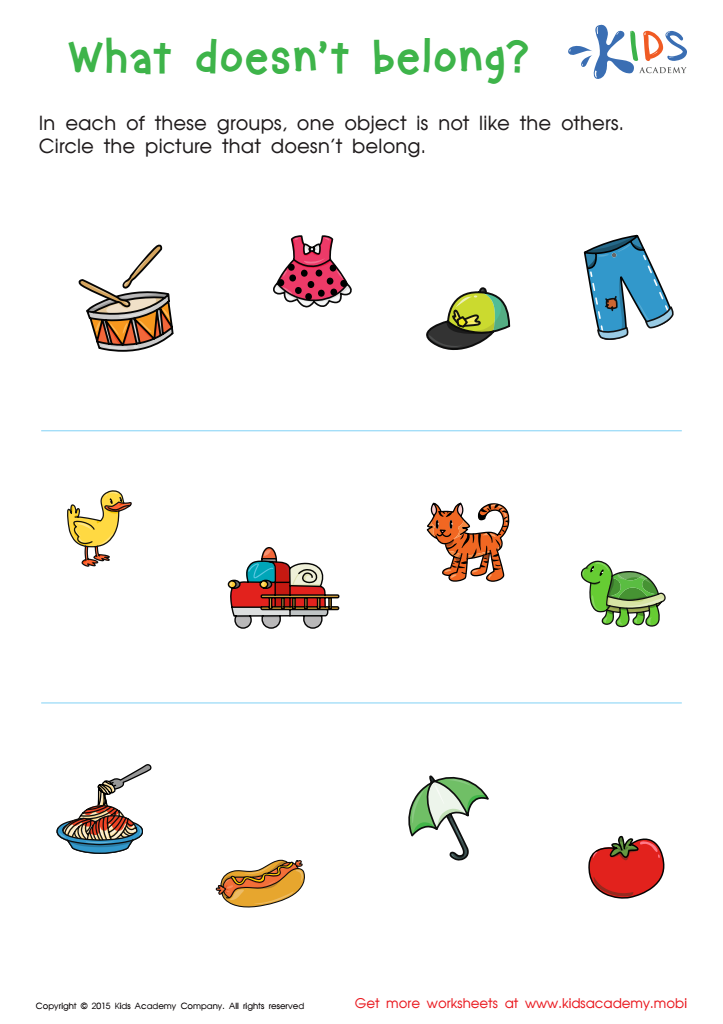
First Words: What Doesn't Belong Worksheet
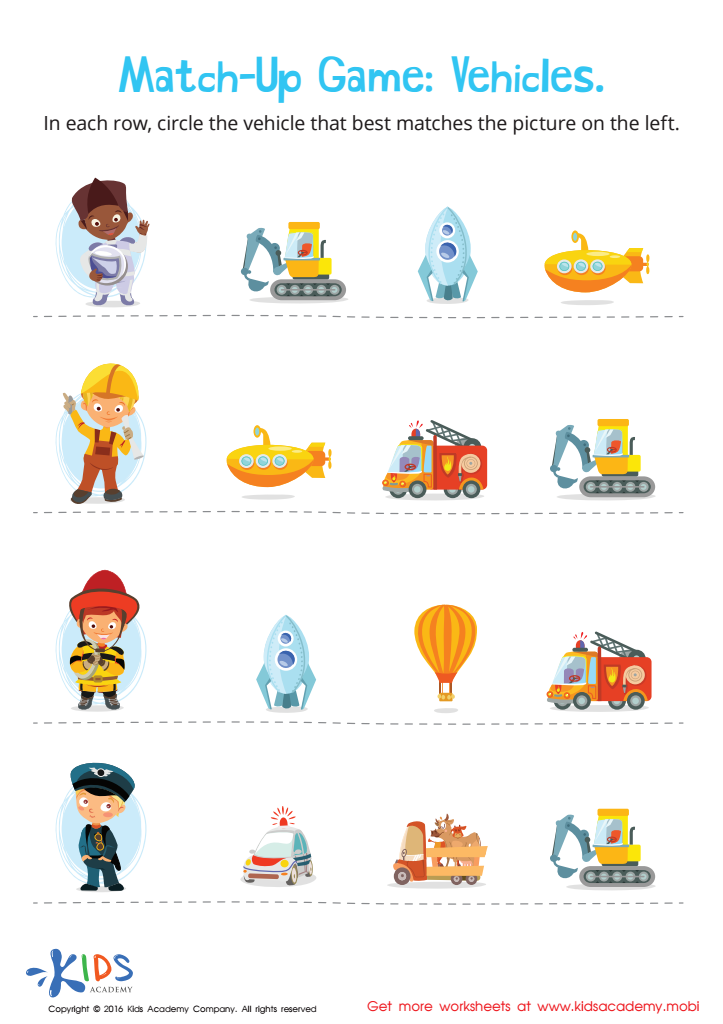
Vehicles Worksheet
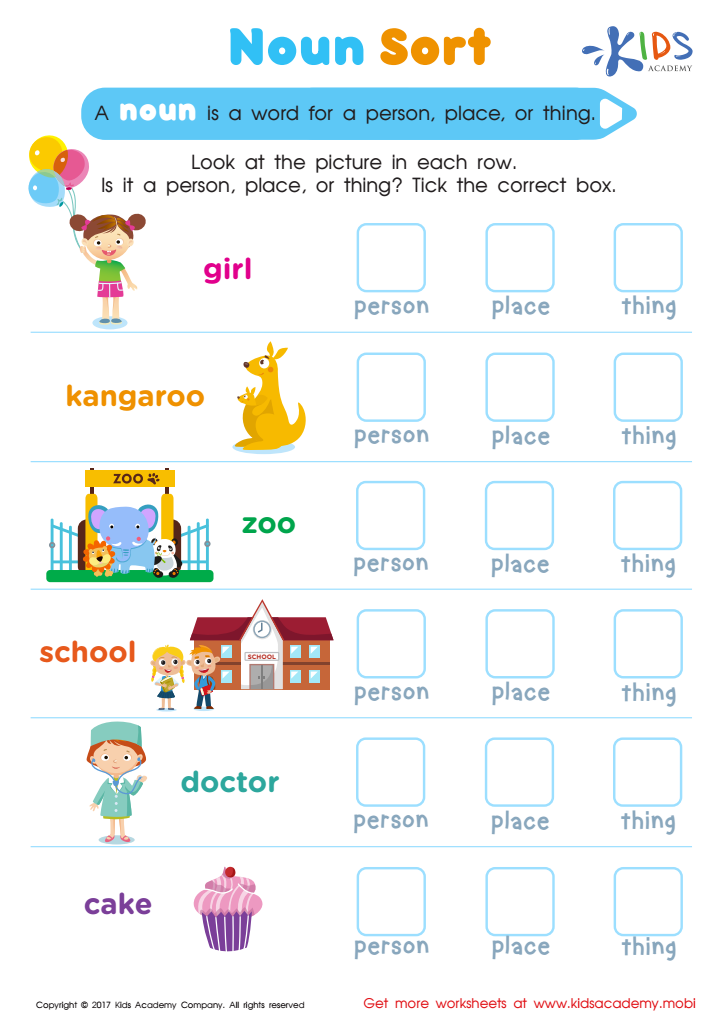
Noun Sort Printable
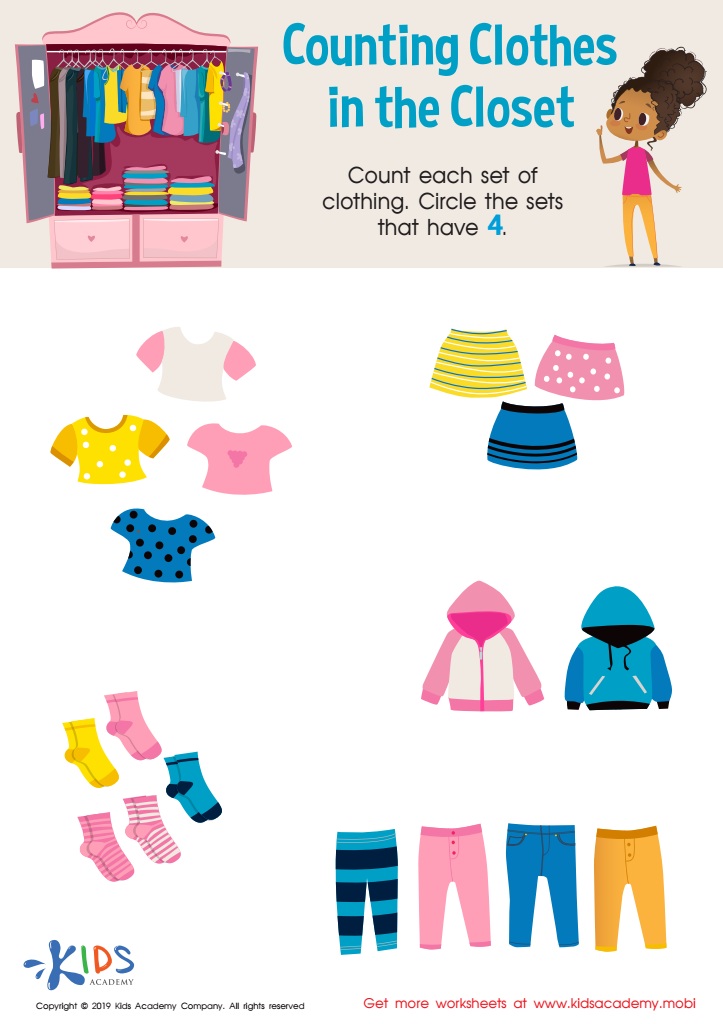
Counting Clothes Worksheet
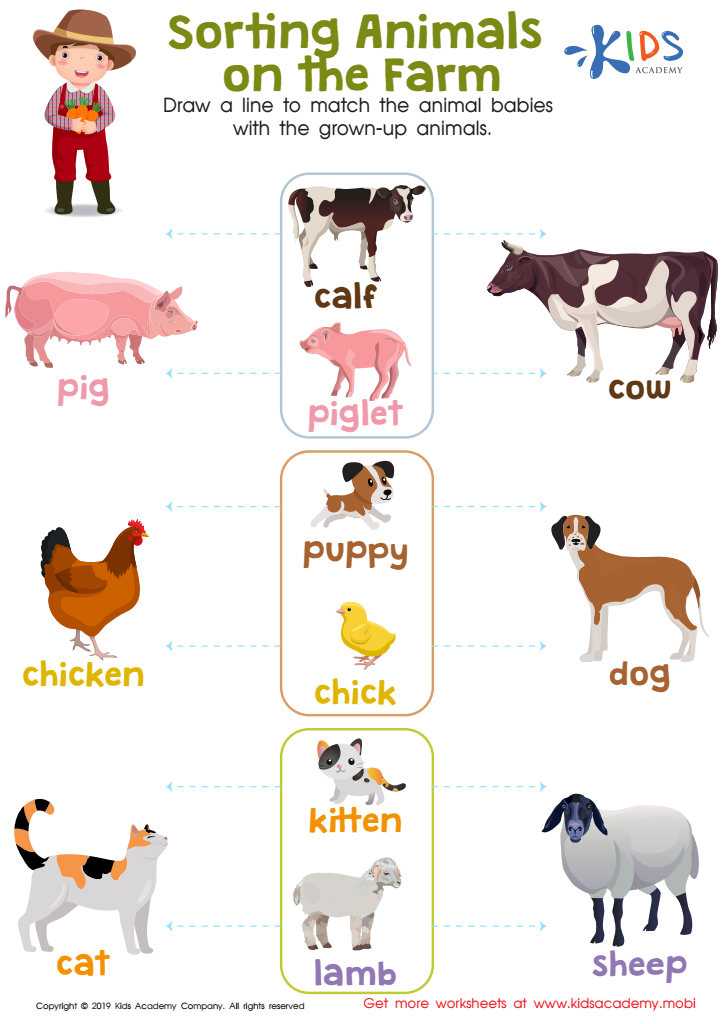
Sorting Animals on the Farm Worksheet
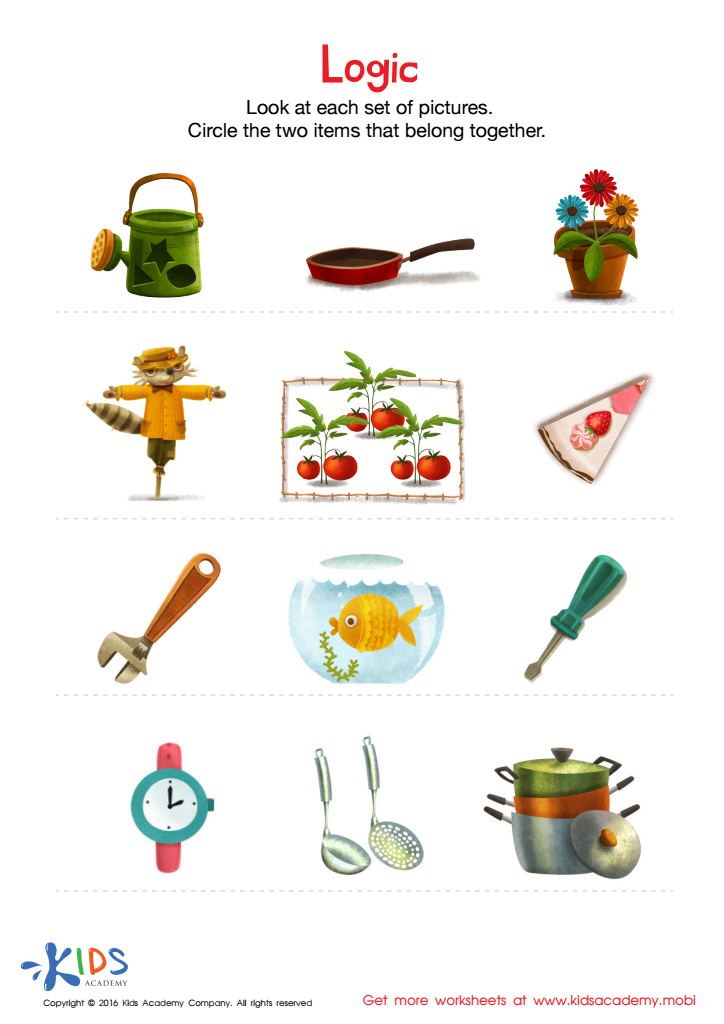
Logic Game Sorting Worksheet
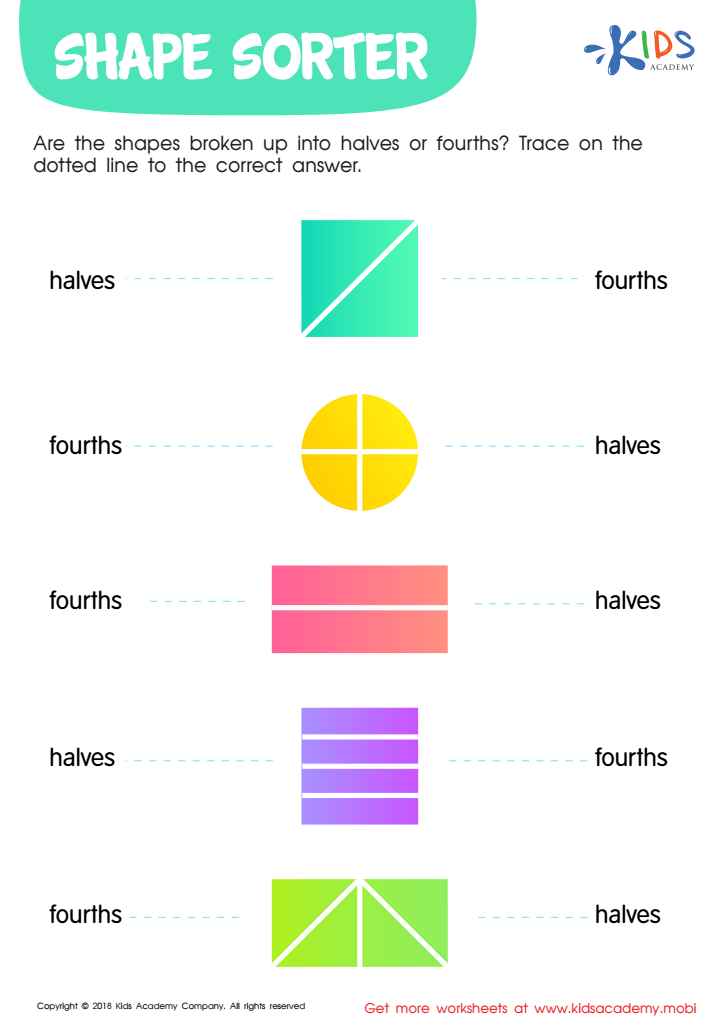
Shape Sorter Worksheet
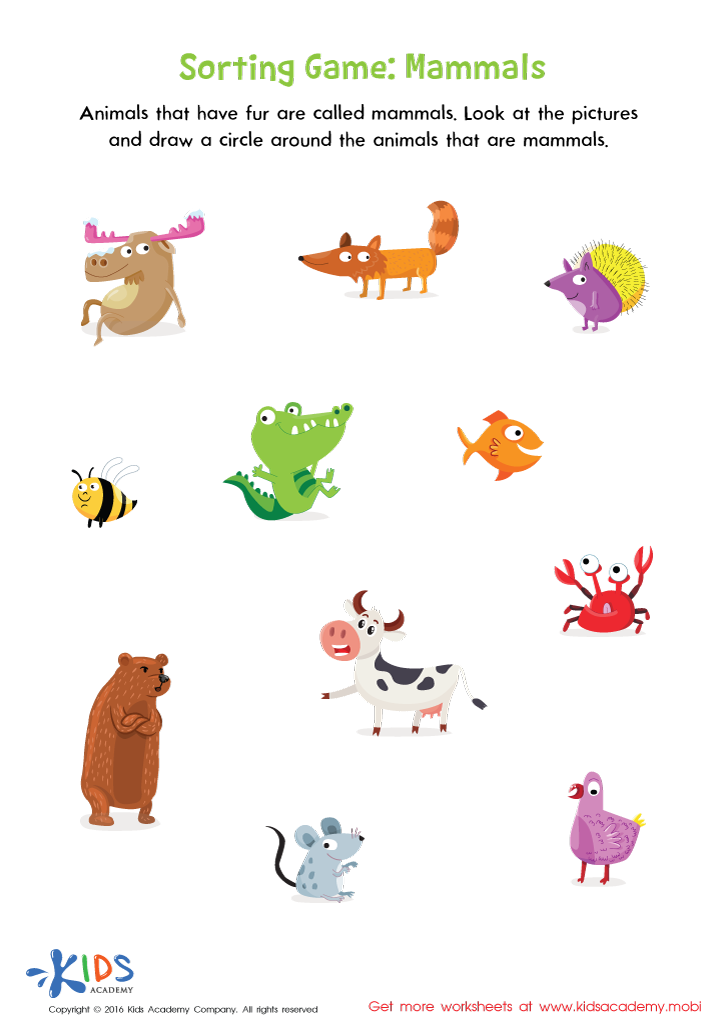
Mammals Sorting Worksheet





.jpg)

Categorization skills are essential for young children, ages 4-7, as they play a pivotal role in cognitive development and academic achievement. These skills enable children to group objects, ideas, or information based on shared attributes, fostering their ability to make sense of their environment and aiding in problem-solving and critical thinking. By categorizing, children learn to recognize patterns, an ability crucial for subjects like math and science, enhancing their logical reasoning and analytical skills.
For parents and teachers, supporting the development of categorization skills means equipping children with the foundational tools necessary for more complex learning. For instance, distinguishing animals by habitat or sorting shapes by size not only enriches vocabulary but also boosts memory and attention span. Moreover, these activities enhance language development as children learn new descriptive terms and concepts.
Additionally, categorization skills aid social development. Understanding how to classify social cues or categorize emotions helps children navigate social interactions more effectively, contributing to emotional intelligence. Encouraging these skills through play-based learning, storytelling, and hands-on activities also strengthens the child’s ability to organize and retrieve knowledge, setting a robust groundwork for future educational success. Thus, prioritizing these skills is integral in nurturing well-rounded, inquisitive, and capable learners.








