Improving reading skills Worksheets for Ages 4-7
15 filtered results
-
From - To
Discover our collection of "Improving Reading Skills Worksheets" designed specifically for ages 4 to 7. These engaging worksheets aim to enhance early literacy by focusing on essential skills such as phonics, vocabulary building, and comprehension. Each activity is thoughtfully crafted to be age-appropriate, making learning fun and interactive for young readers. With colorful illustrations and simple instructions, children will feel motivated to practice their reading abilities while developing essential skills for academic success. Ideal for classroom settings or home use, our worksheets provide parents and educators with valuable resources to support early reading development. Boost your child's confidence and passion for reading today!
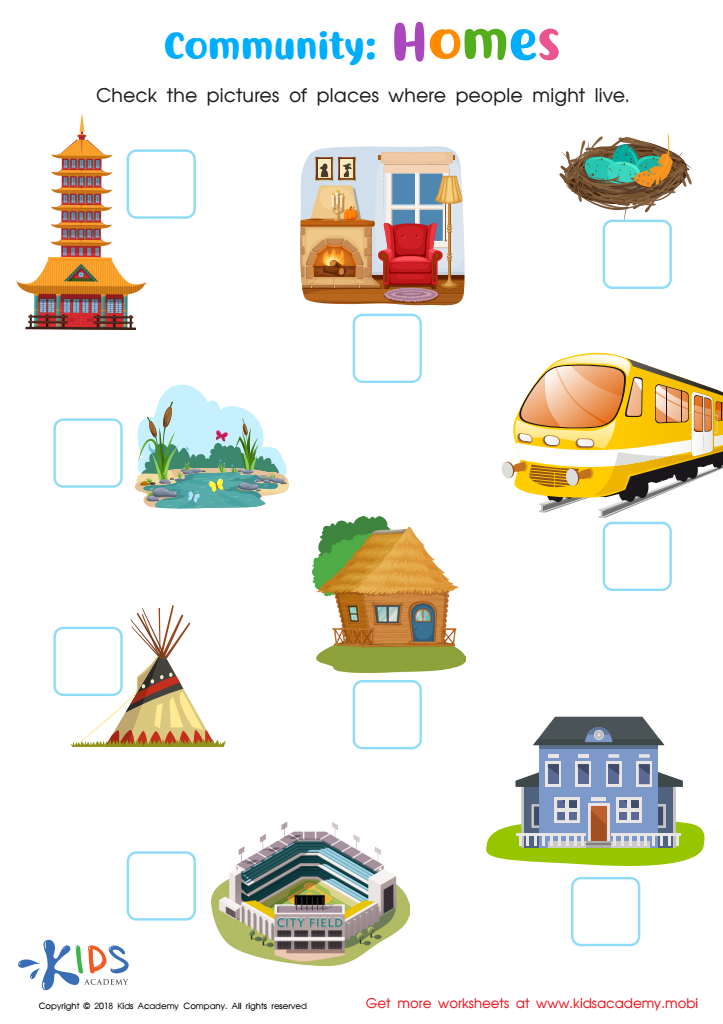
Community: Homes Worksheet
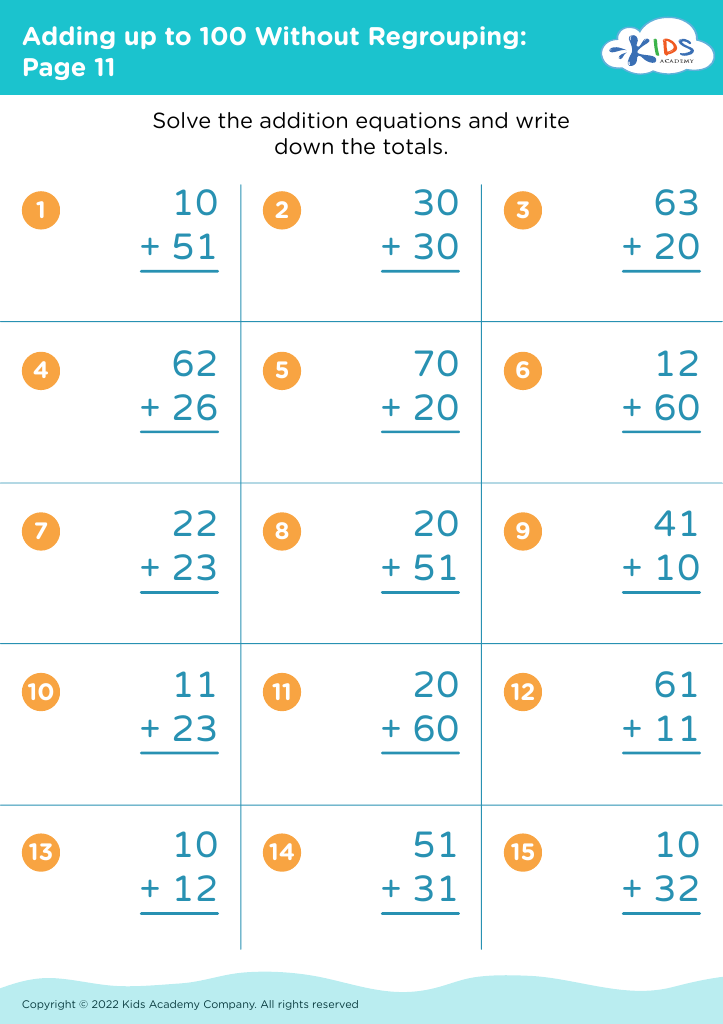
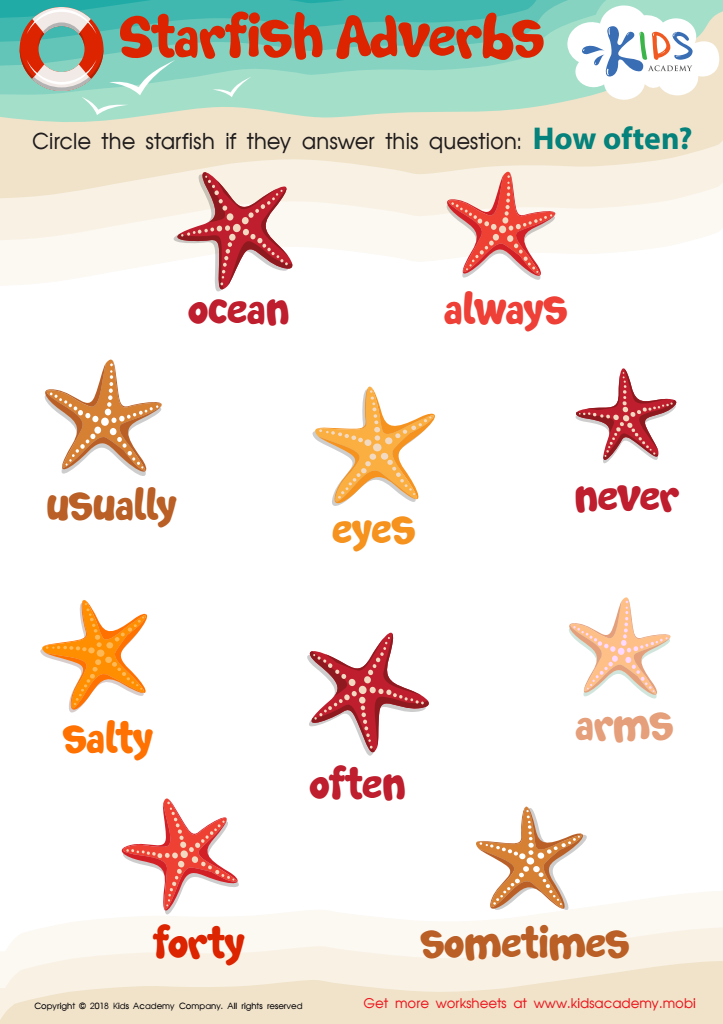
Starfish Adverbs Worksheet
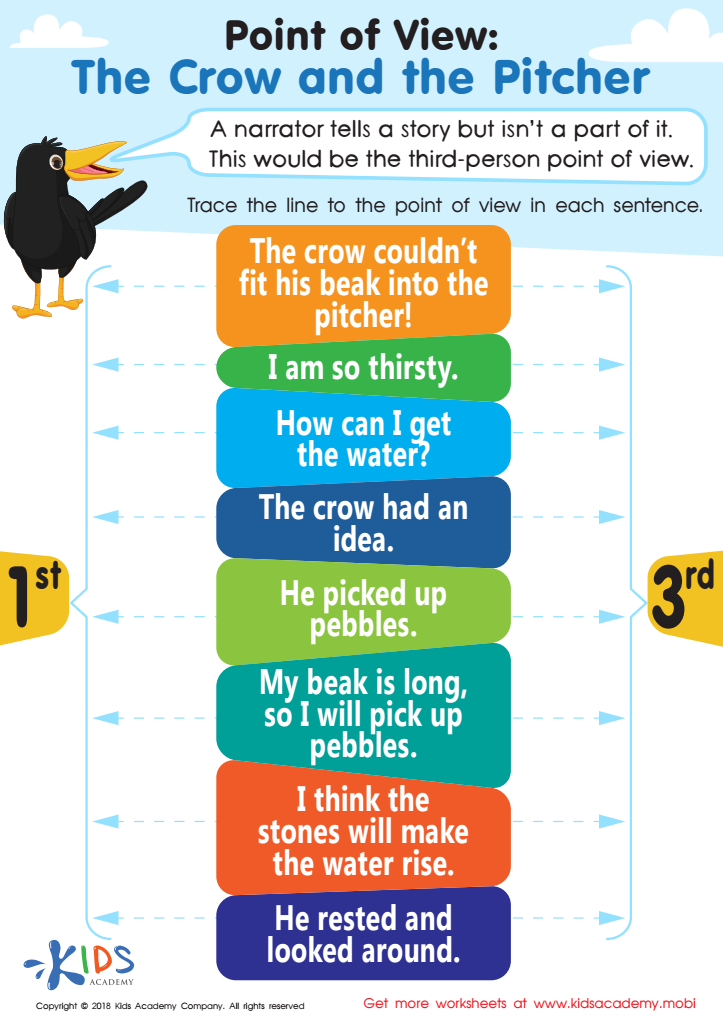
Point of View: The Crow and the Pitcher Worksheet
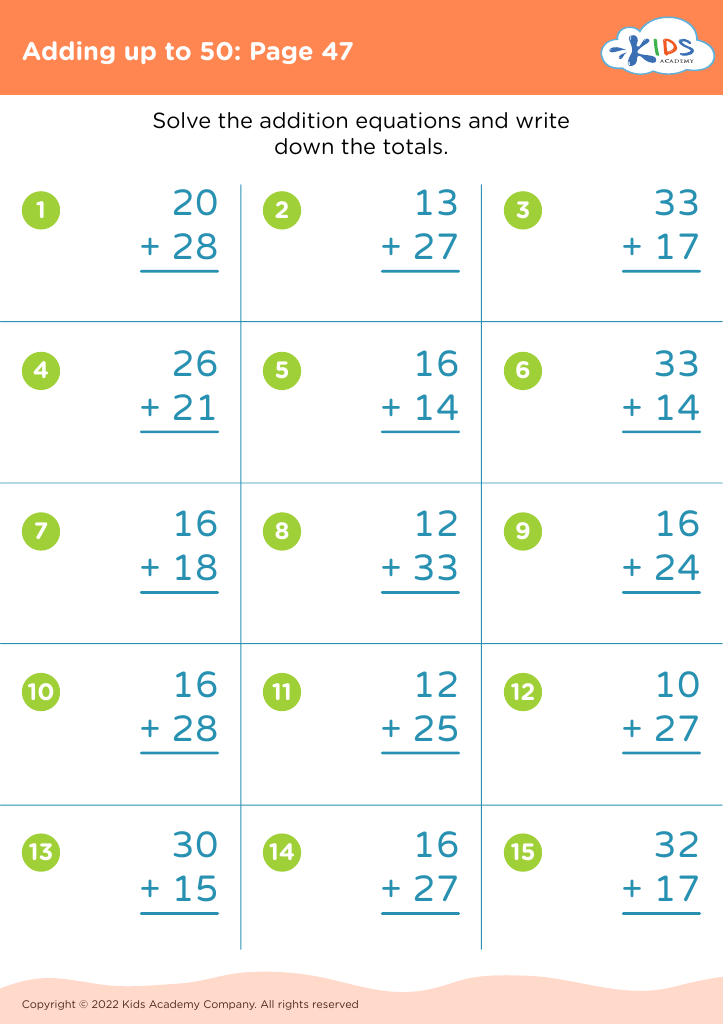
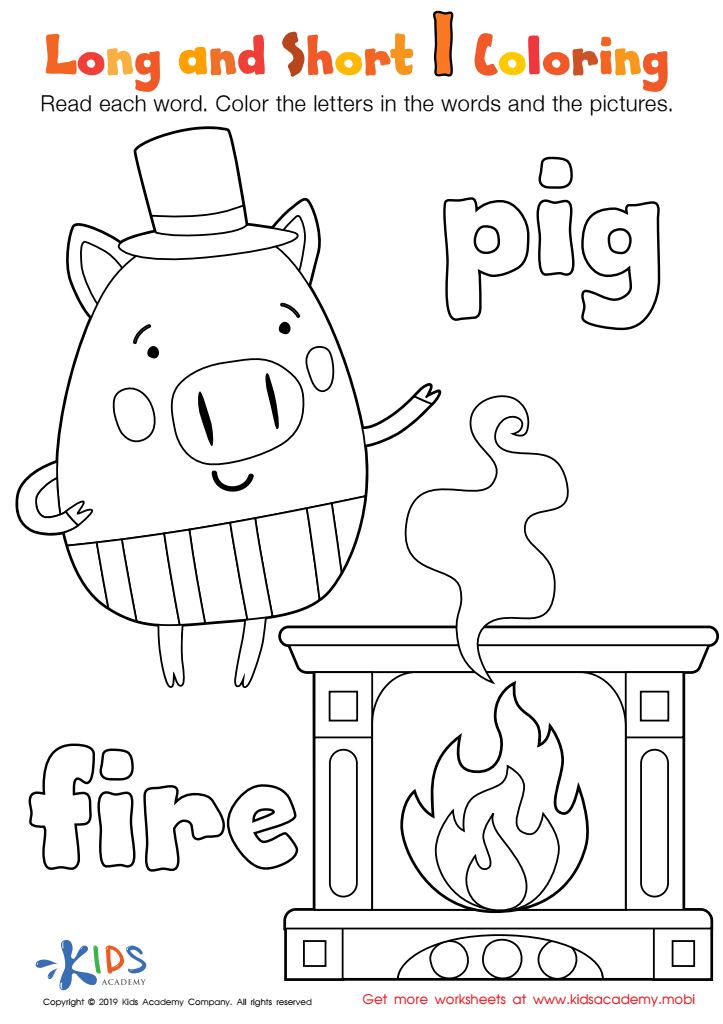
Long and Short I Worksheet
 Assign to My Students
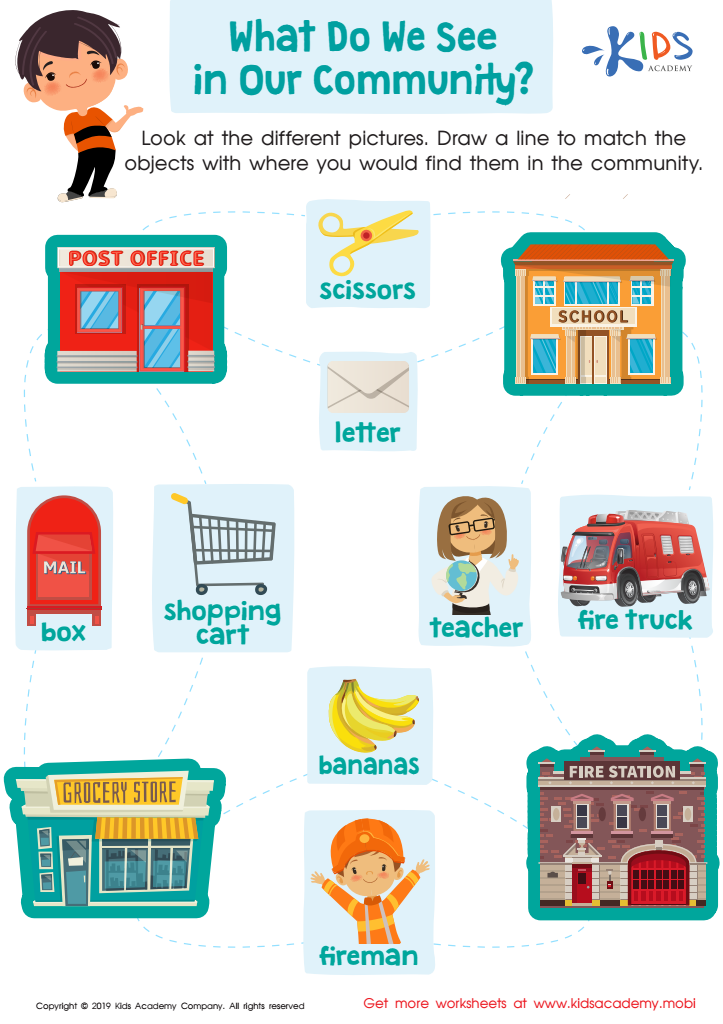
What Do We See in our Community? Worksheet
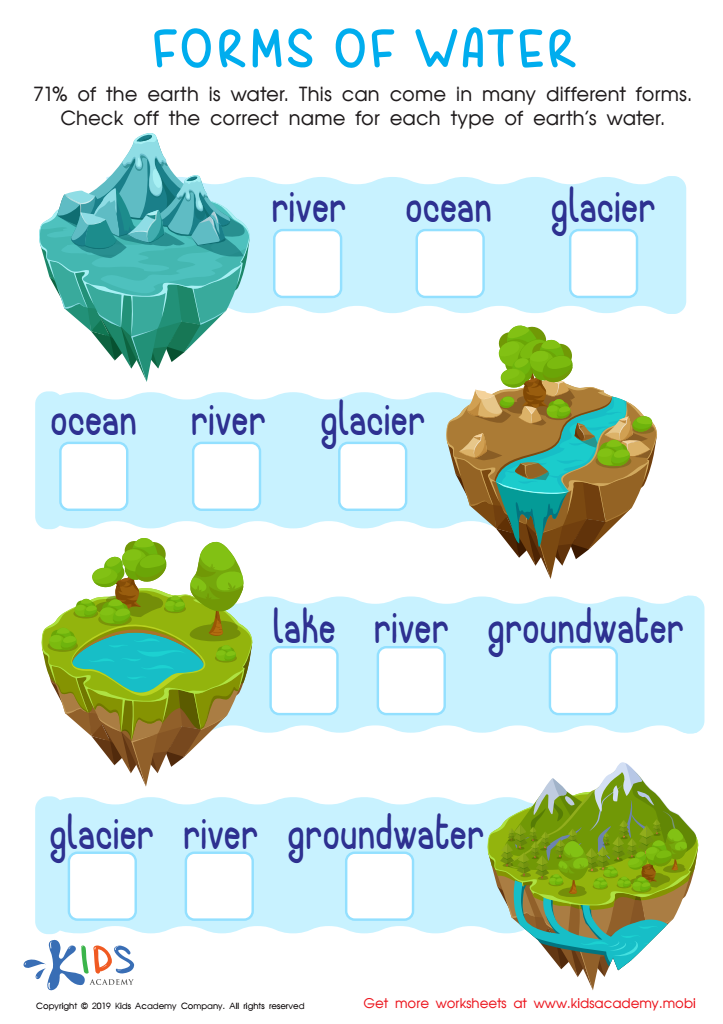
Forms of Water Worksheet
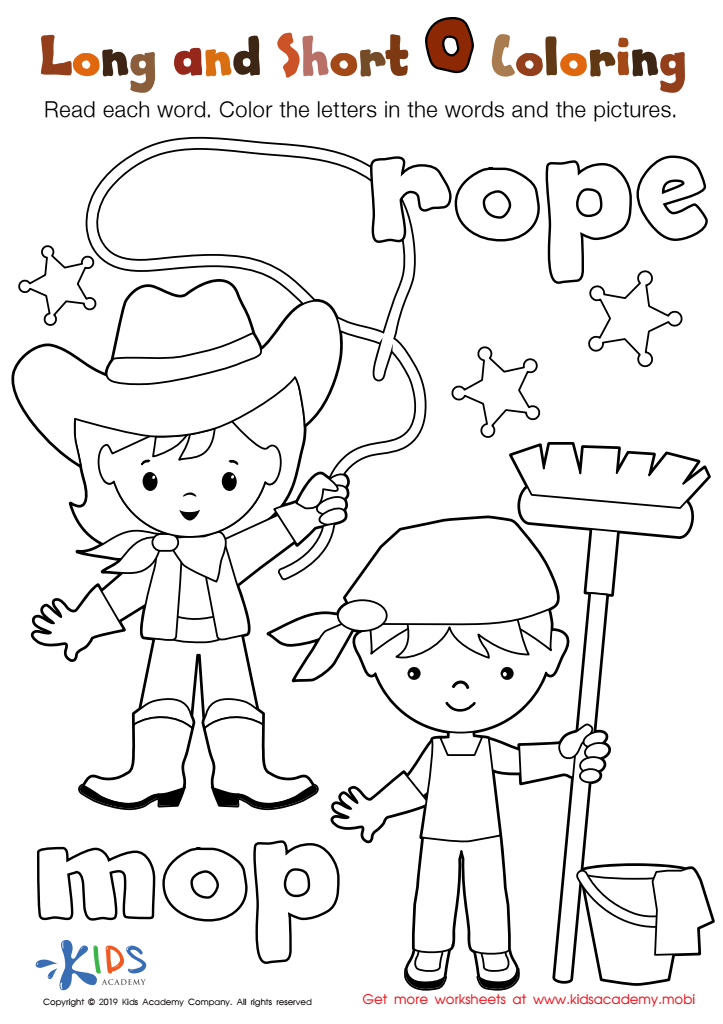
Long and Short O Worksheet
Assign to My Students
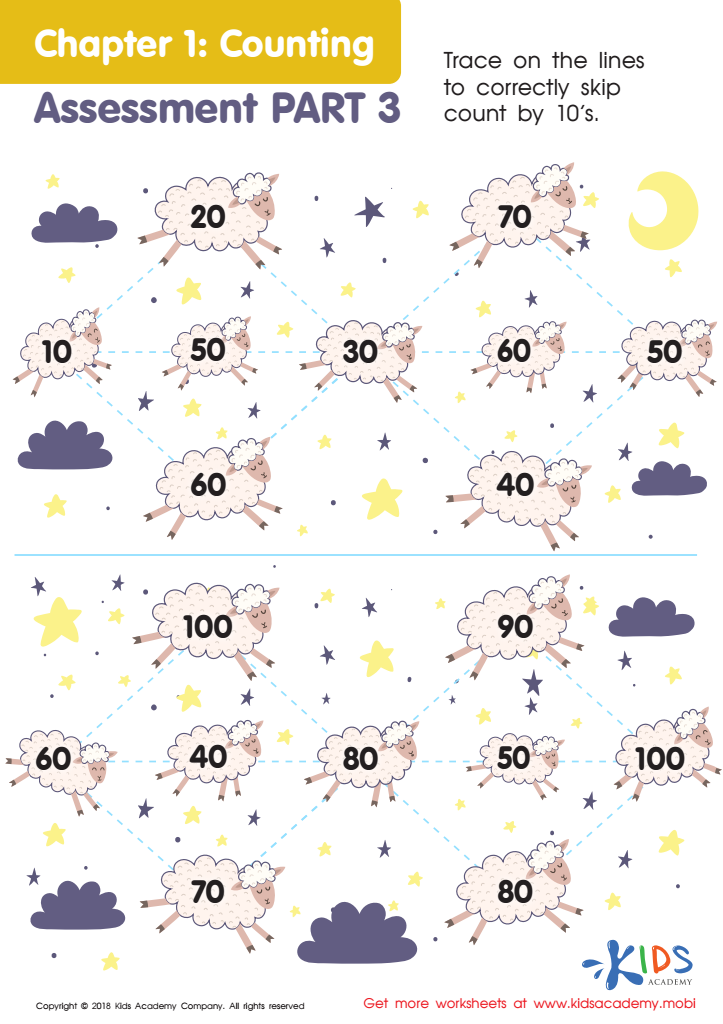
Counting: Assessment 3 Worksheet
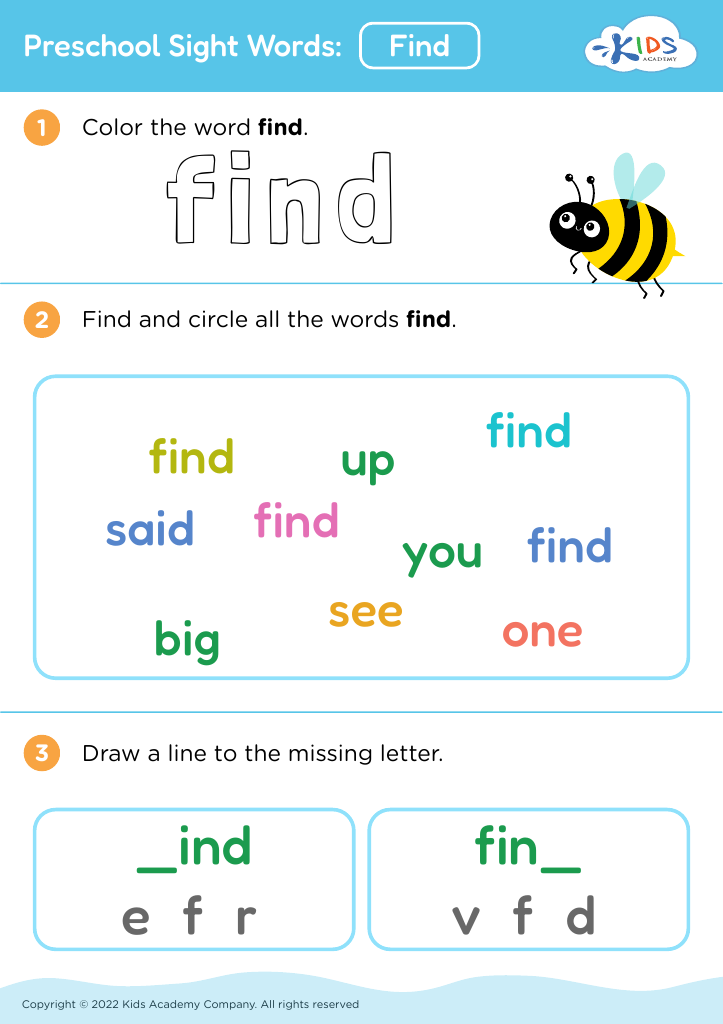
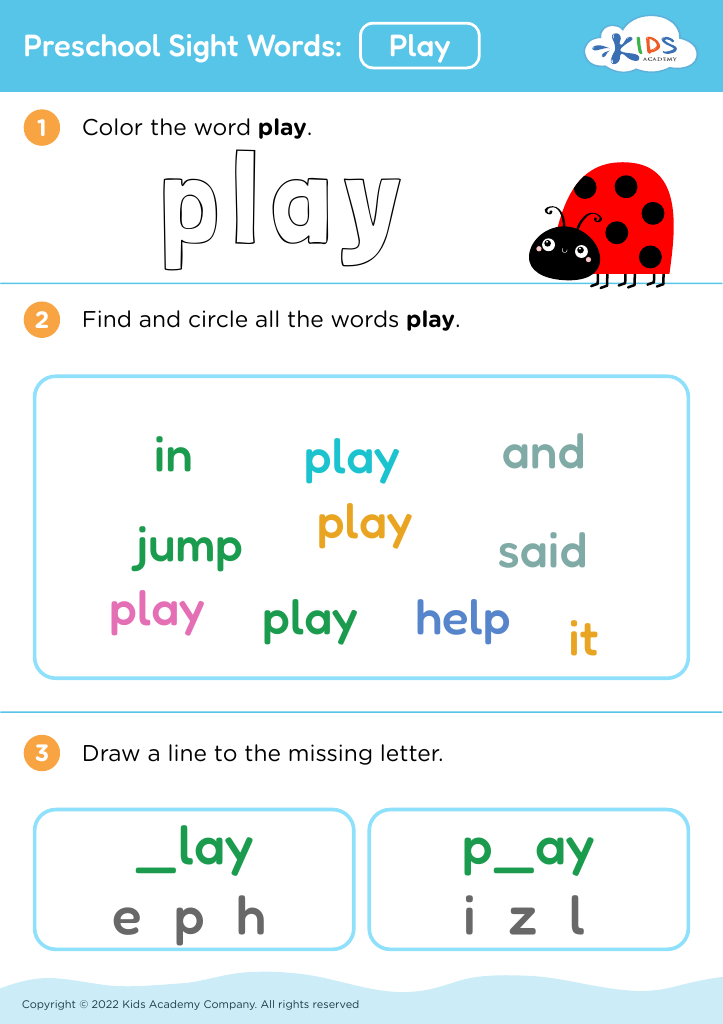
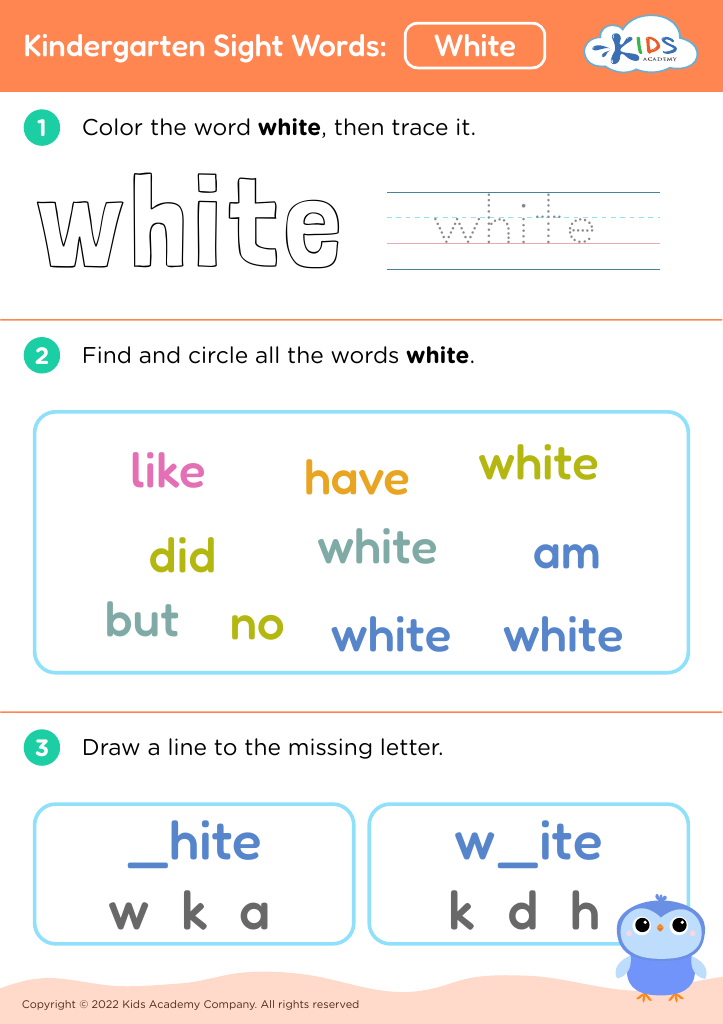







Improving reading skills for children aged 4-7 is crucial for their academic success and overall development. During these formative years, children establish the foundational skills necessary for effective communication and comprehension, which are essential lifelong skills. Early reading skills not only enhance vocabulary but also stimulate critical thinking and creativity. Engaging in reading activities together fosters a love for literature, encouraging children to explore new ideas and perspectives.
Moreover, proficient reading skills significantly impact a child's performance in all subject areas. Children who read well are generally better equipped to understand and engage with content across subjects, benefiting their overall educational experience. Conversely, struggling readers may face academic challenges, leading to frustration and lack of confidence.
Additionally, reading helps strengthen parent-child and teacher-student relationships. Collaborative reading experiences create bonding opportunities while instilling a routine that emphasizes the importance of education. Socio-emotional benefits arise as children learn to express their thoughts and feelings through stories, enhancing their empathy and social skills.
In summary, nurturing reading skills in young children lays the groundwork for academic achievement, personal development, and a strengthened bond within families and educational settings, making it a priority for parents and teachers alike.








