Information retention Worksheets for Ages 4-7
4 filtered results
-
From - To
Explore our engaging Information Retention Worksheets designed specifically for children ages 4-7! These worksheets are crafted to enhance young learners' memory and comprehension skills through fun activities. Tailored to your child's developmental stage, each worksheet encourages active participation and reinforces learning through interactive tasks. From matching games to simple puzzles, kids will enjoy practicing their information retention in an enjoyable way. Perfect for classroom use or at-home learning, these resources help develop foundational skills vital for academic success. Download our free worksheets today and watch your child's confidence and abilities soar as they master the art of remembering!
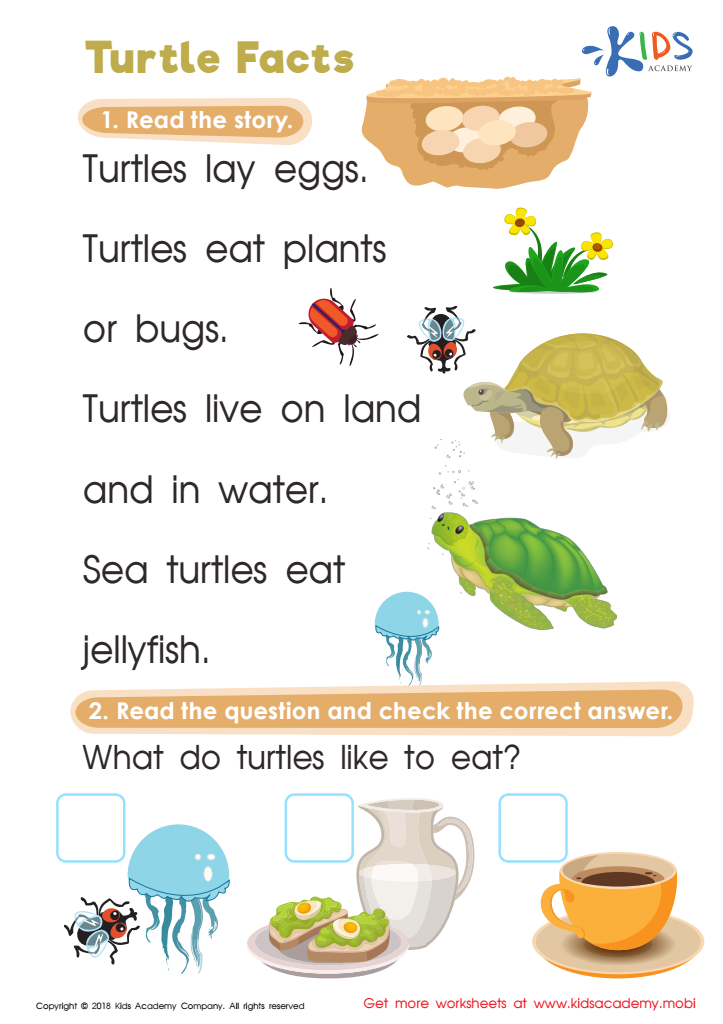
Turtle Facts Worksheet
 Assign to My Students
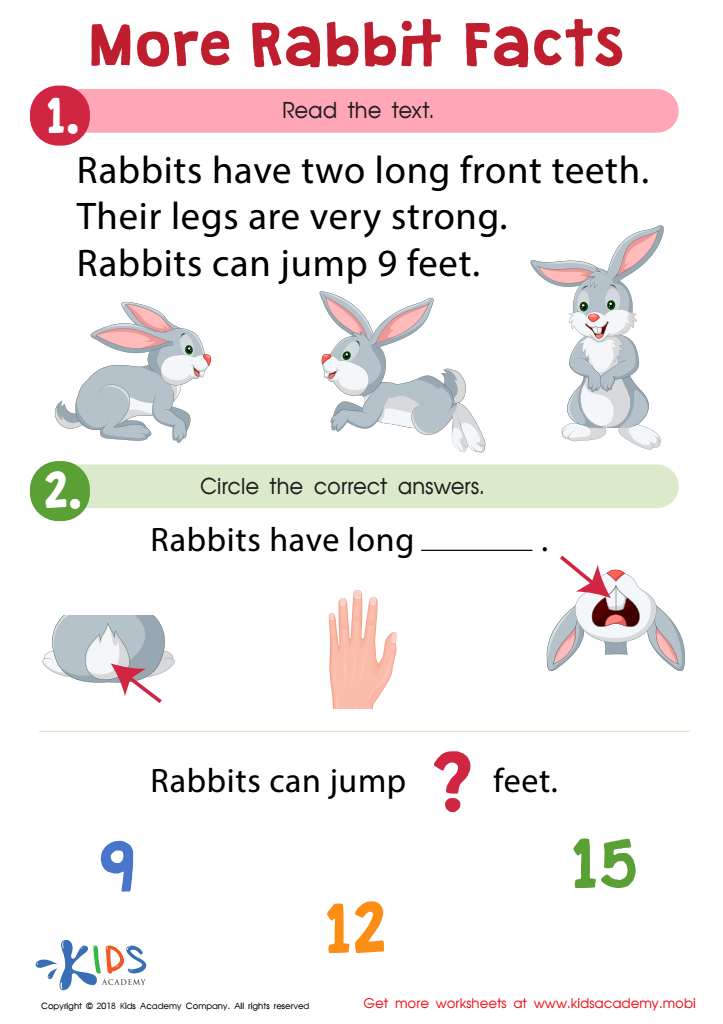
More Rabbit Facts Worksheet
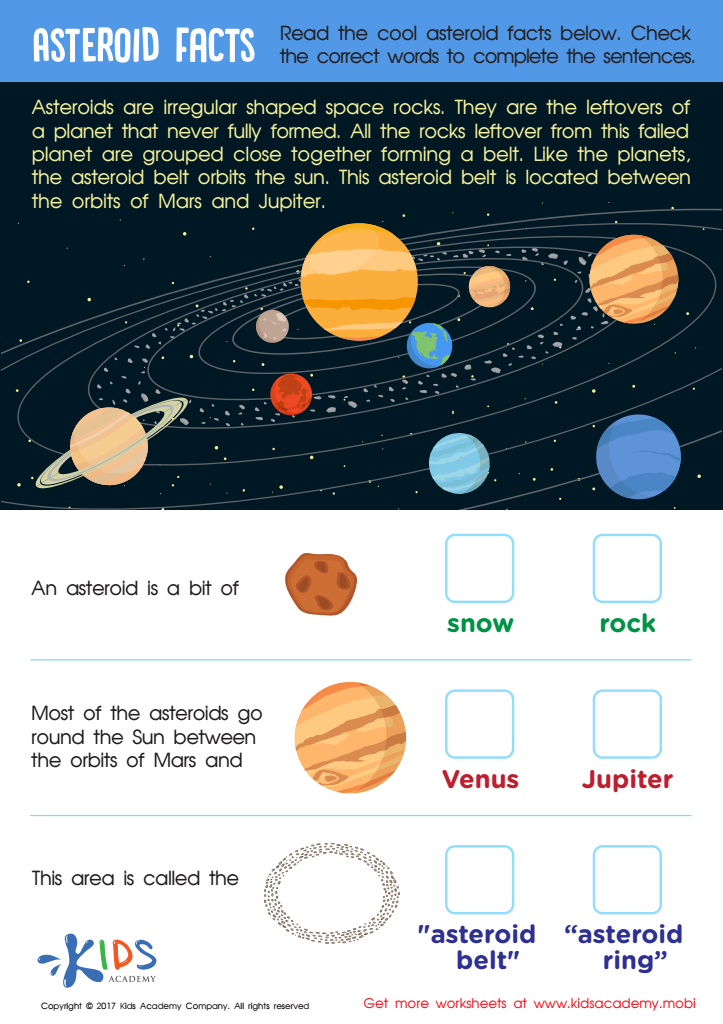
Asteroid Facts Worksheet

More About the White House Worksheet







Information retention is crucial for children ages 4-7 as this stage lays the foundation for lifelong learning. During these formative years, young children develop critical cognitive skills, including memory, attention, and reasoning. A solid grasp of information allows them to build connections between concepts, enabling deeper understanding and problem-solving capabilities.
Parents and teachers should care about information retention because it impacts academic success and future learning experiences. Retained information aids in reading comprehension and stimulates language development, essential for communication skills. Moreover, engaging memory techniques during this phase supports self-regulation and boosts confidence, as children experience the joy of learning and remembering.
Additionally, memory plays a vital role in developing relationships; children use retained information about social cues and interactions to navigate their social environments. Effective strategies for enhancing information retention, such as interactive games, storytelling, and hands-on activities, can make learning enjoyable and foster a love of learning.
Ultimately, fostering strong information retention in young learners not only prepares them for academic challenges ahead but also nurtures a curious, competent individual ready to explore the world. Both parents and teachers play a critical role in guiding children through this dynamic and essential developmental phase.








