Subtraction practice Worksheets for Ages 4-7
95 filtered results
-
From - To
Discover our Subtraction Practice Worksheets for ages 4-7, designed to turn learning subtraction into a fun adventure! Perfect for preschool to early elementary students, these worksheets help young learners build fundamental math skills in a playful, engaging way. Featuring colorful illustrations and kid-friendly exercises, each worksheet aims to strengthen your child's understanding of basic subtraction concepts. Through practical problems and interactive activities, kids will gain confidence and improve their number sense. Ideal for both classroom and home use, our subtraction worksheets make mastering essential math skills an enjoyable experience for every young learner.
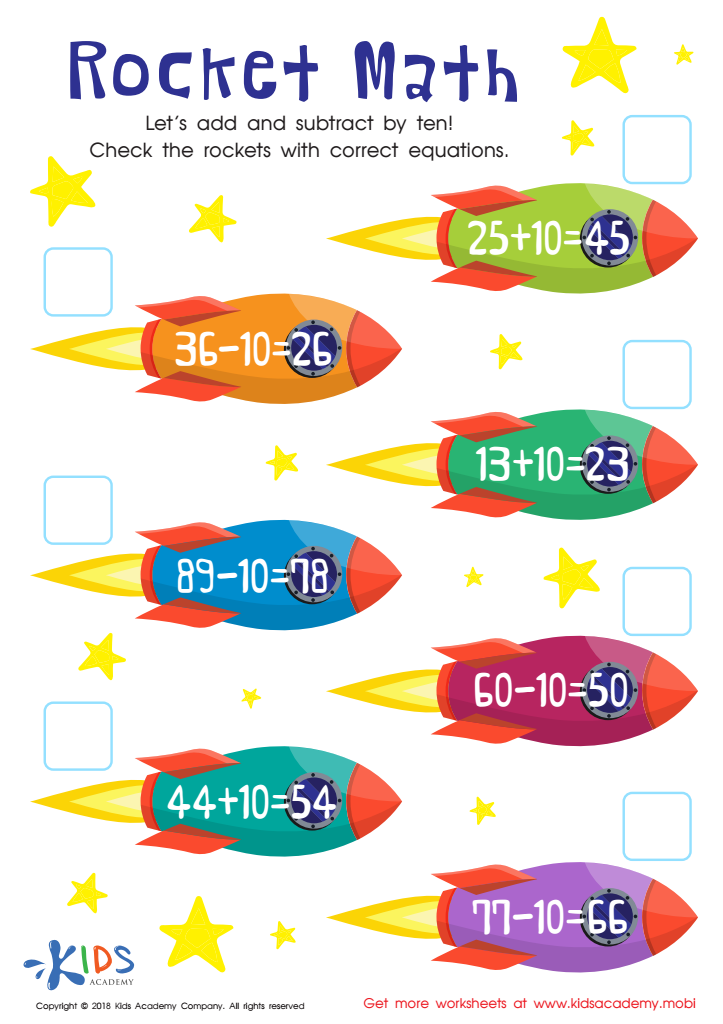
Rocket Math Worksheet
 Assign to My Students
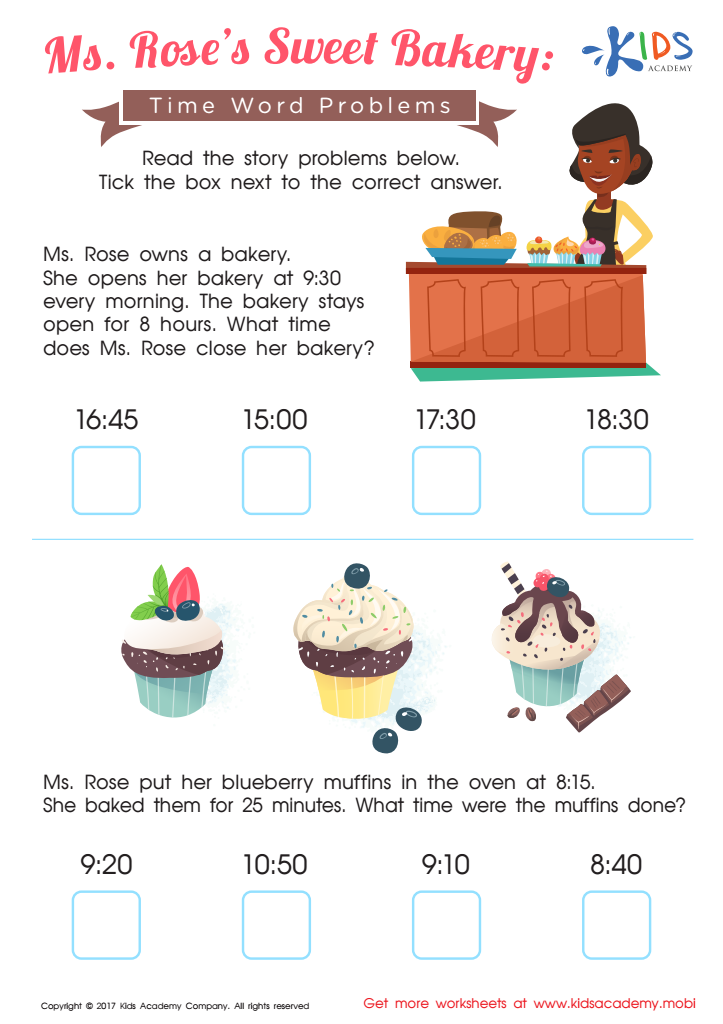
Ms. Roseв's Sweet Bakery Time Worksheet
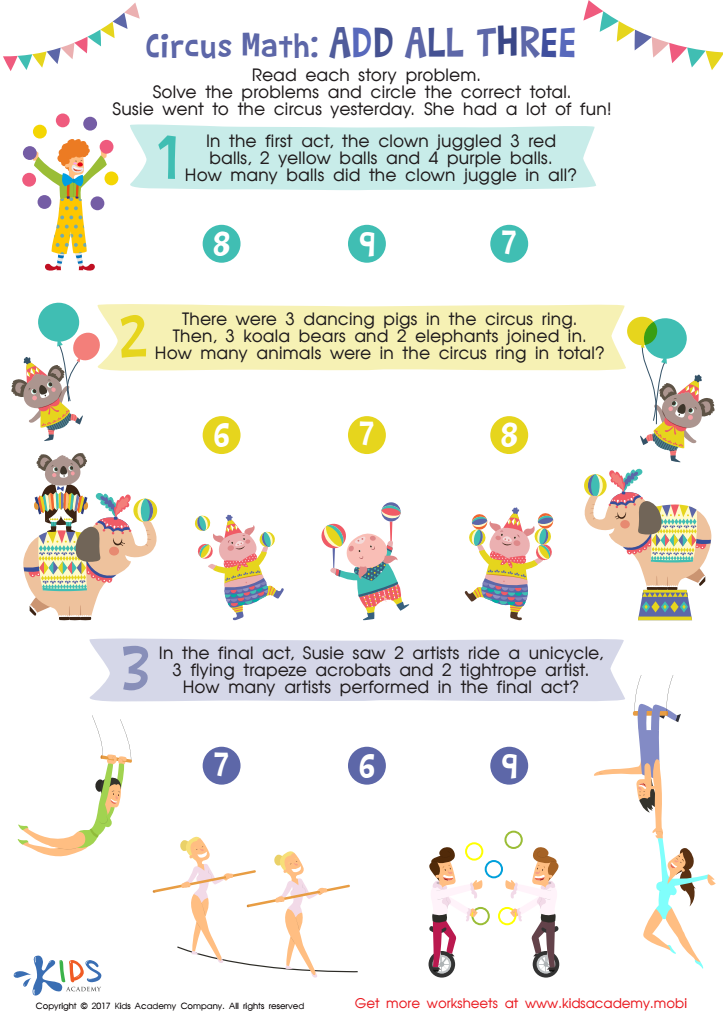
Circus Math Printable
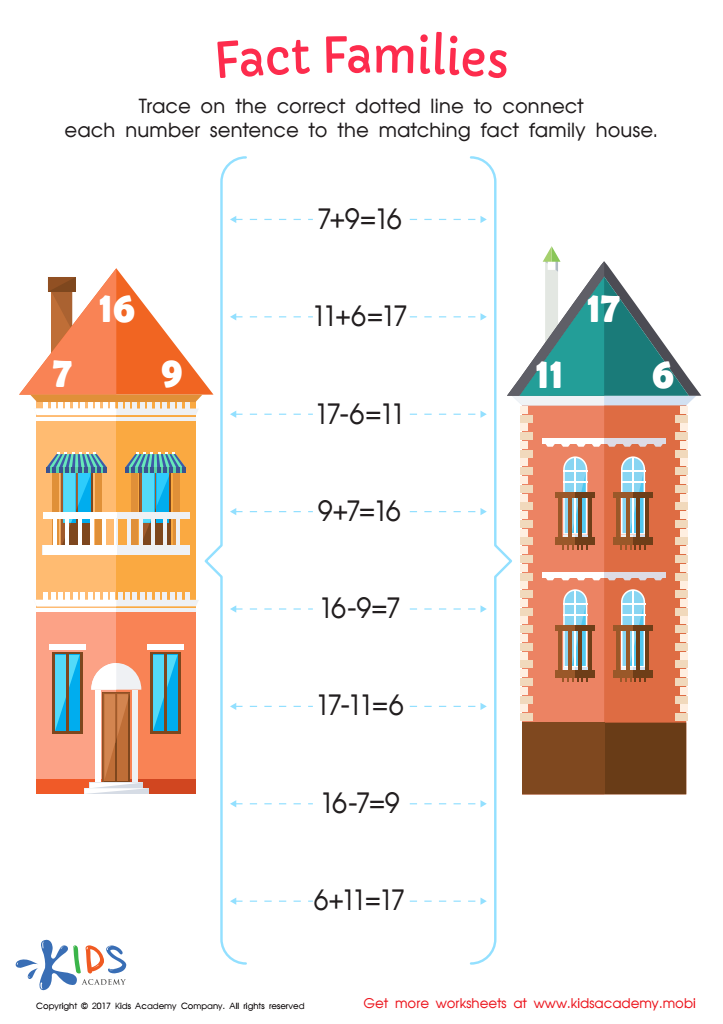
Fact Families — Add and Subtract Worksheet
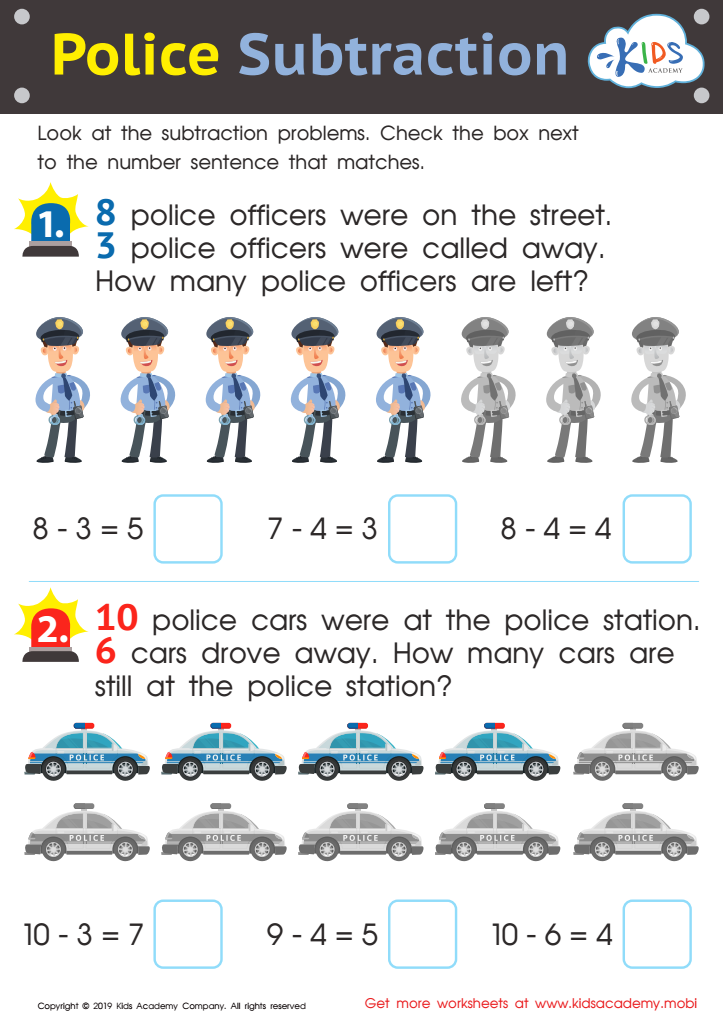
Police Subtraction Worksheet
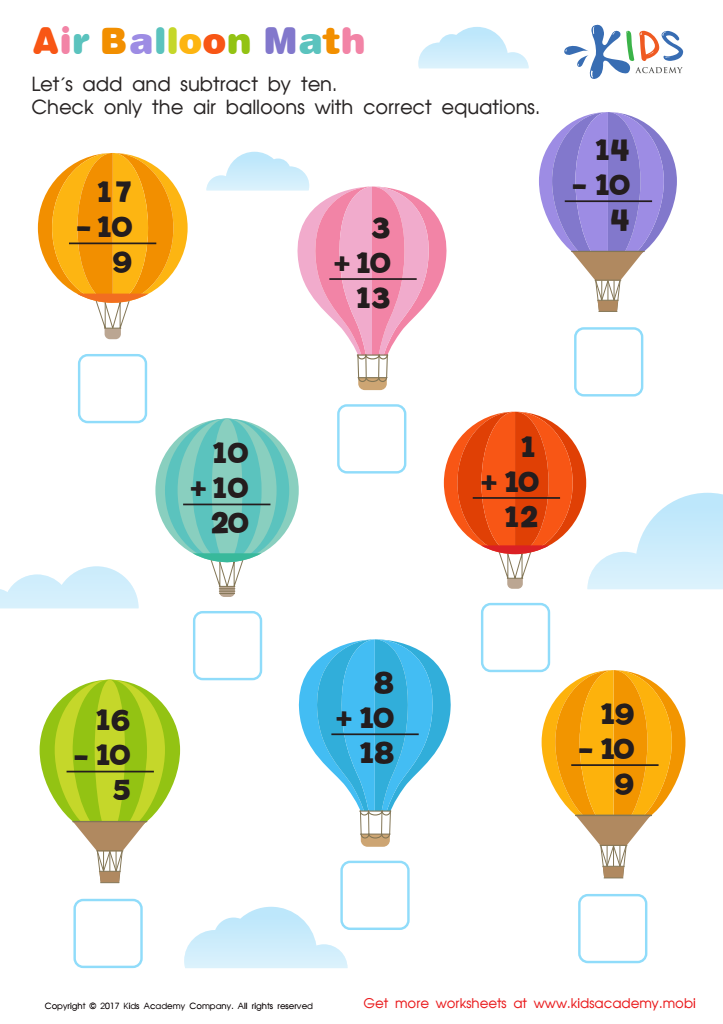
Air Balloon Math Worksheet
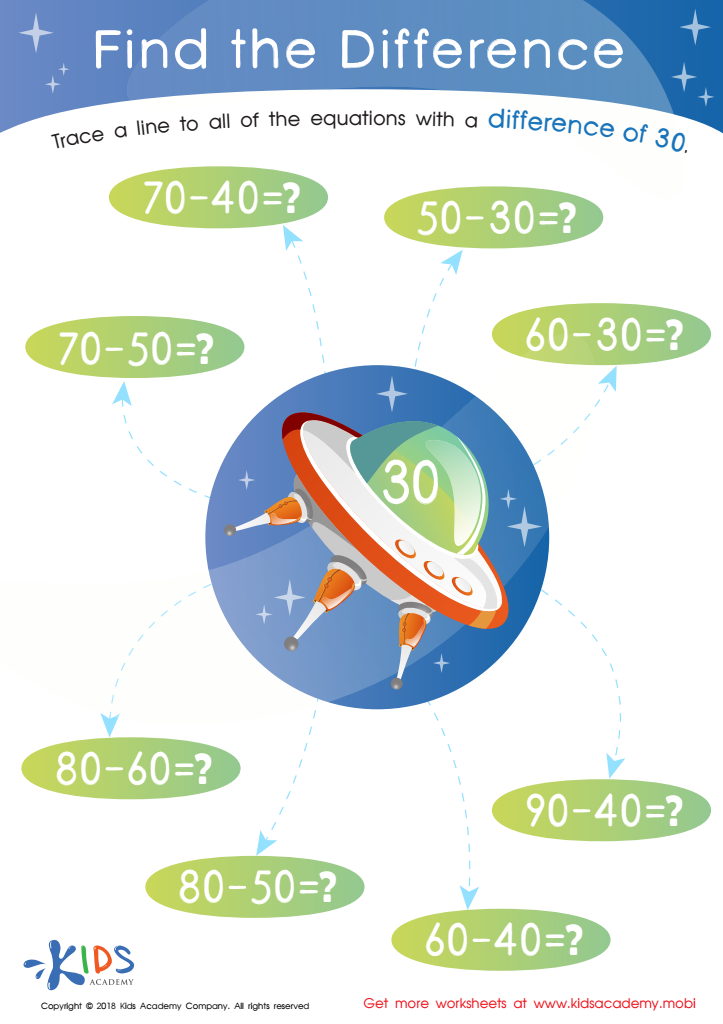
Find The Difference Worksheet
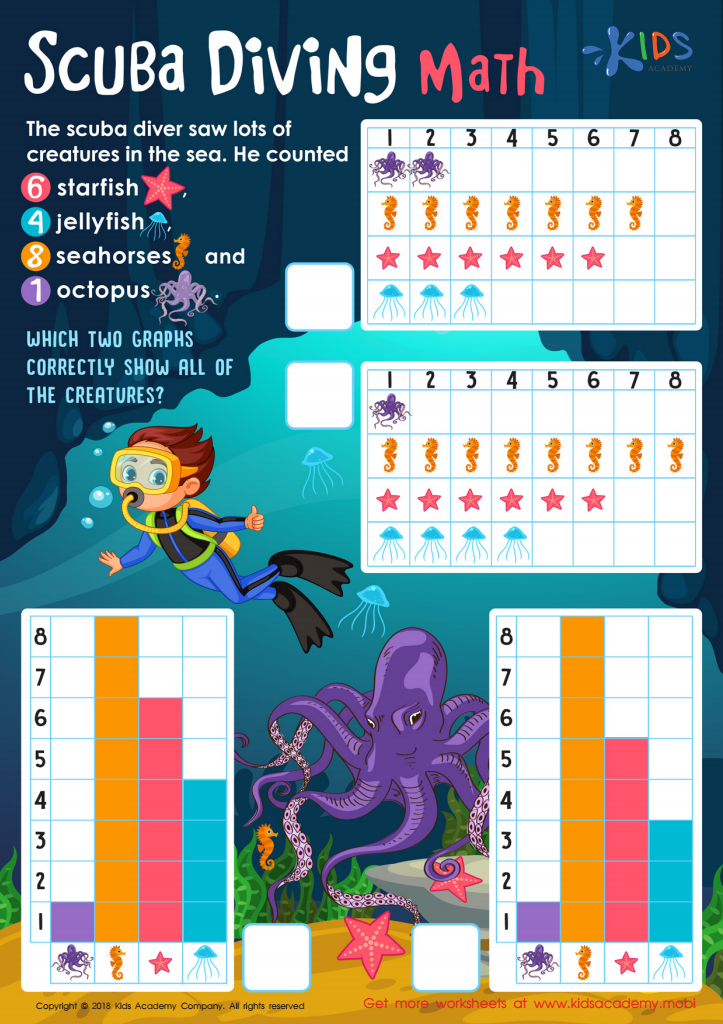
Scuba Diving Math Worksheet
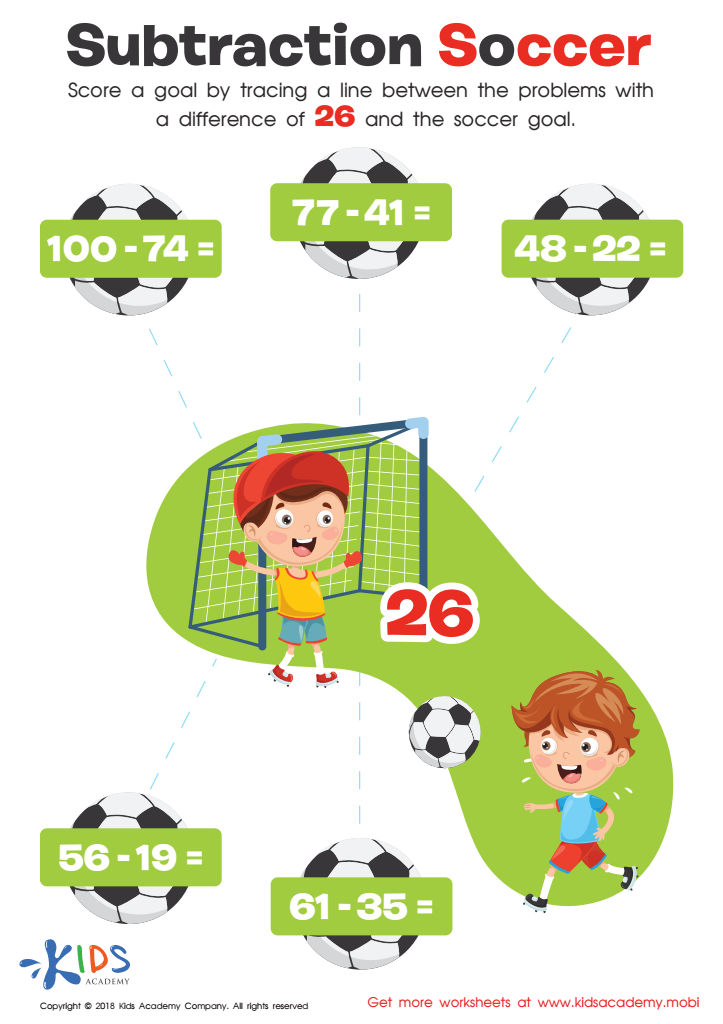
Subtraction Soccer Worksheet
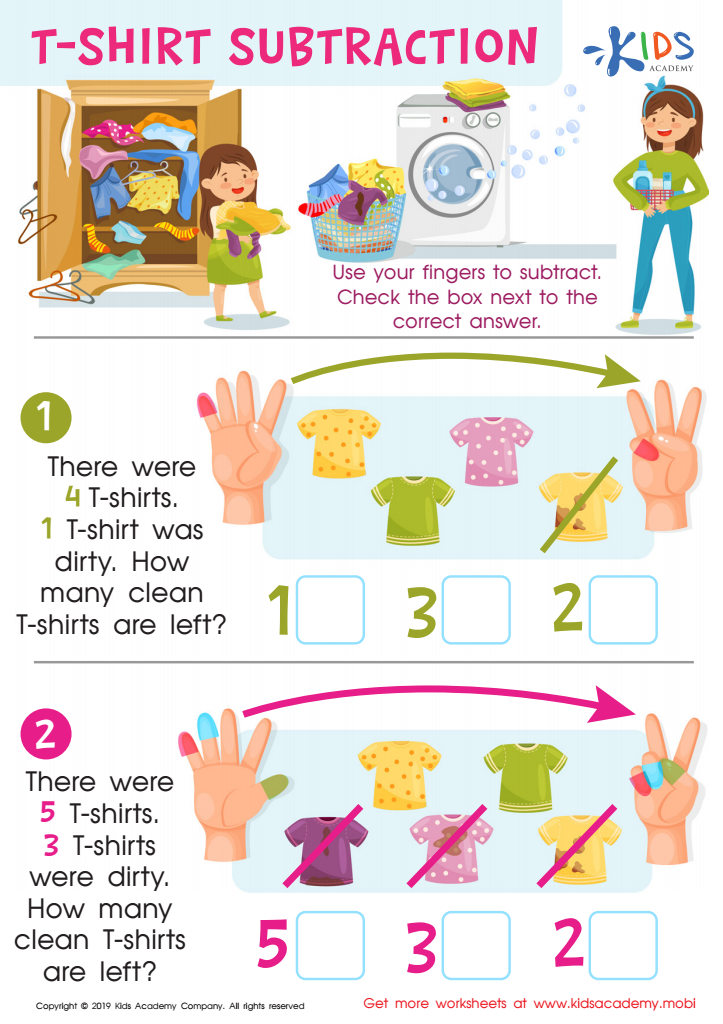
T-shirt Subtraction Worksheet
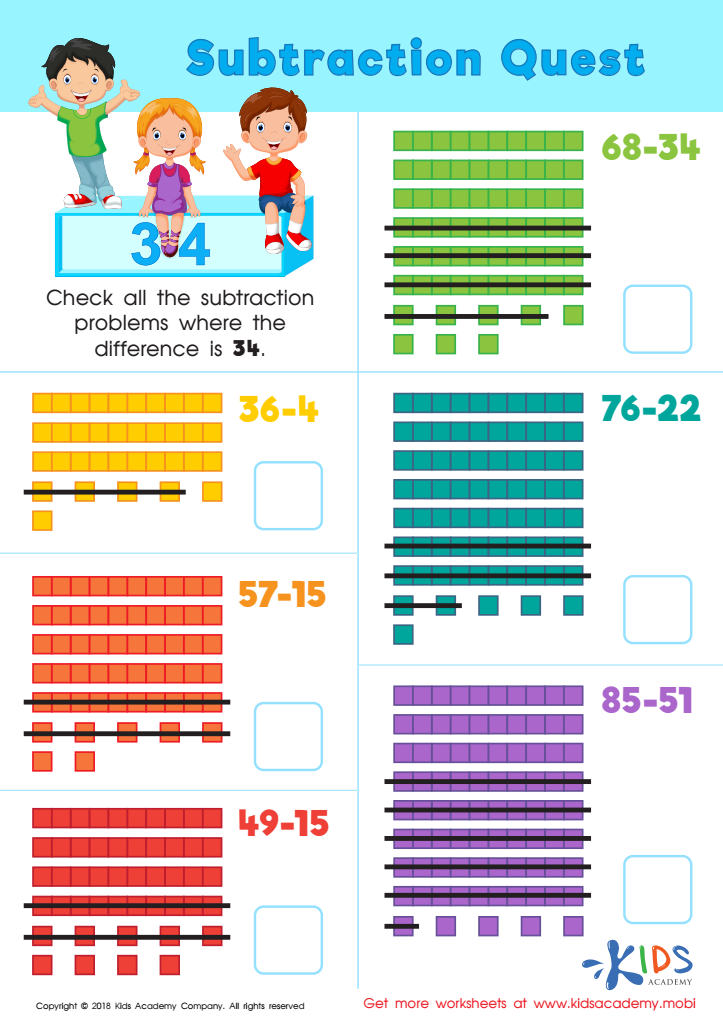
Subtraction Quest Worksheet
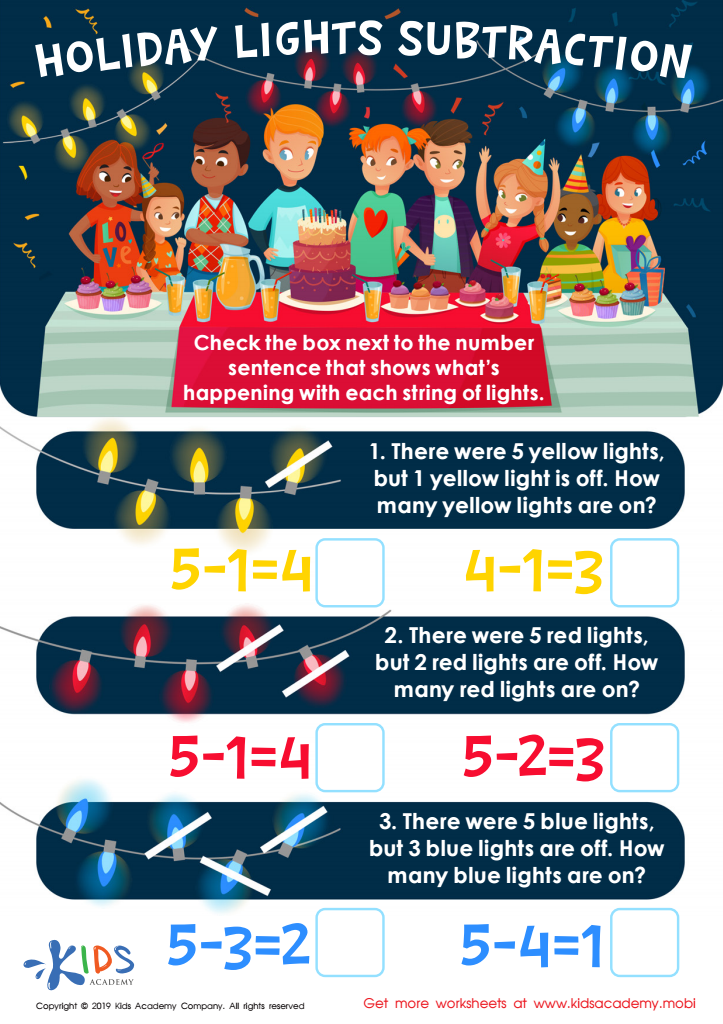
Holiday Lights Subtraction Worksheet
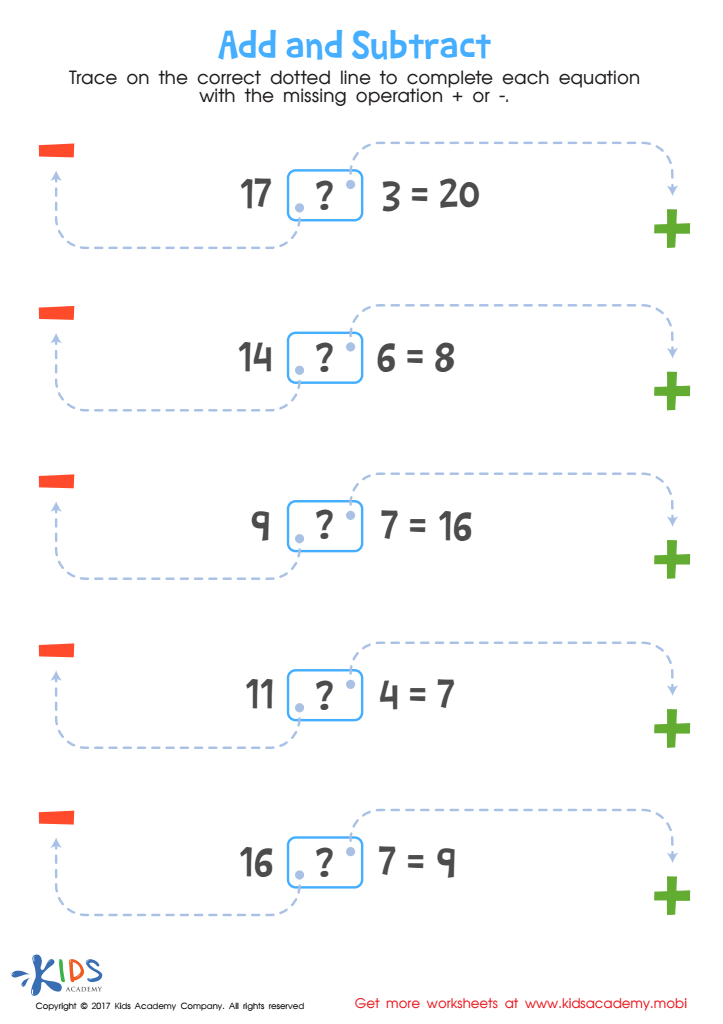
Add and Subtract Worksheet

Find 9 Worksheet
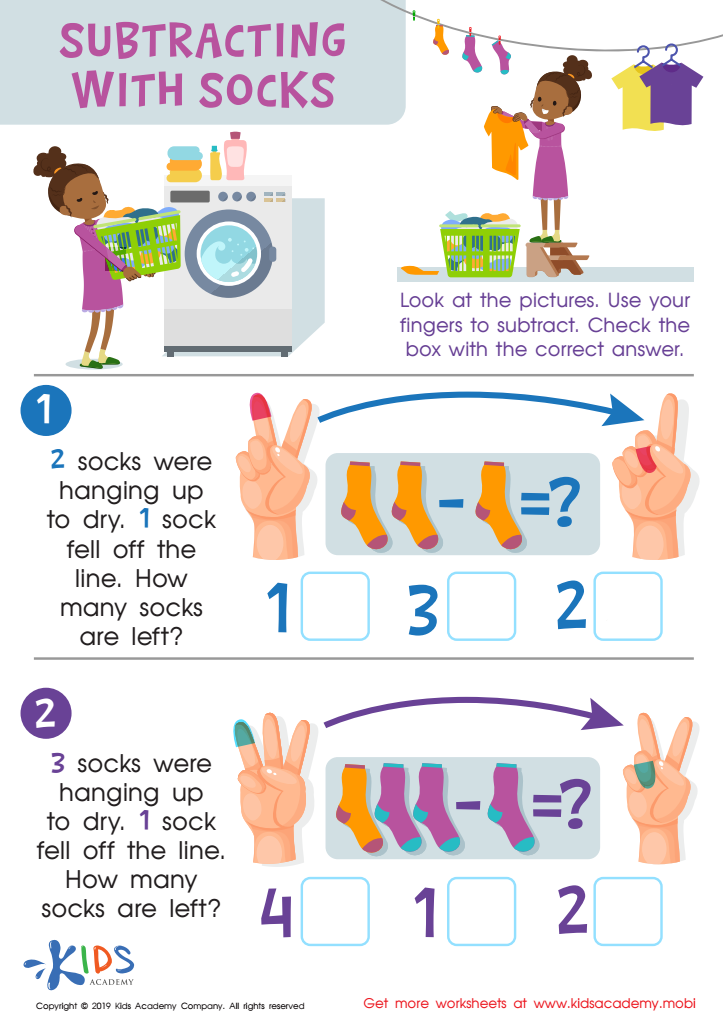
Subtracting Socks Worksheet
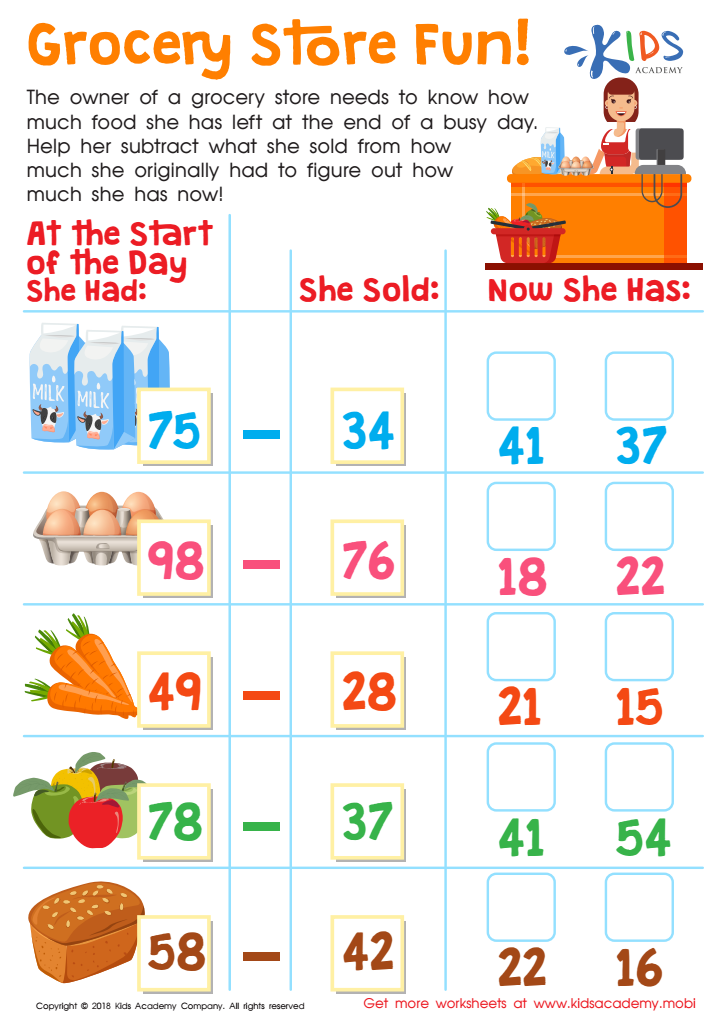
Grocery Store Fun! Worksheet
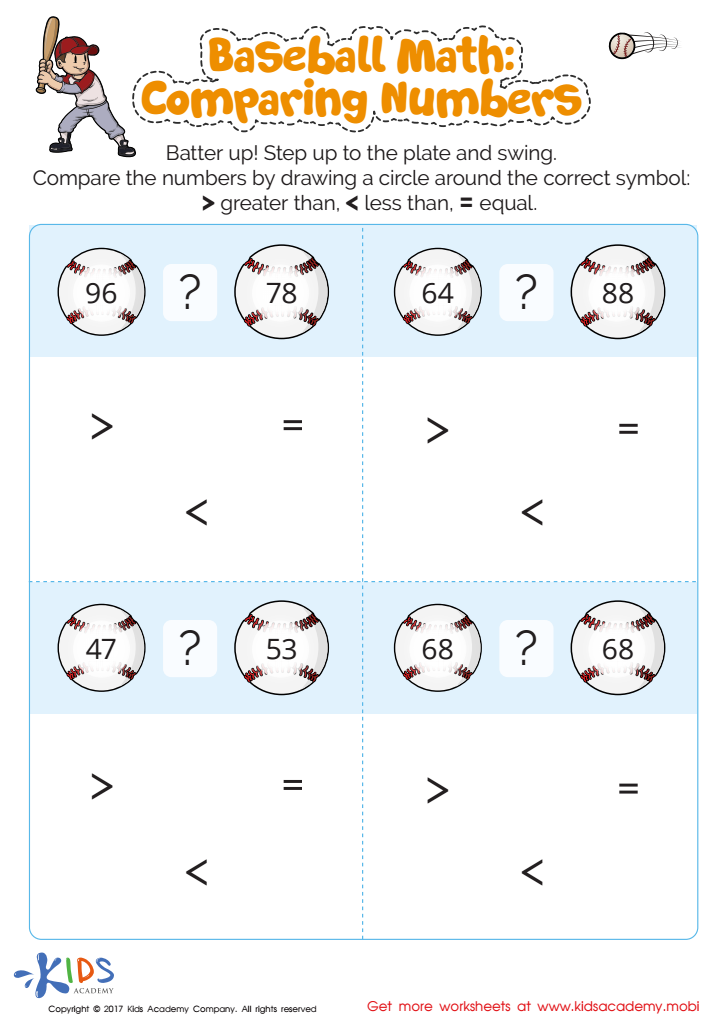
Compare Numbers Printable
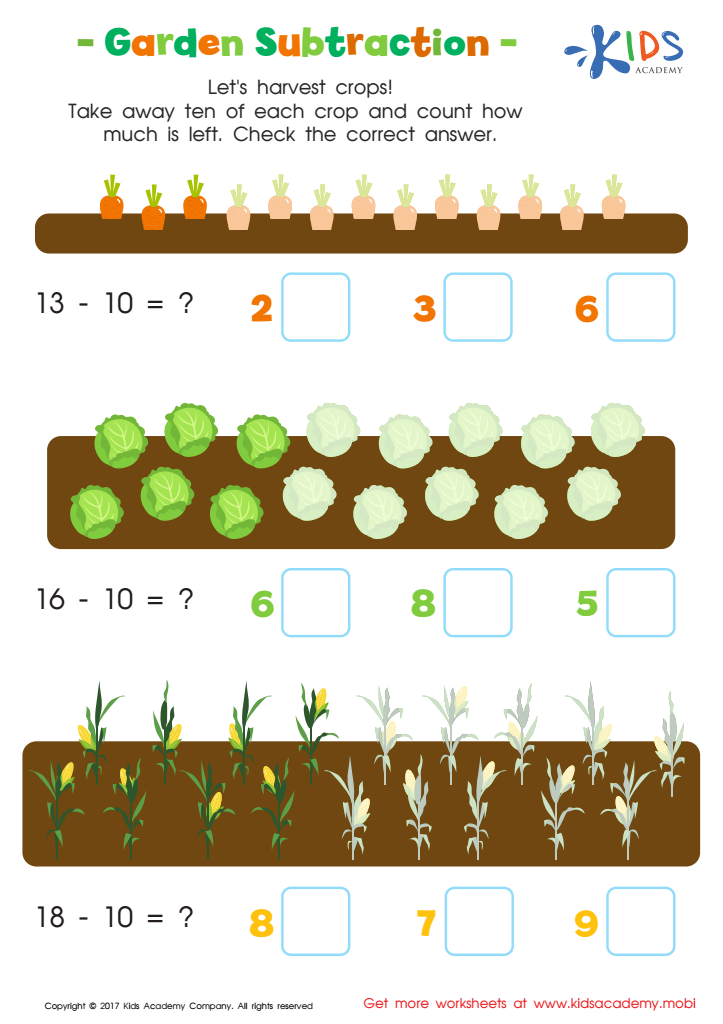
Garden Subtraction Worksheet
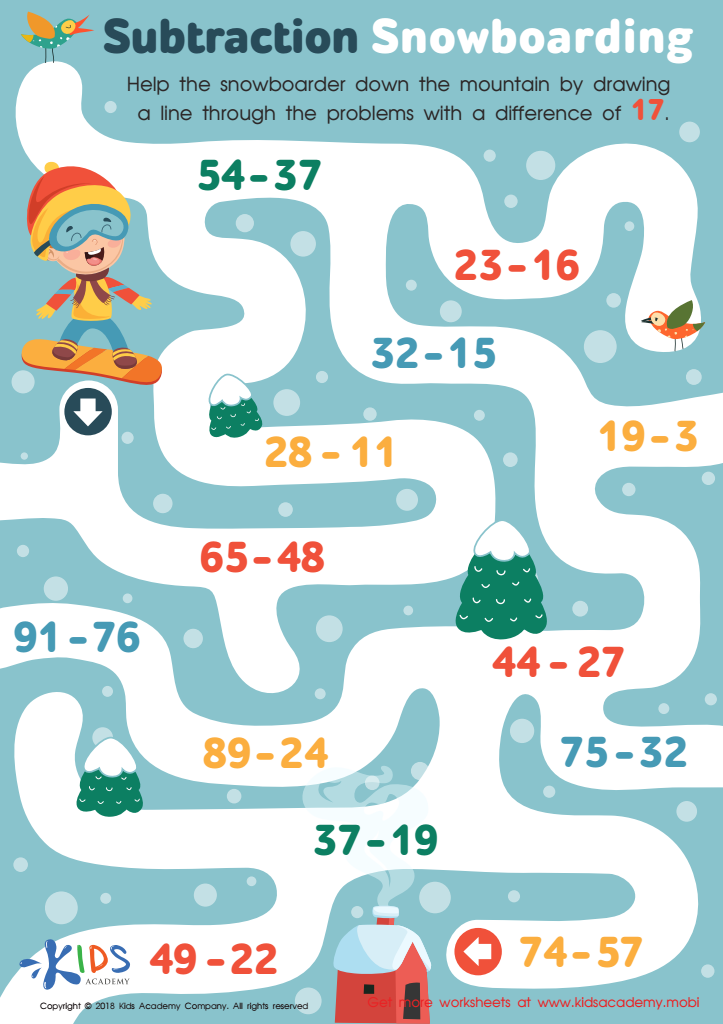
Subtraction Snowboarding Worksheet
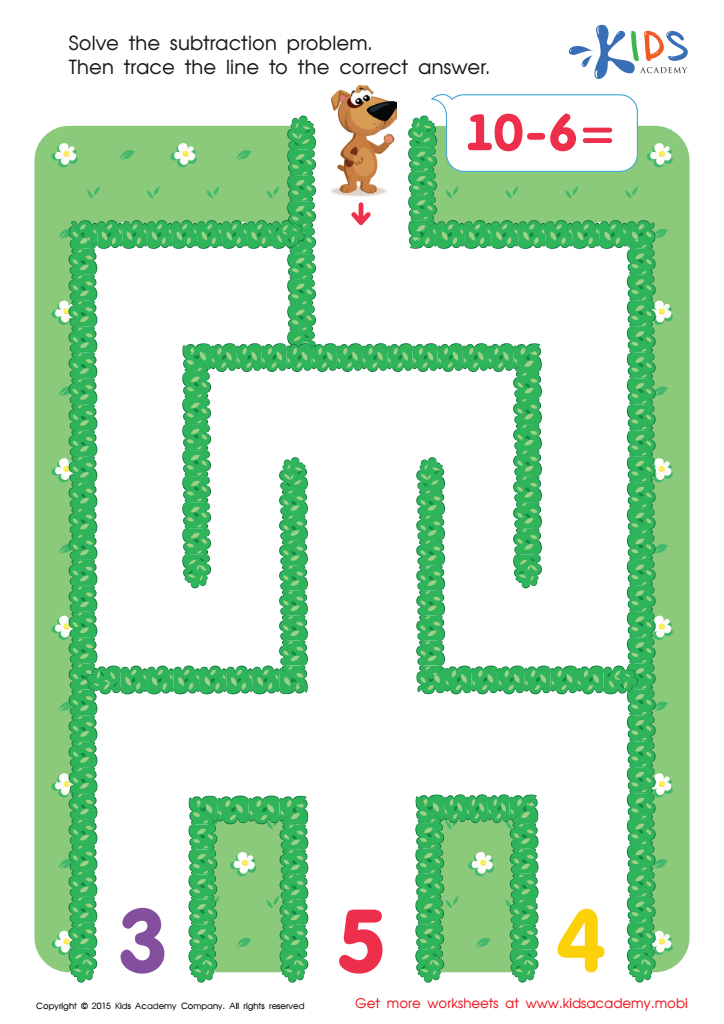
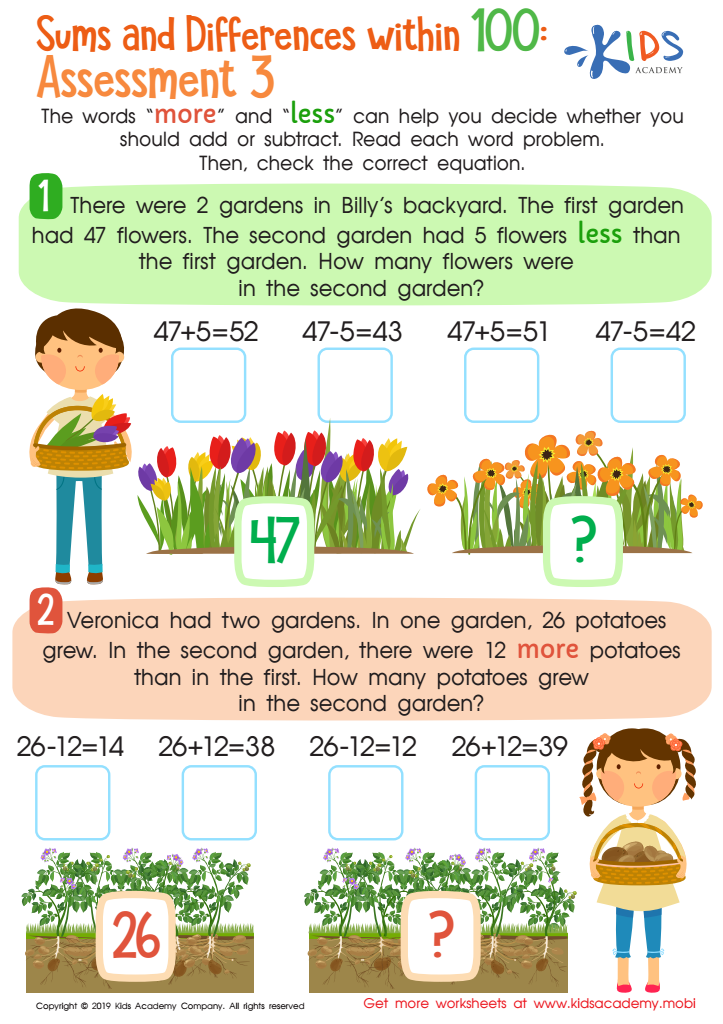
Sums and Differences Within 1 - Assessment 1 Worksheet
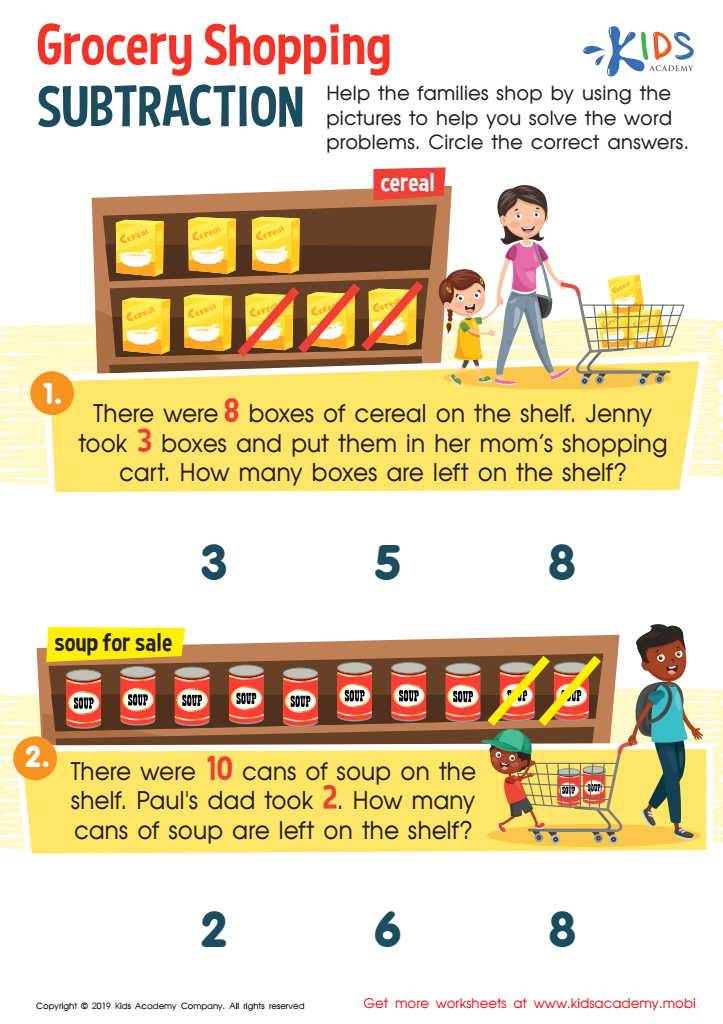
Grocery Shopping Subtraction Worksheet
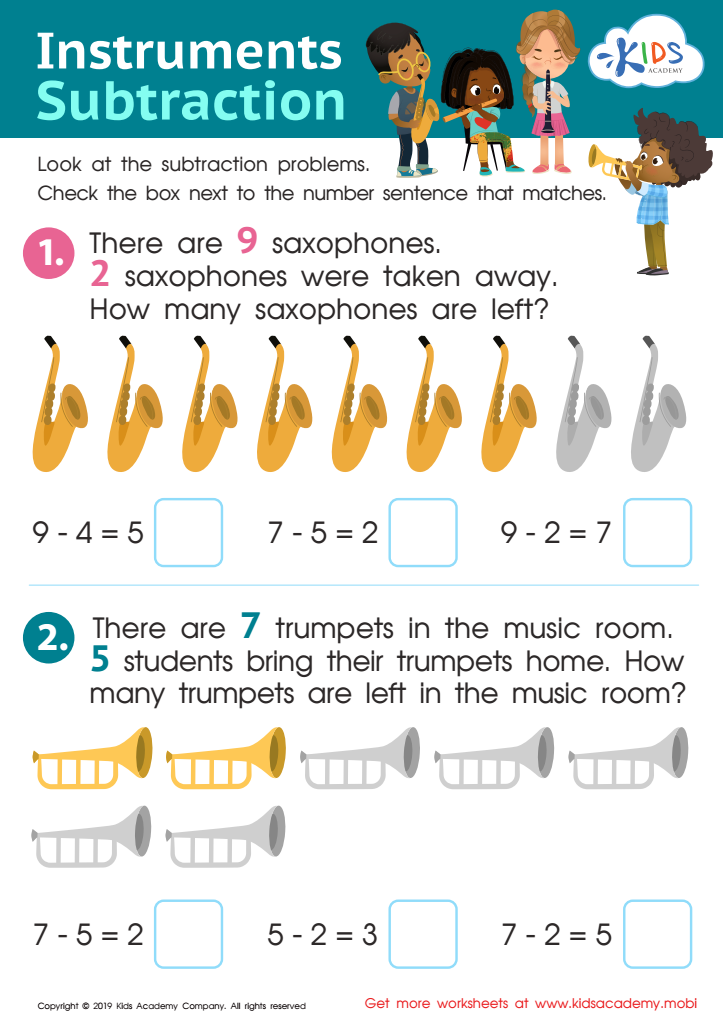
Instrument Subtraction Worksheet





.jpg)


Subtraction practice for children aged 4-7 is essential for their foundational math development and overall cognitive growth. At this young age, kids are naturally curious and are rapidly developing their problem-solving and critical thinking skills. Subtraction, alongside addition, forms the basis for more complex mathematical concepts that they will encounter later in their education. Regular practice helps solidify these fundamental arithmetic skills, enabling children to build confidence and competence in math.
By practicing subtraction, children enhance their ability to think logically and sequentially. It helps them understand the concept of "taking away" or finding differences, which is crucial for daily activities, from basic shopping to time management. Furthermore, early proficiency in subtraction supports better understanding in subjects like measurement, fractions, and algebra as they progress in their schooling.
Subtraction exercises also aid in developing fine motor skills and hand-eye coordination when written manually. These tasks, whether done through manipulatives, games, or traditional worksheets, contribute to improved concentration and attention to detail.
Therefore, parents and teachers should prioritize subtraction practice to ensure a robust mathematical foundation, fostering long-term academic achievement and practical life skills. Balancing fun with educational practices makes learning more engaging and effective for young children.








