Understanding subtraction Worksheets for Ages 4-7
16 filtered results
-
From - To
Explore our engaging "Understanding Subtraction Worksheets" designed specifically for children aged 4-7. These worksheets provide a fun and interactive way to introduce young learners to basic subtraction concepts. With colorful illustrations and age-appropriate exercises, kids will develop their mathematical skills while building a solid foundation in subtraction. Our resources cater to various learning styles, making it easy to reinforce classroom instruction at home or in tutoring sessions. Perfect for early learners, these worksheets simplify the process of grasping subtraction through hands-on activities and practice problems. Get started today to make subtraction a fun and enjoyable experience for your little ones!
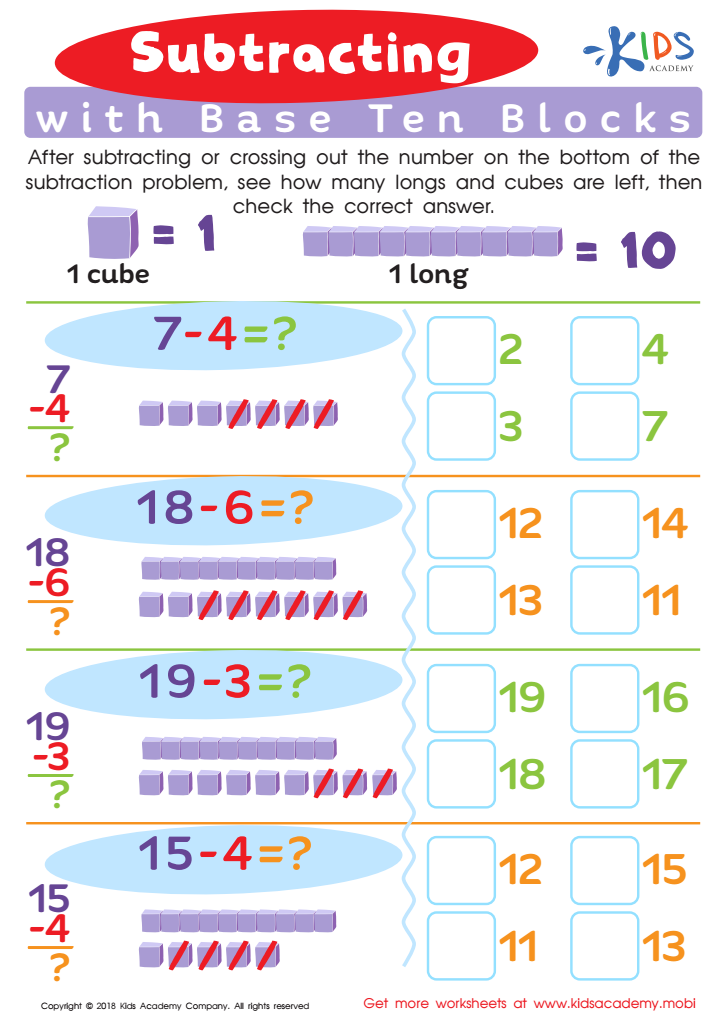
Subtracting With Base 10 Blocks Worksheet
 Assign to My Students
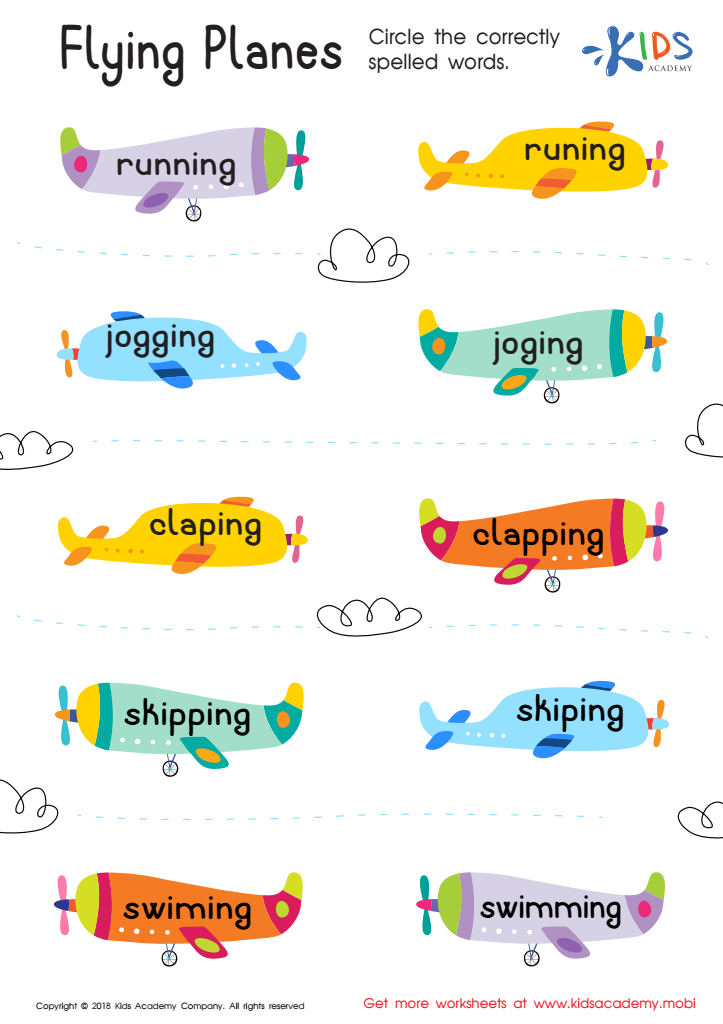
Flying Planes Worksheet
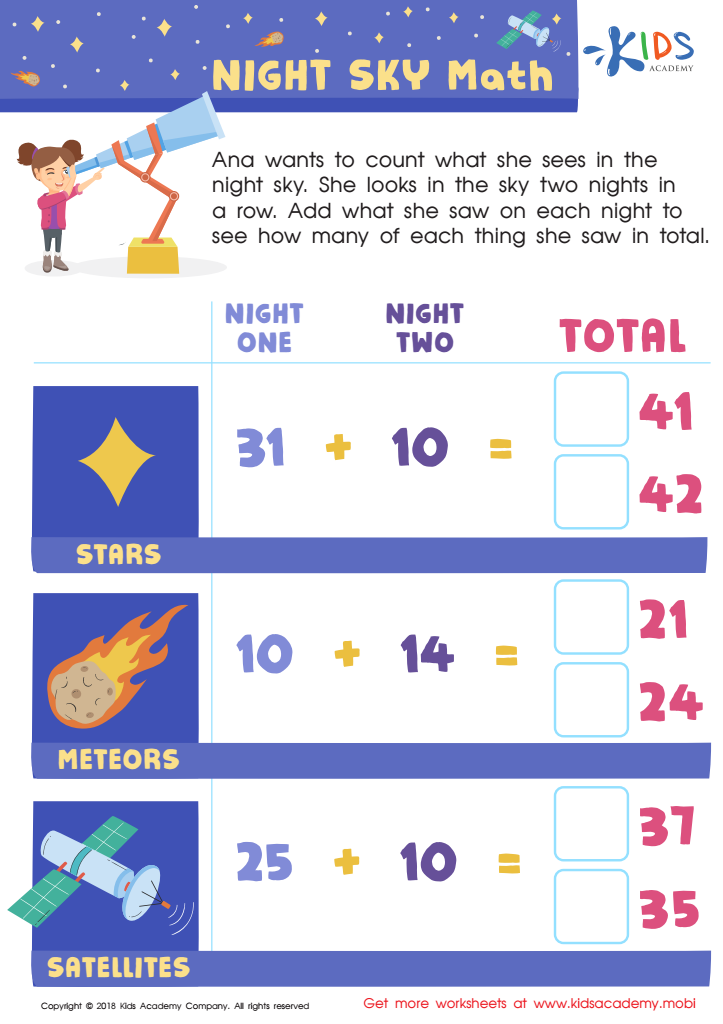
Night Sky Math Worksheet
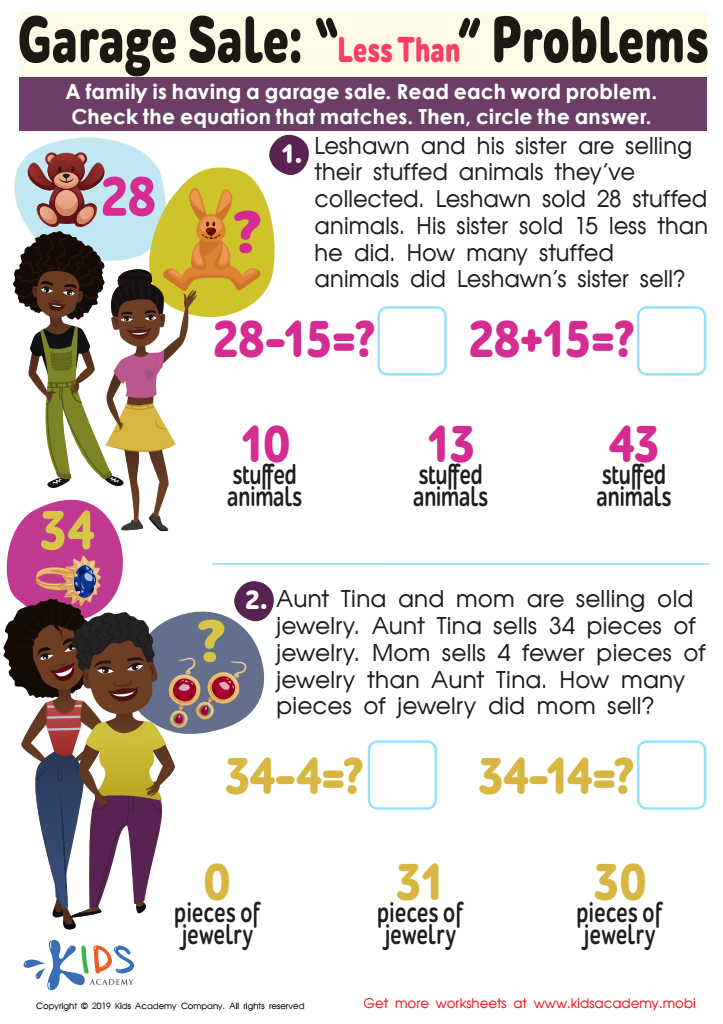
Garage Sale Less Than Worksheet
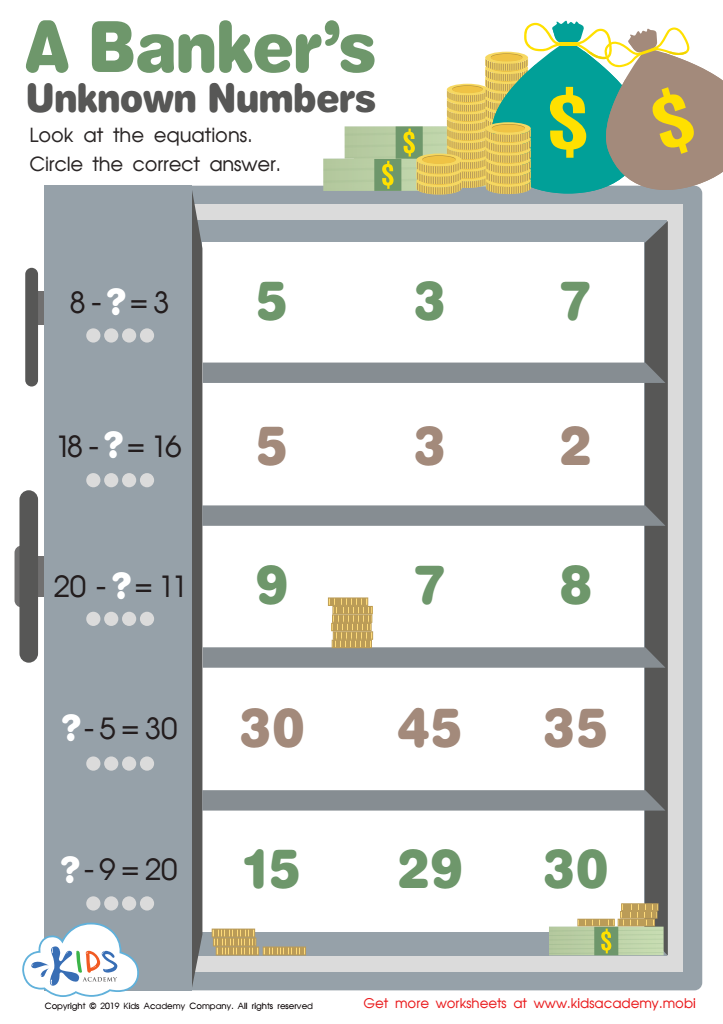
A Banker's Unknown Numbers Worksheet
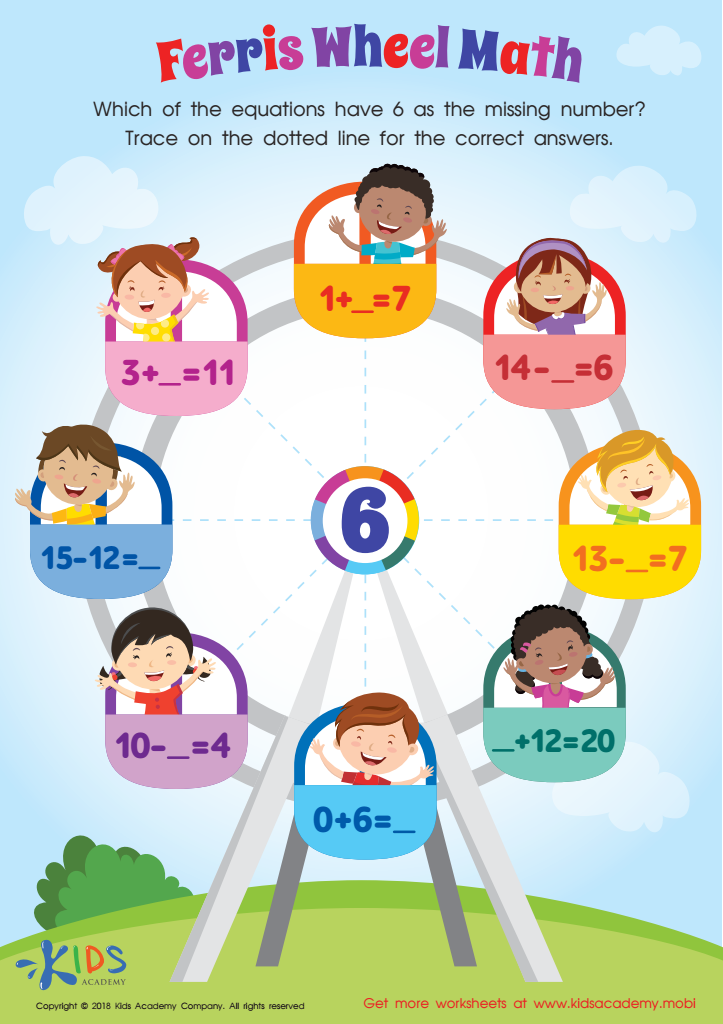
Missing Number: Ferris Wheel Math Worksheet
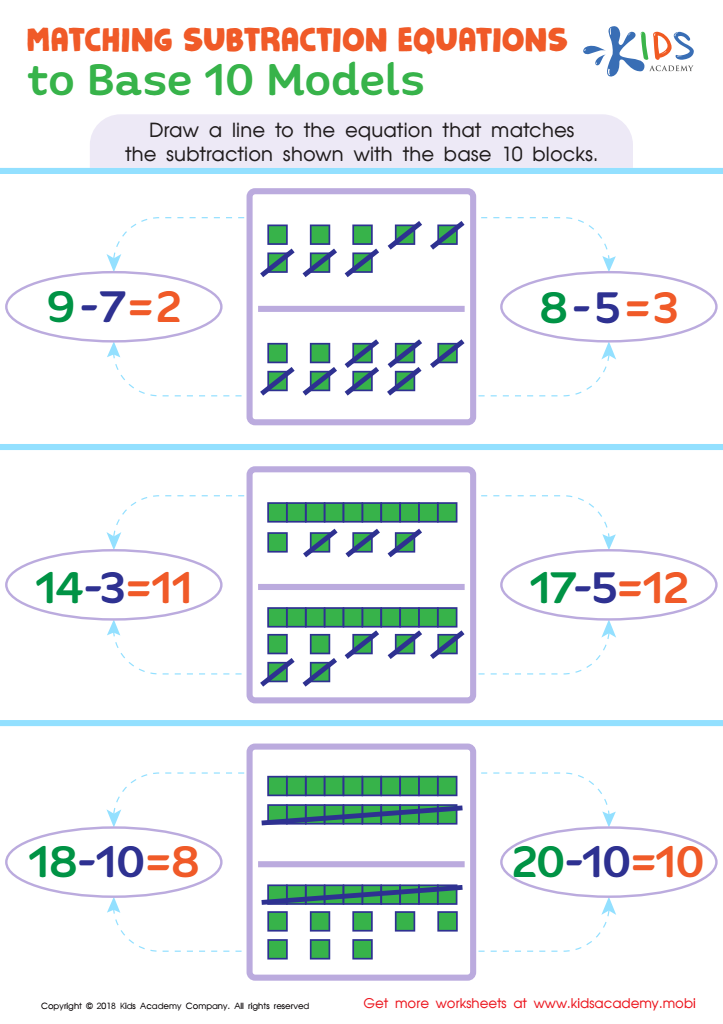
Matching Subtraction Equations To Base 10 Models Worksheet
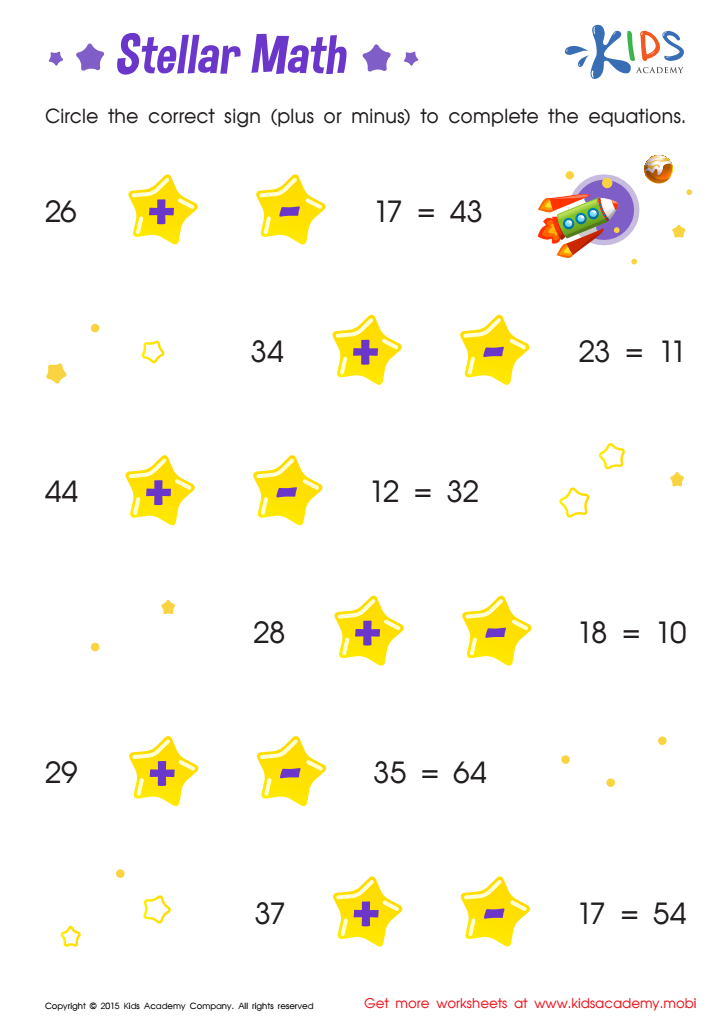
Stellar Math Substraction Worksheet
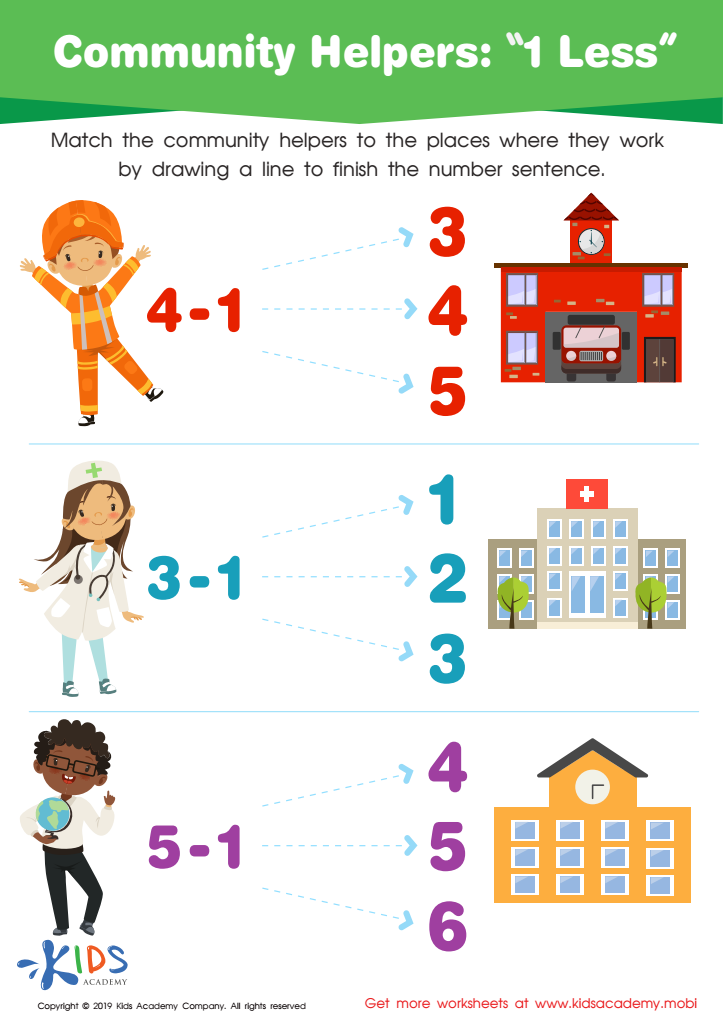
Community Helpers: 1 less Worksheet
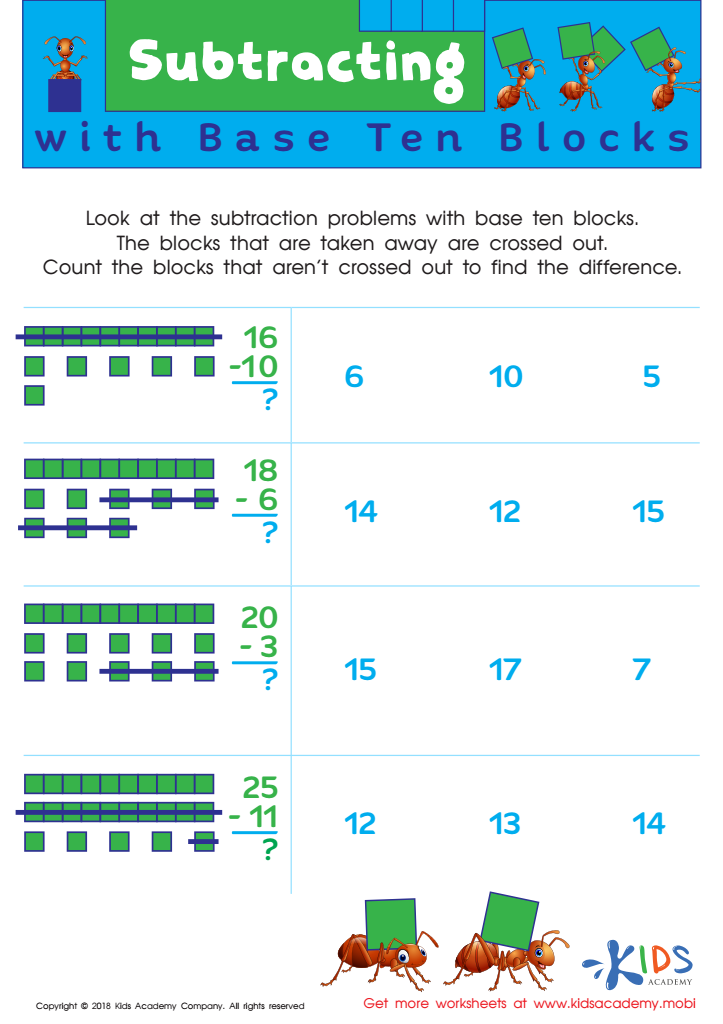
Subtracting with Base Blocks Worksheet
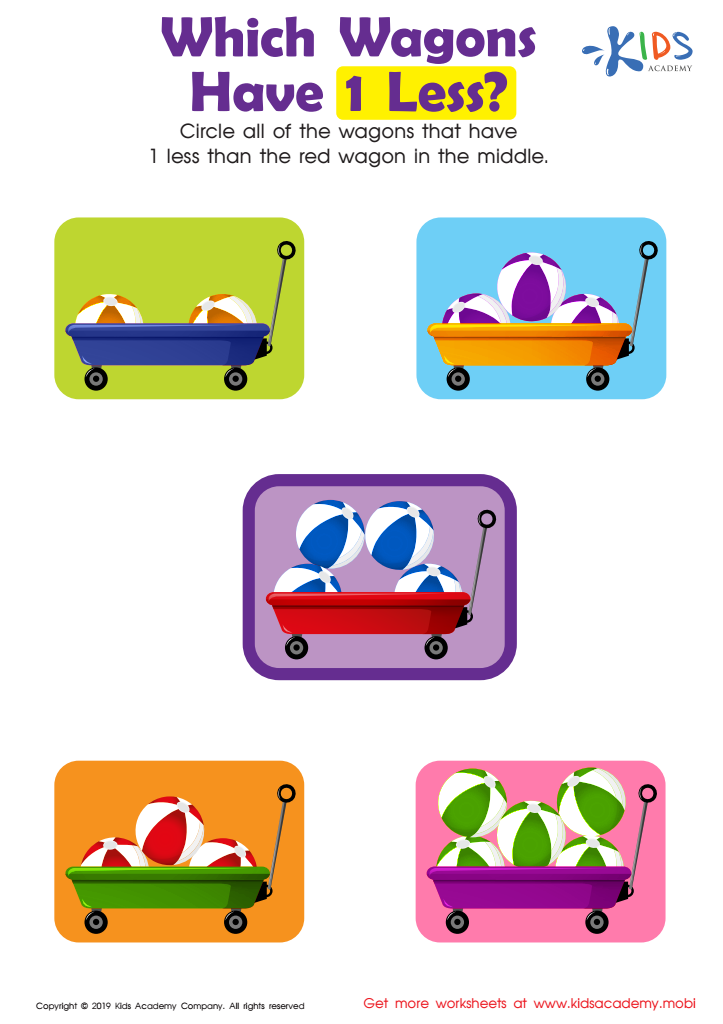
Which Wagons Have 1 Less? Worksheet
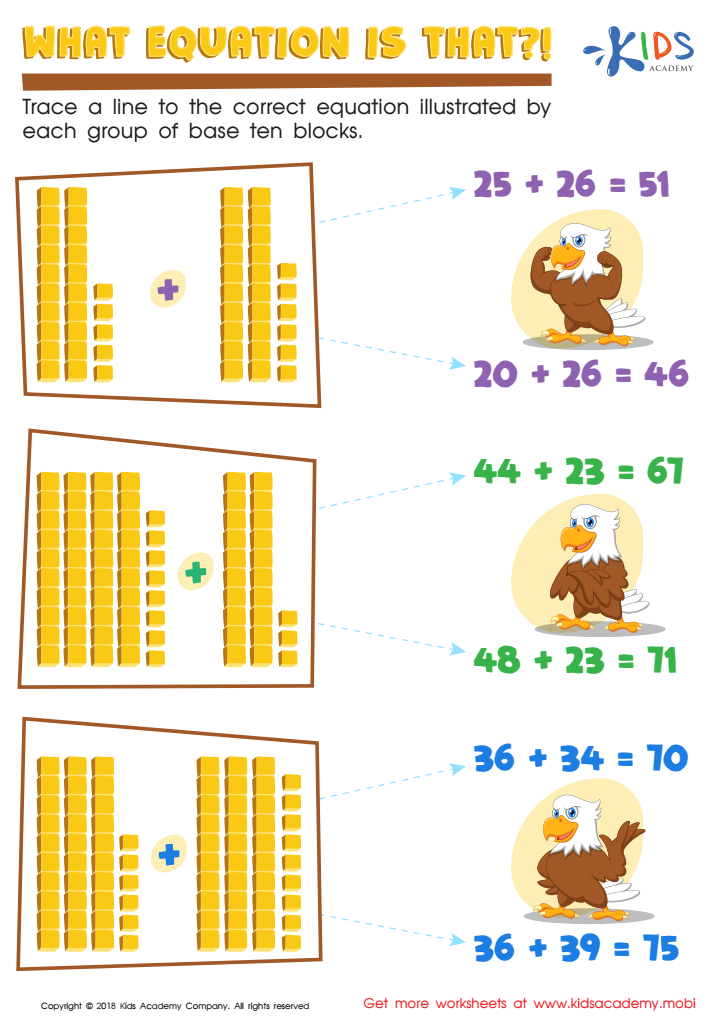
What Equation Is That? Worksheet
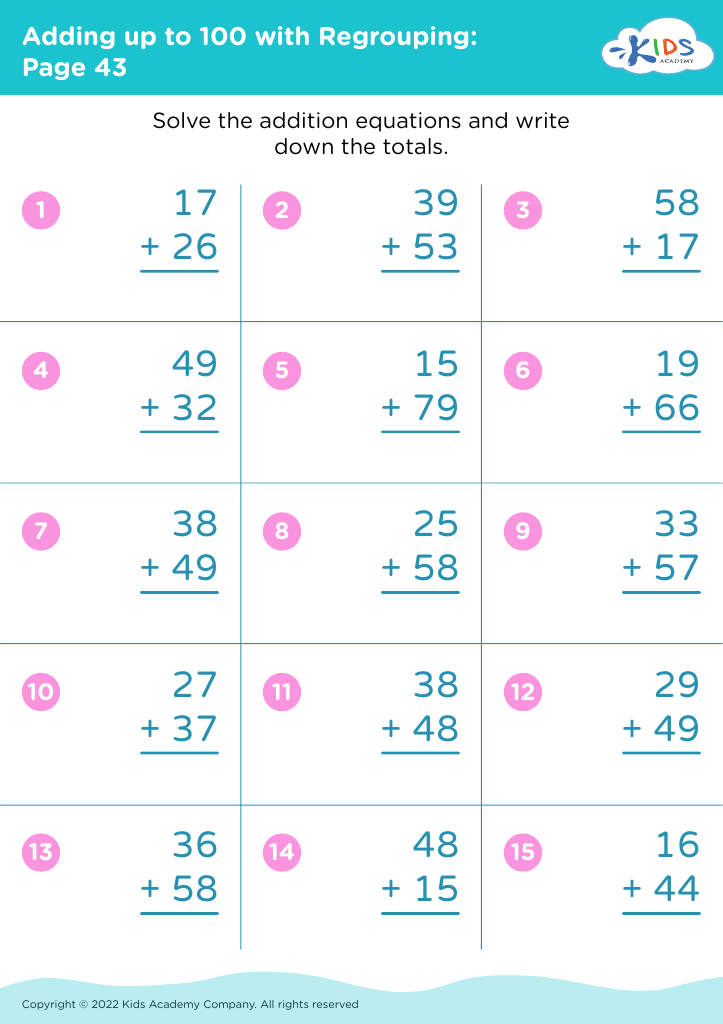
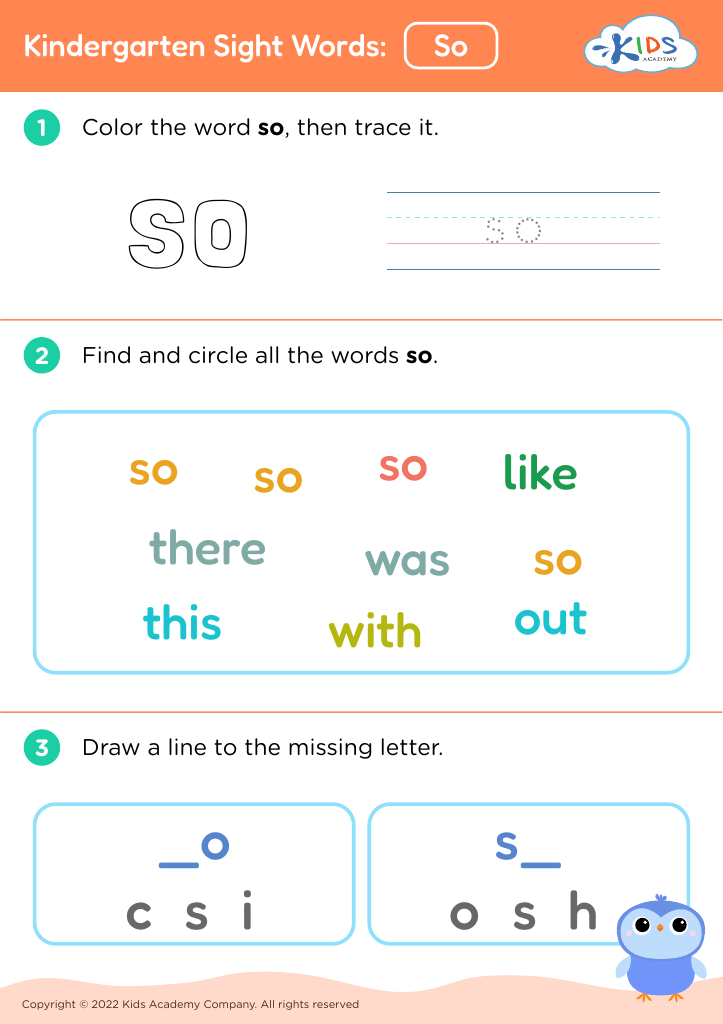






Understanding subtraction is crucial for children ages 4-7, as it lays the foundation for their mathematical development and reasoning skills. At this stage, kids begin to grasp the concept of taking away or comparing quantities, which are essential components of early arithmetic. By engaging with subtraction, children learn to solve problems and think logically, skills that are foundational for more complex mathematical operations later.
Additionally, mastering subtraction enhances children's confidence in their abilities. Achieving competence in basic subtraction fosters a sense of accomplishment, encouraging a positive attitude towards math in general. This early familiarity with subtraction also helps children recognize its practical applications in everyday life, such as counting change or distributing objects, thereby making math tangible and relevant to them.
Furthermore, understanding subtraction encourages critical thinking and can improve cognitive development. Children develop the ability to analyze and break down problems, which is applicable beyond math and influences overall academic performance.
Educators and parents should prioritize teaching subtraction not just as a mathematical exercise but as a critical life skill that supports overall learning, problem-solving abilities, and self-esteem in young learners. Emphasizing understanding, rather than rote memorization, ultimately cultivates a love for math that can last a lifetime.








