Visual Learning Worksheets for Ages 4-7 - Page 2
101 filtered results
-
From - To
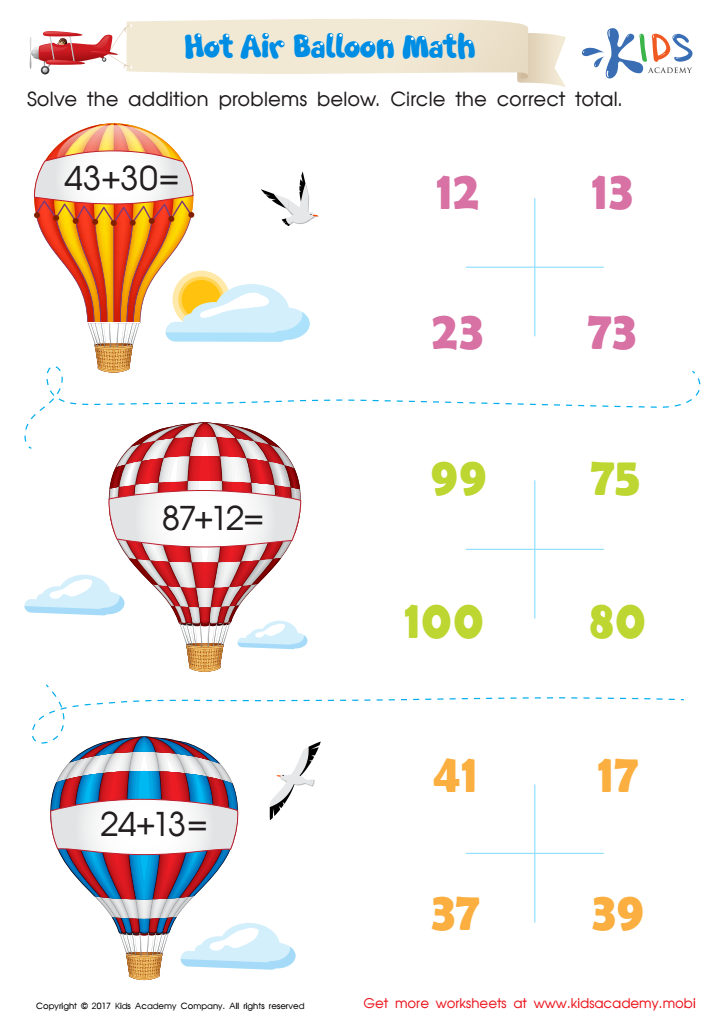
Hot Air Balloon Math Worksheet
 Assign to My Students
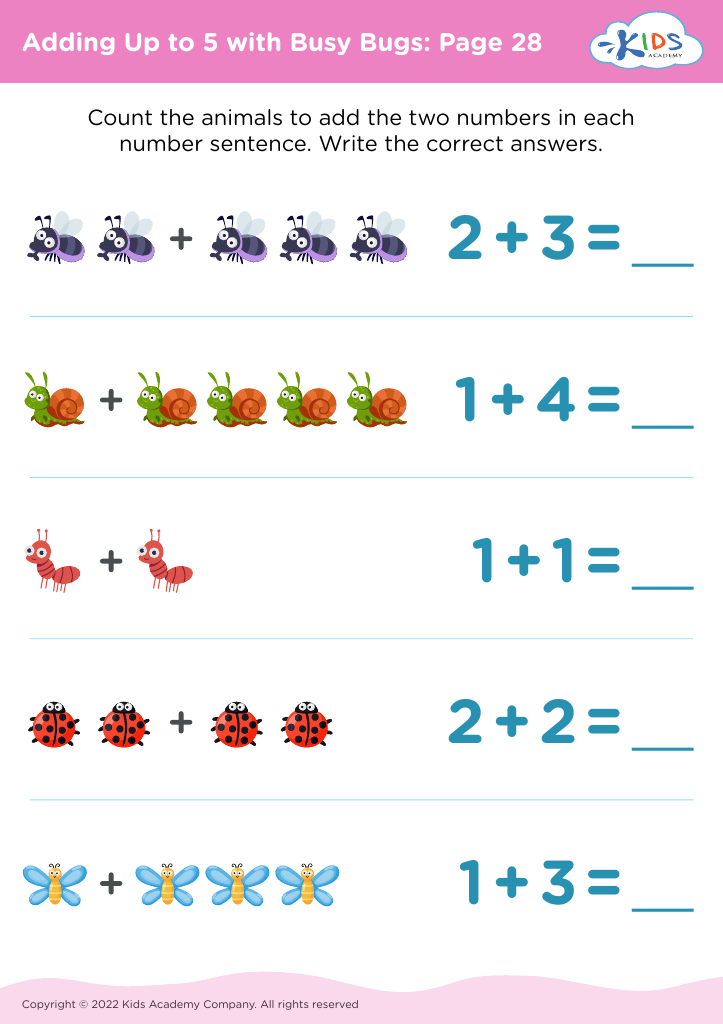
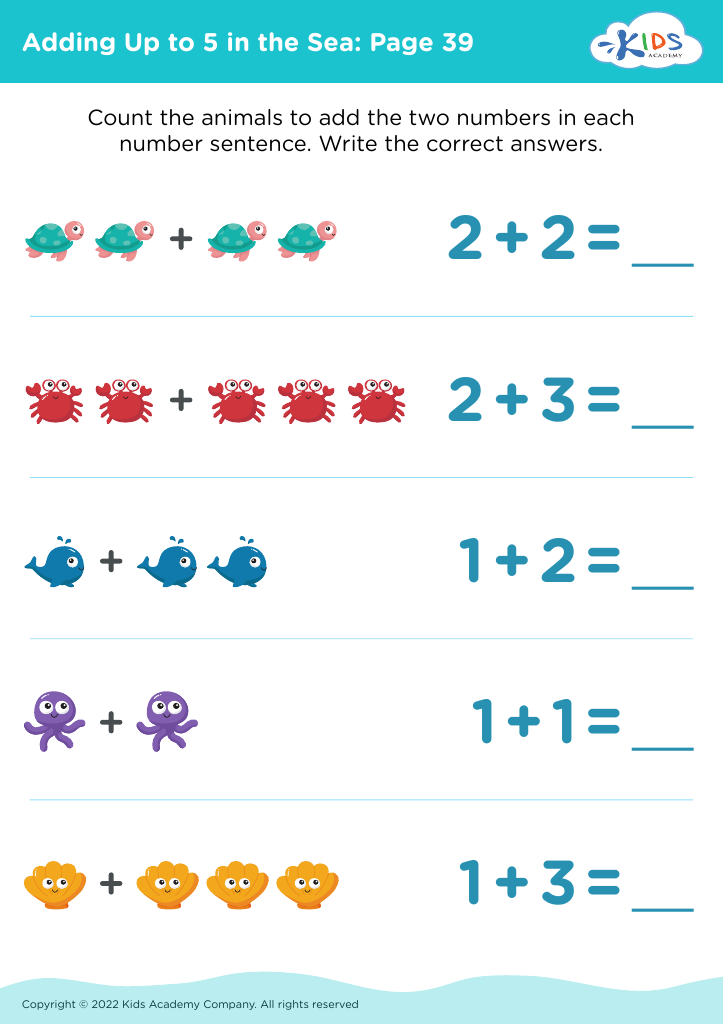
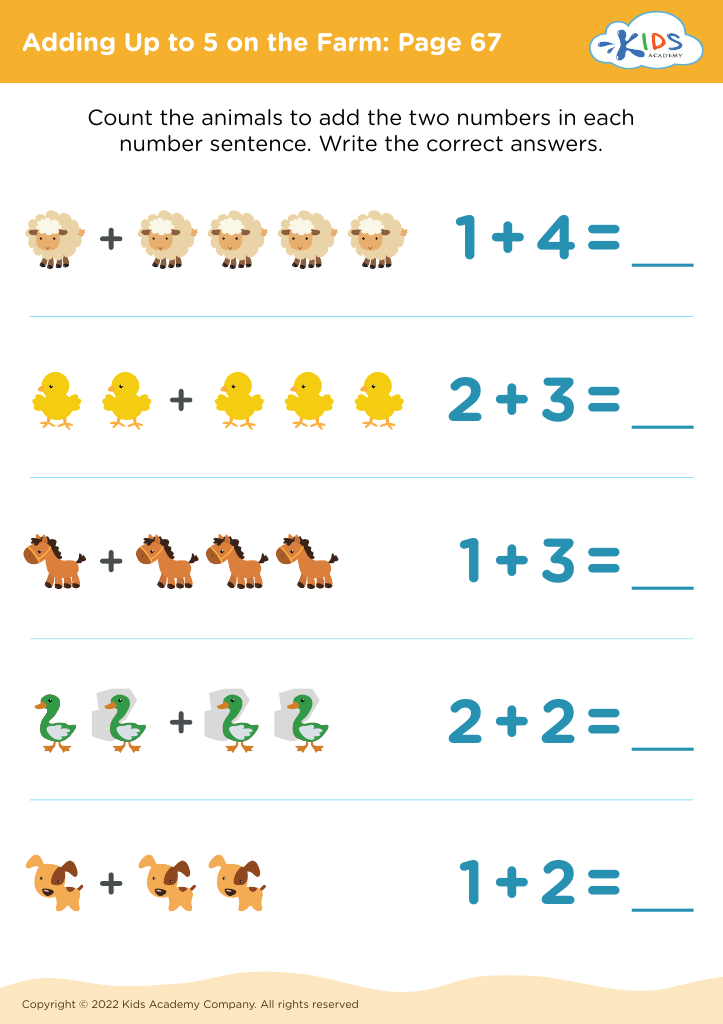
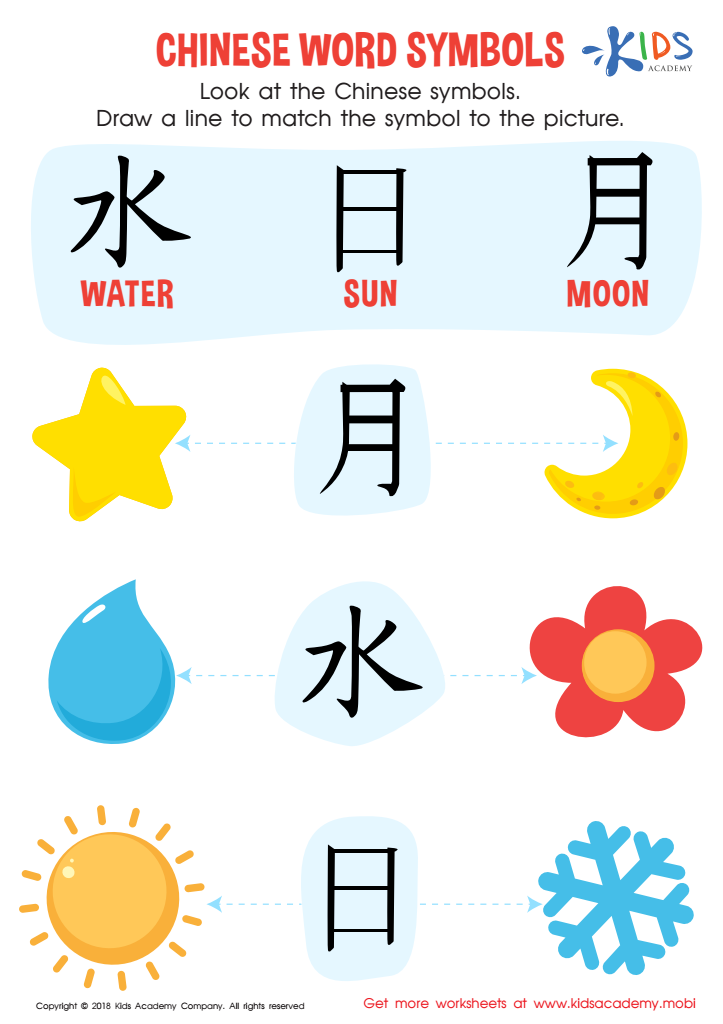
Chinese Word Symbols Worksheet
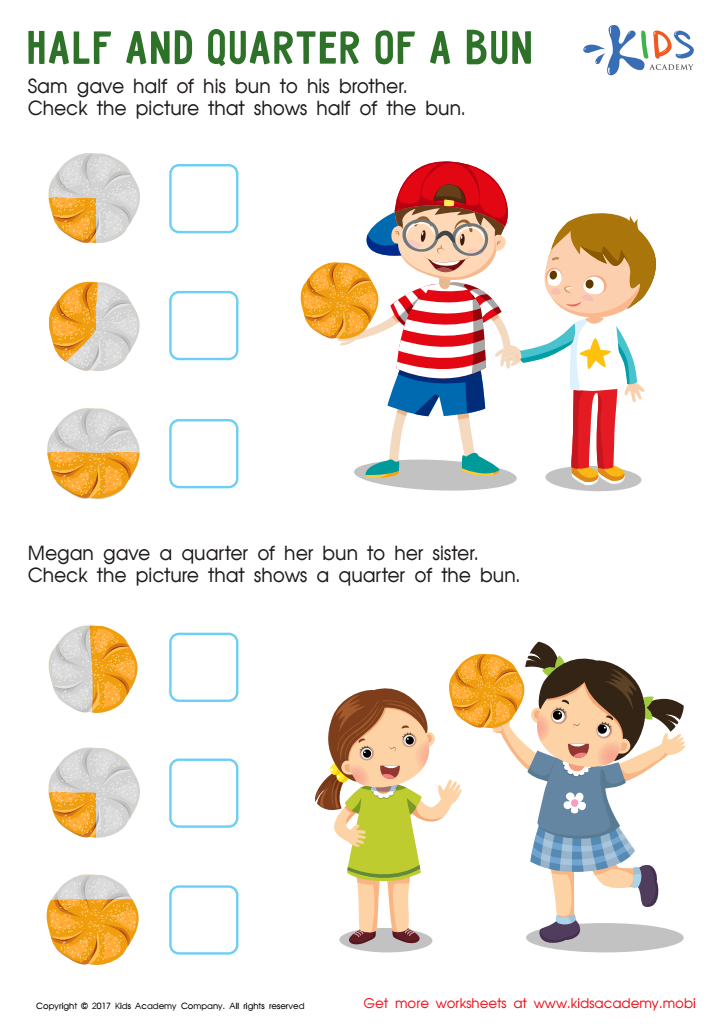
Half and Quarter of a Bun Worksheet
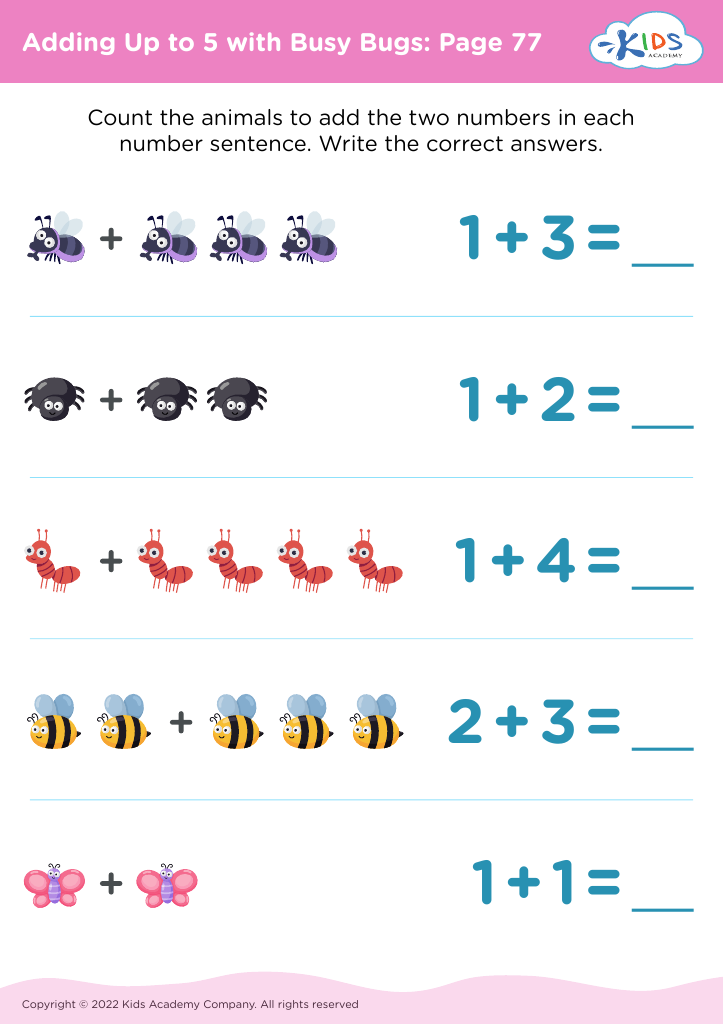
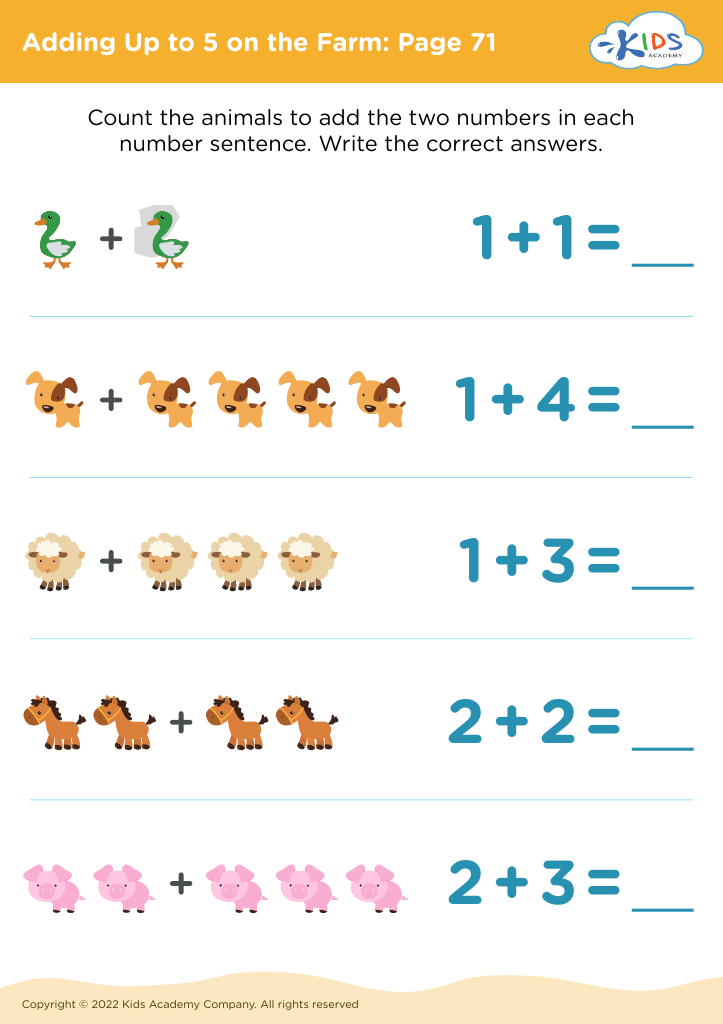
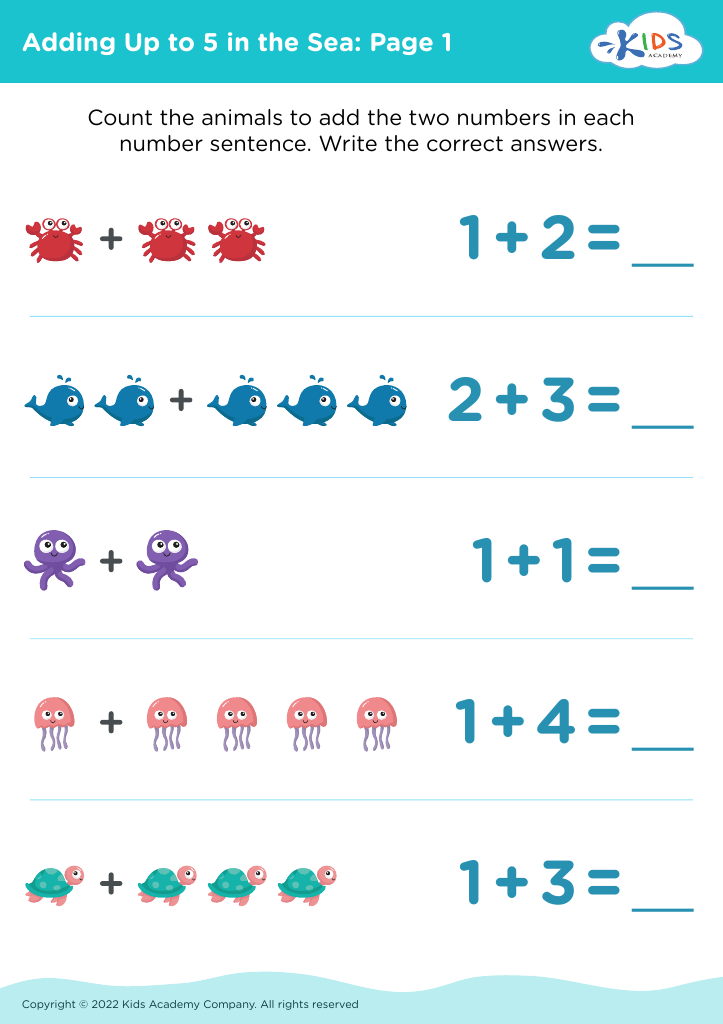
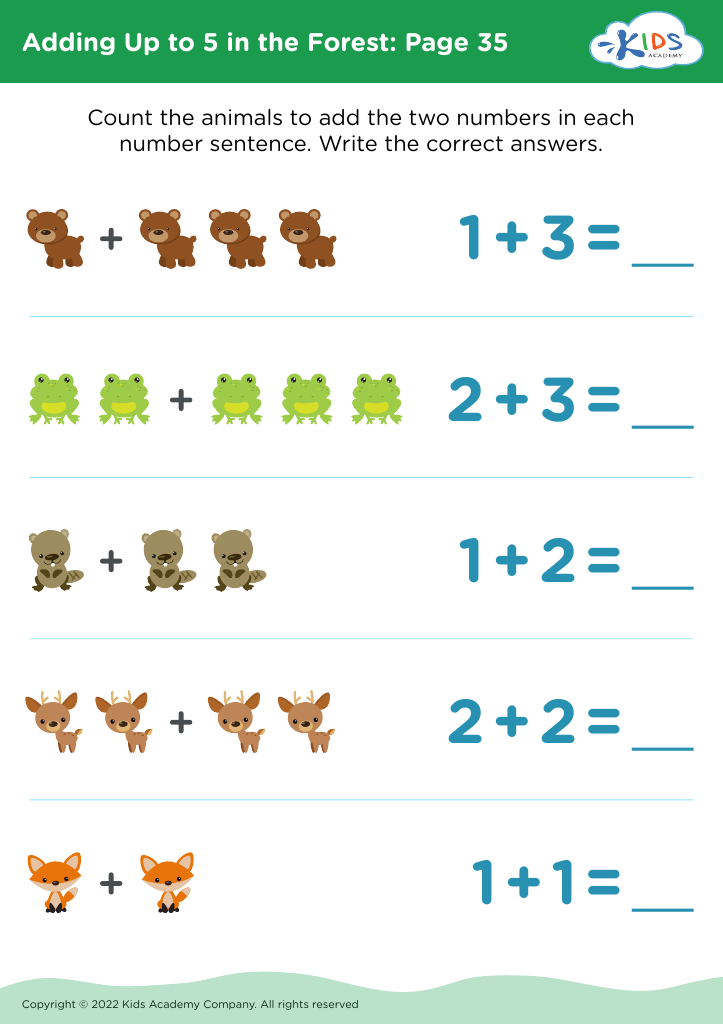
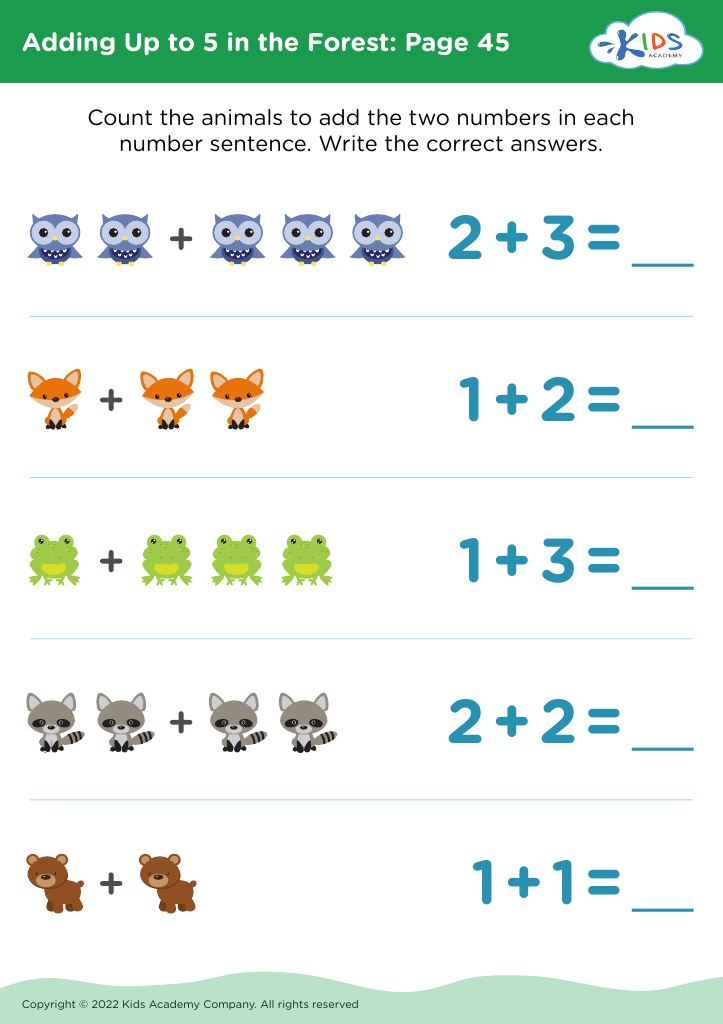
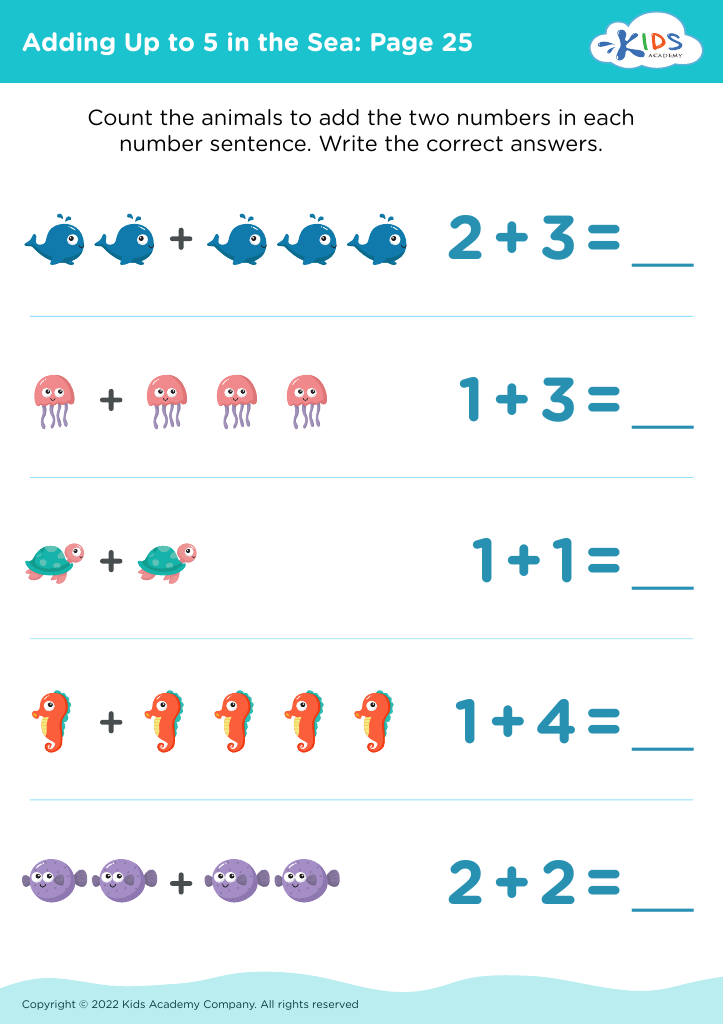
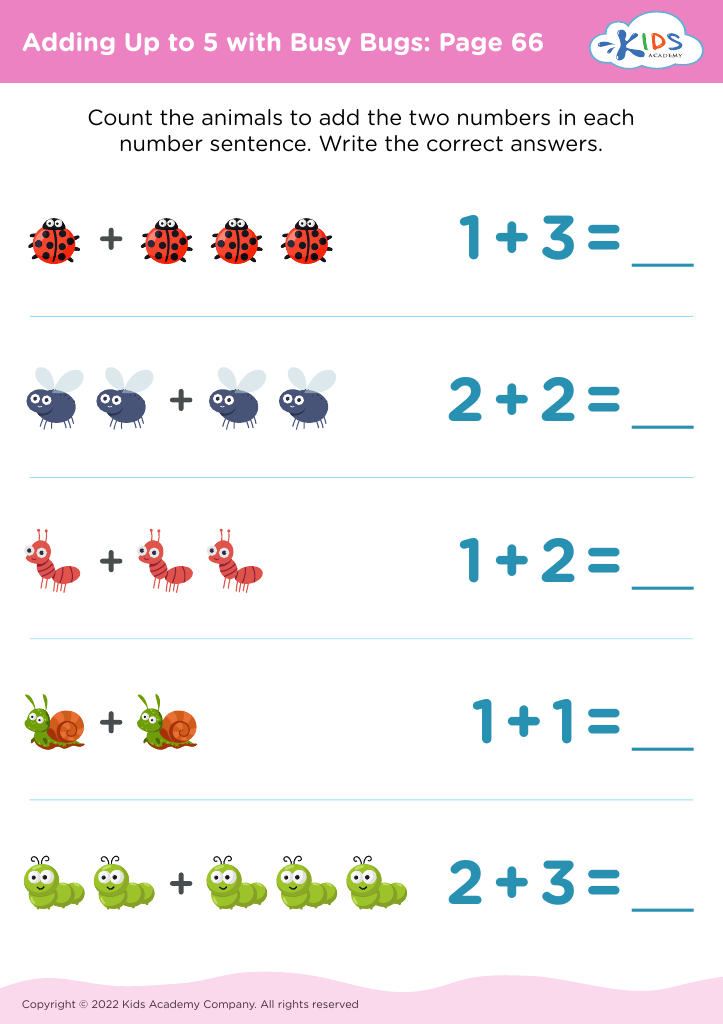
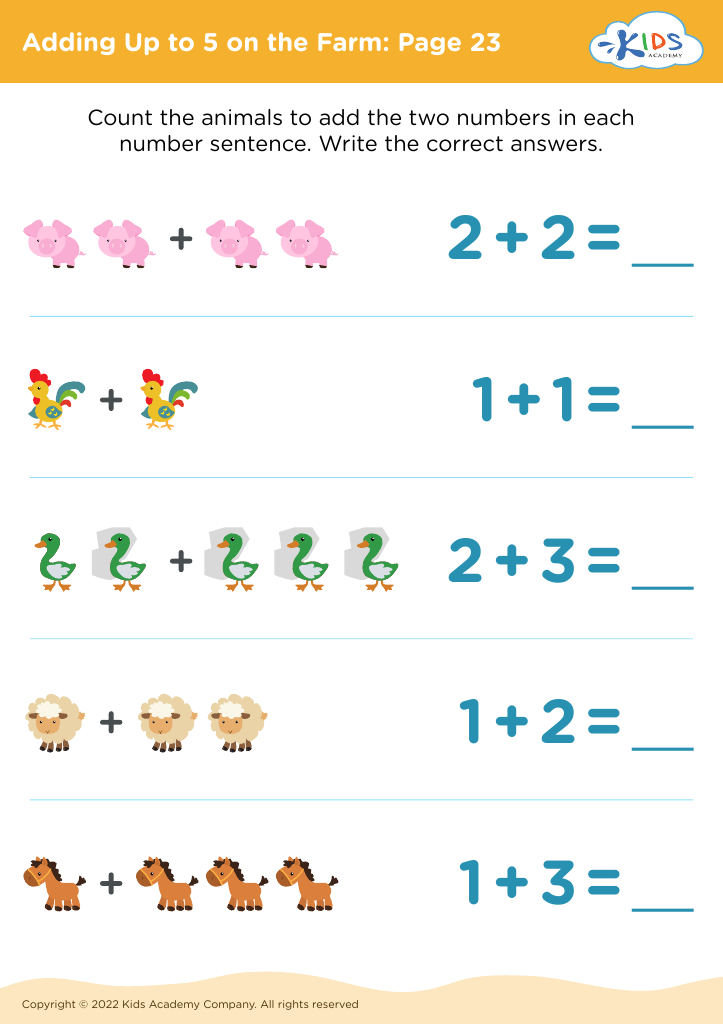
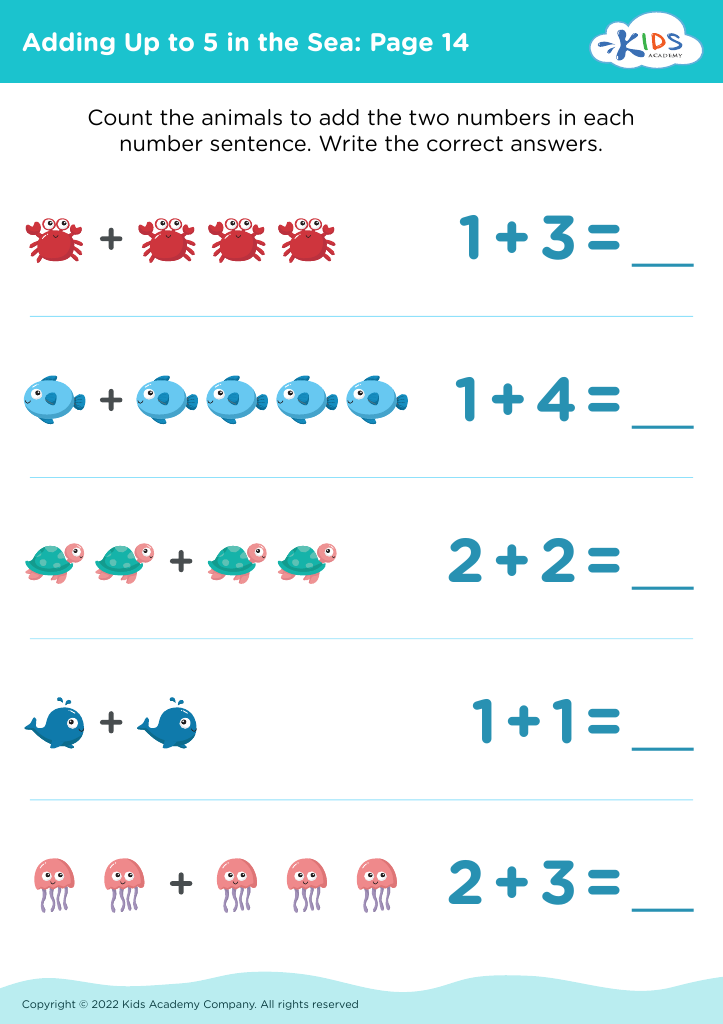
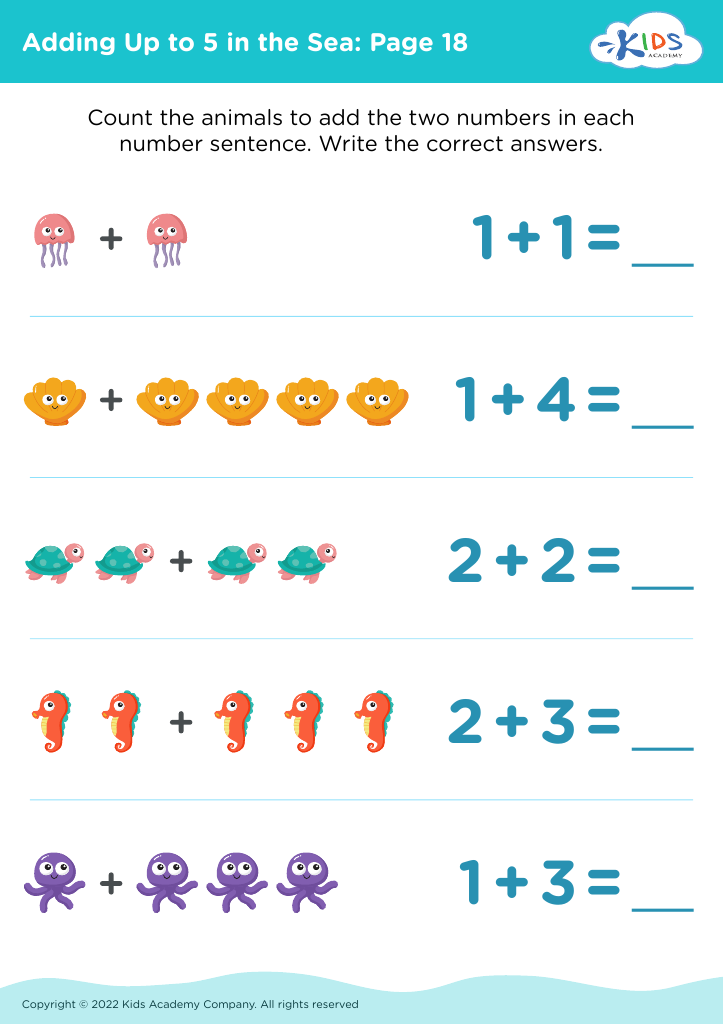
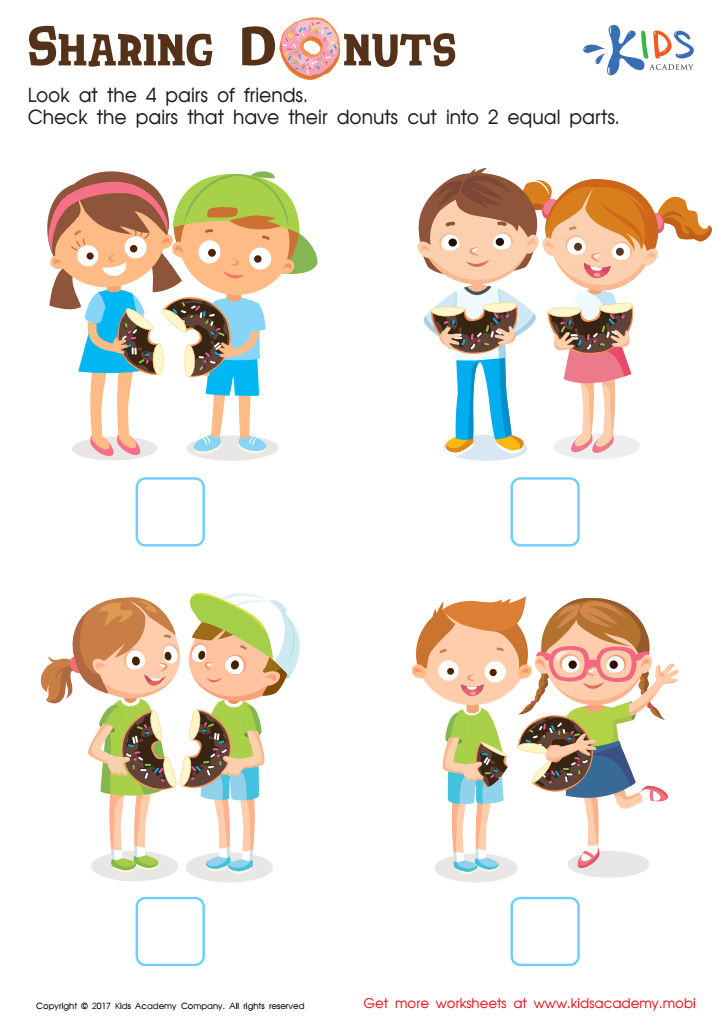
Sharing Donuts Worksheet
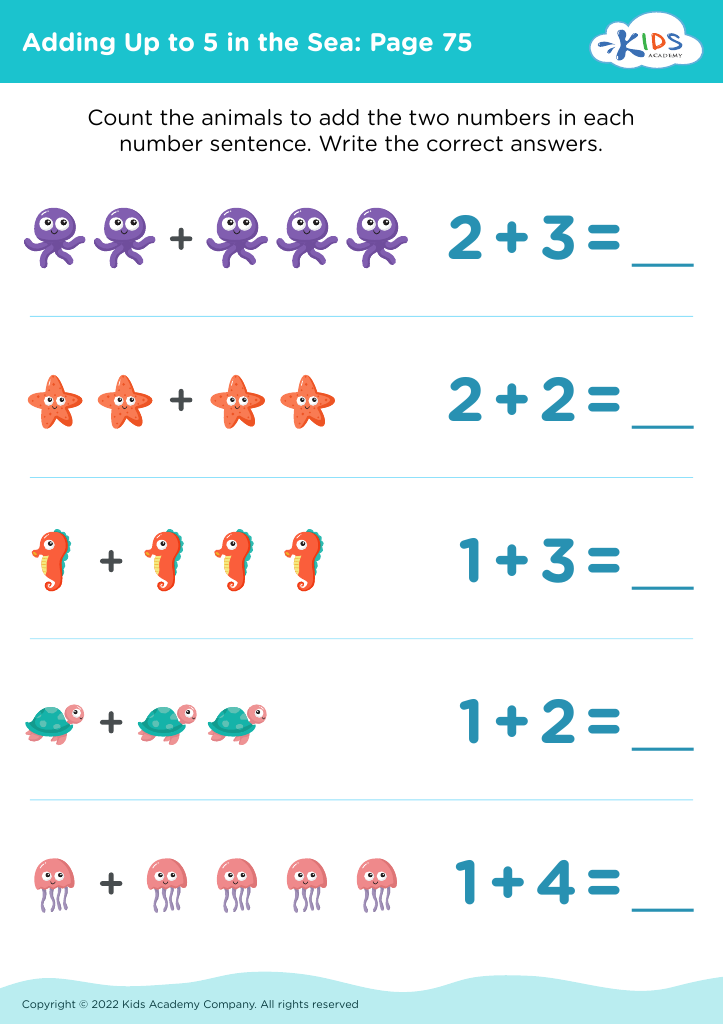
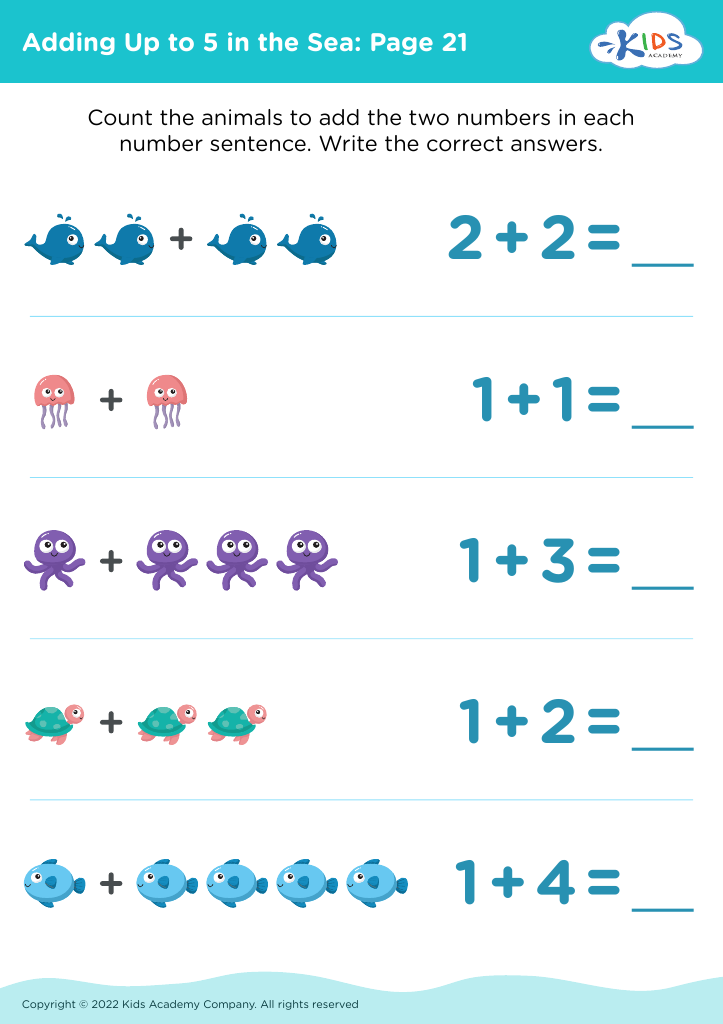
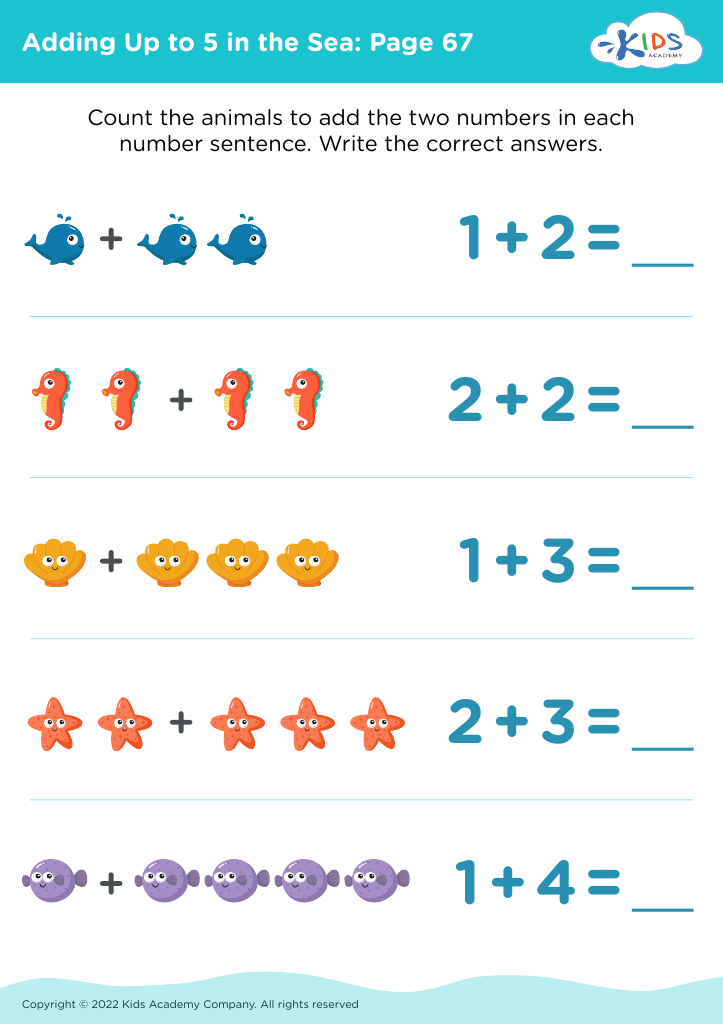
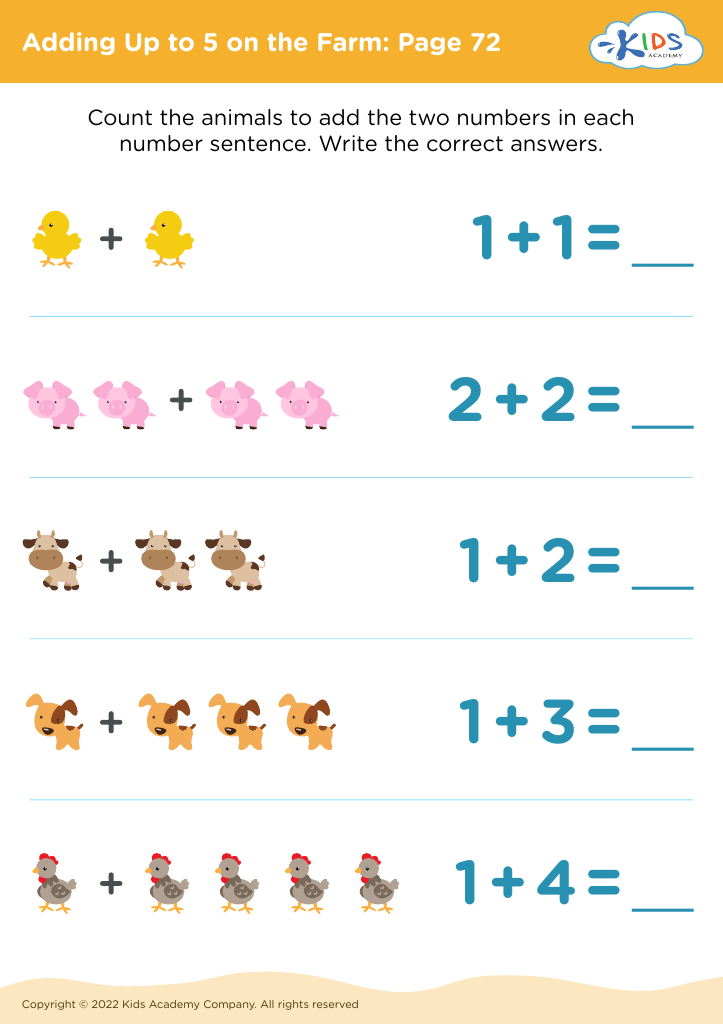
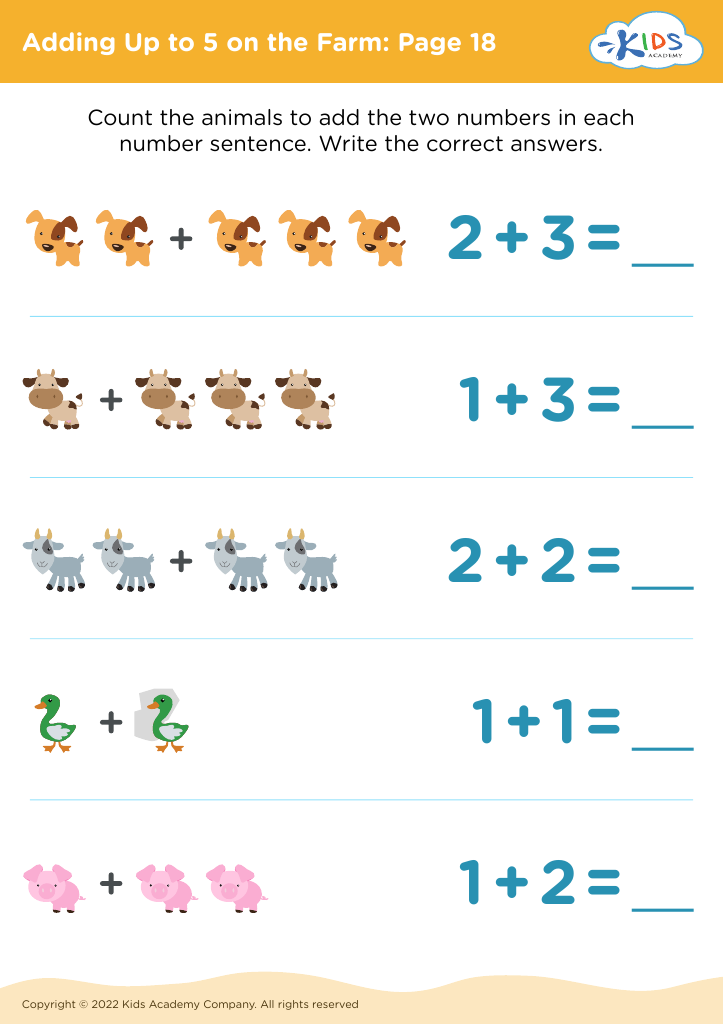








Visual learning is vital for children aged 4-7 as it aligns with their natural developmental stages and cognitive abilities. At this age, many children are visual learners, absorbing information more effectively through images, colors, and diagrams. Engaging visually helps to capture their attention and stimulates creativity, making learning more enjoyable and impactful.
Visual learning also enhances memory retention; when concepts are presented with visual aids, children are more likely to remember and understand them. For instance, using charts, pictures, or illustrations in lessons can simplify complex ideas, helping young learners grasp foundational skills in literacy and mathematics.
Moreover, visual learning fosters critical thinking and problem-solving skills. By analyzing visual information, children develop the ability to interpret data, recognize patterns, and make connections, which are essential for future academic success.
Promoting visual learning also accommodates various learning styles, inclusively addressing the needs of all students, including those who may struggle with traditional verbal instruction. Overall, when parents and teachers prioritize visual learning, they create a rich, supportive environment that nurtures a child’s natural curiosity and eagerness to learn, ultimately setting them up for lifelong educational success.








