Vowel Recognition Worksheets for Ages 4-7
23 filtered results
-
From - To
Discover our engaging Vowel Recognition Worksheets designed specifically for children aged 4-7! These interactive activities promote essential literacy skills, helping young learners identify and differentiate between short and long vowel sounds. Our colorful worksheets offer a variety of exercises, including tracing, coloring, and matching games, making learning fun and effective. Perfect for both classroom and at-home use, these resources foster confidence in reading and phonetic awareness. Incorporate vowel recognition practices into your teaching toolkit and watch your students thrive as they master the foundational elements of language. Download now and empower your little learners on their educational journey!
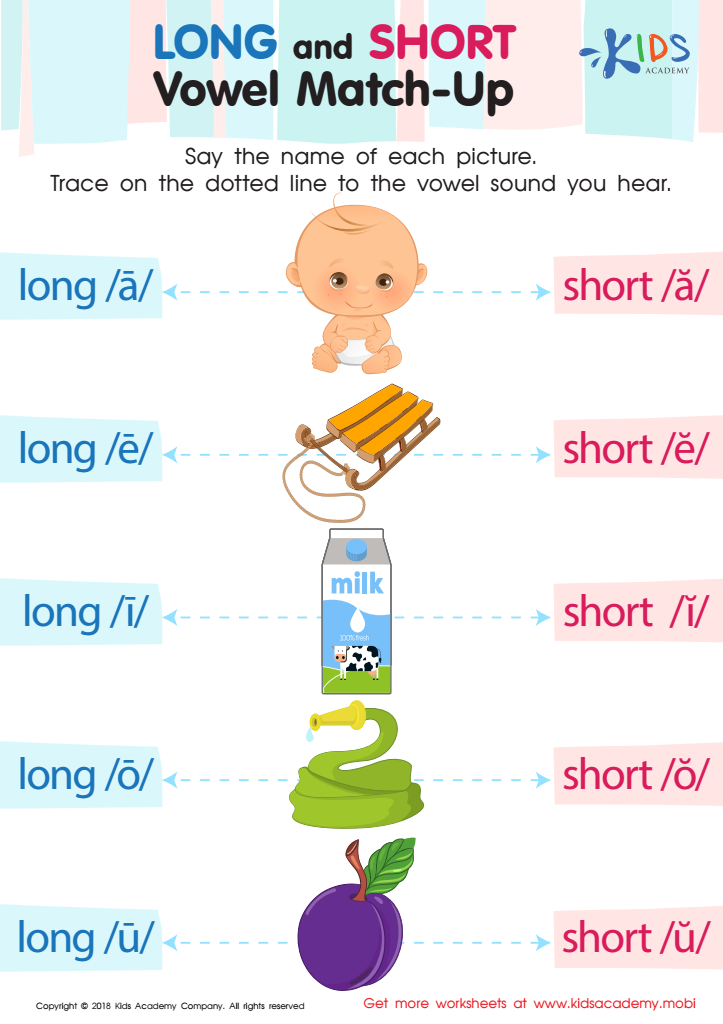
Long and Short Vowel Match up Reading Worksheet
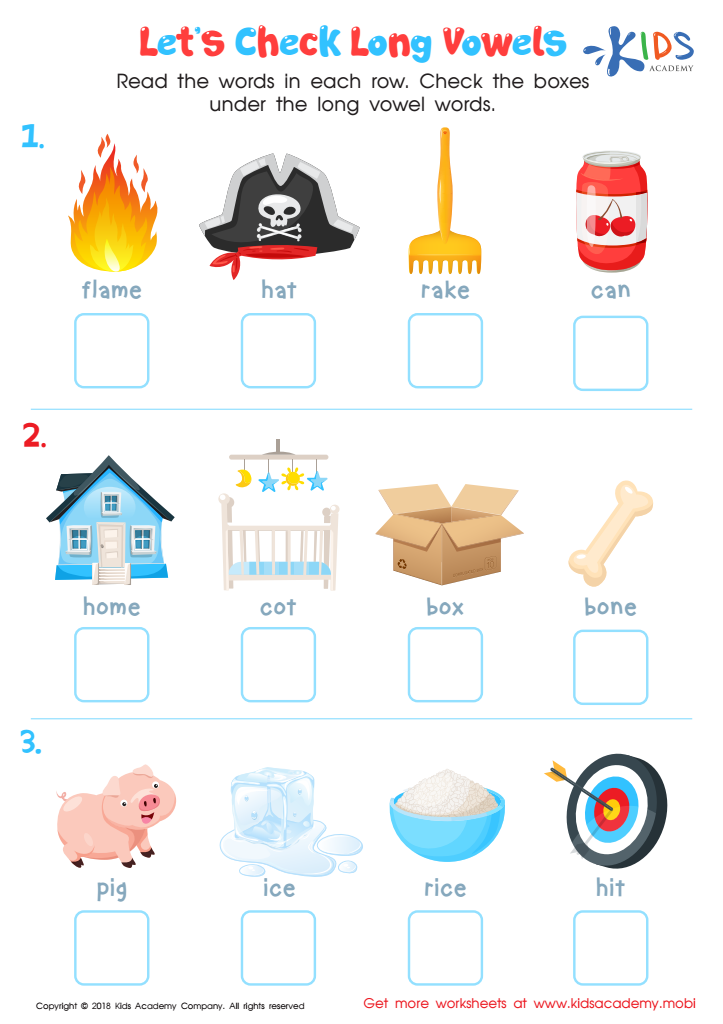
Let's Check Long Vowels: Assessment Worksheet
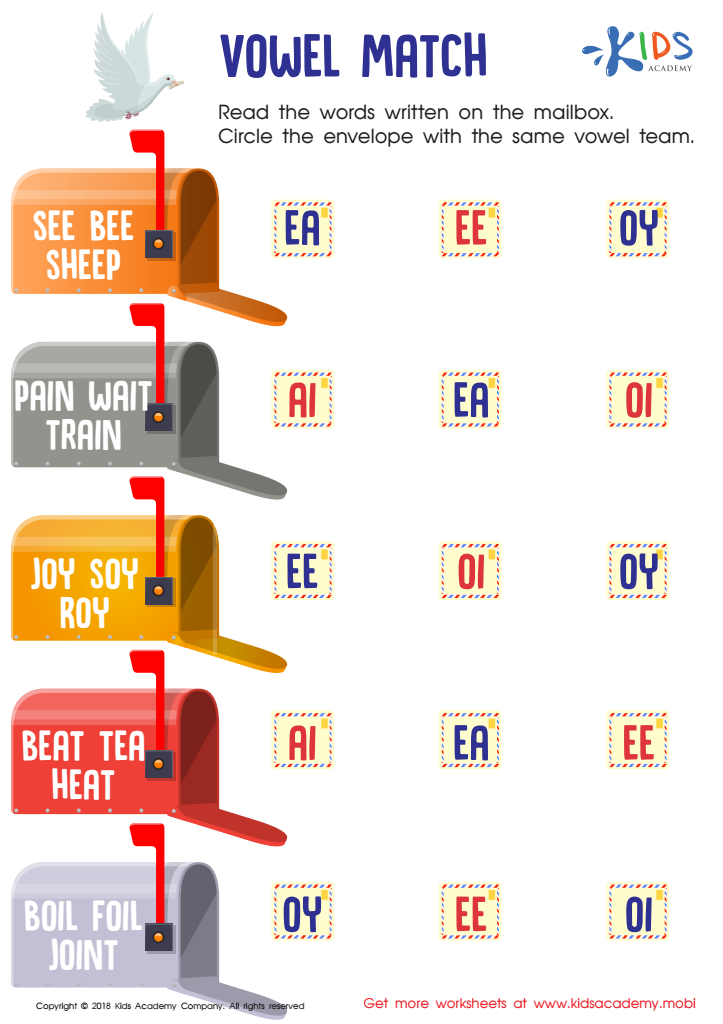
Vowel match Worksheet
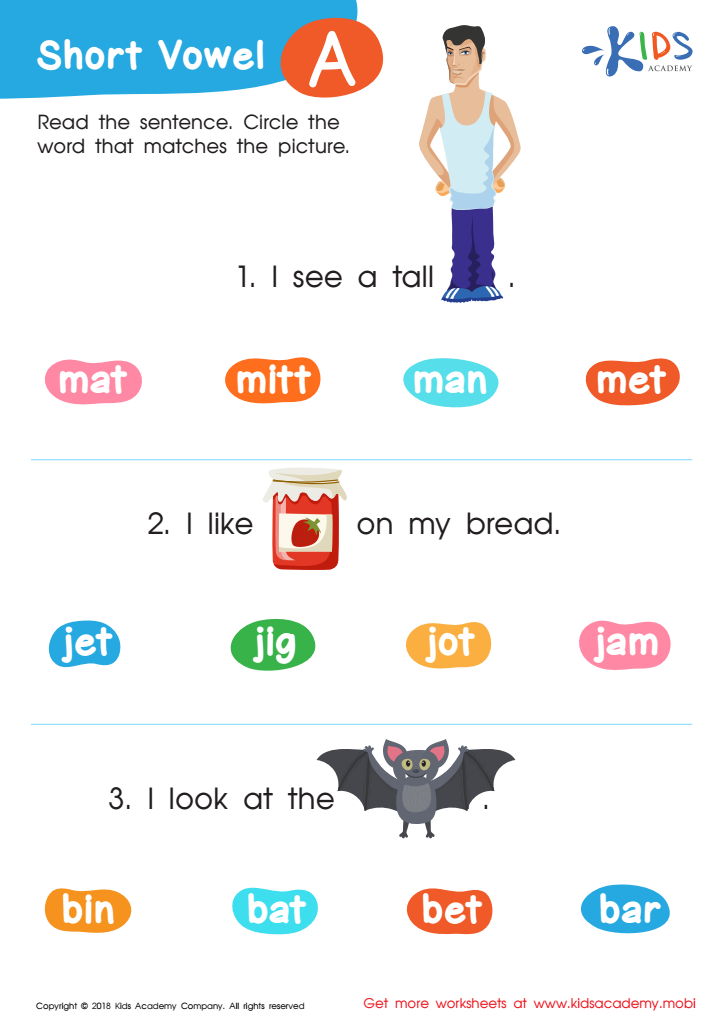
Short Vowel /a/ Worksheet
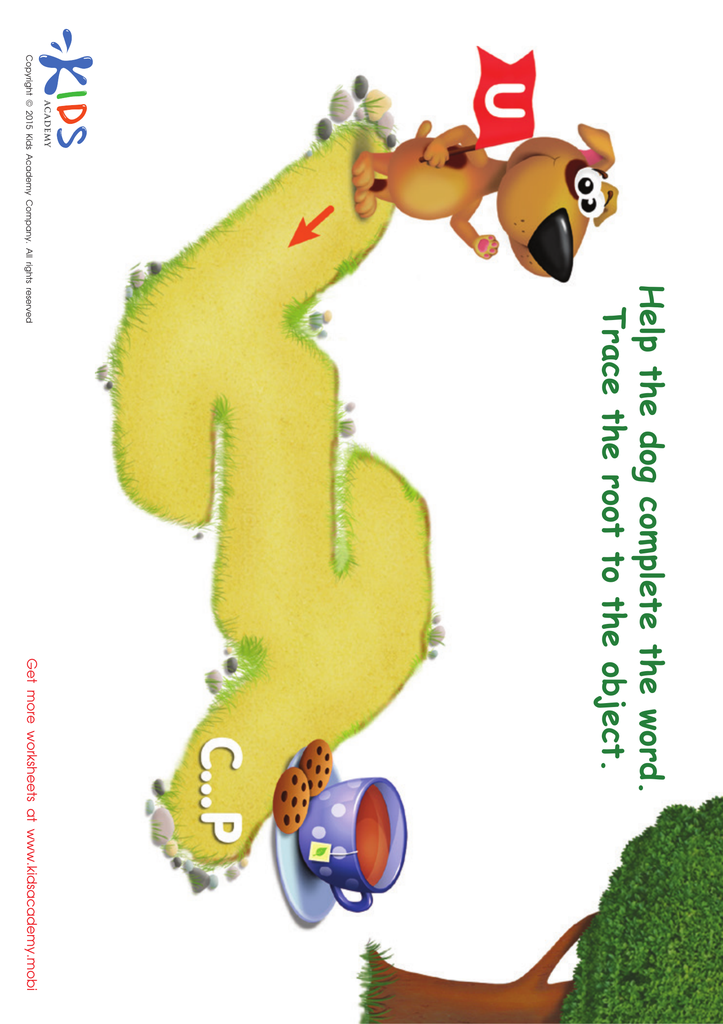
Short Vowel Sound U Worksheet Worksheet
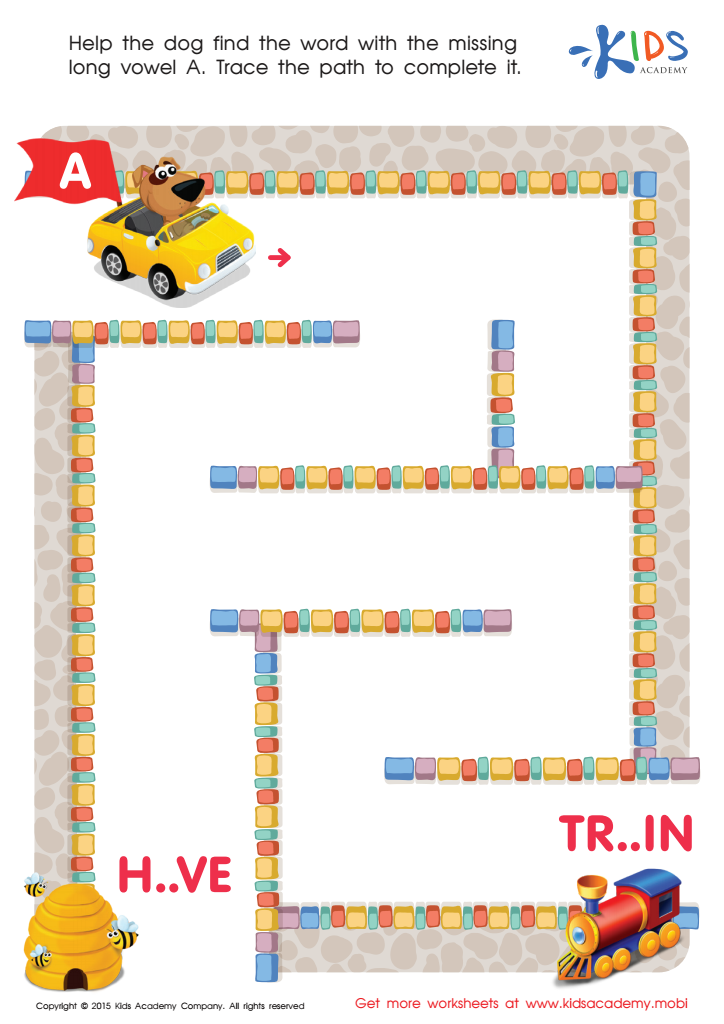
Long Vowel Sound A Worksheet
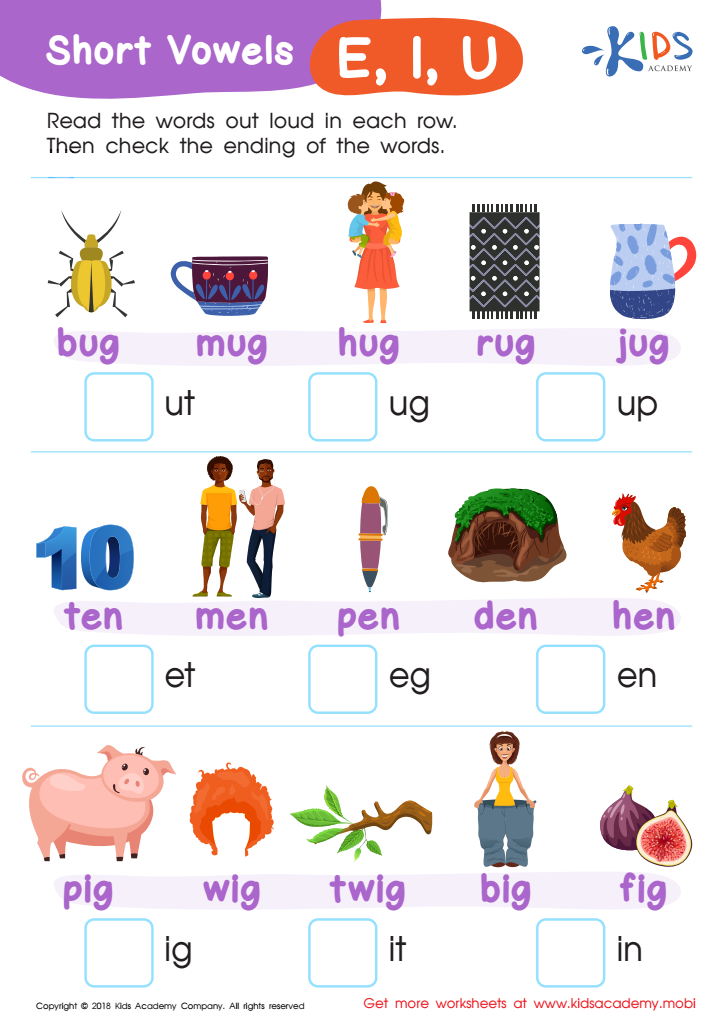
Short Vowels /e/, /i/, and /u/ Worksheet
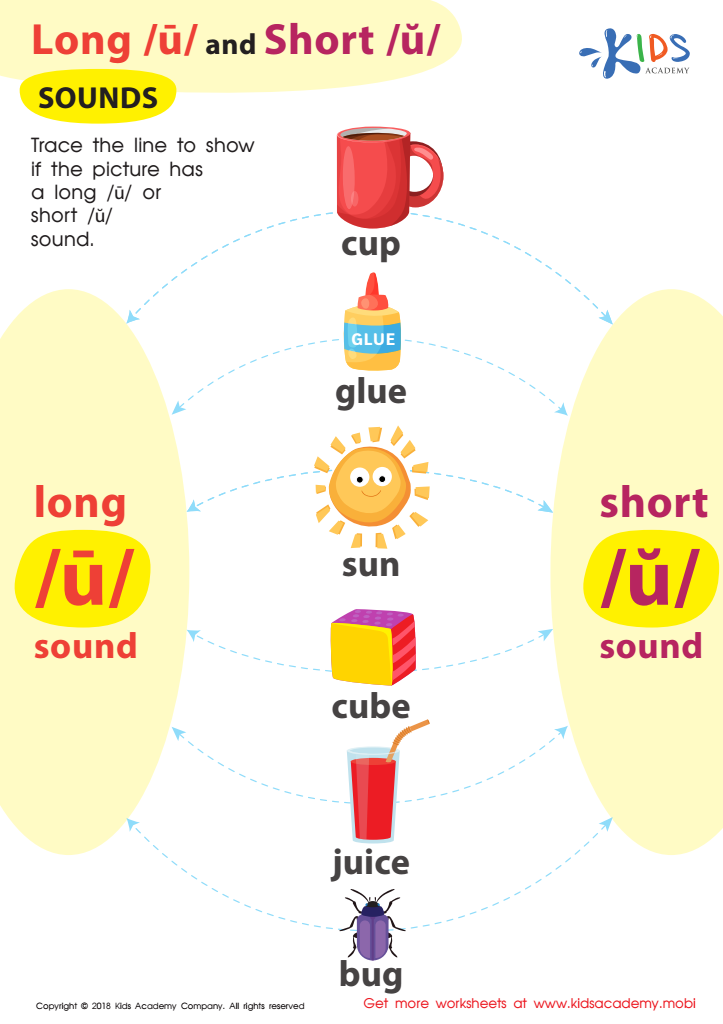
Reading: Long U and Short U Sounds Worksheet
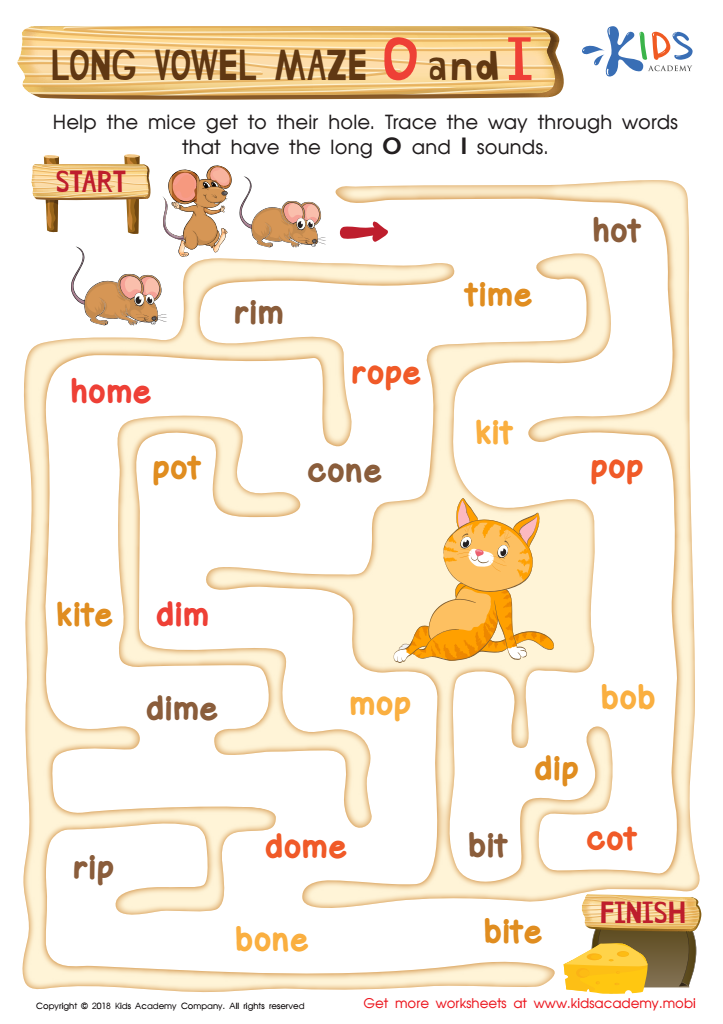
Long Vowel Maze /o/ and /i/ Worksheet
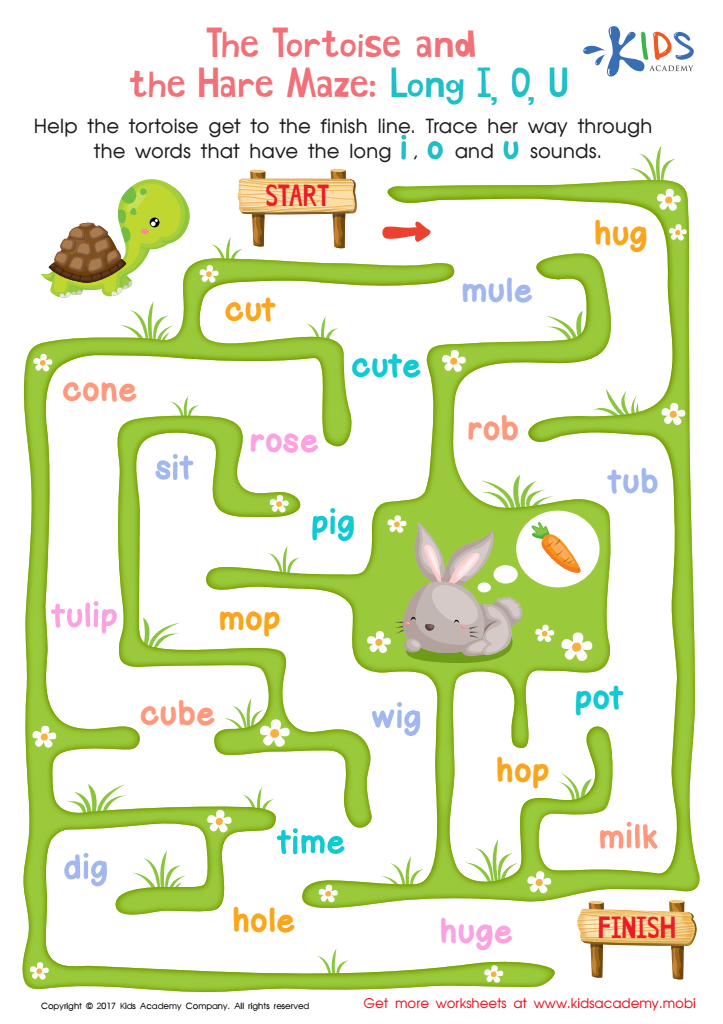
Long I, O, U Words Worksheet
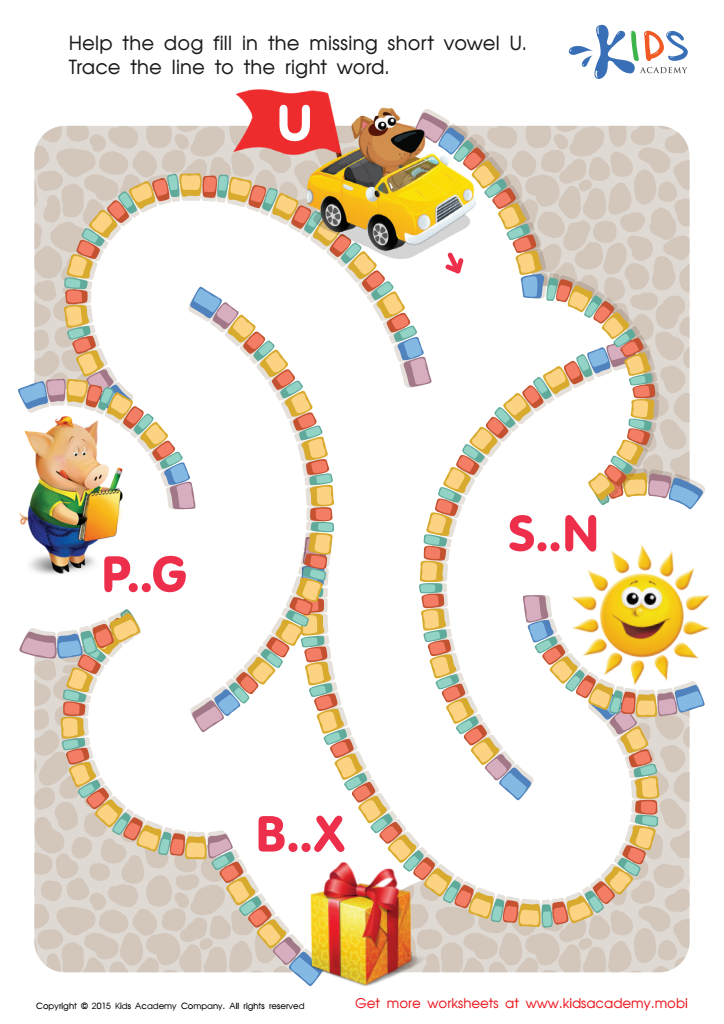
Short Vowel Sound U Worksheet
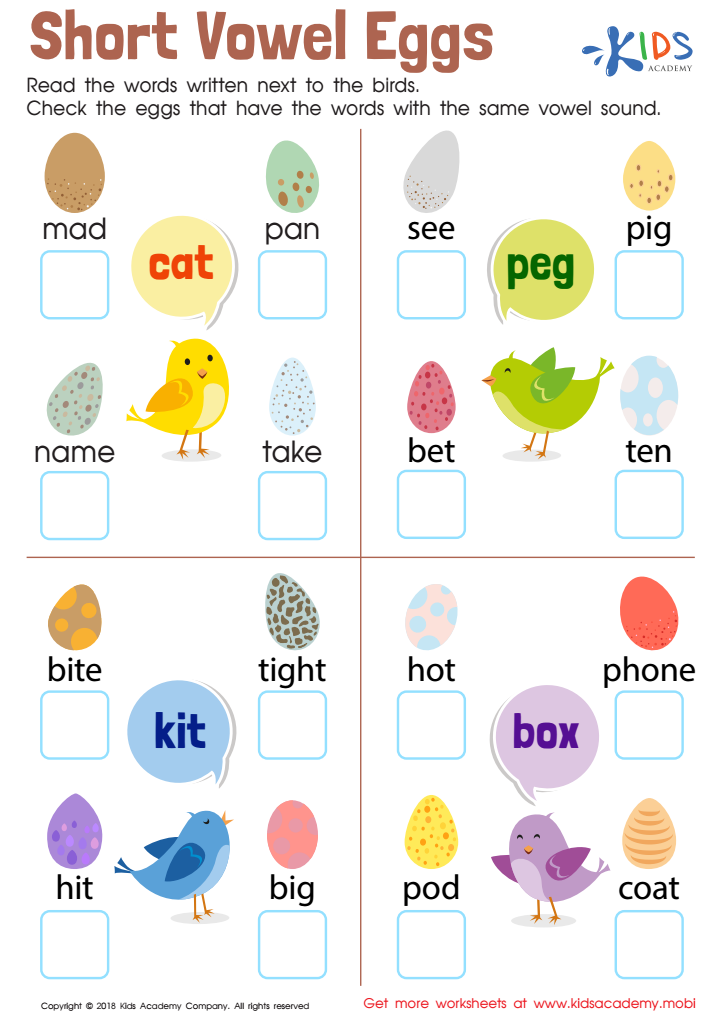
Short Vowel Eggs Worksheet
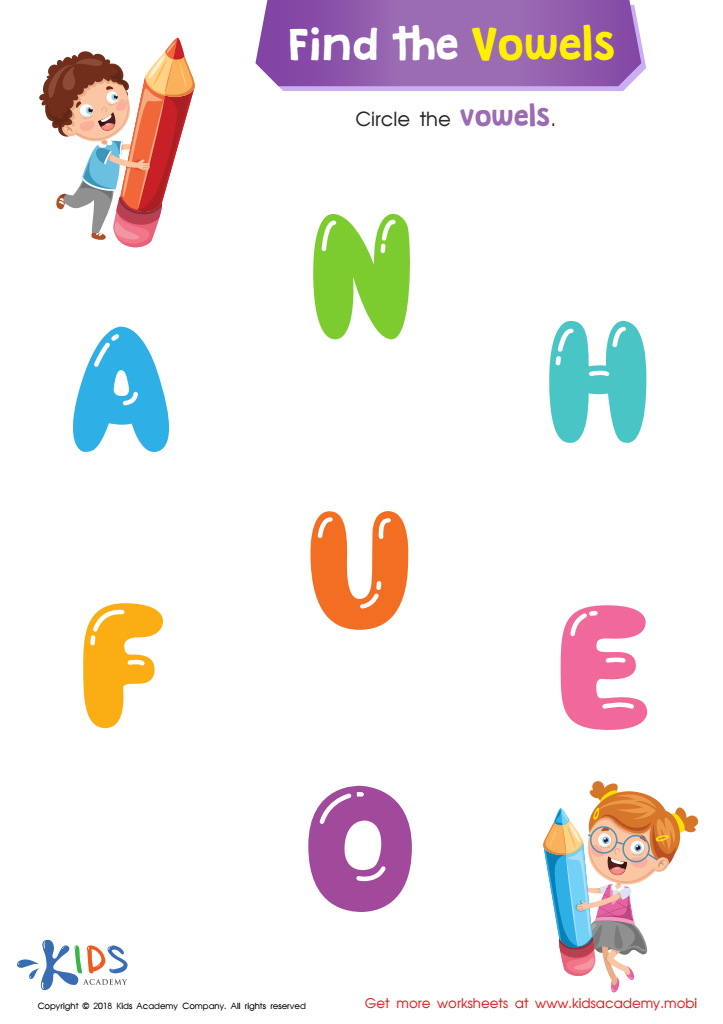
Find the Vowels Reading Worksheet
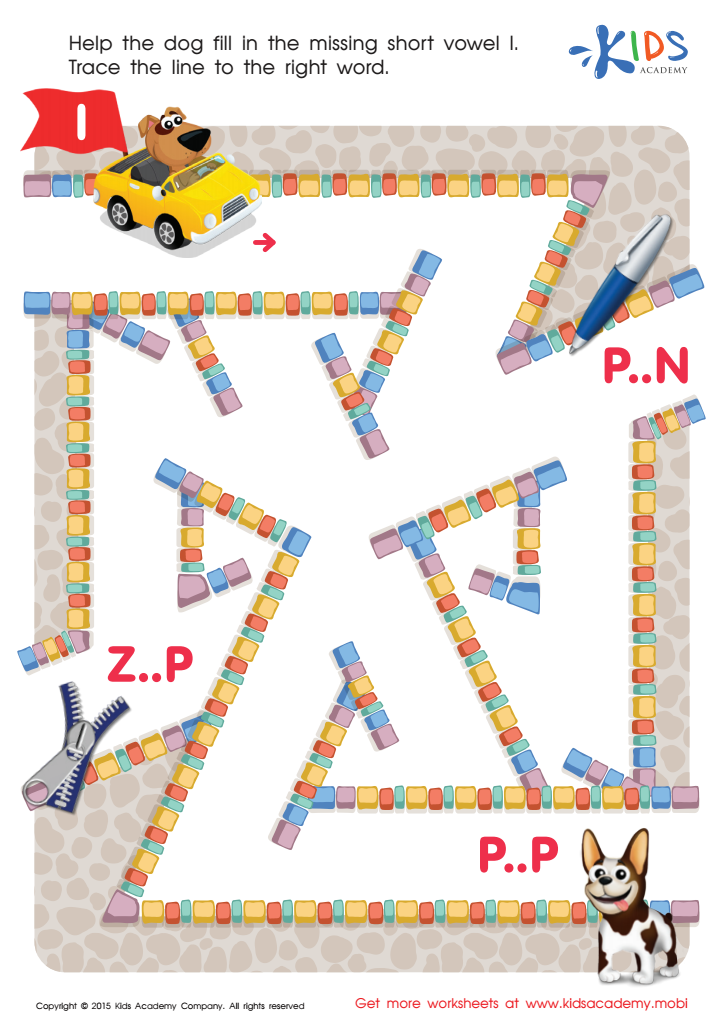
Short Vowel Sound I Worksheet
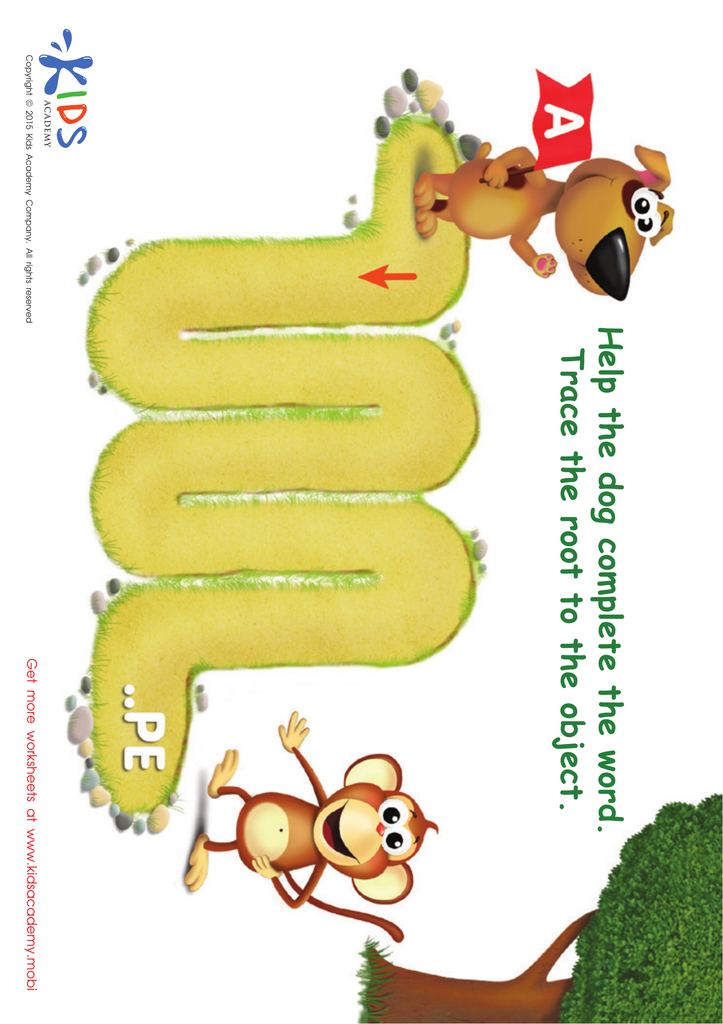
Long Vowel Sound A Worksheet Worksheet
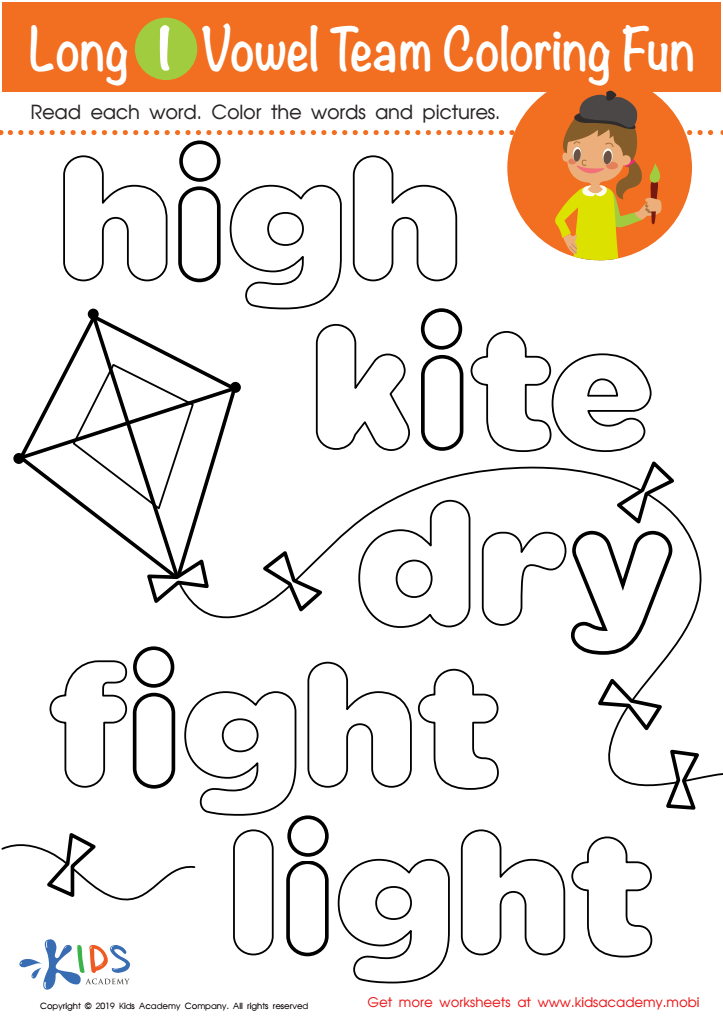
Long I Vowel Team Coloring Worksheet
 Assign to My Students
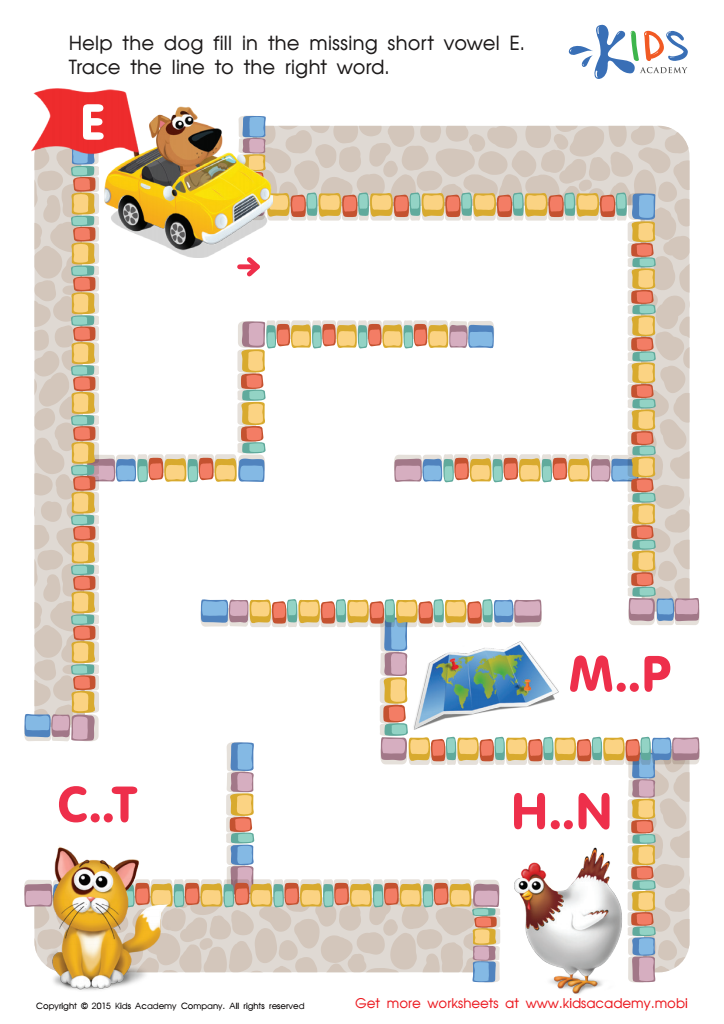
Short Vowel Sound E Worksheet
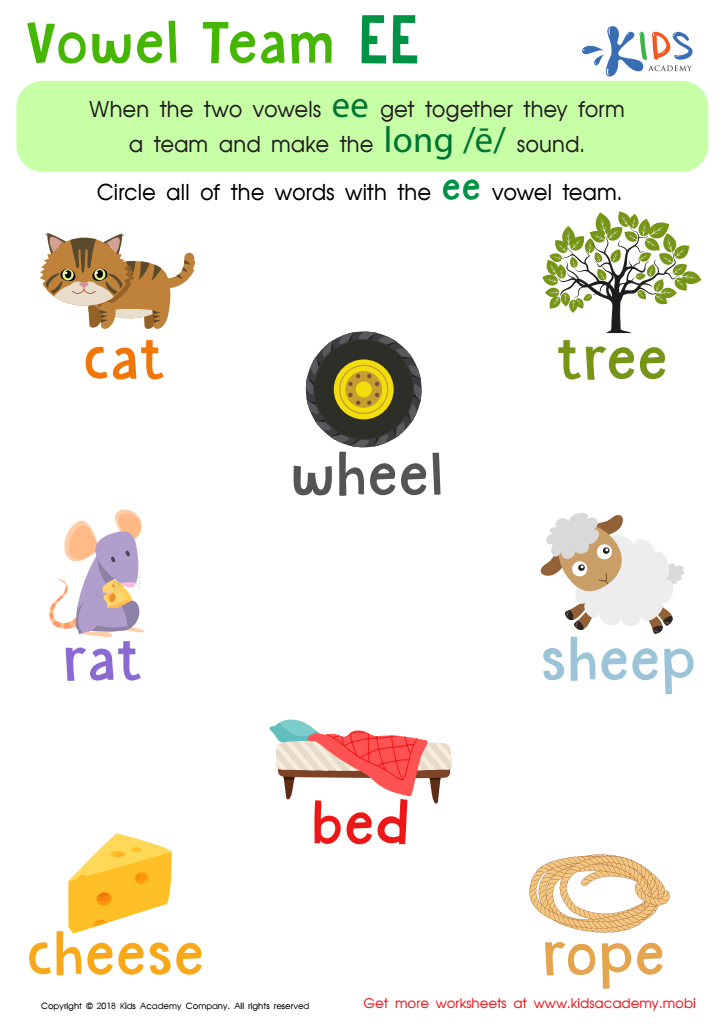
Reading: Vowel Team EE Worksheet
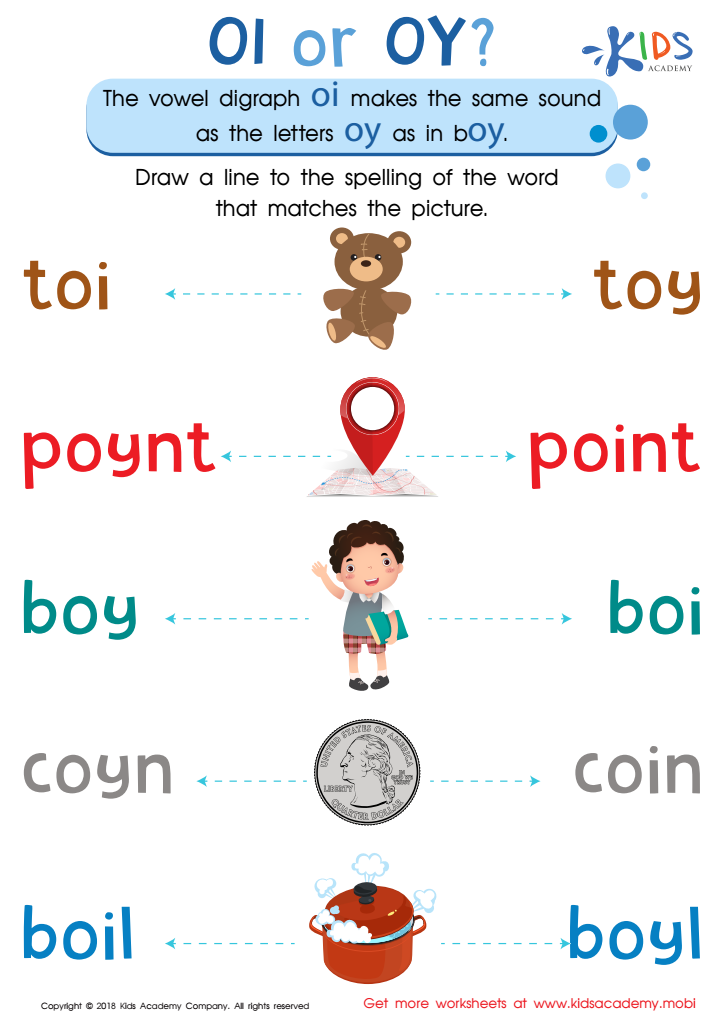
Reading: OI and OY Worksheet
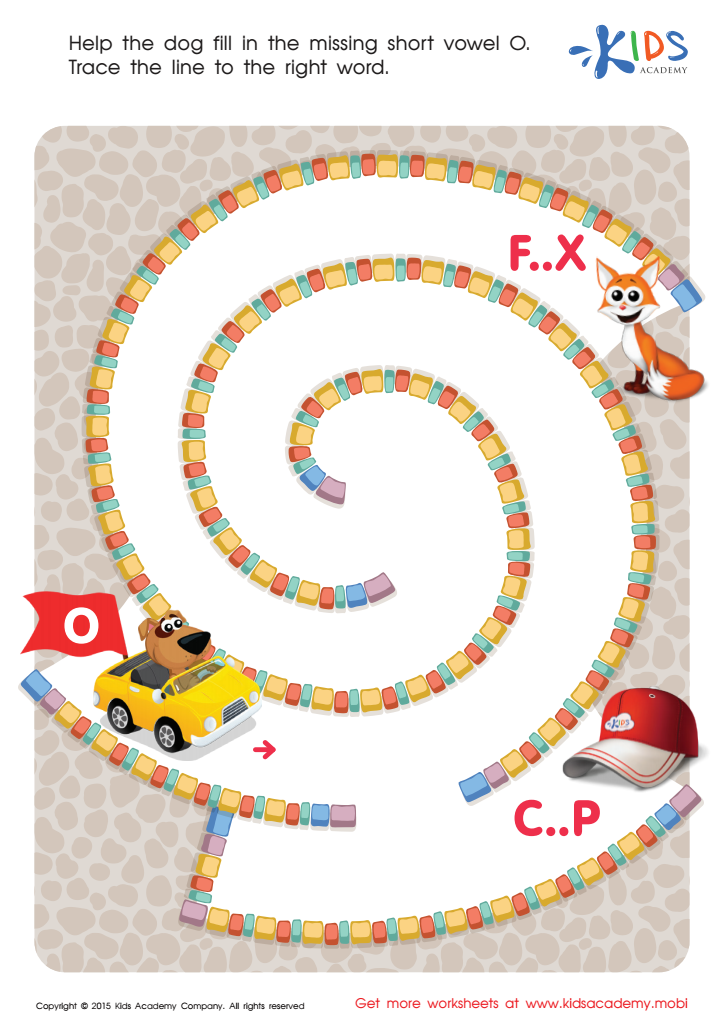
Short Vowel Sound O Worksheet
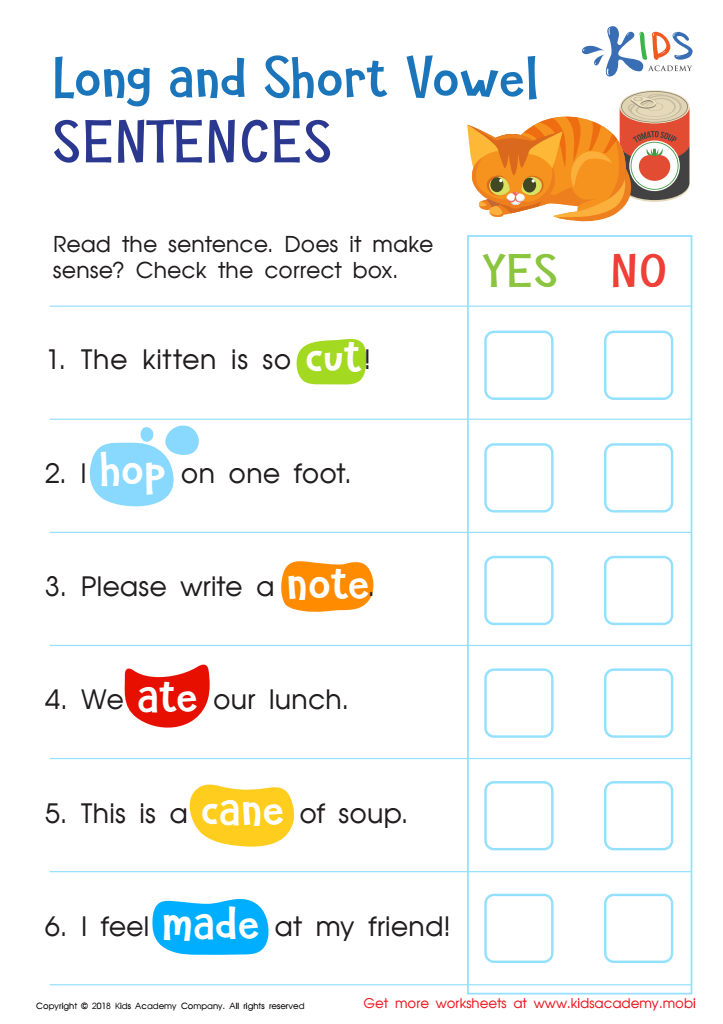
Long and Short Vowel Sentences: Assessment Worksheet
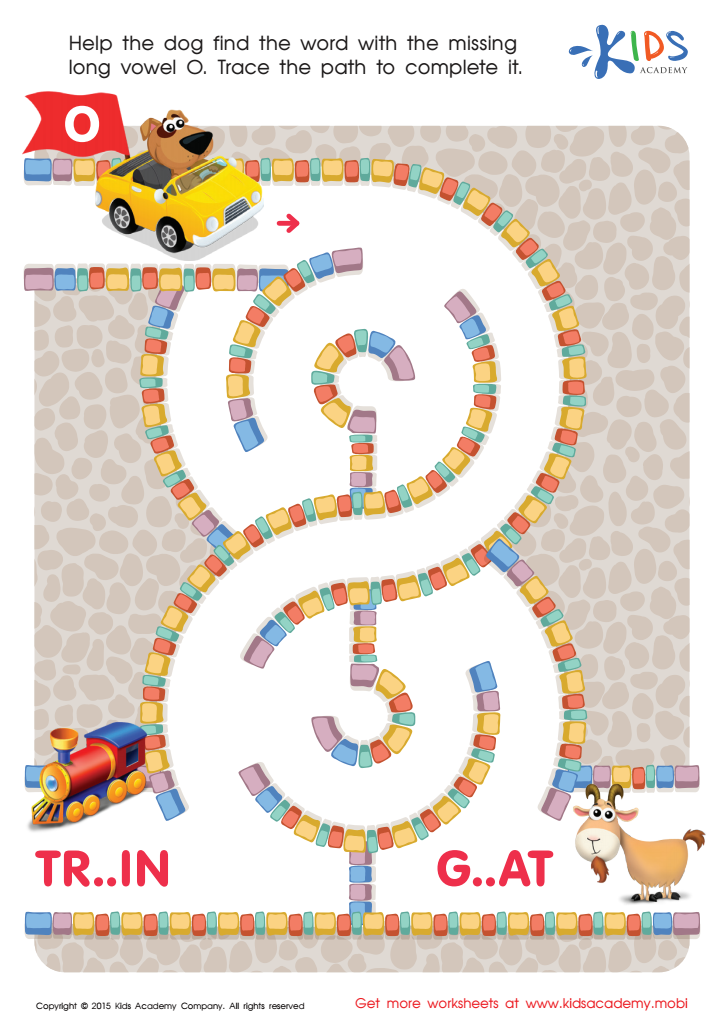
Long Vowel Sound O Worksheet
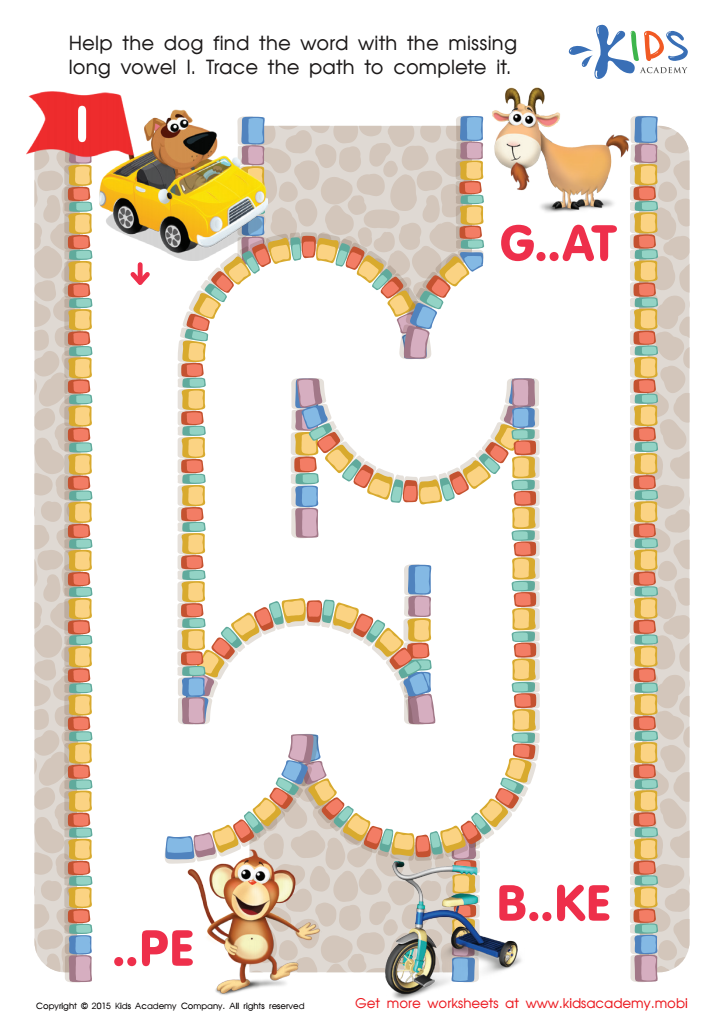
Long Vowel Sound I Worksheet






.jpg)

Vowel recognition is a crucial skill for children aged 4-7 as it lays the foundation for reading and writing. Understanding vowels helps children grasp the structure of words, contributing significantly to their literacy development. Vowels are key to phonics, where children learn to associate sounds with letters. This awareness not only aids in decoding words but also enhances spelling skills, making communication clearer.
Fostering vowel recognition at an early age promotes both confidence and independence in young learners. Children who are proficient in identifying and using vowels can tackle complex words more easily, which is essential as they progress in their reading material. This proficiency supports their overall educational journey, as reading is integral across all subjects.
Additionally, vowel recognition plays a vital role in phonemic awareness—the ability to hear, identify, and manipulate sounds—which is instrumental in teaching children to read fluently. Engaging students with interactive activities, songs, and games that emphasize vowels can make learning enjoyable and memorable.
Parents and teachers who prioritize vowel recognition not only boost academic success but also instill a lifelong love of reading, enriching children's comprehension skills and expanding their horizons. By investing in this vital skill, adults help prepare children for future academic and personal achievements.








