Basic Arithmetic Addition & Subtraction Worksheets for Ages 4-7 - Page 2
48 filtered results
-
From - To
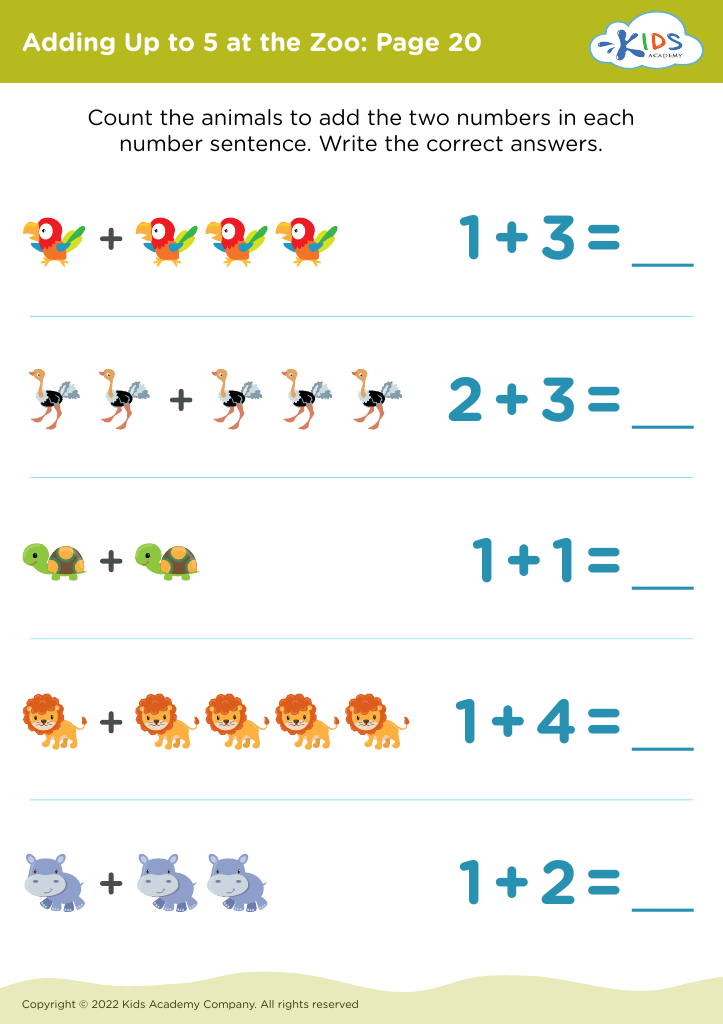
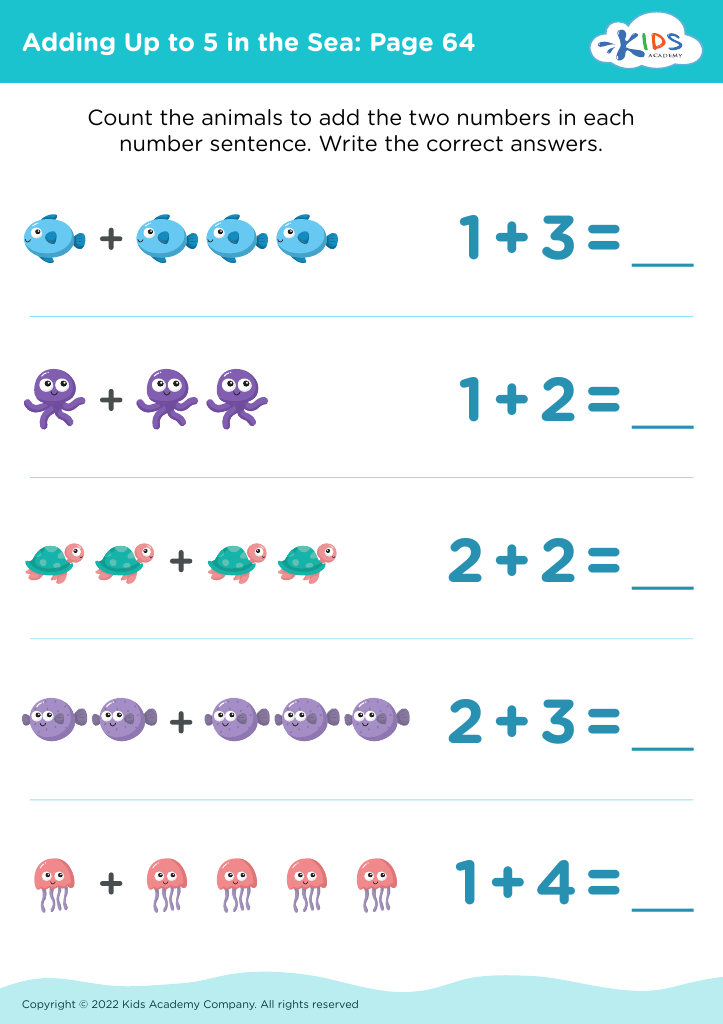
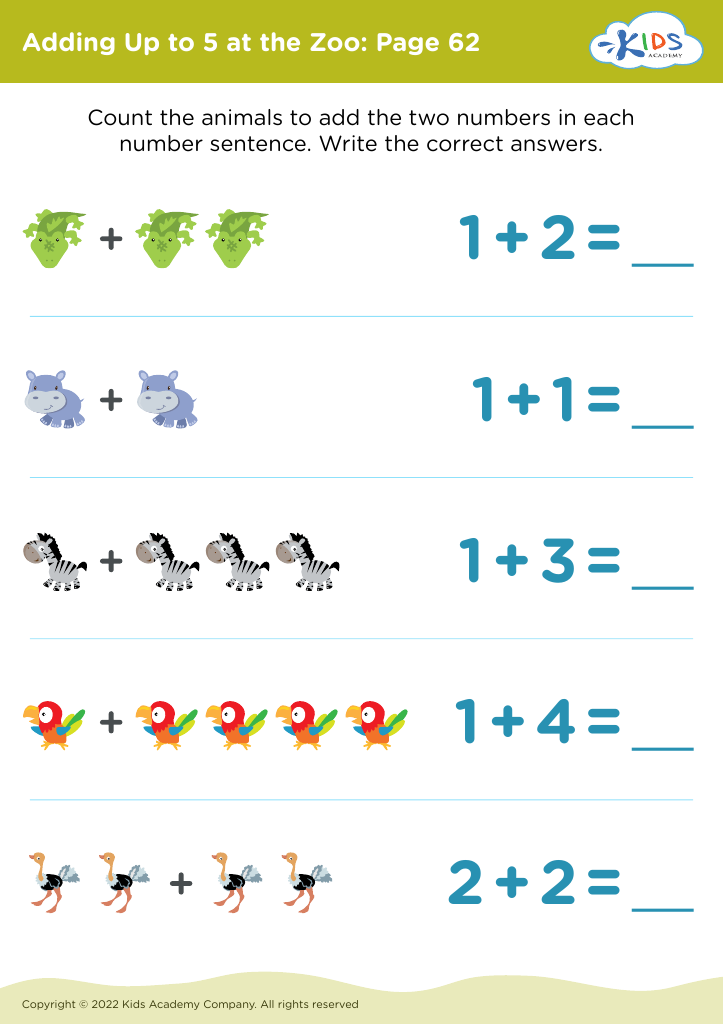

Line up the Tigers Worksheet
 Assign to My Students
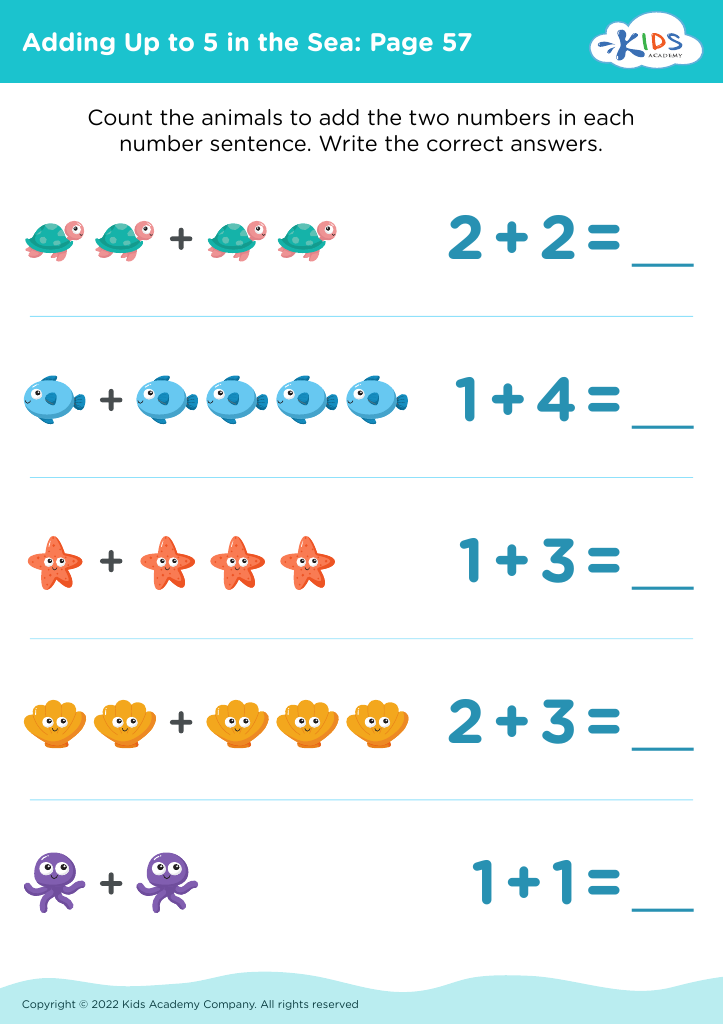
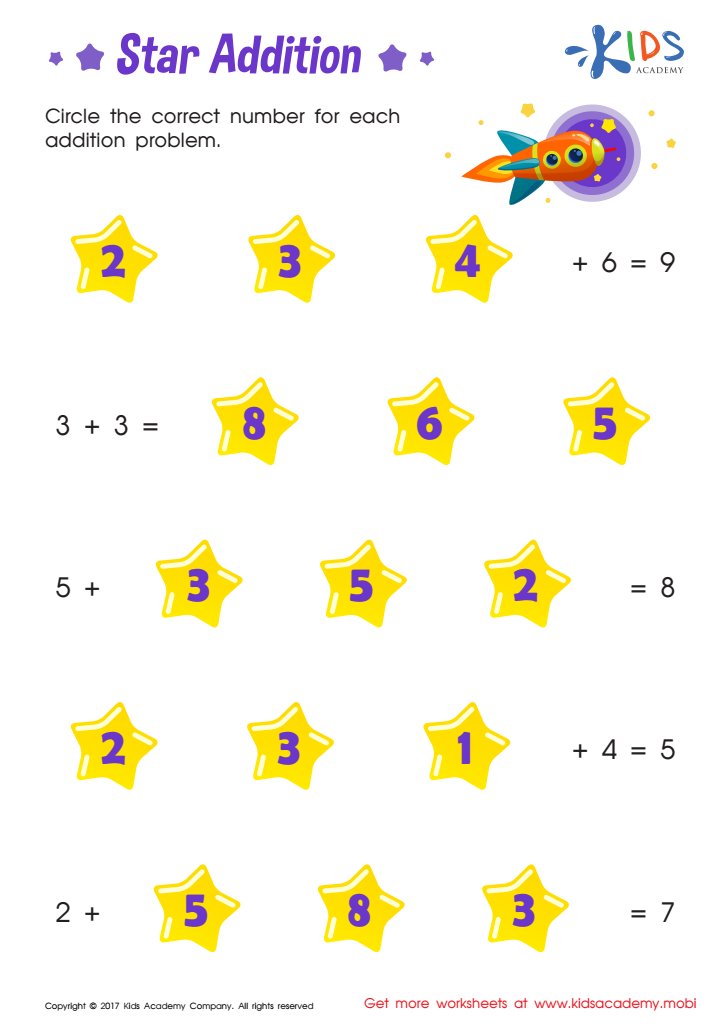
Star Addition Printable
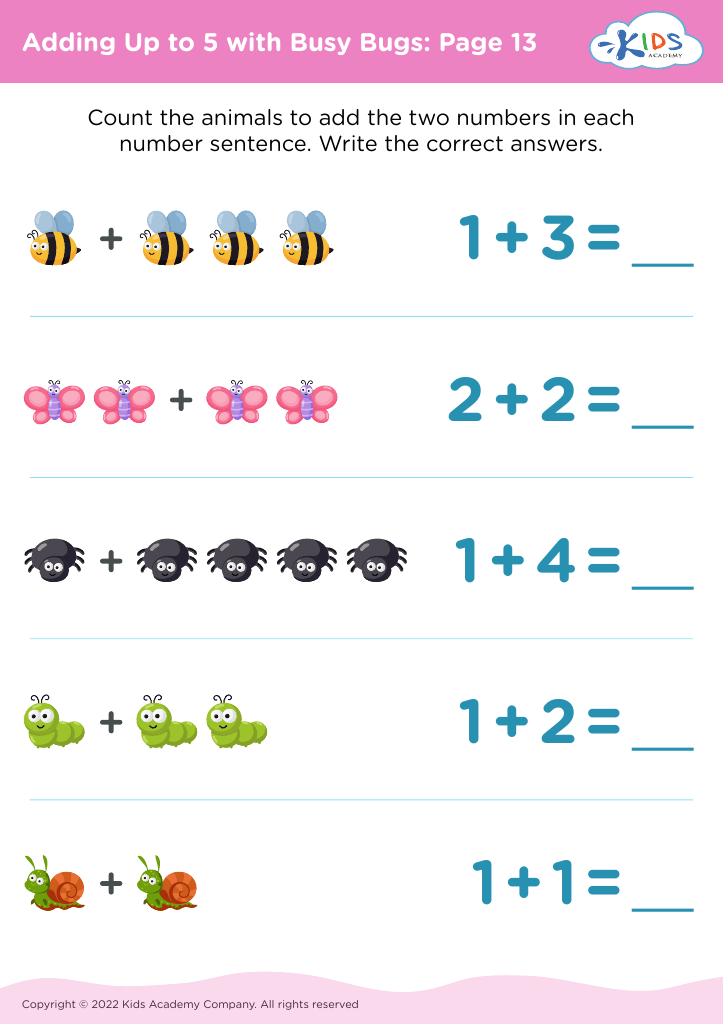
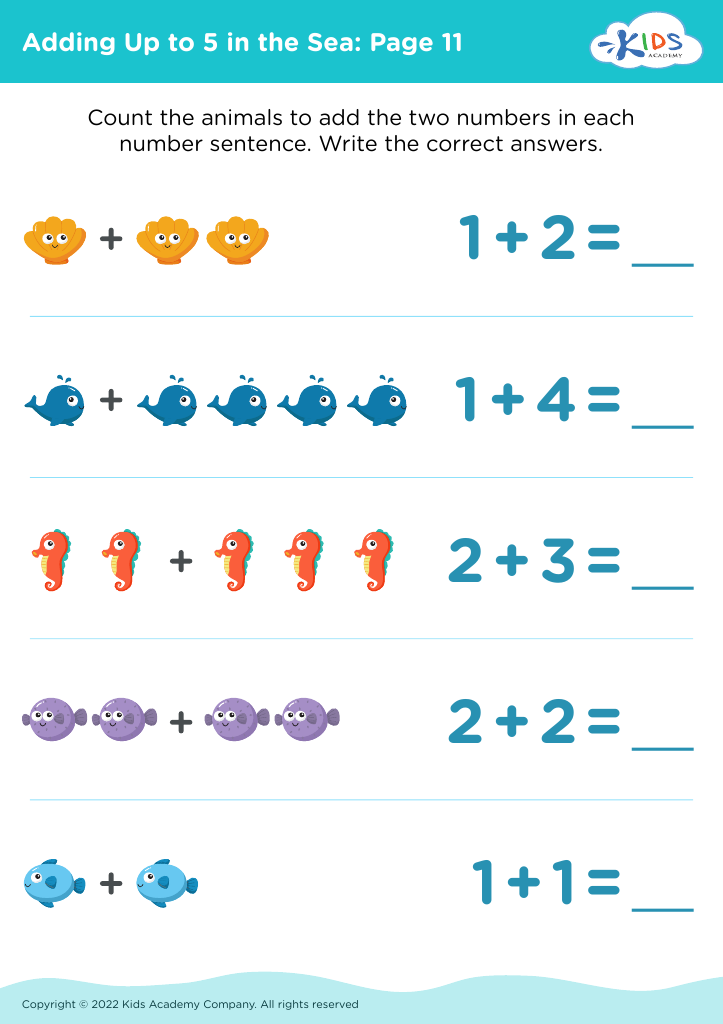
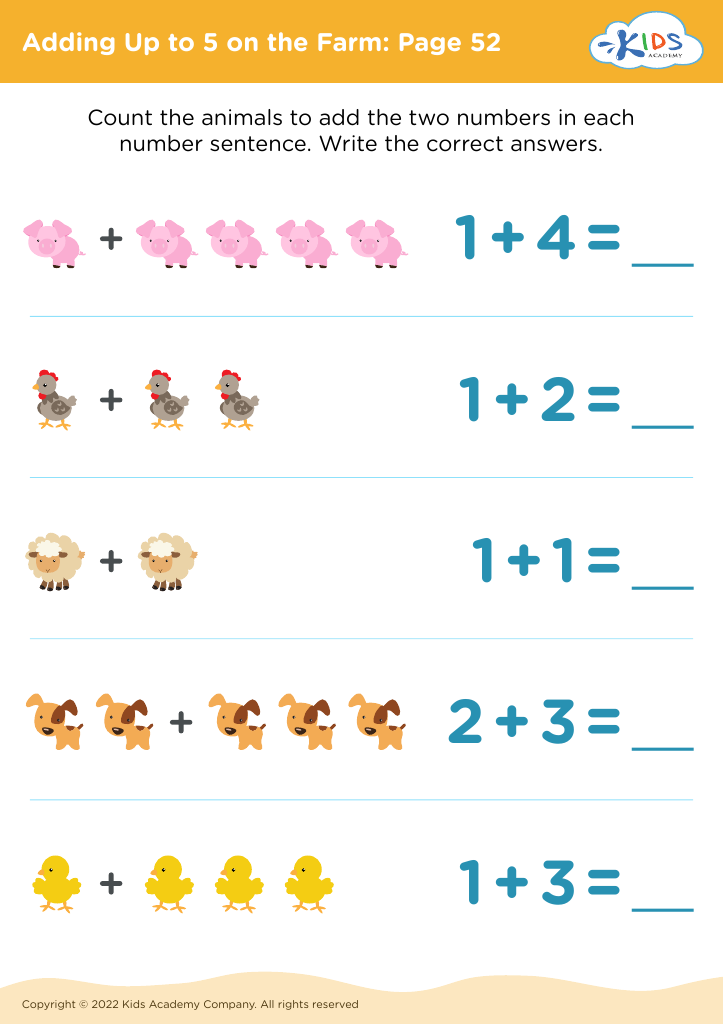
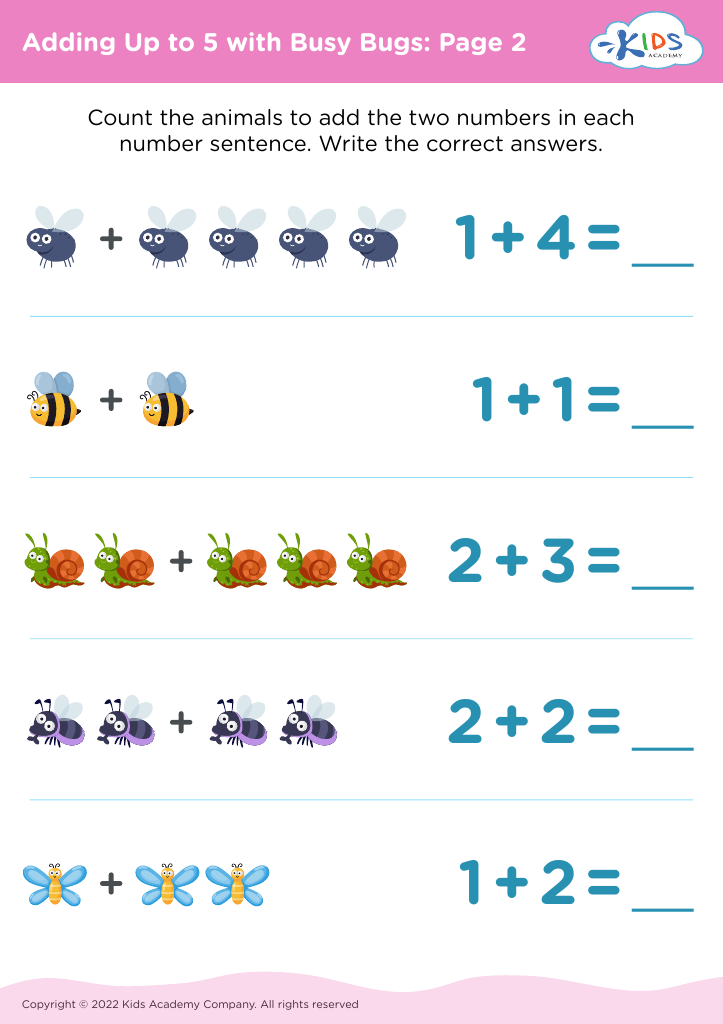
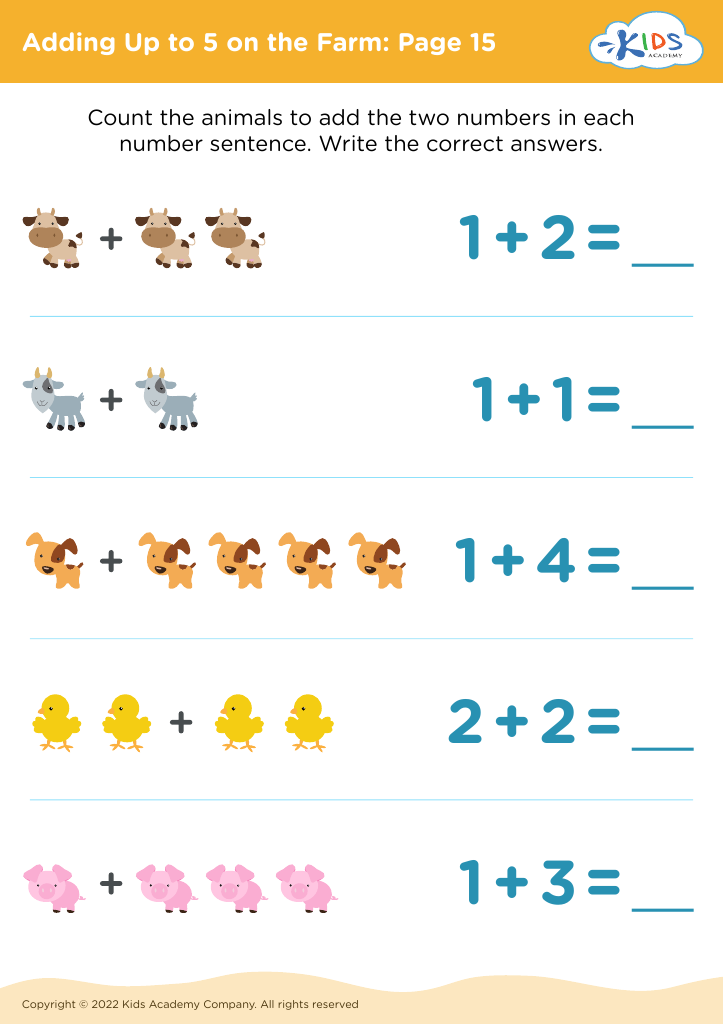
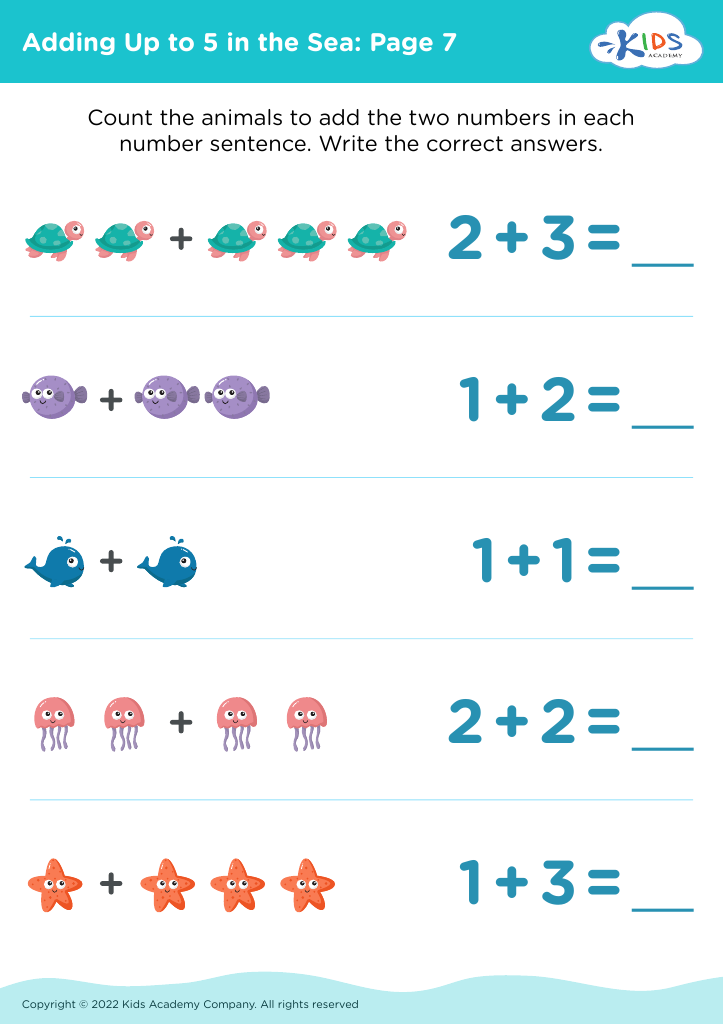
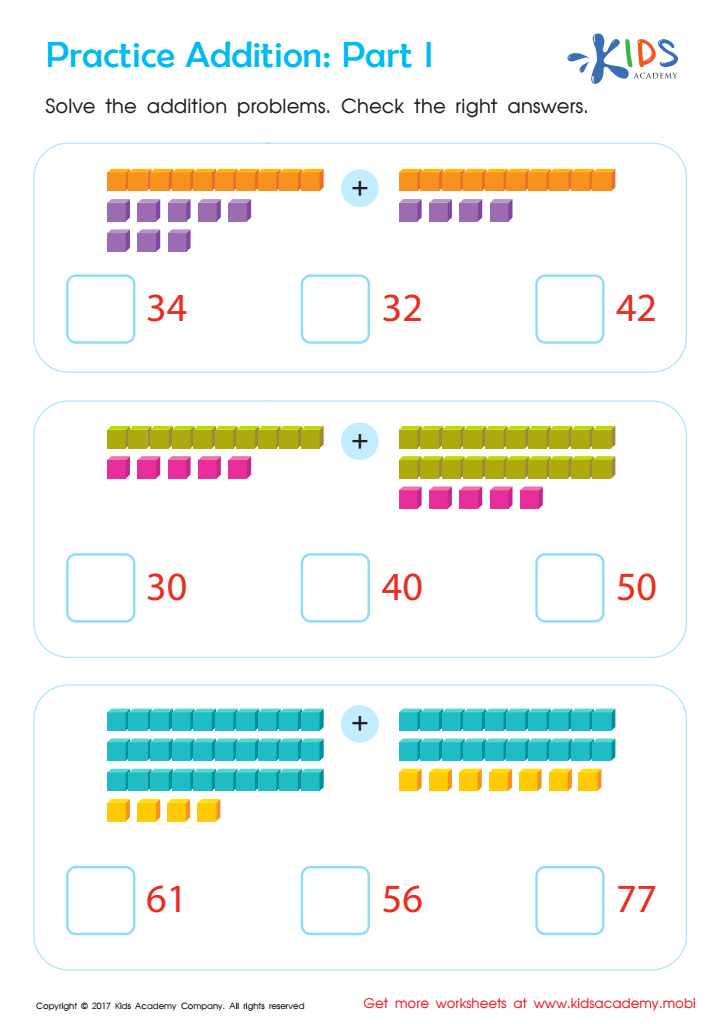
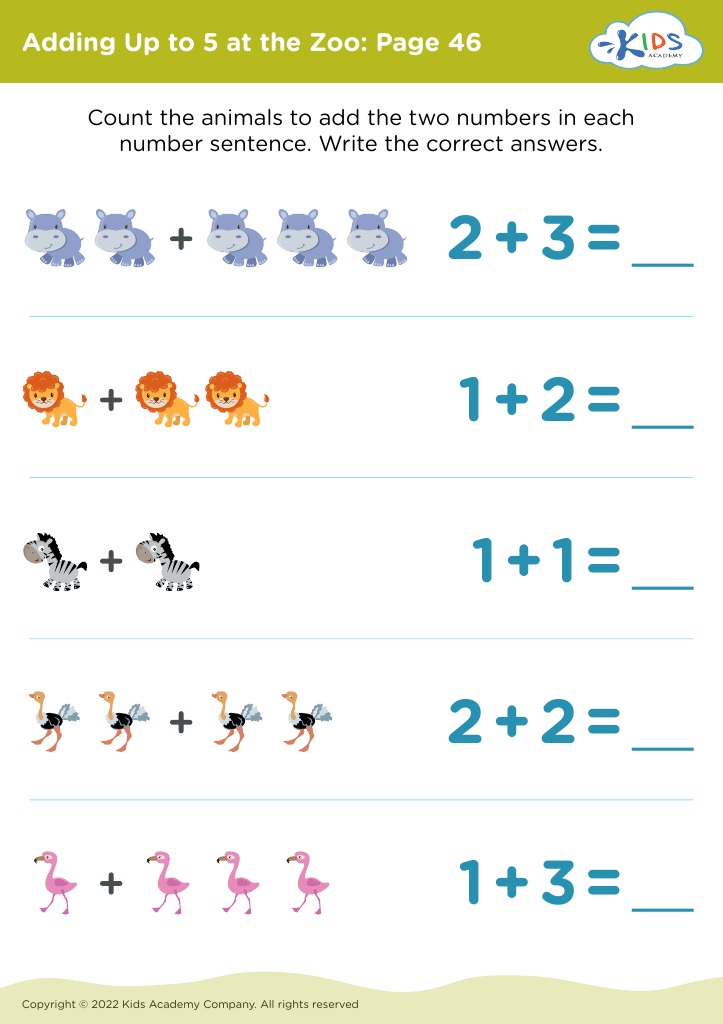
Practice Addition: Part 1 Worksheet
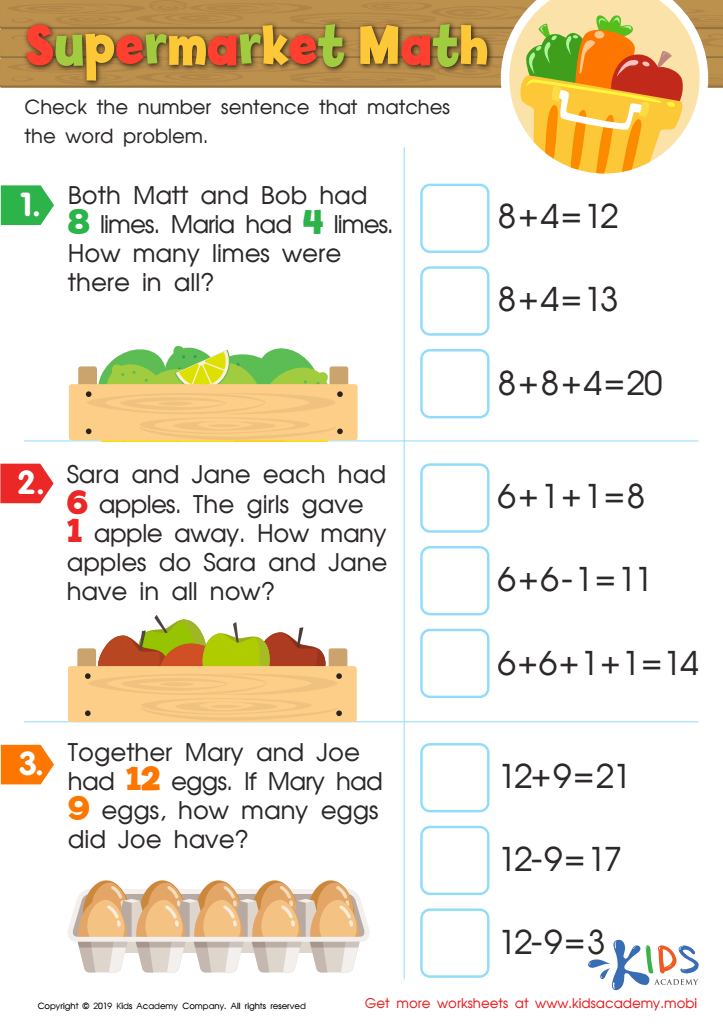
Supermarket Math Worksheet
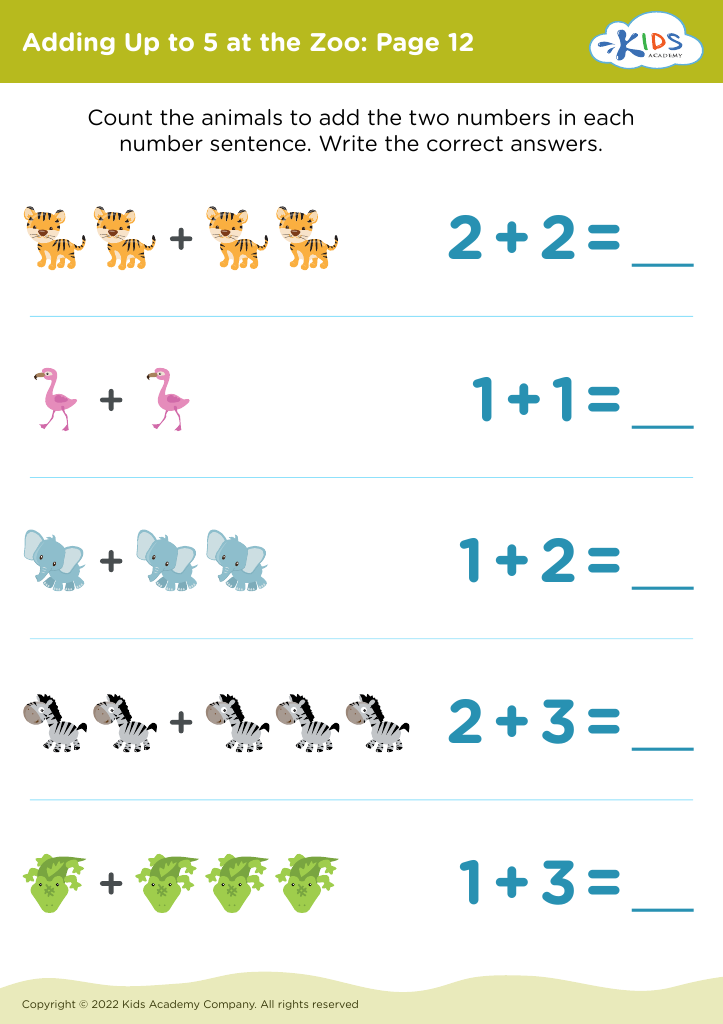
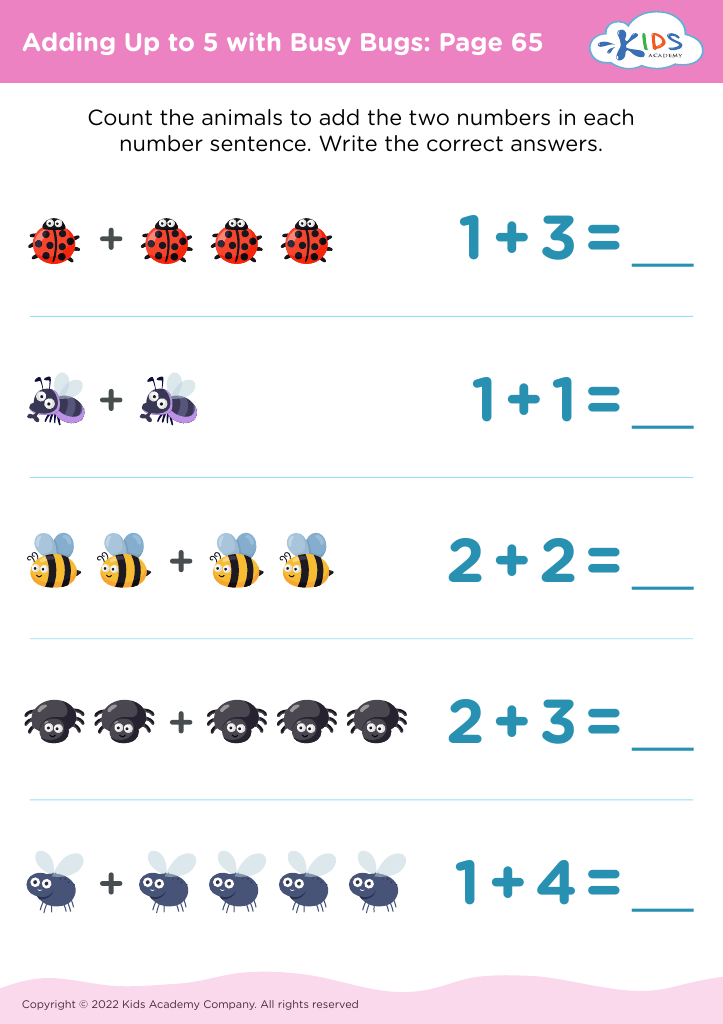
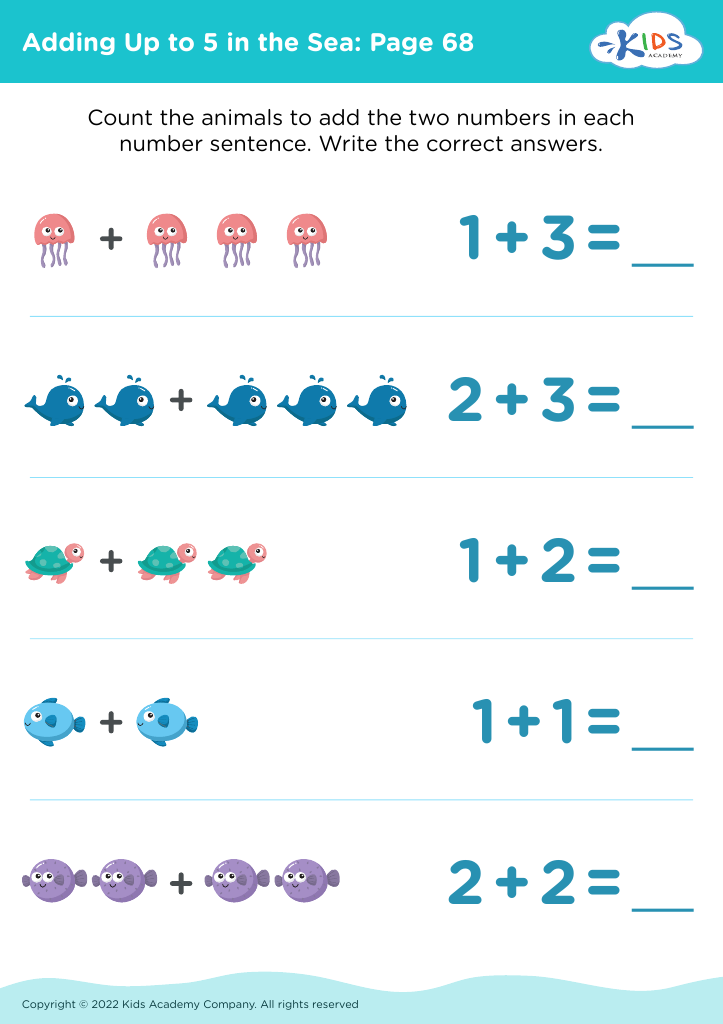
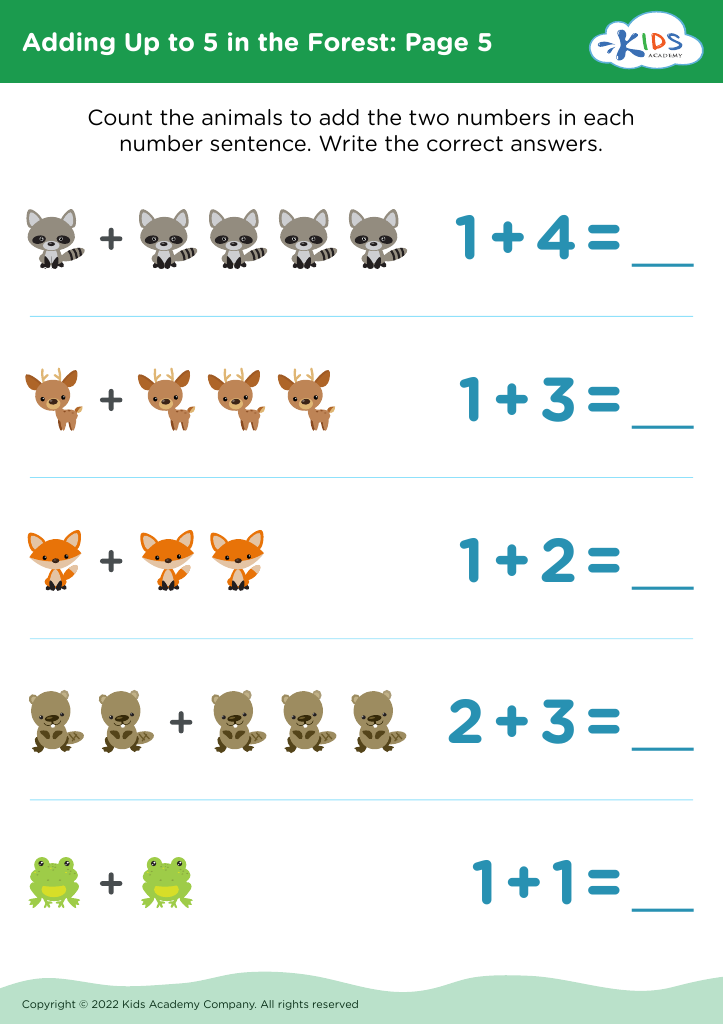
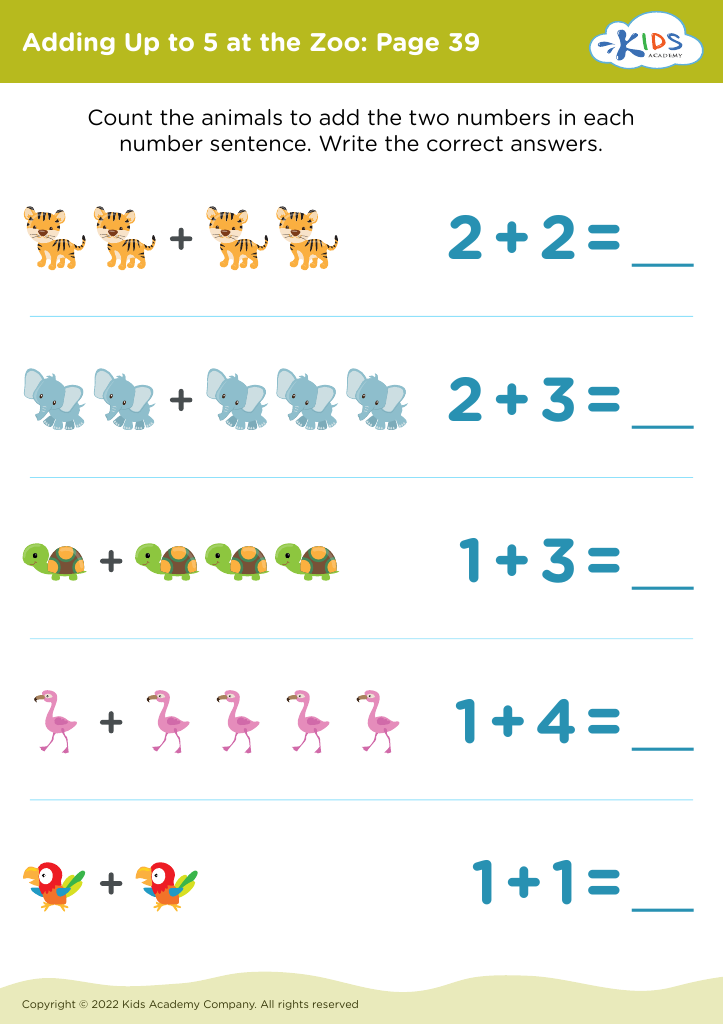
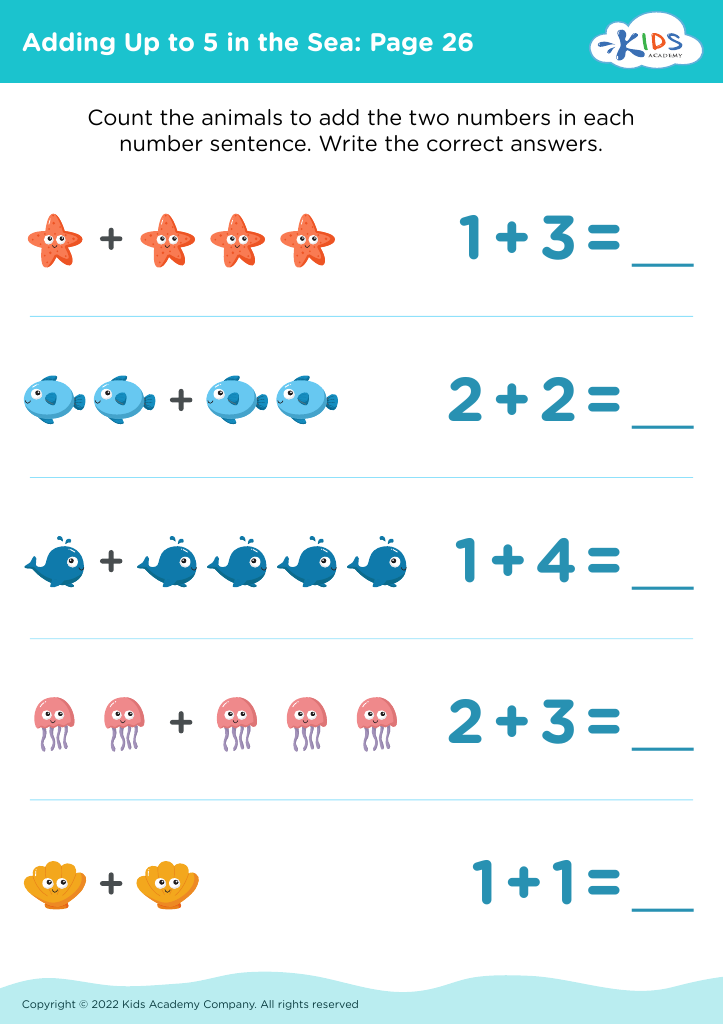
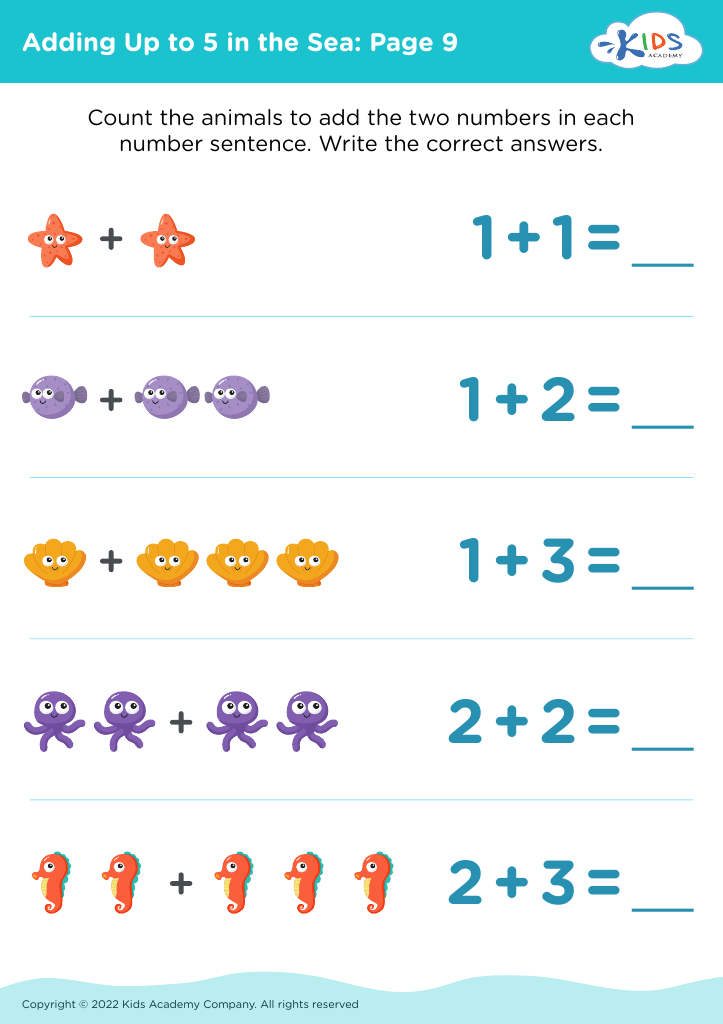








Basic arithmetic addition and subtraction form the foundation of a child's mathematical understanding and are crucial for their overall cognitive development between ages 4 to 7. During these formative years, children develop critical thinking and problem-solving skills. Learning these basic operations helps children recognize number patterns, which can enhance their ability to grasp more complex mathematical concepts later.
Additionally, mastering addition and subtraction creates a sense of achievement, boosting a child's confidence in their academic abilities. Engaging with these concepts early sets a positive precedent for their attitude toward math and learning in general. Furthermore, these skills are not limited to mathematics; they play a significant role in everyday life, from counting objects to understanding time and money.
Moreover, practicing addition and subtraction together fosters parental and teacher engagement. It allows for collaborative learning and provides a meaningful way for children to interact with math in fun and practical contexts. By prioritizing basic arithmetic at this age, parents and teachers equip children with essential life skills and establish a robust foundation for future academic success. Encouraging curiosity and practice in foundational math empowers children to become confident learners, ready to tackle the complexities of higher-level mathematics in the years to come.








