Improve counting skills Numbers Worksheets for Ages 4-7
5 filtered results
-
From - To
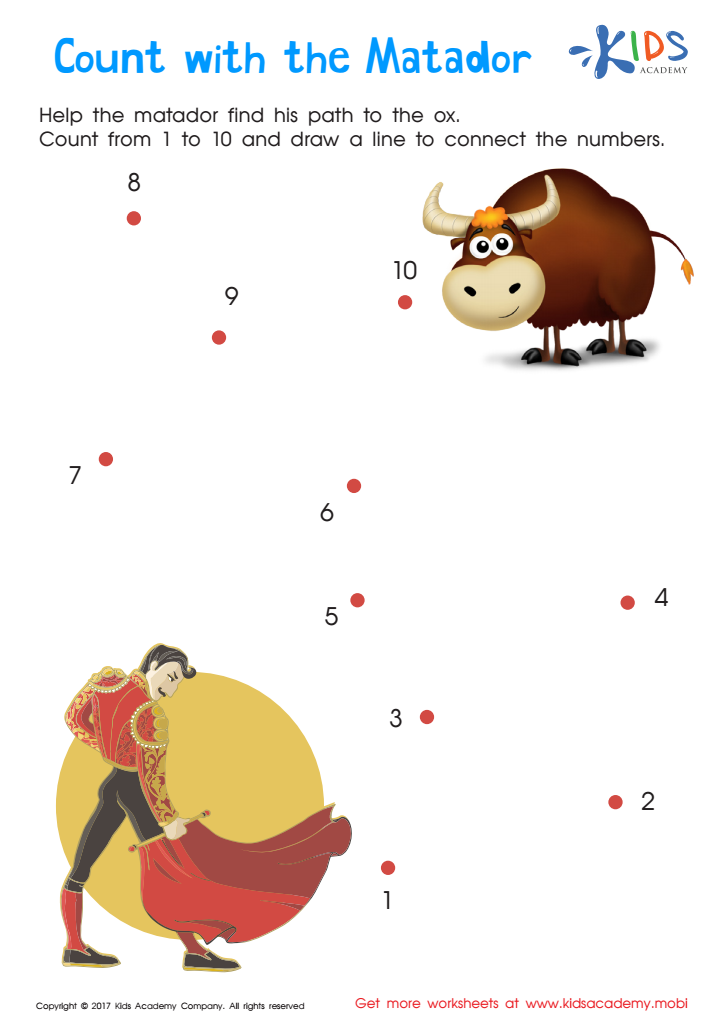
Enhance your child's counting skills with our engaging "Improve Counting Skills" worksheets designed for ages 4-7. These printable resources feature fun and interactive activities that make learning numbers enjoyable and effective. With colorful illustrations and step-by-step exercises, children will practice counting through various activities, including matching, sequencing, and number recognition. Each worksheet is tailored to reinforce essential math foundations while developing confidence in young learners. Perfect for both home and classroom use, these worksheets provide an excellent way to make math fun and accessible. Explore our collection today and watch your child’s counting skills flourish!
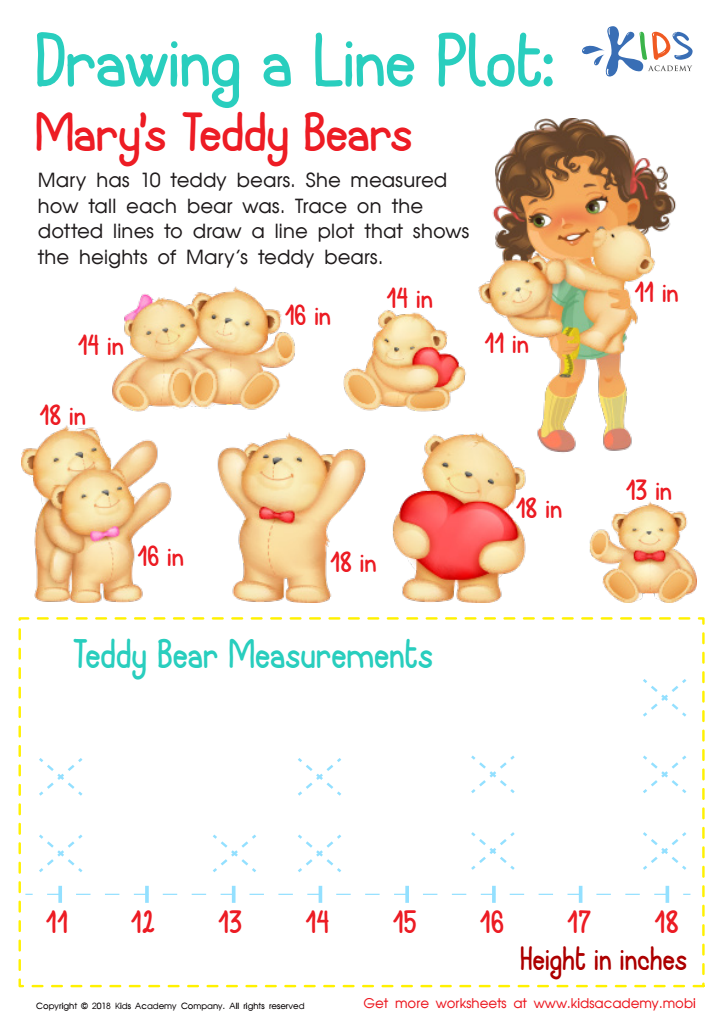
Drawing and Line Plot: Mary's Teddy Bears Worksheet
 Assign to My Students
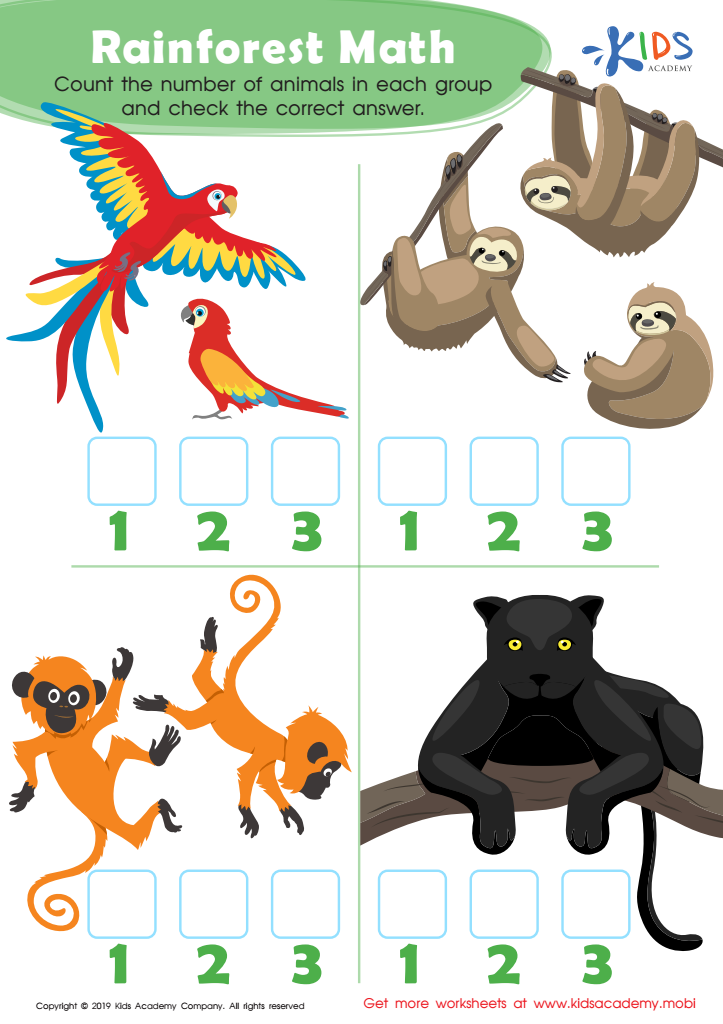
Rainforest Math Worksheet
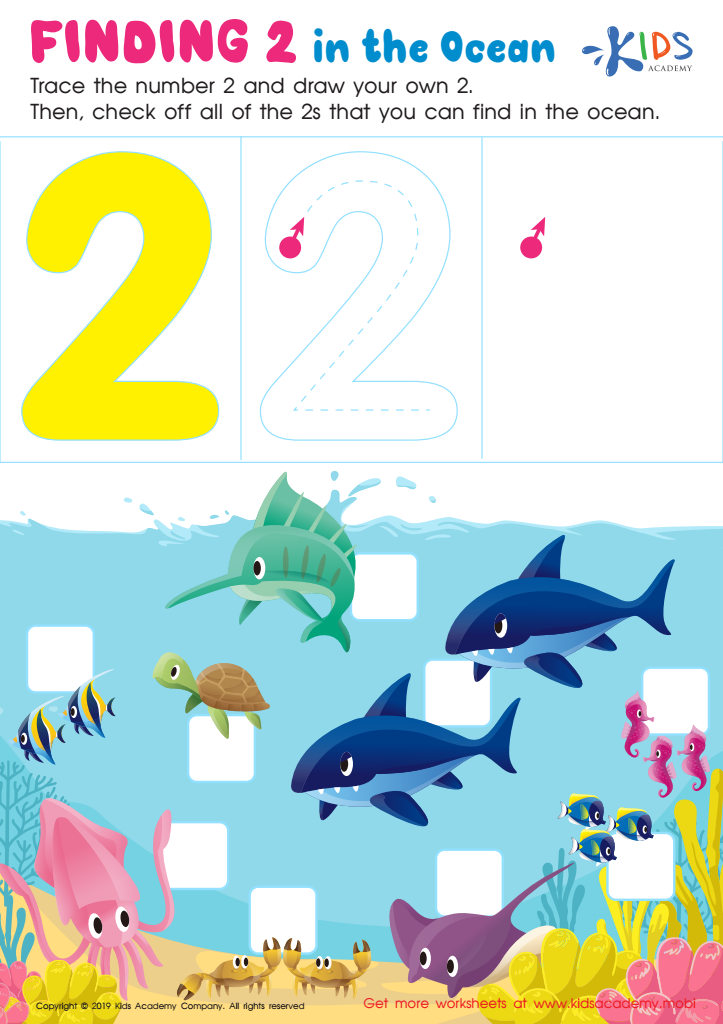
Finding 2: In the Ocean Worksheet
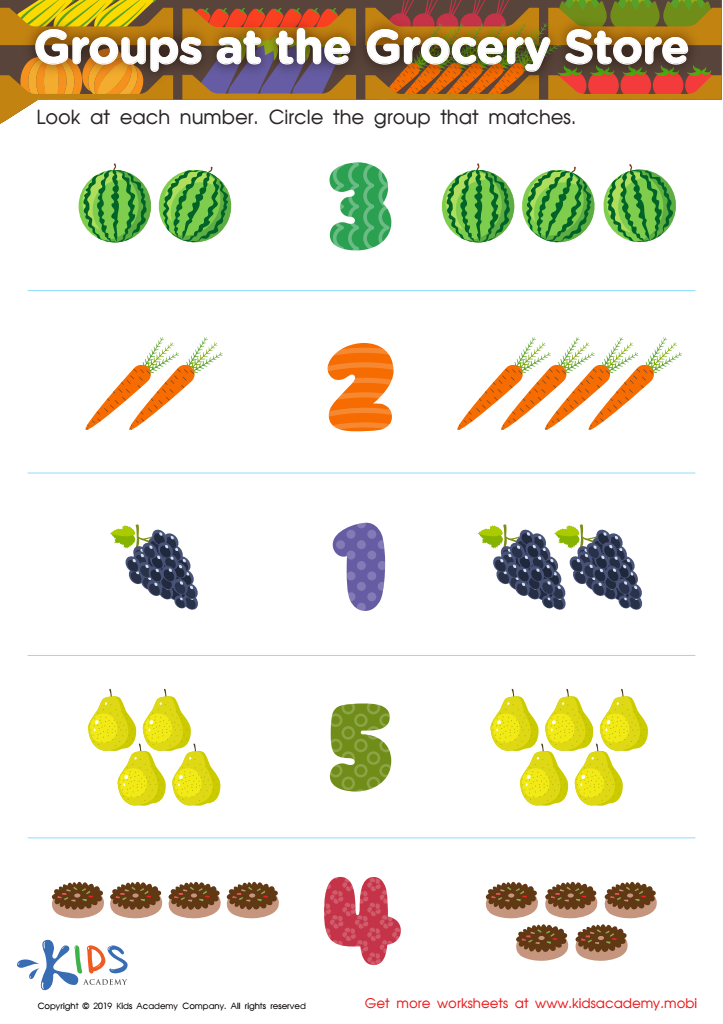
Groups at the Grocery Store Worksheet








Improving counting skills in children aged 4 to 7 is vital for their overall development and future academic success. At this stage, children are building foundational numeracy skills that will support their ability to solve problems, understand mathematical concepts, and navigate real-world situations involving numbers. Effective counting skills enhance a child’s cognitive abilities, promoting critical thinking and logical reasoning.
Parents and teachers play a crucial role in fostering these skills. Early positive experiences with numbers can instill confidence and a love for mathematics, reducing math anxiety later in life. By engaging children in counting activities—like counting objects during play, singing counting songs, or using finger counting—adults can make learning fun and relatable, reinforcing their understanding of numbers through tangible examples.
Moreover, strong counting and number sense are essential for success in standardized assessments, impacting a child's future educational opportunities. Additionally, equipping children with effective counting skills fosters independence and helps them make sense of their world, like understanding time, money, and measurements. Thus, investing time and resources into improving counting skills not only enhances children's current learning experience but also sets the stage for lifelong learning in mathematics and problem-solving.








