Filters

182 filtered results

Clear all filters
Favorites
With answer key
Interactive

182 filtered results

Difficulty Level

Grade


Check out this FREE Trial Lesson on Math for age 4-7!

X

Favorites
With answer key
Interactive
  • 4-7
  • Cognitive Development
  • Math
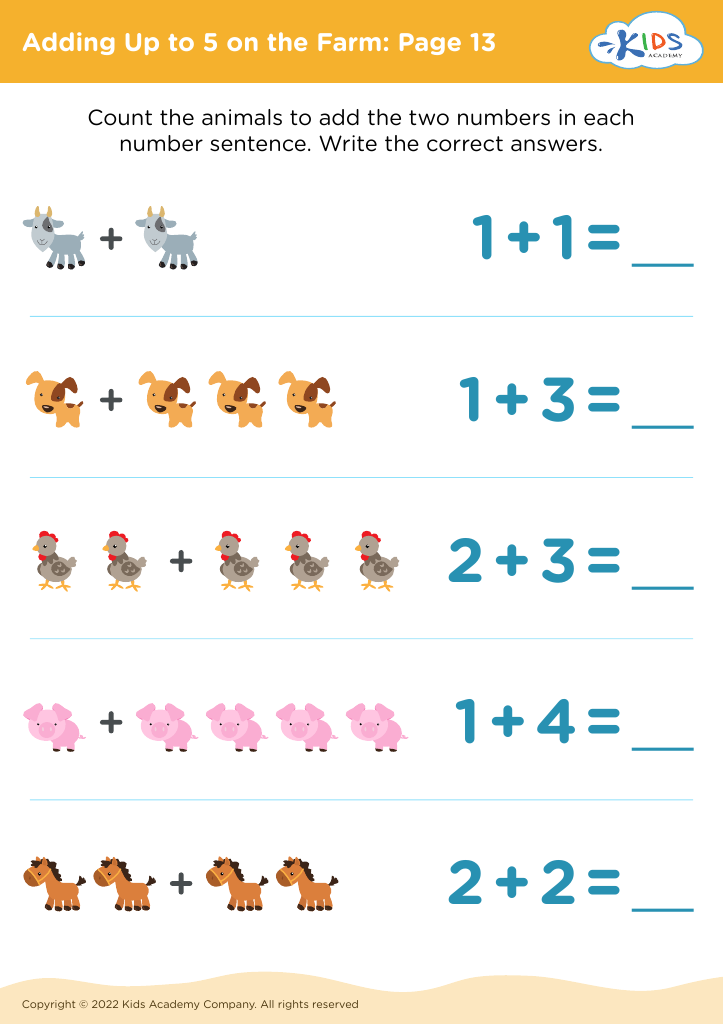
Adding Up to 5 on the Farm: Page 13
Worksheet
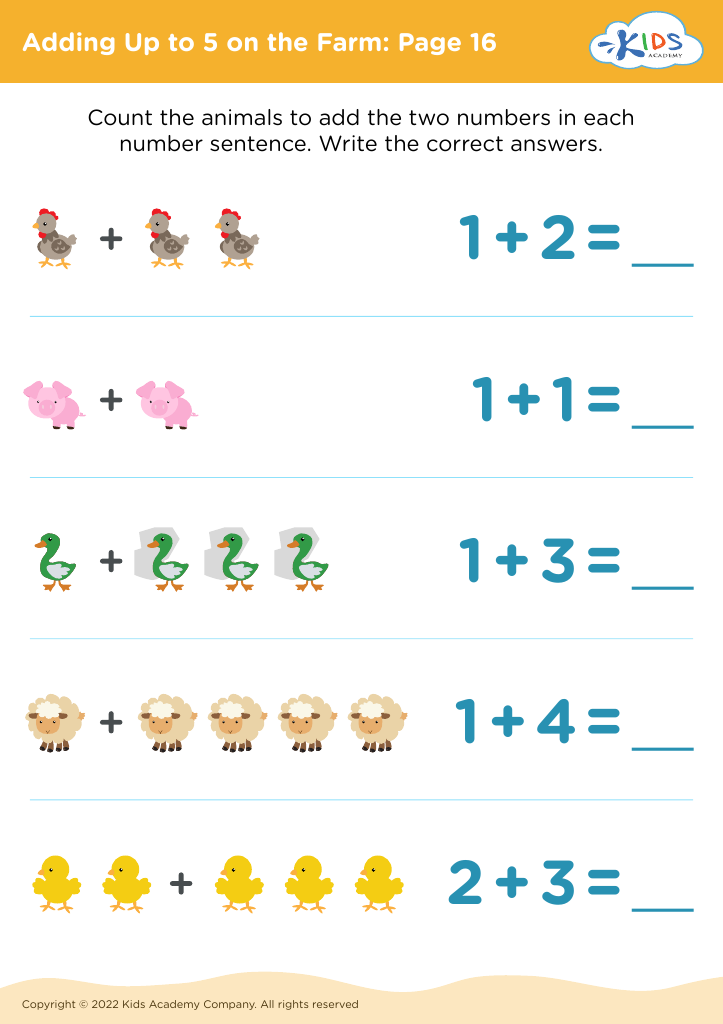
Adding Up to 5 on the Farm: Page 16
Worksheet
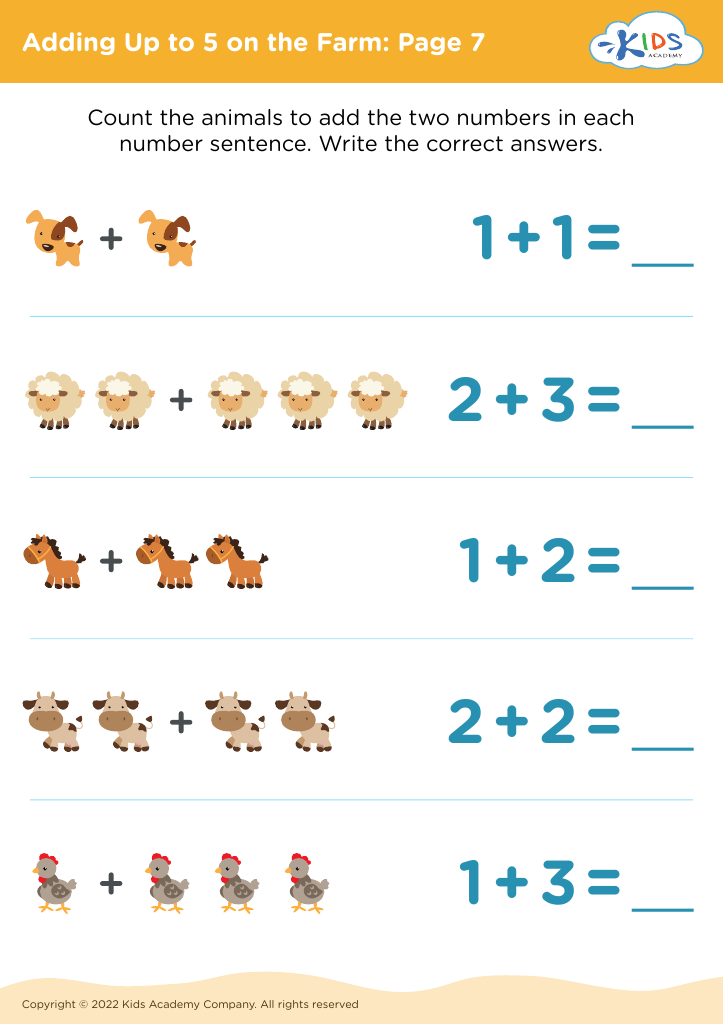
Adding Up to 5 on the Farm: Page 7
Worksheet
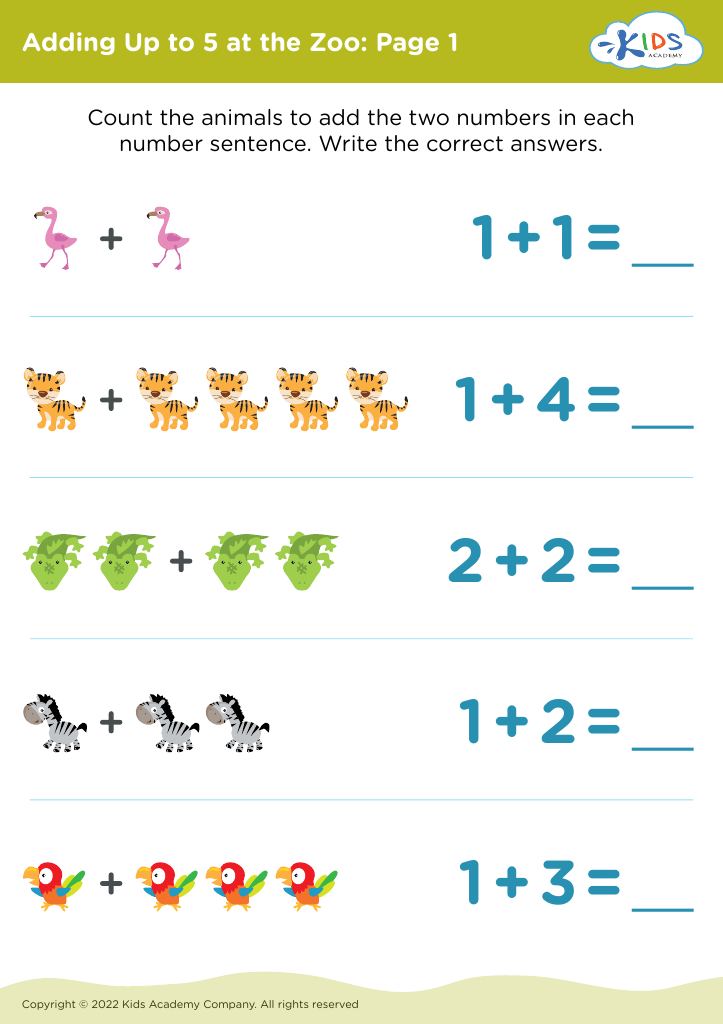
Adding Up to 5 at the Zoo: Page 1

Adding Up to 5 at the Zoo: Page 1

Adding Up to 5 at the Zoo: Page 1
Worksheet
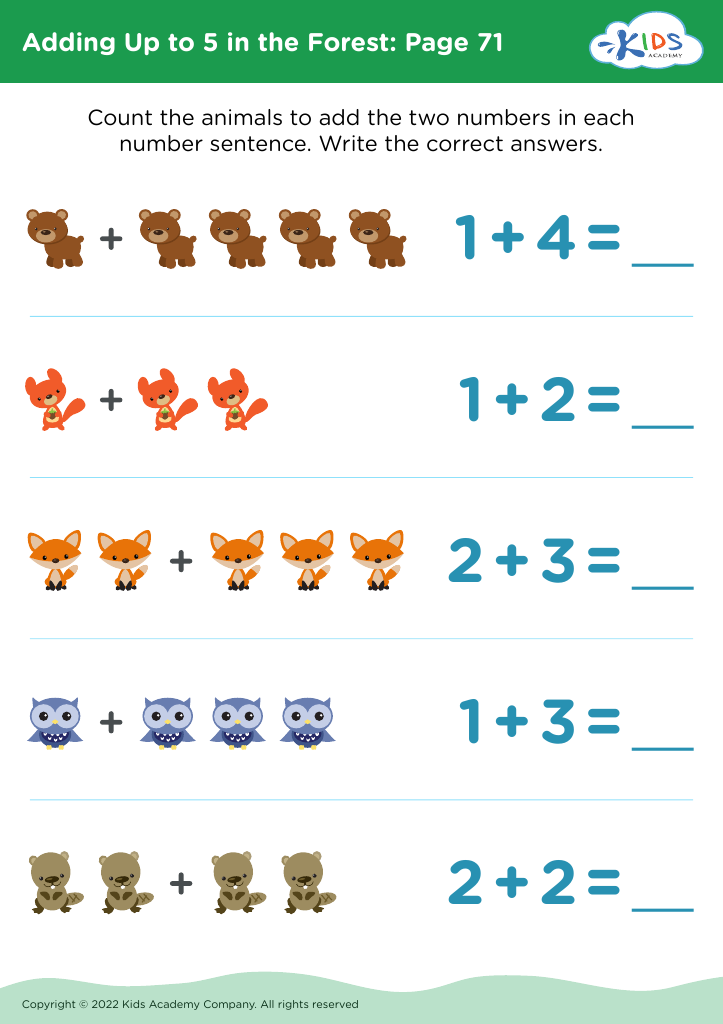
Adding Up to 5 in the Forest: Page 71
Worksheet
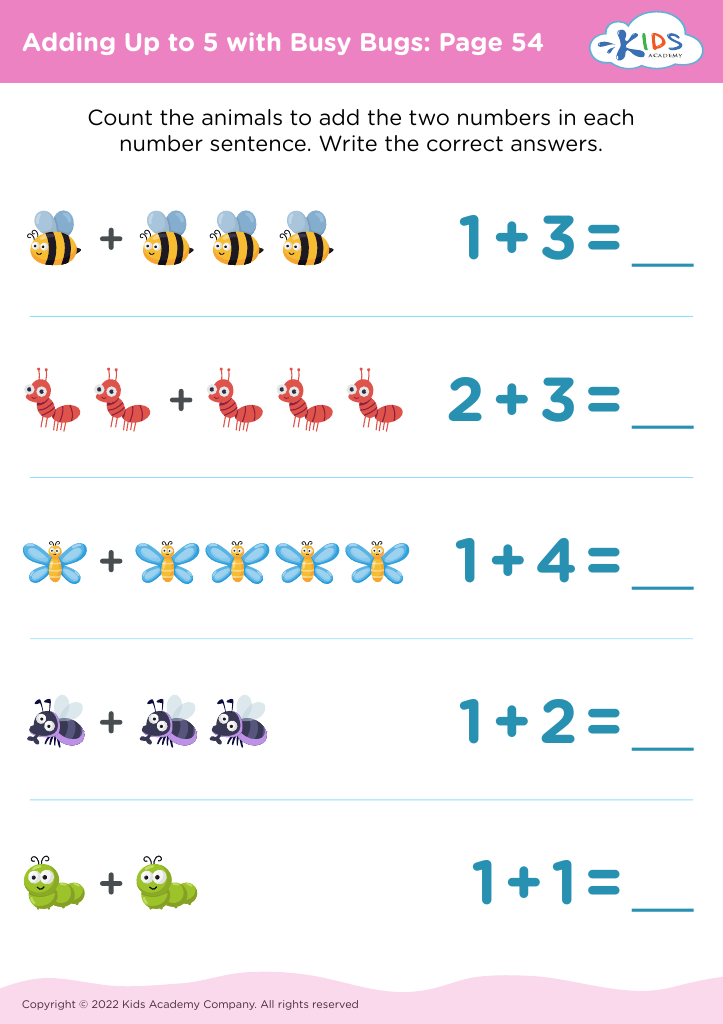
Adding Up to 5 with Busy Bugs: Page 54
Worksheet
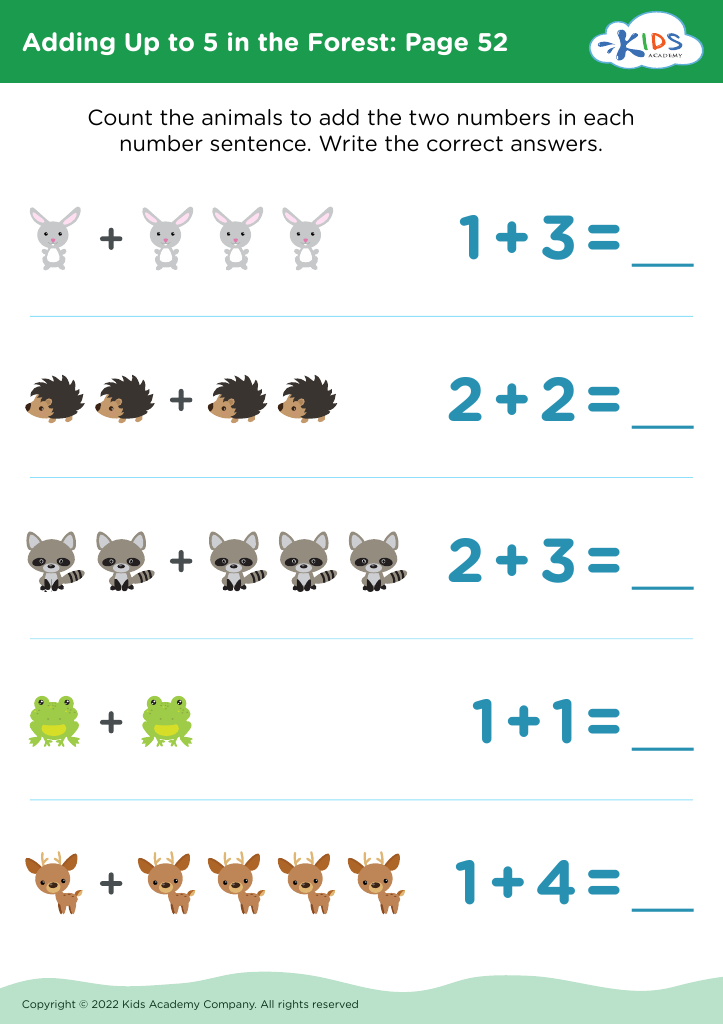
Adding Up to 5 in the Forest: Page 52
Worksheet
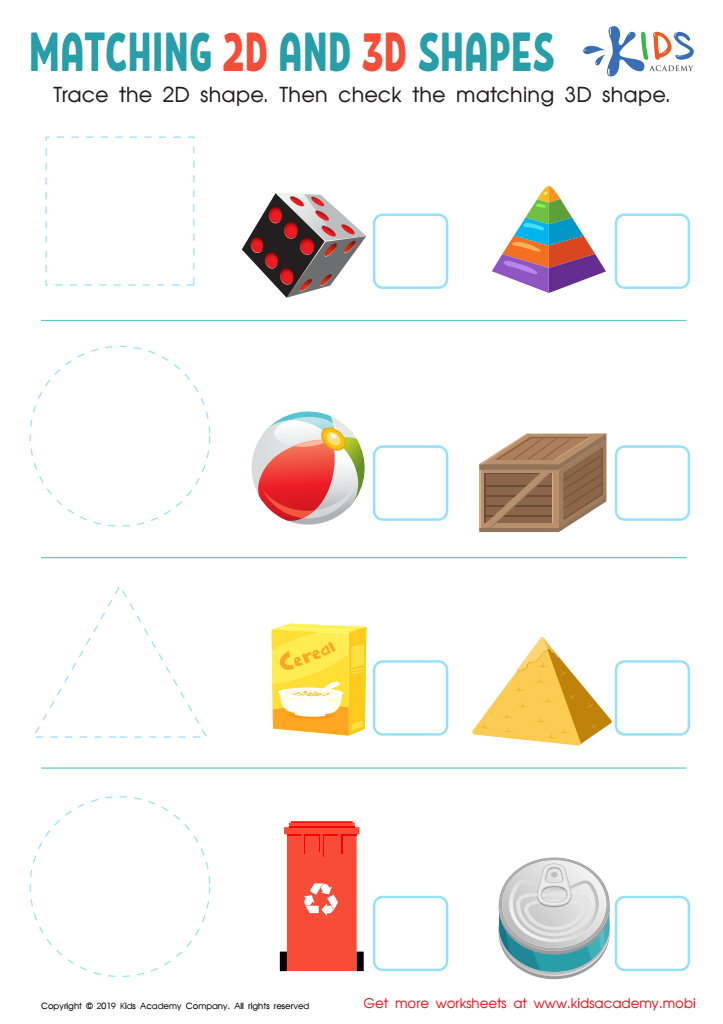
Matching 2D and 3D Shapes Worksheet

Matching 2D and 3D Shapes Worksheet

Before starting this worksheet, ask your kids what shapes they know and point out the 2D and 3D shapes on it. Help your kids trace the 2D shapes and then match them to the 3D versions. It'll be a fun new world for your kids to explore!
Matching 2D and 3D Shapes Worksheet
Worksheet
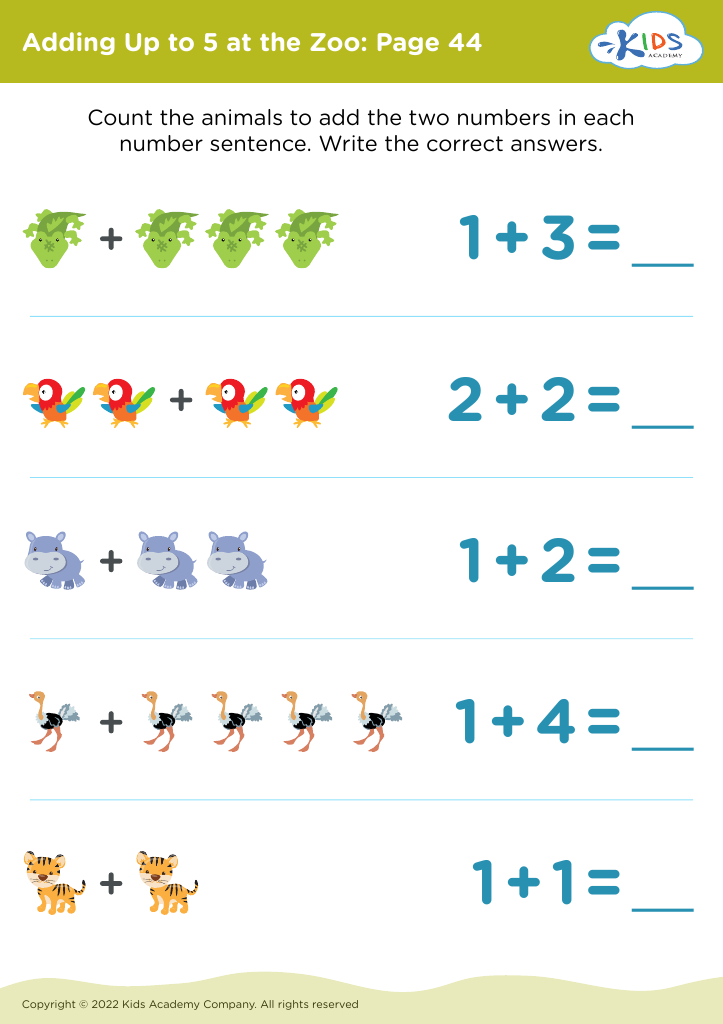
Adding Up to 5 at the Zoo: Page 44
Worksheet
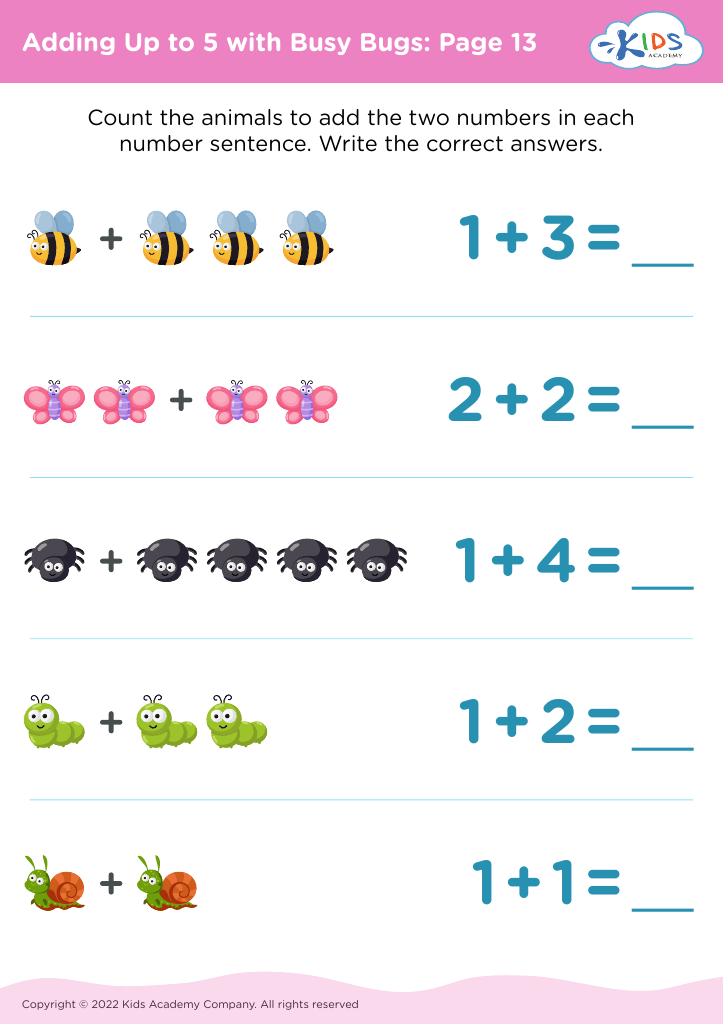
Adding Up to 5 with Busy Bugs: Page 13
Worksheet
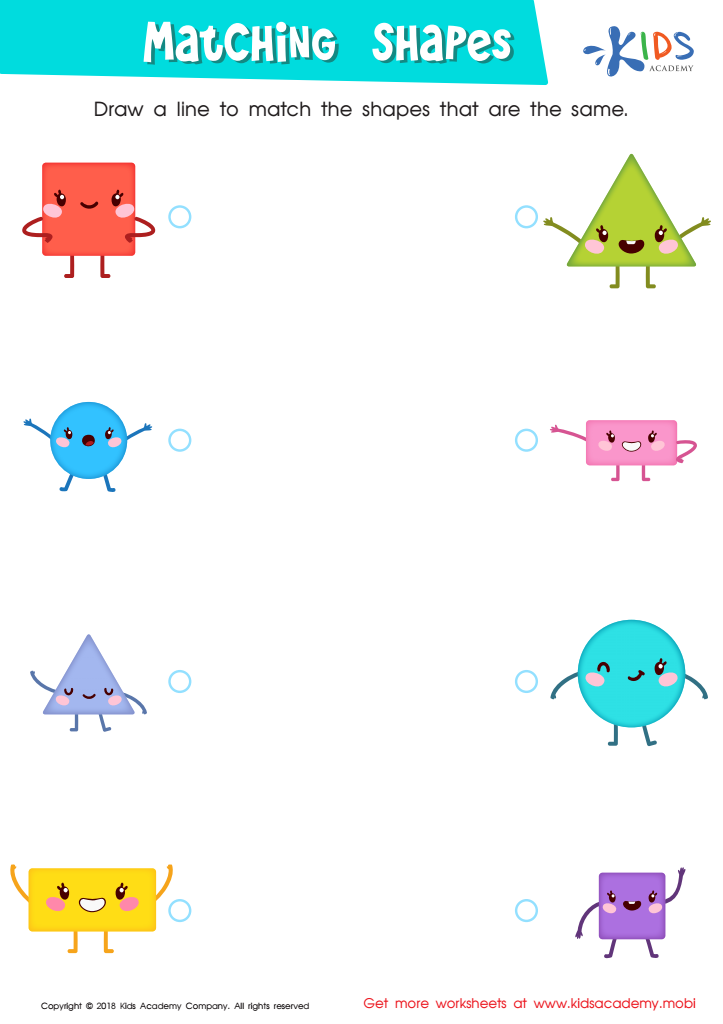
Matching Shapes Worksheet

Matching Shapes Worksheet

Introduce your students to the 4 most common shapes: squares, triangles, rectangles and circles. When they progress, show them other shapes like rhombuses and parallelograms. Use this matching shapes worksheet to help them match two identical shapes. Print out the worksheet and instruct them to draw lines connecting them.
Matching Shapes Worksheet
Worksheet
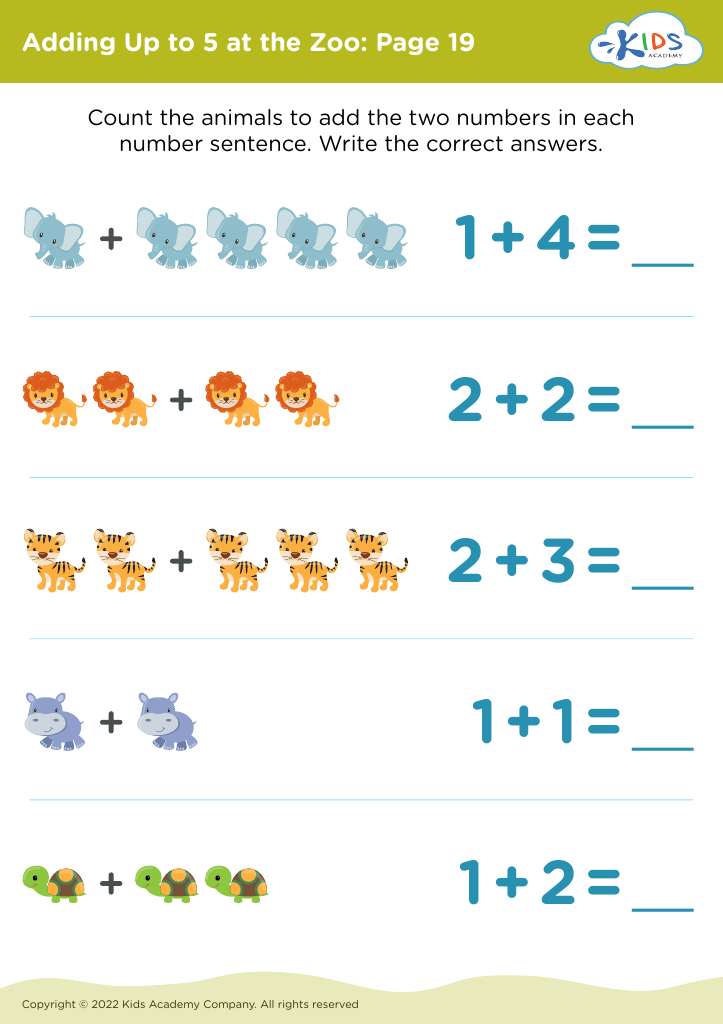
Adding Up to 5 at the Zoo: Page 19
Worksheet
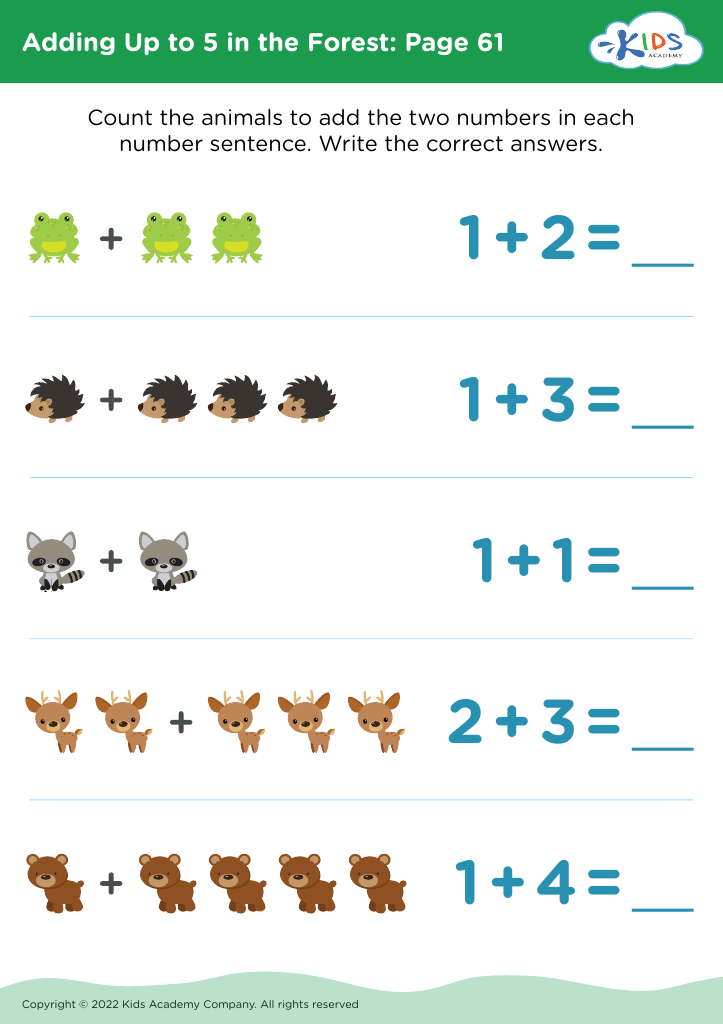
Adding Up to 5 in the Forest: Page 61
Worksheet
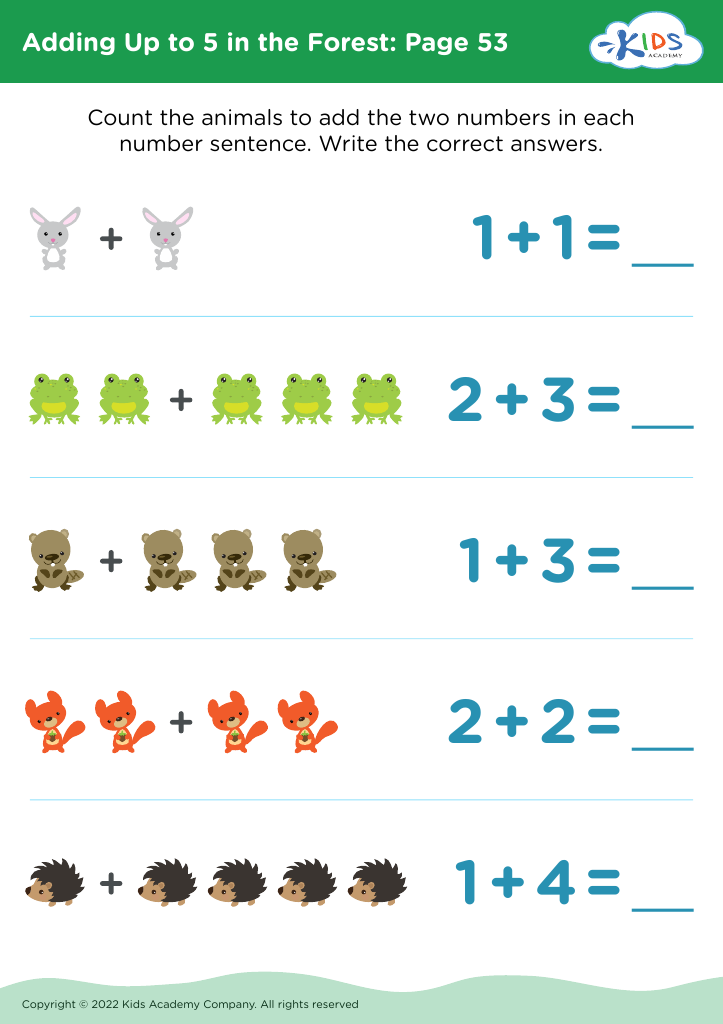
Adding Up to 5 in the Forest: Page 53
Worksheet
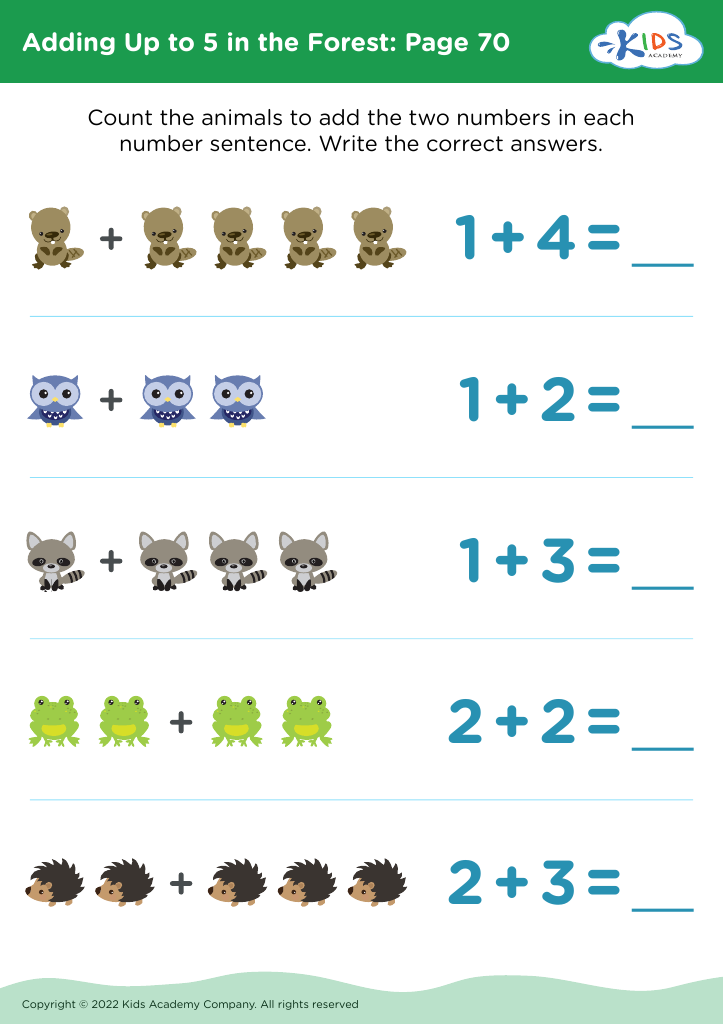
Adding Up to 5 in the Forest: Page 70
Worksheet
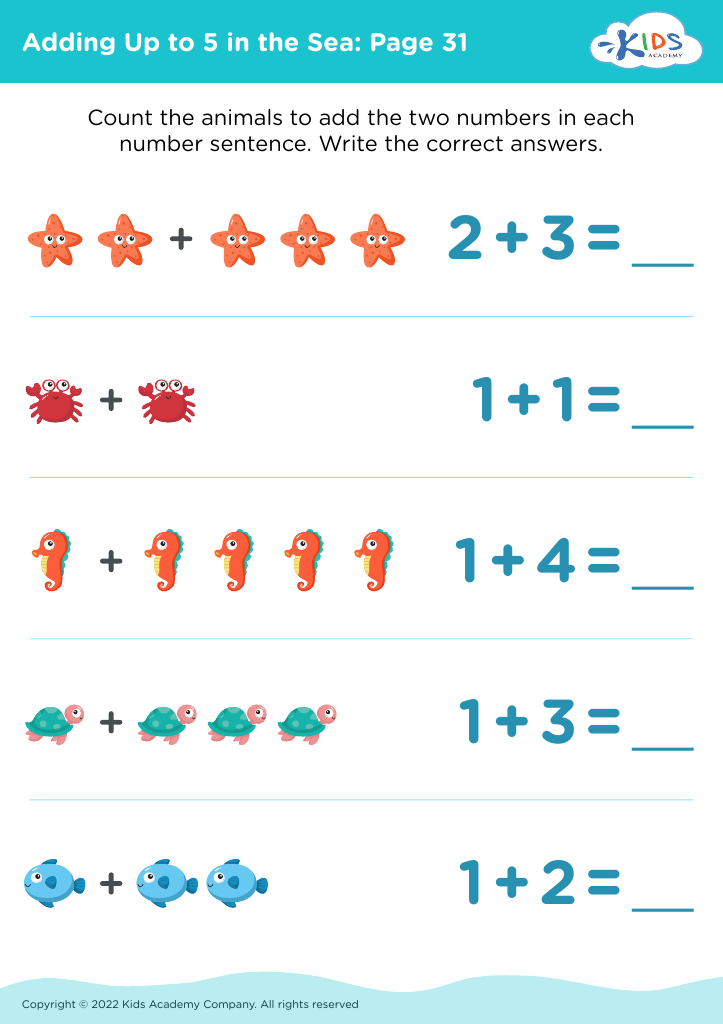
Adding Up to 5 in the Sea: Page 31
Worksheet
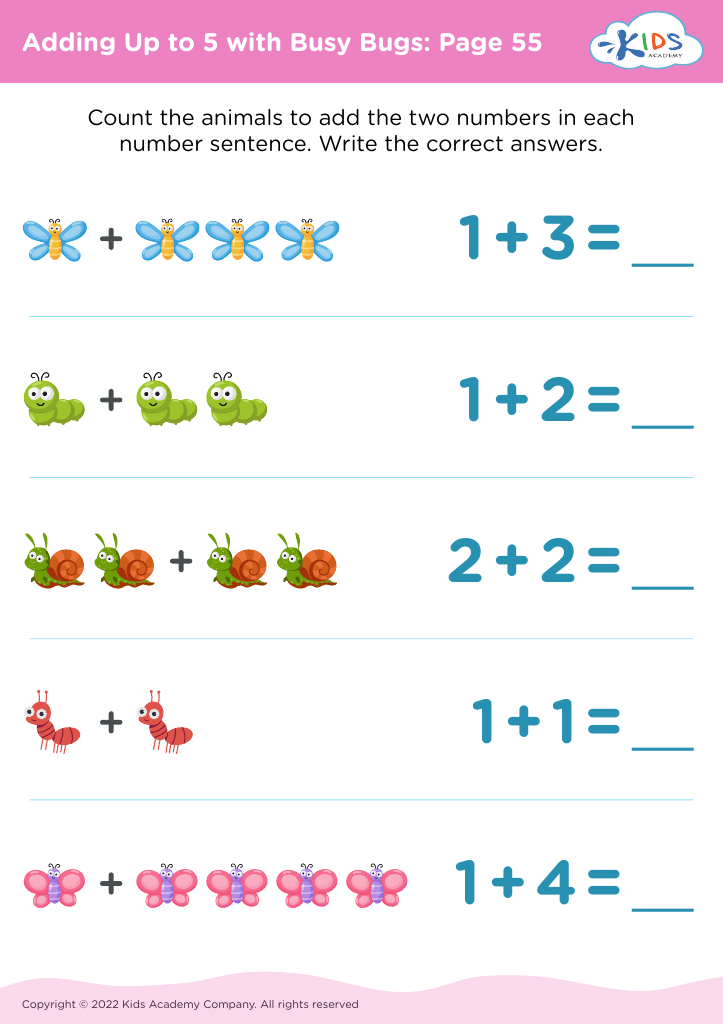
Adding Up to 5 with Busy Bugs: Page 55
Worksheet
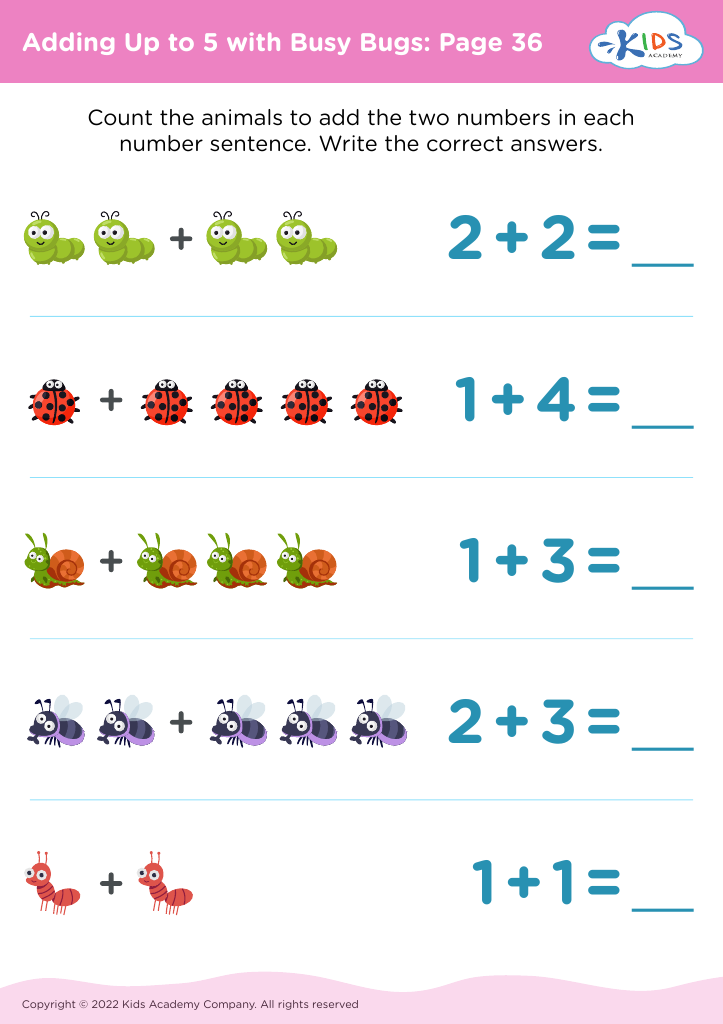
Adding Up to 5 with Busy Bugs: Page 36
Worksheet
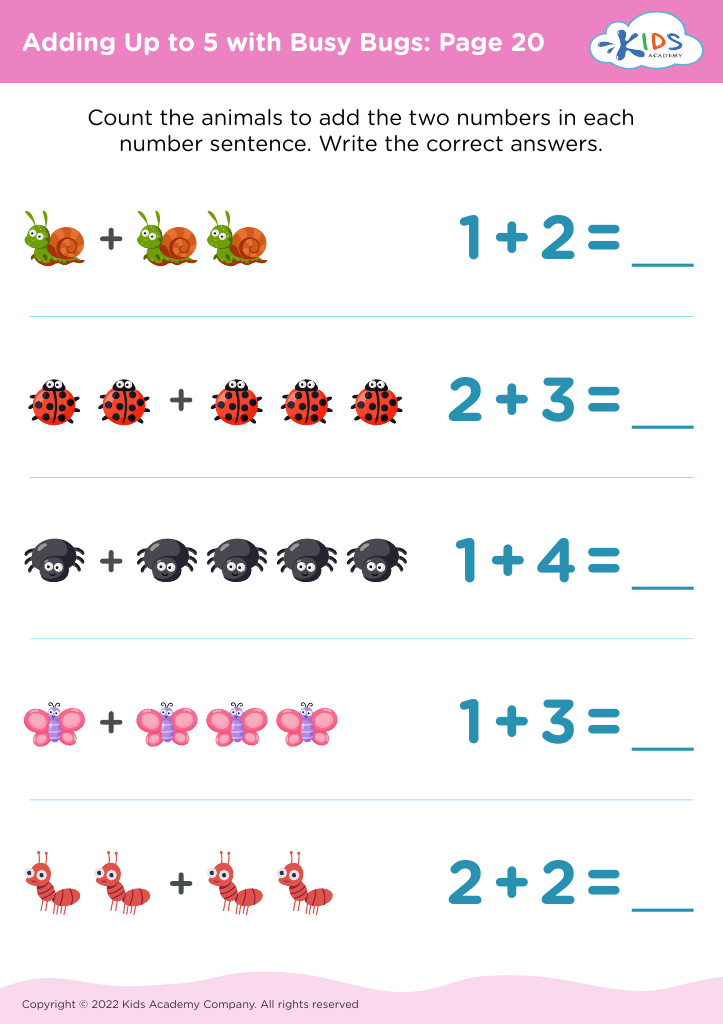
Adding Up to 5 with Busy Bugs: Page 20
Worksheet
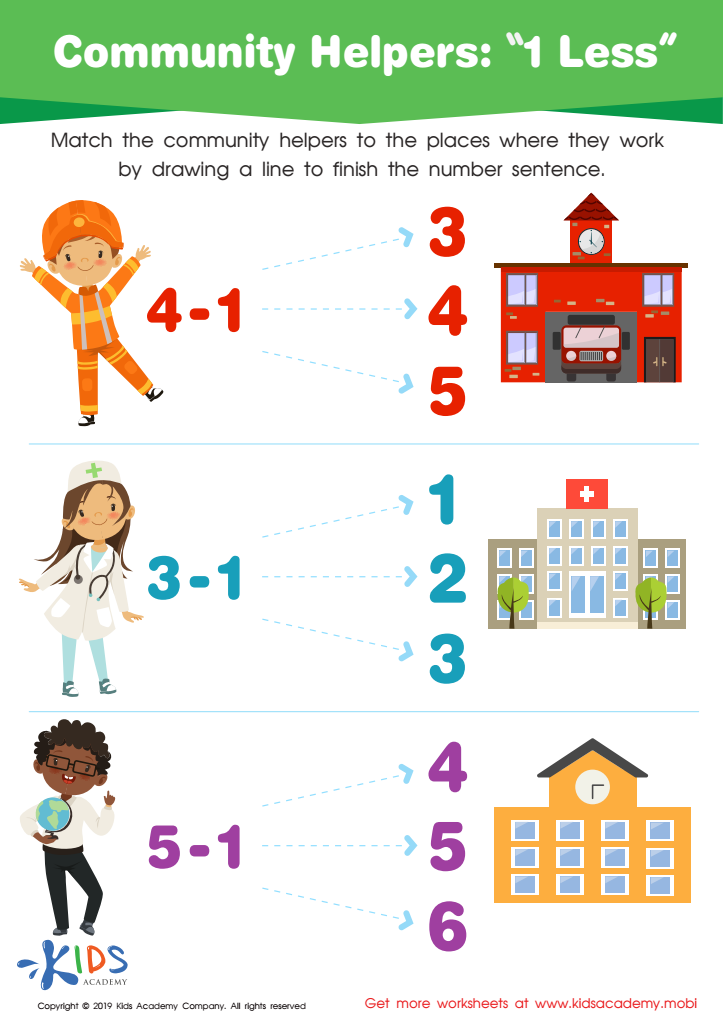
Community Helpers: 1 less Worksheet

Community Helpers: 1 less Worksheet

Look at this worksheet with your child and ask them to identify the different community helpers. Match them to the places where they work by drawing a line to finish the number sentence. This helps them identify the people that help keep the community organized and running smoothly. Examples of community helpers include doctors, police officers, firefighters, teachers, etc.
Community Helpers: 1 less Worksheet
Worksheet
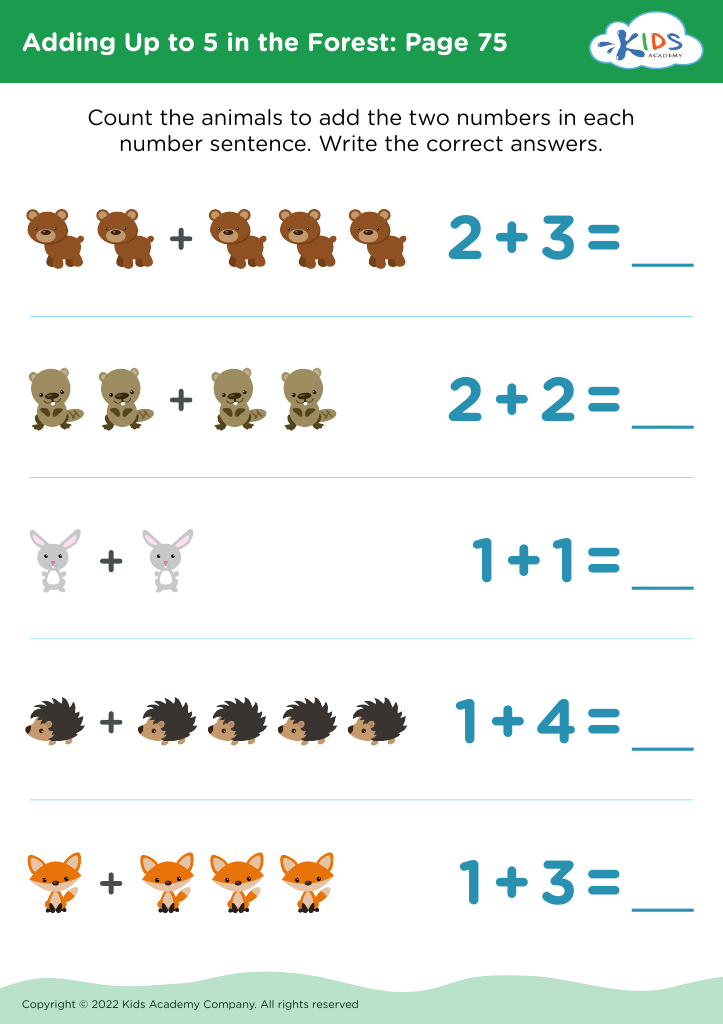
Adding Up to 5 in the Forest: Page 75
Worksheet
Dot to Dot: Ship
Dot to Dot: Ship

Pirate Ship Connect Dots Worksheet

Encourage your child's creativity with this pirate dot to dot! They'll connect the dots to craft a ship and then decorate the sail. This worksheet will help them practice numeracy, counting, and other reasoning skills. Once they understand how the dots come together to make a picture, they'll be motivated to move on to tougher challenges.
Pirate Ship Connect Dots Worksheet
Worksheet
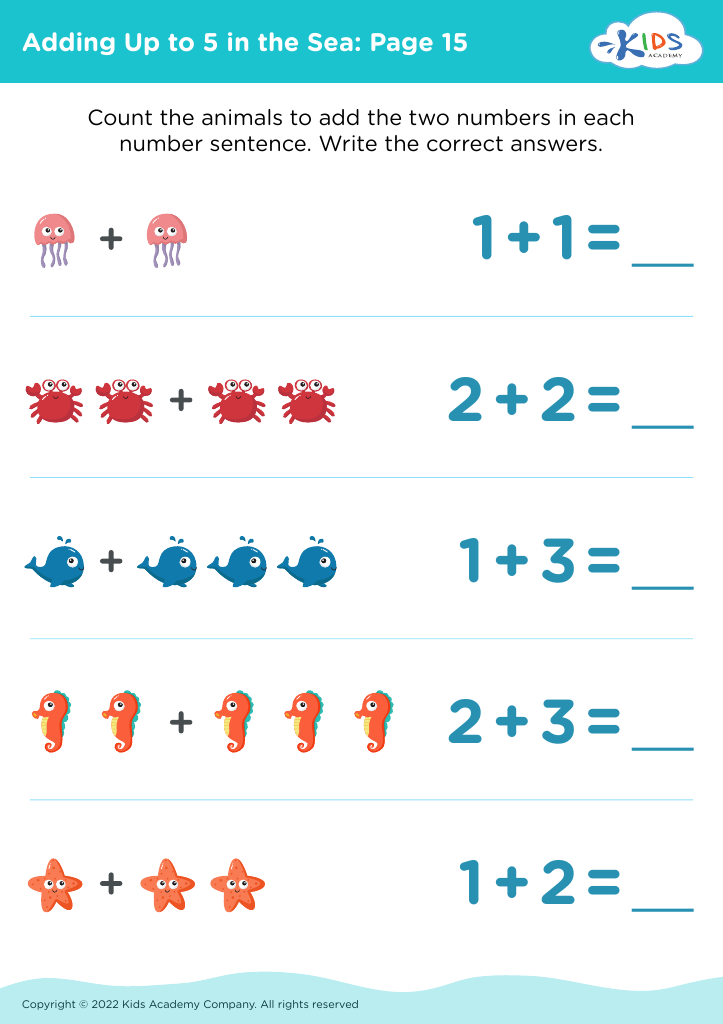
Adding Up to 5 in the Sea: Page 15
Worksheet
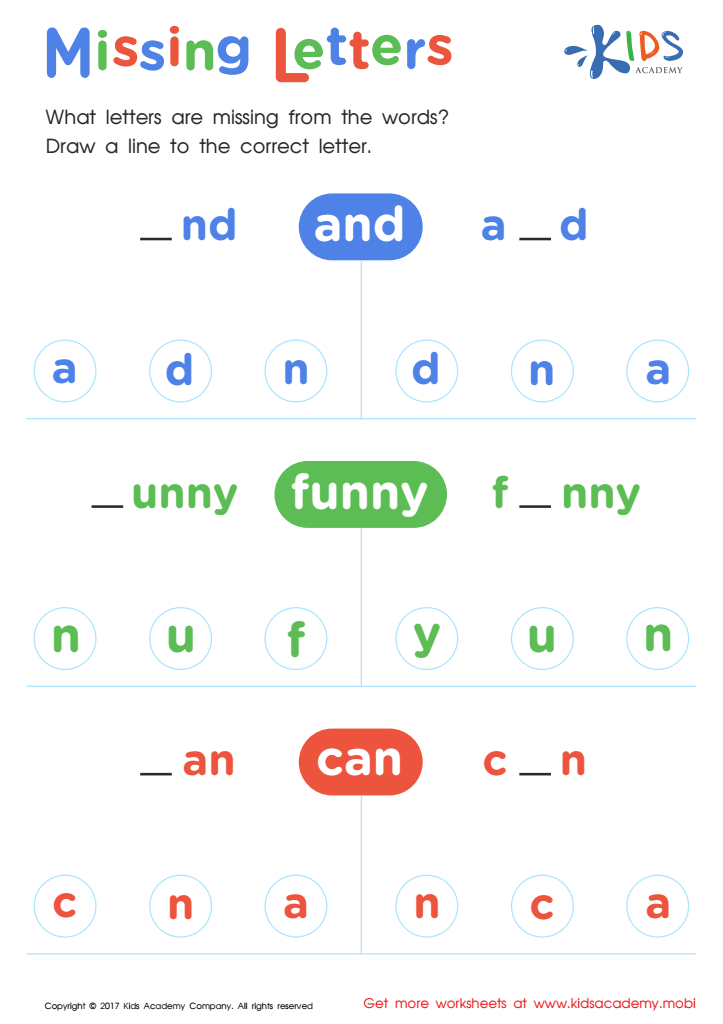
Missing Letters Worksheet

Missing Letters Worksheet

Review sight words with this fun matching worksheet from Kids Academy! Look at the sight words in the middle, read them aloud and find the missing letter on each side for each word. Draw a line to the correct letter to complete the sheet!
Missing Letters Worksheet
Worksheet


Cognitive development in math during early childhood, particularly for ages 4-7, is crucial because it lays the foundation for future academic success and everyday problem-solving skills. At this age, children's brains are highly adaptable and receptive, making it an ideal time to cultivate mathematical thinking and skills. Engaging in math-based activities fosters critical thinking, enhances logical reasoning, and improves understanding of abstract concepts.

Parents and teachers should care about this crucial stage as it significantly influences children's attitudes towards math. Positive early experiences cultivate confidence and reduce anxiety related to mathematics, encouraging a positive mindset that leads to persistence in learning. Moreover, cognitive development in math encourages the interplay of various skills, such as language, memory, and spatial awareness, which are foundational for overall learning.

Encouraging exploration through hands-on activities, games, and problem-solving helps children not only develop their quantitative skills but also breed curiosity and motivate them to explore the world around them. Early investment in cognitive math development cultivates lifelong learners who view math as a valuable and enjoyable skill, enabling them to tackle increasingly complex problems as they grow. Thus, fostering early math skills is an investment in their future educational and personal success.