Logical thinking Matching Worksheets for Ages 4-7
5 filtered results
-
From - To
Unlock your child’s potential with our Logical Thinking Matching Worksheets designed for ages 4-7! These engaging activities foster critical thinking and help young learners develop essential skills while having fun. Each worksheet is crafted to encourage children to connect ideas and recognize relationships, enhancing their cognitive abilities. With colorful graphics and child-friendly themes, your little ones will eagerly explore concepts in a playful manner. Perfect for enhancing classroom learning or for enriching home education, these worksheets cultivate logical reasoning skills that are crucial for future academic success. Start your child’s journey toward confident problem-solving today!
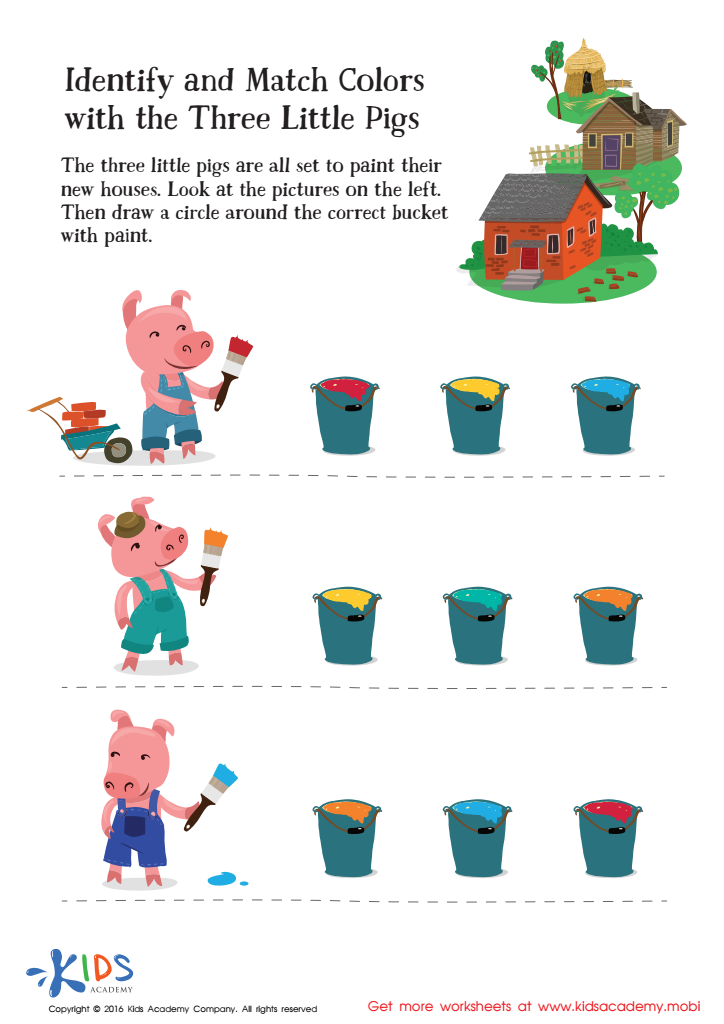
Fairy Tale Worksheet: Identify and Match Colors with Three Little Pigs
 Assign to My Students
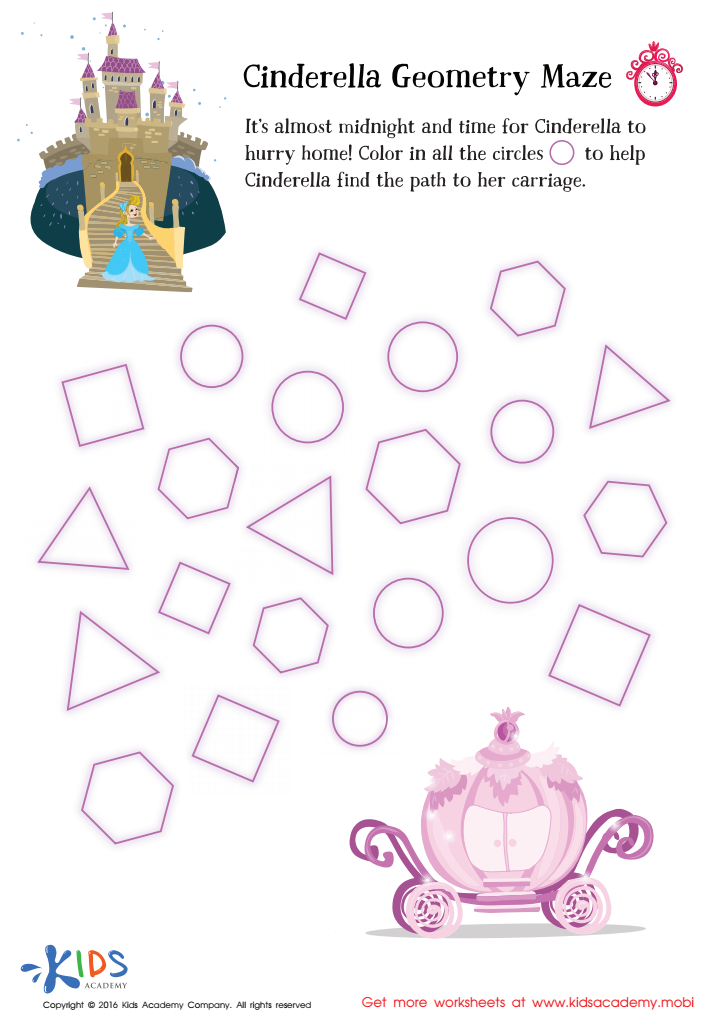
Cinderella Geometry Maze Worksheet
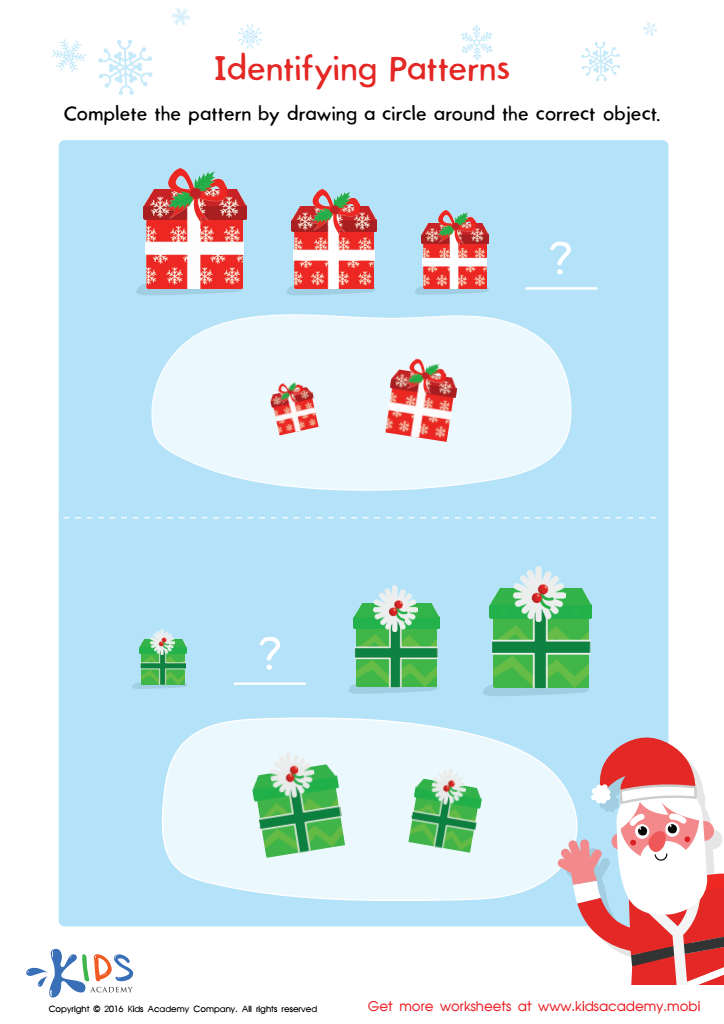
Identifying Patterns Worksheet
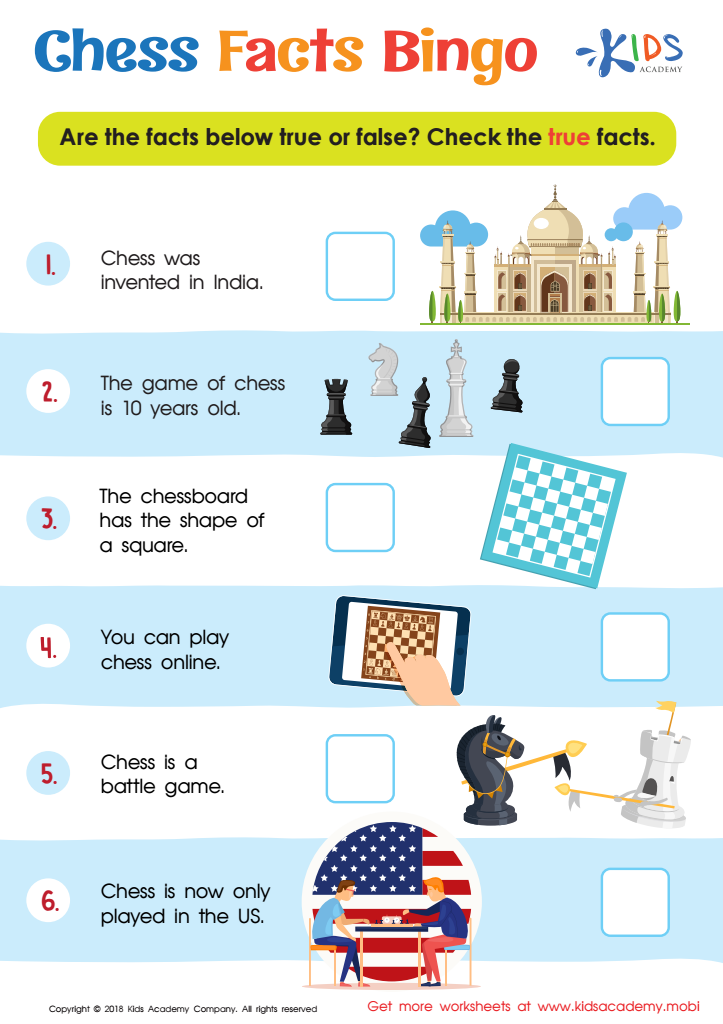
Chess Facts Bingo Worksheet
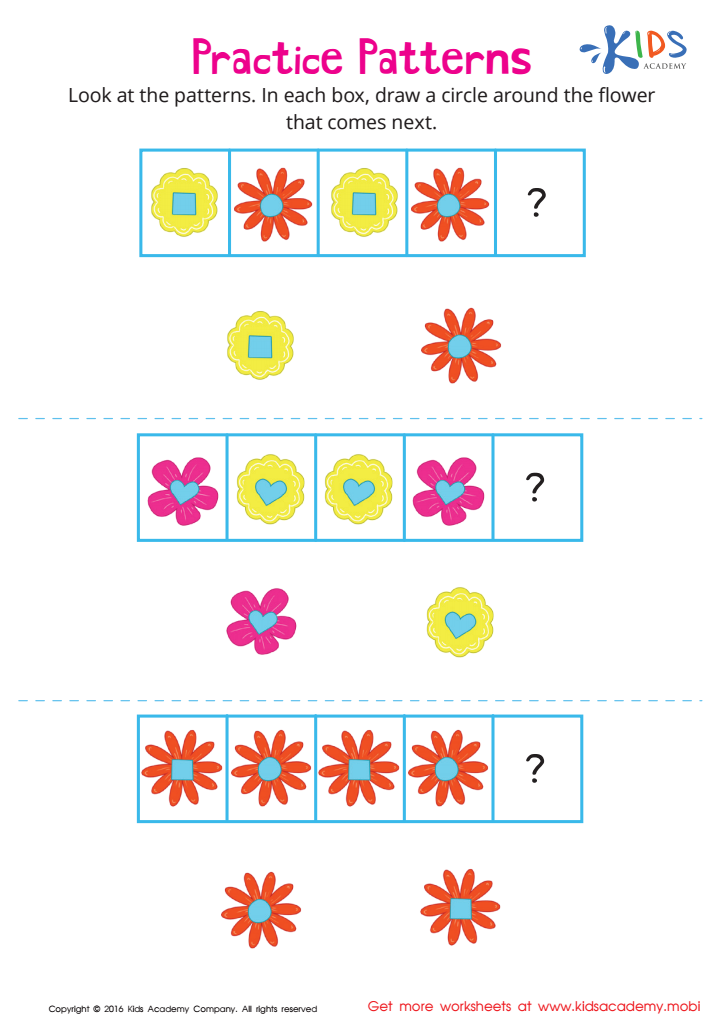








Logical thinking matching activities are crucial for children's development, especially for ages 4-7, a formative period for cognitive growth. Engaging in these activities helps children identify relationships, patterns, and similarities, which are foundational skills for problem-solving and critical thinking.
Parents and teachers should prioritize logical thinking matching because these skills enhance a child's ability to reason and make informed decisions. As children match objects, images, or ideas, they develop key cognitive abilities, such as classification and categorization, essential for their academic success in math and science. Furthermore, these activities promote memory retention and language development, as children learn to articulate their reasoning and recognize vocabulary associated with their matches.
Additionally, logical thinking fosters independence and boosts self-confidence. As children successfully complete these tasks, they gain a sense of achievement, encouraging them to tackle more complex challenges. In social settings, logical reasoning helps them navigate friendships and group dynamics effectively.
In short, logical thinking matching activities are not just play; they lay the groundwork for a child's future learning and interpersonal skills. For parents and teachers, investing time in these activities supports overall development, making it a valuable educational approach.








